Filters

7 filtered results

Clear all filters
Favorites
With answer key
Interactive

7 filtered results

Difficulty Level

Grade


Subject

Discover our engaging "Normal Comparison Worksheets for Ages 6-9" designed to make learning fun and interactive for young minds. These worksheets incorporate various comparison exercises that enhance critical thinking and math skills. Students compare numbers, sizes, and quantities, developing a strong foundation in basic math concepts. Each activity is crafted to suit learners aged 6 to 9, ensuring age-appropriate challenges. With visually appealing graphics and diverse tasks, kids remain motivated and engaged while mastering comparison. Perfect for classroom use or homeschooling, our worksheets offer a seamless blend of education and entertainment. Encourage your child's mathematical journey today!

Check out this FREE Trial Lesson on Comparison for age 6-9!

Comparing Numbers (Objects)

Favorites
With answer key
Interactive
  • 6-9
  • With answer key
  • Comparison
  • Normal
Tall or Short and Long or Short? Worksheet

Tall or Short and Long or Short? Worksheet

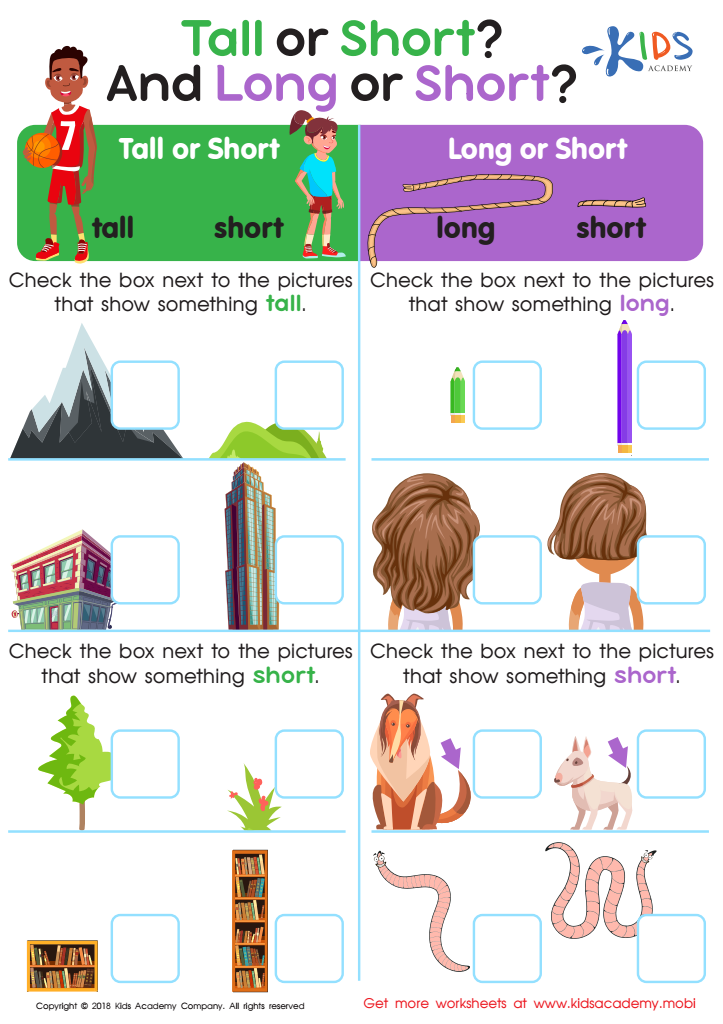
This worksheet is fun and helpful for kids to understand the difference between height and length. With pictures of familiar objects, they can compare and choose the box with the right answer. This helps them gain skills and a better foundation for future measuring.
Tall or Short and Long or Short? Worksheet
Worksheet
Comparing Triangles Squares Worksheet

Comparing Triangles Squares Worksheet

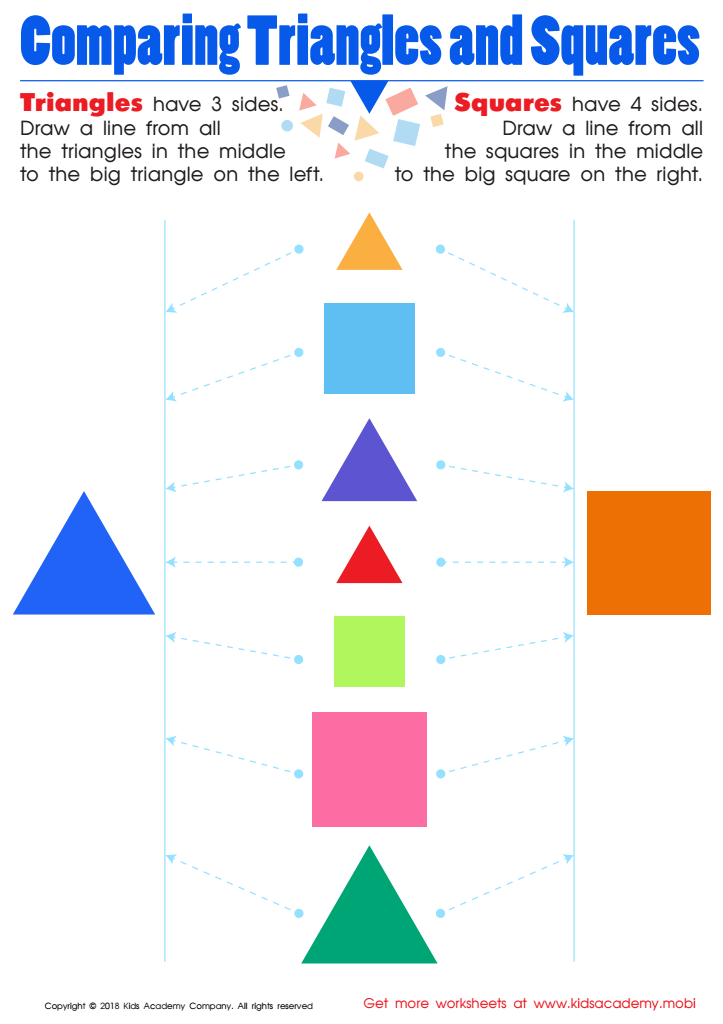
Squares and triangles are different in the number of sides they have. Challenge kids to compare them with this fun worksheet! Read the descriptions at the top, then use the left and right shapes to match up the middle ones. Go down the page, joining the middle shapes to the side using the dotted lines!
Comparing Triangles Squares Worksheet
Worksheet
Matching: Classifying Toys by Size Worksheet
Matching: Classifying Toys by Size Worksheet

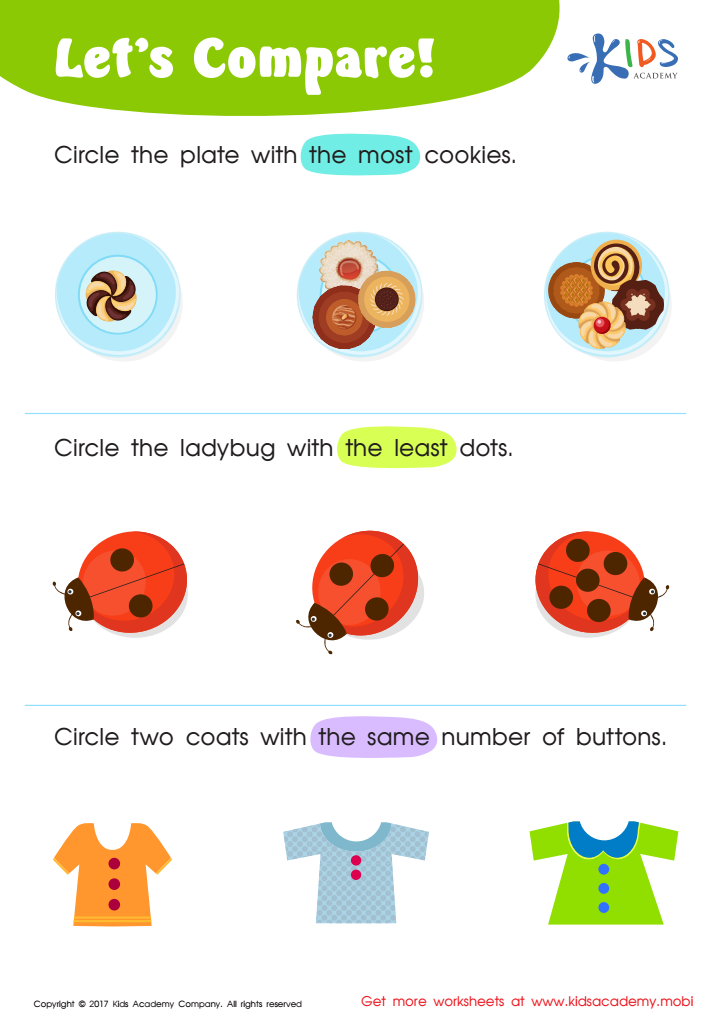
. Have your young one's observation and counting skills ready for this worksheet; carefully look through the images and count the objects, then circle the plates with the least, most or equal number of patterns. Pay attention and have good counting abilities to make this task easy.
Matching: Classifying Toys by Size Worksheet
Worksheet
Sorting Worksheets for Preschool

Matching: Classifying Toys by Size Worksheet

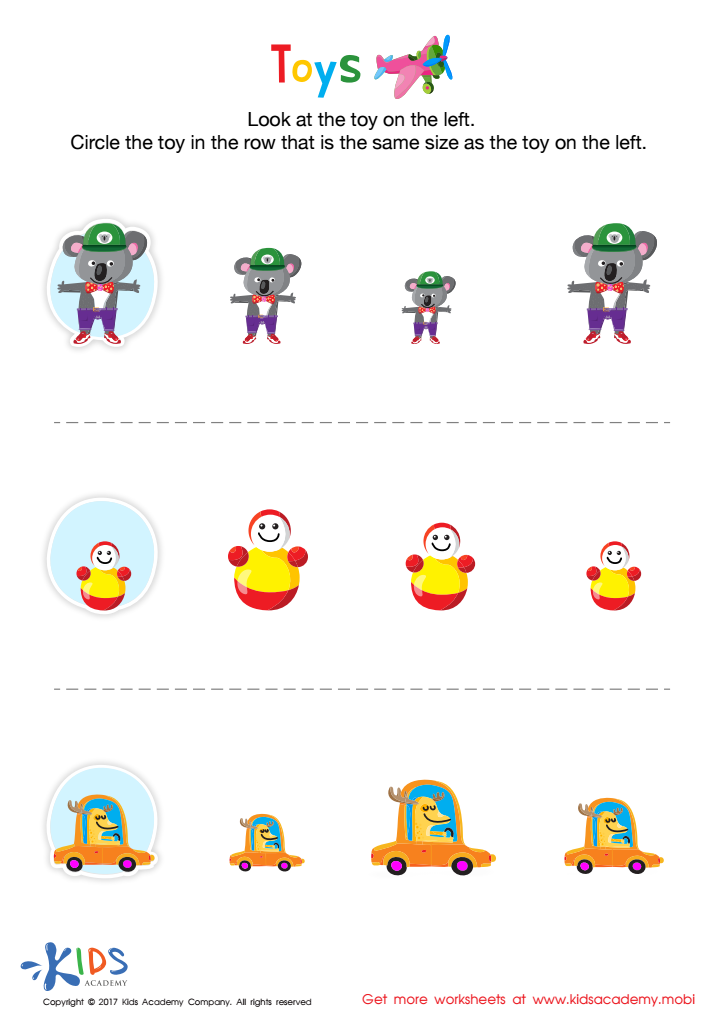
Sorting worksheets are an effective way to help your preschooler learn life and educational skills. Spatial awareness, direction recognition, and reading directions all help build a strong foundation for future educational success.
Matching: Classifying Toys by Size Worksheet
Worksheet
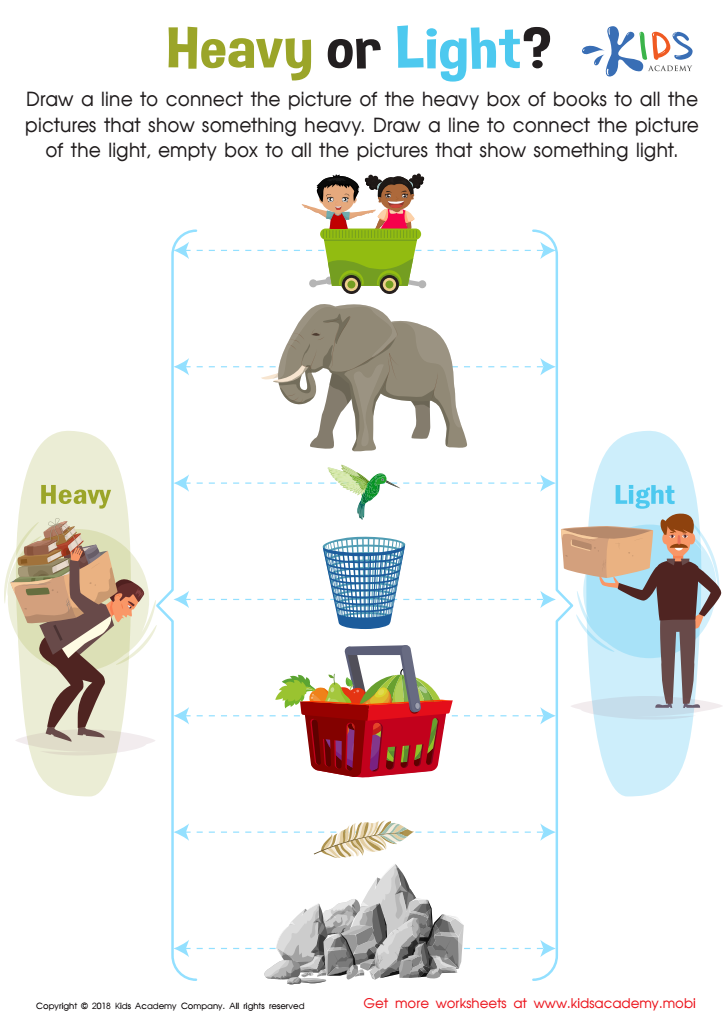
Heavy or Light? Worksheet

Heavy or Light? Worksheet

Kids can struggle to understand weight comparison, as size and mass matter. This free PDF helps develop fine-motor and hand-eye skills as kids trace lines to match pictures. The familiar pictures create concrete representations, ideal for learning more complex concepts.
Heavy or Light? Worksheet
Worksheet
Silhouettes - shapes worksheet

Silhouettes – Shapes Worksheet
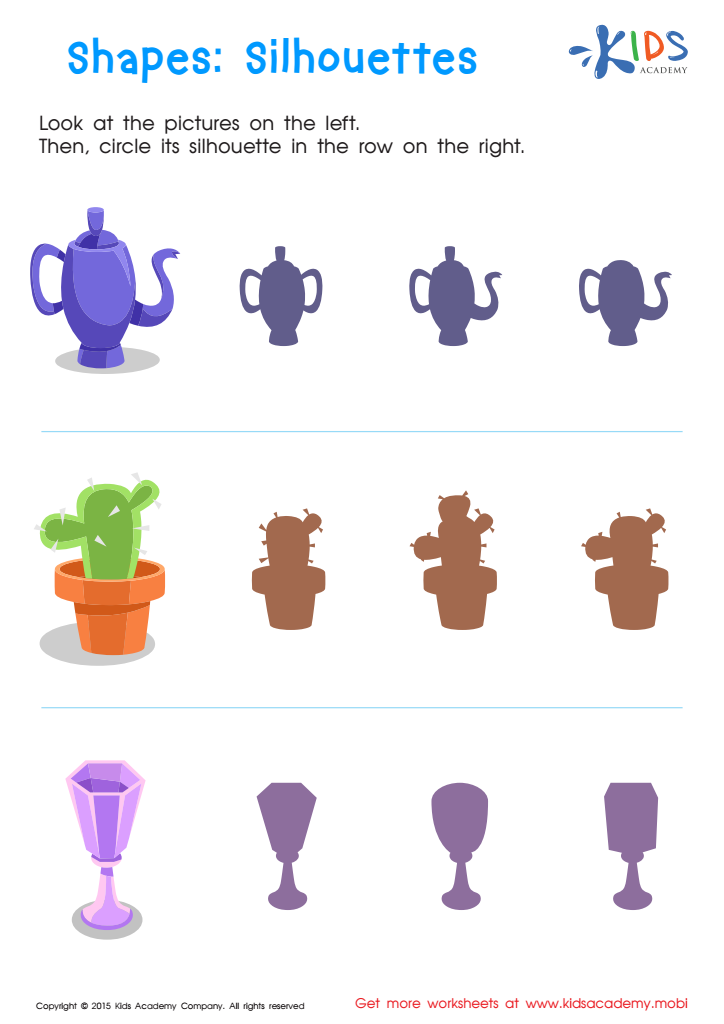
Kids can have fun while learning to compare sizes with this silhouettes shapes worksheet! Matching pictures to silhouettes helps them build early math skills, while enjoying the activity!
Silhouettes – Shapes Worksheet
Worksheet
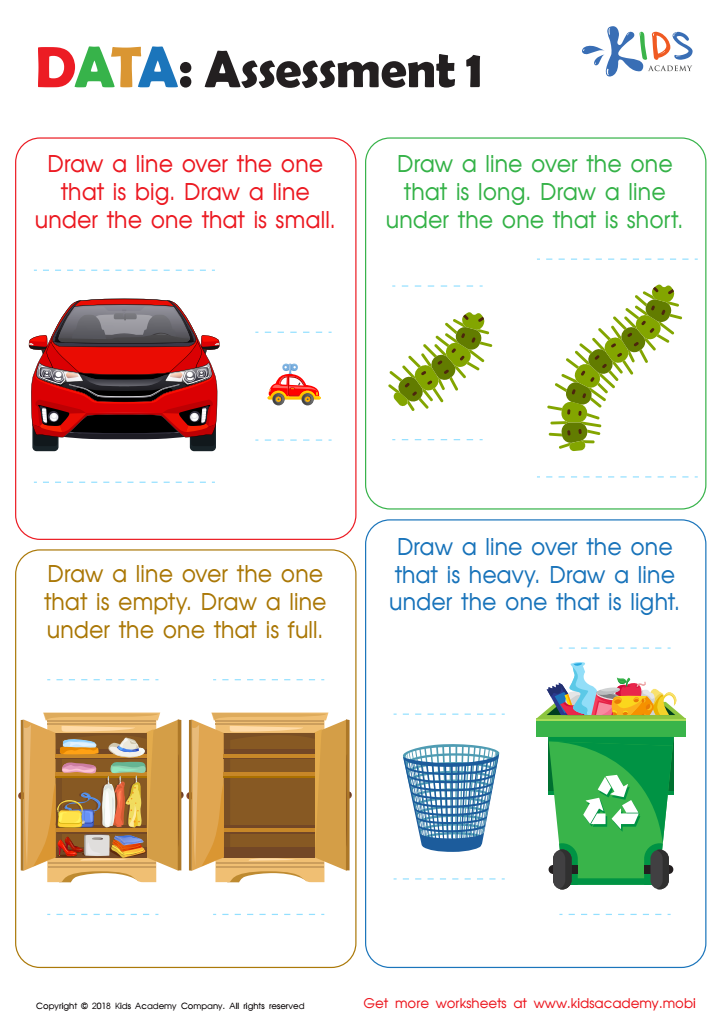
Data: Assessment 1 Worksheet


Data: Assessment 1 Worksheet

Assess your students' knowledge of measurement words with this worksheet. Have them compare and describe objects/quantities using words like "big", "small", "long", "short", "empty", "full", "heavy" and "light". Encourage further learning by asking students to provide examples of each word meaning.
Data: Assessment 1 Worksheet
Worksheet


Normal comparison charts, often called developmental milestones, are a vital tool for parents and teachers of children ages 6-9. These charts track key physical, emotional, cognitive, and social benchmarks that are typical for specific age ranges. Understanding these milestones helps in identifying whether a child is developing on track, which is crucial for early intervention if necessary.

For parents, normal comparison charts offer a sense of reassurance and guidance. They highlight expected accomplishments, such as reading and basic math skills, thus helping parents support their children’s learning effectively at home. If a child lags significantly behind, parents will know to seek advice from educators or pediatric health experts promptly.

For teachers, such charts are valuable in customizing instruction and activities. Recognizing the standard developmental range allows teachers to design lesson plans that are appropriately challenging yet attainable for their students. This promotes a more inclusive learning environment, where each child can thrive according to their developmental stage.

Moreover, these charts enable better communication between parents and teachers. Frequent discussions on a child's progress help create a supportive network that proactively addresses any developmental concerns. In summary, normal comparison charts provide a framework that assists both teachers and parents in fostering a child's holistic growth and well-being.