Normal Animals Worksheets for Ages 7-9 - Page 2
38 filtered results
-
From - To
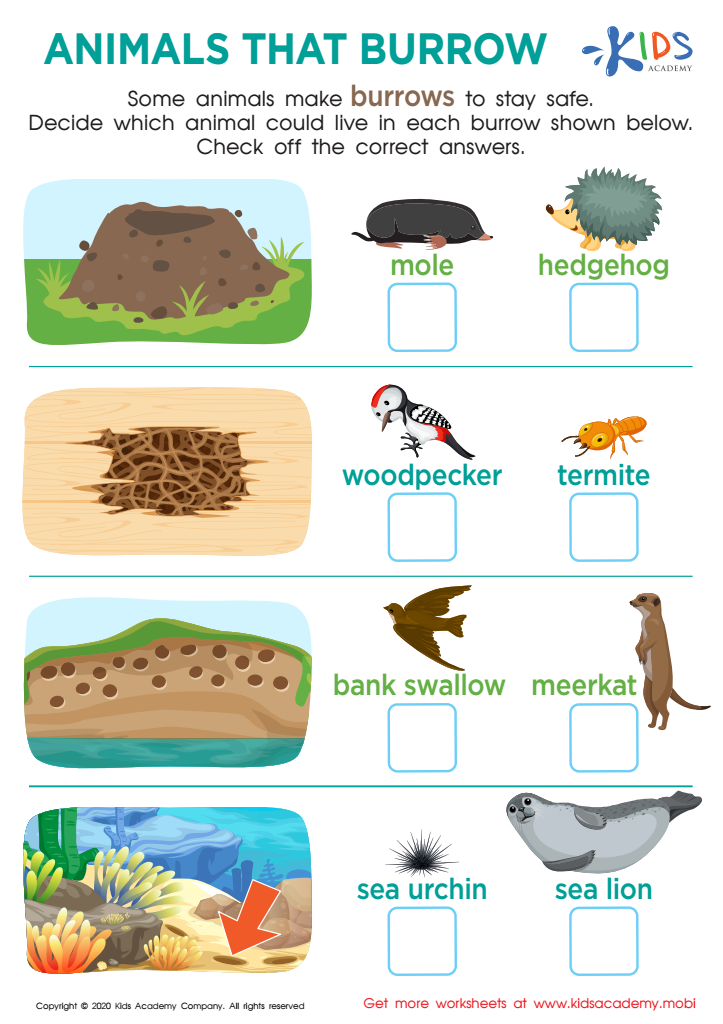
Animals That Burrow Worksheet
 Assign to My Students
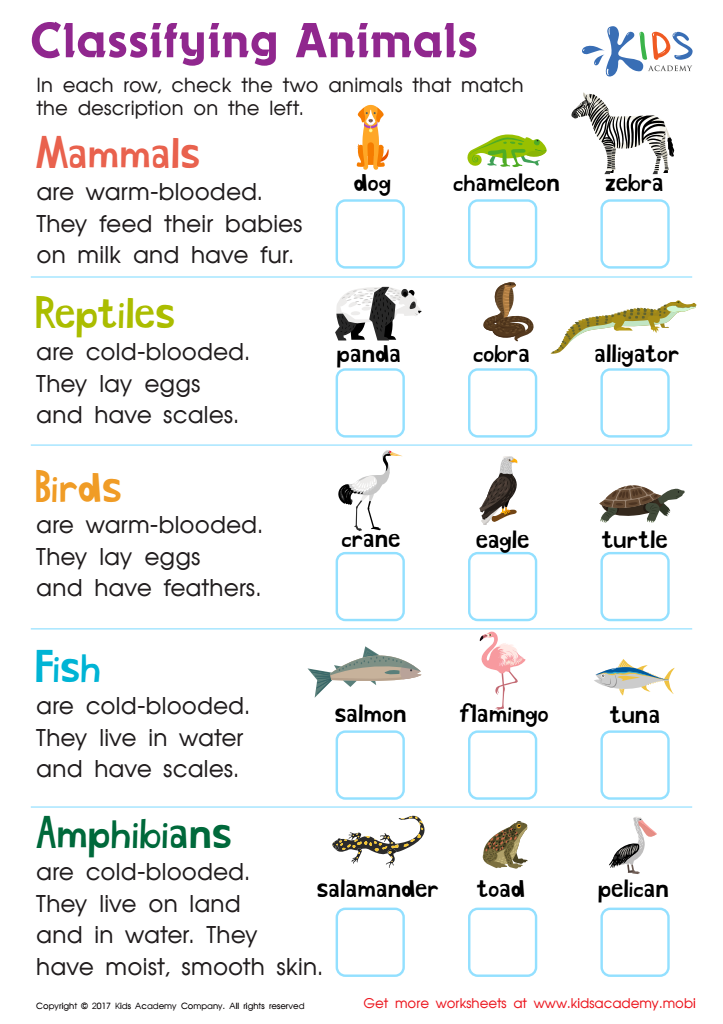
Classifying Animals Worksheet
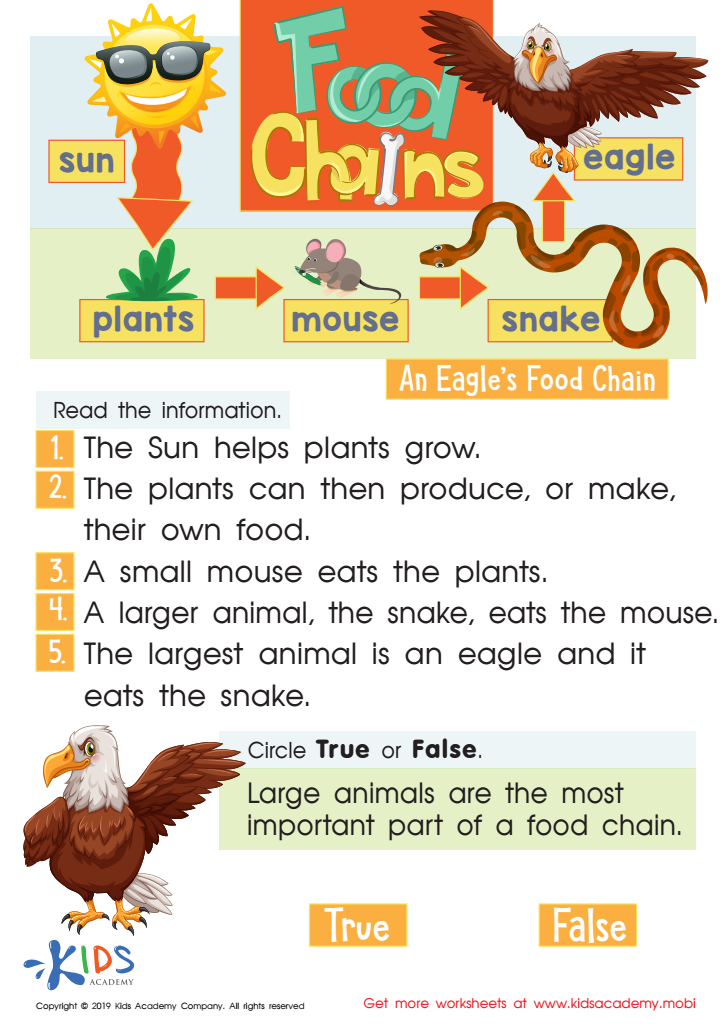
Food Chains Worksheet
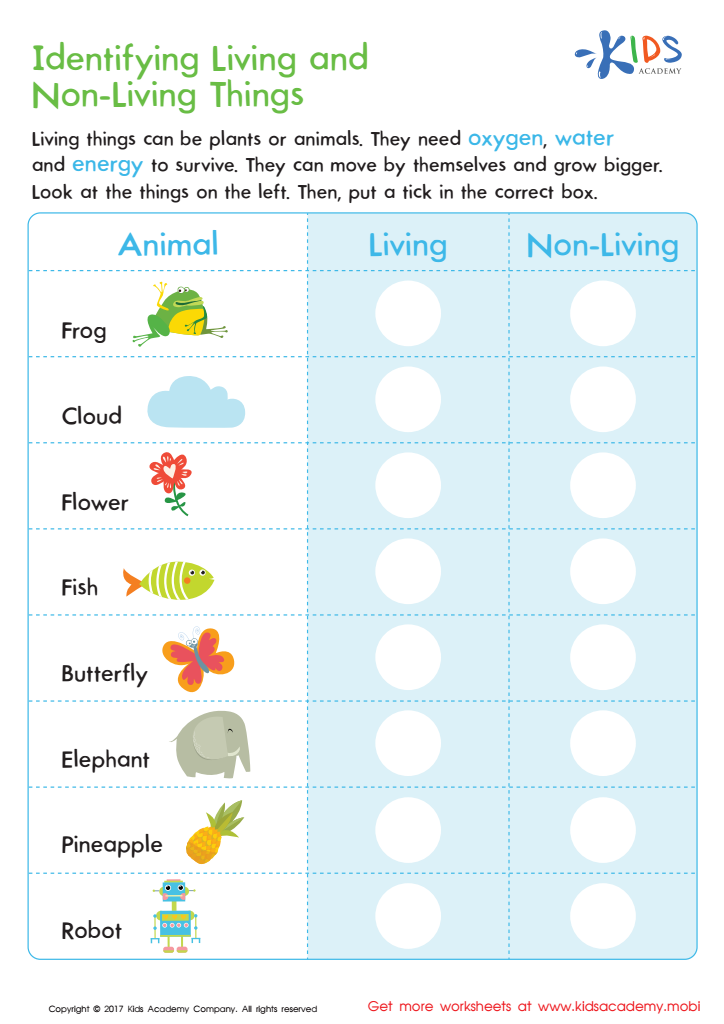
Identifying Living or Non–living Worksheet
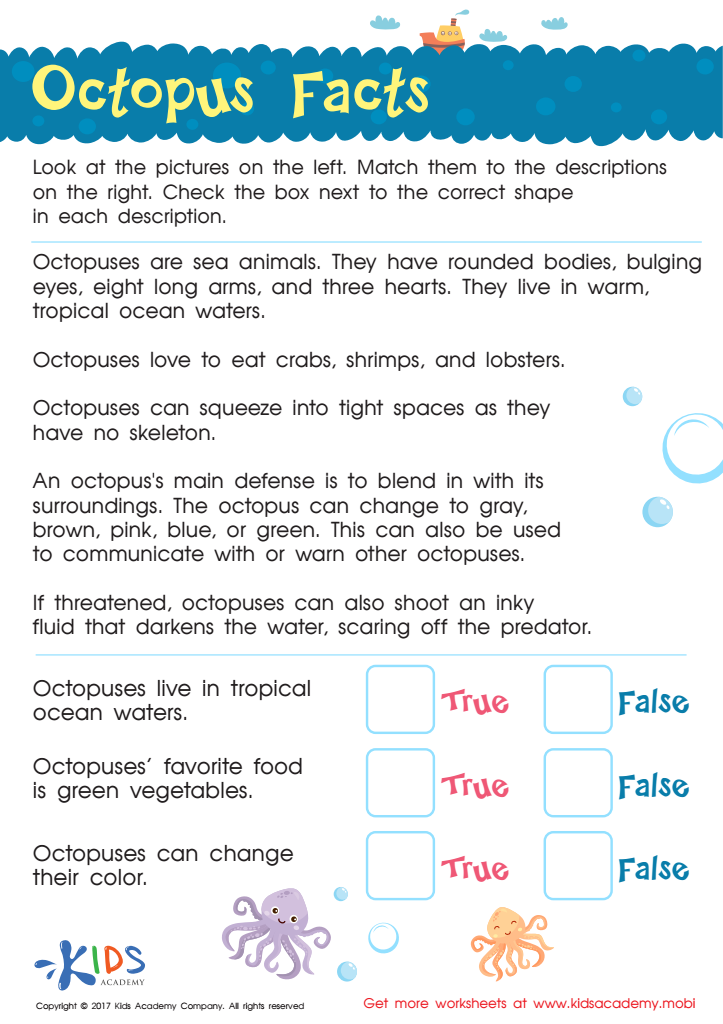
Octopus Facts Worksheet For Kids
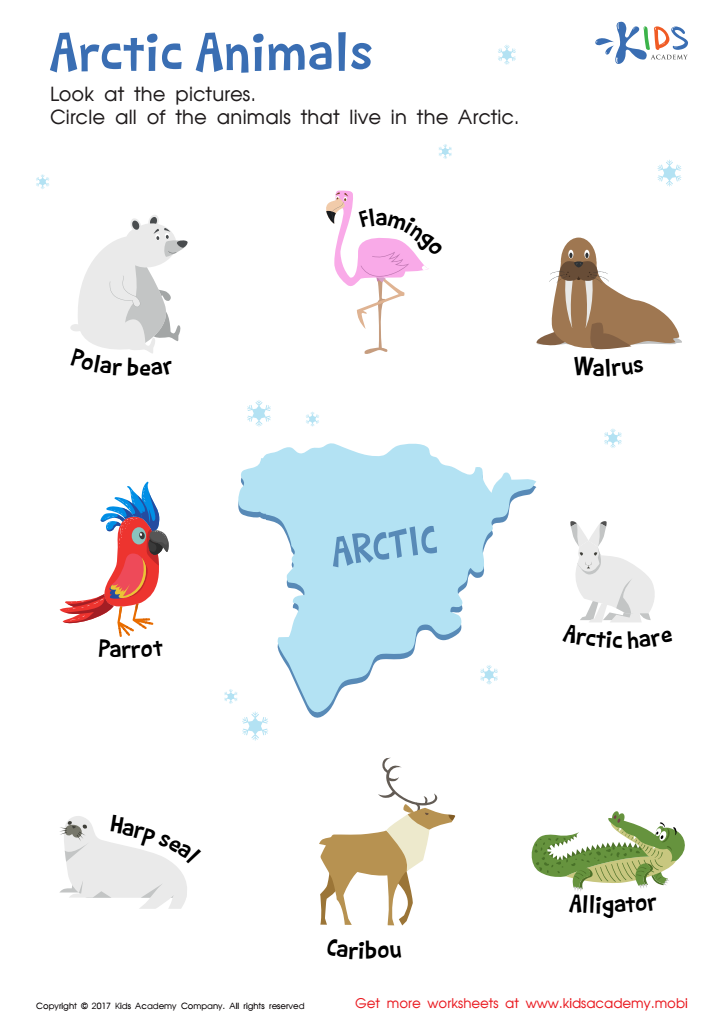
Arctic Animals Worksheet
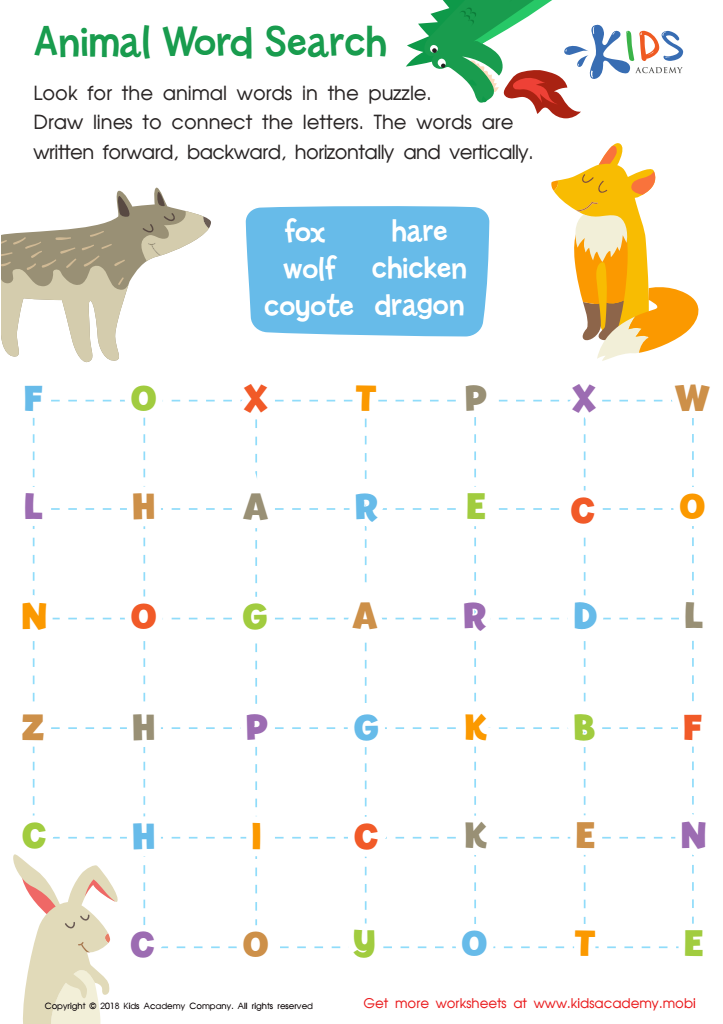
Animal Word Search Worksheet
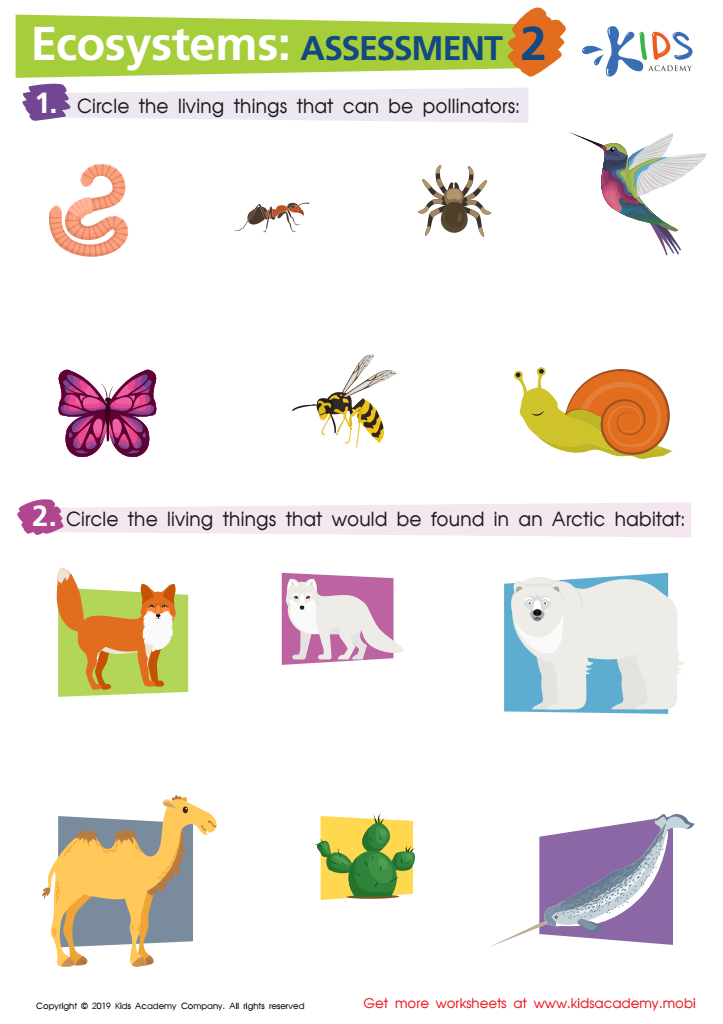
Ecosystems: Assessment 2 Worksheet
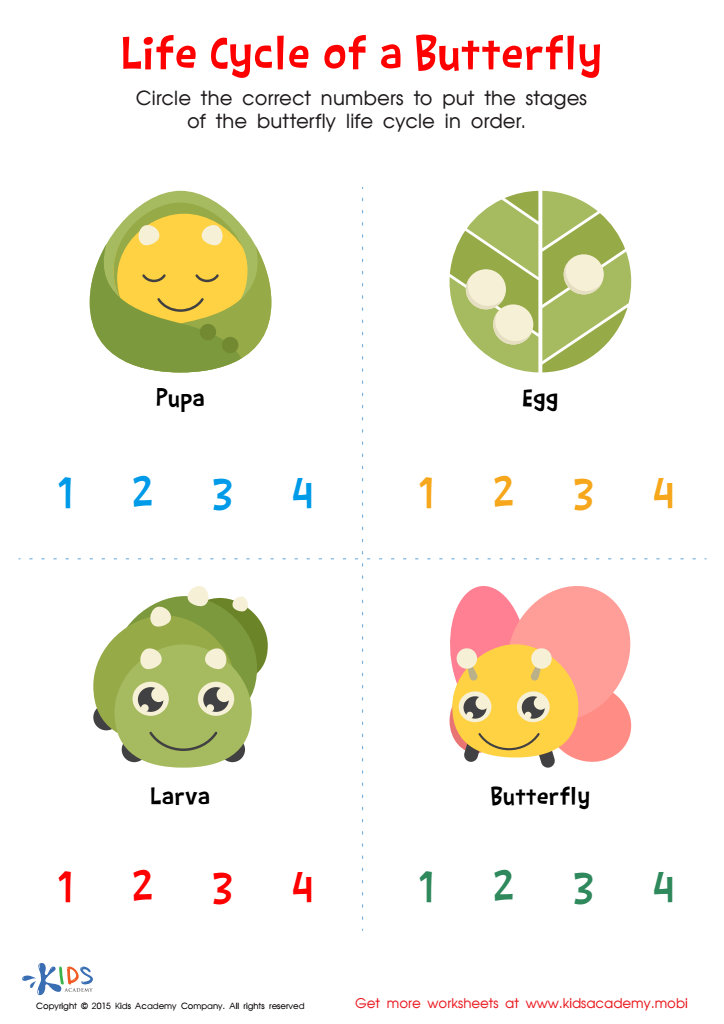
Life Cycle of Butterfly Printable
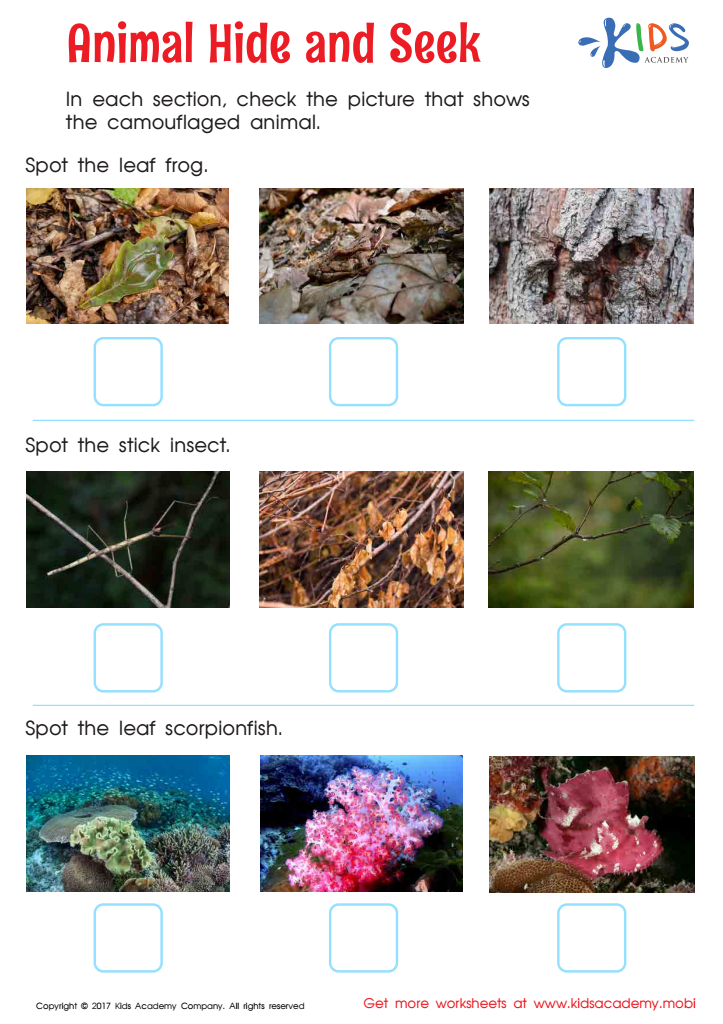
Animal Hide and Seek Worksheet
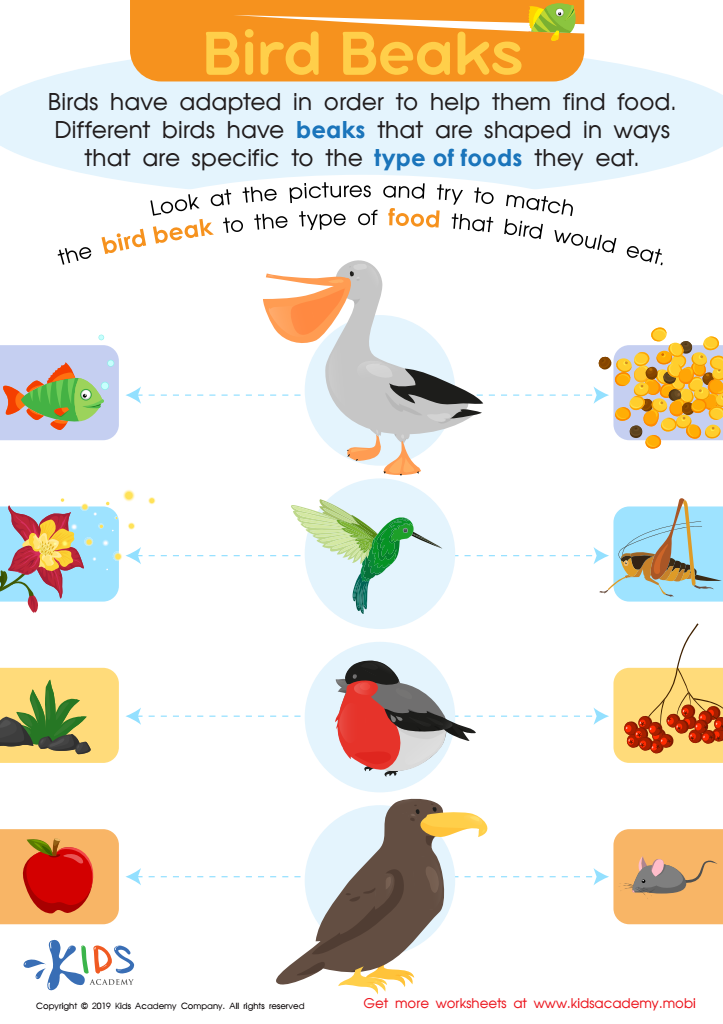
Bird Beaks Worksheet
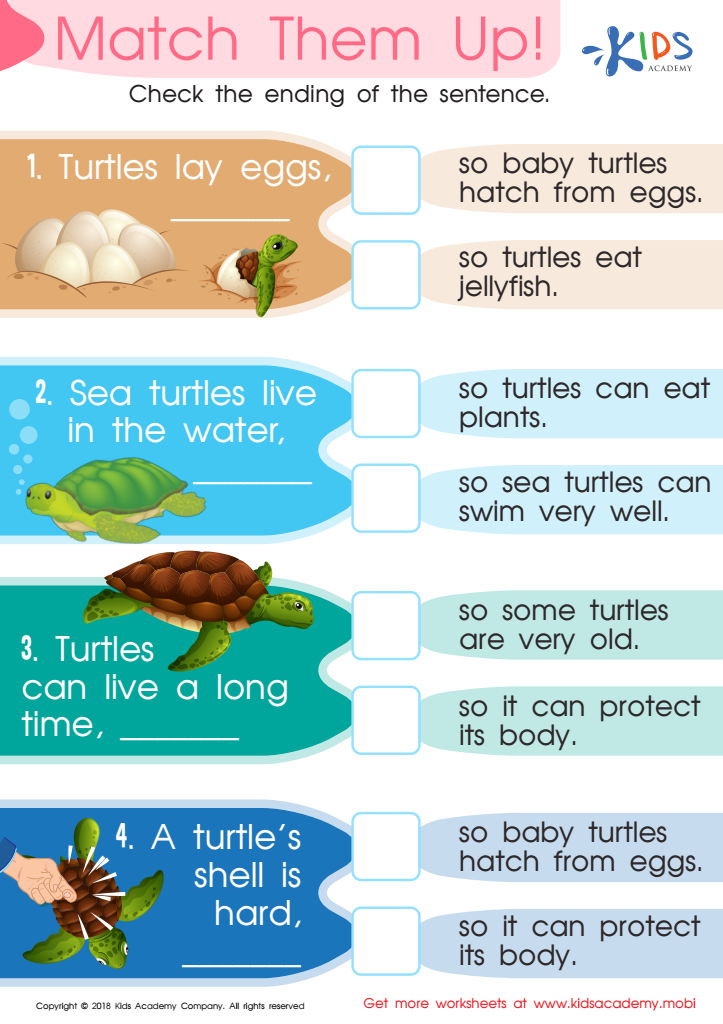
Match Them Up Worksheet
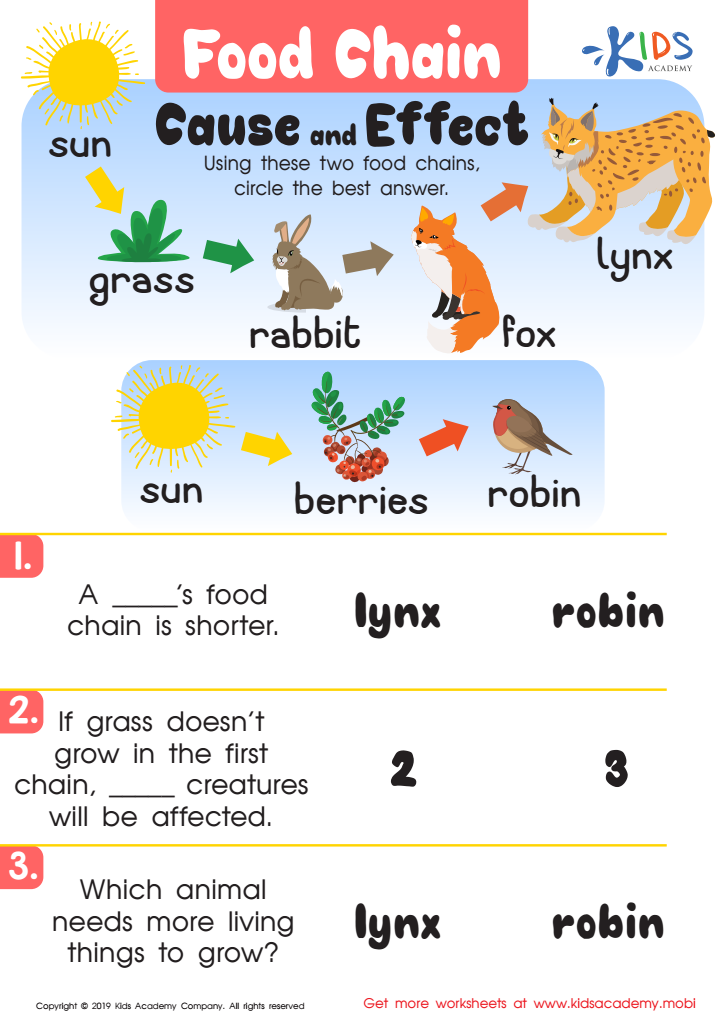
Food Chain Cause Worksheet
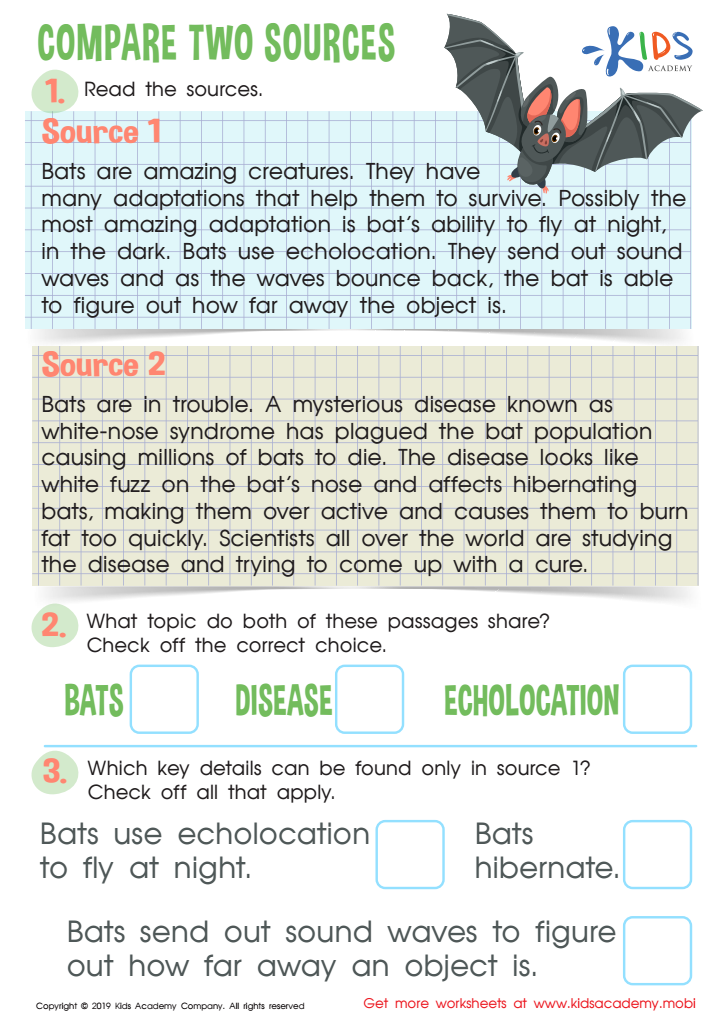
Compare Two Sources Worksheet








Parents and teachers should care about "Normal Animals" for ages 7-9 because introducing children to the concept of wildlife fosters curiosity, empathy, and a sense of responsibility toward the environment. At this age, children are naturally inquisitive and eager to explore the world around them. Understanding normal animals – those that are common in their local environments – can spark a lifelong interest in nature and conservation.
By learning about these animals, children develop empathy as they recognize their role in ecosystems. This knowledge can inspire them to become advocates for animal welfare and protectors of habitats. Engaging with normal animals also enhances observational skills and critical thinking as kids compare different species, understand their behaviors, and explore their adaptations.
Moreover, studying normal animals often incorporates fun and interactive activities, like nature walks or wildlife documentaries. These activities not only make learning enjoyable but also promote physical activity and outdoor exploration, crucial for a child’s health. Lastly, such discussions encourage family bonding, as parents and teachers can initiate conversations about nature, igniting shared interests and values related to environmental stewardship. By prioritizing this knowledge, adults can help shape conscientious and caring future generations.








