Normal Physical Science Worksheets for Ages 7-9 - Page 3
59 filtered results
-
From - To
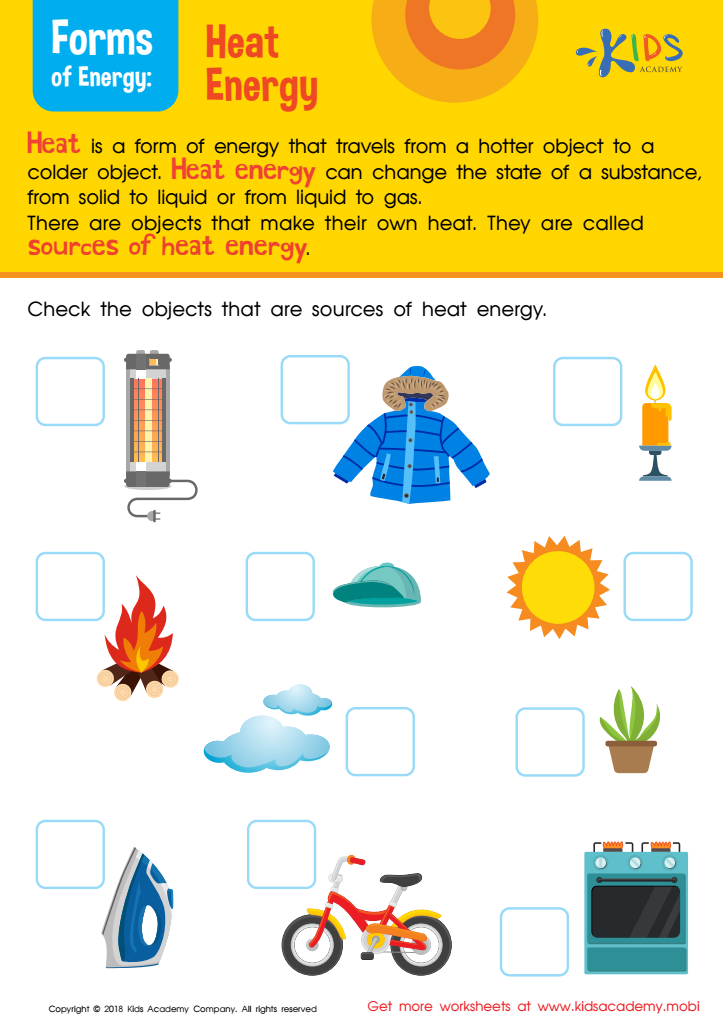
Sources of Heat Energy Worksheet
 Assign to My Students
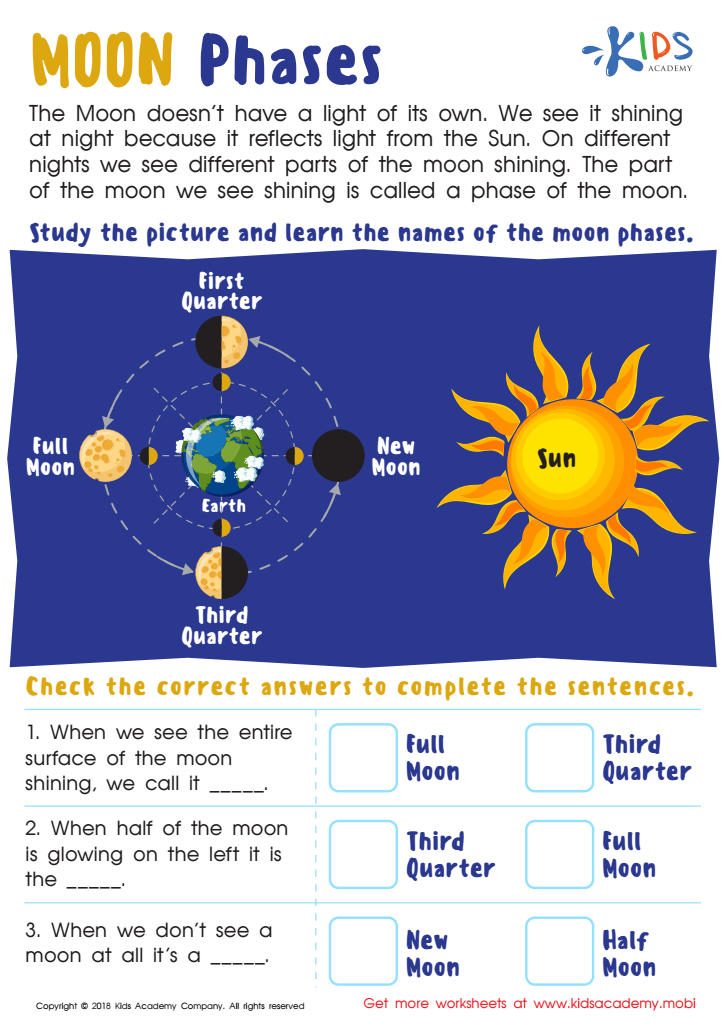
Moon Phases Worksheet
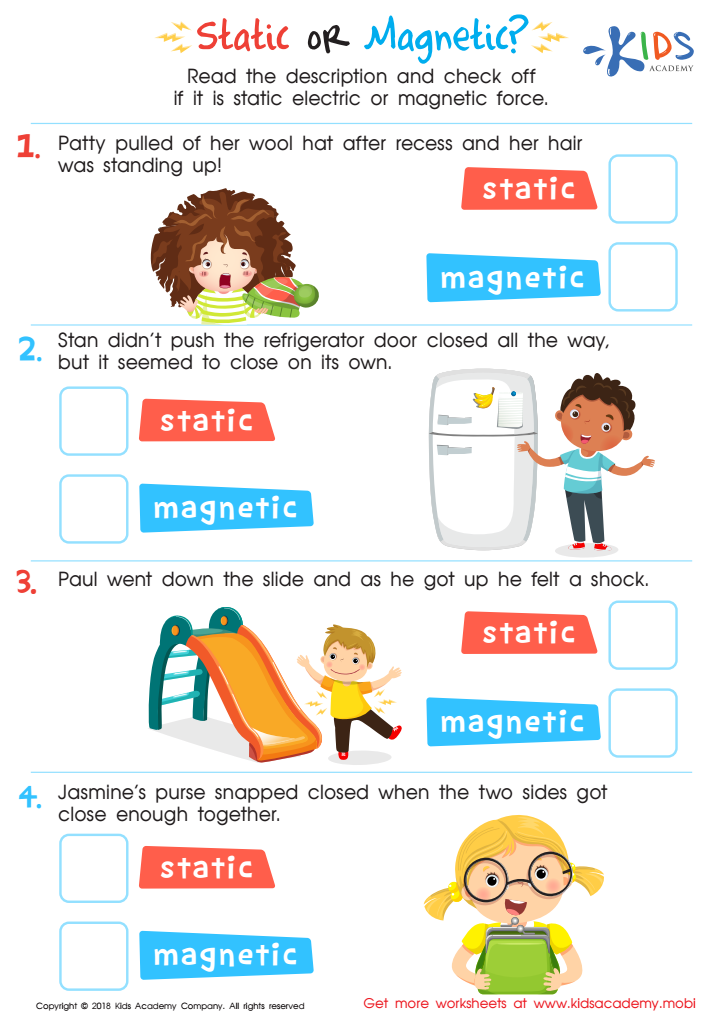
Static or Magnetic Printable Worksheet
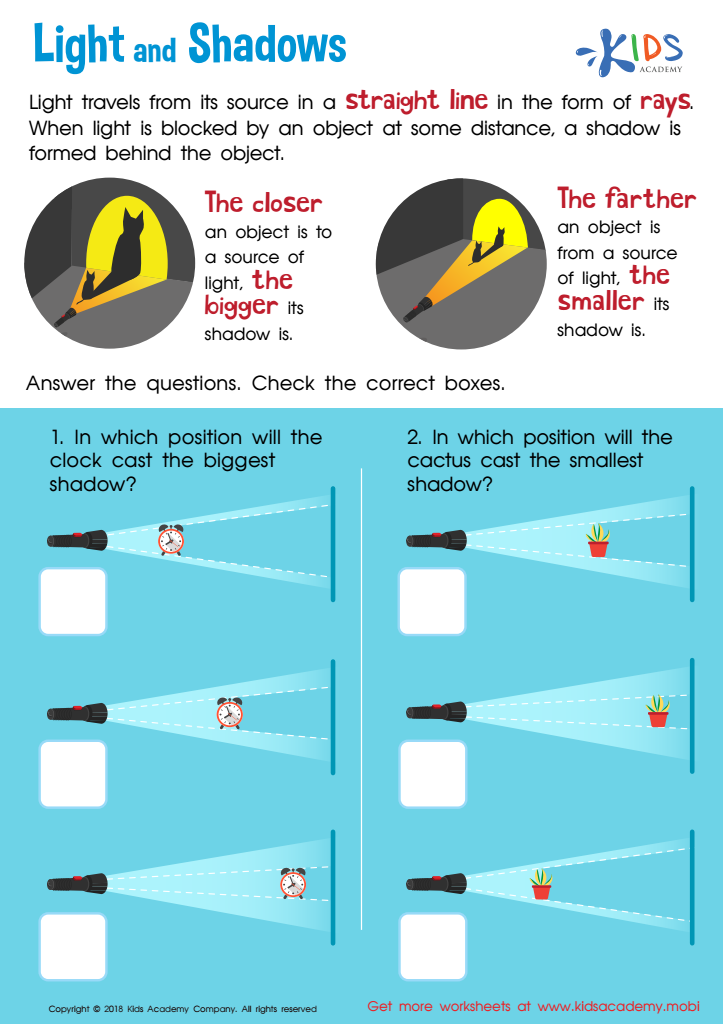
Light and Shadow Worksheet for Grade 3
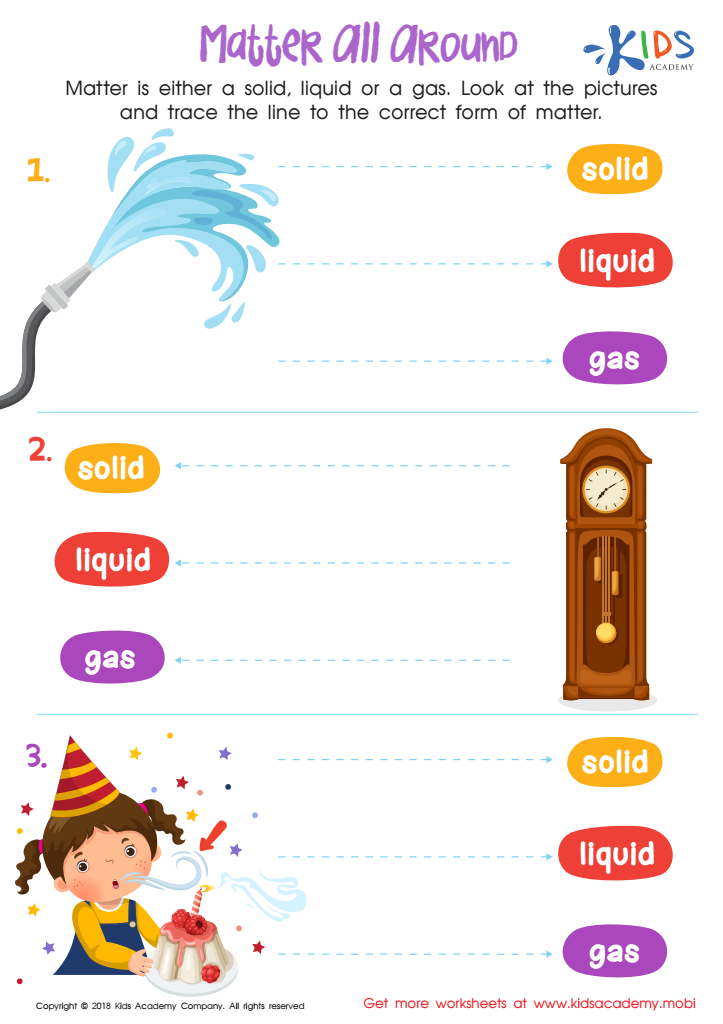
Matter all Around Worksheet
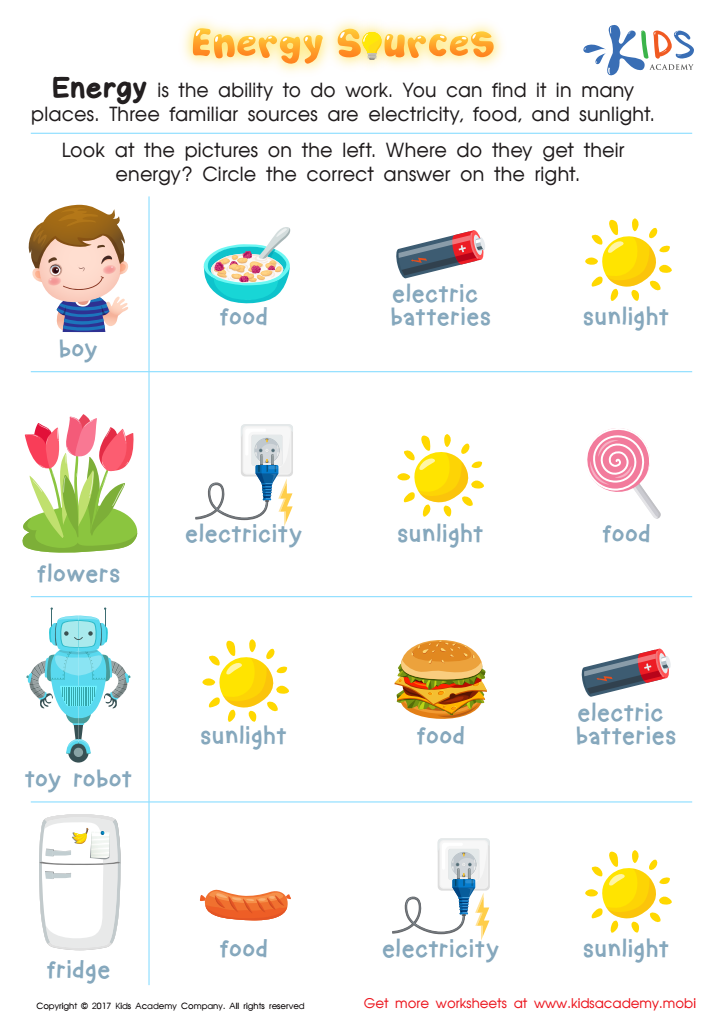
Energy Sources Printable
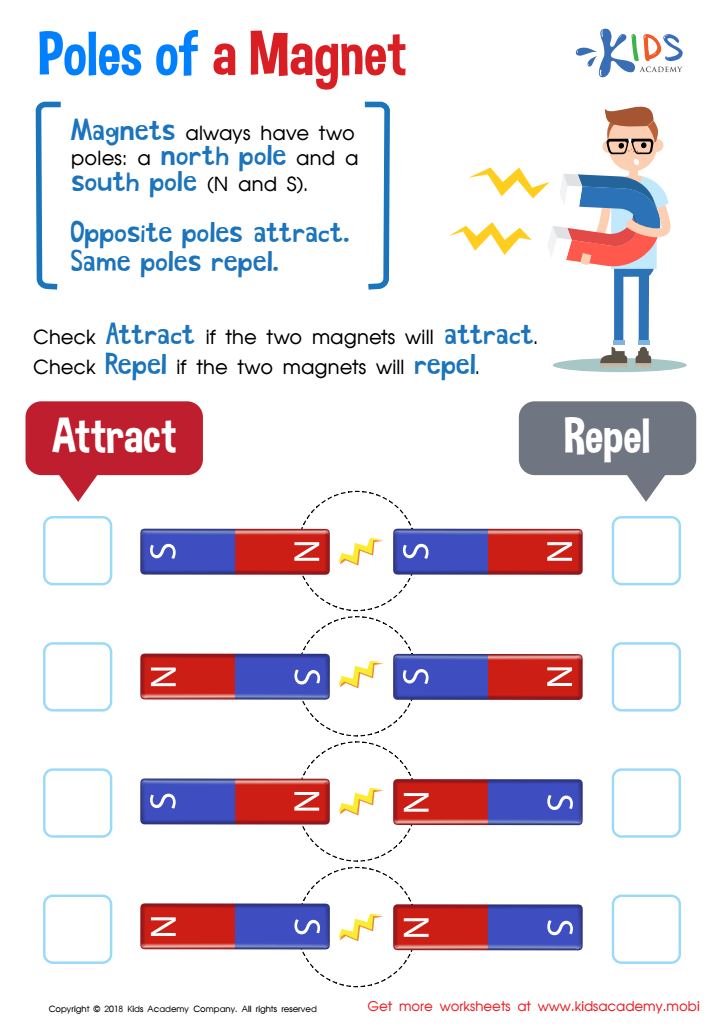
Magnet Poles Attract or Repel Worksheet
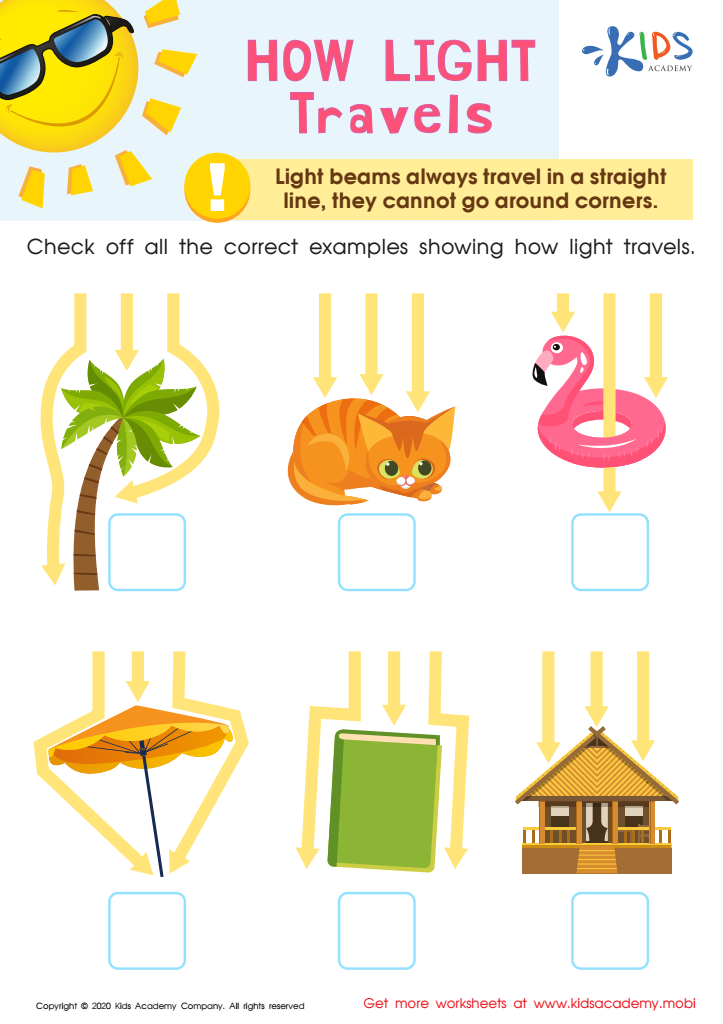
How Light Travels Worksheet
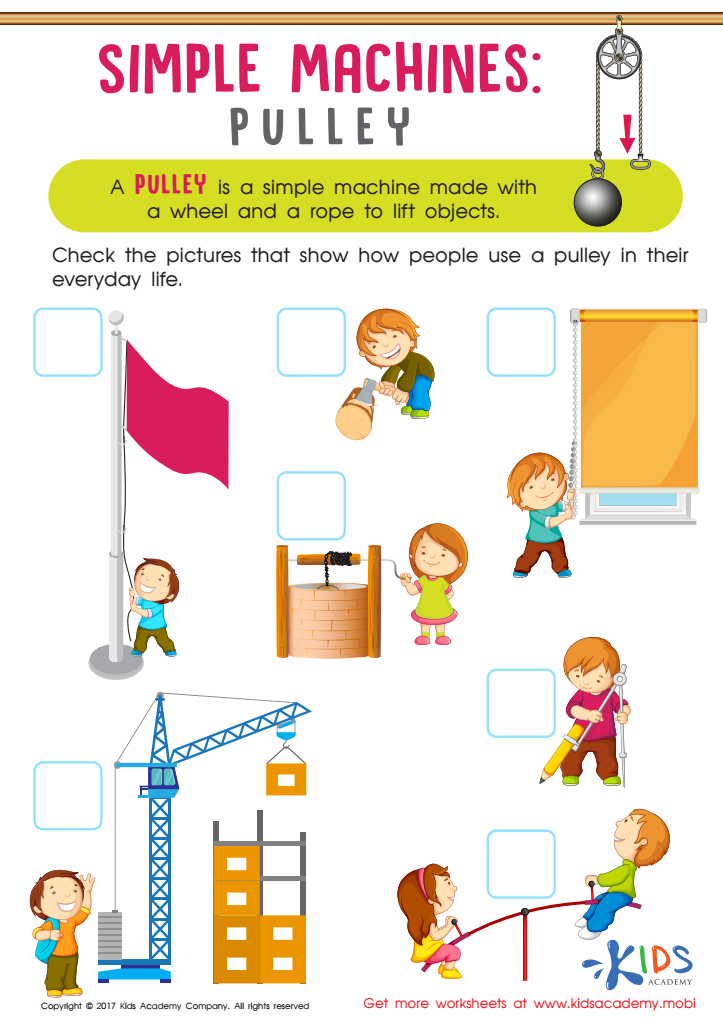
Simple Machines Pulley Worksheet
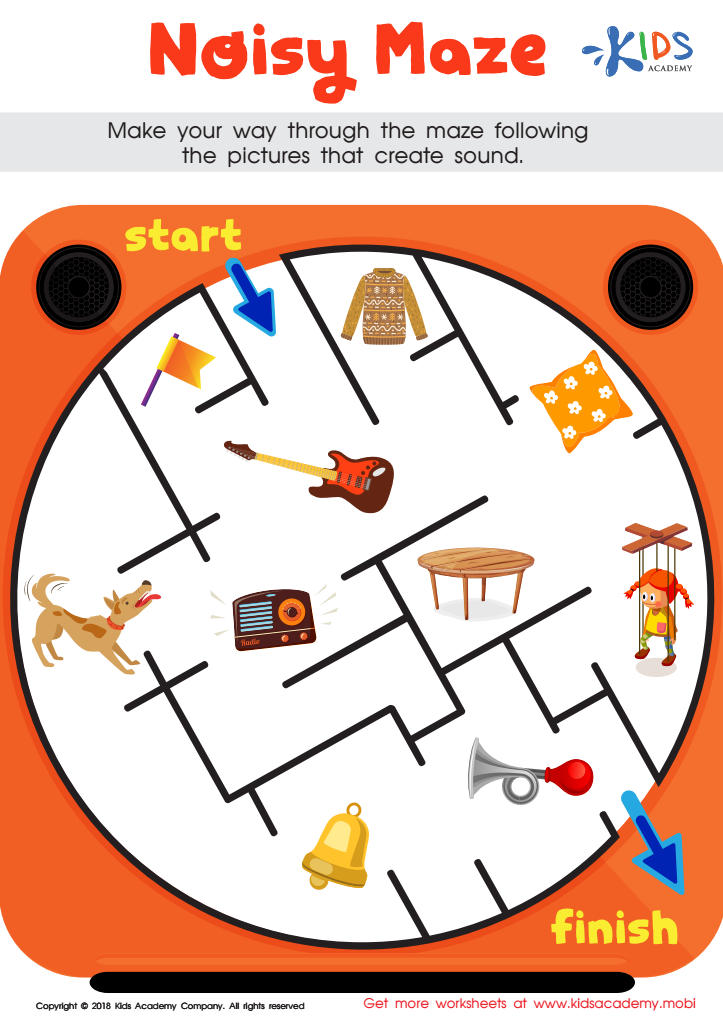
Noisy Maze Worksheet
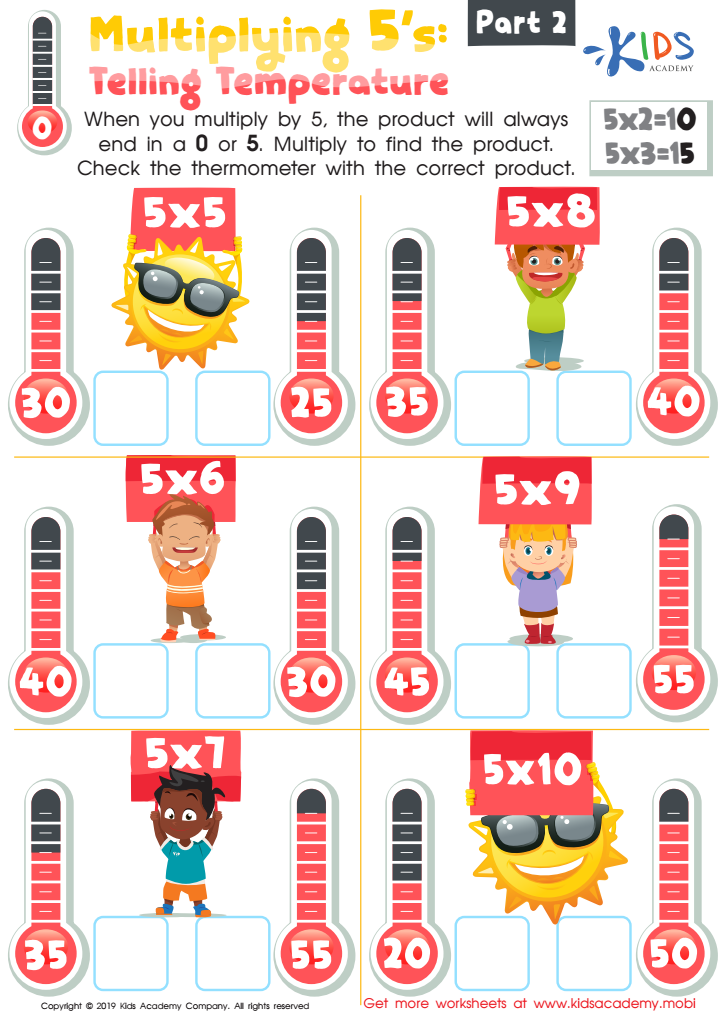
Multiplying 5’s: Telling Temperature Part 2 Worksheet






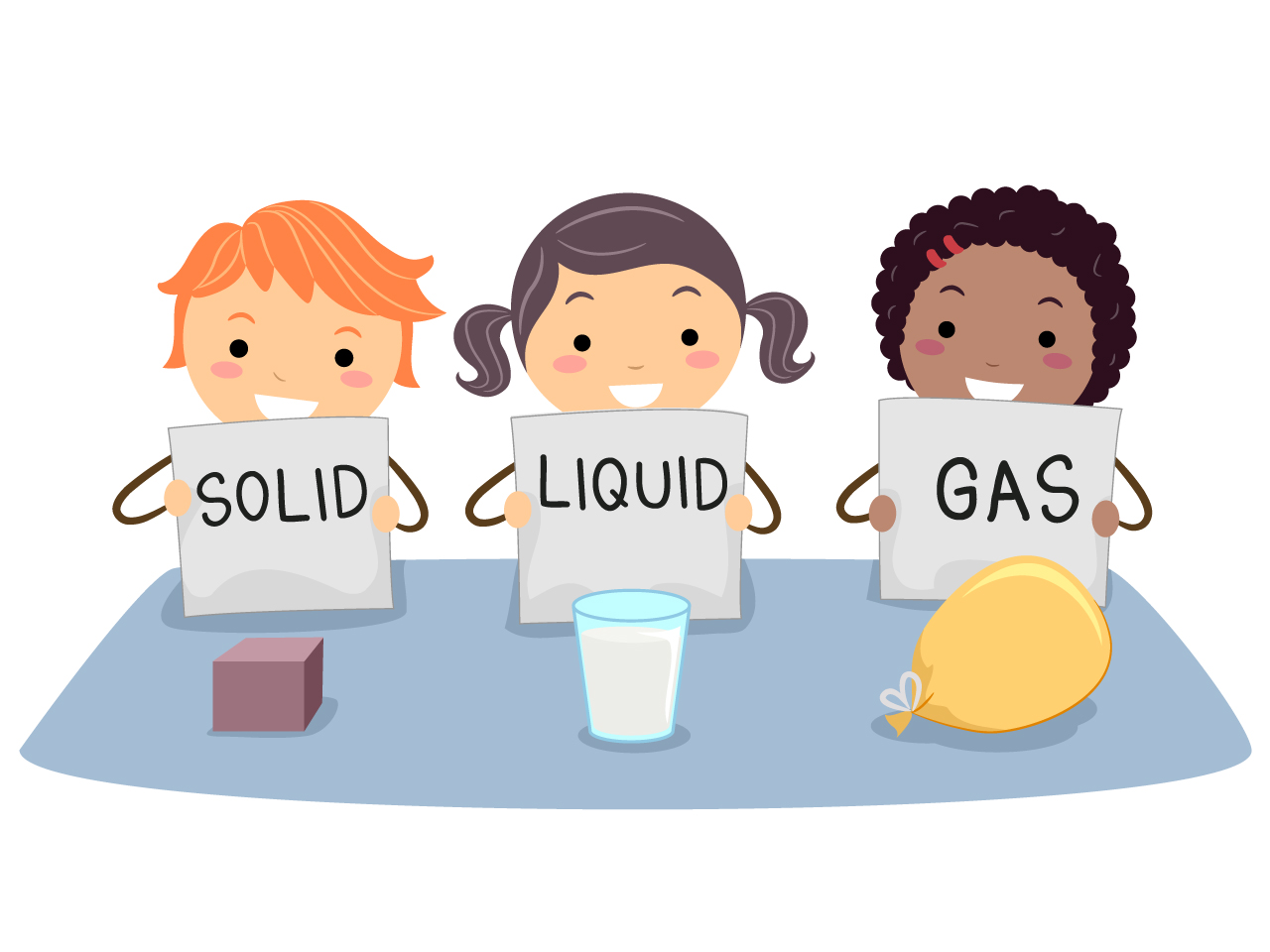

Parents and teachers should care about Normal Physical Science for ages 7-9 because it serves as the foundation for understanding the world around young learners. At this stage, children are naturally curious and eager to explore concepts relating to motion, matter, forces, and energy. Introducing them to basic physical science principles cultivates their scientific thinking skills. This nurturing of inquiry leads to developing critical thinking, problem-solving, and observational skills essential for their overall education.
Moreover, early engagement in physical science can inspire a lasting interest in STEM (science, technology, engineering, and mathematics) fields. As society becomes increasingly reliant on technology, equipping children with a solid grounding in scientific principles can open up myriad future opportunities.
Furthermore, comprehending physical science helps children relate scientific ideas to everyday experiences, making learning more relevant and enjoyable. For instance, understanding how gravity affects moving objects can deepen their appreciation for play and sports. Ultimately, investing time and resources into Normal Physical Science not only nurtures a child's intellectual curiosity but also contributes to their social, emotional, and cognitive development, shaping well-rounded, informed future citizens. Therefore, parents and teachers play a crucial role in fostering these explorations and insights during these formative years.







