Normal Geography Worksheets for Ages 7-9 - Page 2
46 filtered results
-
From - To
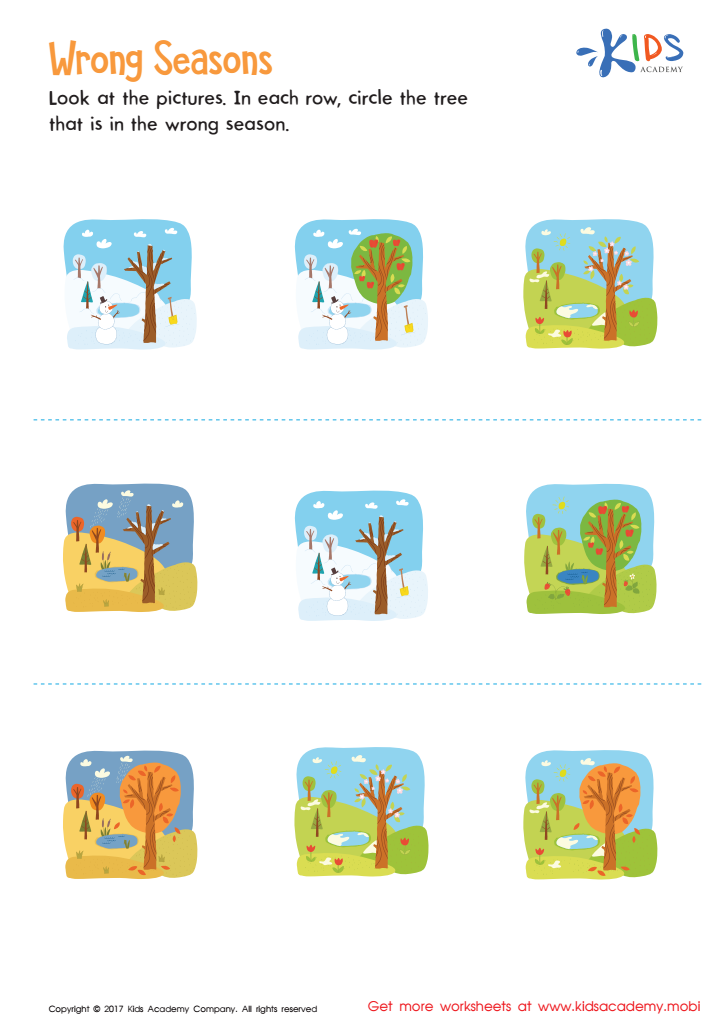
Wrong Seasons Worksheet
 Assign to My Students
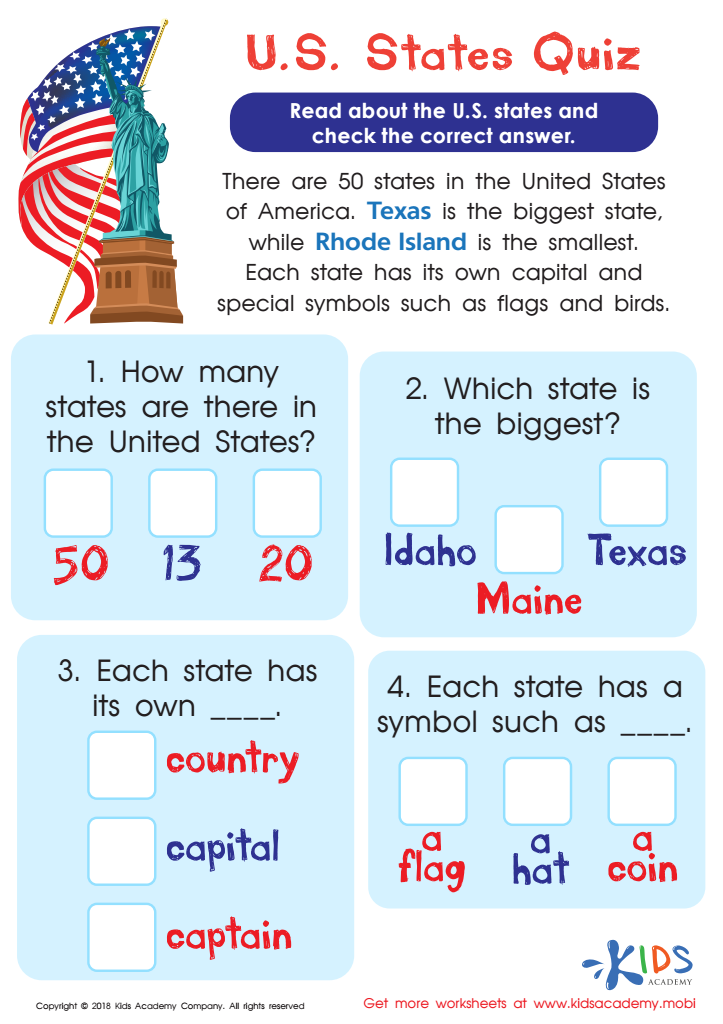
U.S. States Quiz Worksheet
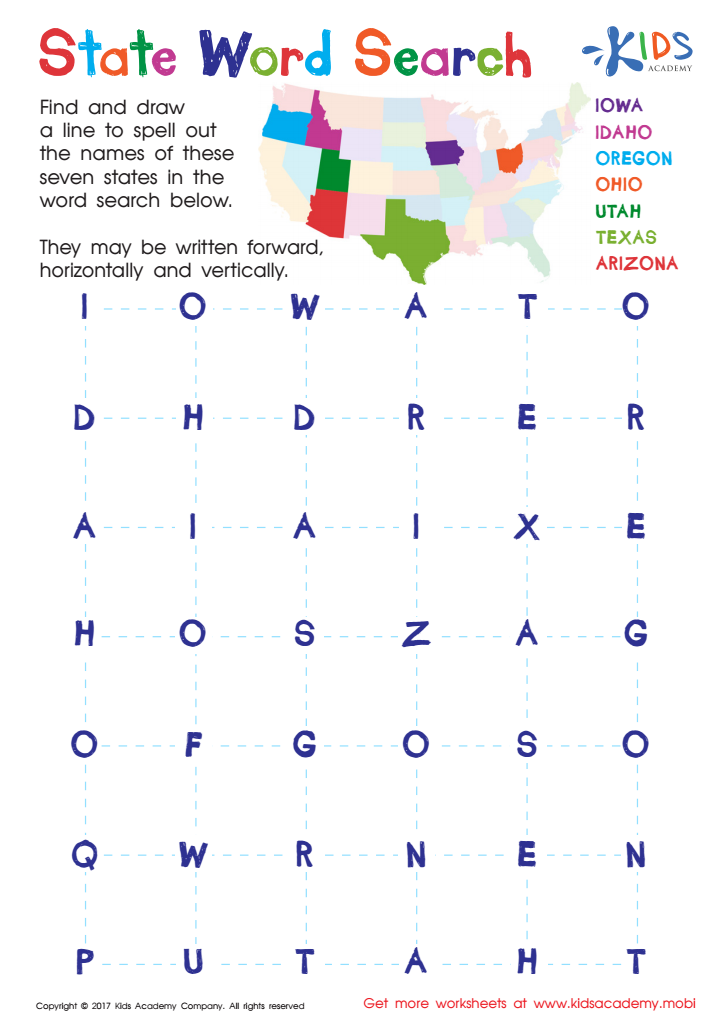
State Word Search Worksheet
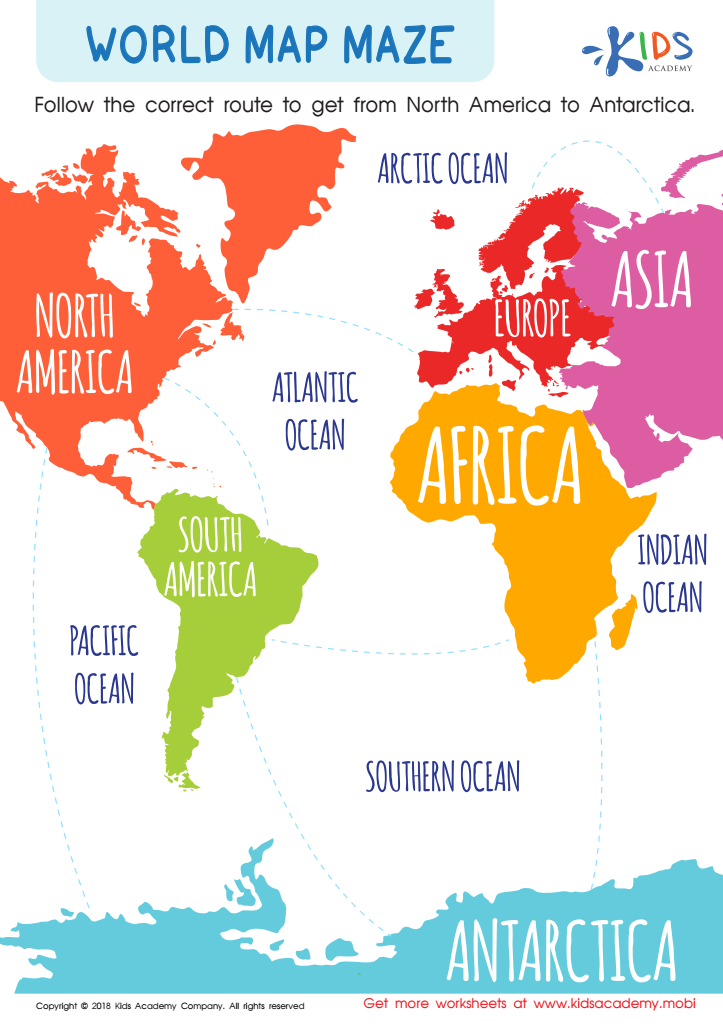
World Map Maze Worksheet
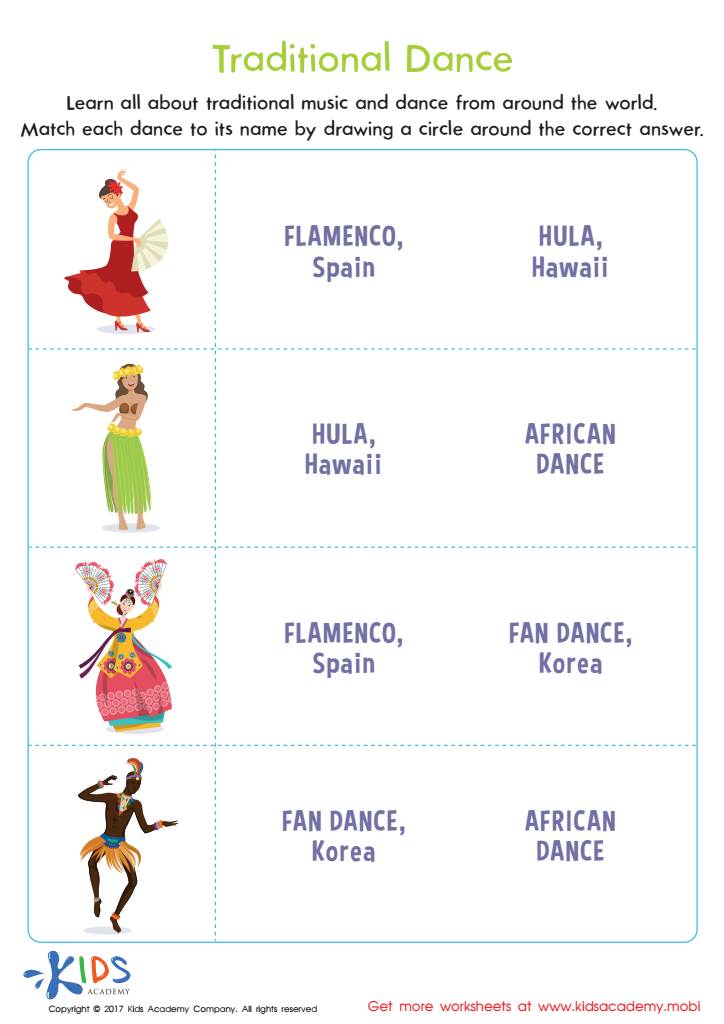
Traditional Dance Printable
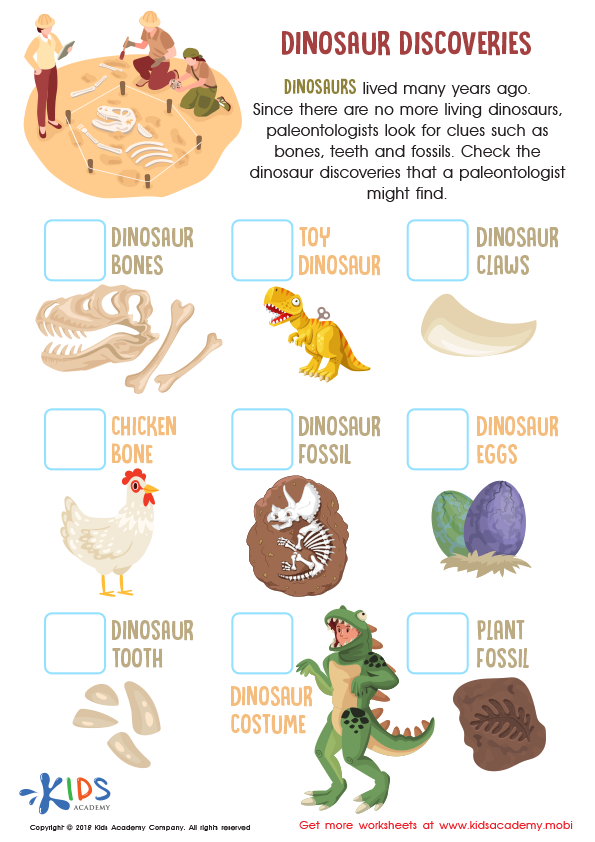
Dinosaur Discoveries Worksheet
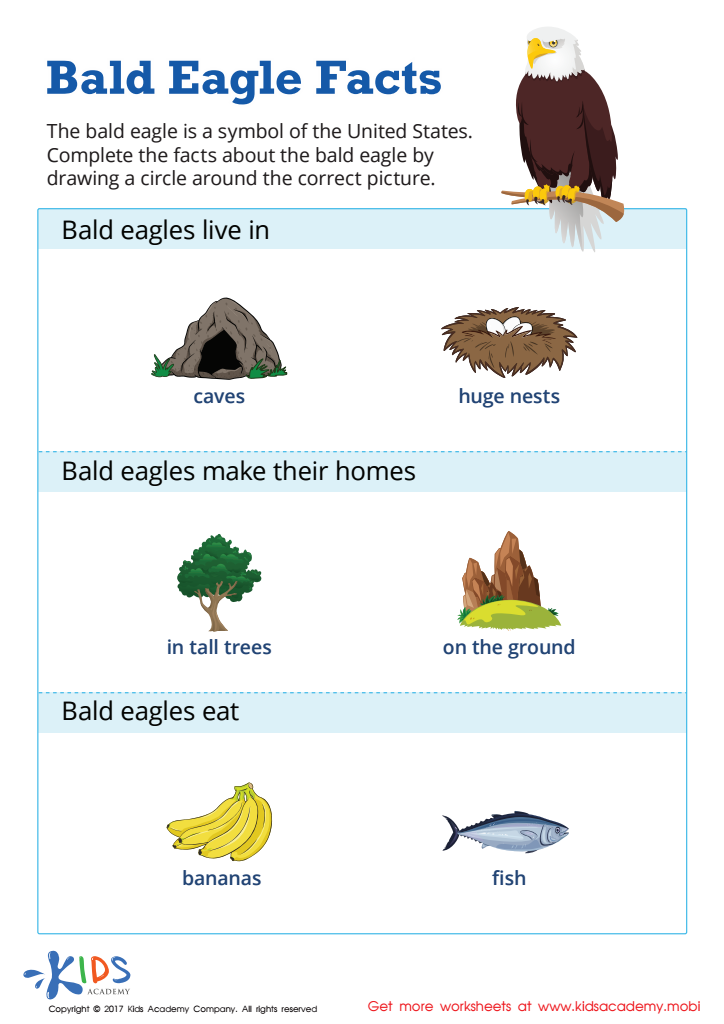
Bald Eagle Facts Worksheet
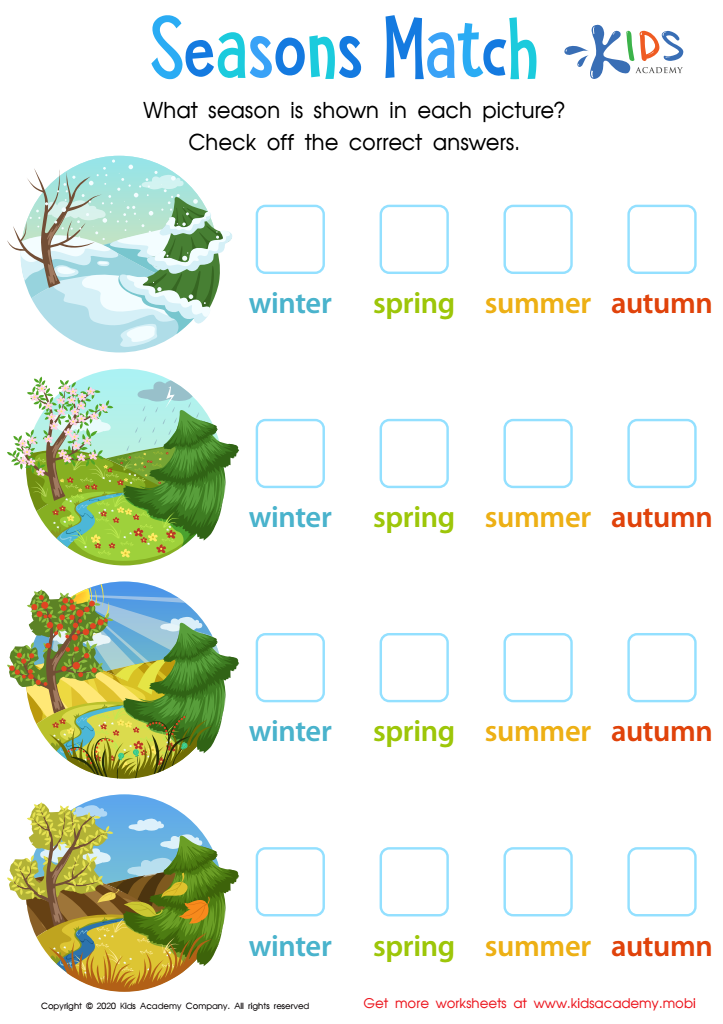
Seasons Match Worksheet
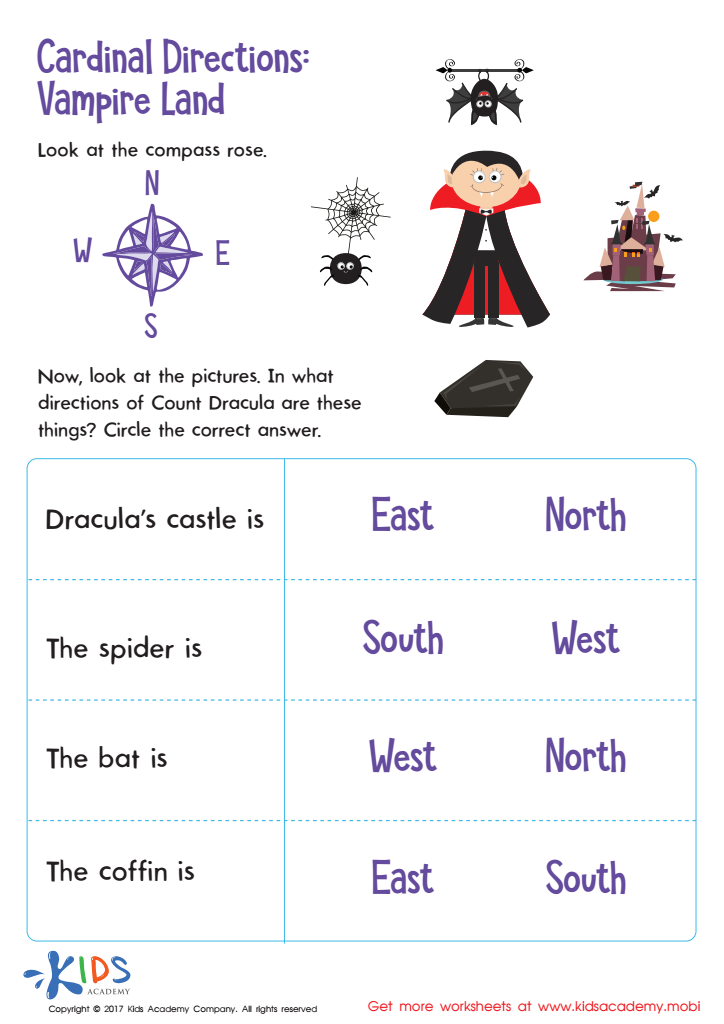
Cardinal Directions Printable
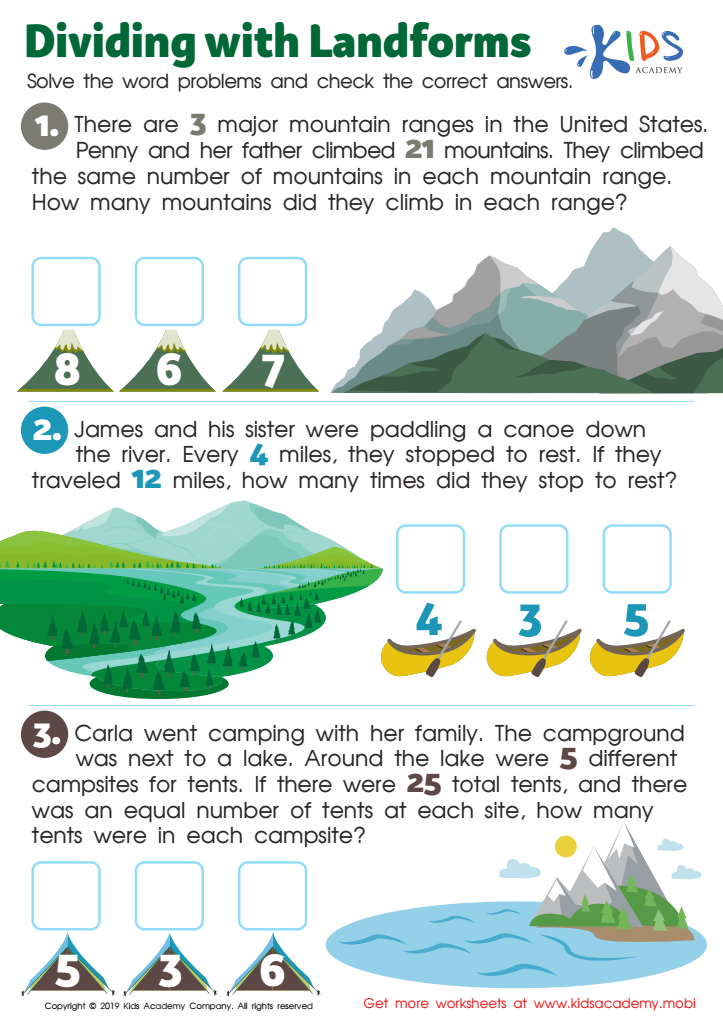
Dividing with Landforms
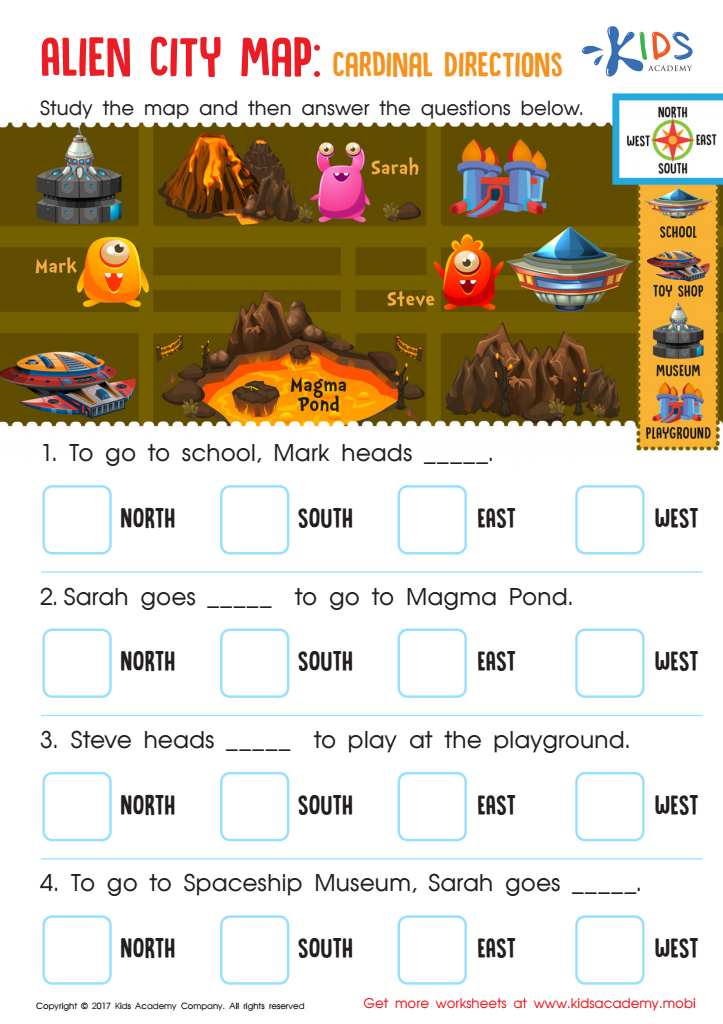
Alien City Map: Cardinal Directions Worksheet
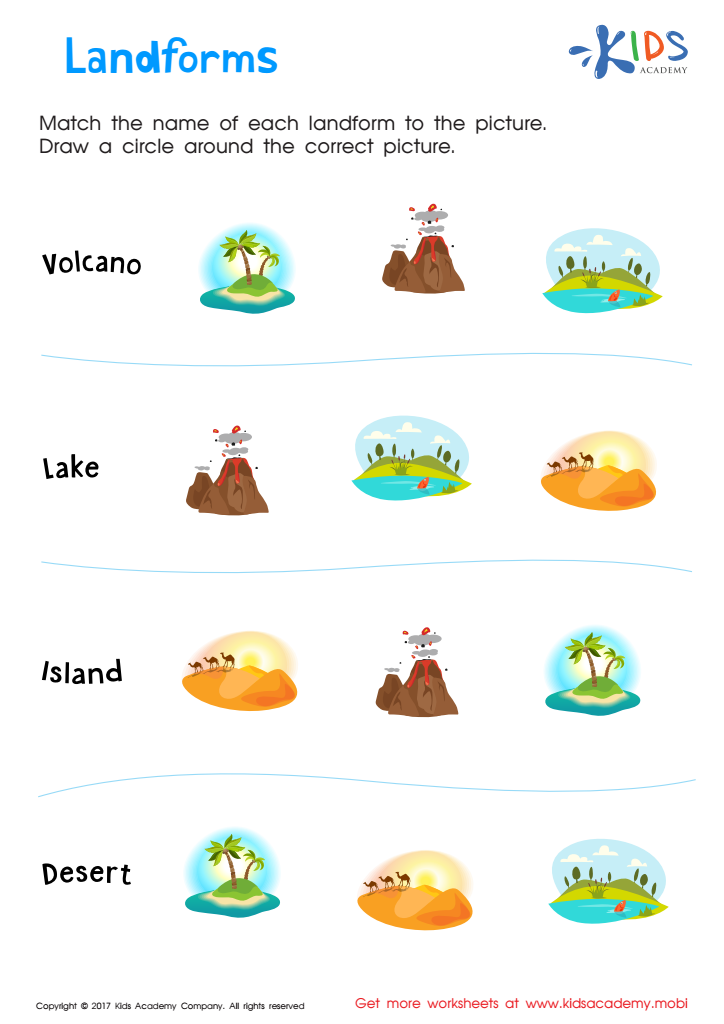
Landforms Printable
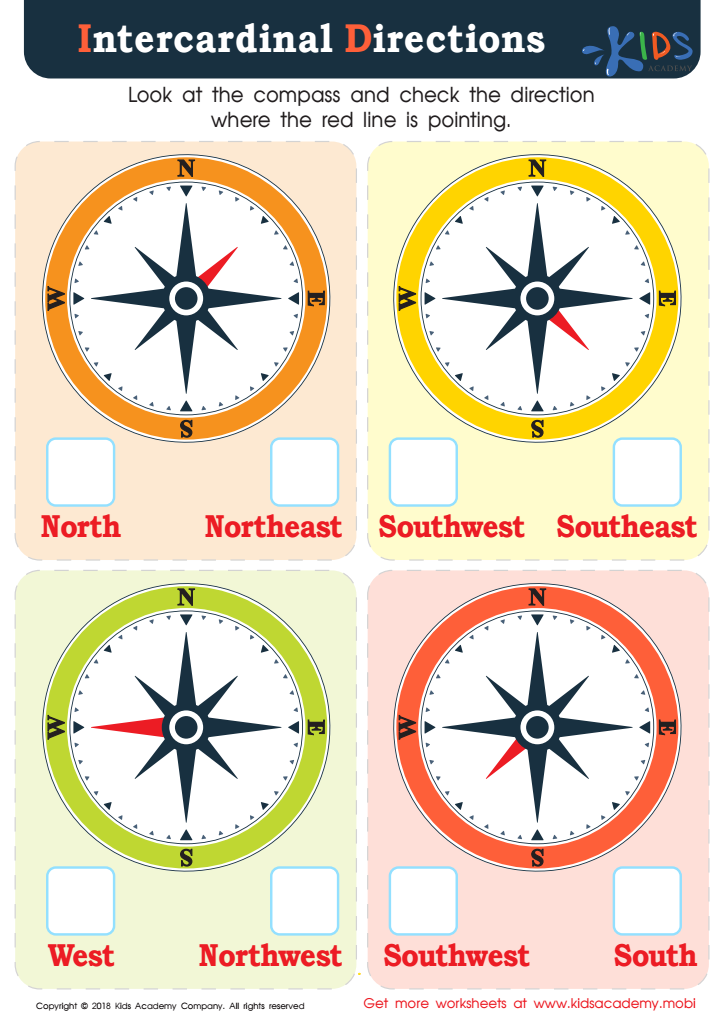
Intercardinal Directions Worksheet
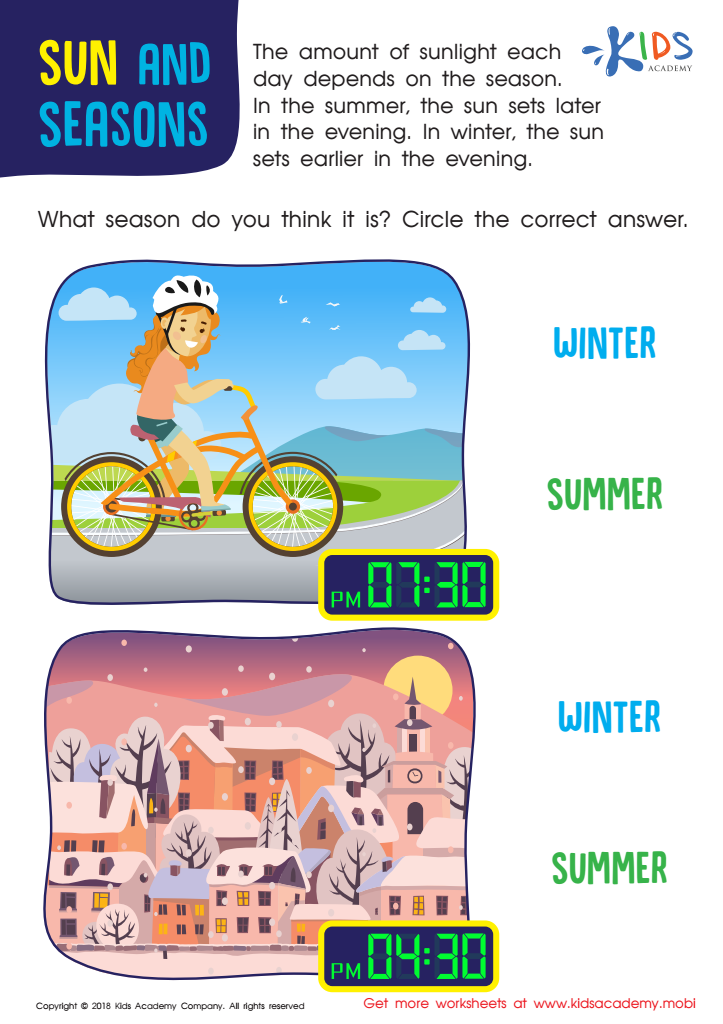
Sun and Seasons Worksheet
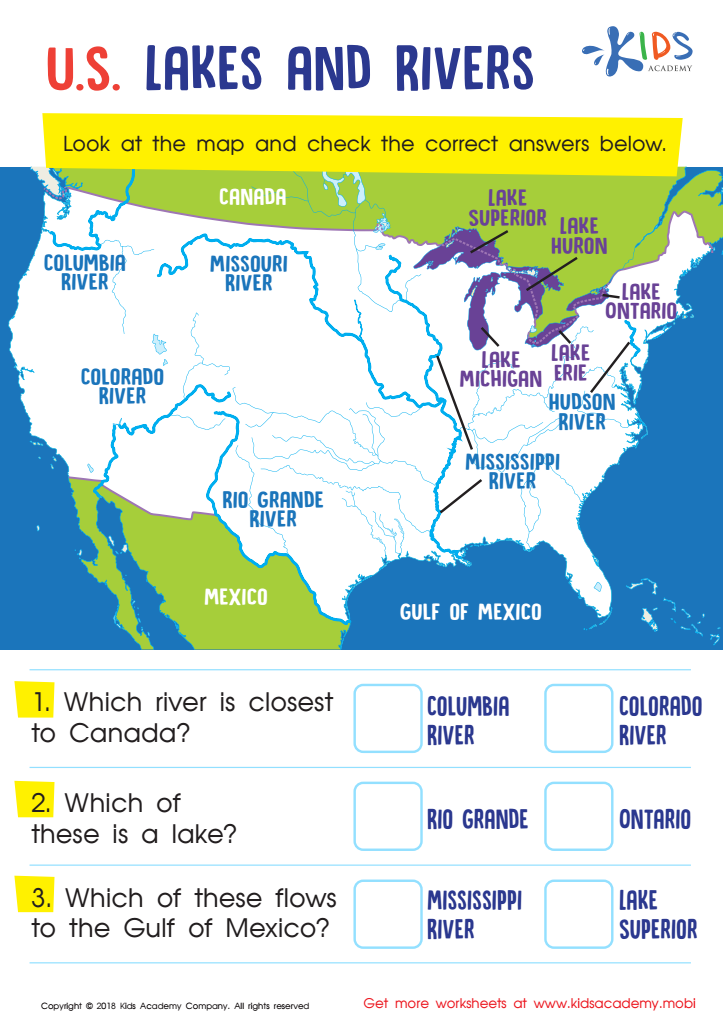
U.S. Lakes and Rivers Worksheet
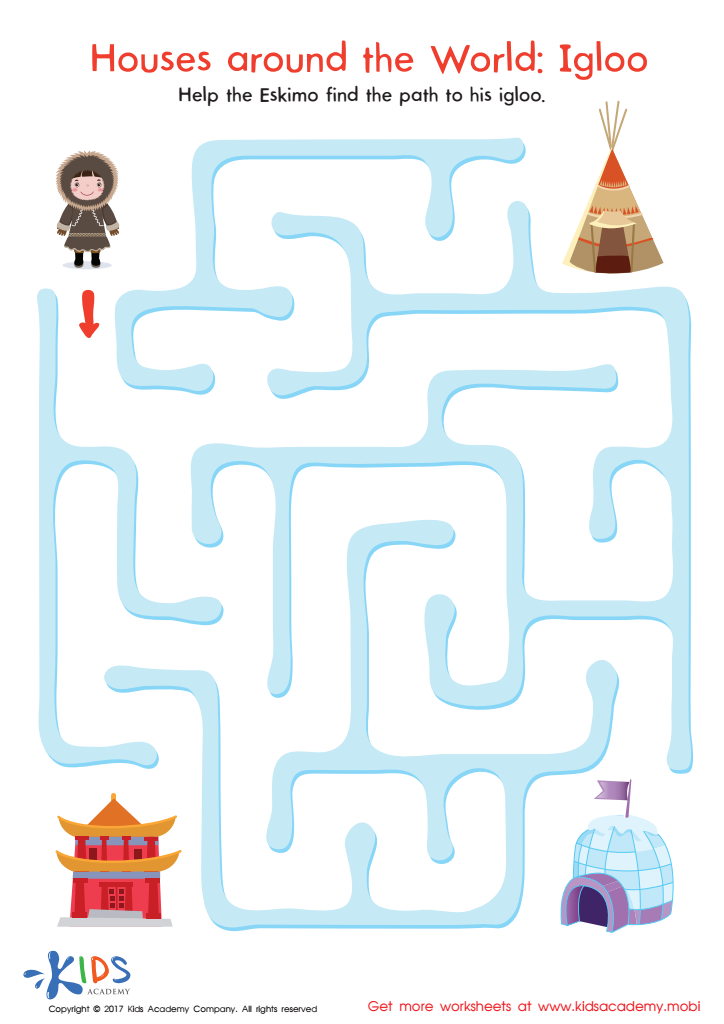
Houses Around the World: Igloo Printable
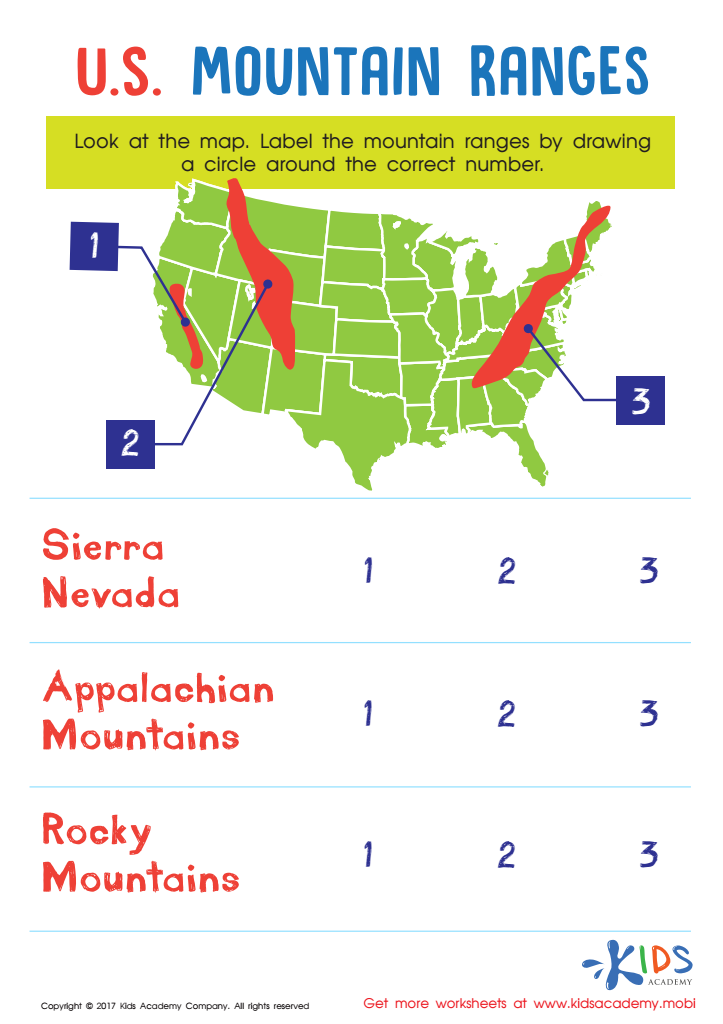
US Mountain Ranges Worksheet
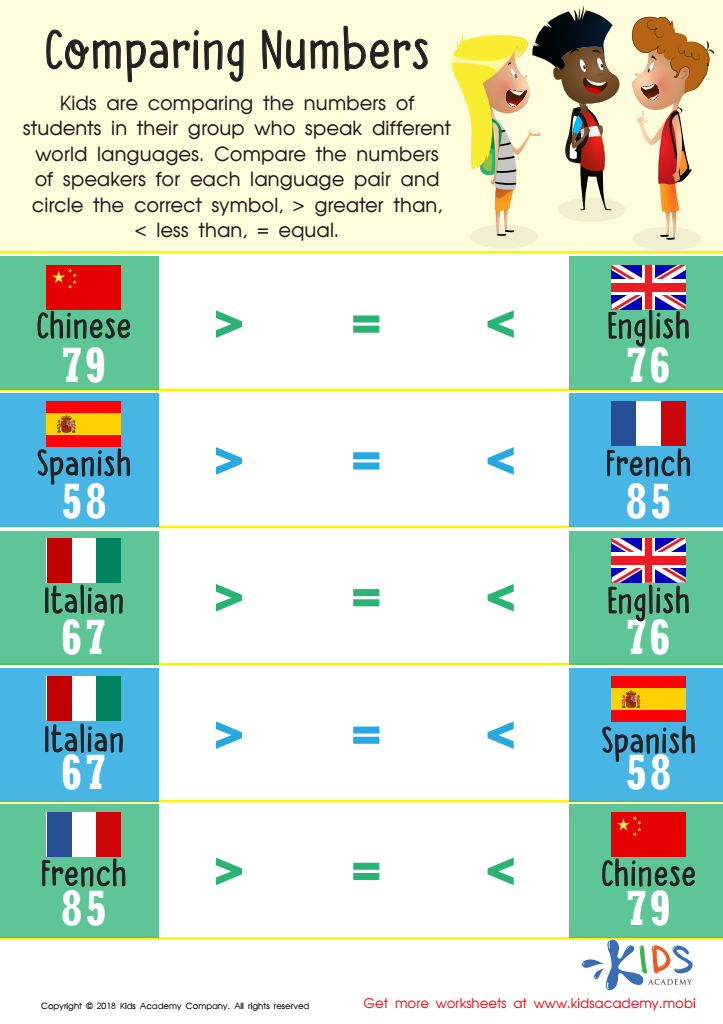
Comparing Numbers Worksheet for 1st Grade
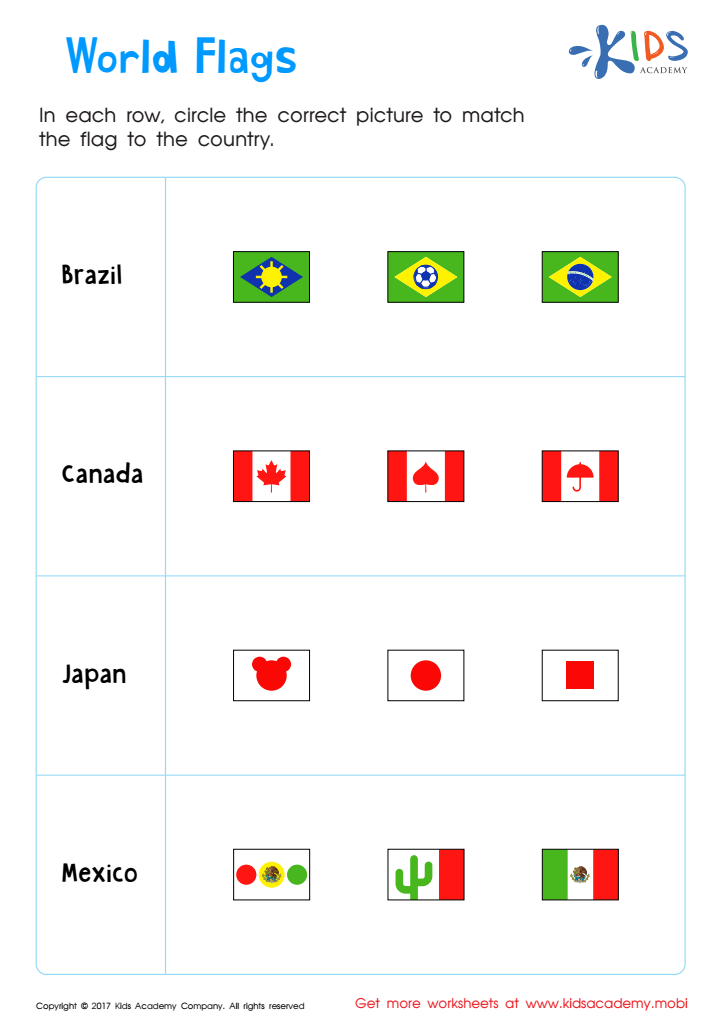
World Flags Printable
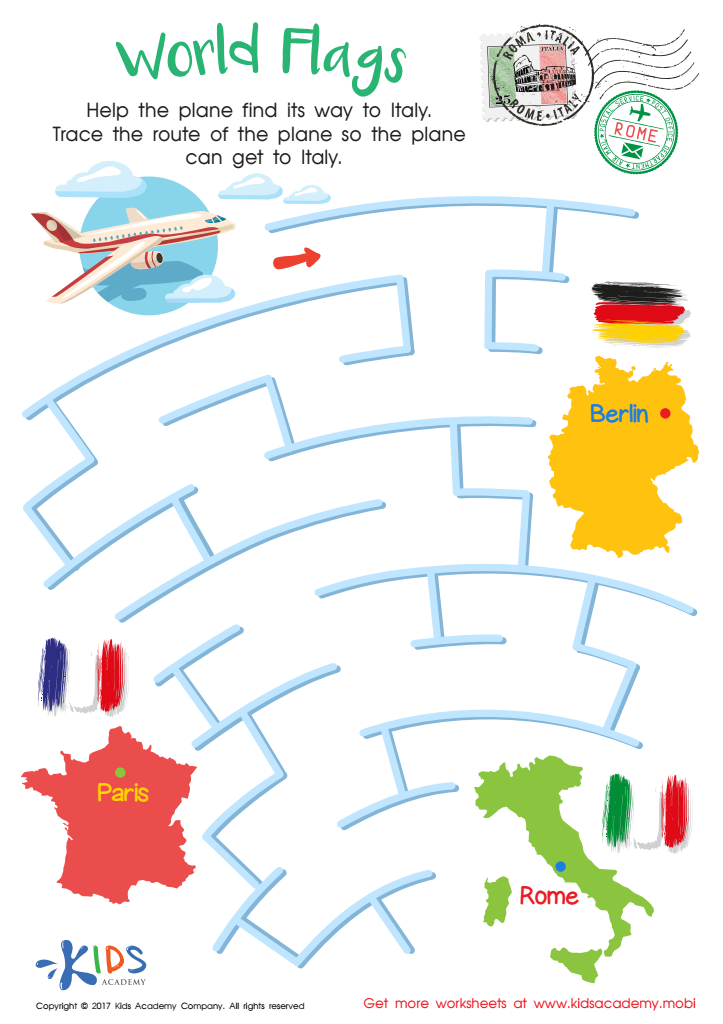
World Flags Maze Worksheet
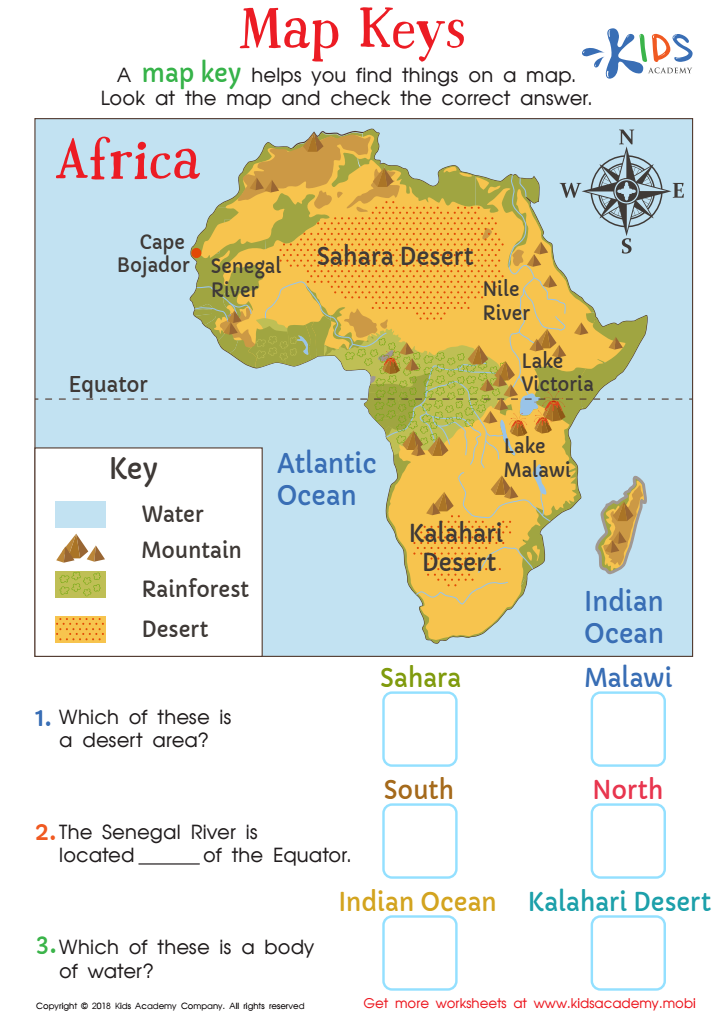
Map Keys Worksheet
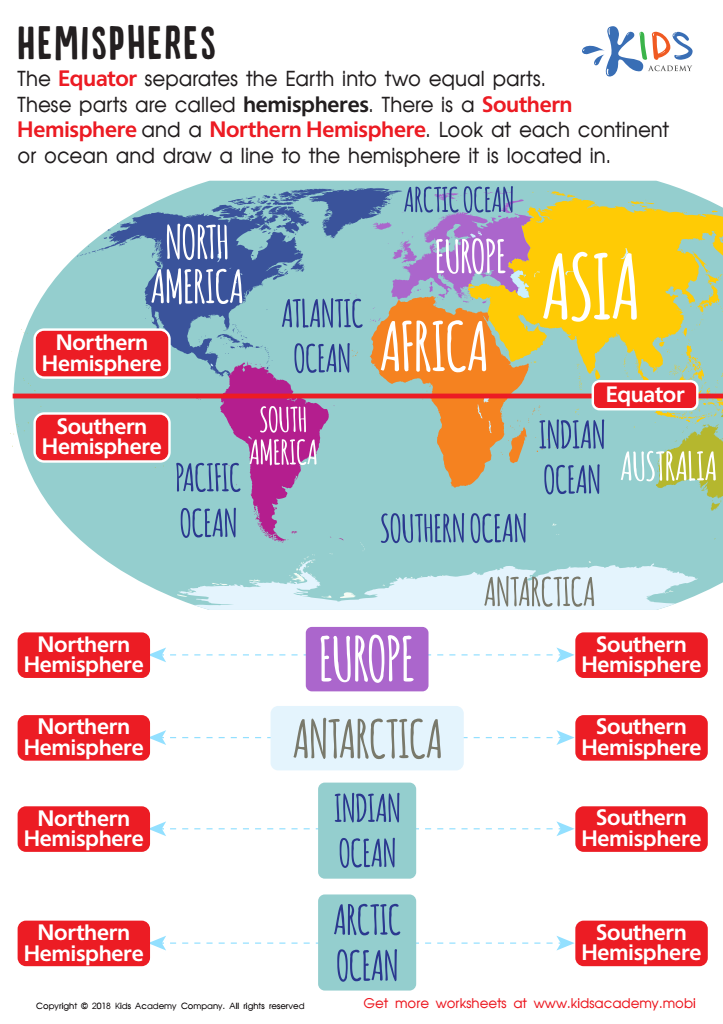
Hemispheres Worksheet



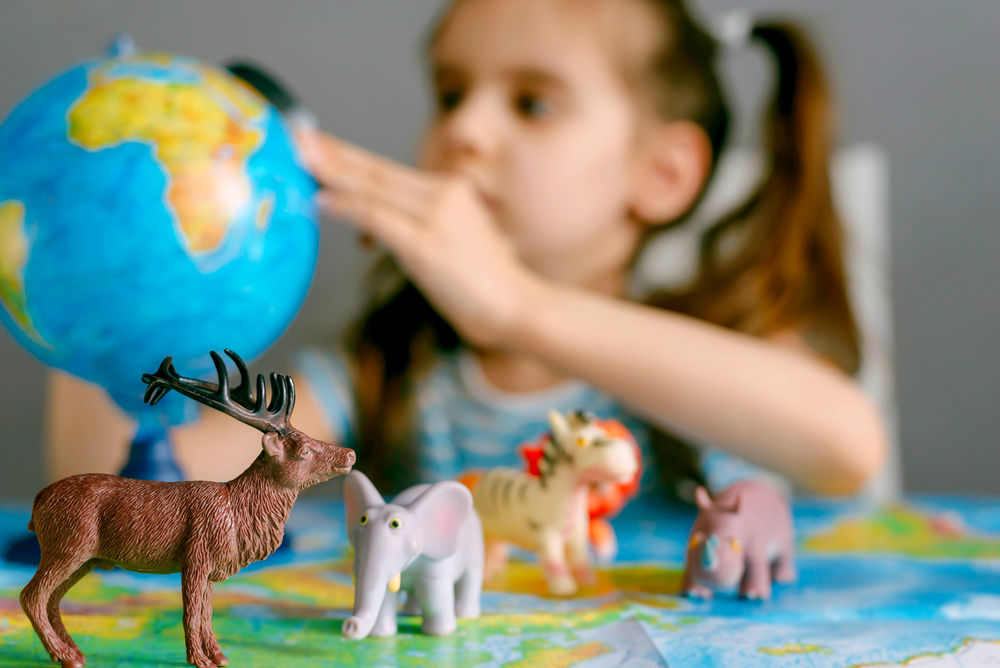



Understanding Normal Geography is crucial for children ages 7-9 as it lays the foundation for their global awareness and connection to the world around them. At this developmental stage, children are naturally curious, eager to explore their environment and engage with their community. Teaching them about geography fosters critical thinking and helps them make sense of the diverse cultures, landscapes, and social systems that exist beyond their immediate surroundings.
Learning geography enhances a child's spatial awareness and informs them about important concepts, such as maps, continents, and countries. It cultivates empathy and respect for different cultures, promoting inclusivity and understanding in a diverse society. Normal Geography encourages children to ask questions, such as "Where do my resources come from?" and "How do people in other parts of the world live?"
Moreover, understanding geography supports other subjects—such as science, history, and social studies—creating interdisciplinary learning opportunities. By encouraging a sense of place and perspective, parents and teachers can instill an appreciation for the planet and its inhabitants, paving the way for informed, engaged, and responsible global citizens. In sum, Normal Geography education develops essential skills that align with both academic success and social responsibility.