Problem-Solving Skills Easy Worksheets for Ages 3-6 - Page 2
46 filtered results
-
From - To
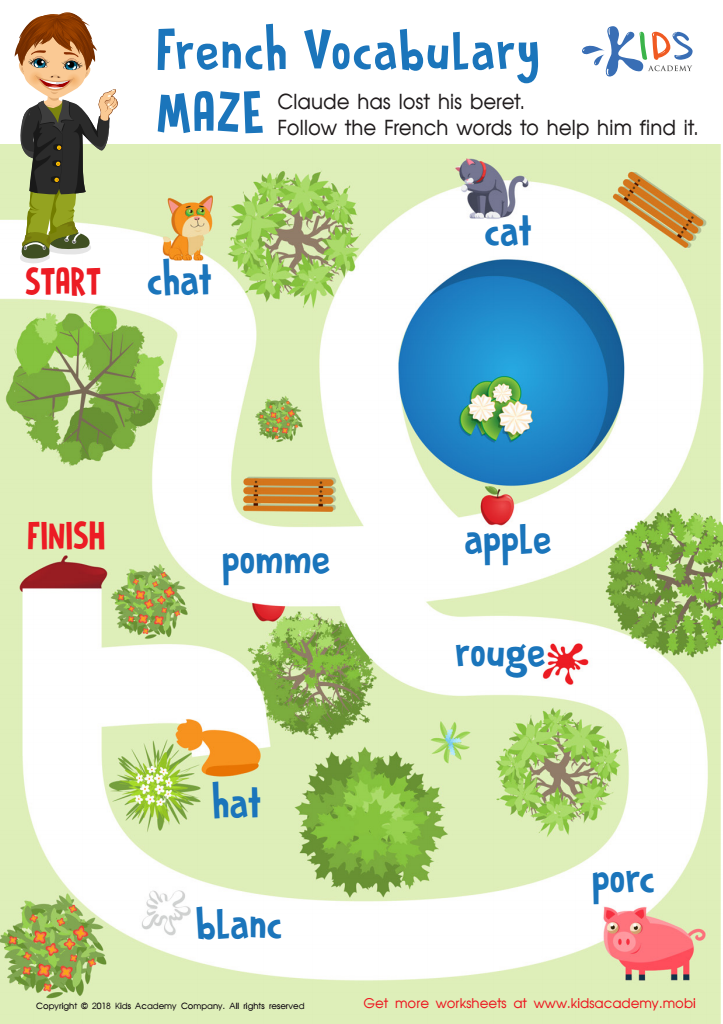
French Vocabulary Maze Worksheet
 Assign to My Students
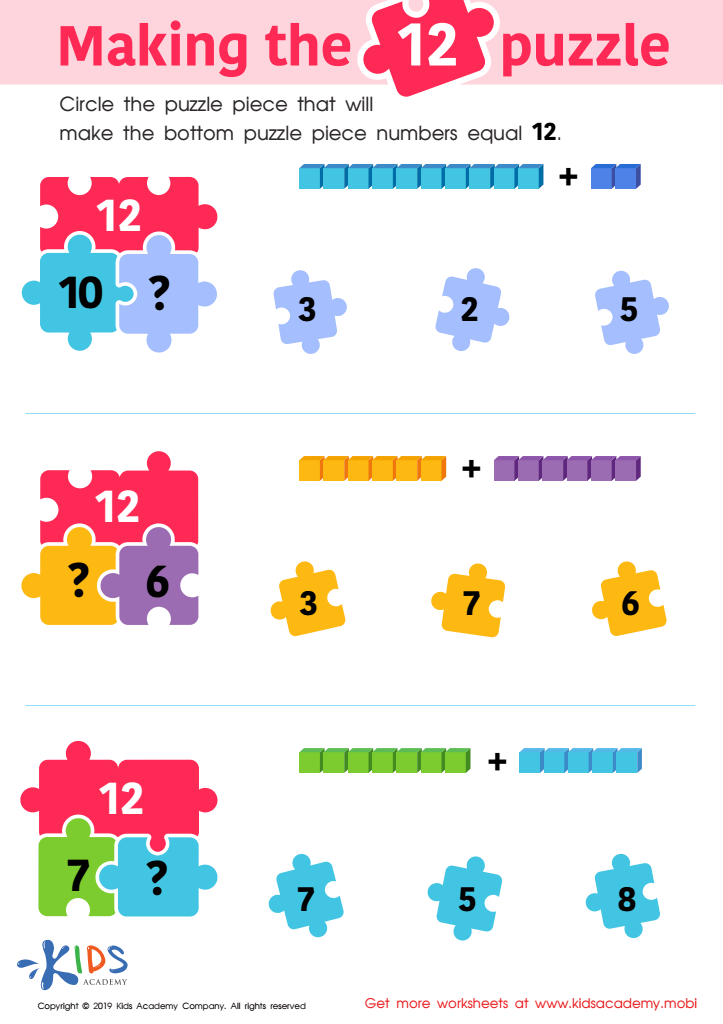
Making the 12 Puzzle Worksheet
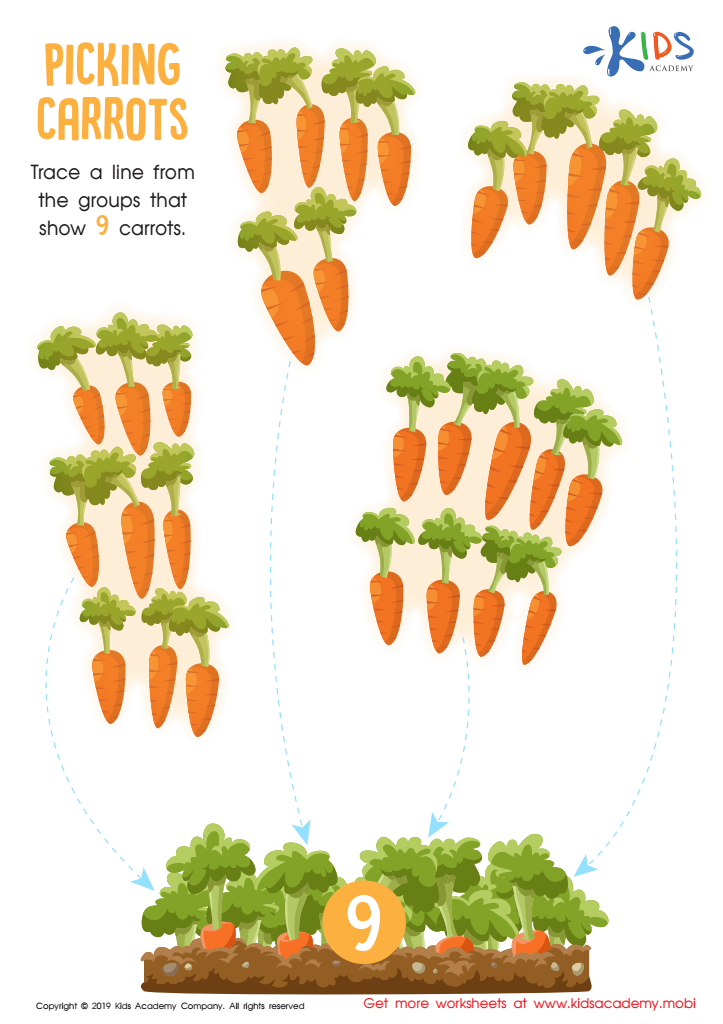
Picking Carrots Worksheet
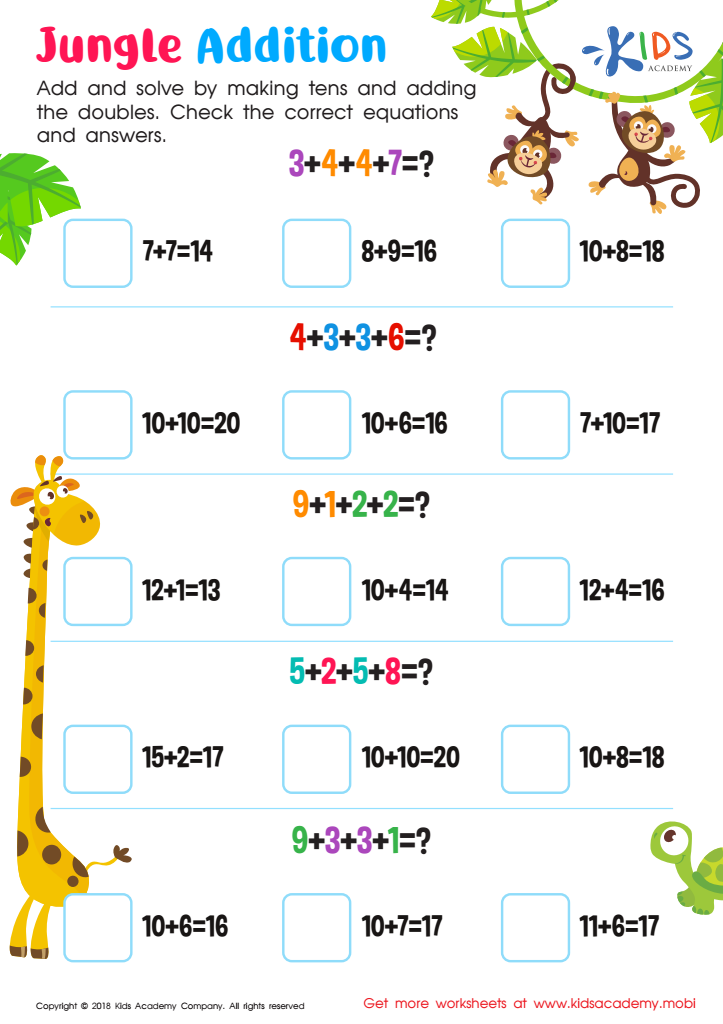
Jungle Addition Worksheet
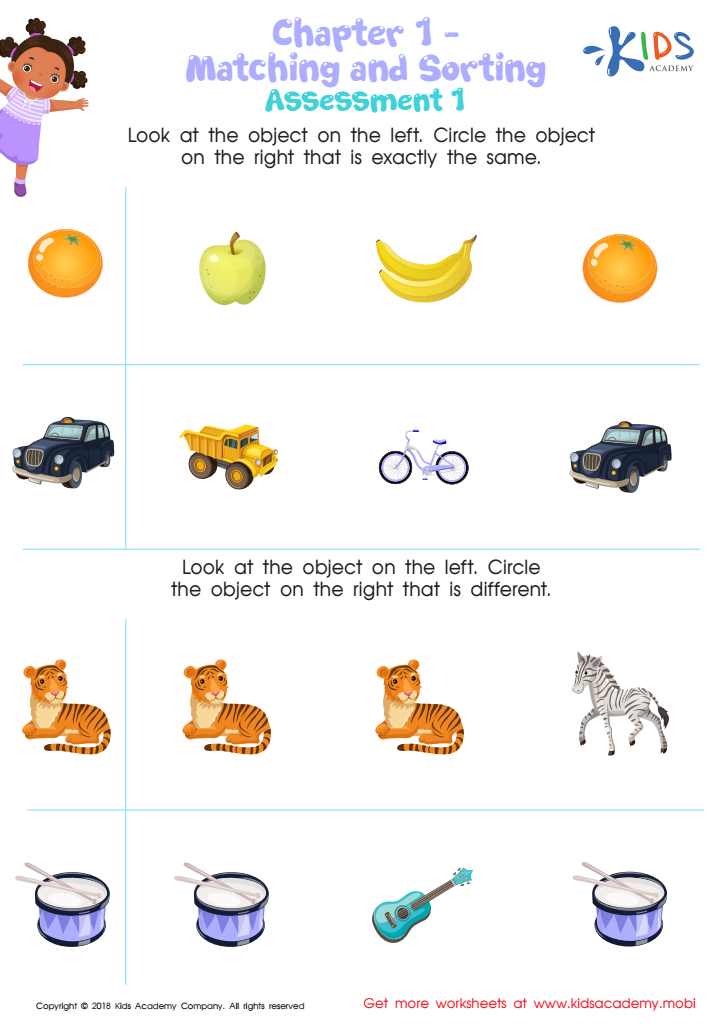
Matching and Sorting for Preschool: Assessment 1 Worksheet
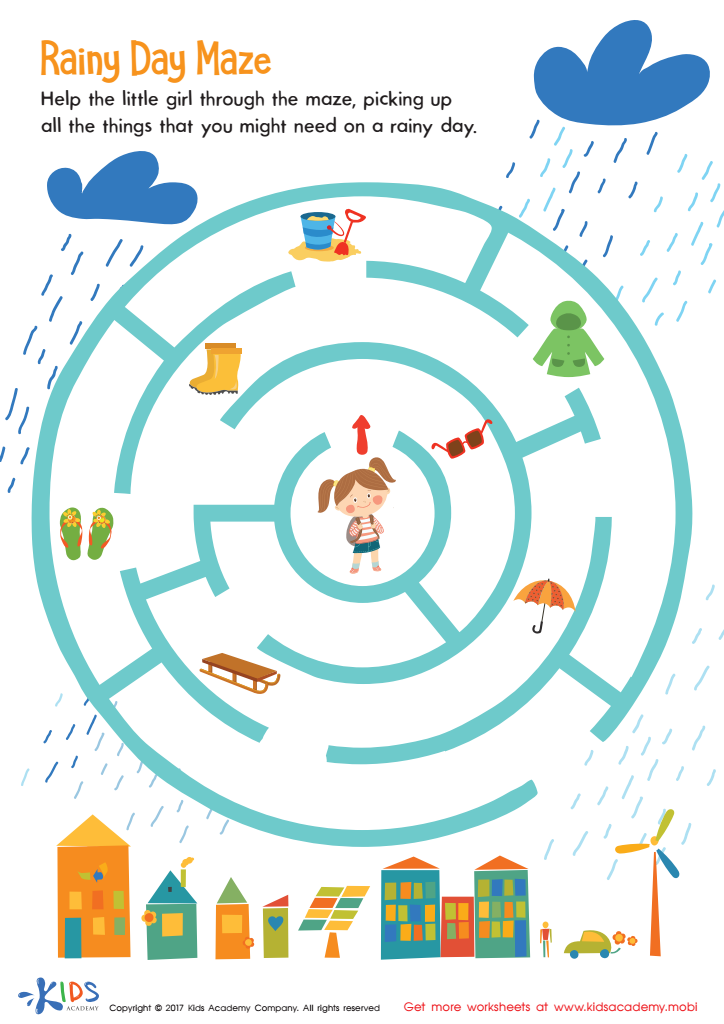
Rainy Day Maze Worksheet

Subtracting: Groceries with Georgio Worksheet
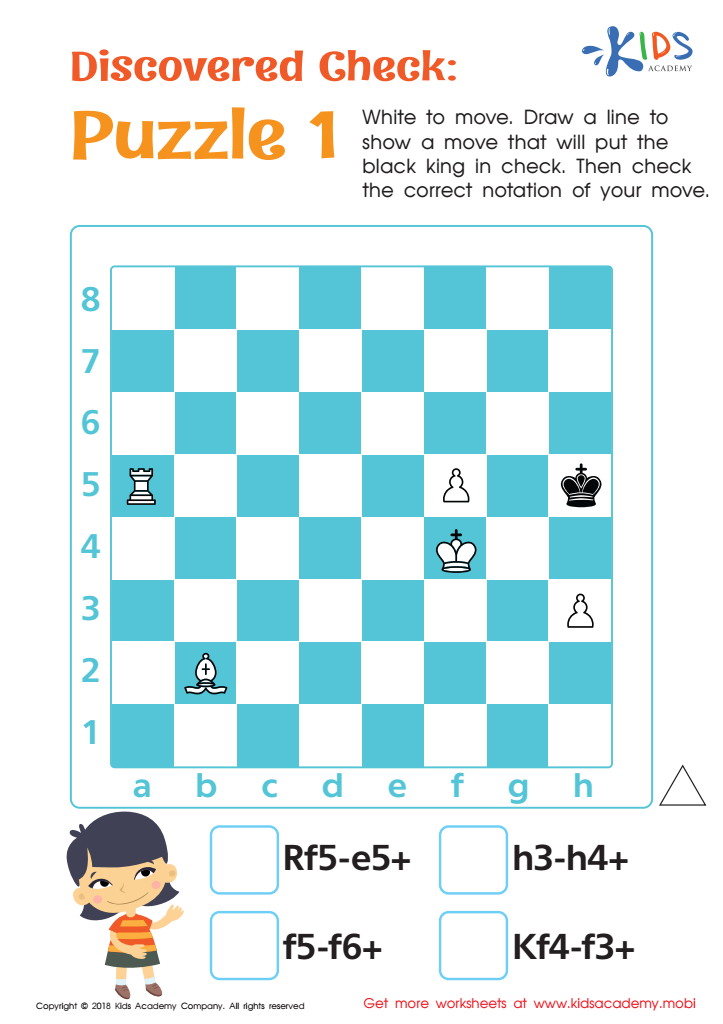
Discovered Check: Puzzle 1 Worksheet
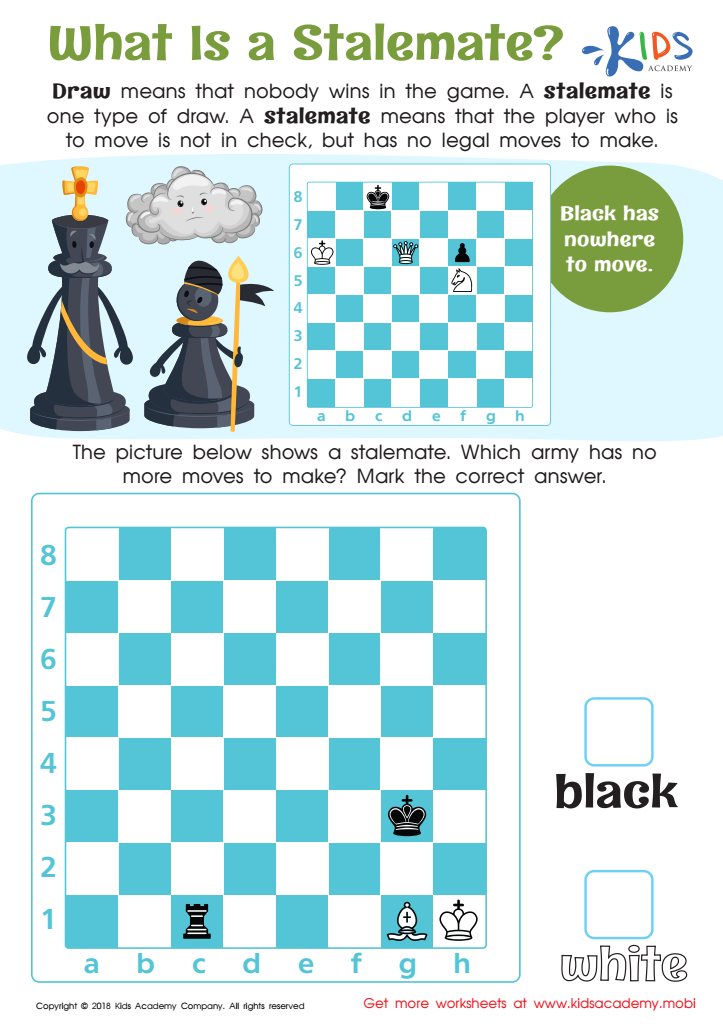
What Is a Stalemate? Worksheet
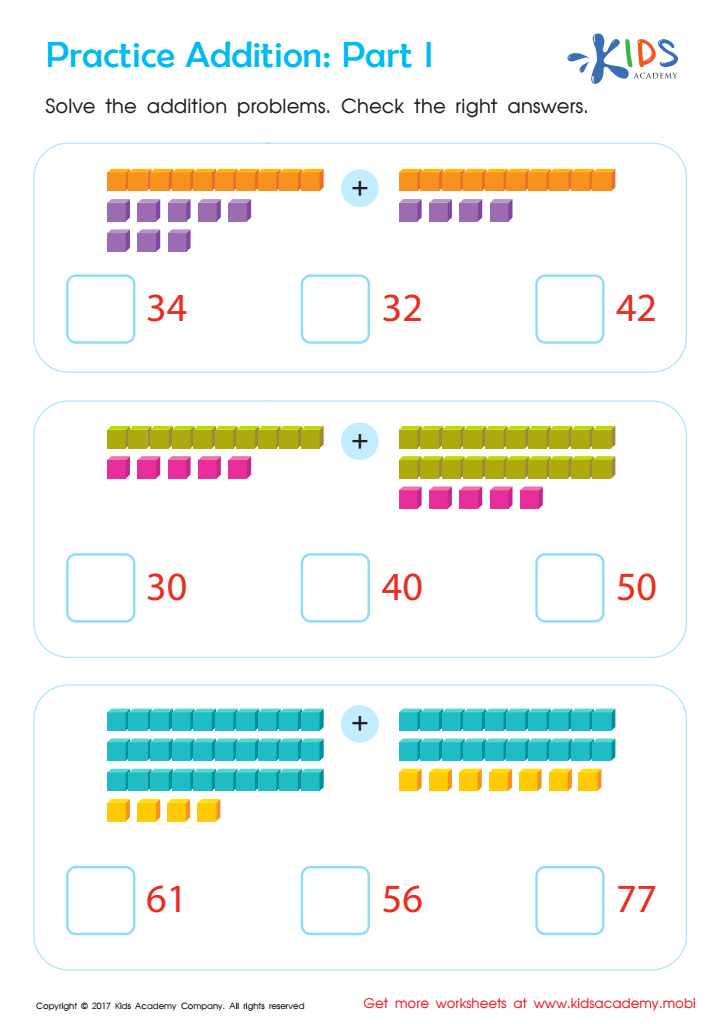
Practice Addition: Part 1 Worksheet
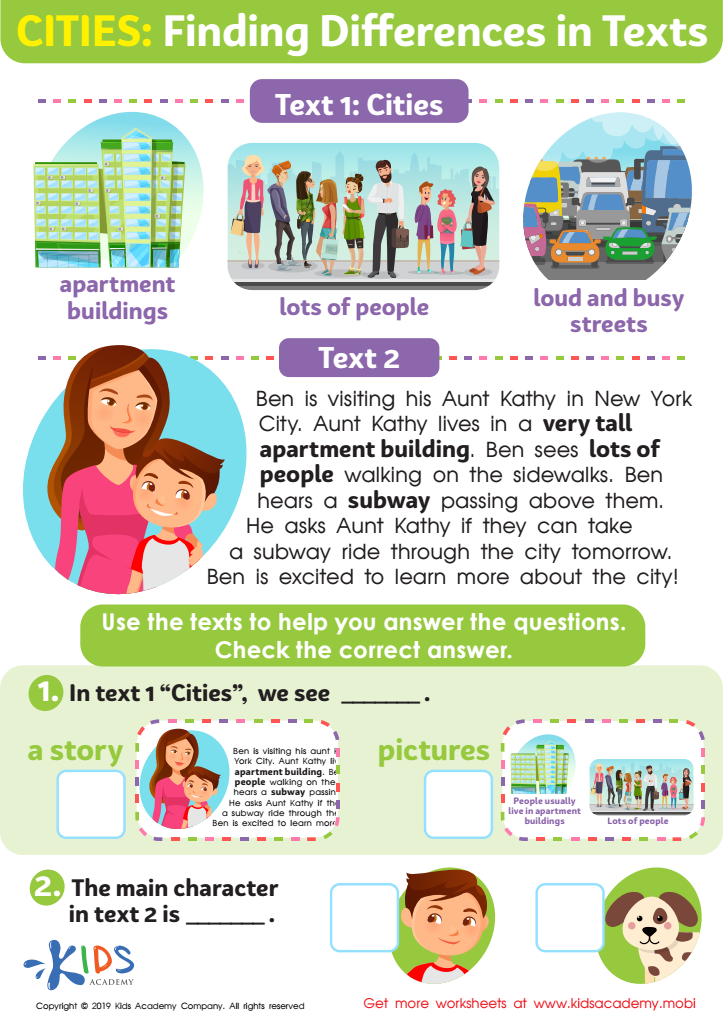
Cities: Finding Differences Worksheet
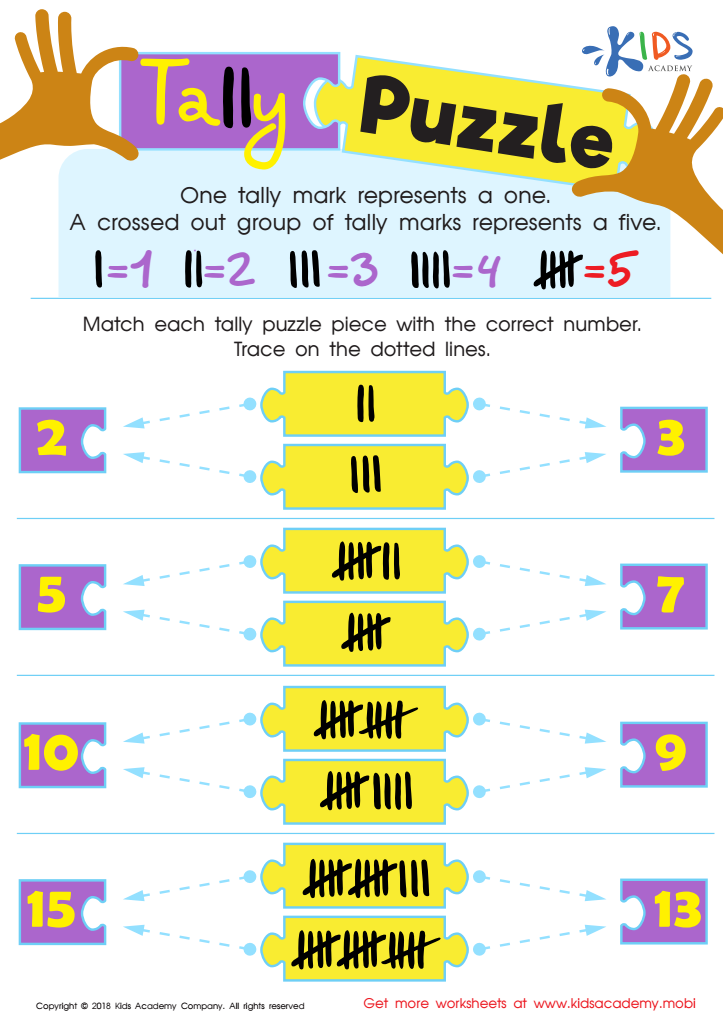
Tally Puzzle Worksheet
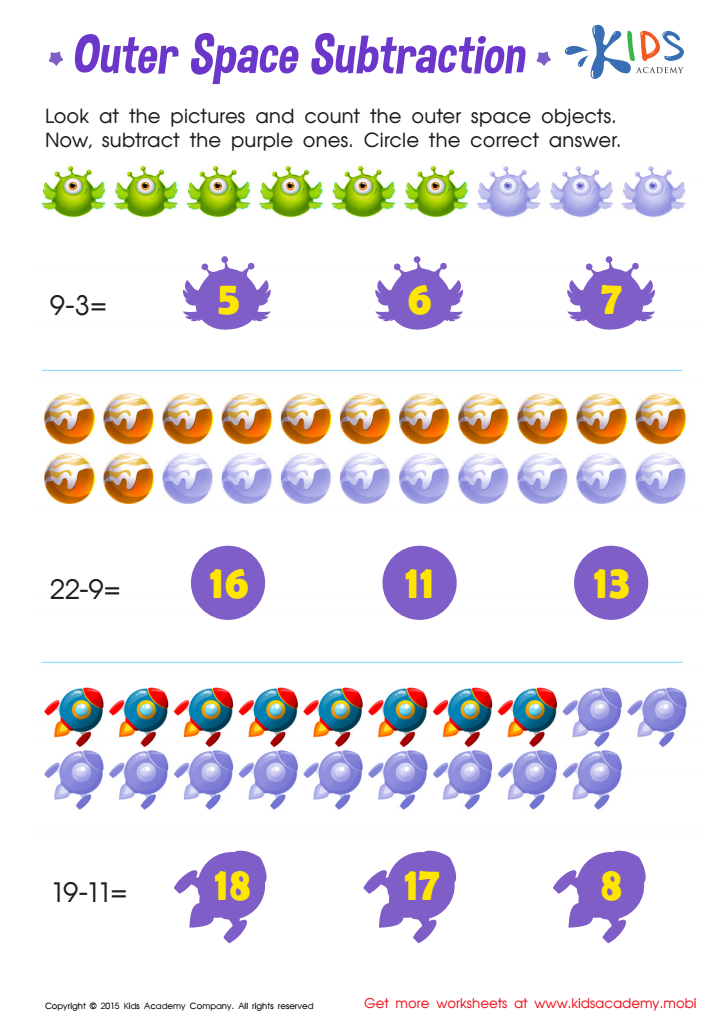
Outer Space Substraction Worksheet
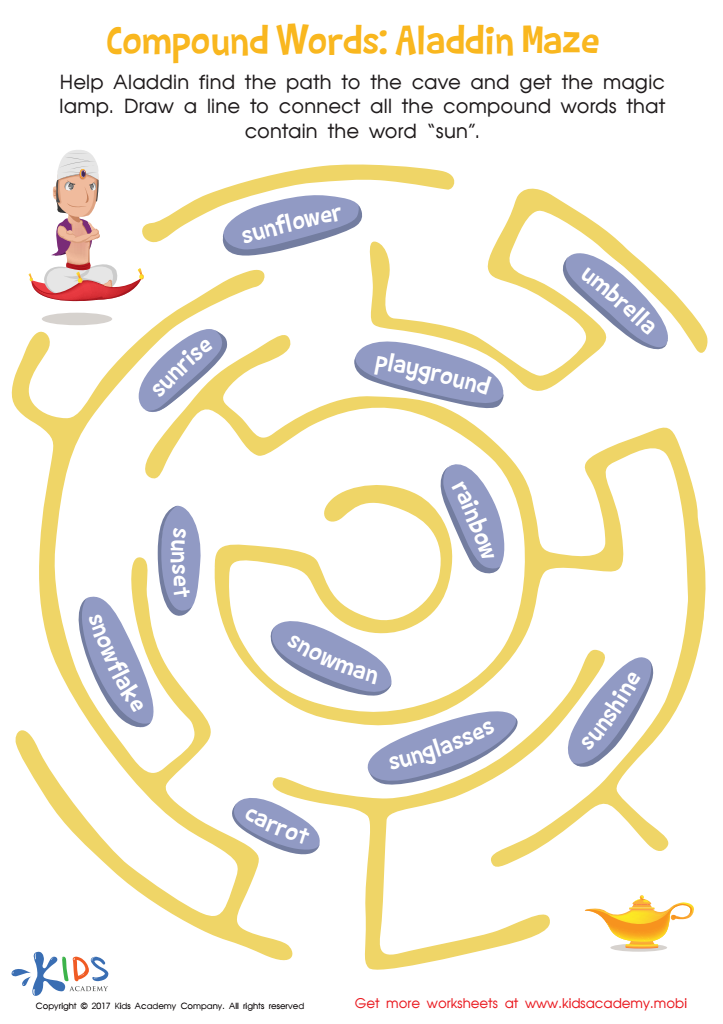
Compound Aladdin Maze Word Structure Worksheet

Haystack Steps Worksheet
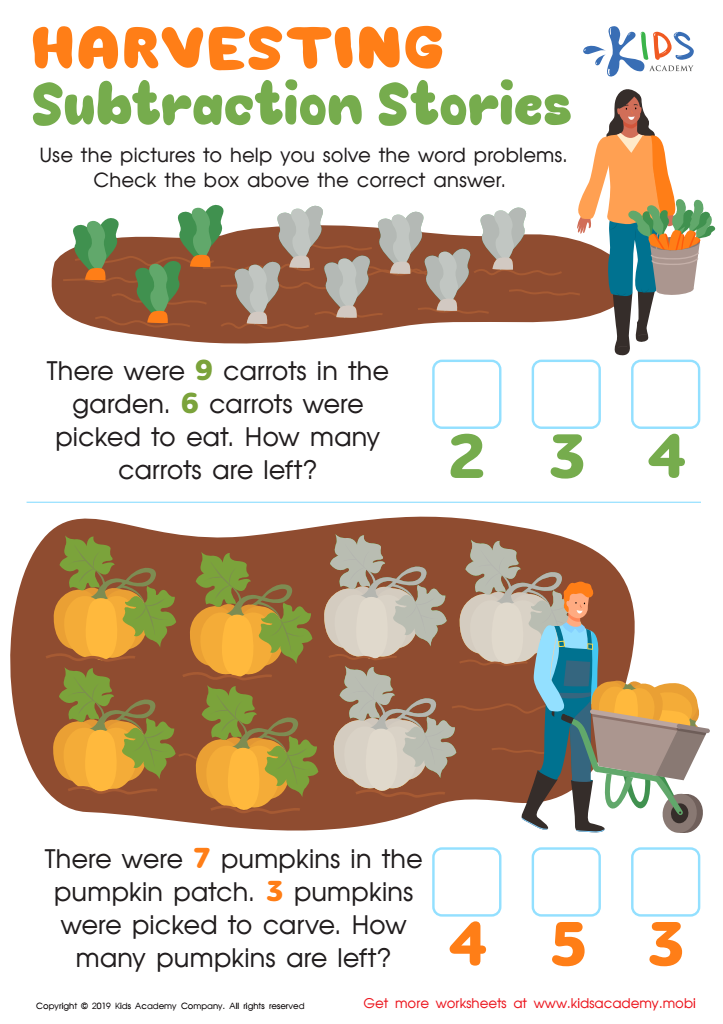
Harvesting Subtraction Stories Worksheet
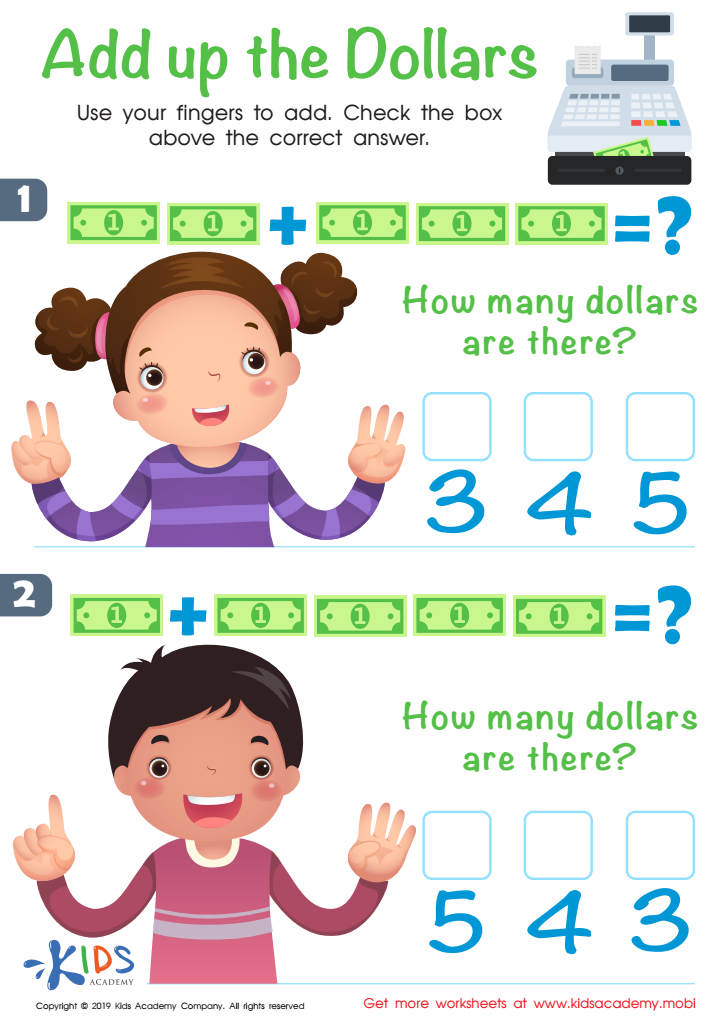
Add up the Dollars Worksheet
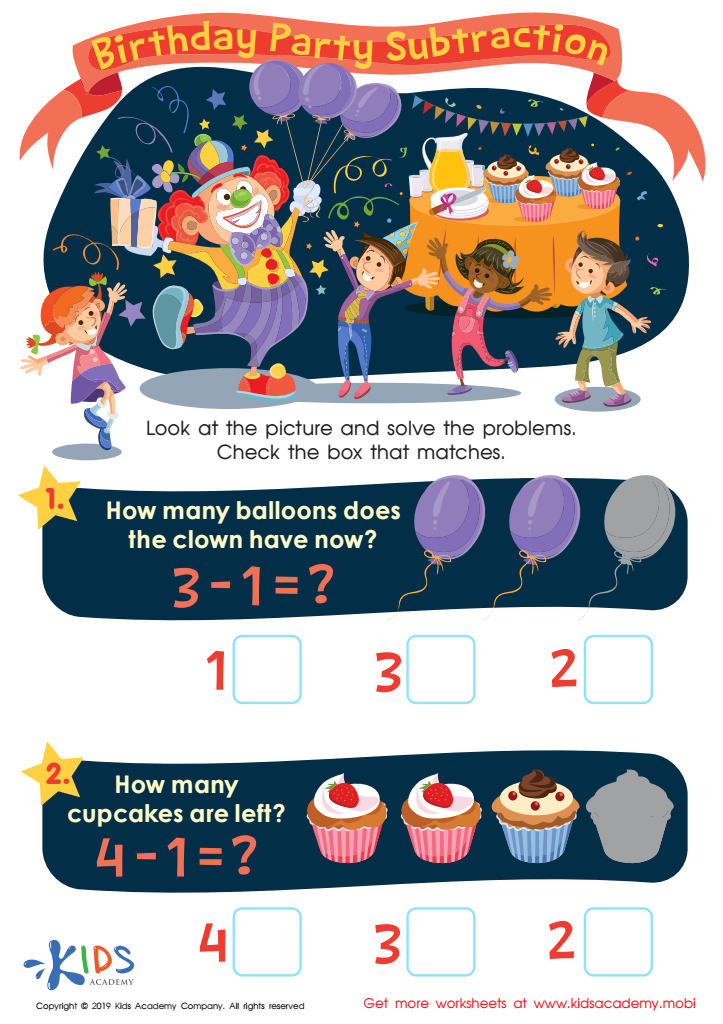
Birthday Party Subtraction Worksheet
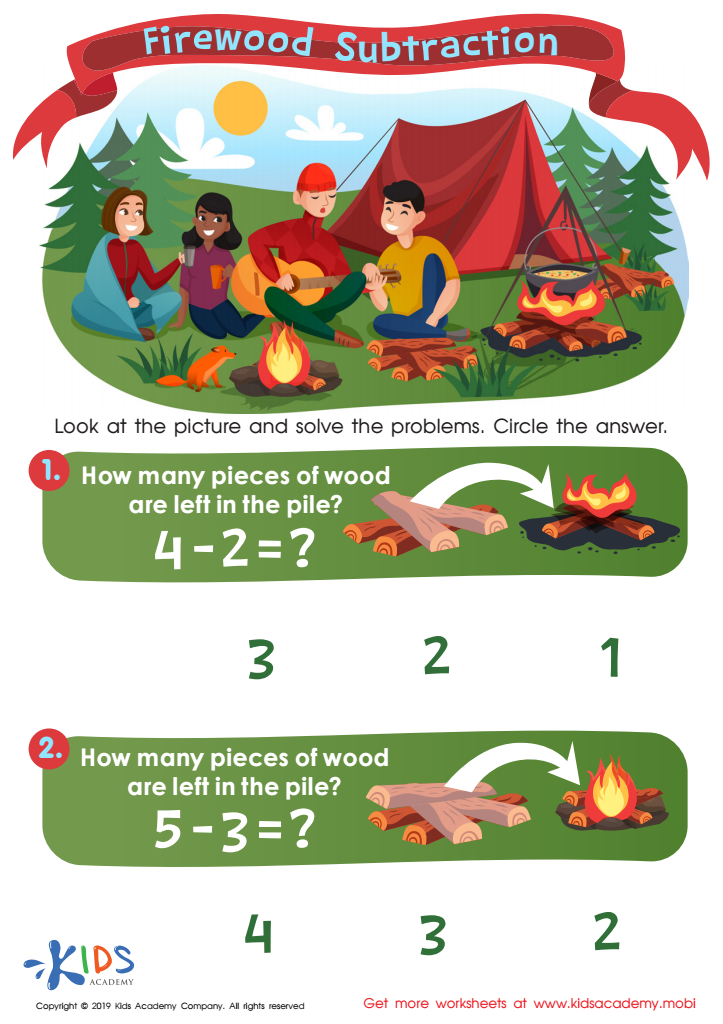
Firewood Subtraction Worksheet
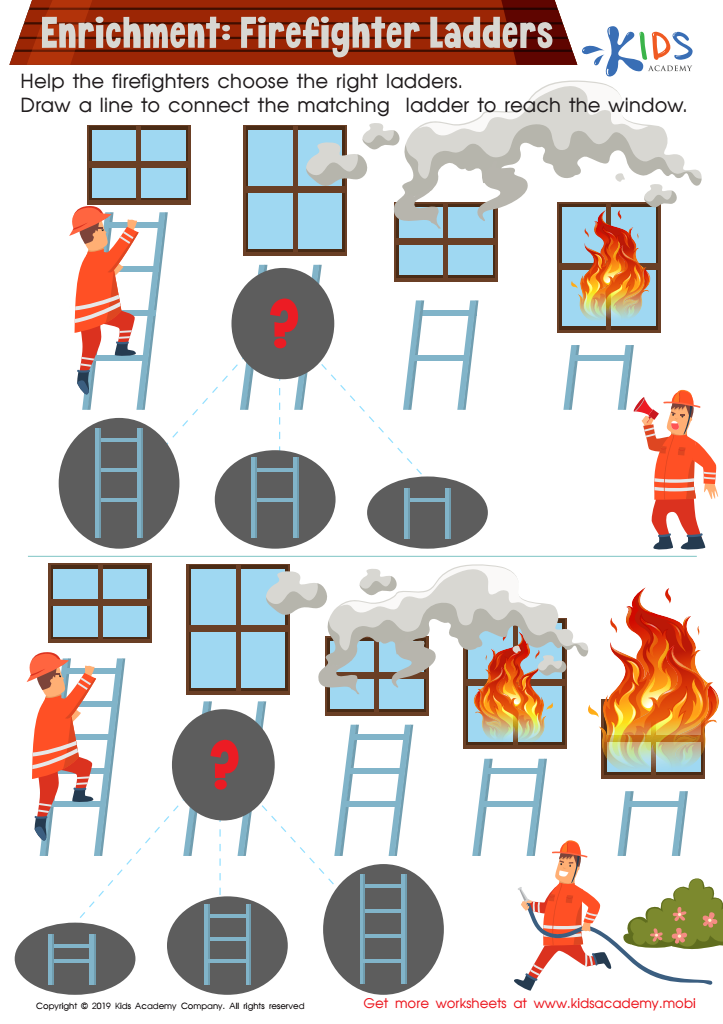
Enrichment: Firefighter Ladders Worksheet
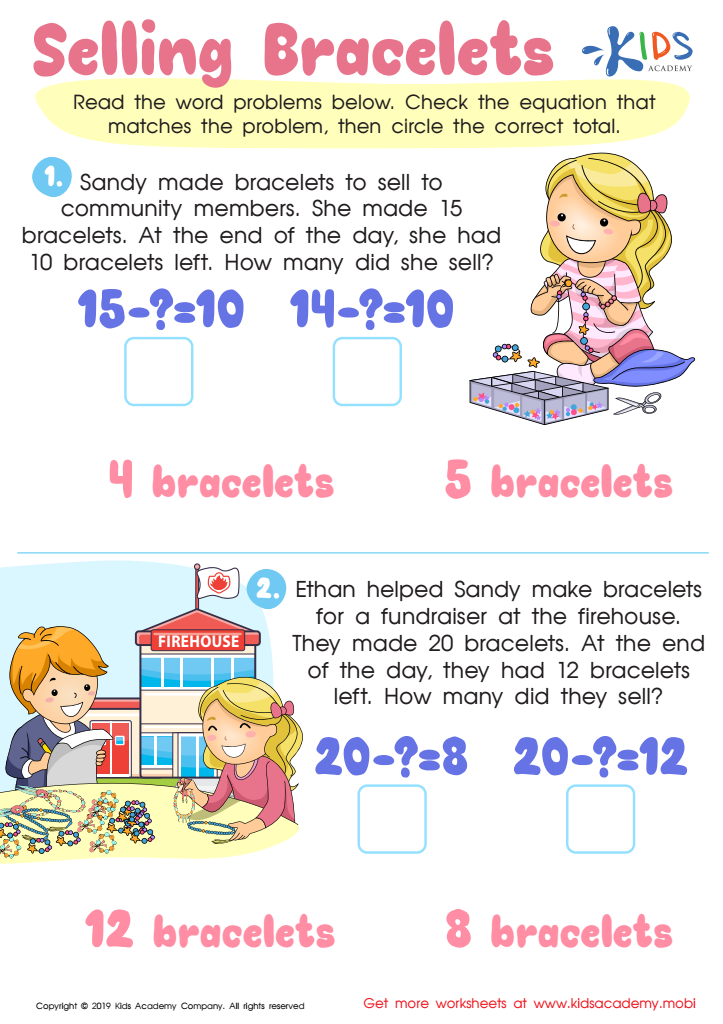
Selling the Bracelets Worksheet
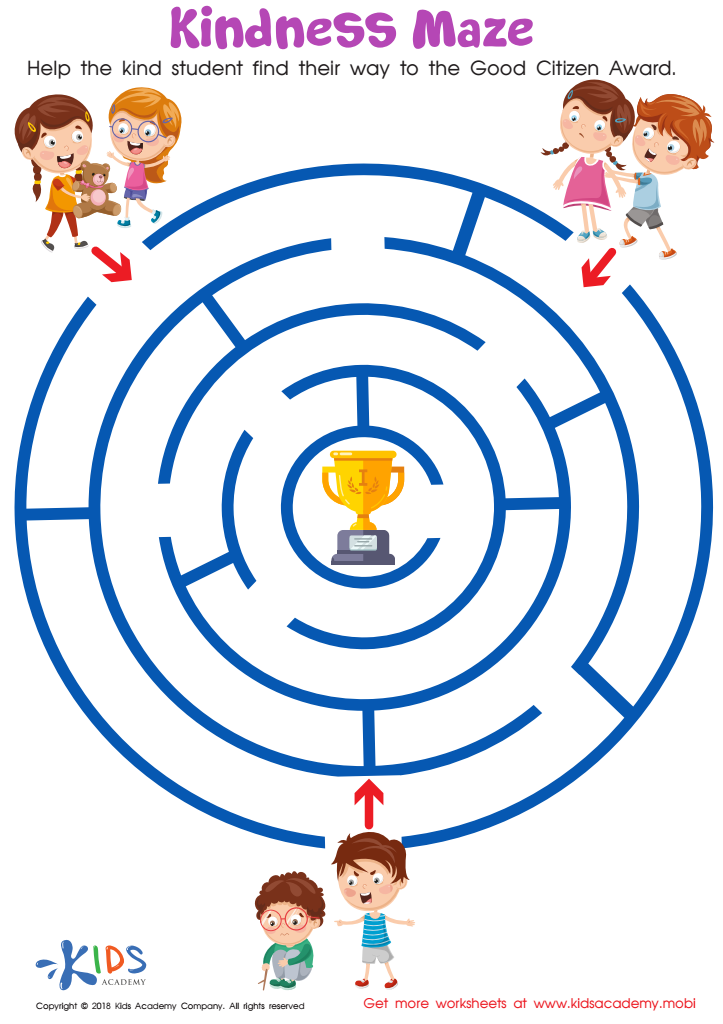
Kindness Maze Worksheet





.jpg)

Problem-solving skills are crucial for children aged 3-6 as they lay the foundation for critical thinking and emotional intelligence. At this age, children encounter various challenges—be it academic tasks or social interactions—where they must learn to navigate and find solutions independently. By fostering these skills early on, parents and teachers help children develop persistence, creativity, and logical reasoning.
Moreover, problem-solving encourages children to think outside the box, enabling them to approach difficulties with resilience and confidence. For instance, when a simple puzzle becomes a challenge, children learn to assess the situation, experiment with solutions, and experience the satisfaction of overcoming obstacles. This not only boosts their self-esteem but also enriches their learning experiences.
As children learn to articulate their thought processes and consider multiple perspectives, they also enhance their communication and collaboration skills, which are essential for future interactions in school and beyond. Overall, nurturing problem-solving skills at a young age prepares children for academic success and life challenges, fostering a growth mindset that benefits them well into adulthood. Parents and teachers who prioritize these skills are investing in their children's holistic development and future well-being.








