Easy 2D Shapes Worksheets for Ages 3-6
10 filtered results
-
From - To
Explore our “Easy 2D Shapes Worksheets for Ages 3-6” and spark your child’s interest in learning shapes! Our carefully crafted worksheets are designed to introduce young learners to basic 2D shapes such as circles, squares, triangles, and rectangles. With fun, engaging activities, these resources help kids identify, trace, and color shapes while developing their fine motor skills and cognitive abilities. Perfect for preschoolers and kindergarteners, our downloadable and printable worksheets make learning interactive and enjoyable. Start building a strong math foundation today with Kids Academy's easy and educational shape worksheets!
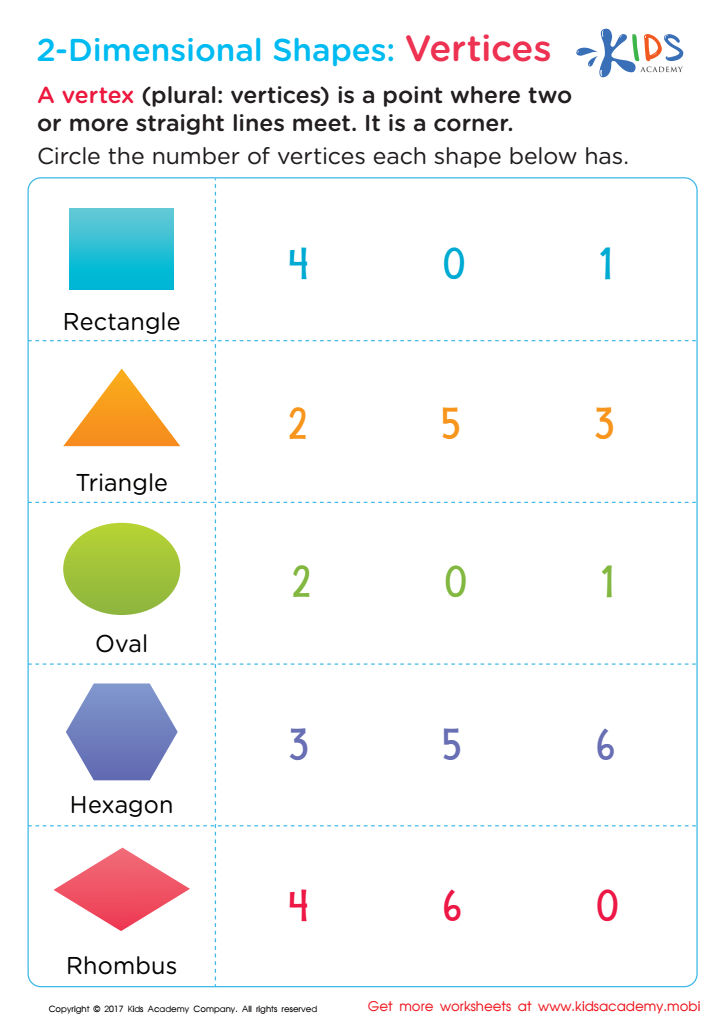
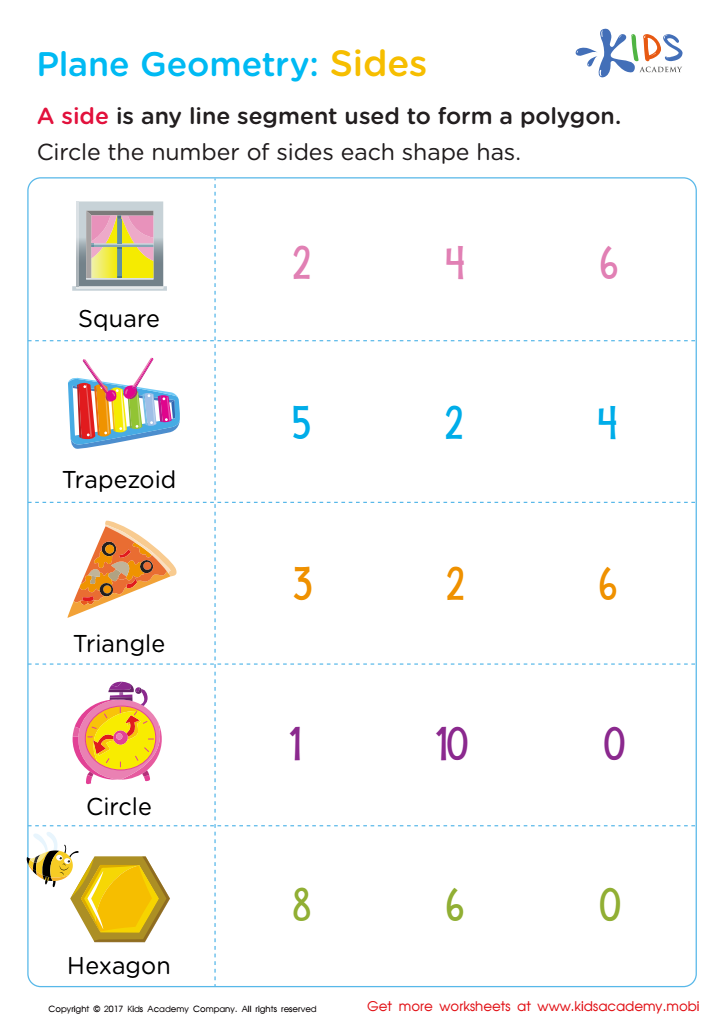
Two–Dimensional Shapes: Vertices Printable
 Assign to My Students











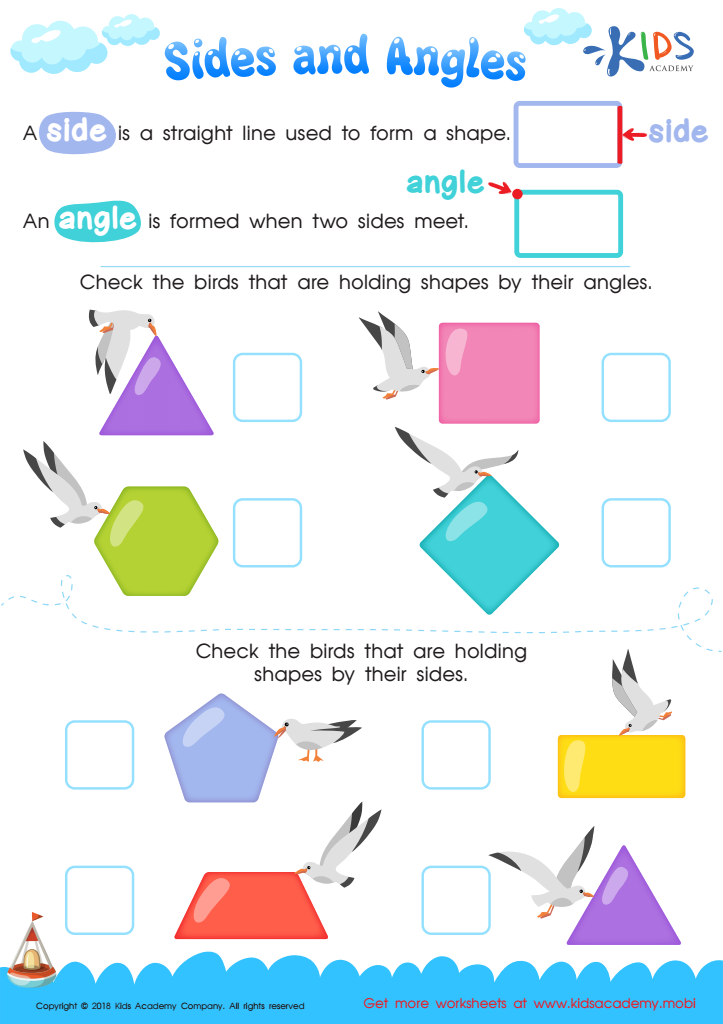
Sides and Angles Worksheet
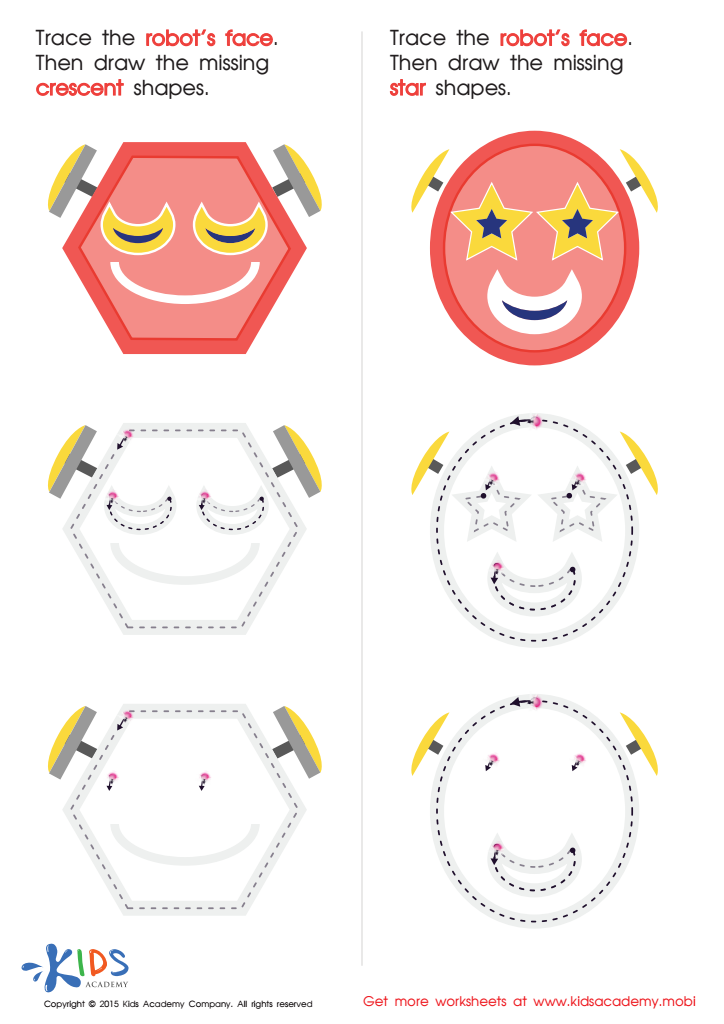
Composing a Robot's Face of Crescents And Stars Worksheet
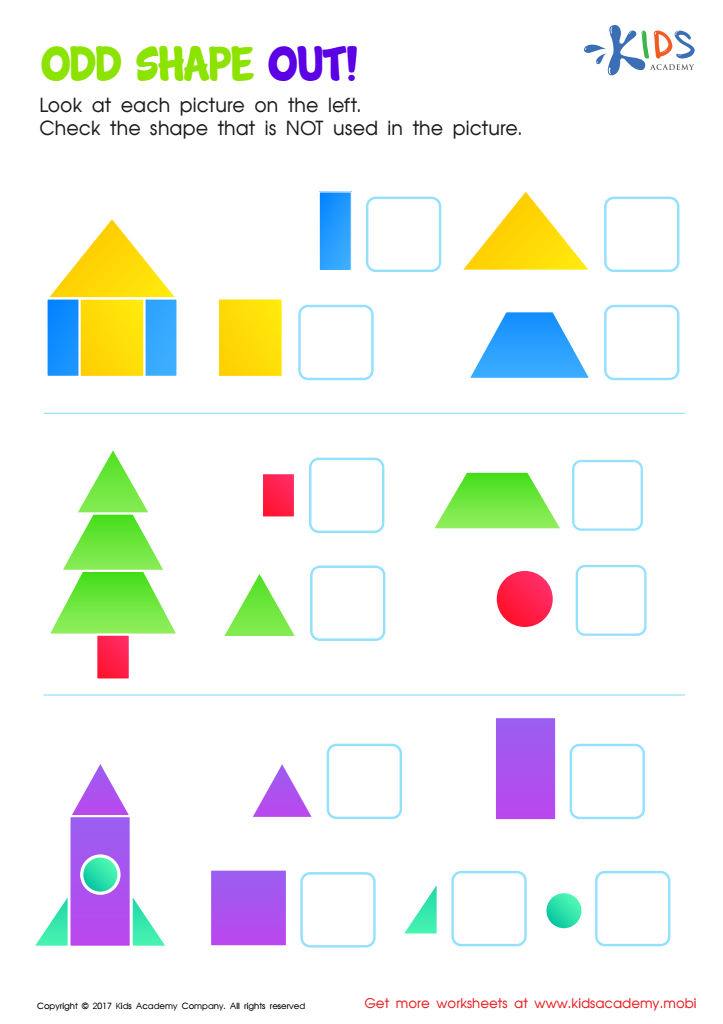
Odd Shape Out Worksheet for Grade 1
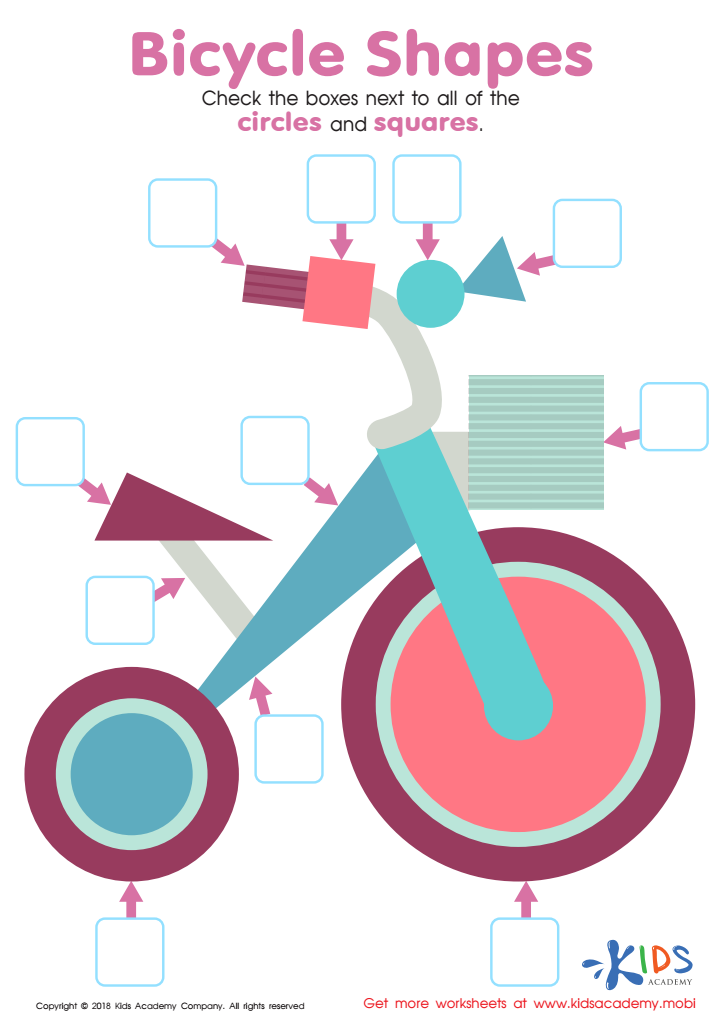
Bicycle Shapes Worksheet
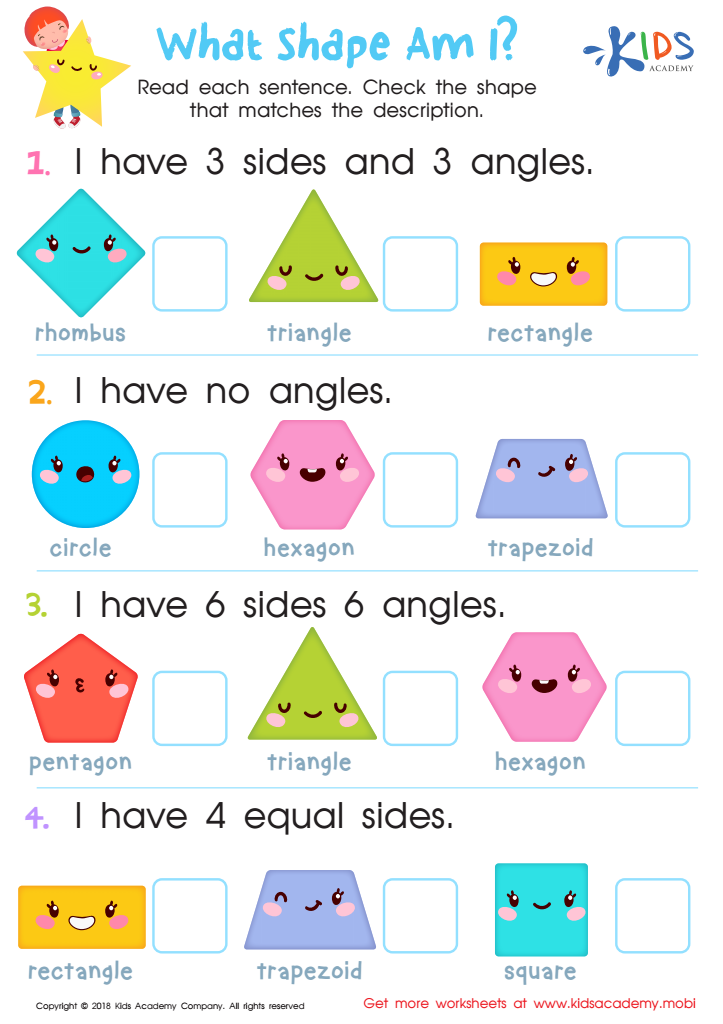
What Shape Am I? Worksheet
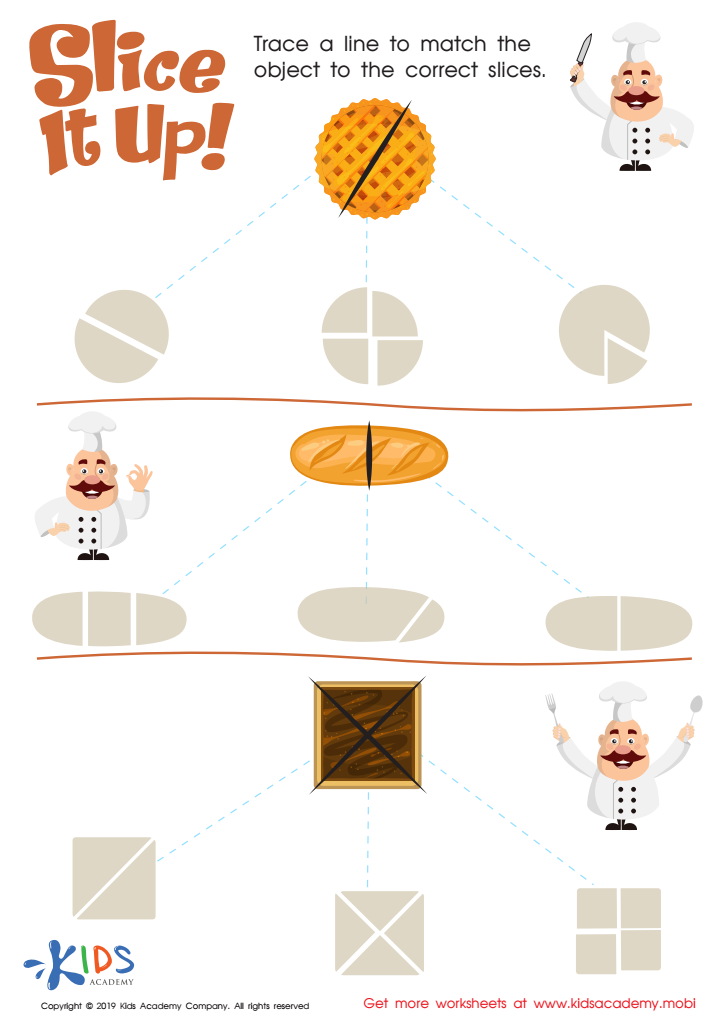
Slice It Up Worksheet
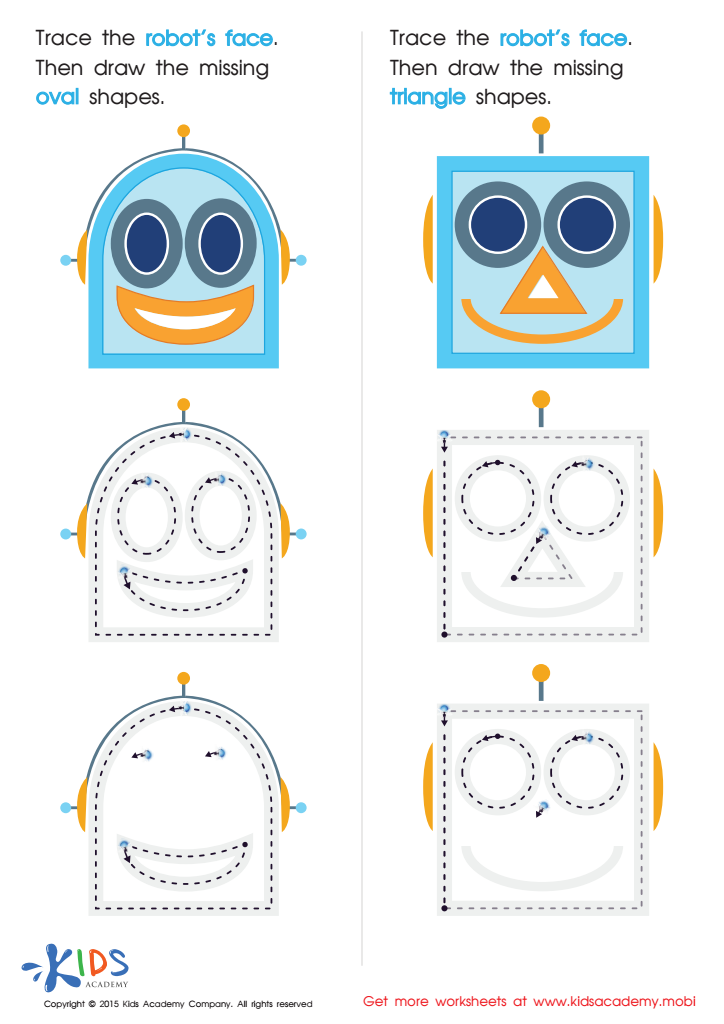
Drawing Ovals And Triangles with Fun Printable
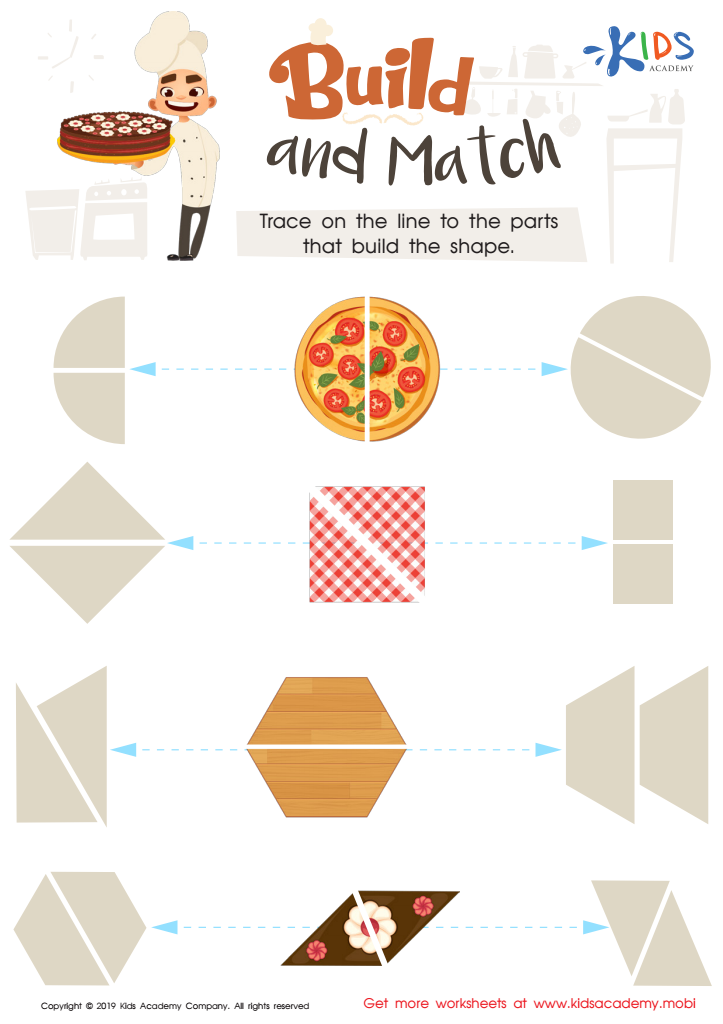
Build and Match Worksheet








Understanding and recognizing easy 2D shapes are fundamental skills for children aged 3-6 that carry several cognitive and perceptual benefits. This early exposure helps children develop spatial awareness, an essential skill for navigating and interpreting the world around them. By identifying shapes like circles, squares, triangles, and rectangles, children start to comprehend basic geometric concepts, laying the groundwork for future learning in mathematics.
Engaging with 2D shapes also enhances fine motor skills and hand-eye coordination as children learn to draw and trace these shapes. Activities involving shapes often incorporate the use of various manipulatives, which bolster these physical development areas. Recognizing and naming shapes improve vocabulary and language skills, boosting their capacity to describe the world comprehensively.
Moreover, understanding shapes is directly tied to success in areas such as reading and writing. Letter recognition, for example, is linked to distinguishing different shapes; a child's ability to differentiate a "b" from a "d" or an "M" from a "W" depends on their shape recognition abilities.
For teachers and parents, fostering an environment where 2D shapes are prominent in activities and play cultivates an enjoyable and approachable method to learning, making children more keen to participate. This continuous engagement is crucial for keeping them motivated and curious, essential traits for lifelong learning.