Easy 2D Shapes Worksheets for Ages 3-7
13 filtered results
-
From - To
Discover our "Easy 2D Shapes Worksheets for Ages 3-7," designed to make learning fun and engaging for young learners! Our comprehensive collection features vibrant, age-appropriate worksheets that introduce children to basic shapes like circles, squares, triangles, and rectangles. Each worksheet is tailored to enhance shape recognition, counting skills, and creative expression through colorful visuals and creative activities. Ideal for homeschooling or classroom settings, these worksheets promote foundational math skills while encouraging hands-on learning. Download and print them easily to help your little ones excel in shape recognition, laying a solid groundwork for their future mathematical journeys. Start exploring today!
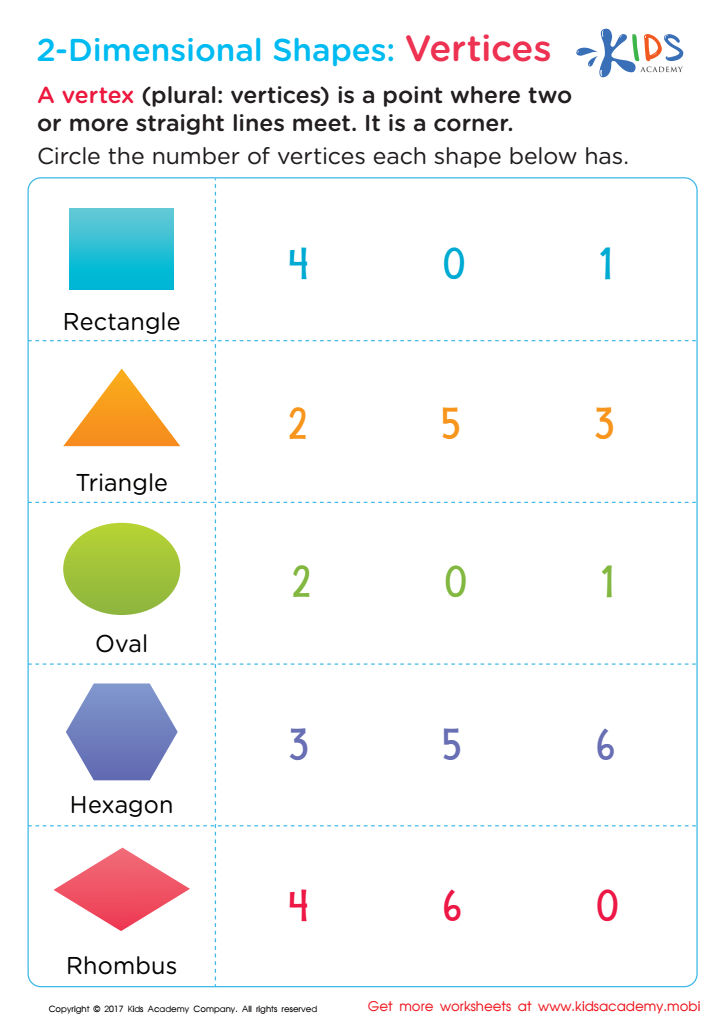
Two–Dimensional Shapes: Vertices Printable
 Assign to My Students











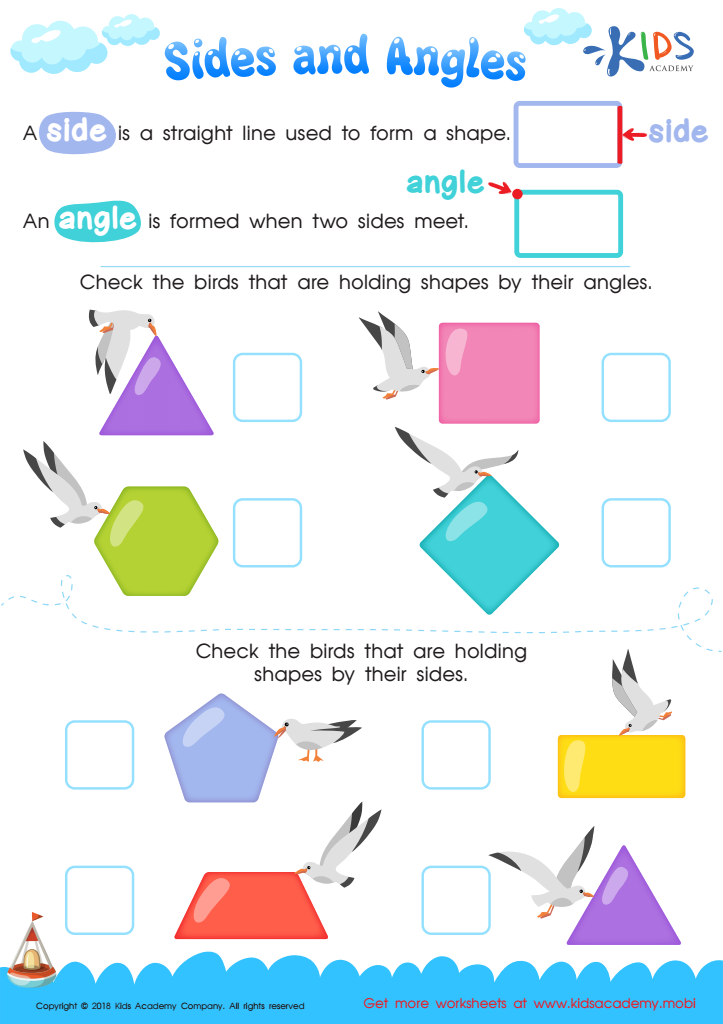
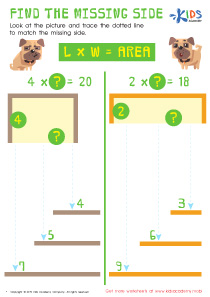
Sides and Angles Worksheet
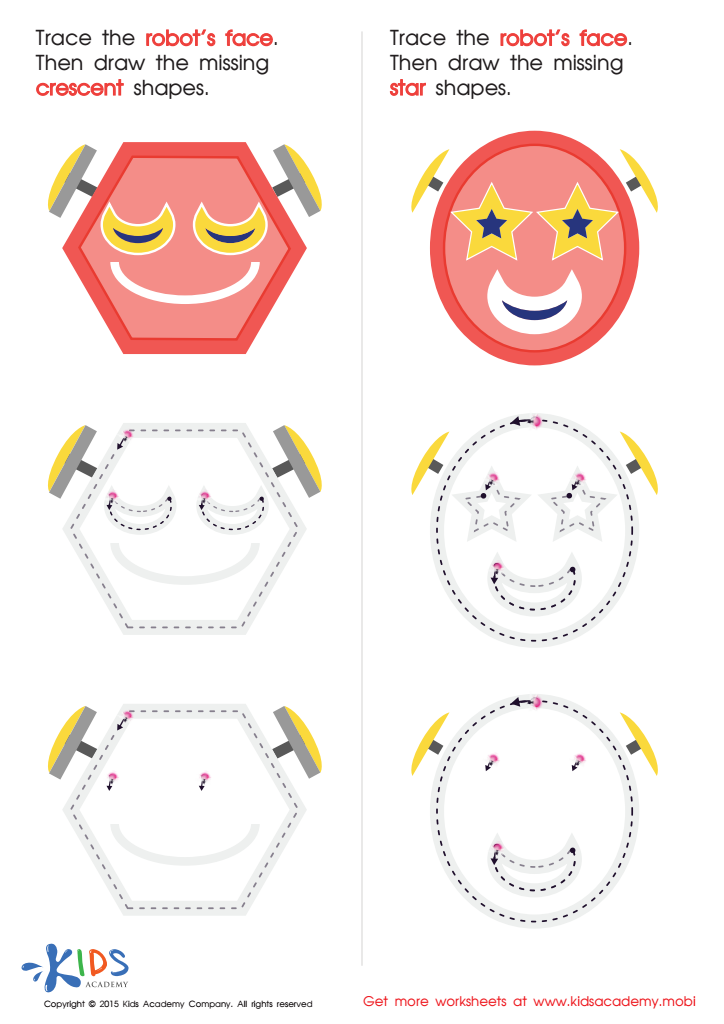
Composing a Robot's Face of Crescents And Stars Worksheet
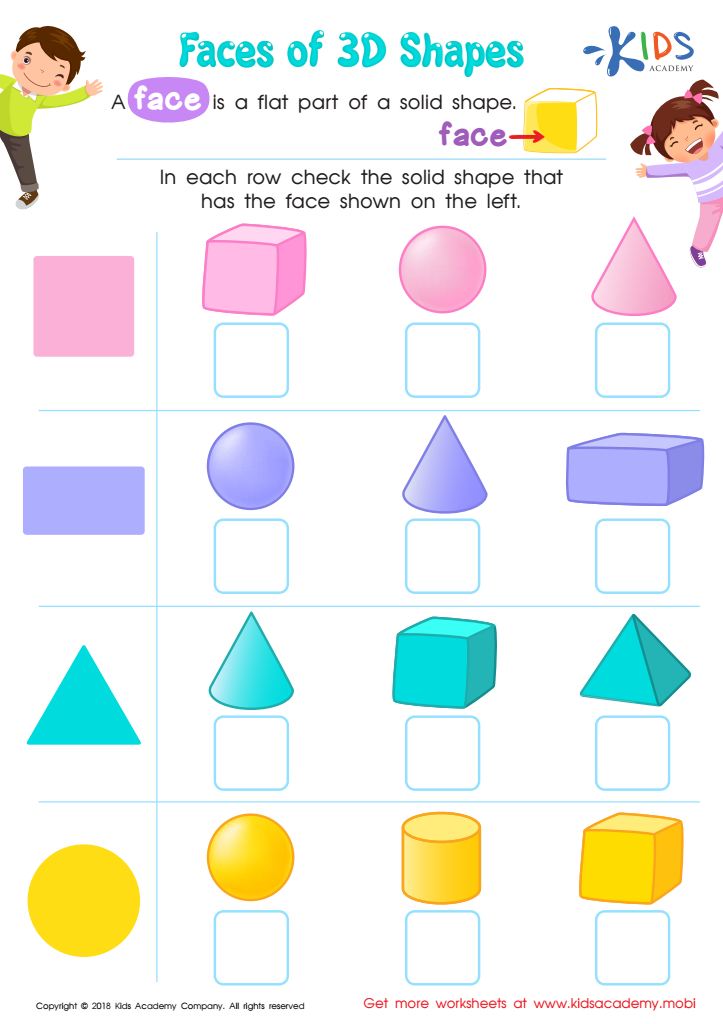
Faces of 3D Shapes Worksheet
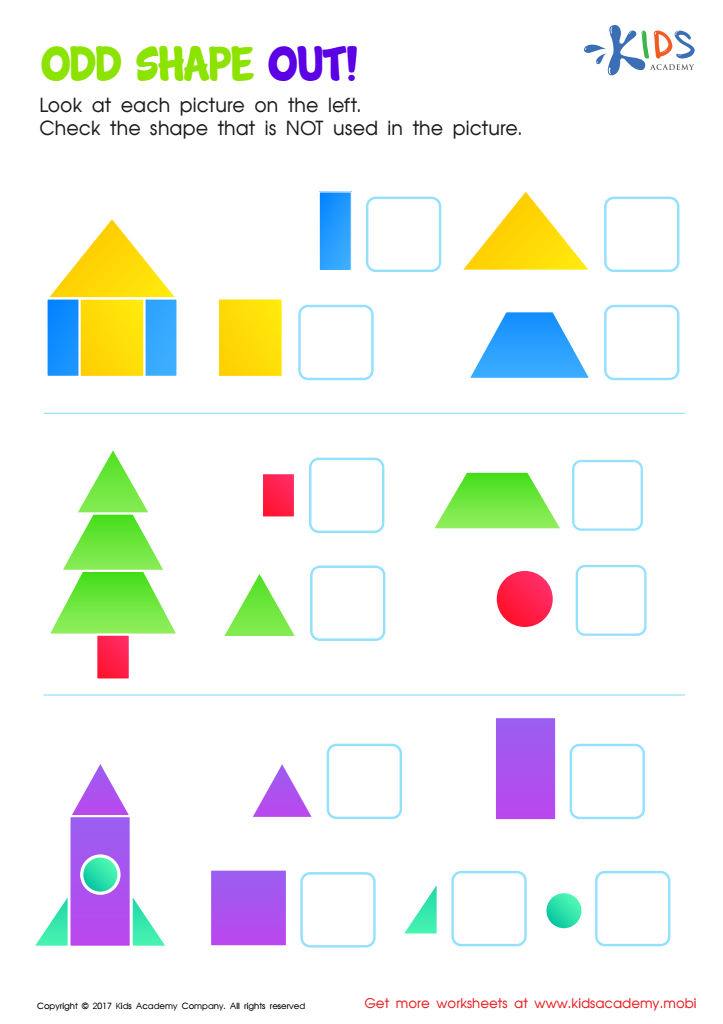
Odd Shape Out Worksheet for Grade 1
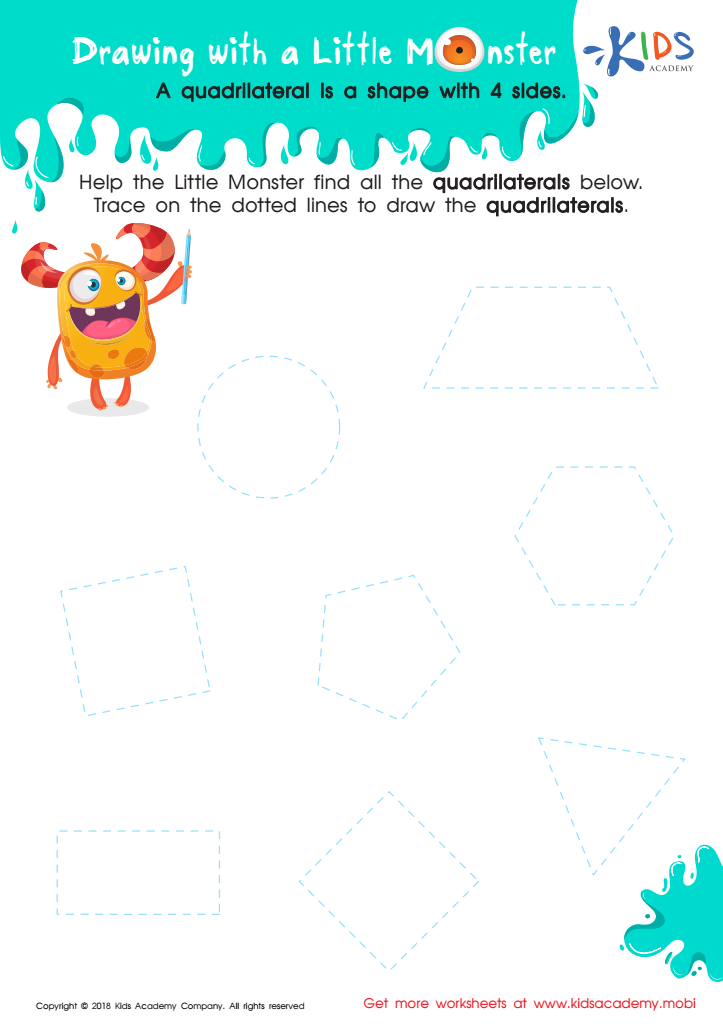
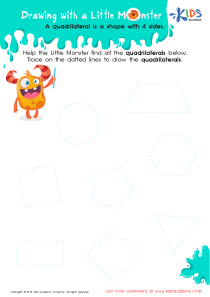
Drawing with a Little Monster Worksheet
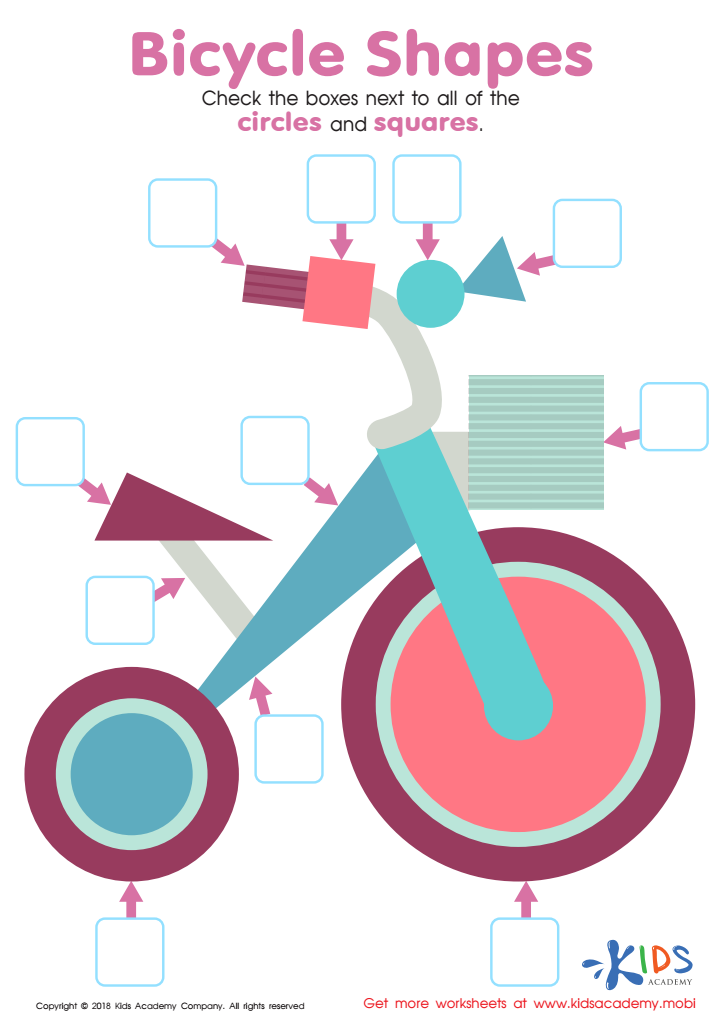
Bicycle Shapes Worksheet
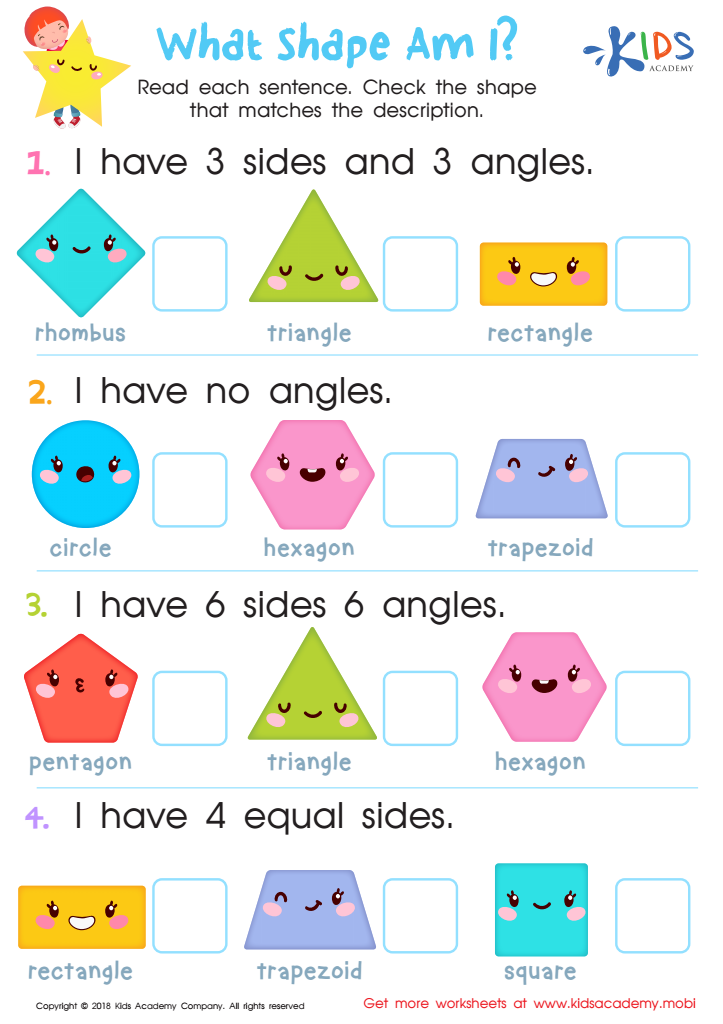
What Shape Am I? Worksheet
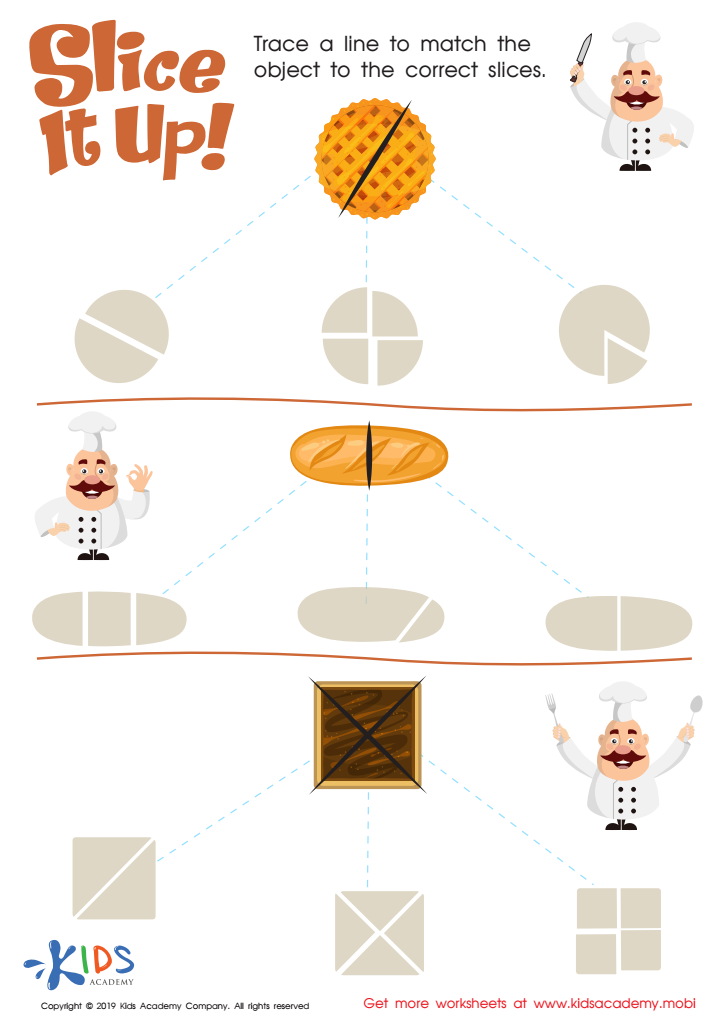
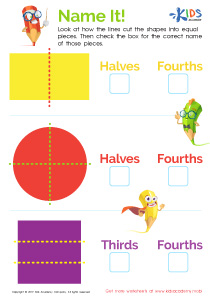
Slice It Up Worksheet
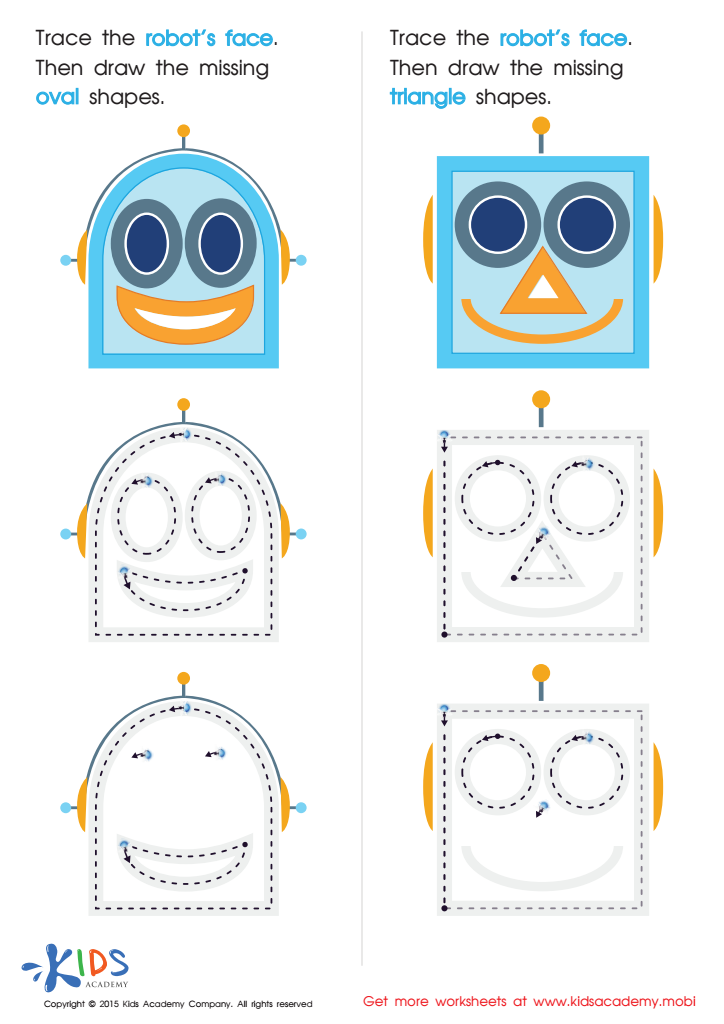
Drawing Ovals And Triangles with Fun Printable
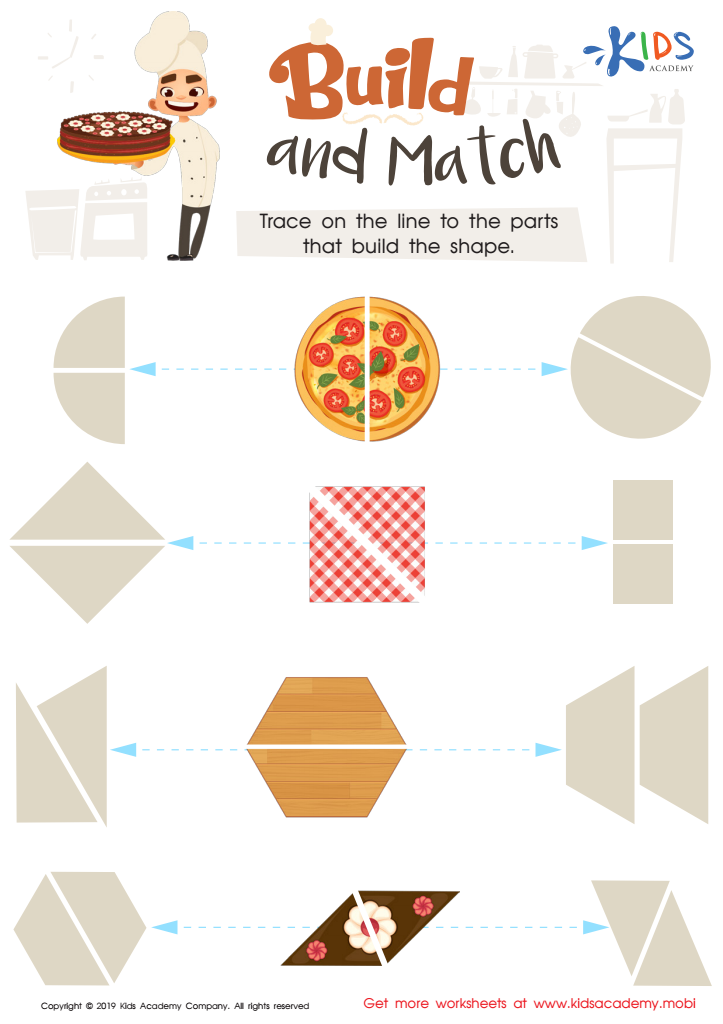
Build and Match Worksheet
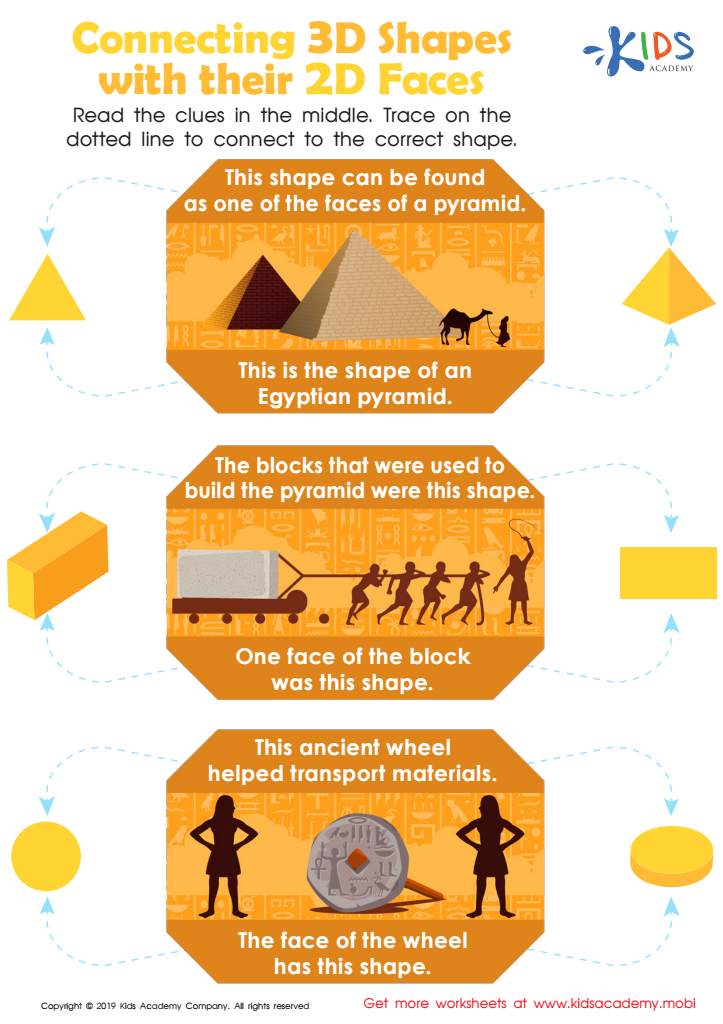
Connecting 3D Shapes with Their 2d Faces Worksheet








Parents and teachers should care about introducing easy 2D shapes to children ages 3 to 7 because these foundational concepts significantly impact various areas of early development. Understanding shapes enhances spatial reasoning and critical thinking skills, which are crucial for problem-solving in future academic pursuits, especially in mathematics and science.
Furthermore, recognizing and naming shapes builds vocabulary and supports language development. As children identify shapes in their environment, they learn to express observations, thereby improving communication skills. Incorporating 2D shapes into playful activities—such as drawing, building, or using sorting games—also fosters creativity and imagination.
Moreover, teaching shapes can enhance fine motor skills, as children engage in activities that require cutting, tracing, or constructing shapes. This can promote hand-eye coordination and dexterity, vital for writing and everyday tasks.
Finally, early exposure to basic geometric concepts establishes the groundwork for advanced mathematics. Engaging with shapes supports cognitive development, as children learn to categorize objects and recognize patterns. Overall, emphasizing easy 2D shapes during the formative years lays a crucial foundation for lifelong learning and growth, making it essential for adults to prioritize this aspect of their education.