Problem-Solving Skills Easy Worksheets for Ages 3-9 - Page 3
61 filtered results
-
From - To
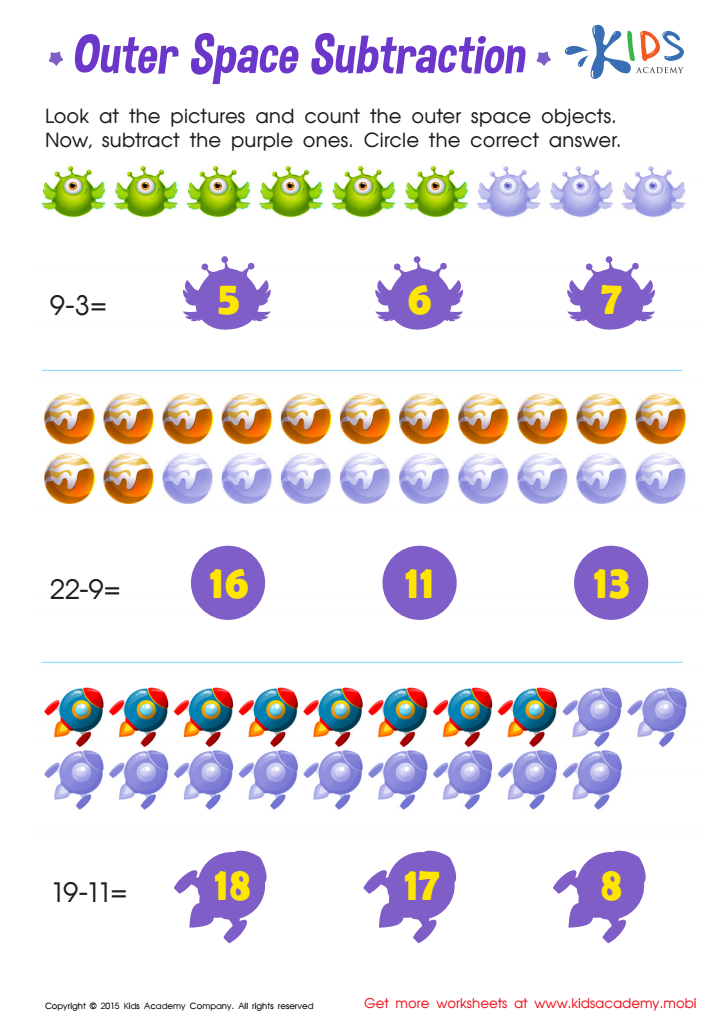
Outer Space Substraction Worksheet
 Assign to My Students
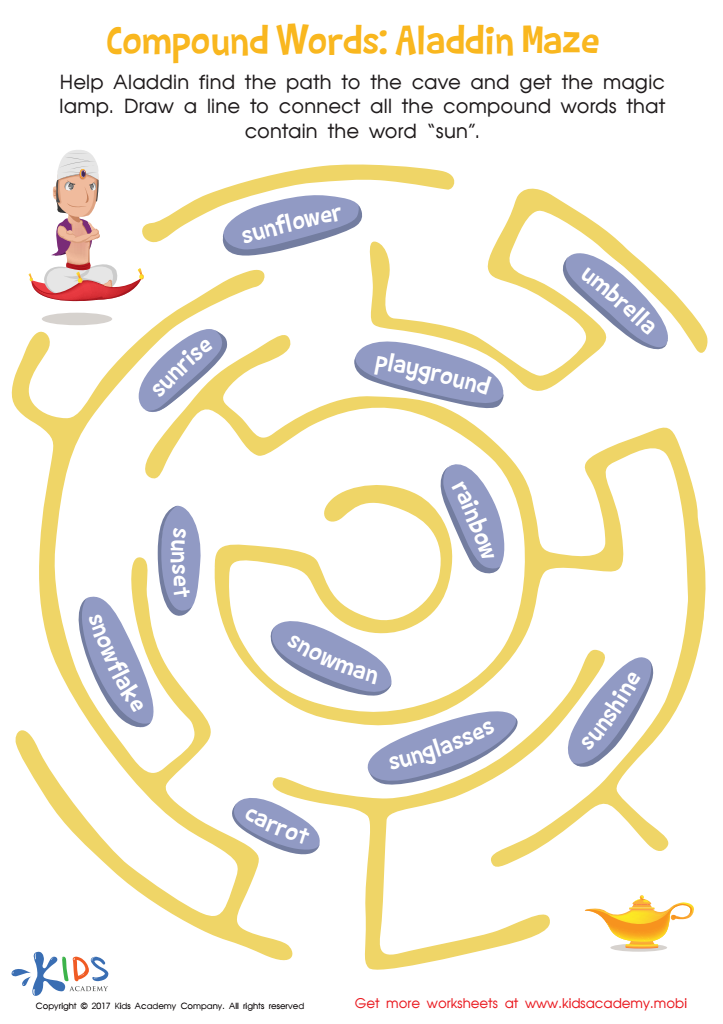
Compound Aladdin Maze Word Structure Worksheet

Haystack Steps Worksheet
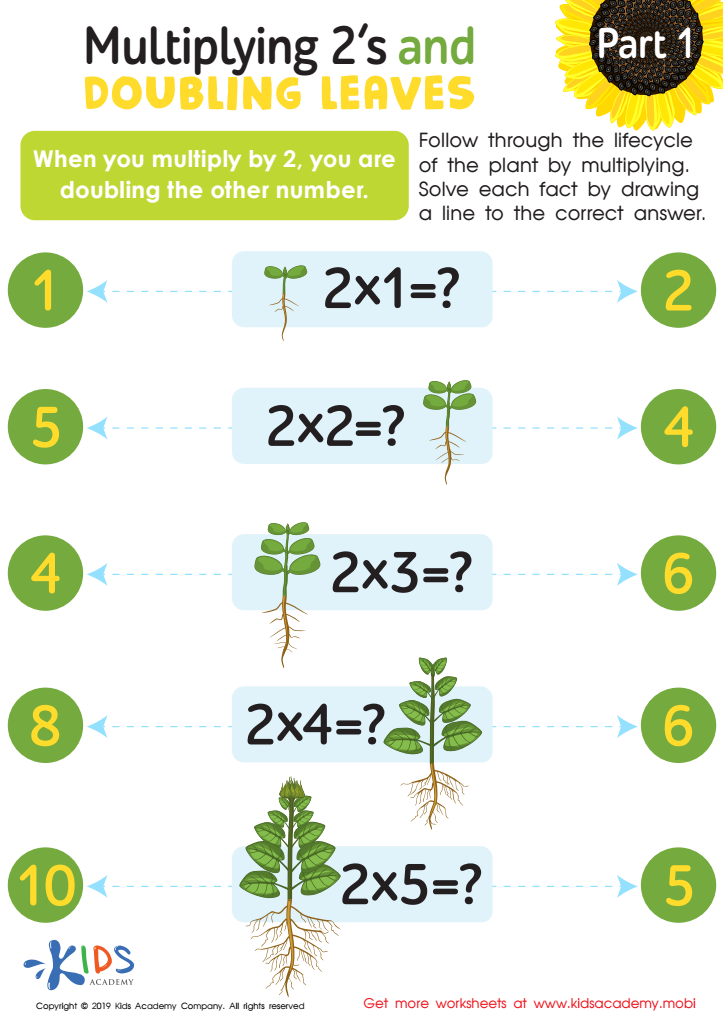
Multiplying 2’s and Doubling Leaves Part 1 Worksheet
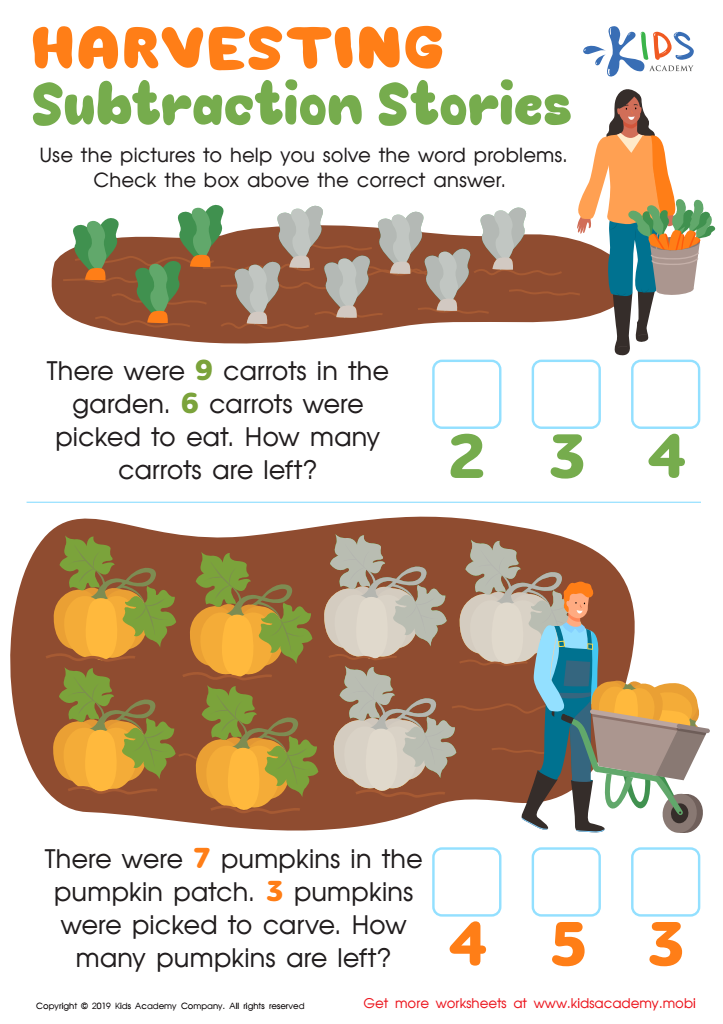
Harvesting Subtraction Stories Worksheet
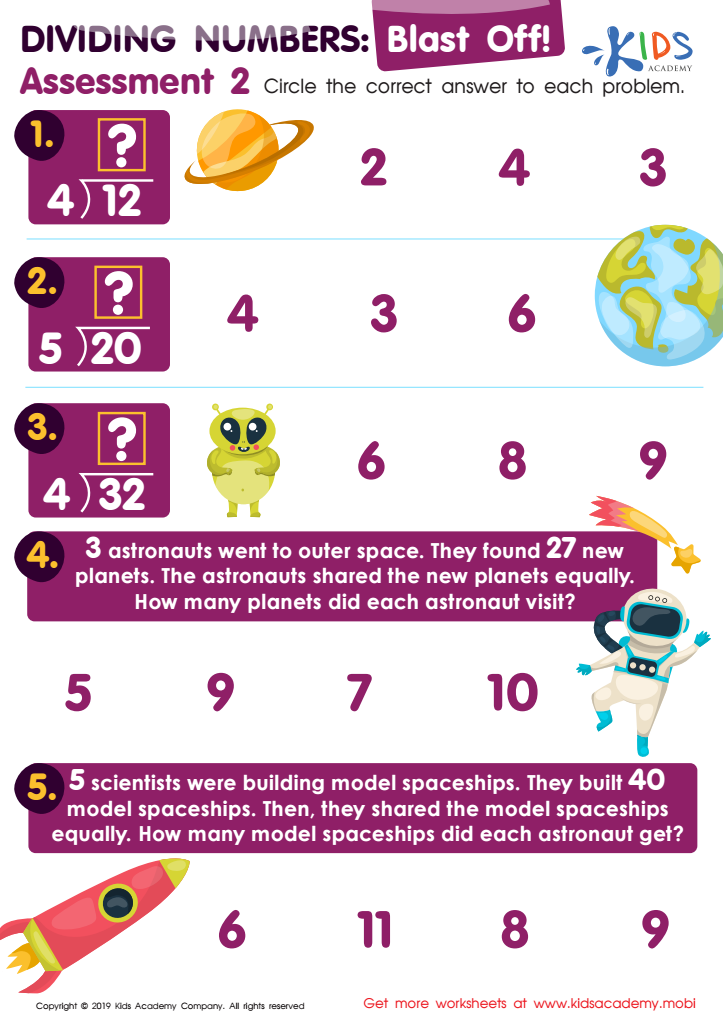
Dividing Numbers Assessment 2 Worksheet
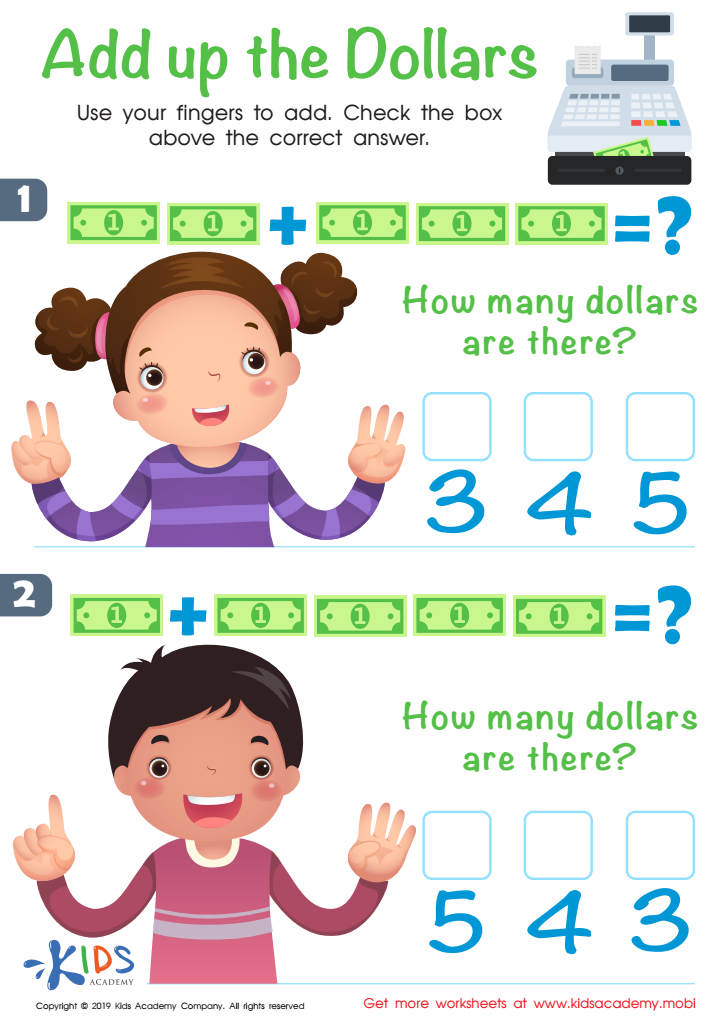
Add up the Dollars Worksheet
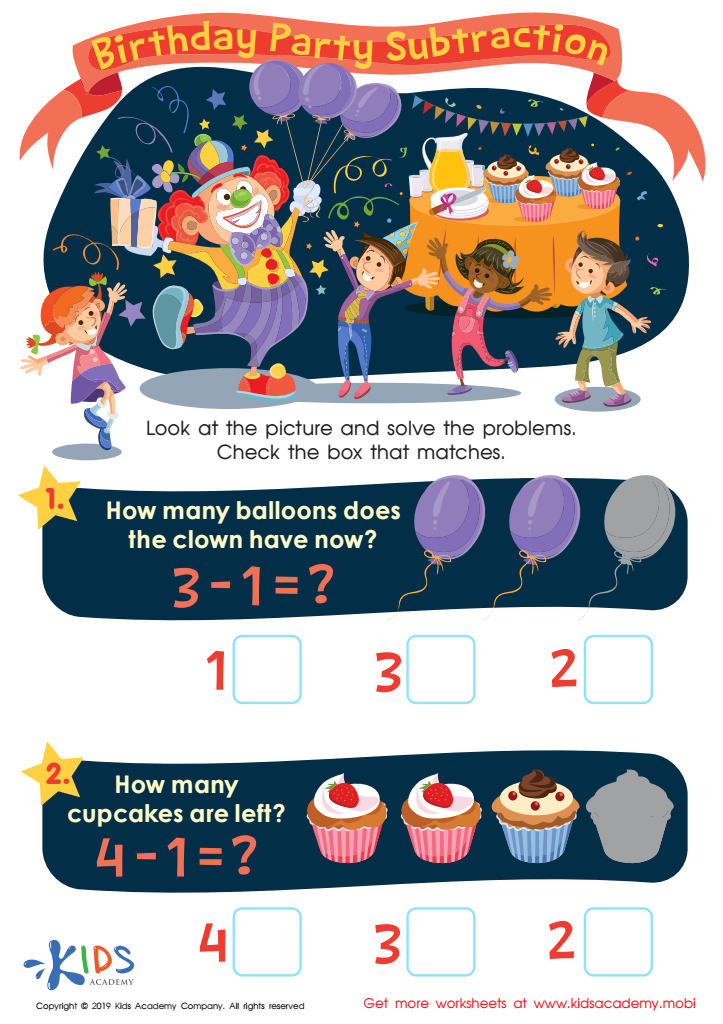
Birthday Party Subtraction Worksheet
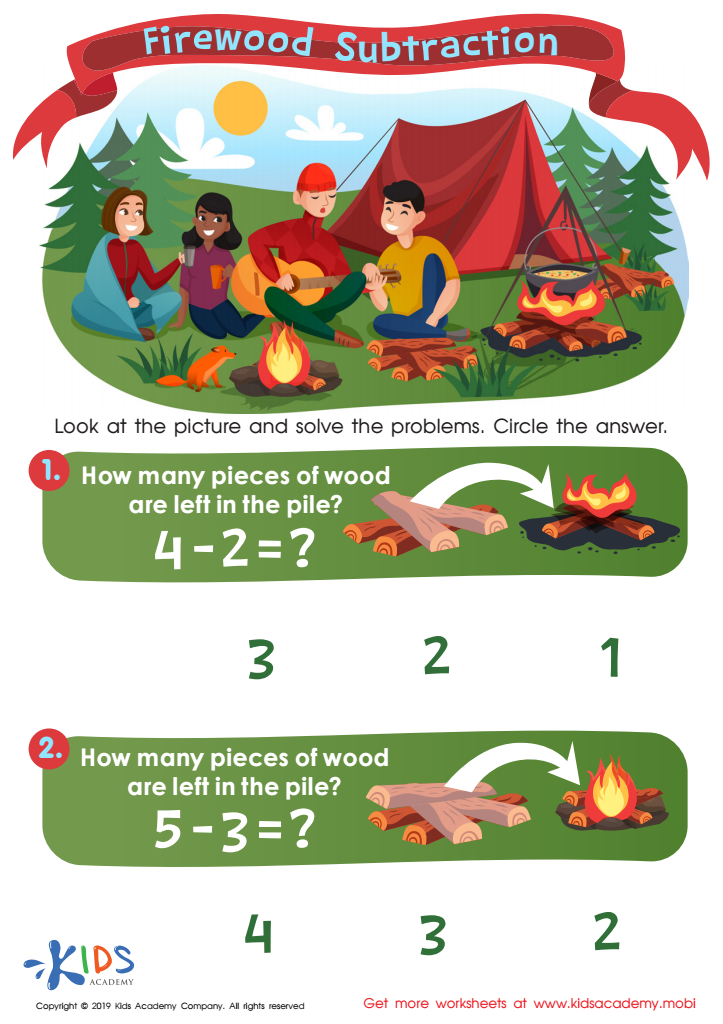
Firewood Subtraction Worksheet
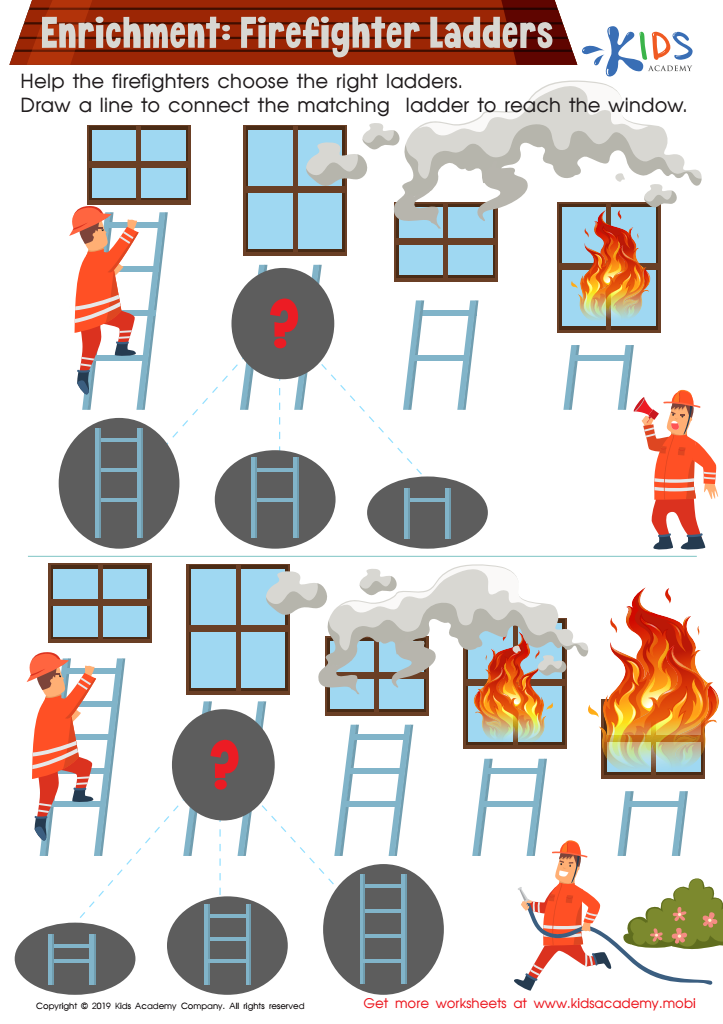
Enrichment: Firefighter Ladders Worksheet
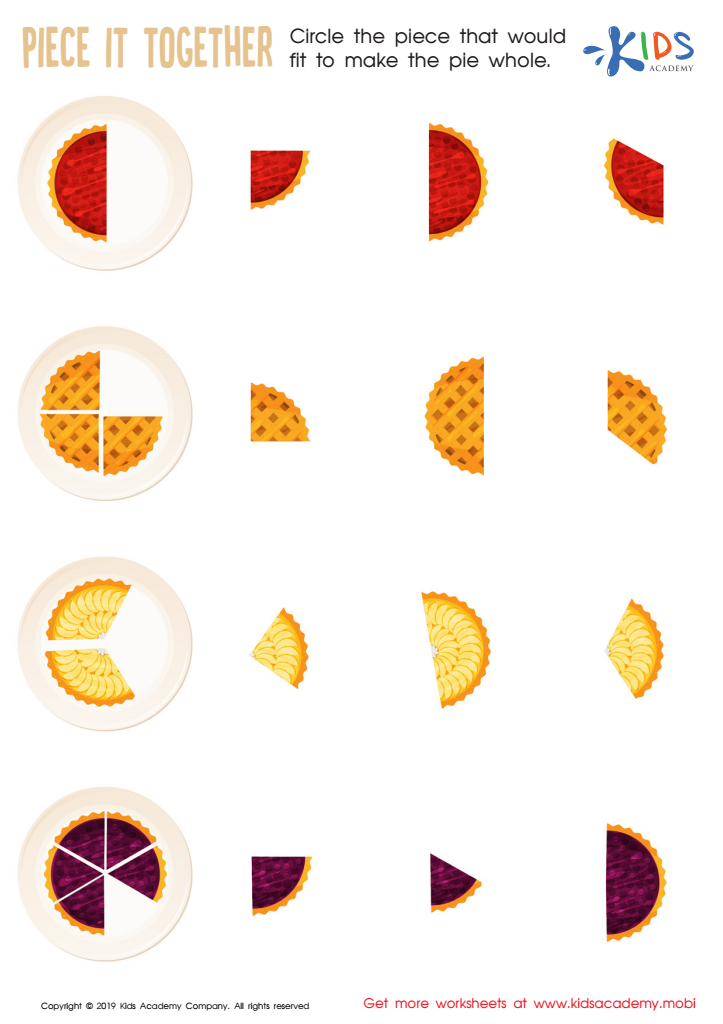
Piece it together Worksheet
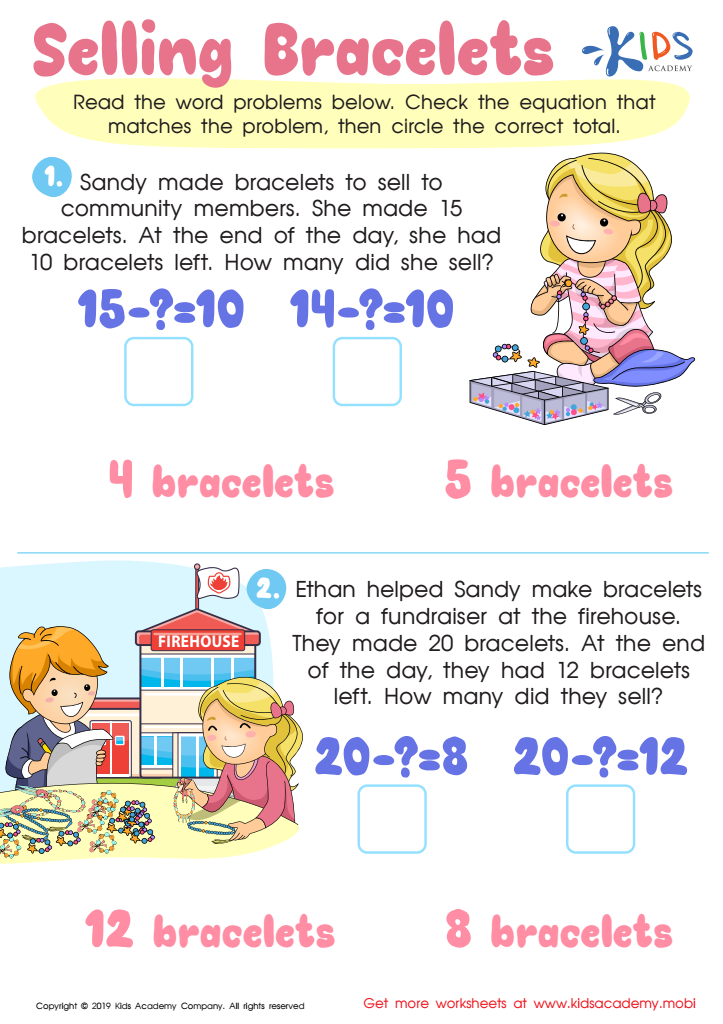
Selling the Bracelets Worksheet
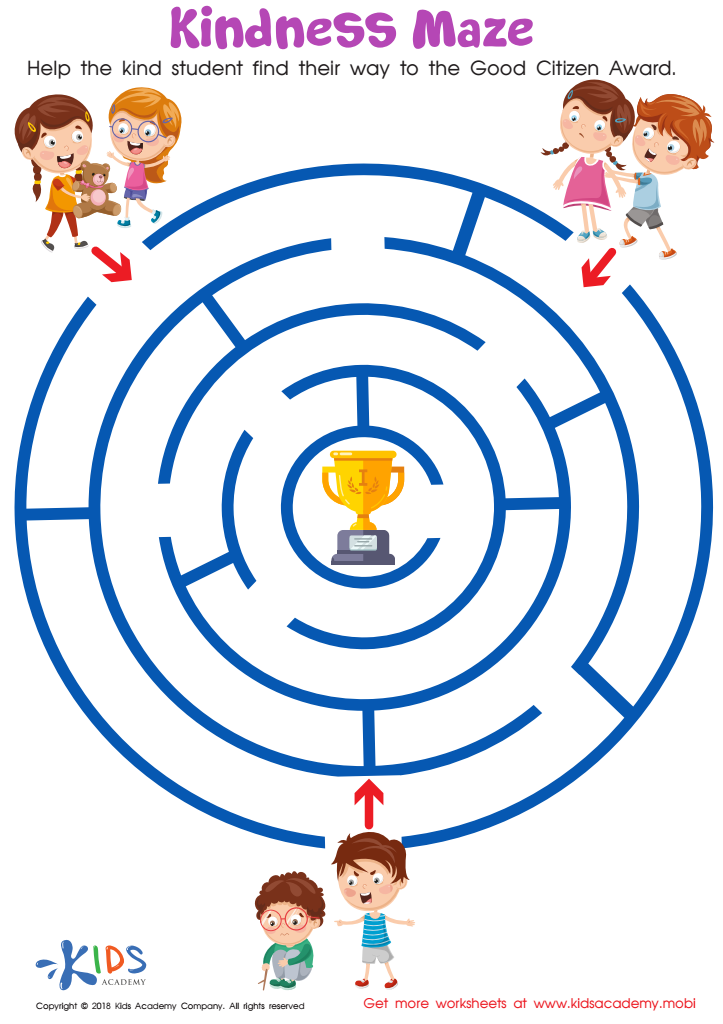
Kindness Maze Worksheet






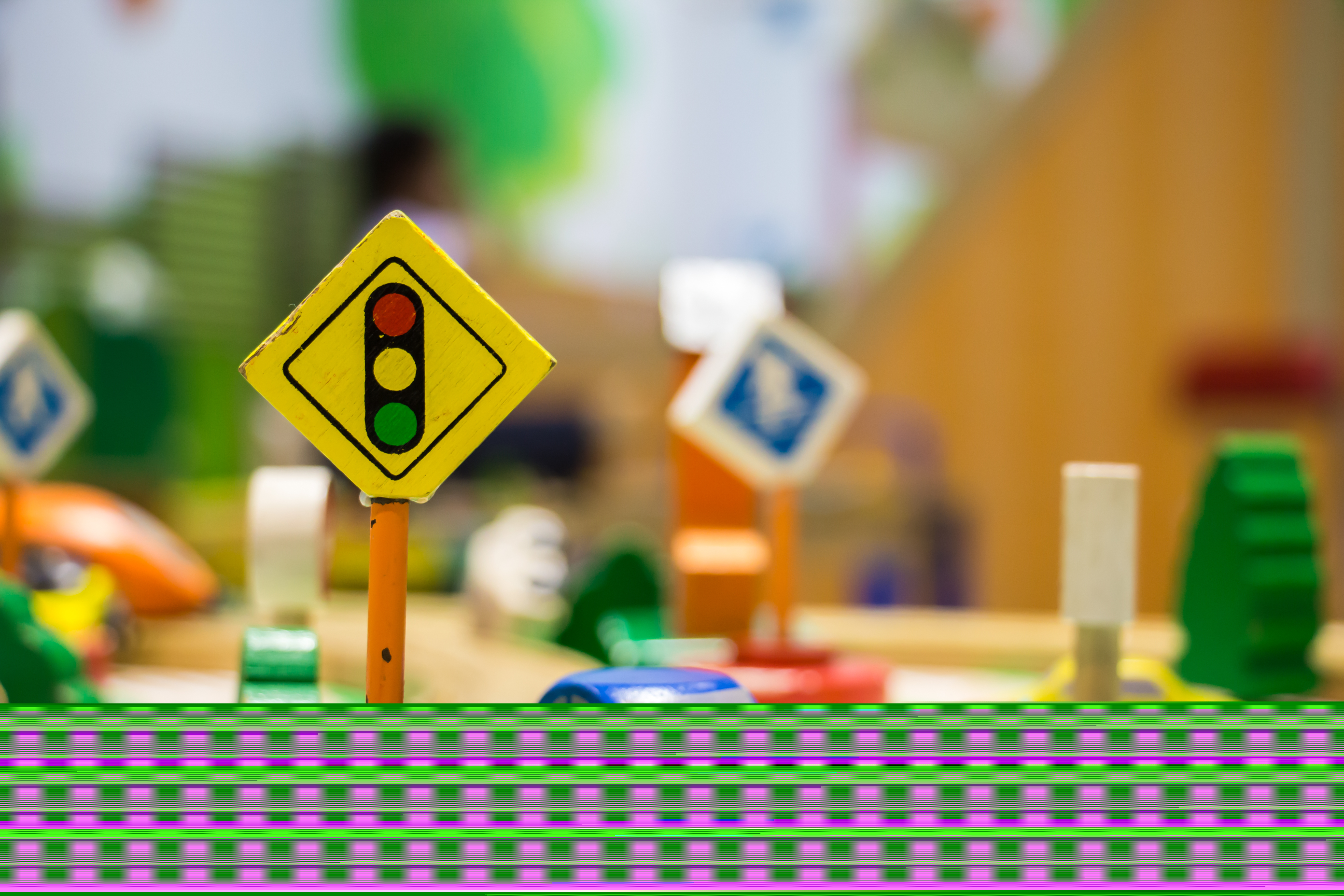

Fostering problem-solving skills in children aged 3-9 is critical for their holistic development and future success. At this young age, their brains are extremely malleable, making it the perfect time for them to develop essential cognitive skills. When parents and teachers emphasize problem-solving, they encourage children to think independently and creatively. This not only aids in academic enrichment but also contributes significantly to their emotional and social well-being.
Problem-solving skills help children learn to recognize challenges and explore various solutions methodically. This equips them to handle academic obstacles, buffer social problems, and cultivate resilience. Additionally, these skills foster critical thinking and logical reasoning, two competencies that are invaluable across all subjects and later life scenarios.
Teaching problem-solving FROM an early age also enhances children’s self-confidence: as they solve more problems, they feel more competent and self-assured. Communication development is another byproduct, as discussing possible solutions requires them to articulate their thoughts and feelings clearly.
Moreover, problem-solving is often a group activity in early education settings, thereby honing teamwork and cooperation. It teaches children that diverse perspectives effectively lead to better solutions.
In conclusion, prioritizing problem-solving skills for children aged 3-9 creates a foundation for lifelong learning and adaptability. It’s an investment in their academic success, emotional health, and interpersonal capabilities.








