Color recognition Easy Worksheets for Ages 4-5 - Page 2
30 filtered results
-
From - To
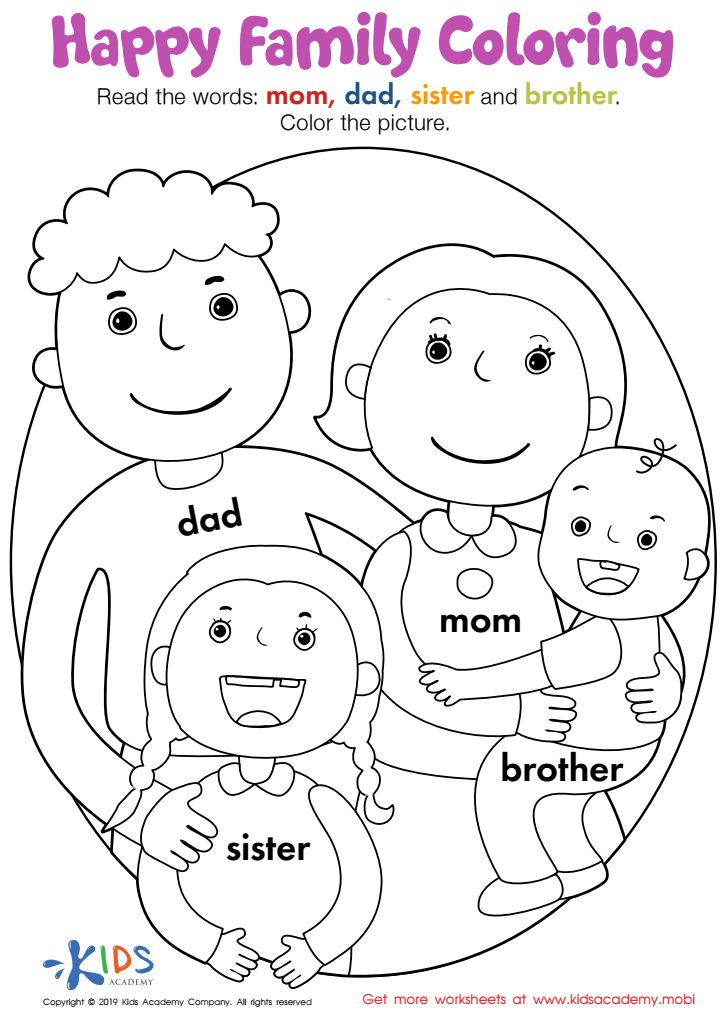
Happy Family Coloring Worksheet
 Assign to My Students

Globe Coloring Page Worksheet
Assign to My Students
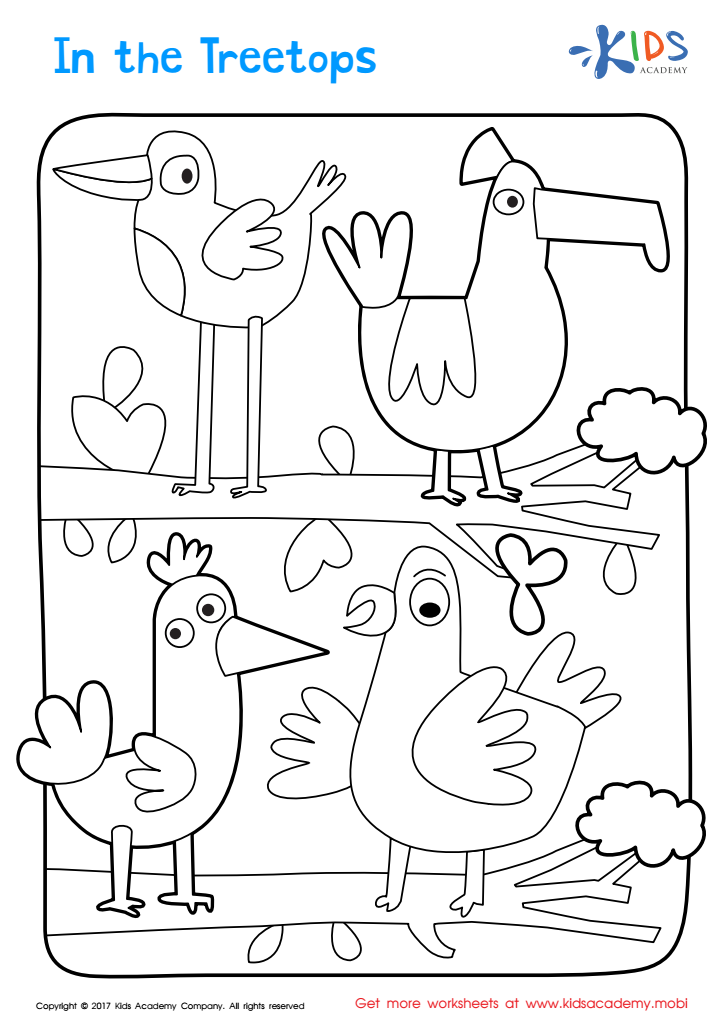
In the Treetops Coloring Page
Assign to My Students
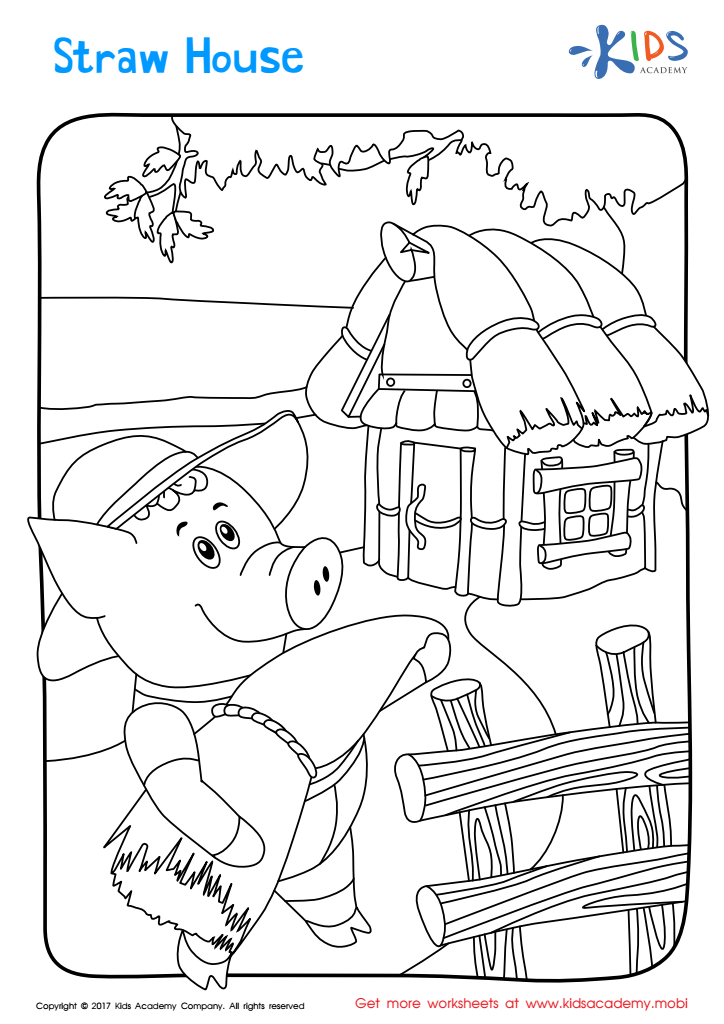
Straw House Printable Coloring Page
Assign to My Students
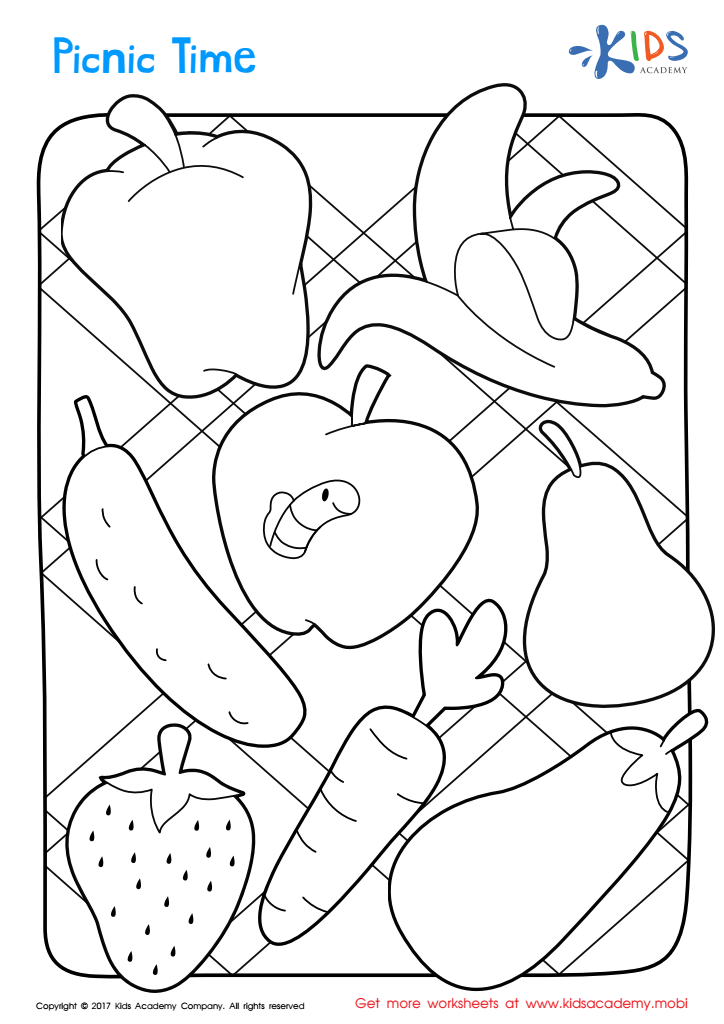
Picnic Time Coloring Page
Assign to My Students




.jpg)



Color recognition is a fundamental skill that plays a crucial role in the early development of children aged 4-5. Parents and teachers should prioritize this skill for several reasons. Firstly, colors are everywhere in our environment, and recognizing them helps children make sense of the world around them. It aids in categorization and enhances their observation skills, which are essential for cognitive development.
Moreover, color recognition is linked to the development of language skills. As children learn to identify and name different colors, they expand their vocabulary and begin to express themselves more effectively. This foundational language development lays the groundwork for future reading and communication skills.
Additionally, color recognition can enhance creativity and imagination. Engaging in activities that focus on colors, such as arts and crafts, enables children to experiment and express themselves artistically. This self-expression can lead to improved problem-solving skills and critical thinking.
Finally, developing a strong understanding of colors can facilitate social interactions. Children can better communicate their preferences and feelings, leading to improved social skills. In summary, nurturing color recognition in young children supports cognitive, language, creative, and social development, making it an essential focus for parents and teachers.








