Color recognition Easy Worksheets for 4-Year-Olds - Page 2
30 filtered results
-
From - To
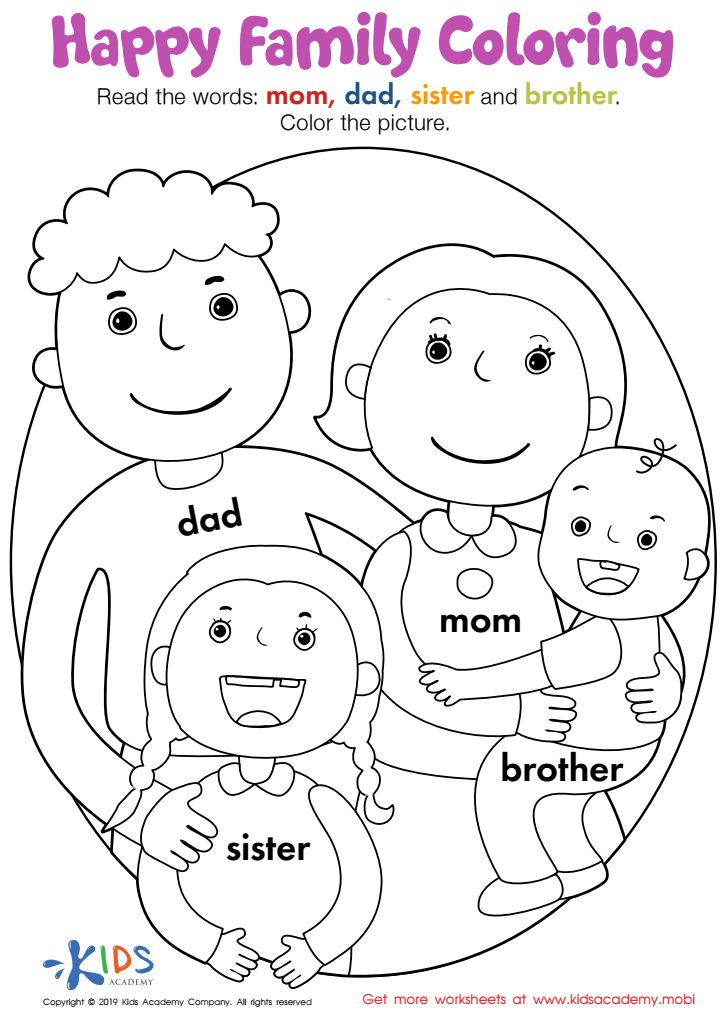
Happy Family Coloring Worksheet
 Assign to My Students

Globe Coloring Page Worksheet
Assign to My Students
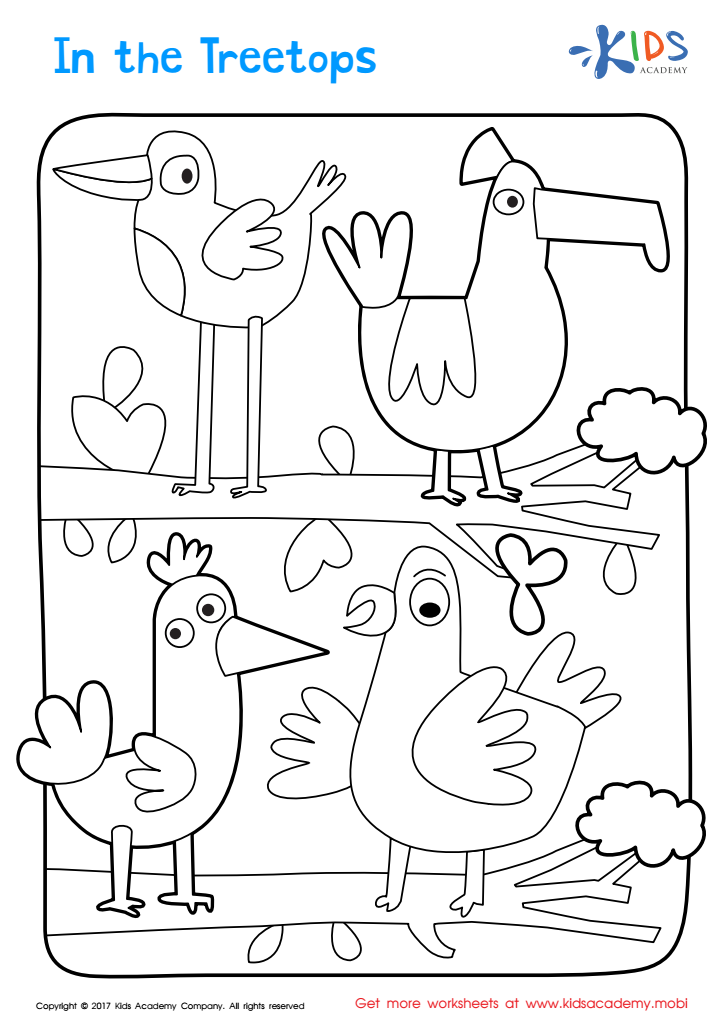
In the Treetops Coloring Page
Assign to My Students
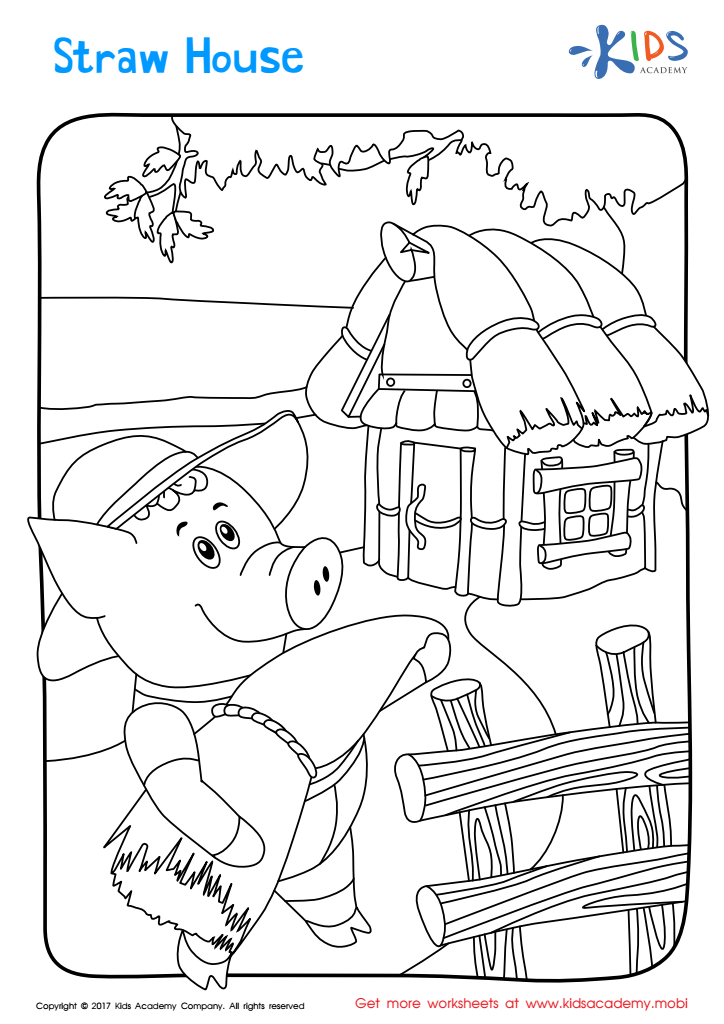
Straw House Printable Coloring Page
Assign to My Students
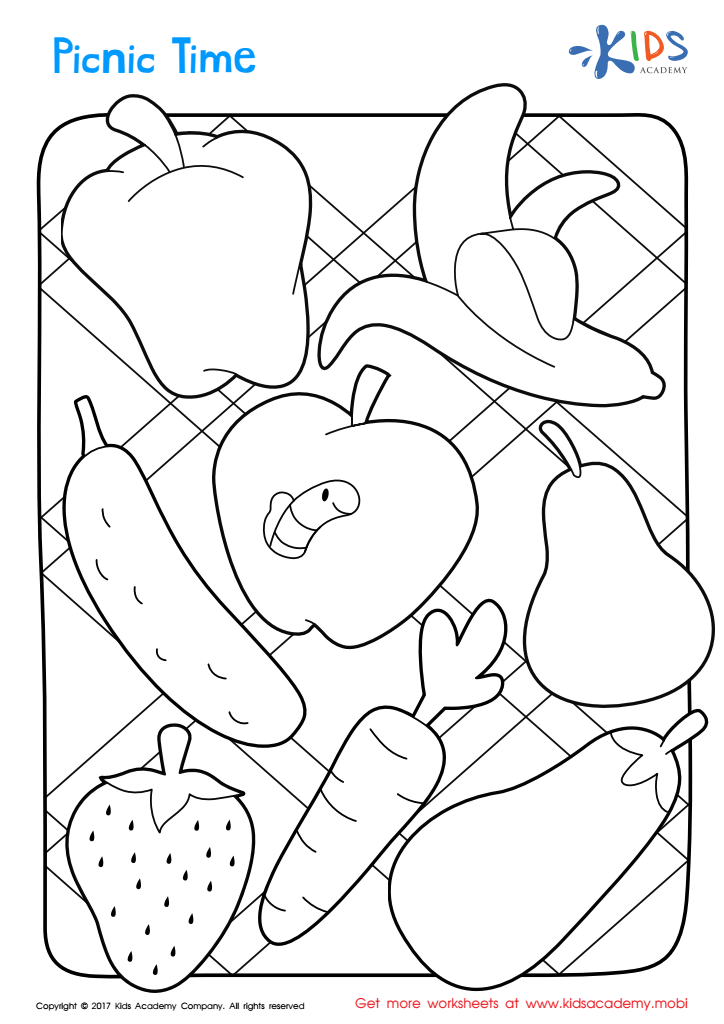
Picnic Time Coloring Page
Assign to My Students







Color recognition is a vital developmental milestone for 4-year-olds, and both parents and teachers should prioritize it for several reasons. Firstly, understanding colors enhances a child's cognitive development and language skills. Naming and identifying colors helps children build their vocabulary, improves their ability to follow instructions, and encourages them to express themselves more clearly.
Moreover, color recognition fosters creativity and imagination. Engaging with colors through art and play allows children to explore novel ideas and express their emotions. In contexts like storytelling or imaginative play, colors can add depth and meaning, enhancing their overall learning experience.
Socially, recognizing colors aids in facilitating interactions with peers. It allows children to engage in games and collaborative activities, promoting teamwork and communication.
In addition, color recognition is linked to early math skills, as children learn to categorize and compare objects based on color. This foundation sets them up for future academic success.
Lastly, it nurtures inclusivity; when children learn to identify and appreciate different colors, they also gain an appreciation for diversity in the world around them. For these reasons, prioritizing color recognition is essential for holistic early childhood development.








