Number Sequencing Easy Worksheets for Ages 5-9
6 filtered results
-
From - To
Welcome to our Number Sequencing Easy Worksheets for Ages 5-9, designed specifically to develop your child's numeracy skills in a fun and engaging way! Our printable worksheets encourage young learners to master counting and number order through various activities, including fill-in-the-blank sequences, connect-the-dots, and sequencing exercises. These worksheets foster critical thinking and enhance cognitive development, setting a solid foundation for future math success. Perfect for both classroom and home use, our materials cater to different learning styles and keep children entertained while they learn. Explore our collection now to make number sequencing a delightful and enjoyable experience for your child!
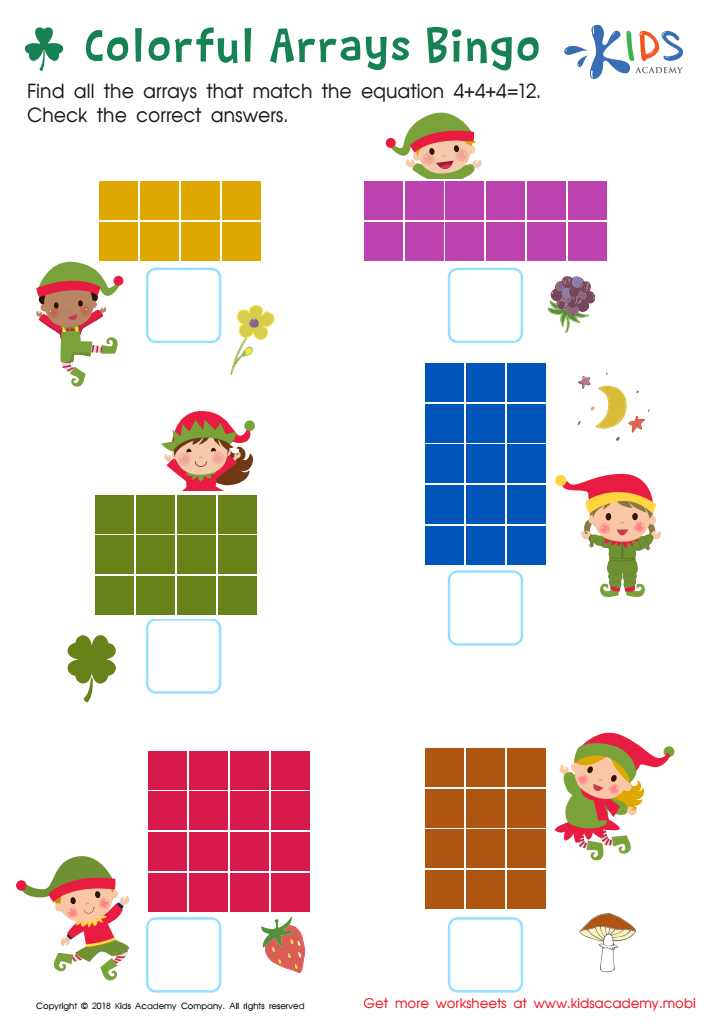
Colorful Arrays Bingo Worksheet
 Assign to My Students
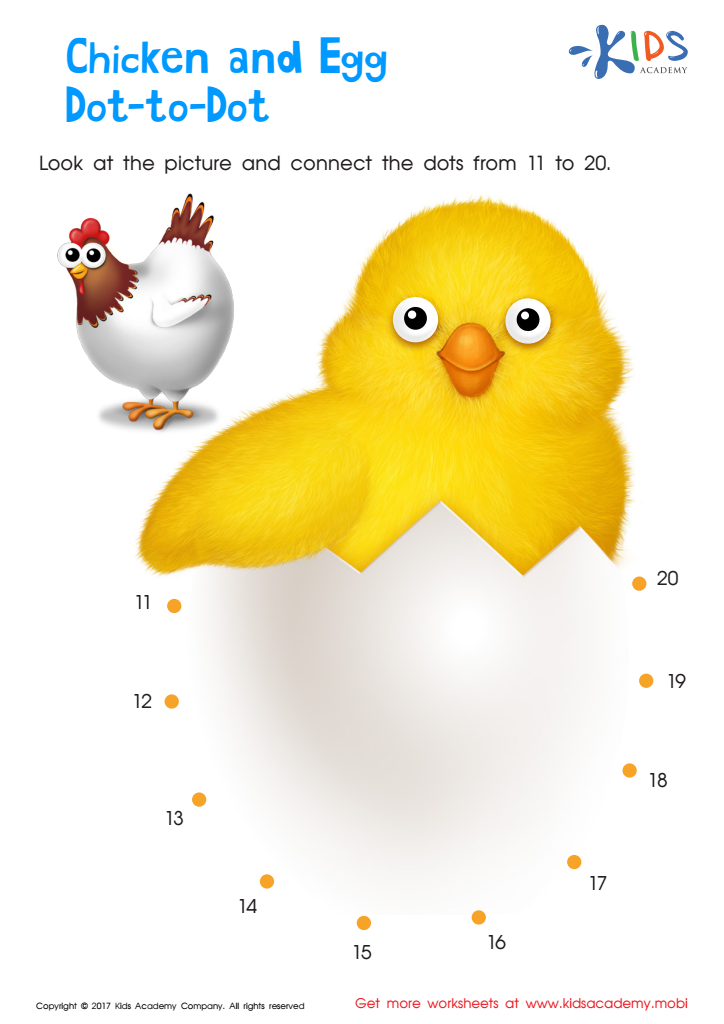
Ordering 11–20: Chicken & Egg Dot–to–dot Worksheet
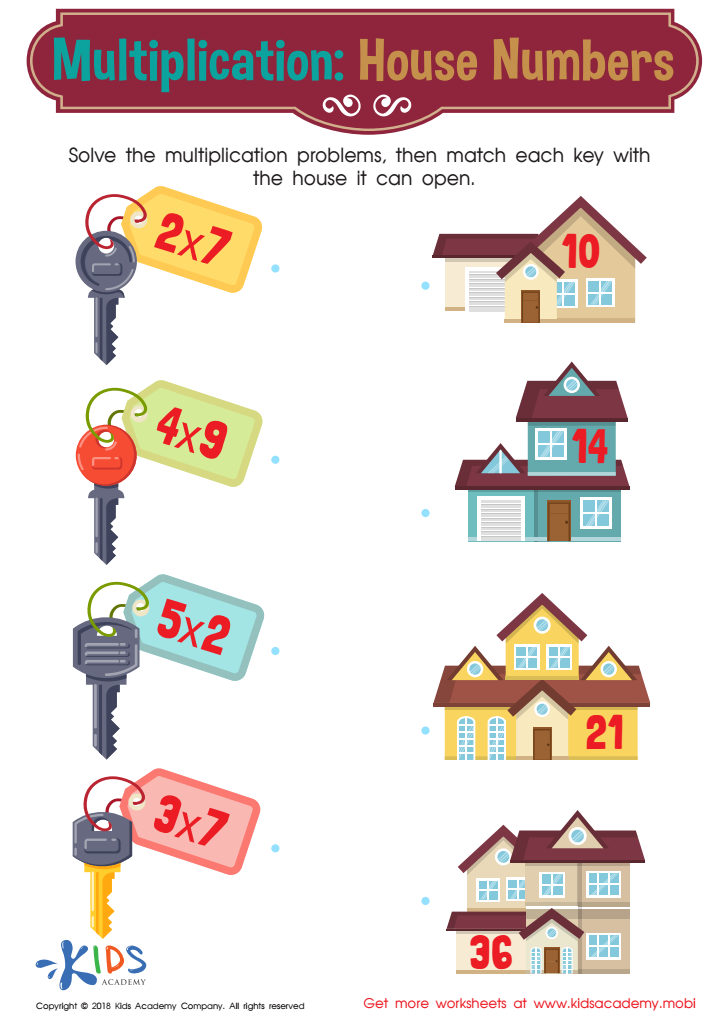
House Numbers Worksheet
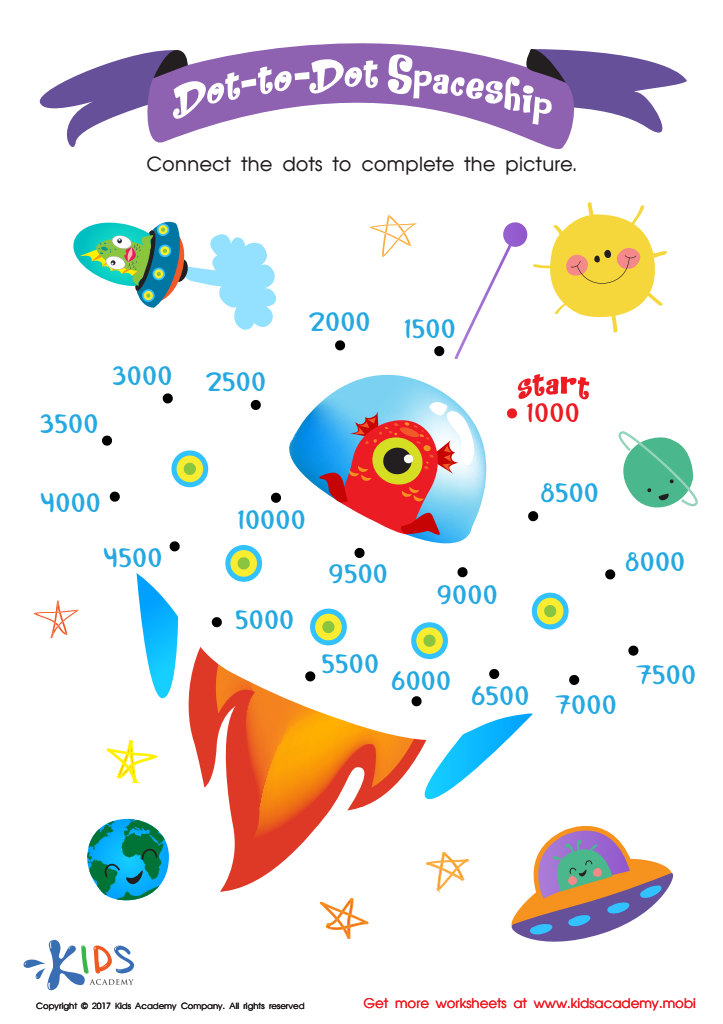
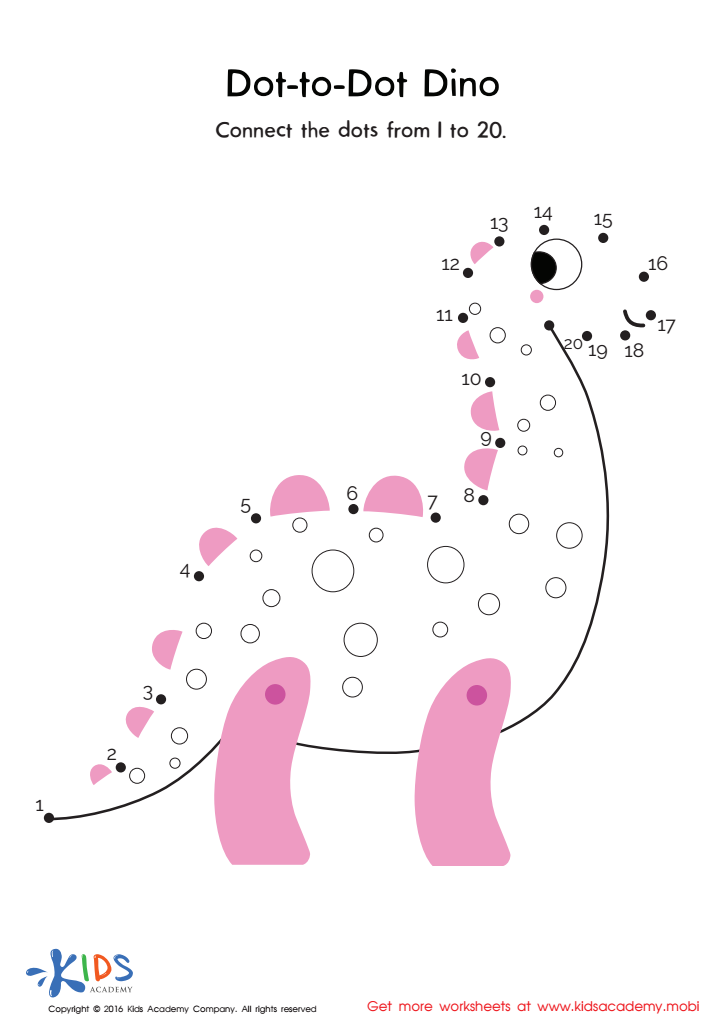
Dot to Dot Worksheet for 3rd Grade
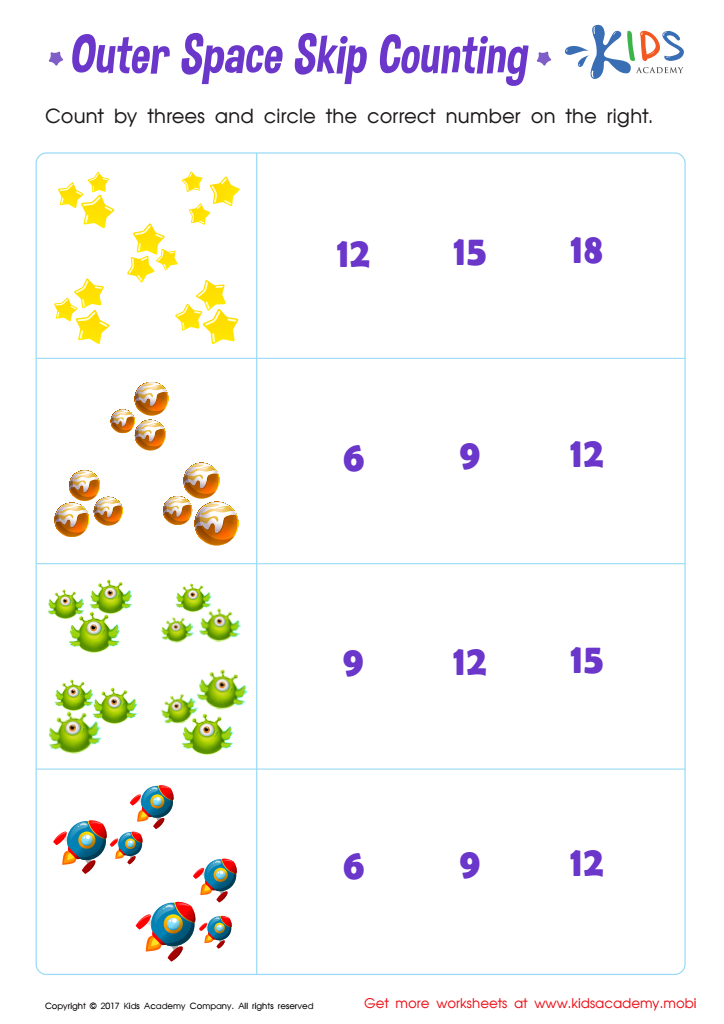
Skip Counting by 3s: Outer Space Skip Counting Printable







Number sequencing is a critical foundational skill for children aged 5-9, and both parents and teachers should prioritize its development. Mastering number sequences helps children understand order, patterns, and the relationships between numbers, which is essential for future mathematical concepts. As they learn to recognize sequences, children enhance their counting skills, enabling them to count forward and backward with confidence.
Moreover, number sequencing is not just about numbers; it aids cognitive development by fostering problem-solving and critical thinking. Engaging in sequencing activities encourages children to predict what comes next, promoting their ability to think logically. This skill also transfers to other areas of learning, including language, science, and even daily life tasks.
Additionally, number sequencing supports emotional and social development by providing opportunities for cooperative learning in group settings. Sharing tasks that incorporate sequencing can strengthen peer relationships and collaboration skills.
Incorporating number sequencing exercises into daily routines can be both fun and effective, capturing children’s interest while building a solid mathematical foundation. Recognizing its importance and integrating it into educational practices ensures that children are well-prepared for more advanced mathematics and real-life situations. Therefore, parents and teachers should prioritize number sequencing in the learning journey of young children.








