Counting skills Easy Numbers Worksheets for Ages 6-7
63 filtered results
-
From - To
Welcome to our "Counting Skills Easy Numbers Worksheets" specially designed for children aged 6-7! These engaging worksheets provide a fun way for young learners to enhance their counting skills. Each activity is tailored to boost number recognition, one-to-one correspondence, and basic addition concepts. With colorful illustrations and interactive exercises, kids will enjoy practicing counting objects, filling in number sequences, and solving simple math problems. Perfect for home or classroom use, our worksheets promote foundational math skills in a playful environment. Help your child build confidence in their counting abilities and set the stage for future math success! Download your worksheets today!
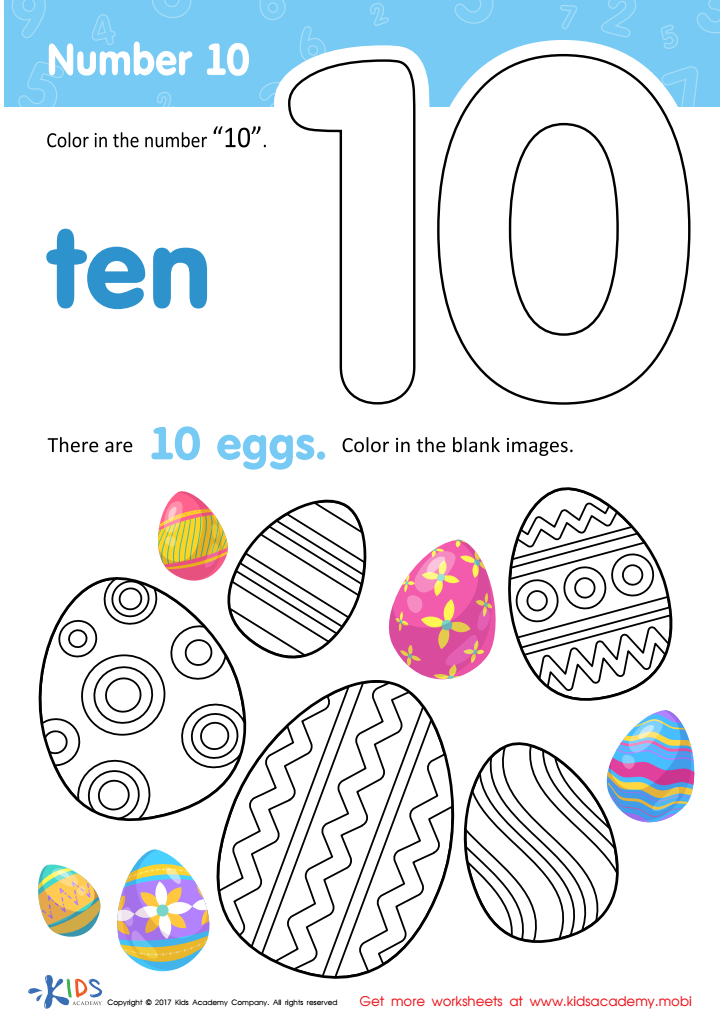
Number 10 Printable
 Assign to My Students
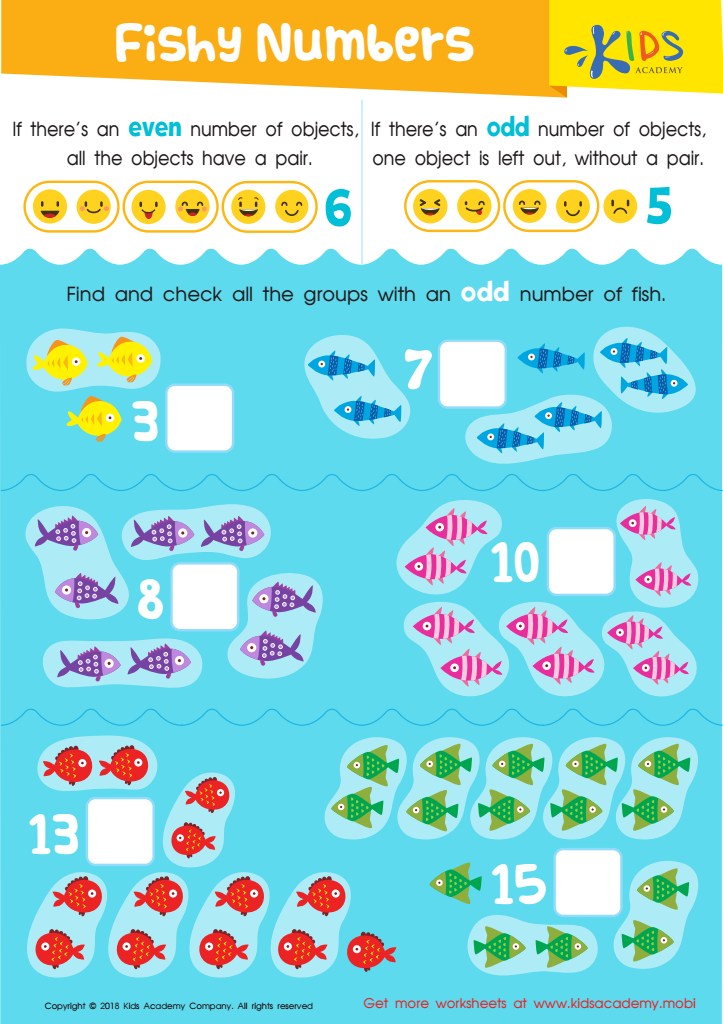
Fishy Numbers Worksheet
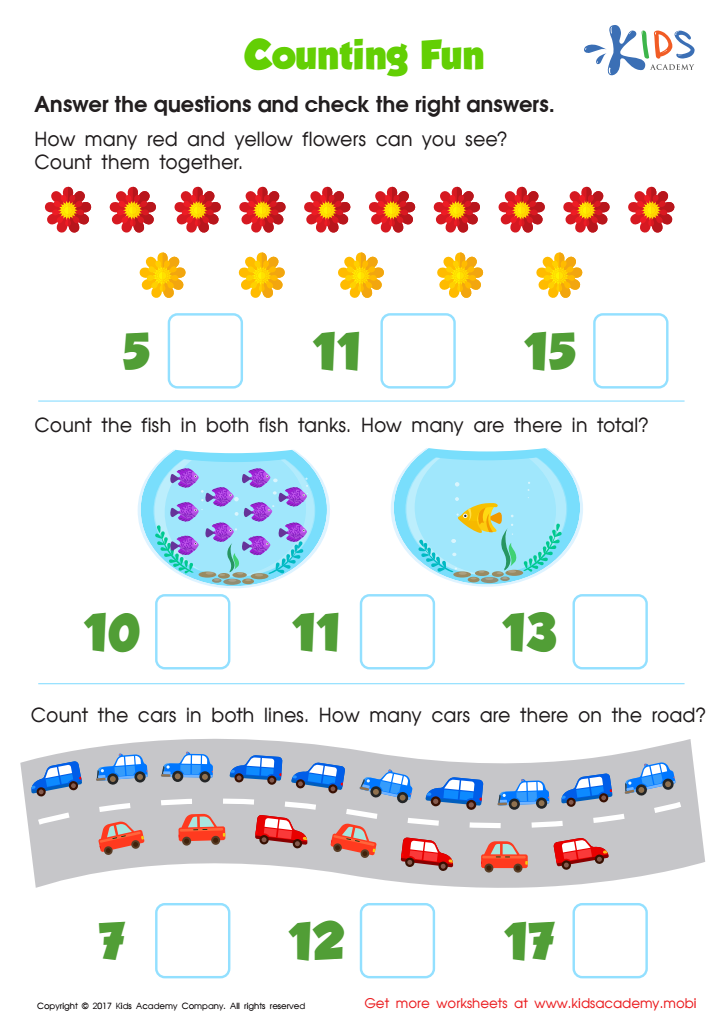
Counting Fun Worksheet
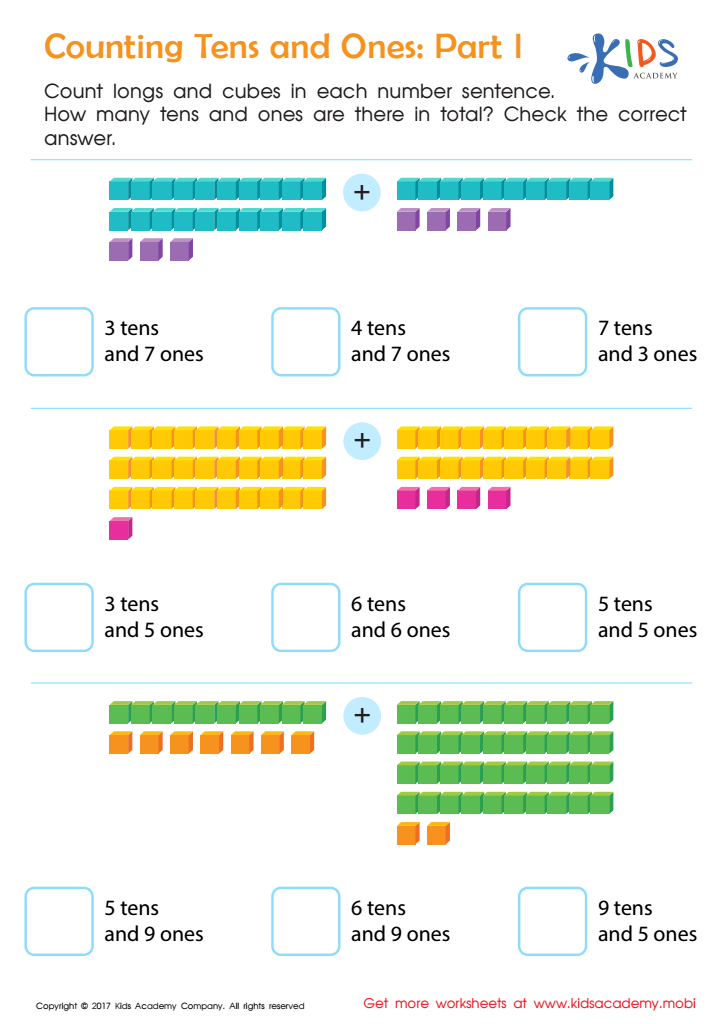
Counting Tens and Ones: Part 1 Worksheet
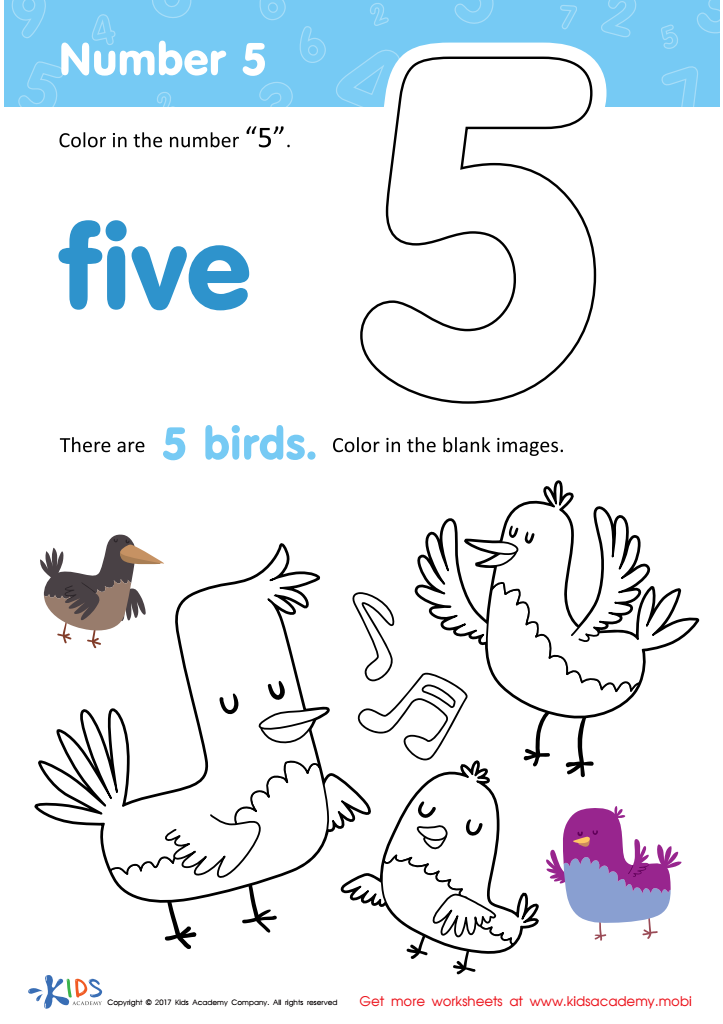
Number 5 Printable
Assign to My Students
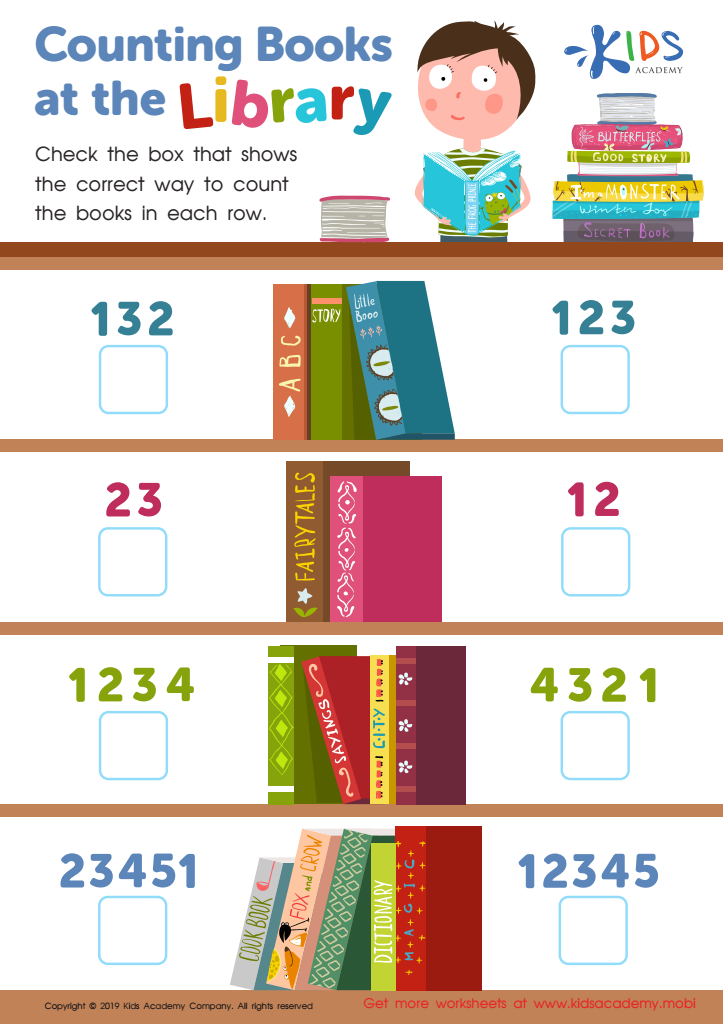
Counting Books at the Library Worksheet
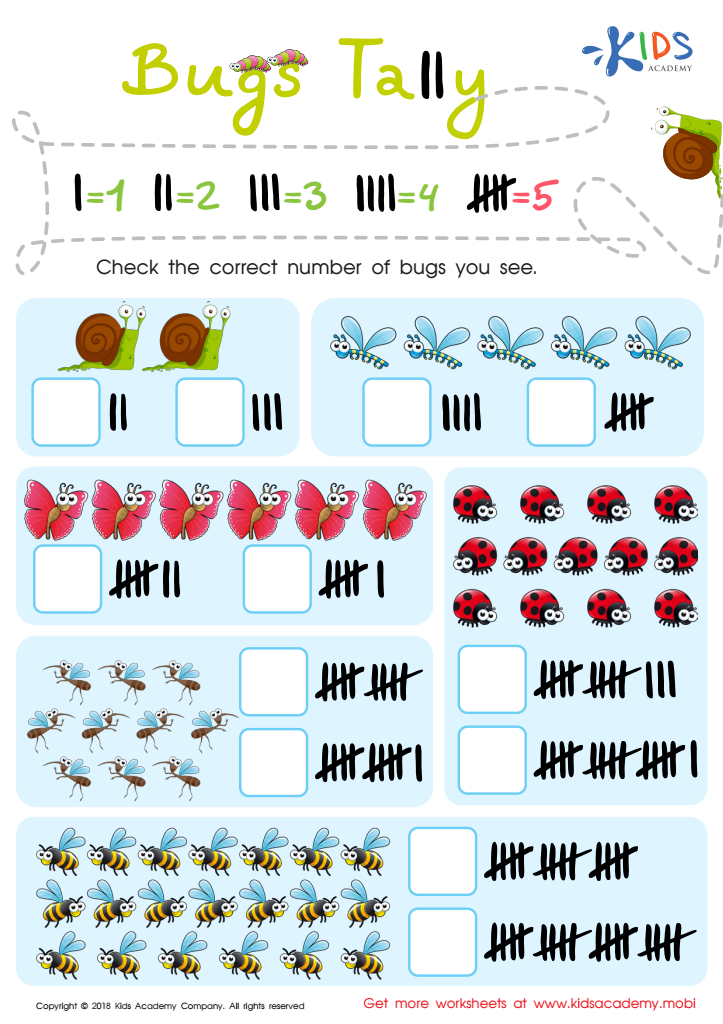
Bugs Tally Worksheet
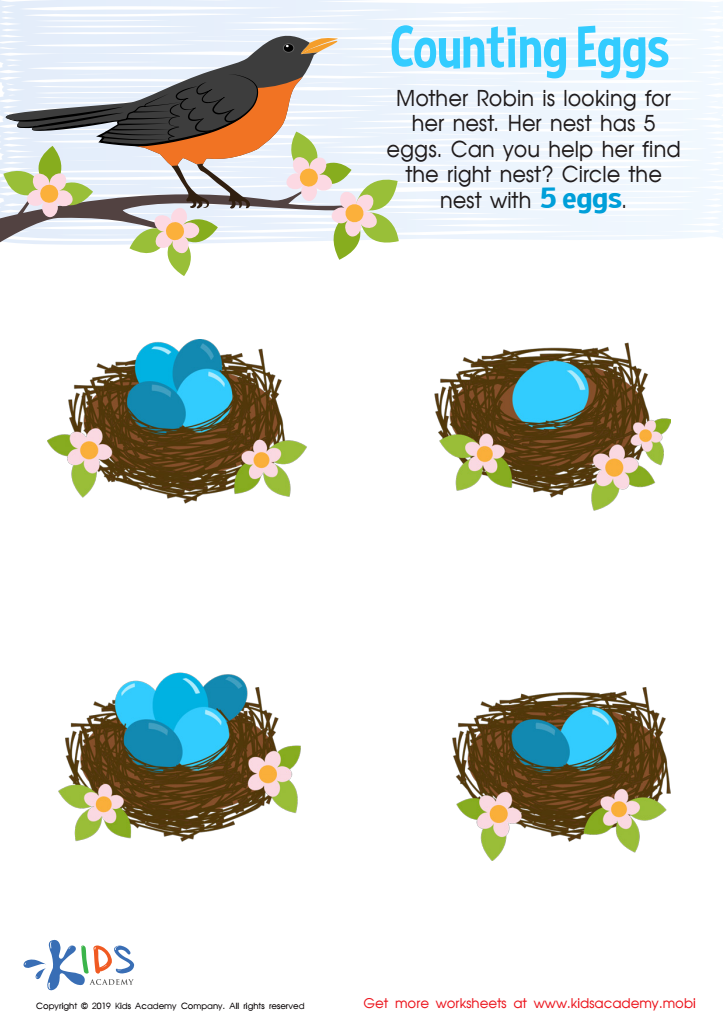
Counting Eggs Worksheet
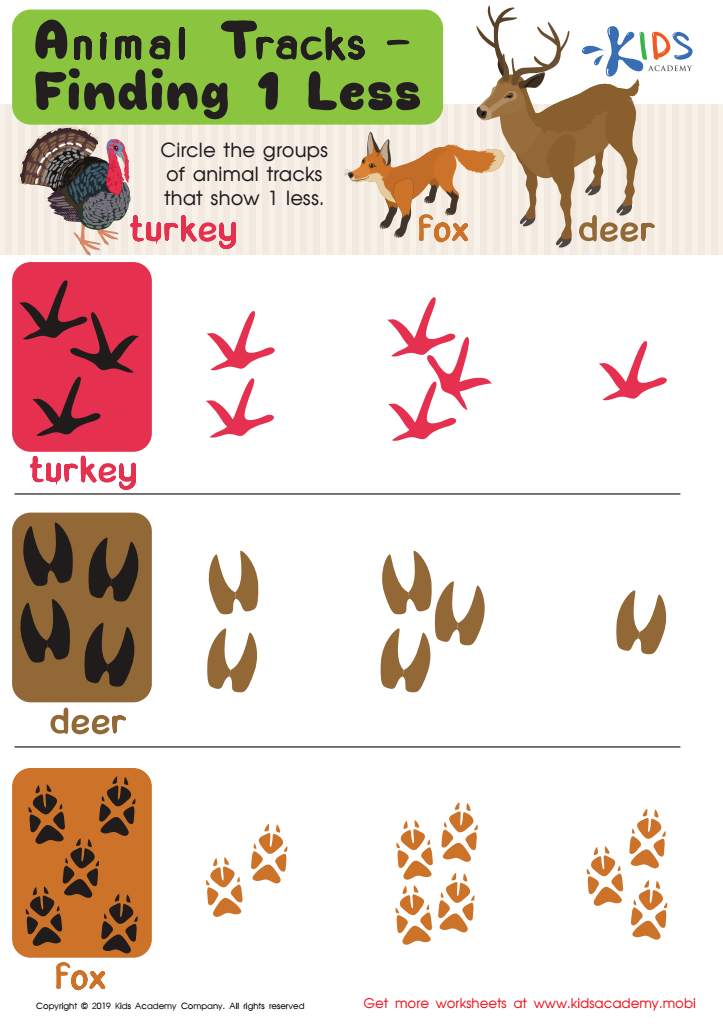
Animal Tracks: Find 1 Less Worksheet
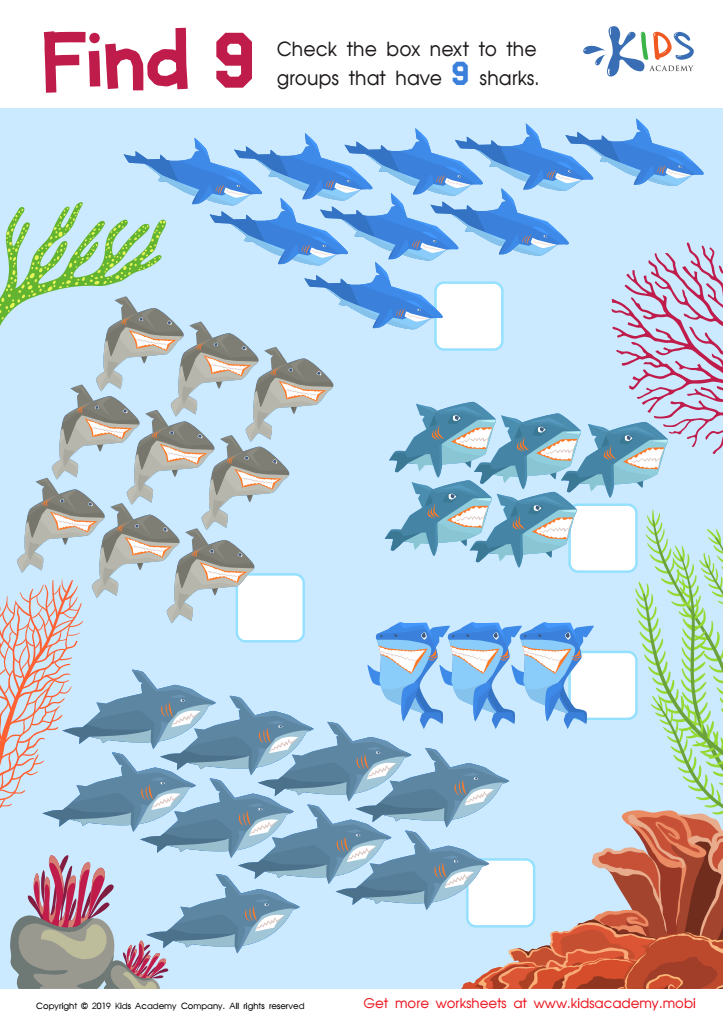
Find 9 Worksheet
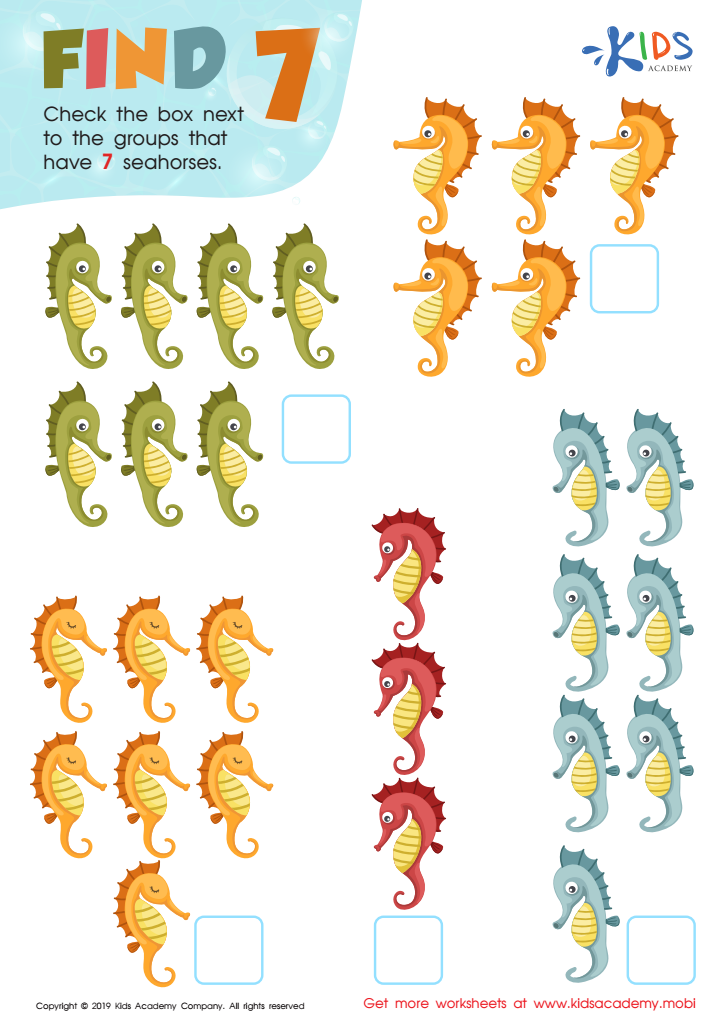
Find 7 Worksheet
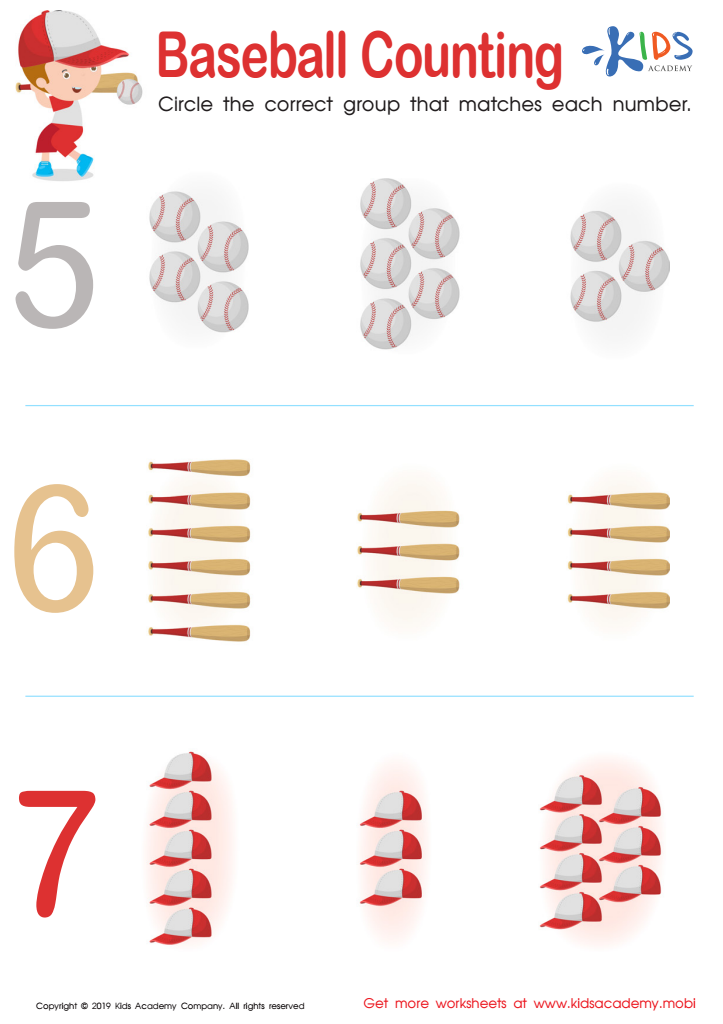
Baseball Counting Worksheet
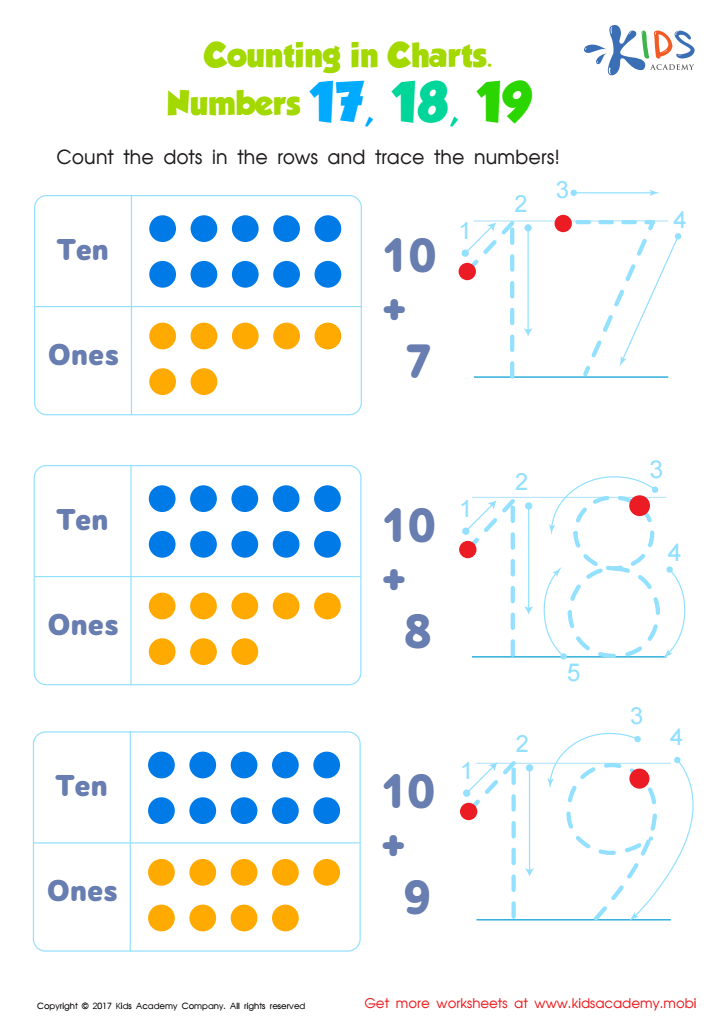
Kindergarten Number Tracing: Counting in Charts Worksheet
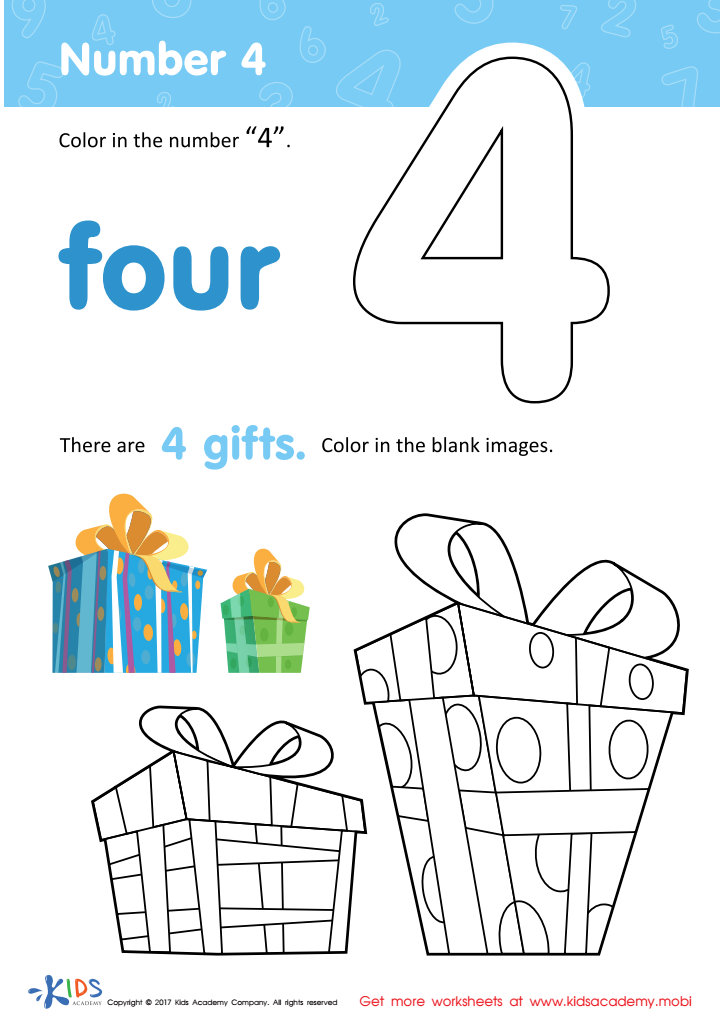
Number 4 Printable
Assign to My Students
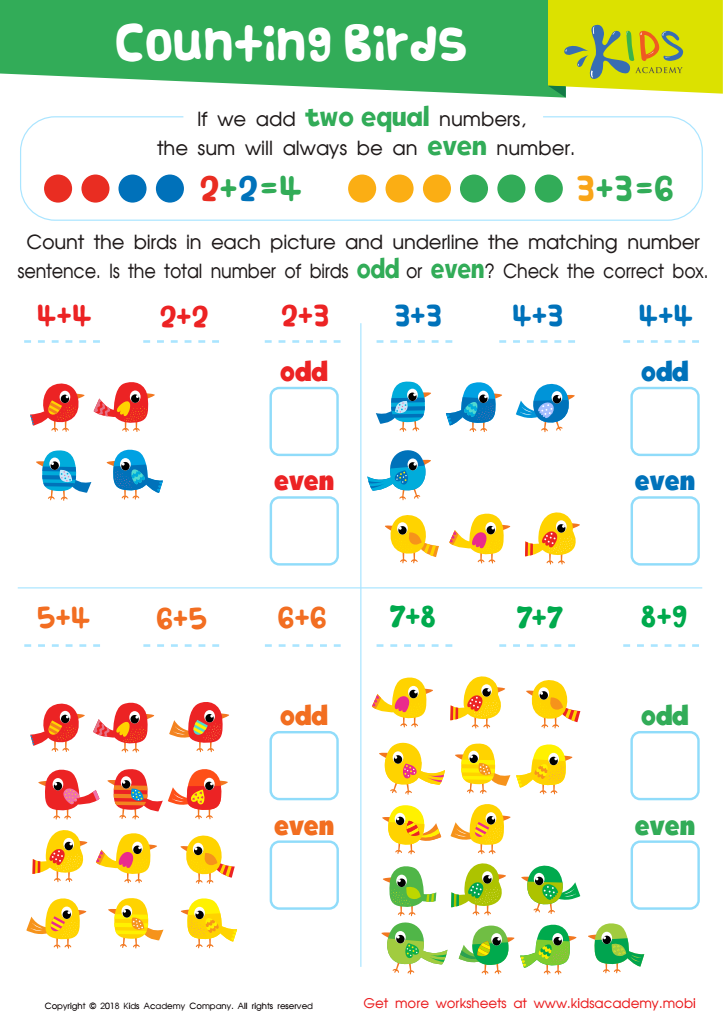
Counting Birds Worksheet
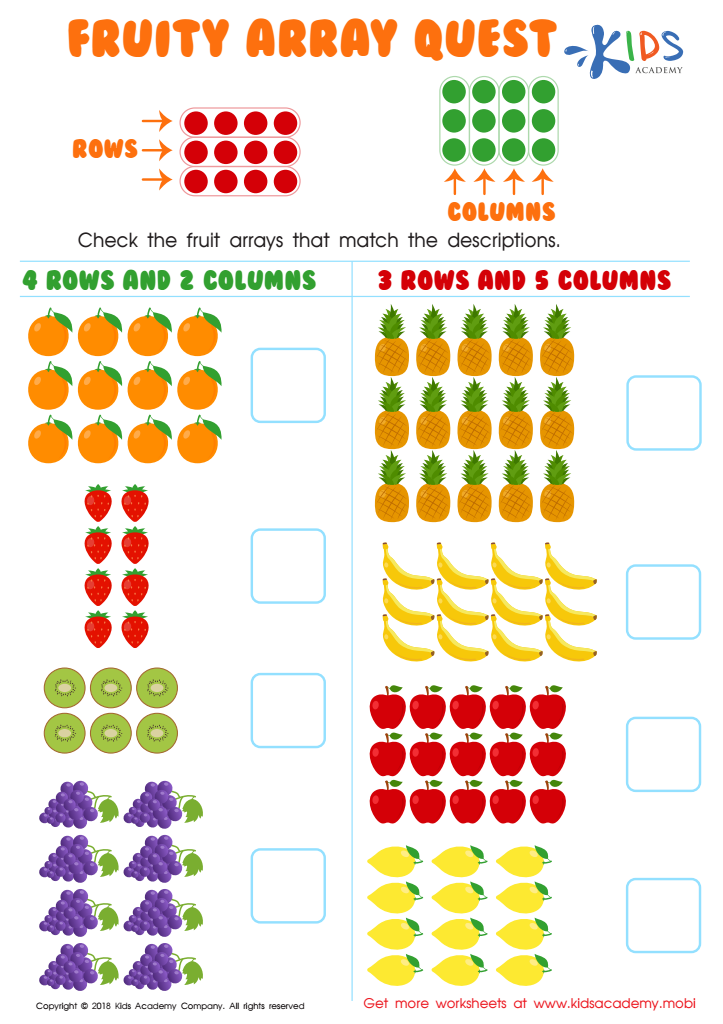
Fruity Array Quest Worksheet
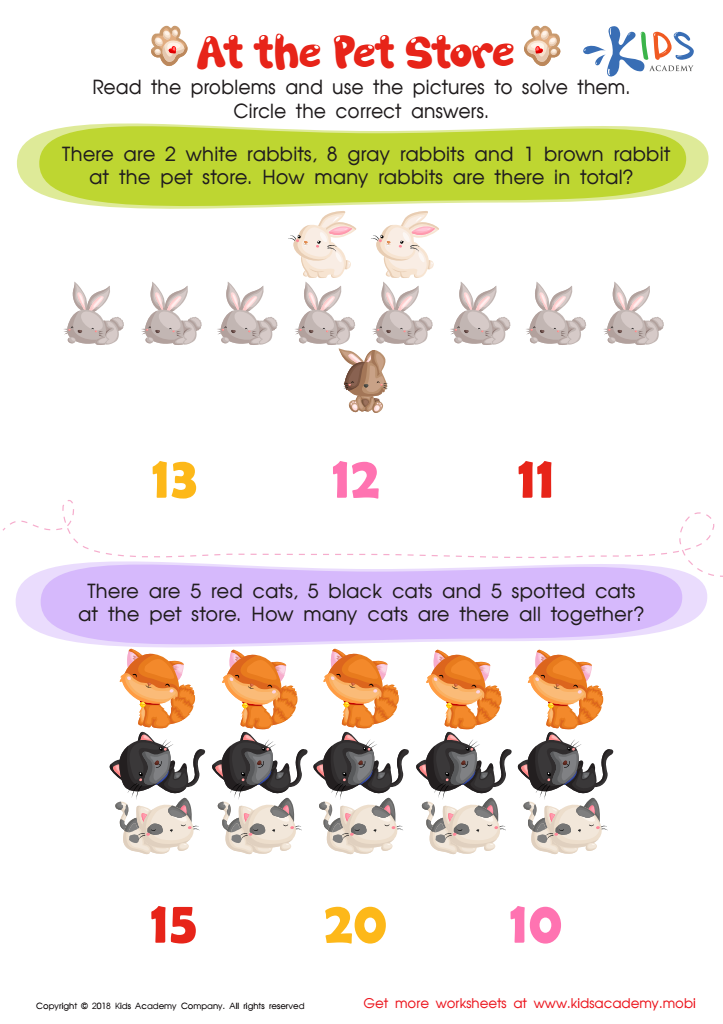
At the Pet Store Word Problems Worksheet
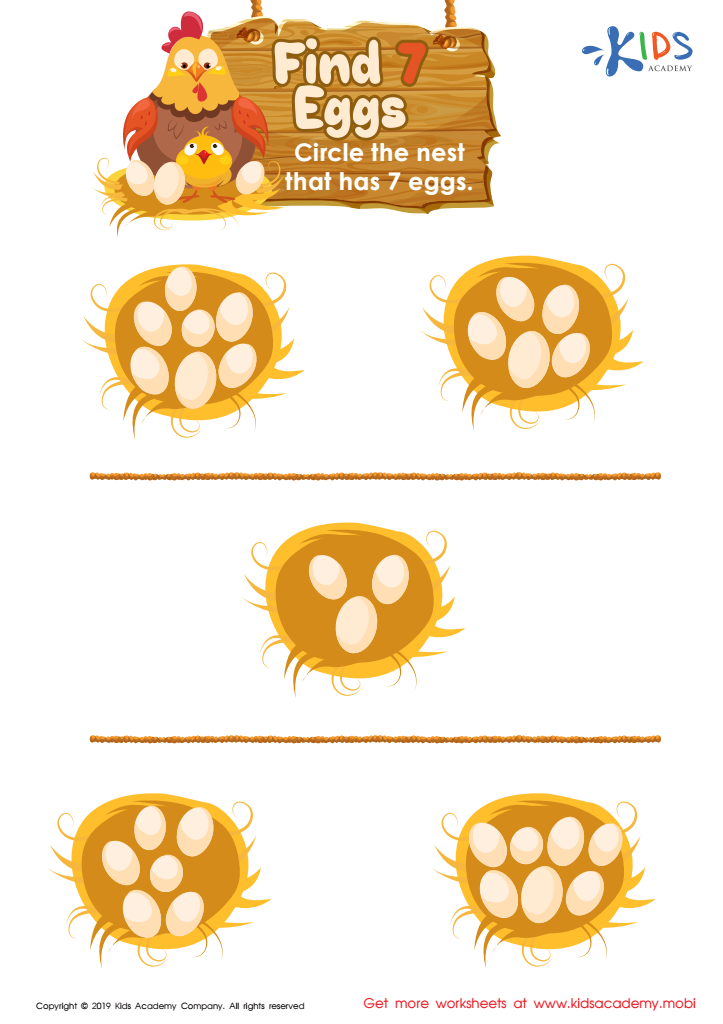
Find 7 Eggs Worksheet
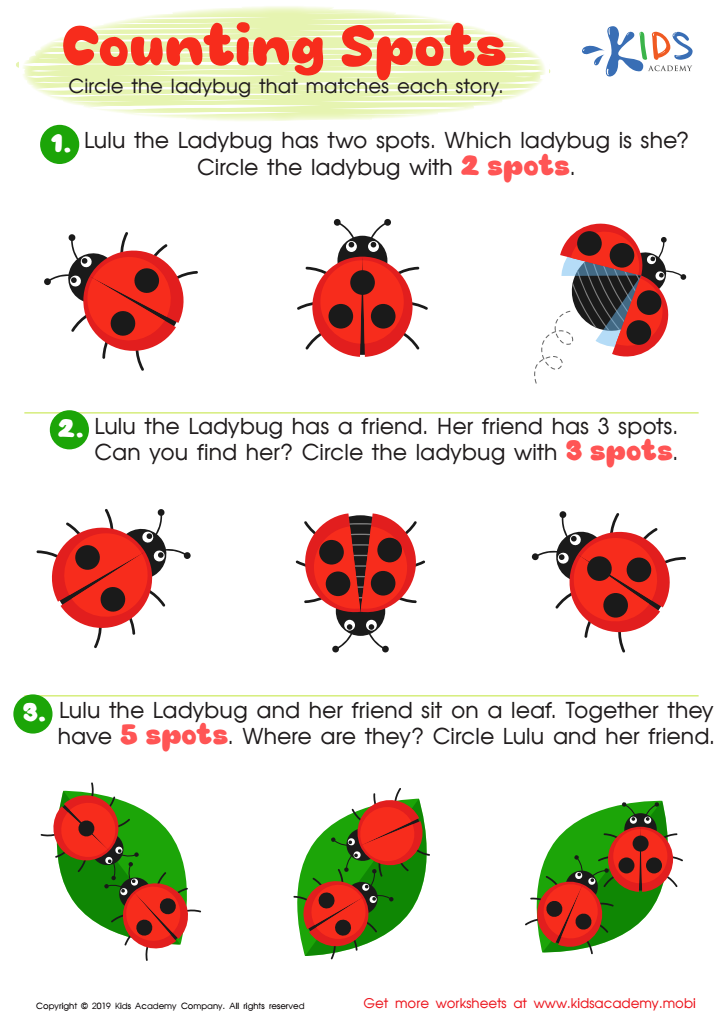
Counting Spots Worksheet
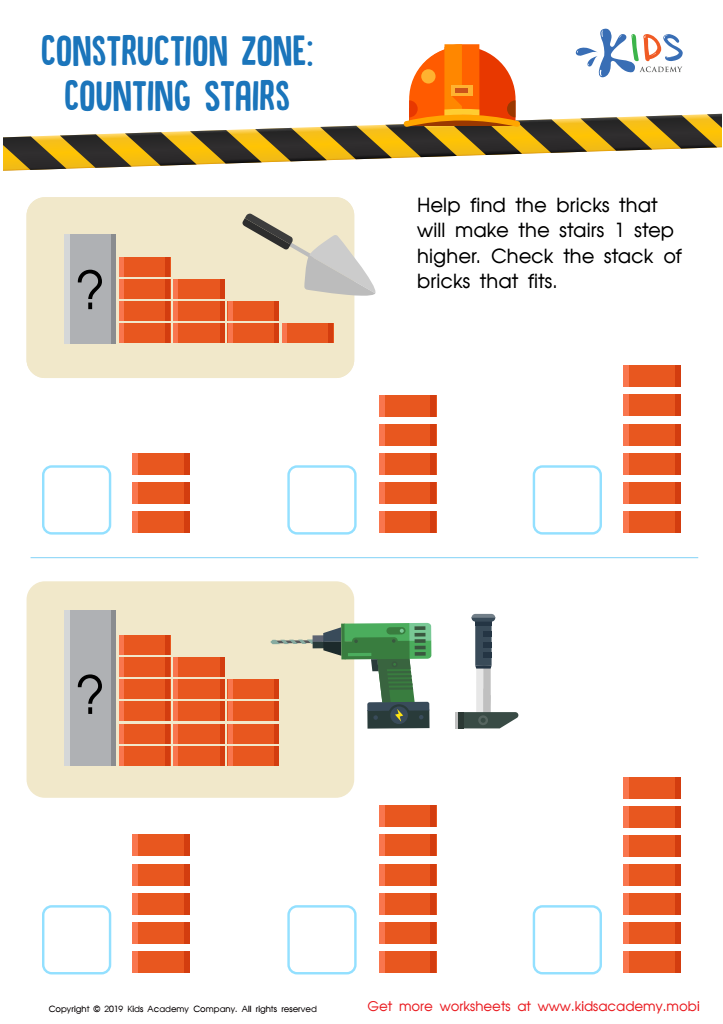
Construction Zone: Counting Stairs Worksheet
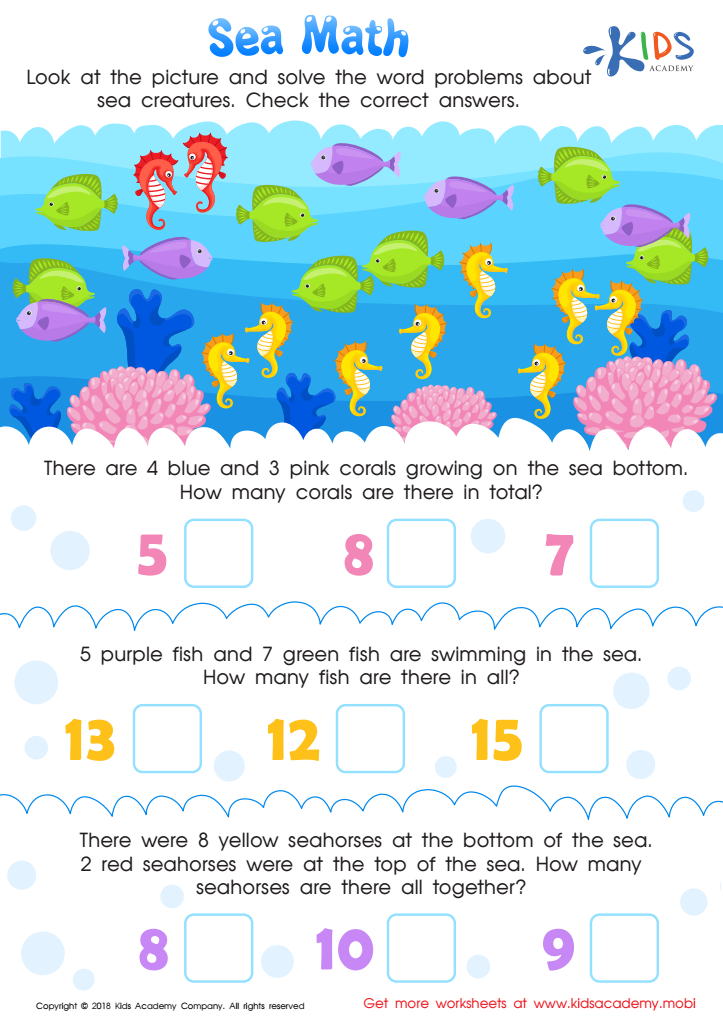
Sea Math Worksheet
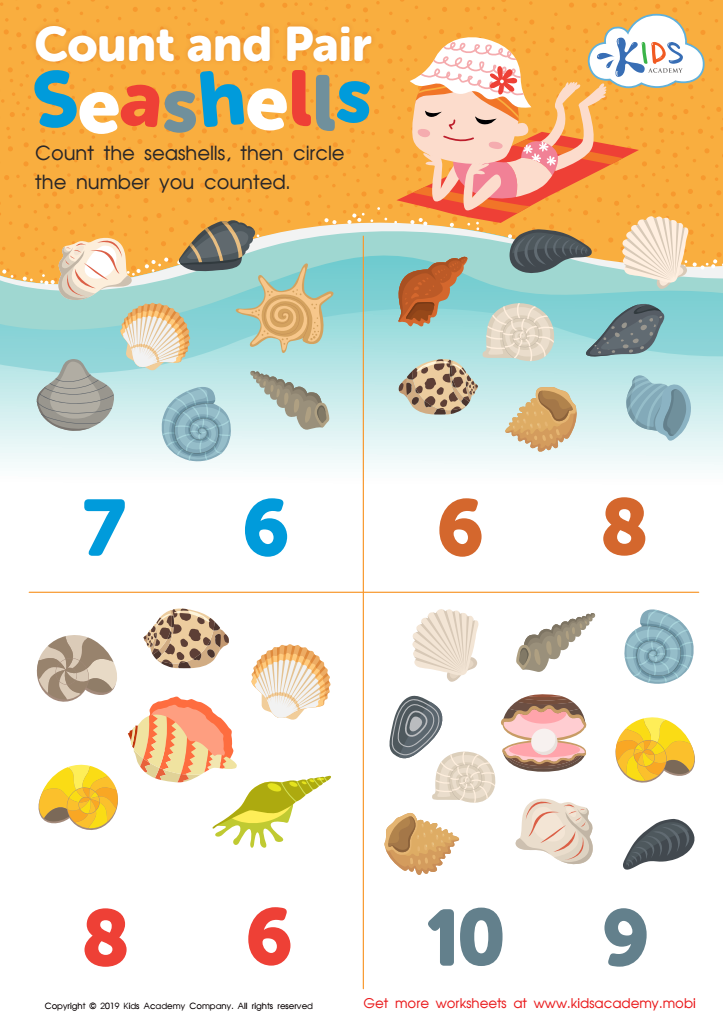
Count and Pair Seashells Worksheet
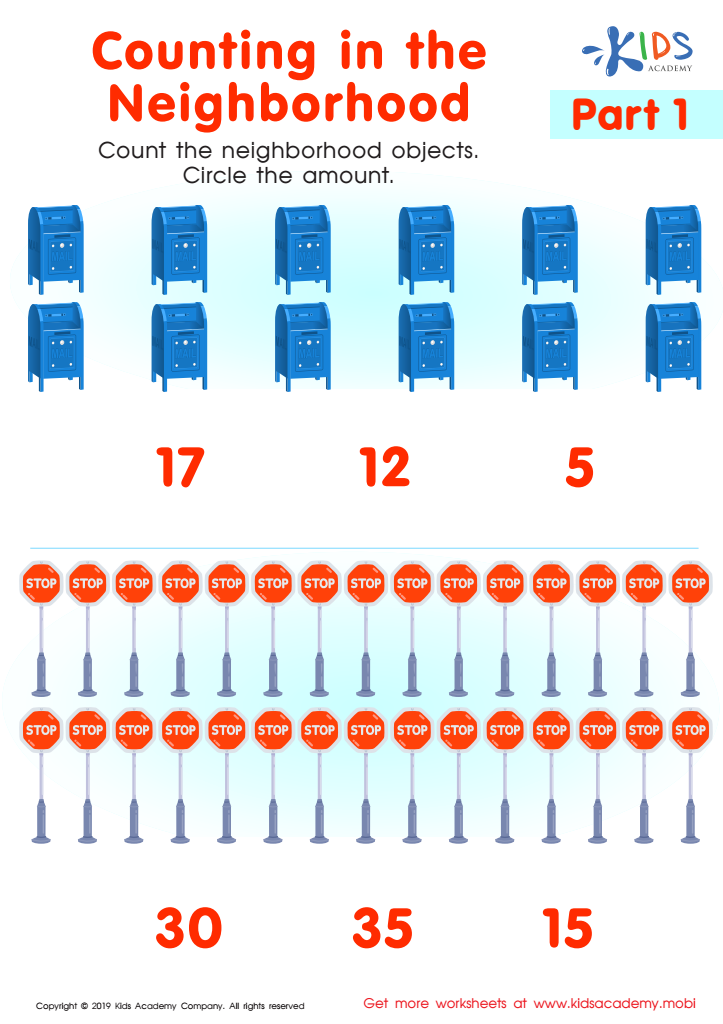
Counting in the Neighborhood Part1 Worksheet
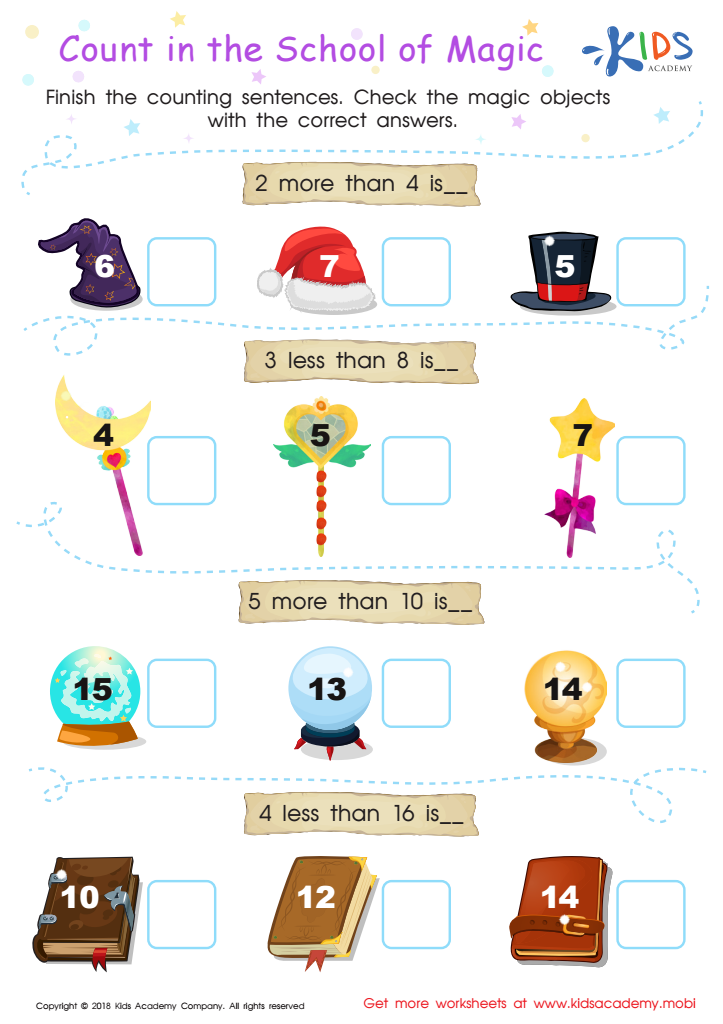
Count in the School of Magic Worksheet







Counting skills are foundational for children's mathematical development, particularly for ages 6-7, when they transition from simple counting to more complex numerical concepts. Parents and teachers should prioritize these skills as they form the basis for a variety of academic abilities. Mastering counting helps children understand the relationships between numbers, fosters their ability to solve basic arithmetic problems, and equips them with problem-solving skills they will need in everyday life.
Furthermore, counting skills enhance cognitive development by promoting logical thinking and enhancing memory. By engaging children in counting activities, such as counting objects during play or using everyday scenarios, adults can make learning fun and relatable. Additionally, proficiency in counting boosts children's confidence in their mathematical abilities, preparing them for more advanced topics as they progress in school.
Neglecting counting practice at this age can lead to gaps in understanding larger concepts, such as addition and subtraction, which can persist and cause challenges in later grades. By investing time and resources into developing counting skills early on, parents and teachers can ensure that children build a strong mathematical foundation that supports their ongoing education and future academic success.








