Easy Addition Worksheets for Ages 6-8 - Page 2
36 filtered results
-
From - To
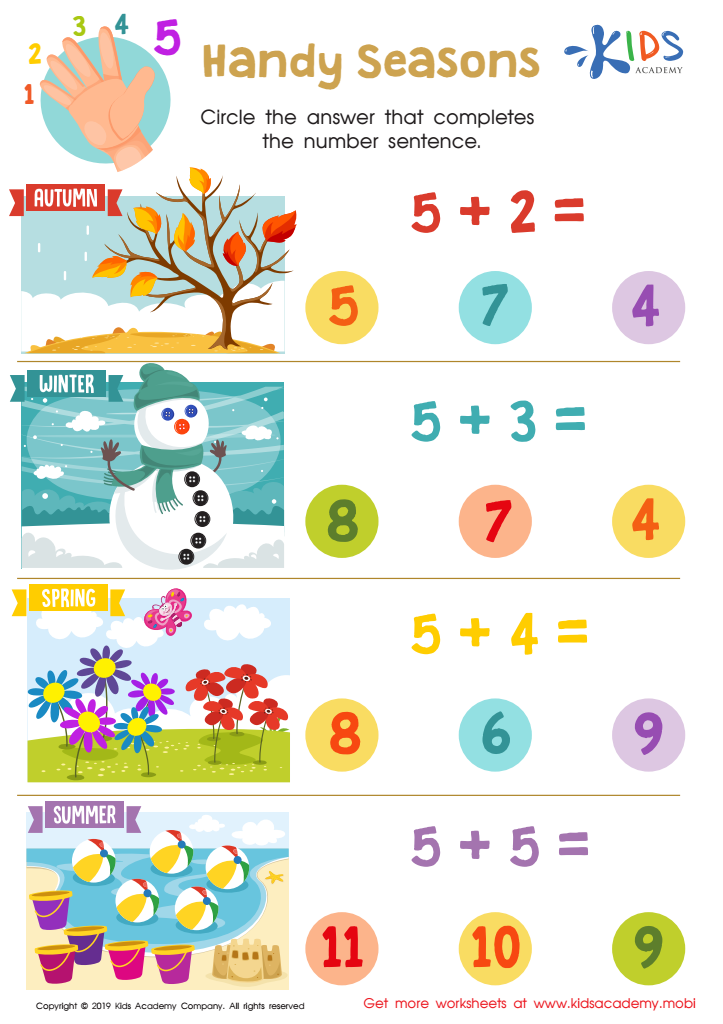
Handy Seasons Worksheet
 Assign to My Students
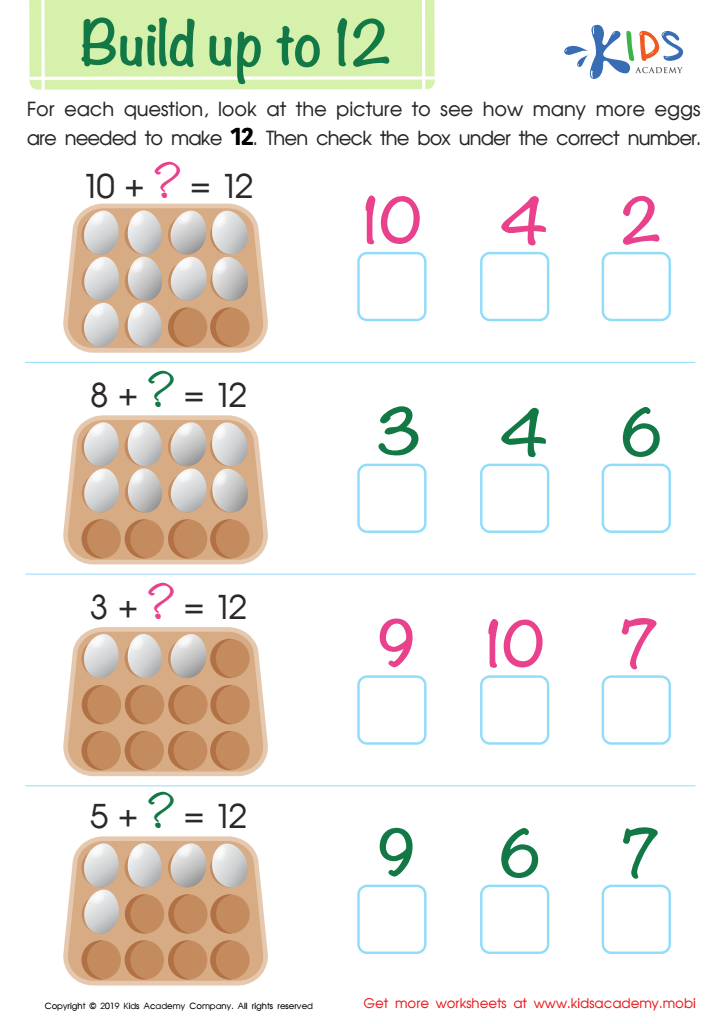
Build up to 12 Worksheet
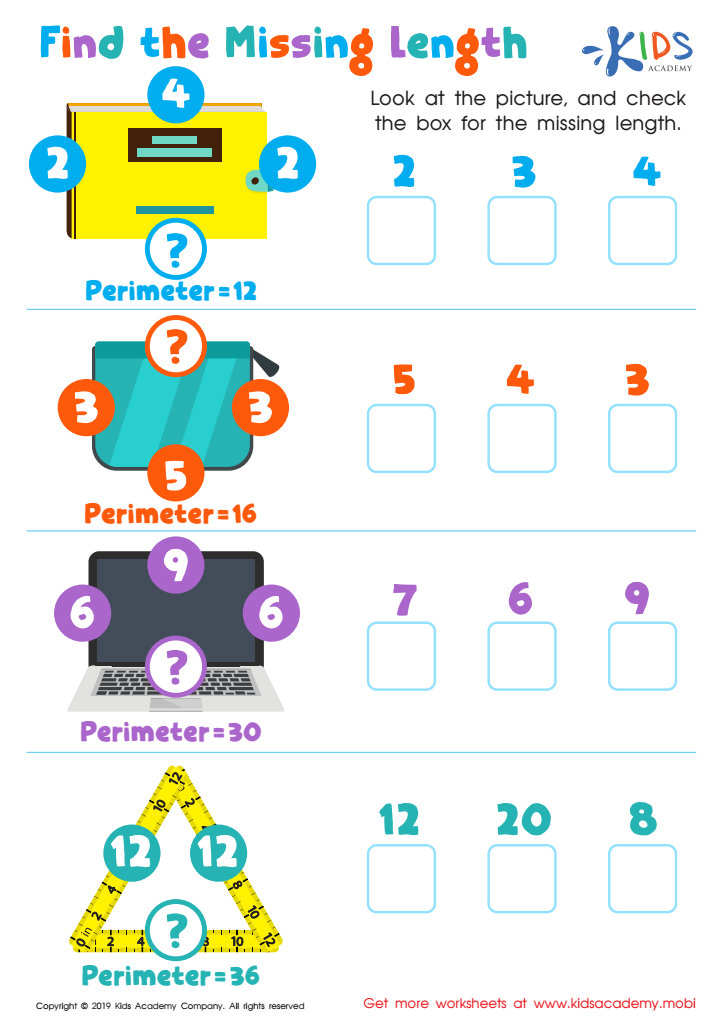
Find the Missing Length Worksheet
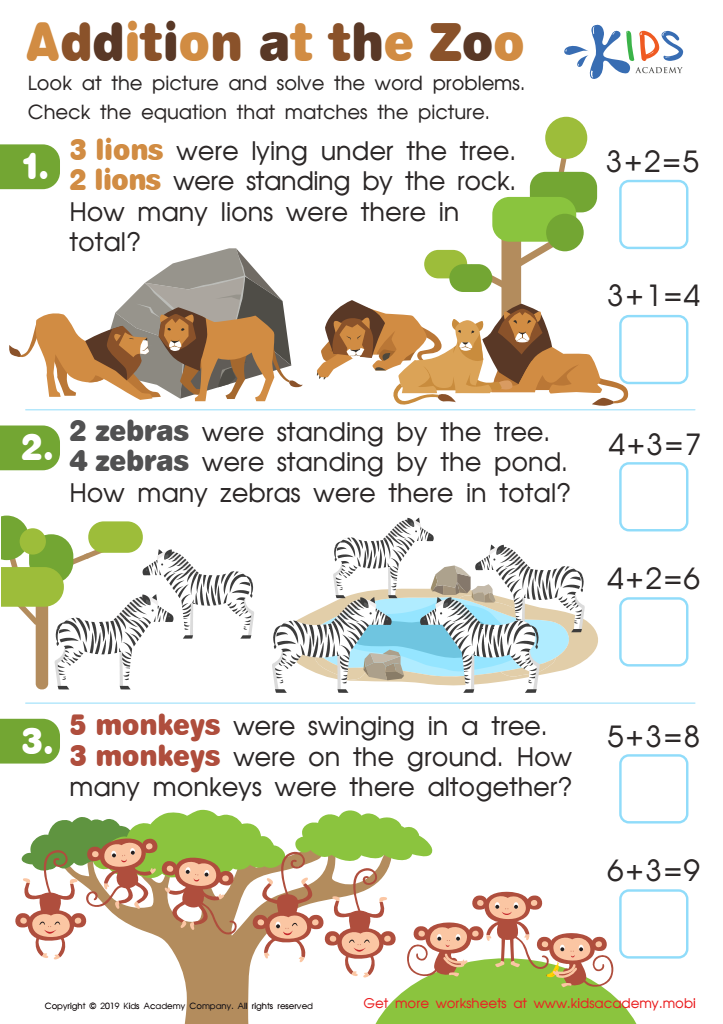
Addition at the Zoo Worksheet
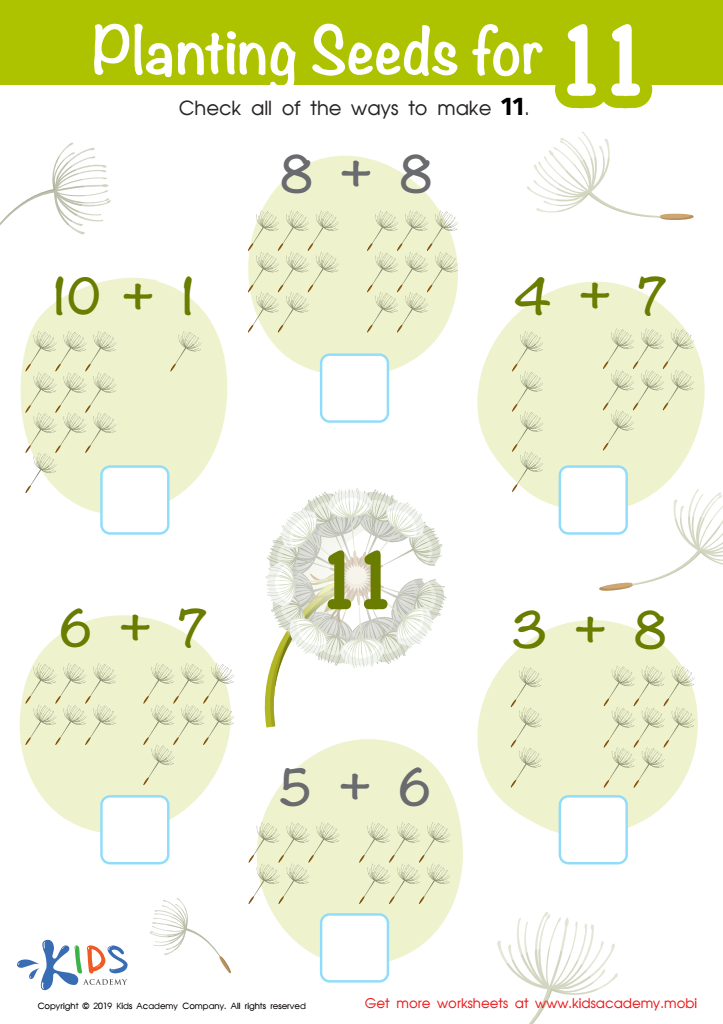
Planting Seeds for 11 Worksheet
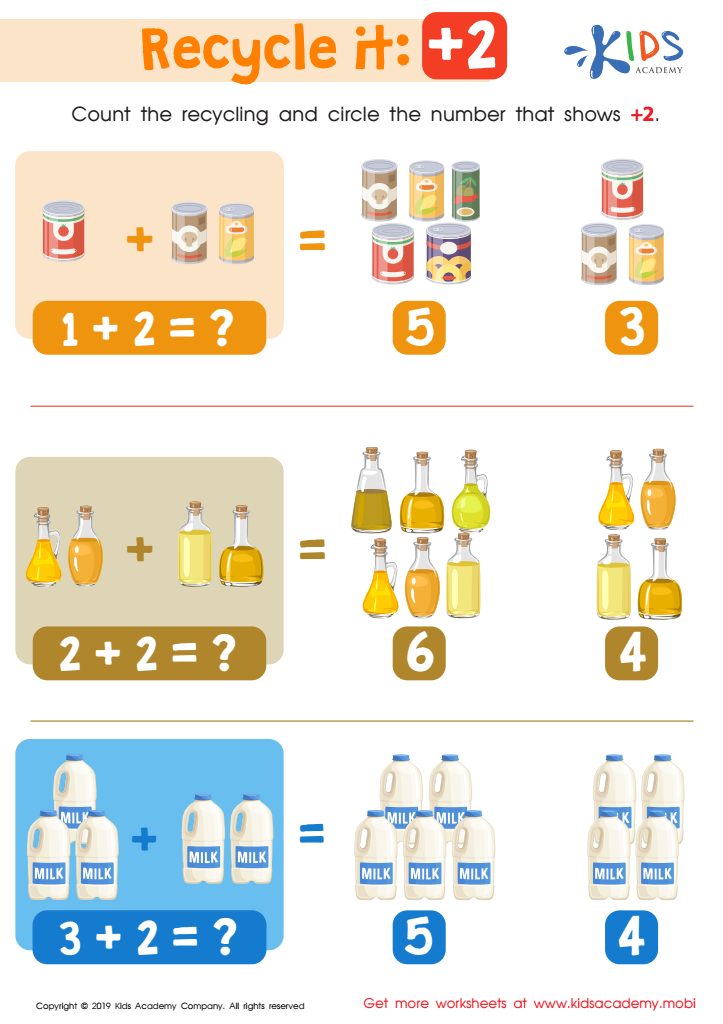
Recycle It: +2 Worksheet
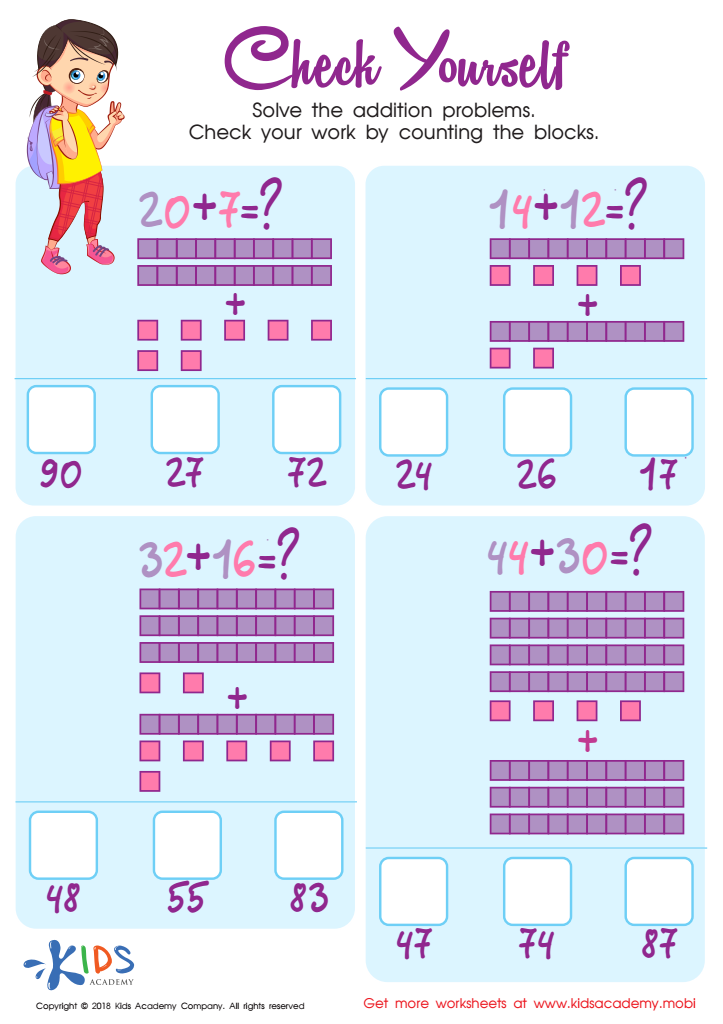
Adding with Base 1 Blocks Worksheet: Check Yourself
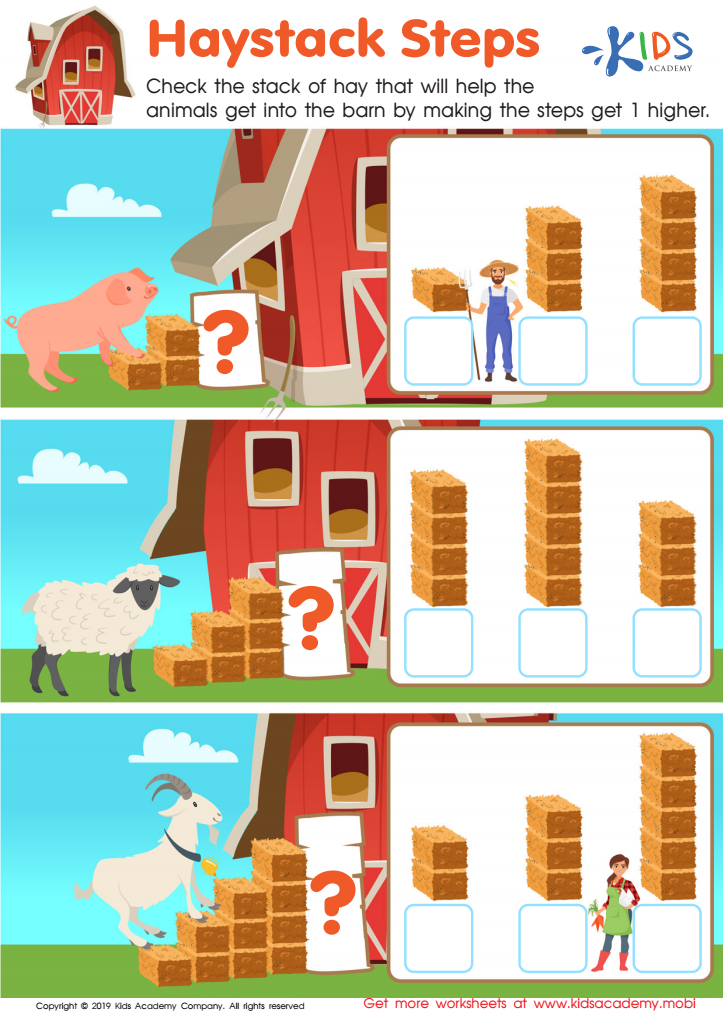
Haystack Steps Worksheet
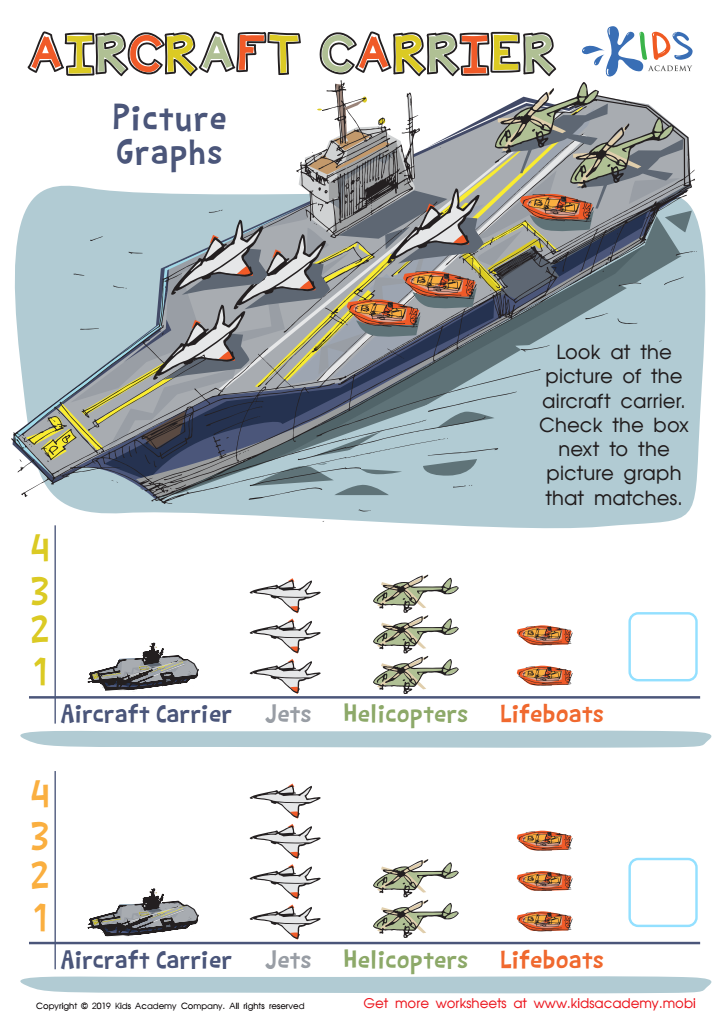
Aircraft Carrier Picture Graphs Worksheet
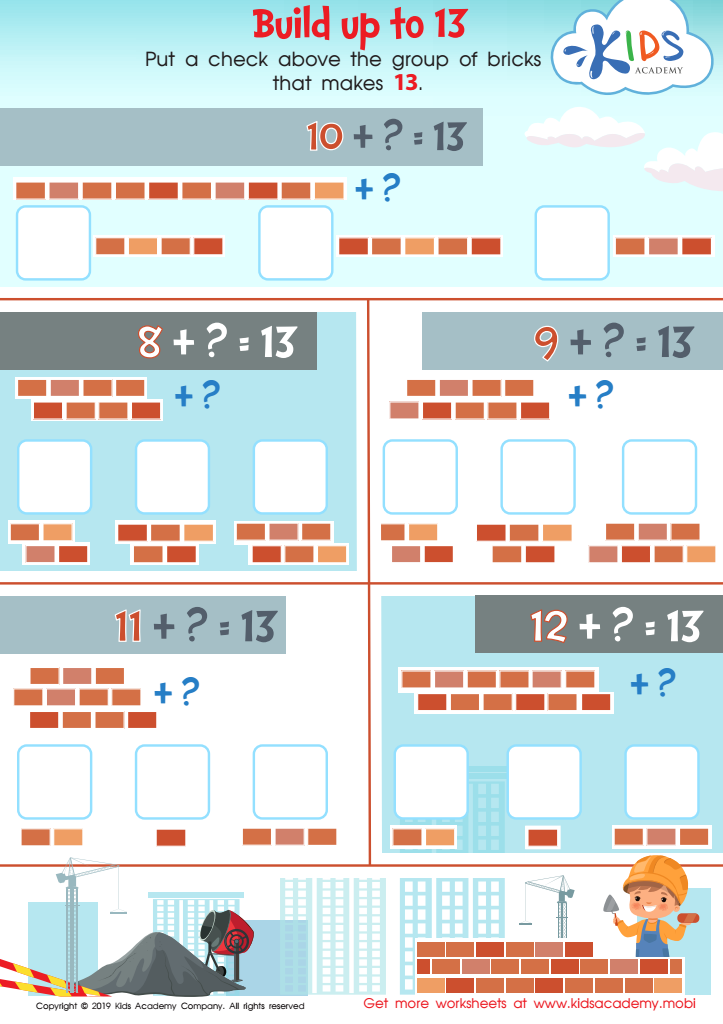
Build up to 13 Worksheet
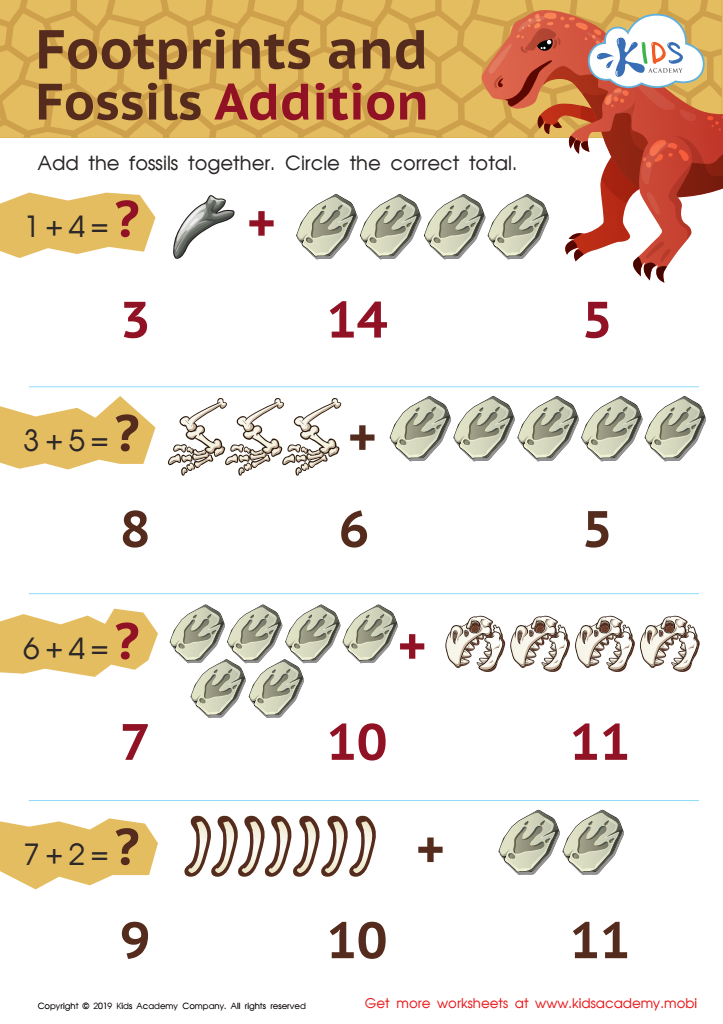
Footprints and Fossils Addition Worksheet
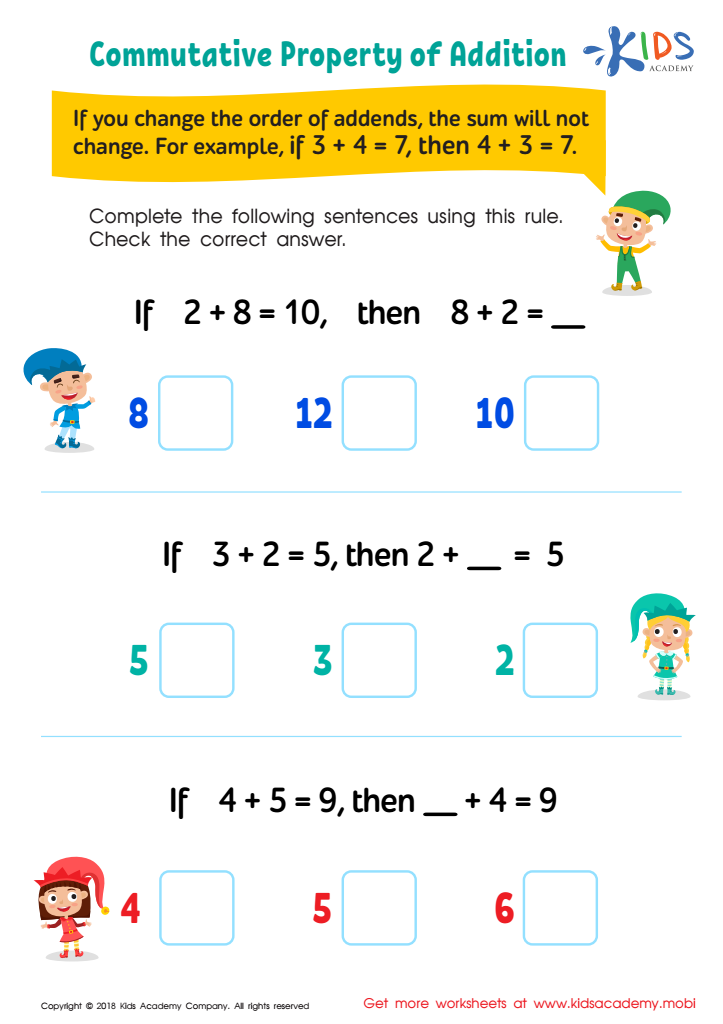
Commutative Property of Addition Worksheet








Parents and teachers should prioritize Easy Addition for children aged 6-8 because it is a foundational skill essential for future mathematical success. This age range, typically covering first to third grade, is a critical period for cognitive development when children are highly receptive to new concepts. Mastery of basic addition lays the groundwork for more complex arithmetic operations, like subtraction, multiplication, and division.
Early confidence in addition builds a positive attitude towards math, fostering an intrinsic motivation to tackle more advanced problems. It also promotes logical thinking and problem-solving skills, which are vital across all subjects. Real-life applications, such as counting money, telling time, and measuring ingredients, become more accessible to children who are proficient in addition, thus making everyday tasks and classroom learning more comprehensible and enjoyable.
Moreover, understanding addition through engaging and interactive methods, such as games or visual aids, can improve a child’s memory and recall abilities. Early intervention and consistent practice ensure a reduction in math anxiety and build the self-assurance needed to embrace challenges. Ensuring a strong mathematical foundation during these formative years sets children up for long-term academic and personal success, encouraging a lifelong love for learning.








