Problem-Solving Skills Easy Worksheets for Ages 6-9 - Page 2
57 filtered results
-
From - To
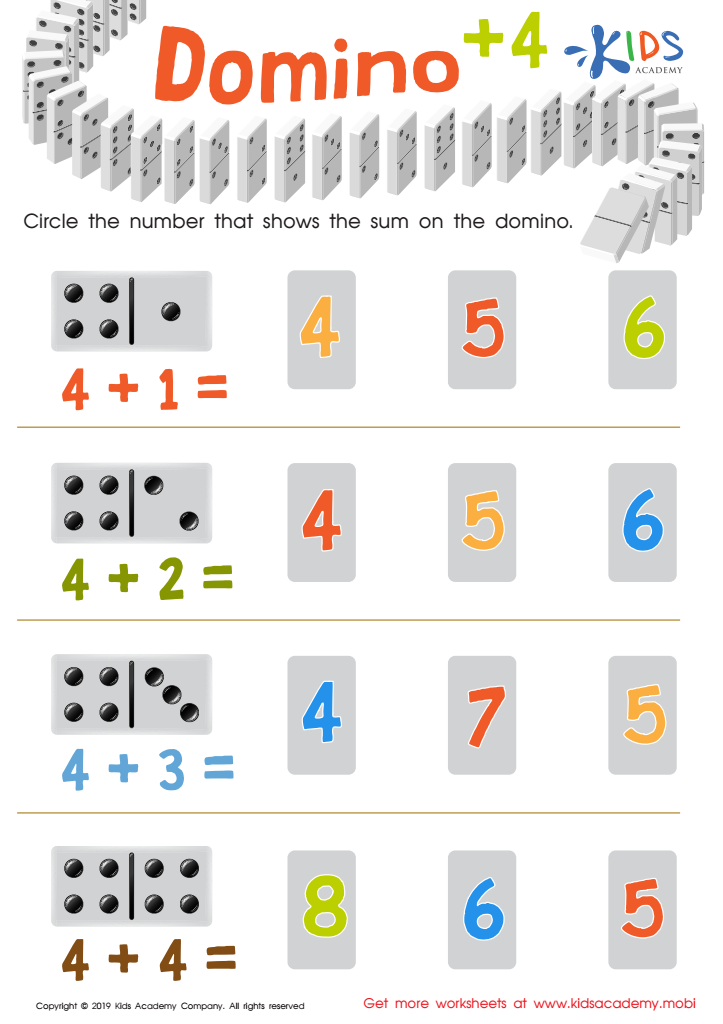
Domino +4 Worksheet
 Assign to My Students
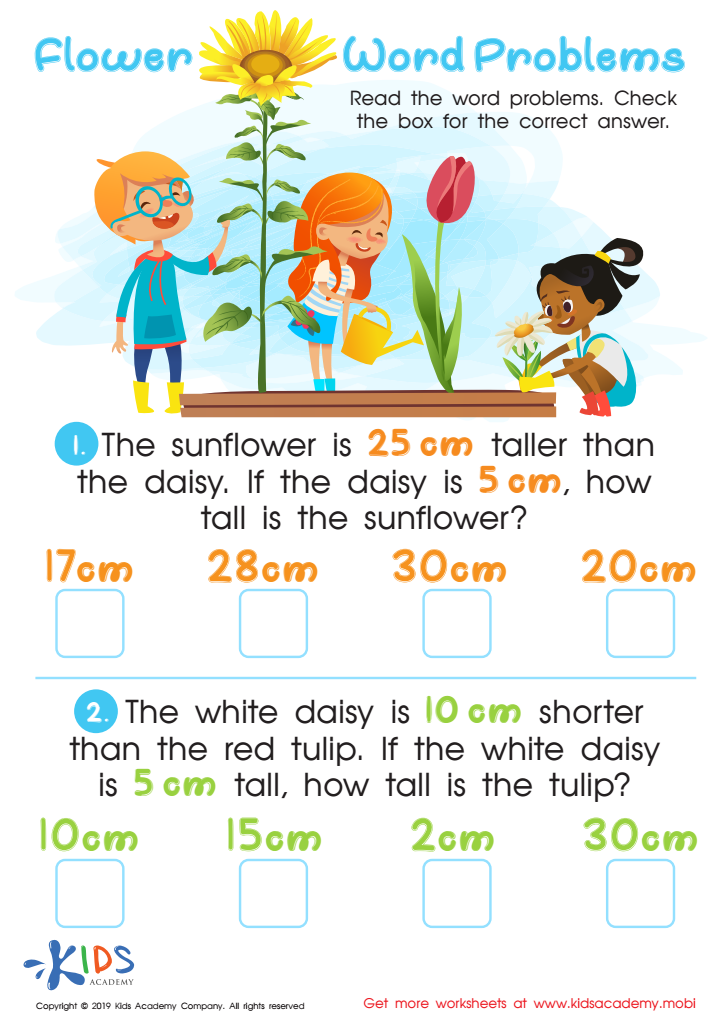
Flower Word Problems Worksheet
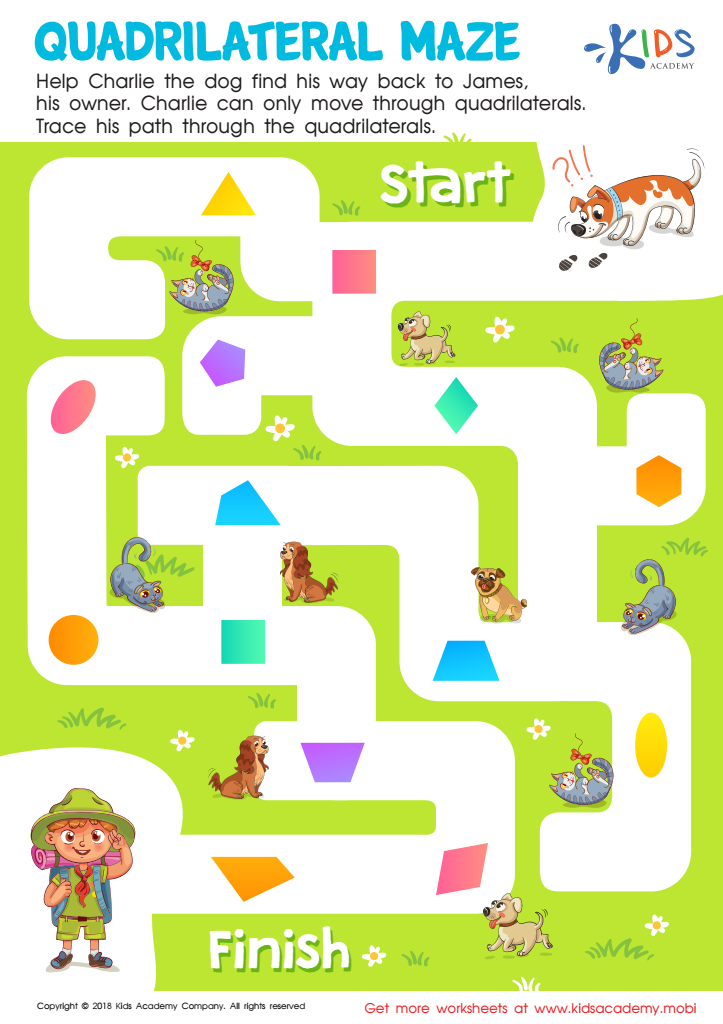
Quadrilateral Maze Worksheet

Discovered Check: Puzzle 2 Worksheet
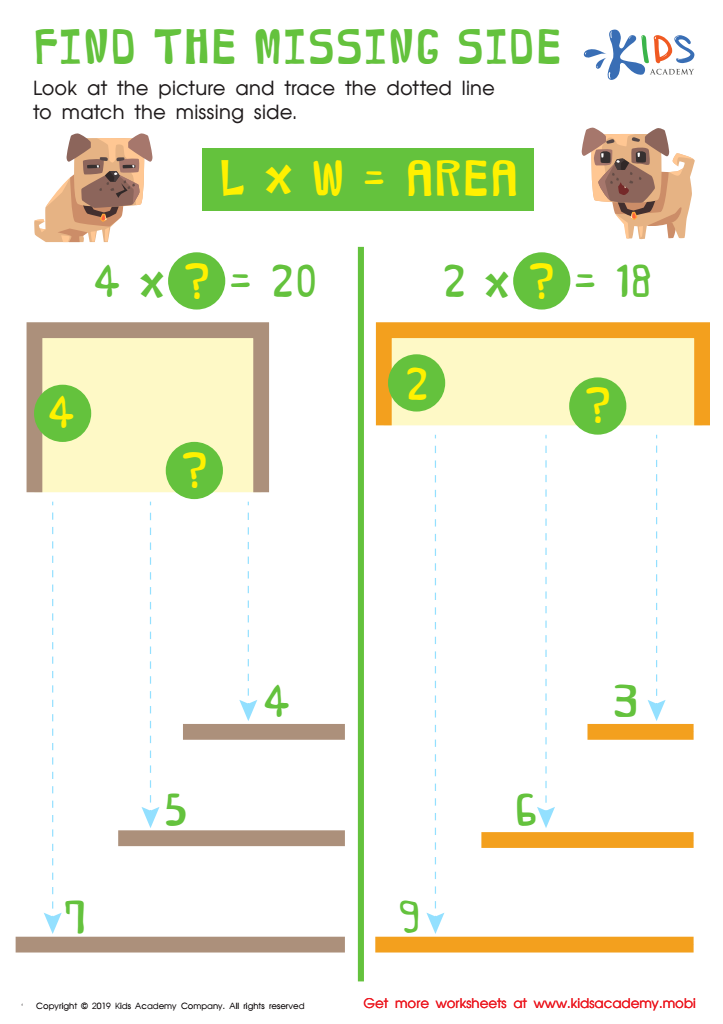
Find the Missing Side Worksheet
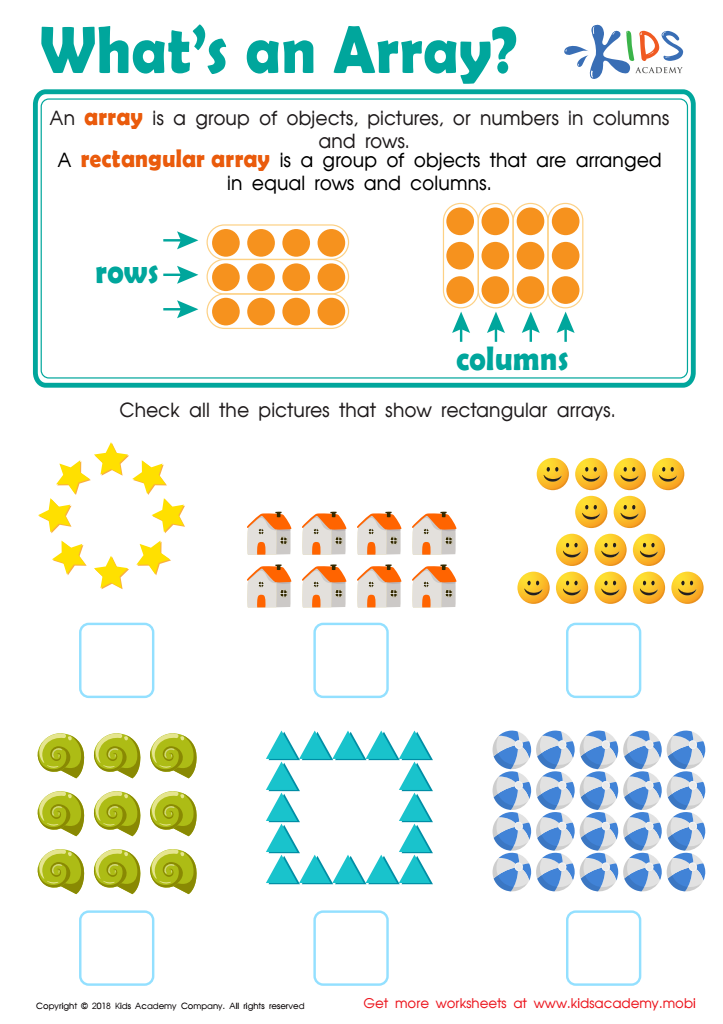
What's an Array? Worksheet
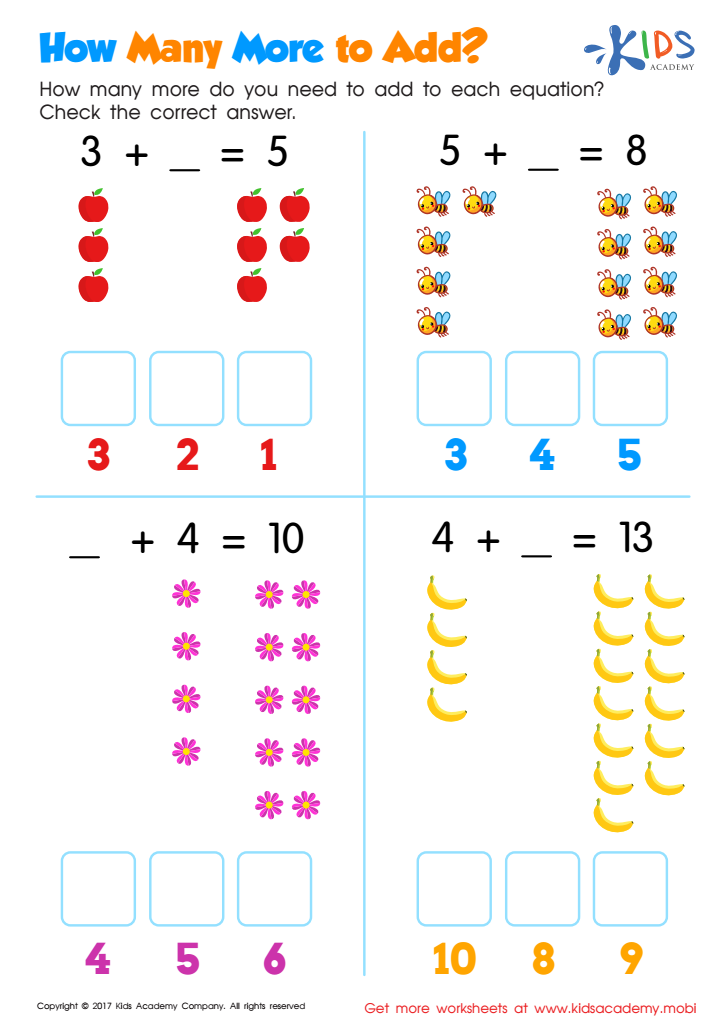
How Many More to Add Worksheet
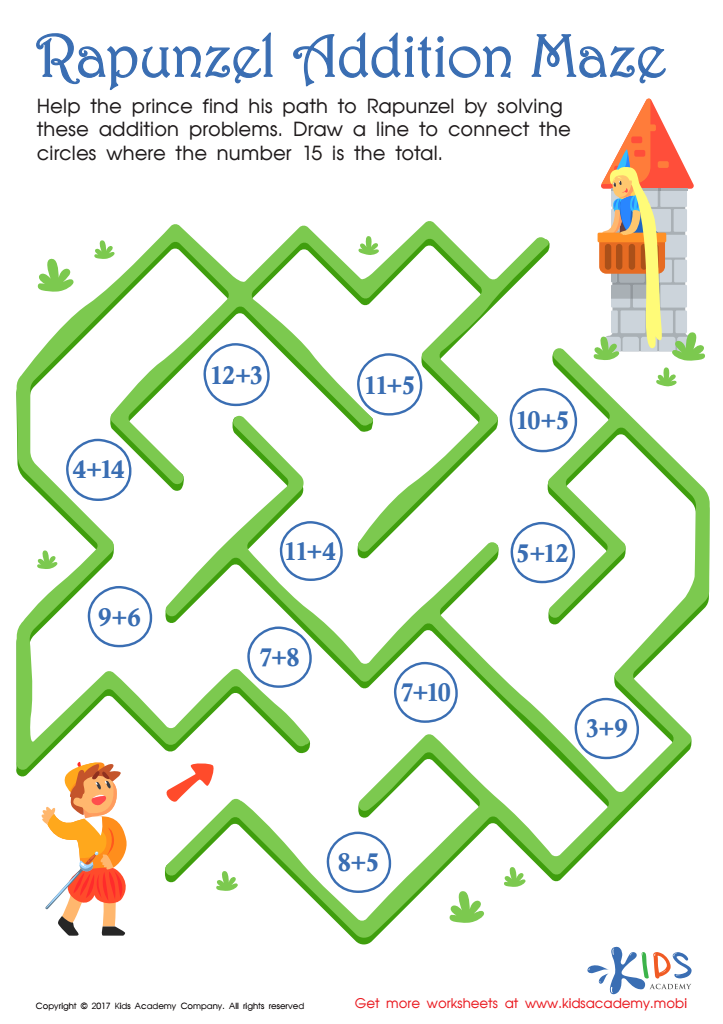
Rapunzel Addition Maze Worksheet
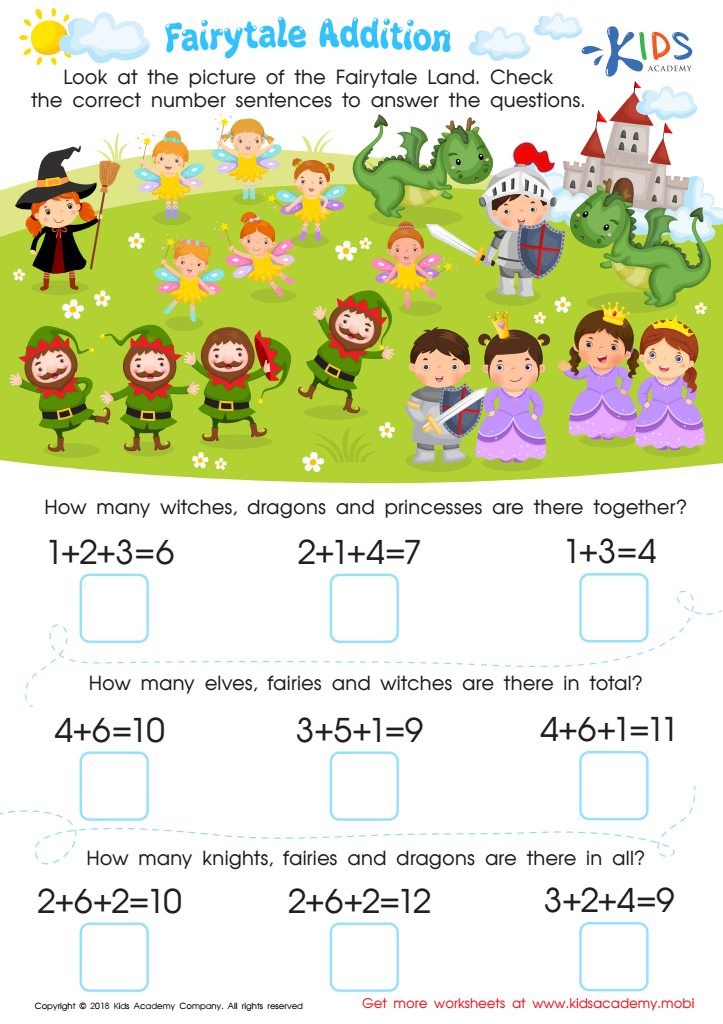
Fairytale Addition Worksheet
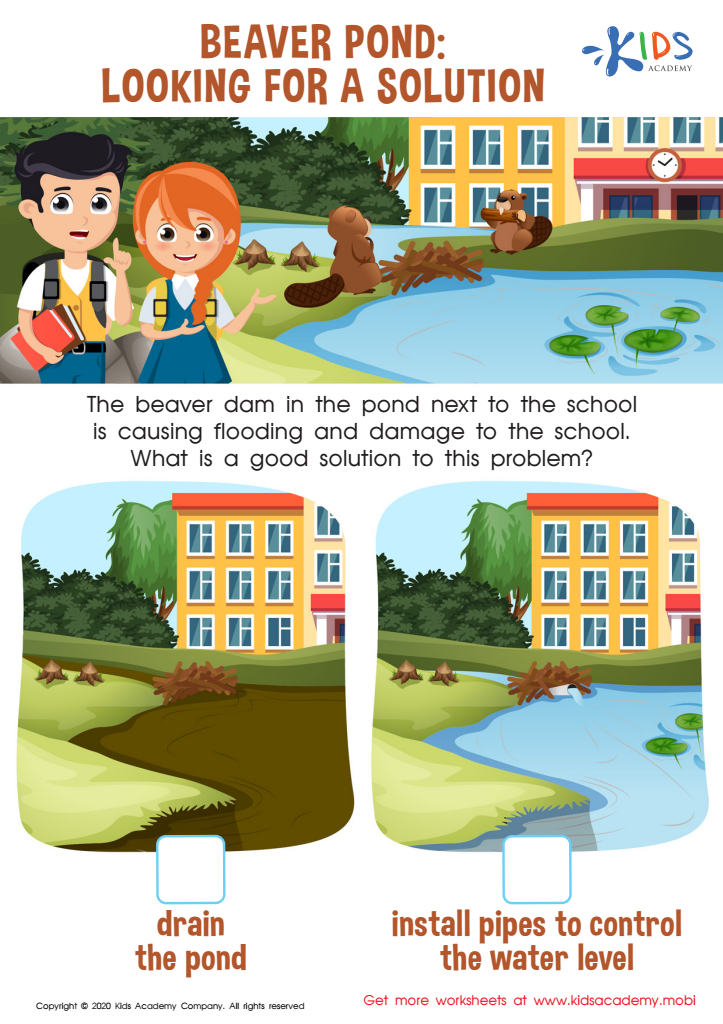
Beaver Pond: Looking for a Solution Worksheet
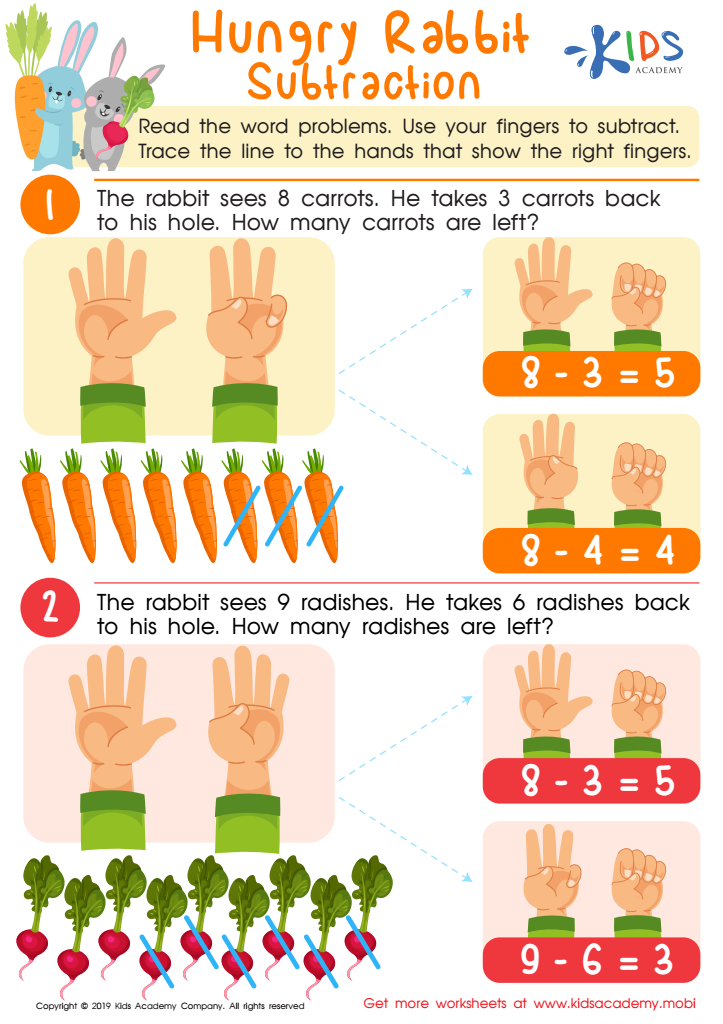
Hungry Rabbit Subtraction Worksheet
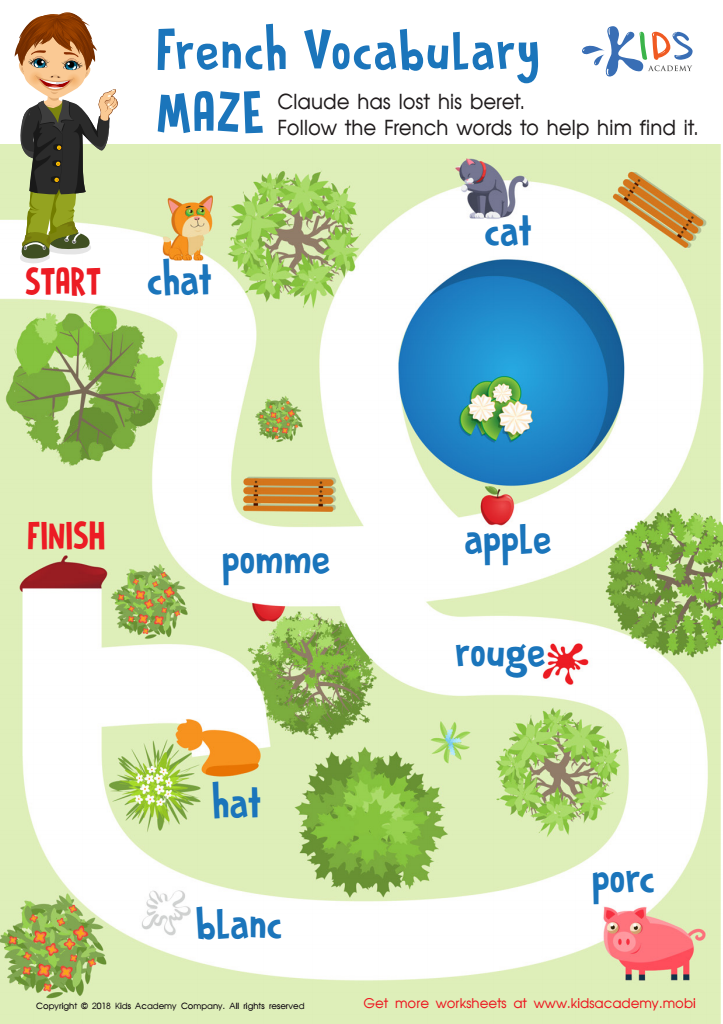
French Vocabulary Maze Worksheet
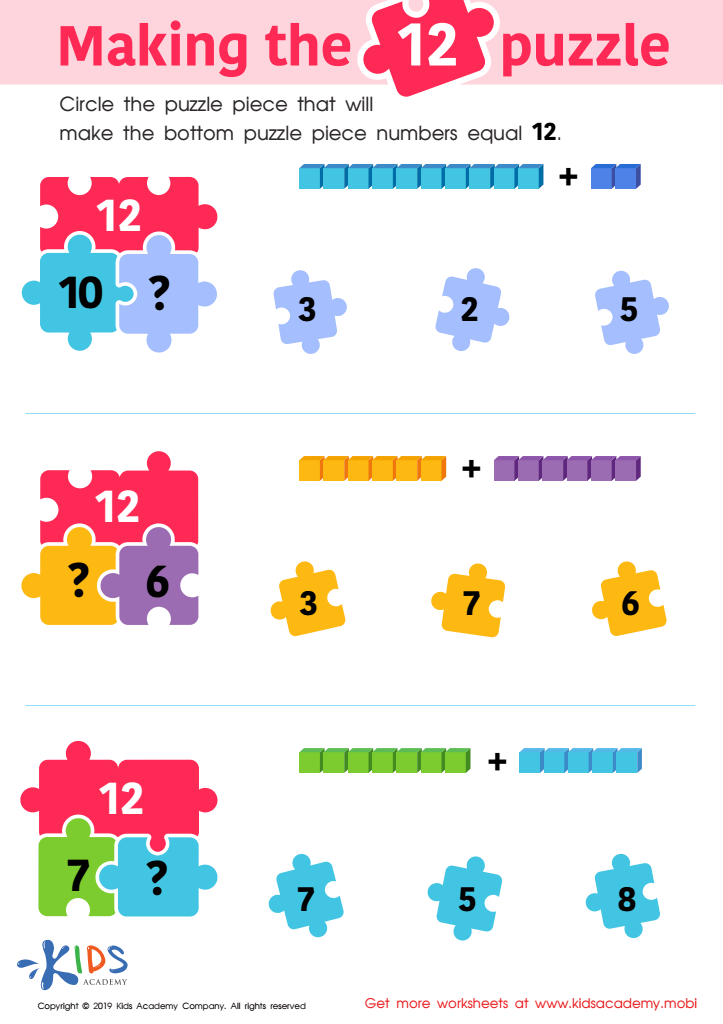
Making the 12 Puzzle Worksheet

Picking Carrots Worksheet
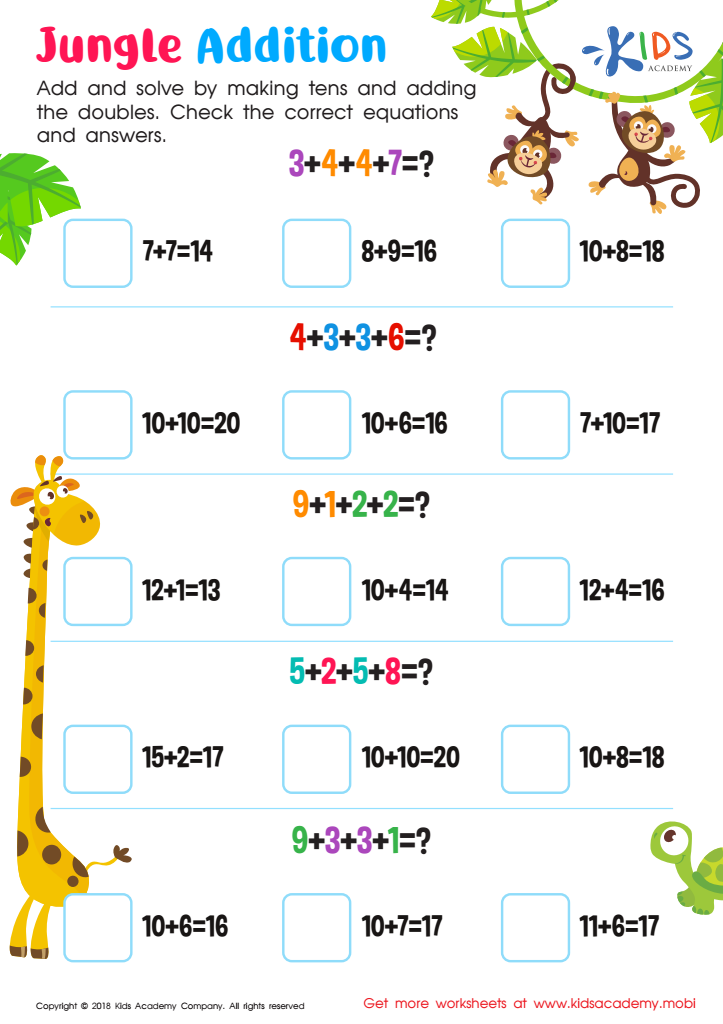
Jungle Addition Worksheet
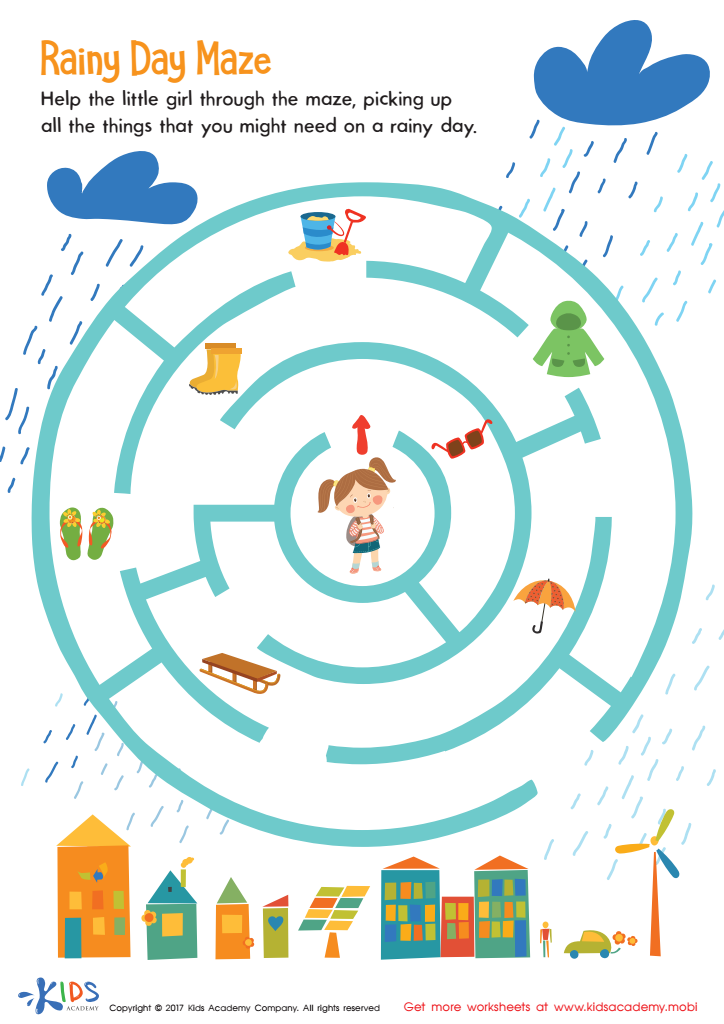
Rainy Day Maze Worksheet

Subtracting: Groceries with Georgio Worksheet
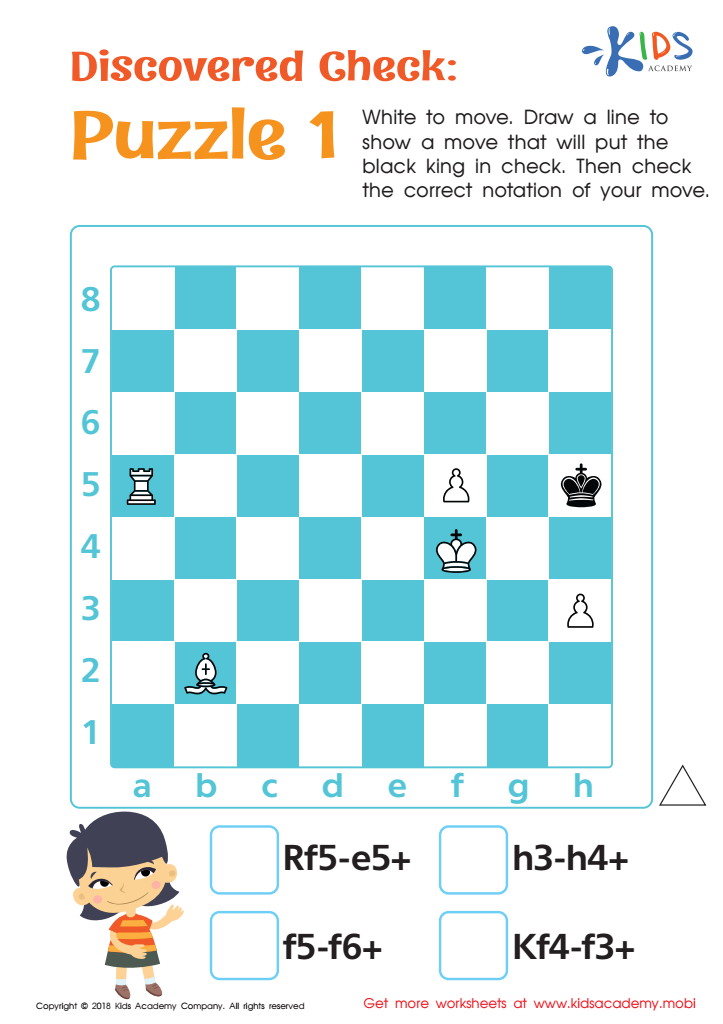
Discovered Check: Puzzle 1 Worksheet
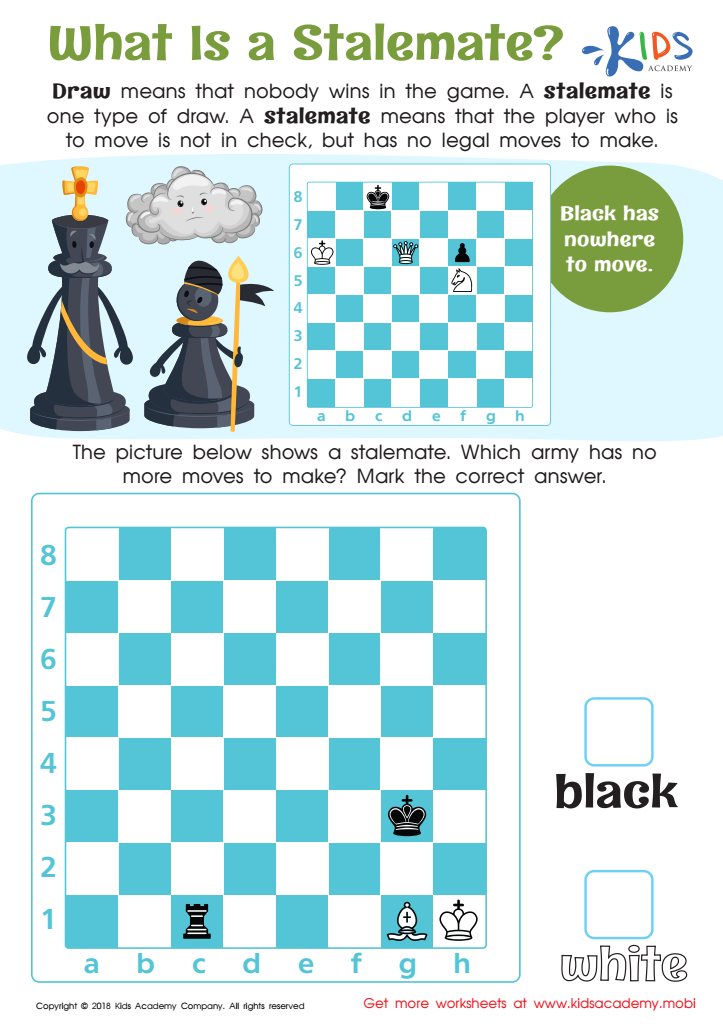
What Is a Stalemate? Worksheet
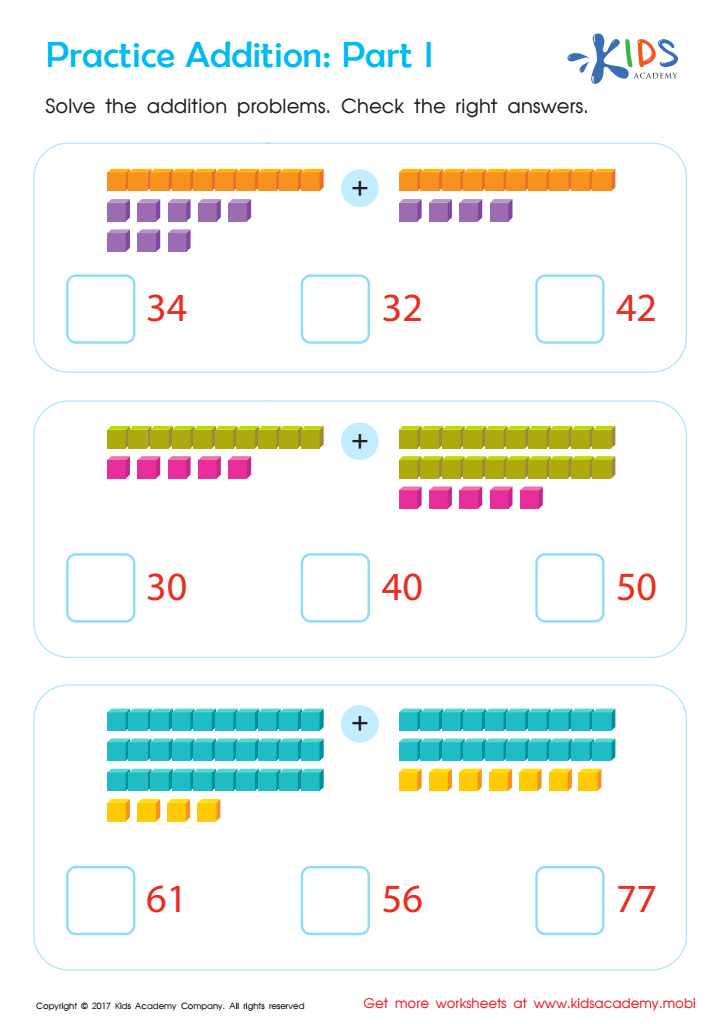
Practice Addition: Part 1 Worksheet
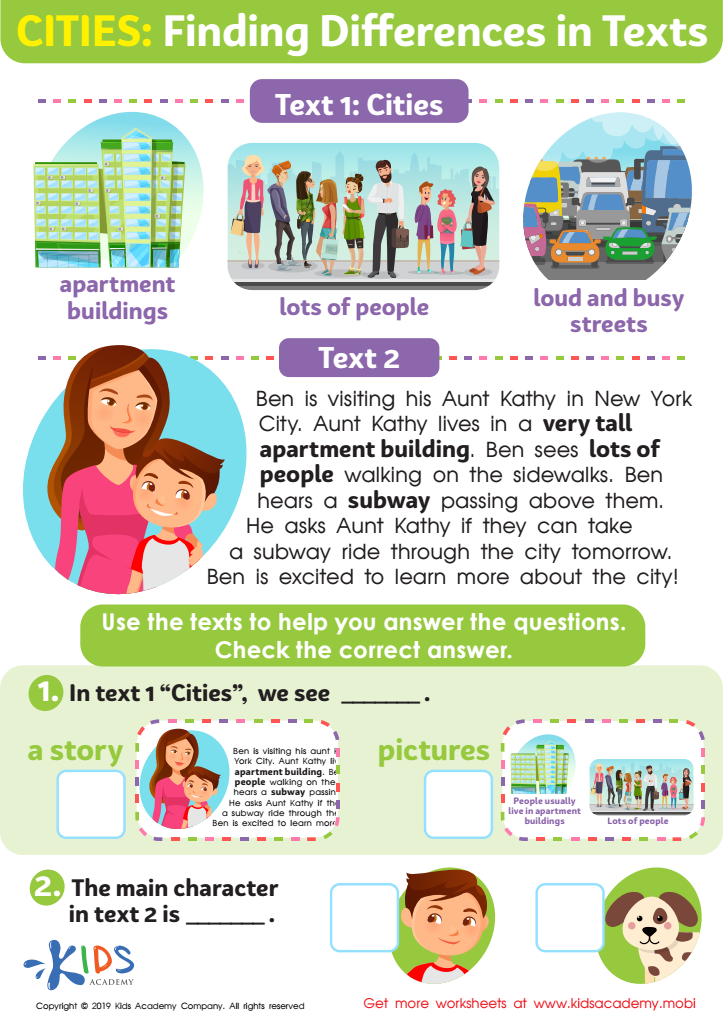
Cities: Finding Differences Worksheet
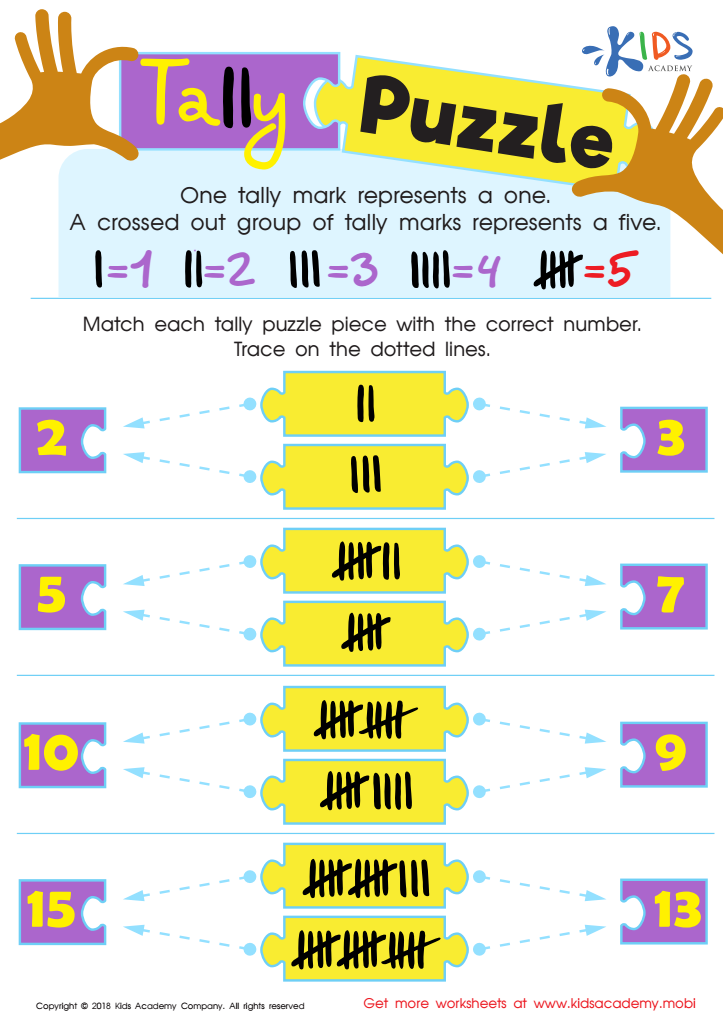
Tally Puzzle Worksheet
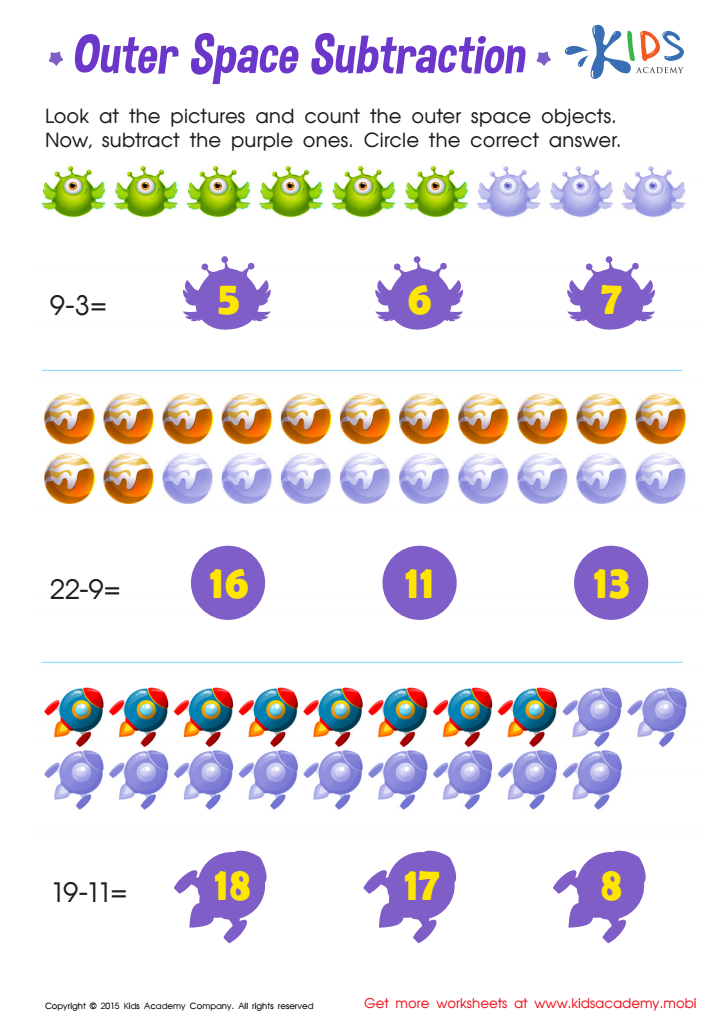
Outer Space Substraction Worksheet
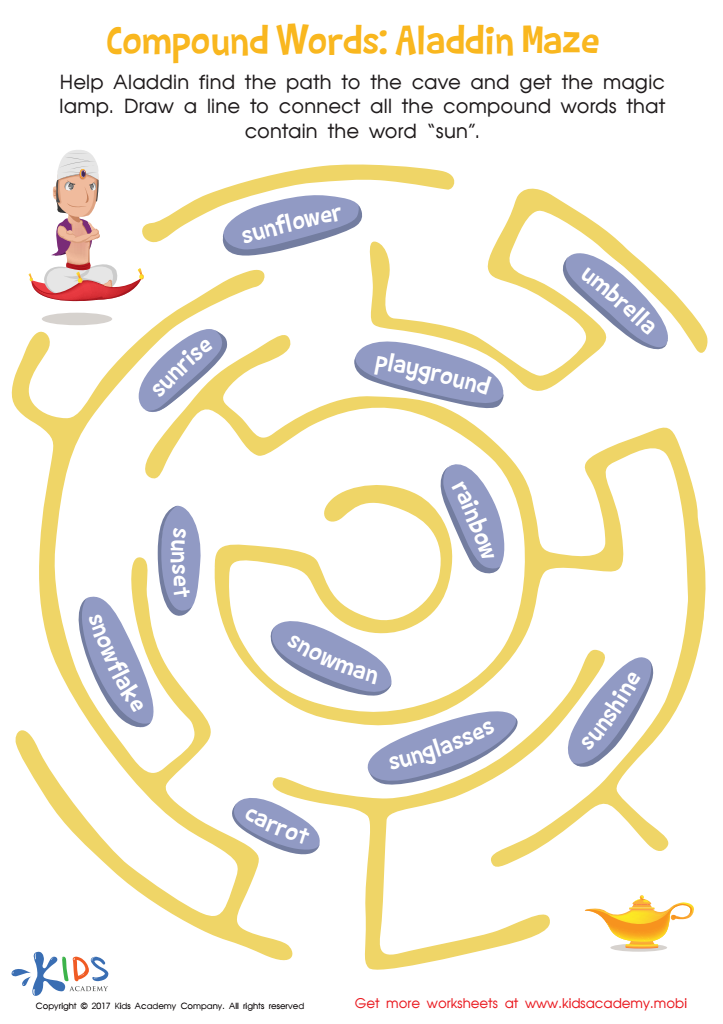
Compound Aladdin Maze Word Structure Worksheet






Parents and teachers should care about developing problem-solving skills in children aged 6-9 because these skills are foundational for their overall growth and lifelong learning. At this critical stage, children’s brains are highly receptive to new information, and nurturing these skills early on leads to numerous benefits.
Firstly, problem-solving enhances critical thinking, enabling children to analyze situations, consider different solutions, and make informed decisions. This kind of cognitive growth supports academic success across subjects like math, science, and reading.
Additionally, strong problem-solving skills foster independence and confidence. When children figure out solutions on their own, it boosts their self-esteem and encourages them to tackle more challenges, both in and out of school.
Socially, being able to solve problems effectively improves communication and collaboration with peers. Children learn to articulate their thoughts, listen to others’ ideas, and work together to find solutions, which are essential skills for team activities and future work environments.
Lastly, by focusing on problem-solving, children learn perseverance and resilience. They understand that setbacks are part of the learning process, cultivating a mindset that is not easily discouraged by failure.
Overall, emphasizing problem-solving skills in early childhood sets a foundation for academic success, personal growth, social adeptness, and a resilient attitude towards challenges.








