Problem-Solving Skills Easy Worksheets for 6-Year-Olds - Page 2
42 filtered results
-
From - To
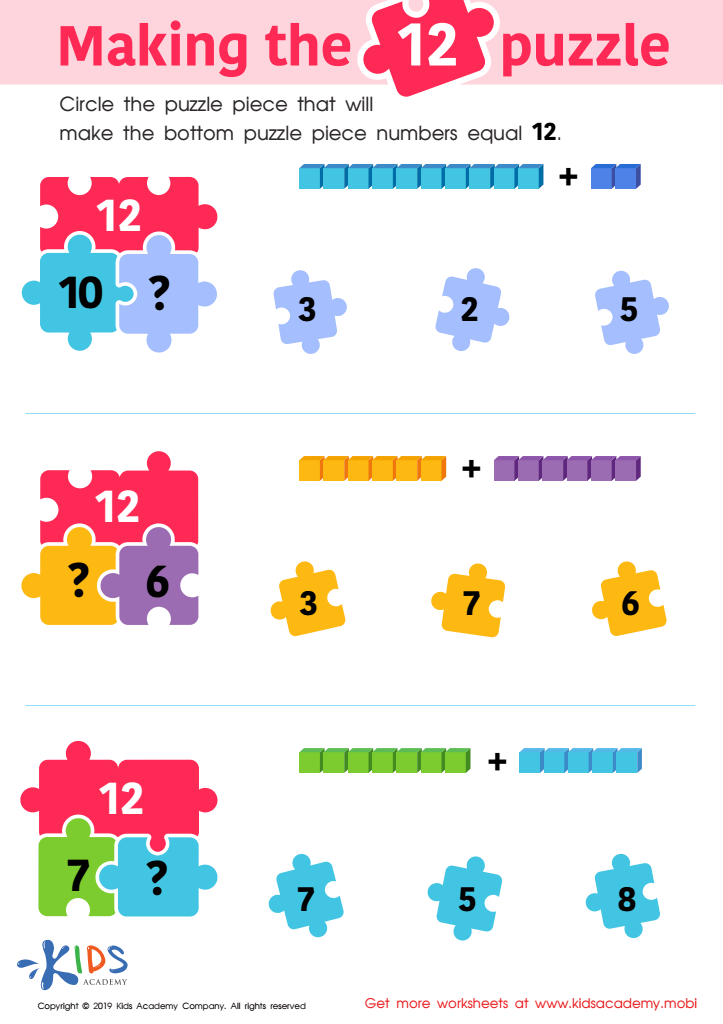
Making the 12 Puzzle Worksheet
 Assign to My Students
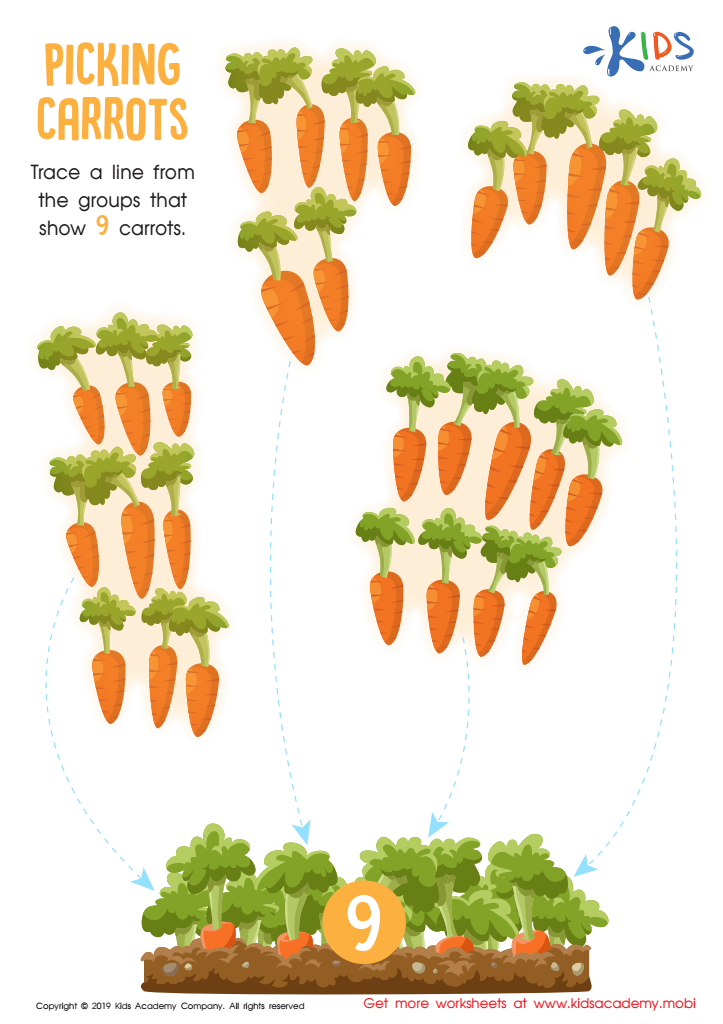
Picking Carrots Worksheet
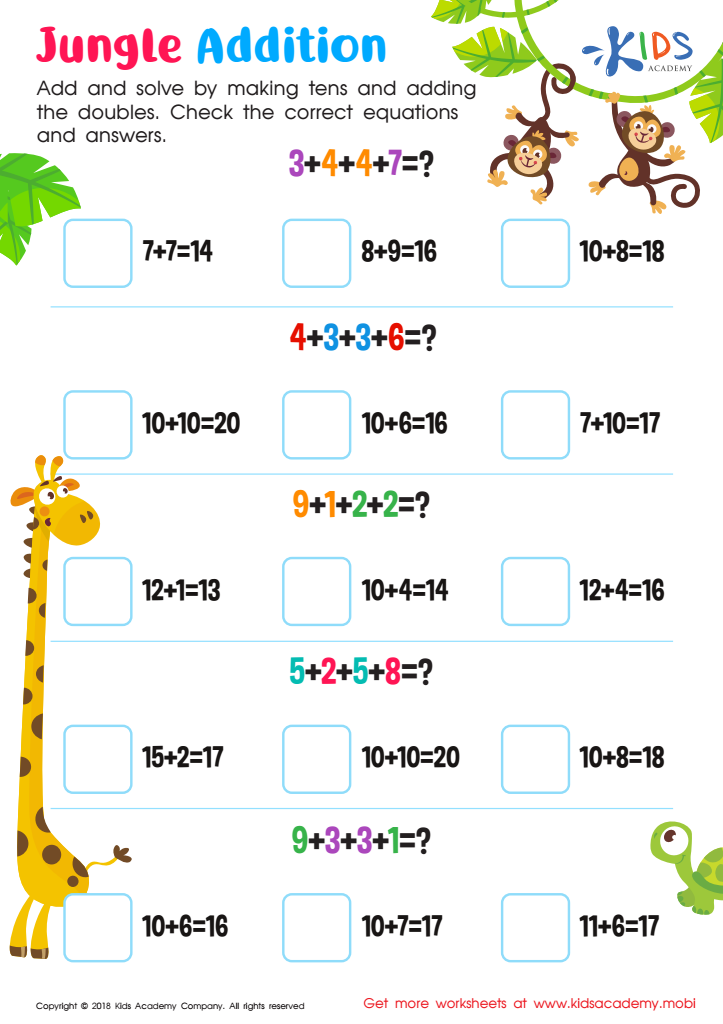
Jungle Addition Worksheet
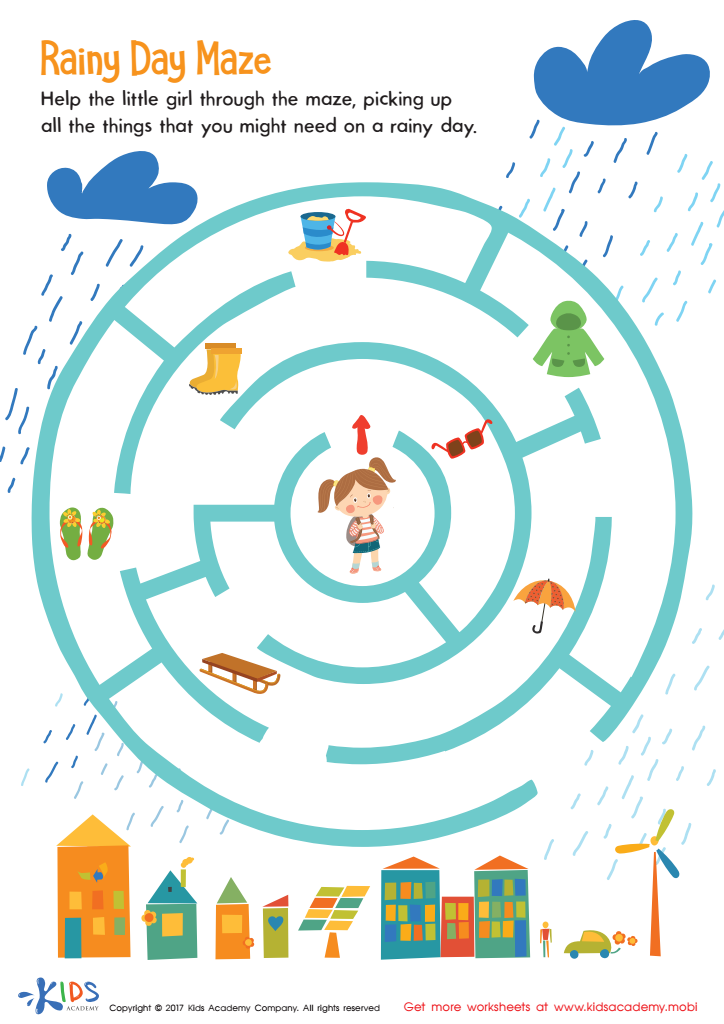
Rainy Day Maze Worksheet
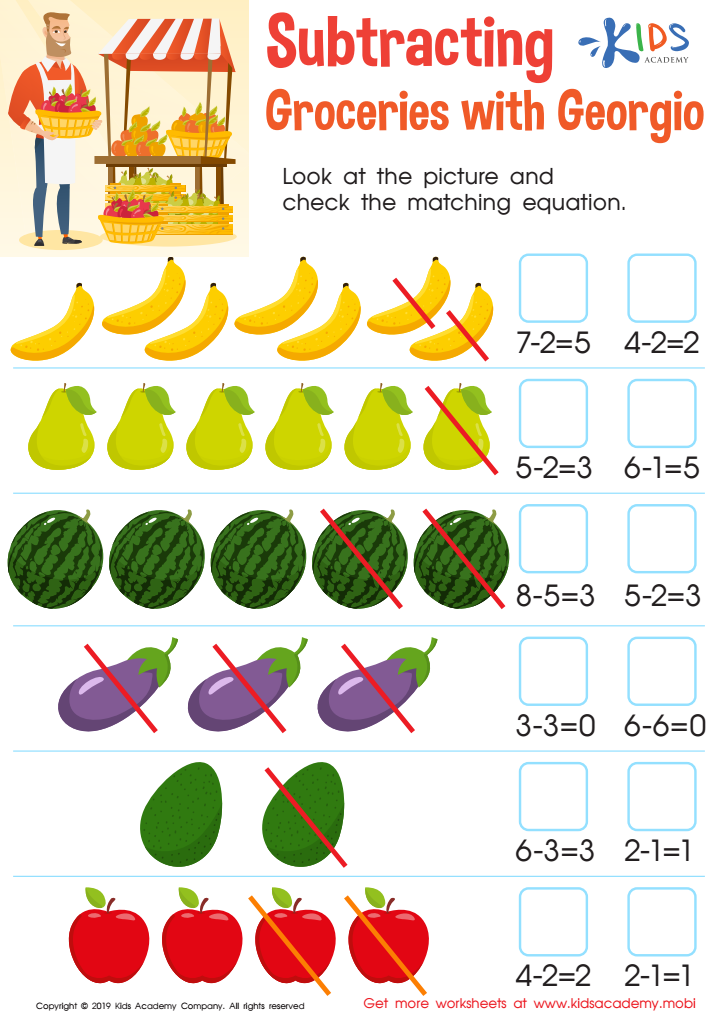
Subtracting: Groceries with Georgio Worksheet
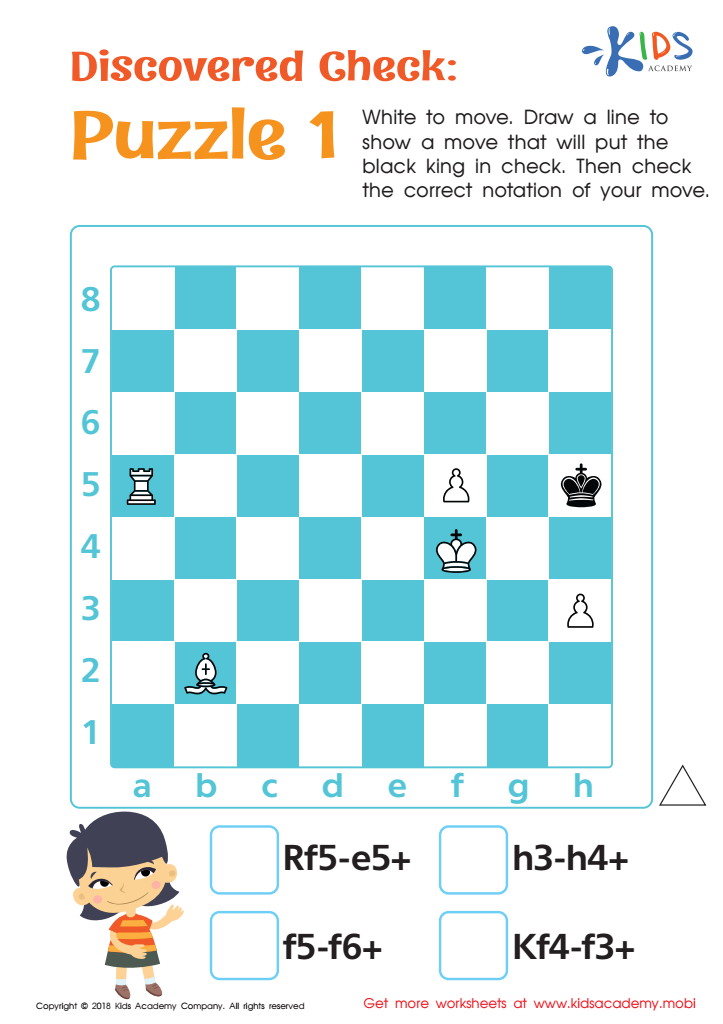
Discovered Check: Puzzle 1 Worksheet
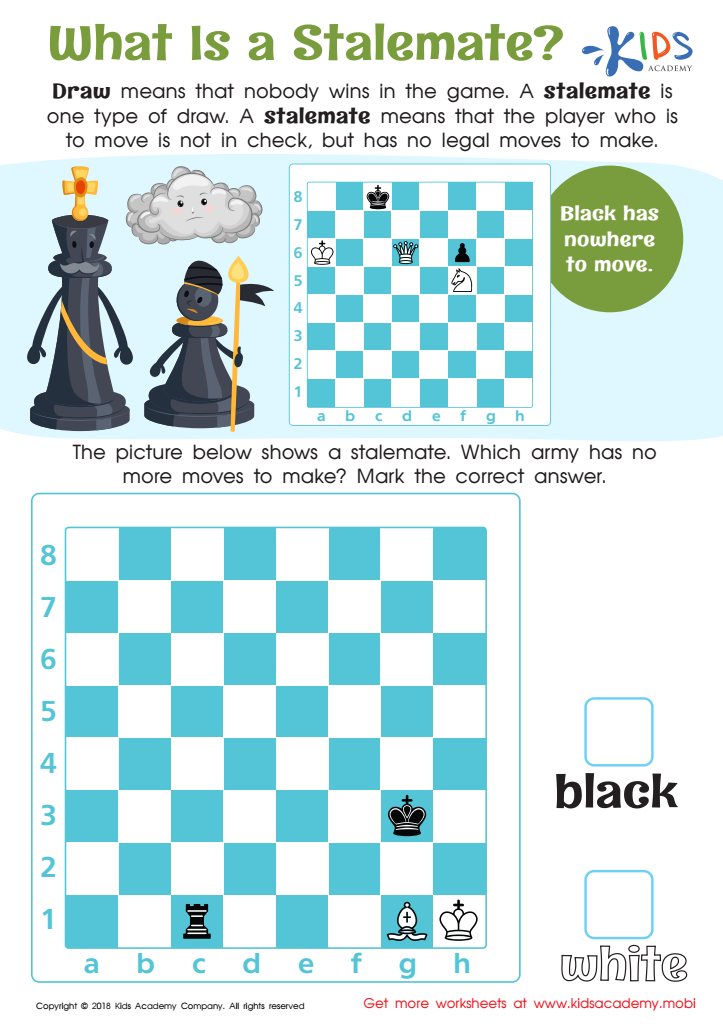
What Is a Stalemate? Worksheet
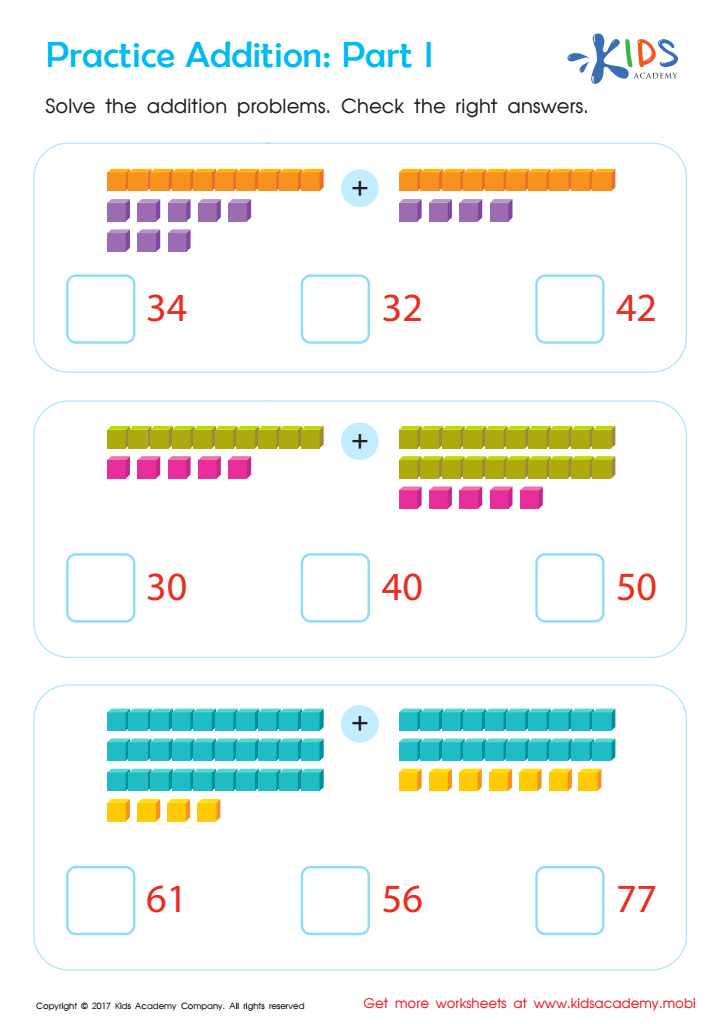
Practice Addition: Part 1 Worksheet
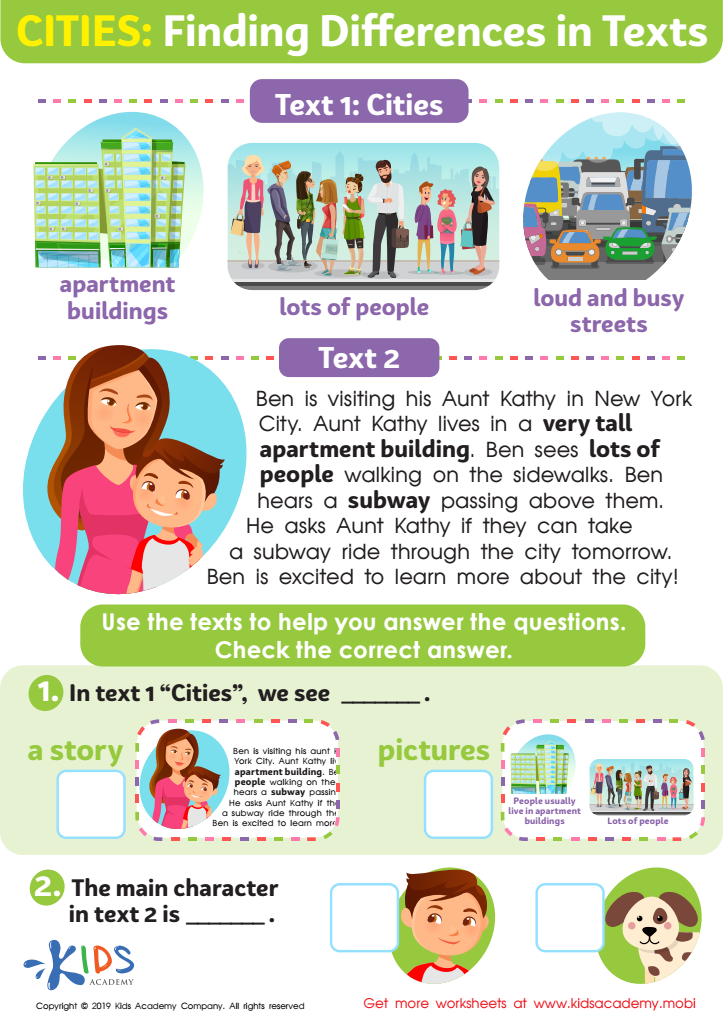
Cities: Finding Differences Worksheet
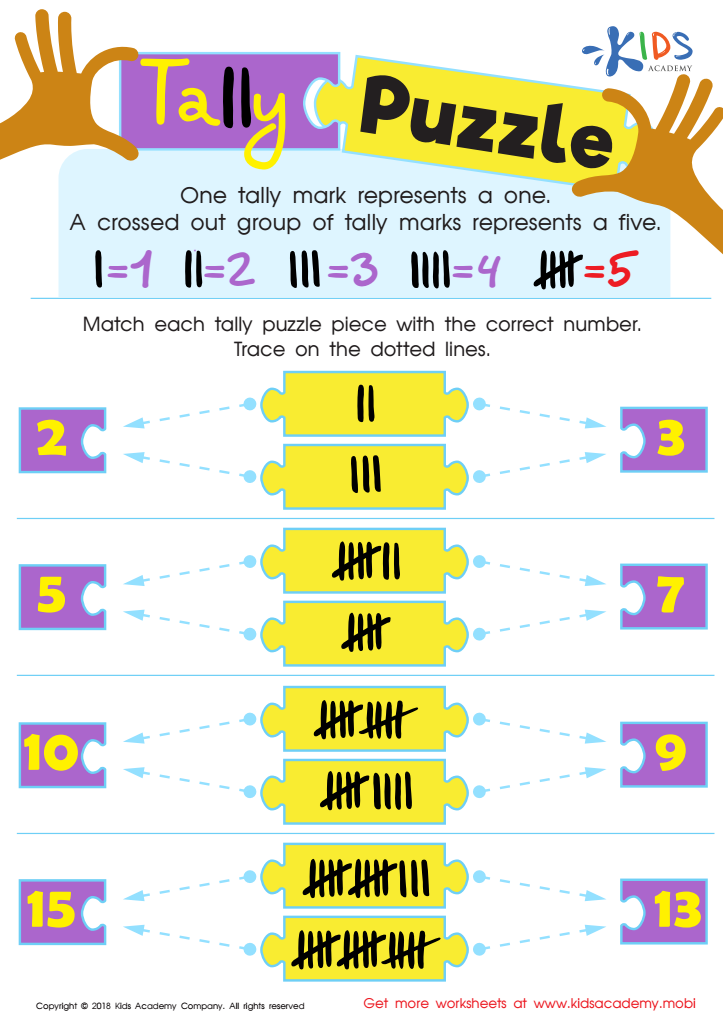
Tally Puzzle Worksheet
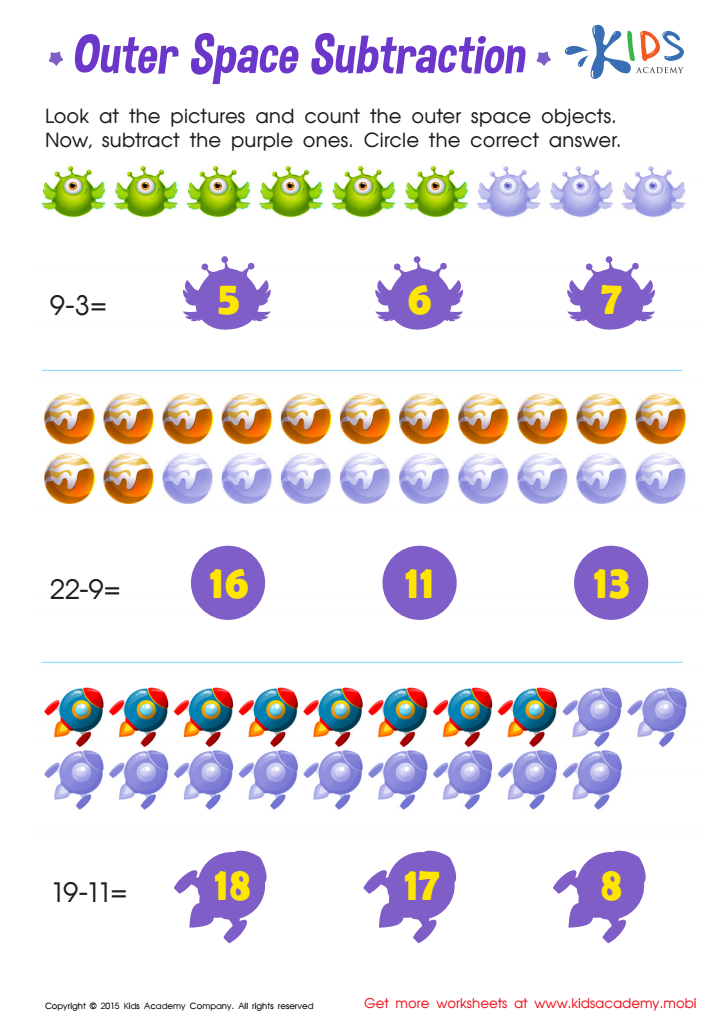
Outer Space Substraction Worksheet
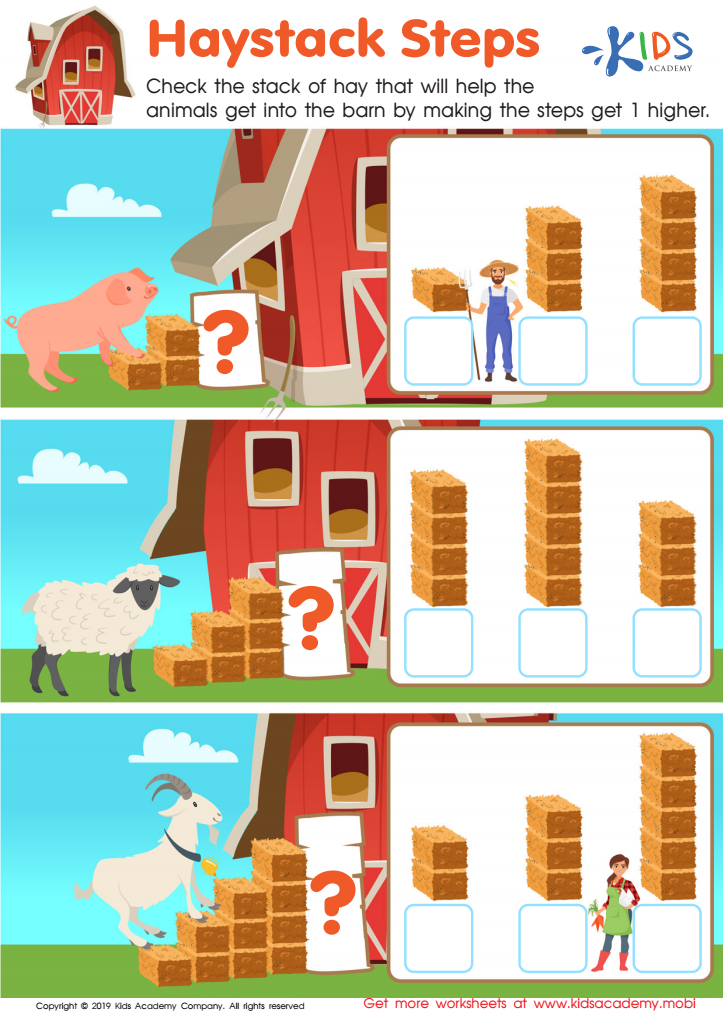
Haystack Steps Worksheet
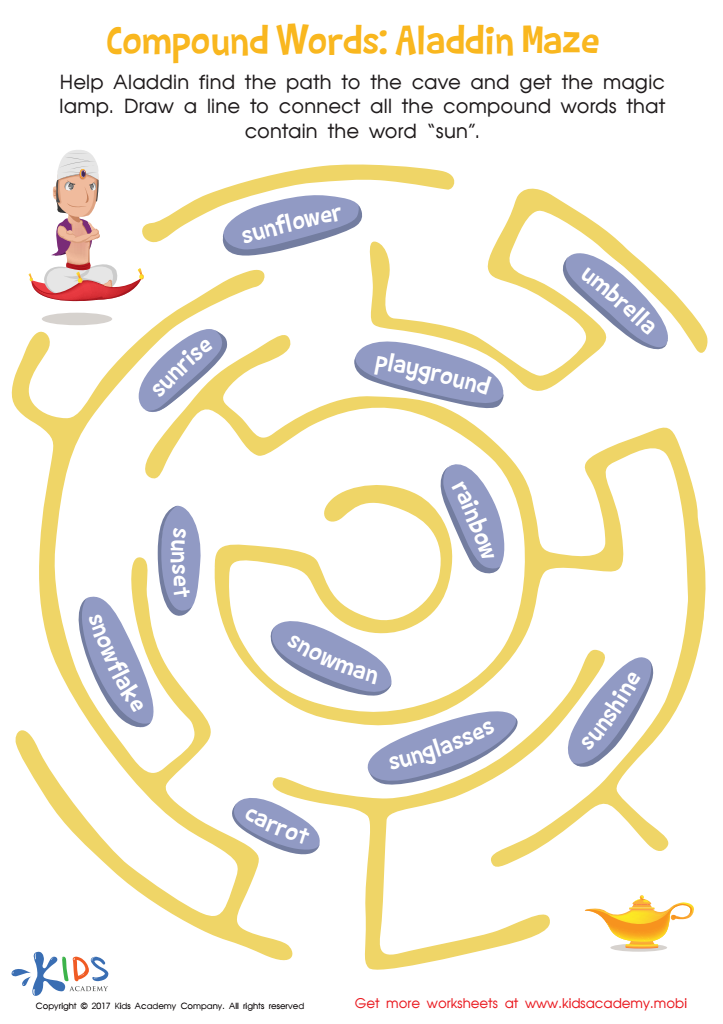
Compound Aladdin Maze Word Structure Worksheet
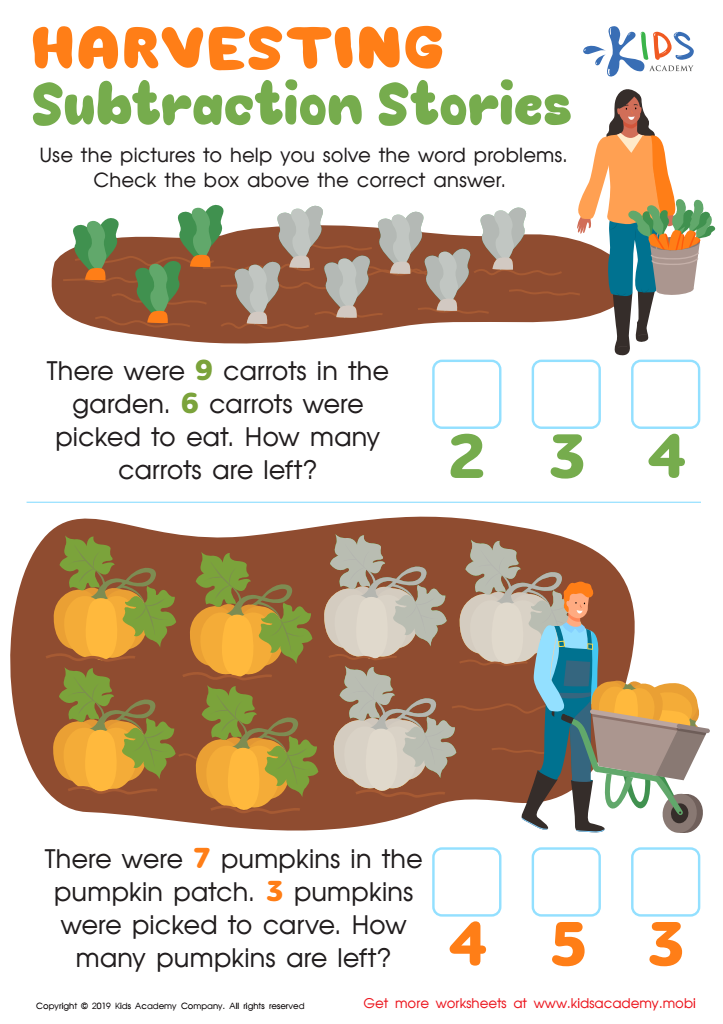
Harvesting Subtraction Stories Worksheet
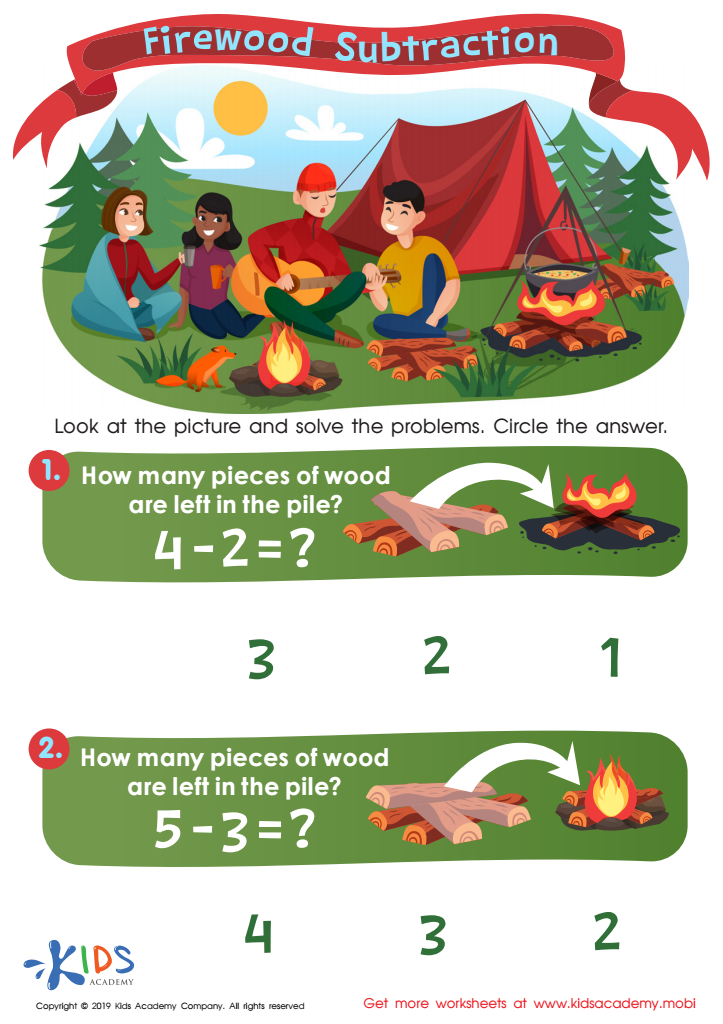
Firewood Subtraction Worksheet
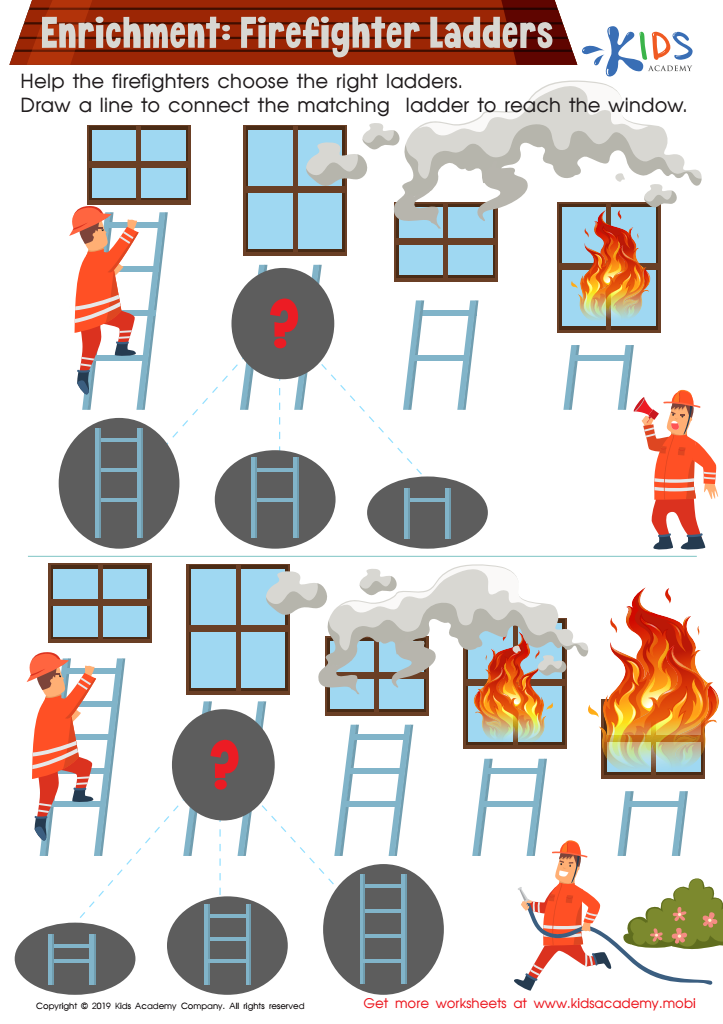
Enrichment: Firefighter Ladders Worksheet
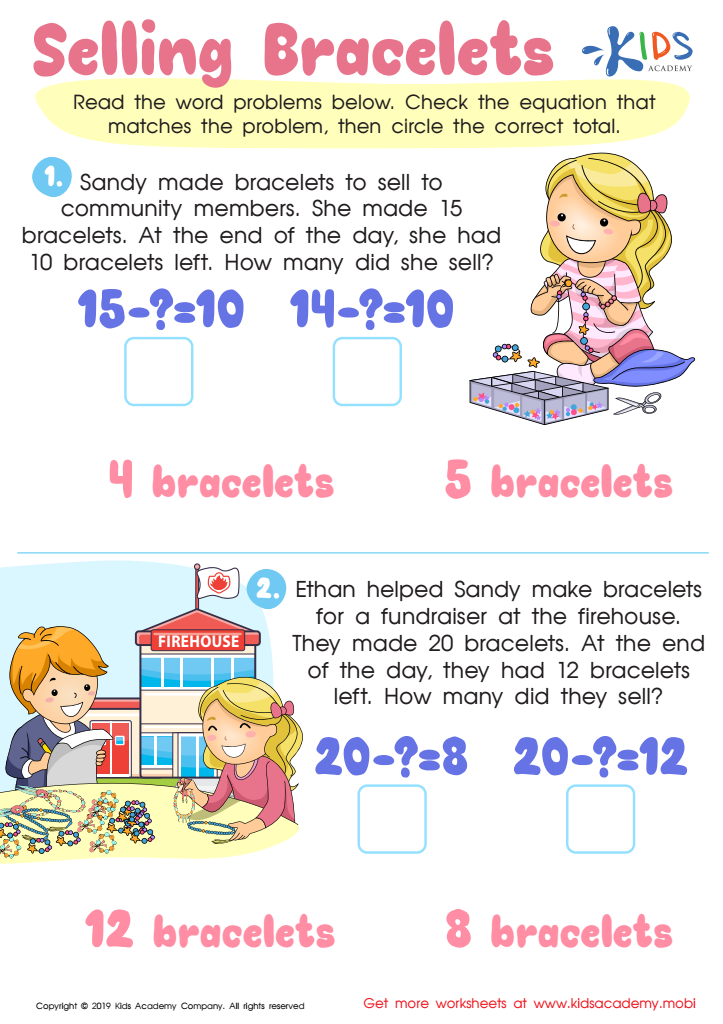
Selling the Bracelets Worksheet
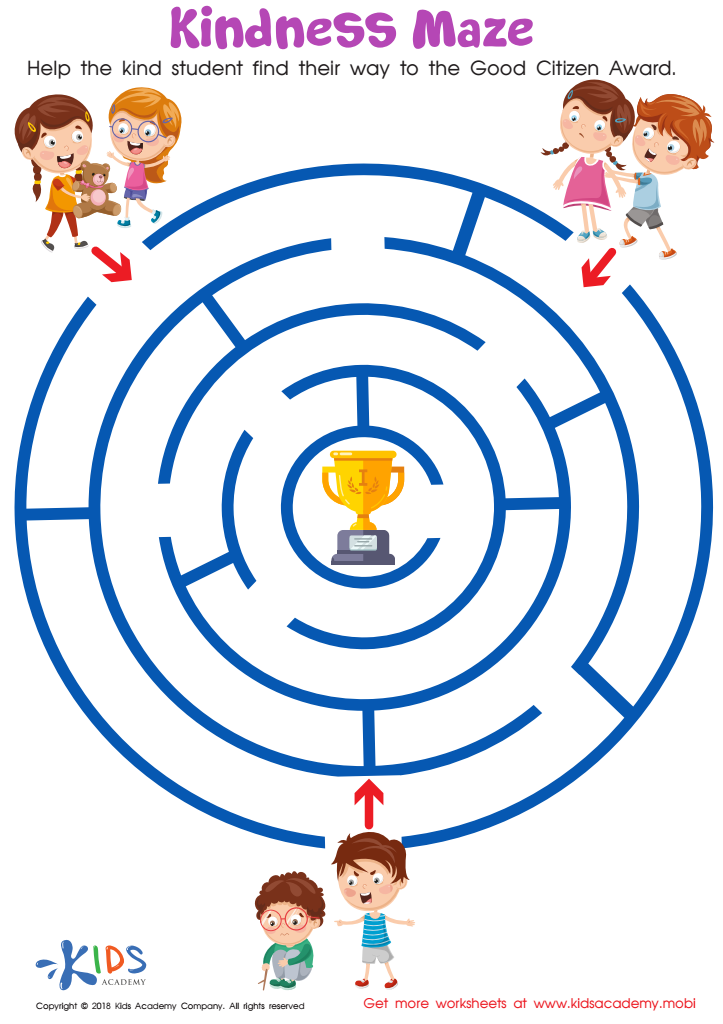
Kindness Maze Worksheet


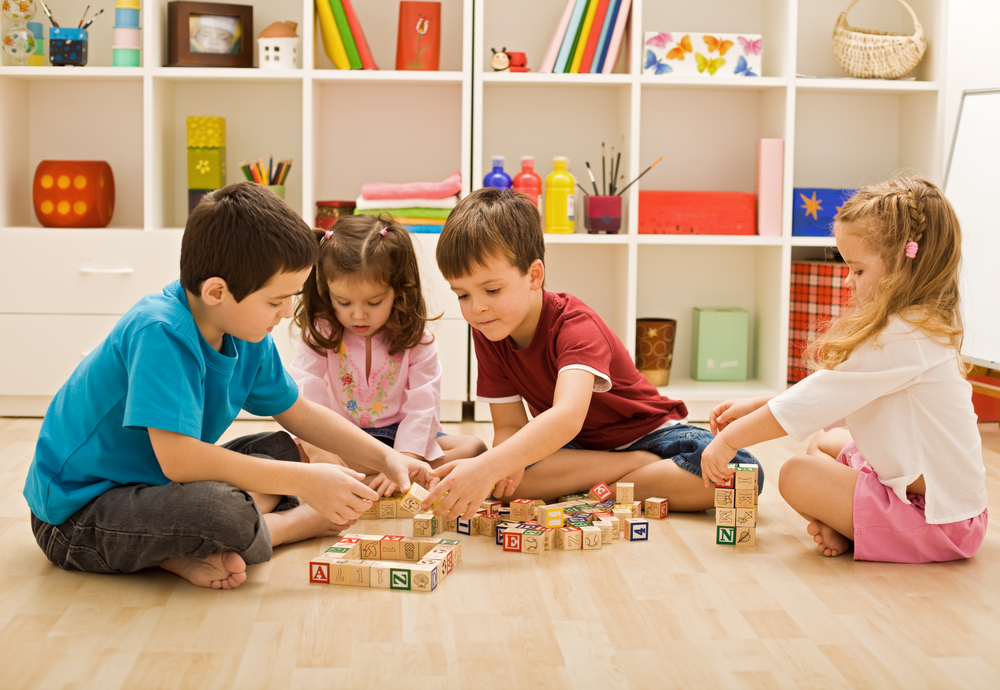




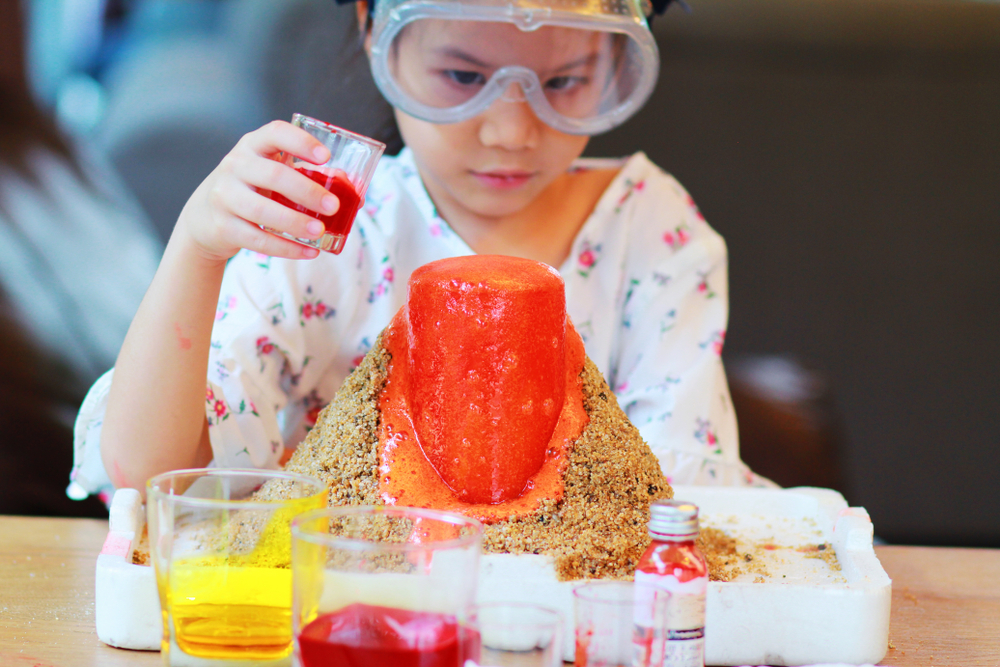
Developing problem-solving skills in 6-year-olds is critical for their overall cognitive, social, and emotional development. Firstly, these skills lay the groundwork for academic success. When children learn how to tackle problems systematically, they build essential thinking abilities that are useful in subjects like math and science. These early experiences also hone their critical thinking and reasoning skills.
Equally important, problem-solving fosters independence and self-confidence. When children learn to resolve small issues on their own, they build confidence in their abilities. This sense of self-efficacy is crucial as it contributes to a positive learning attitude and a willingness to take on challenges, both of which are essential traits for lifelong learning.
Furthermore, problem-solving skills are vital for social development. Children encounter conflicts and dilemmas in their interactions with peers. Learning to navigate these social problems equips them with essential skills for teamwork, empathy, and effective communication.
Lastly, emotional resilience is also a key benefit. Problem-solving teaches children that it’s okay to encounter and overcome obstacles, fostering a growth mindset. They learn that effort and perseverance can lead to solutions, which can significantly impact their academic and life success.
Thus, promoting problem-solving skills in 6-year-olds serves as a foundation for future academic achievements, social interactions, and emotional well-being, making it a crucial aspect of early childhood education.








