Problem-Solving Skills Easy Math Worksheets for Ages 7-9 - Page 2
36 filtered results
-
From - To
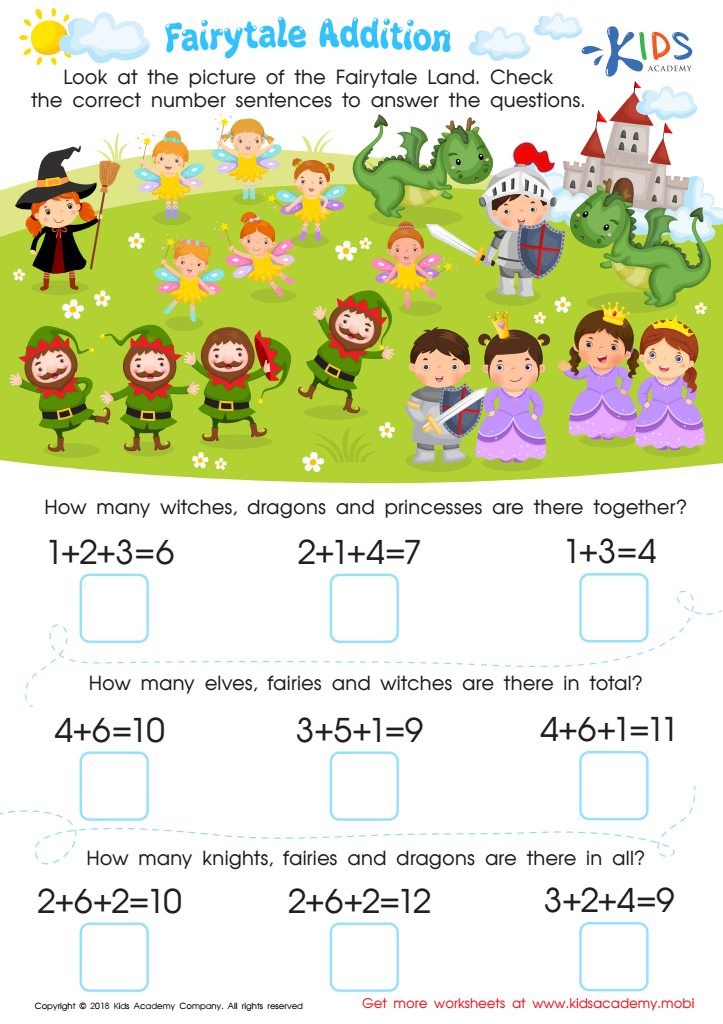
Fairytale Addition Worksheet
 Assign to My Students
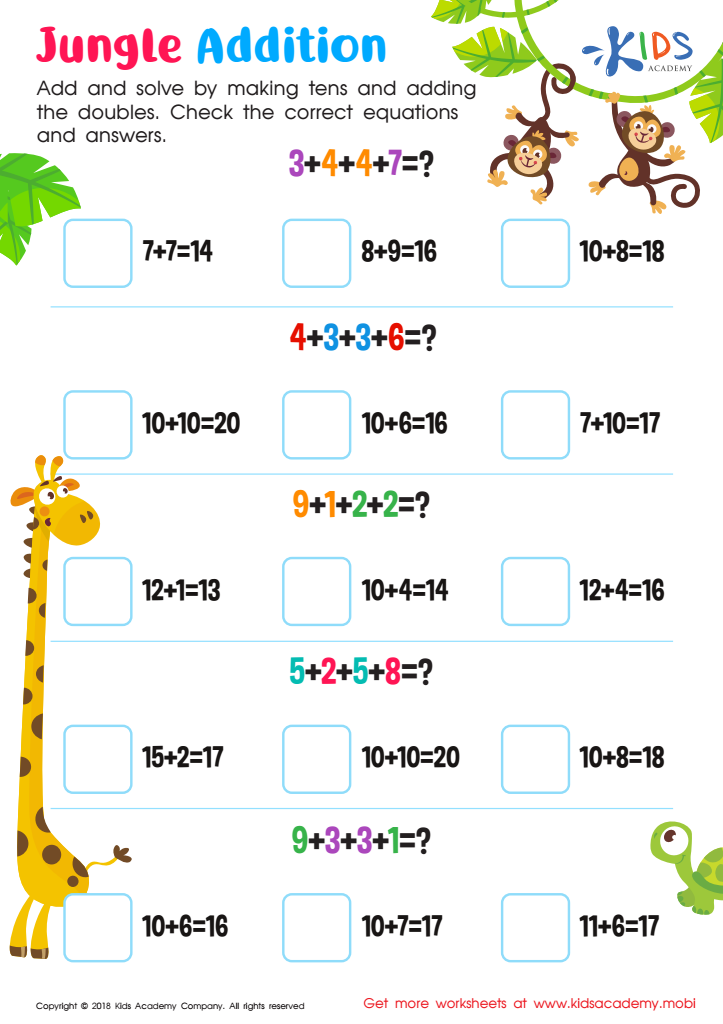
Jungle Addition Worksheet
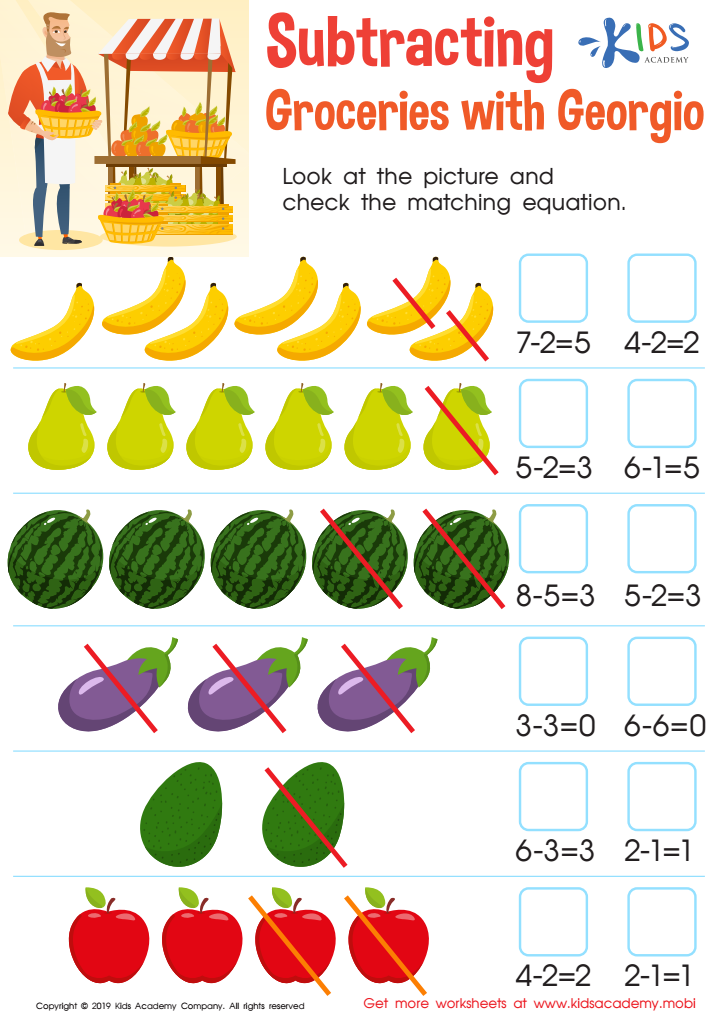
Subtracting: Groceries with Georgio Worksheet
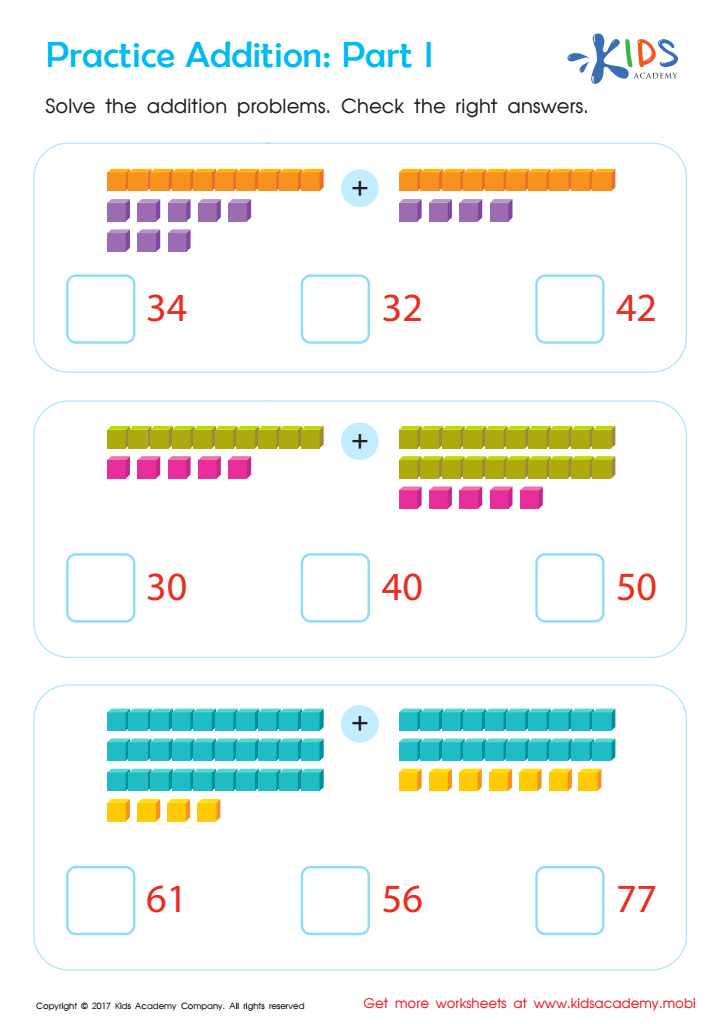
Practice Addition: Part 1 Worksheet
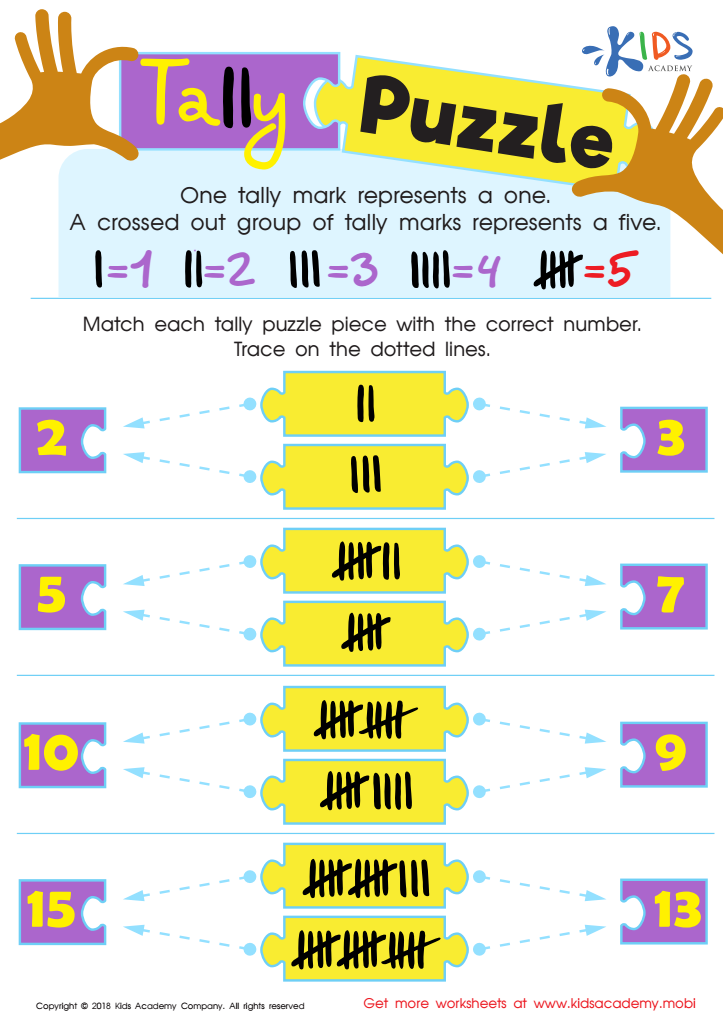
Tally Puzzle Worksheet
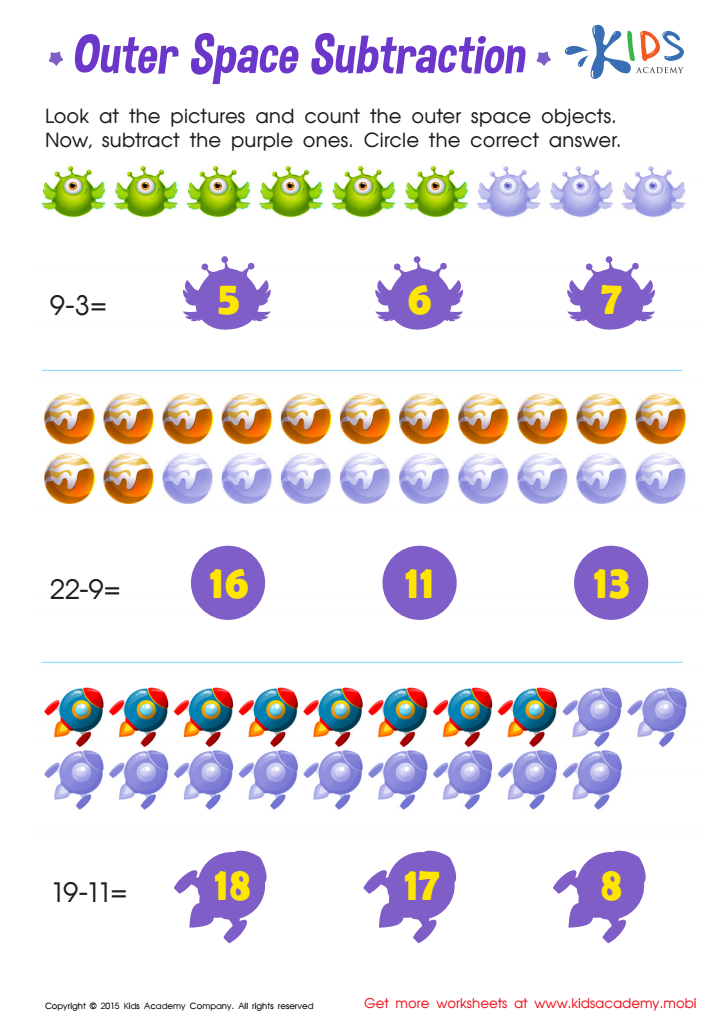
Outer Space Substraction Worksheet
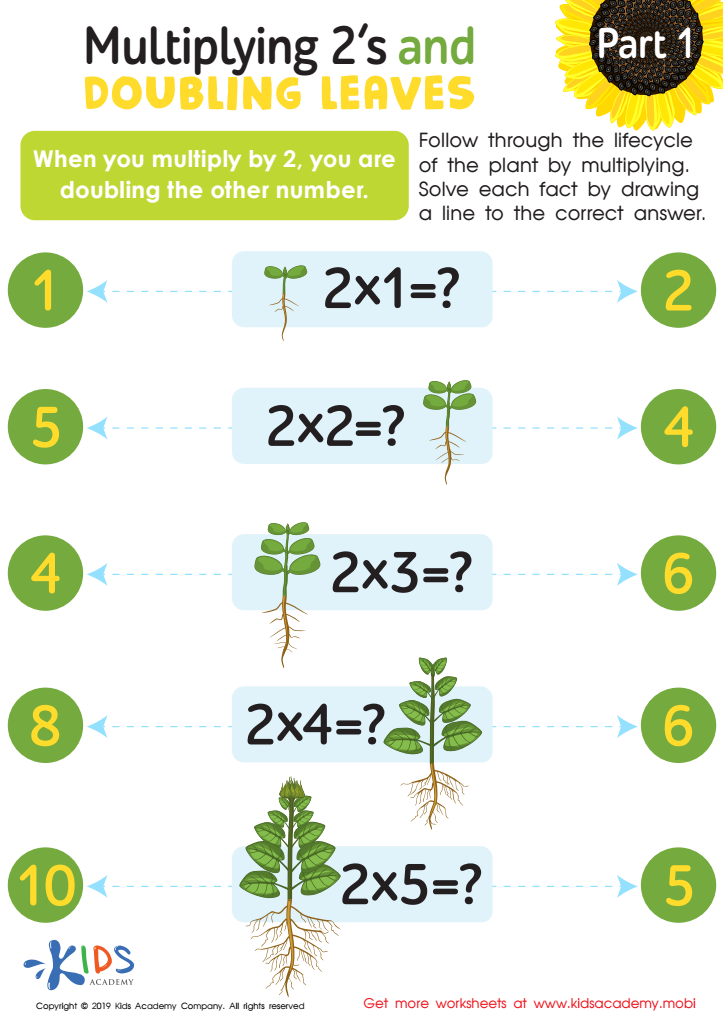
Multiplying 2’s and Doubling Leaves Part 1 Worksheet
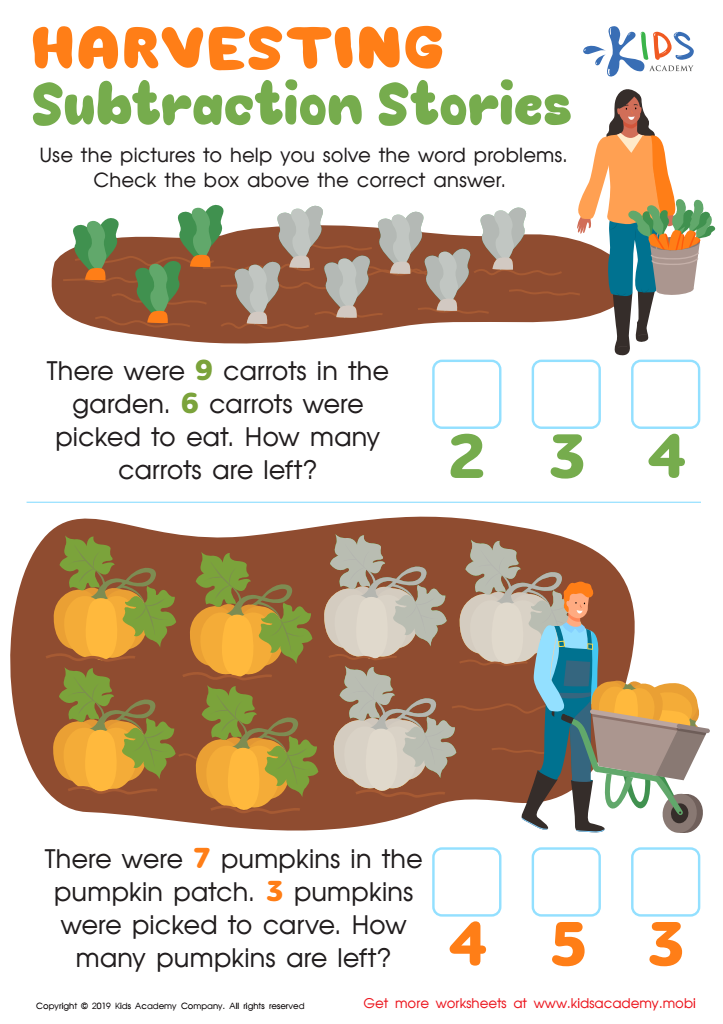
Harvesting Subtraction Stories Worksheet
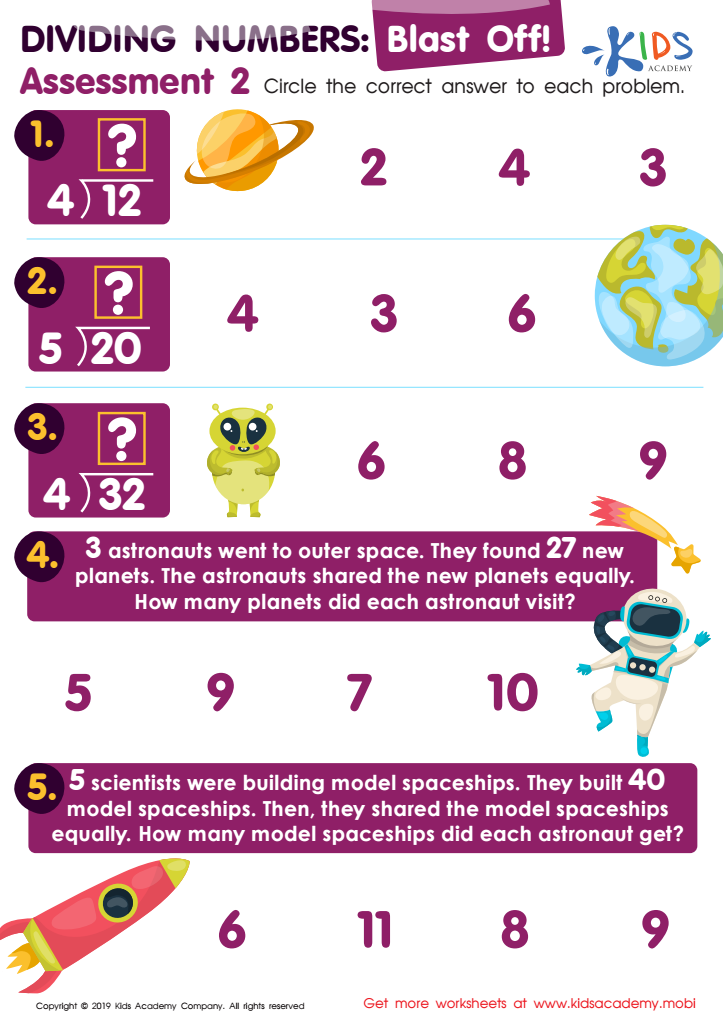
Dividing Numbers Assessment 2 Worksheet
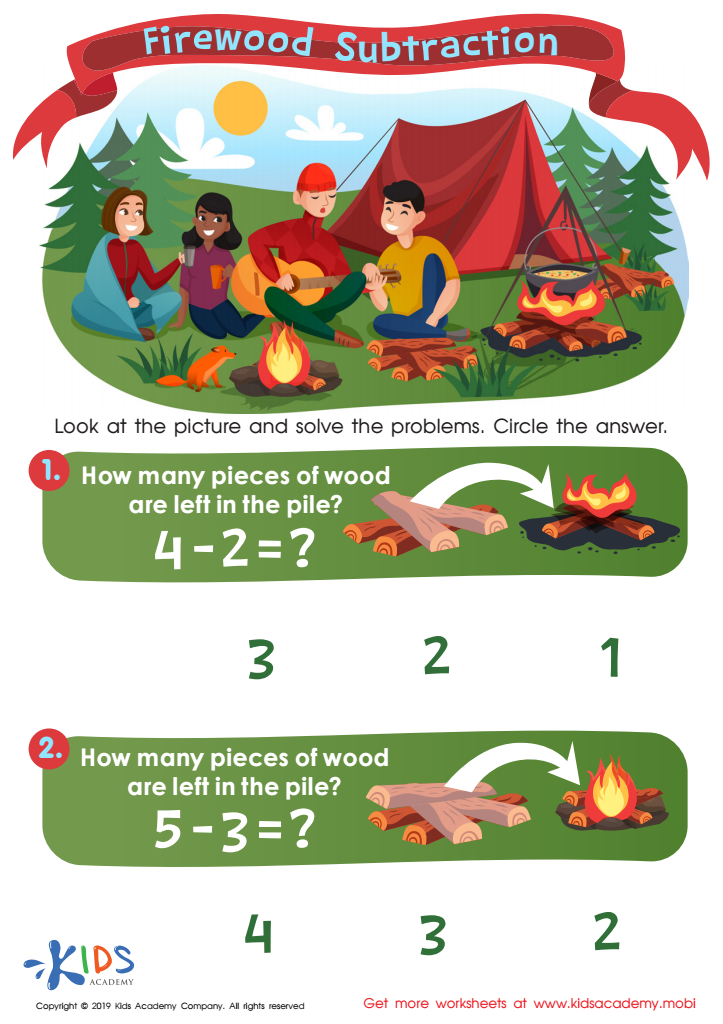
Firewood Subtraction Worksheet
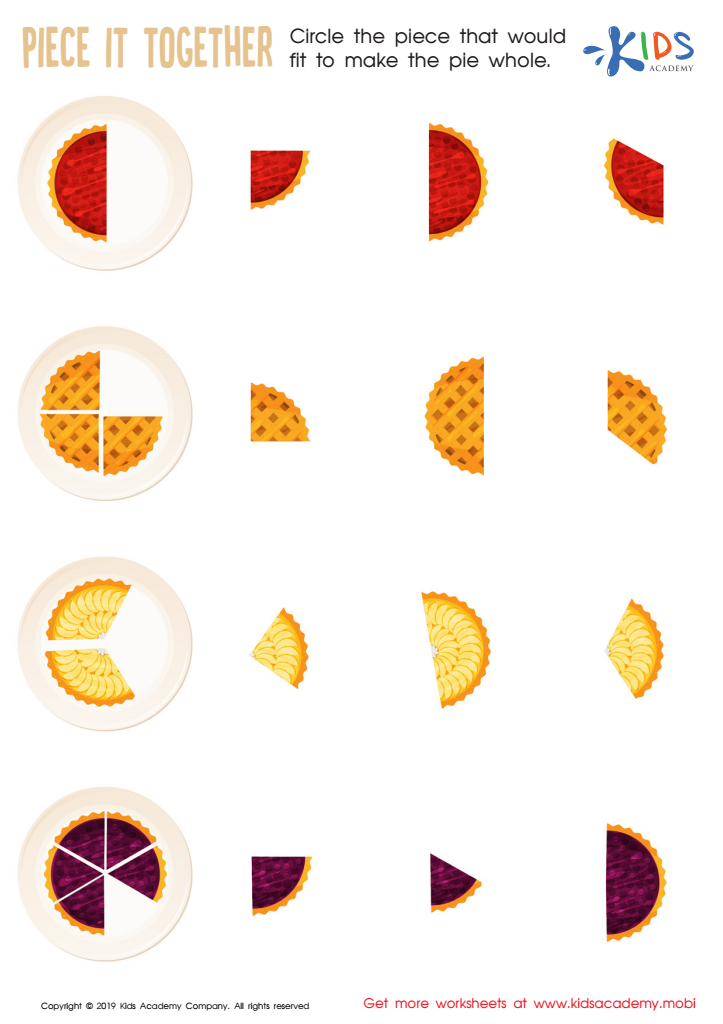
Piece it together Worksheet
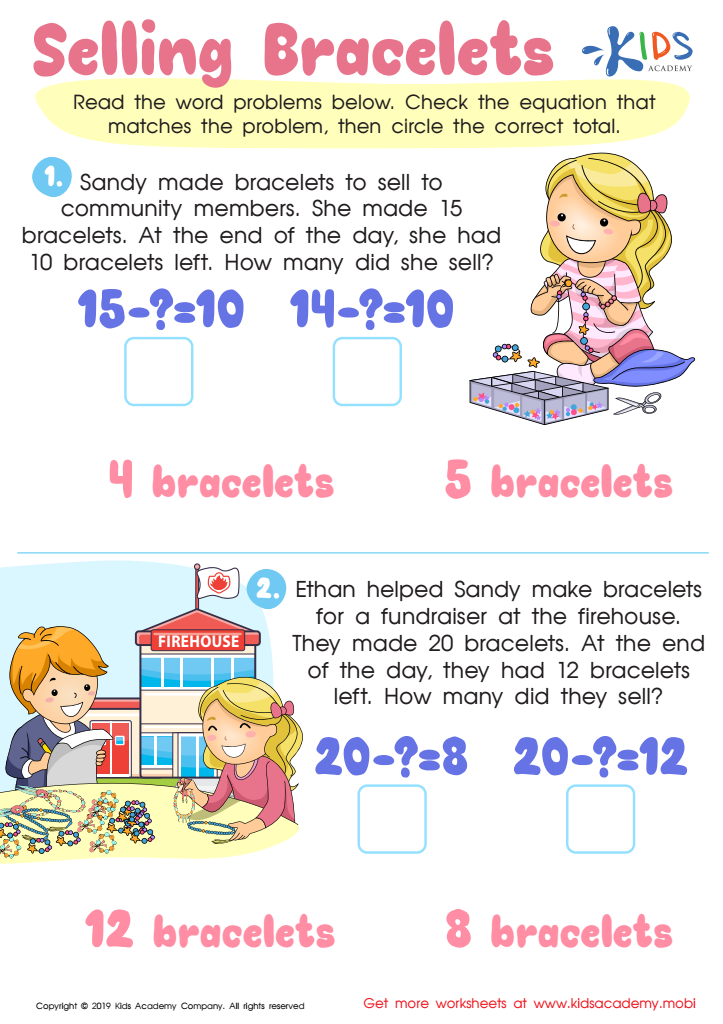
Selling the Bracelets Worksheet








Parents and teachers should prioritize problem-solving skills in math for children aged 7-9 because these skills form the foundation for critical thinking and analytical abilities essential for future academic success. At this age, children are transitioning from basic arithmetic to more complex concepts, and mastering problem-solving empowers them to tackle challenges with confidence.
Engaging children in problem-solving activities fosters creativity, resilience, and a growth mindset. It encourages them to explore multiple approaches to a problem, bolstering their ability to reason logically and make informed decisions. Additionally, these skills promote persistence; children learn that mistakes are opportunities for learning, enhancing their ability to cope with frustration and setbacks.
Furthermore, strong problem-solving skills are linked to everyday life situations outside the classroom, from budgeting their allowances to strategizing in games. This real-world application emphasizes the relevance of math, making learning more meaningful and relatable.
By supporting the development of problem-solving skills, parents and teachers equip children not only for academic challenges but also for life's uncertainties, creating confident learners prepared for future careers in a rapidly changing world. Investing in these skills now lays the groundwork for lifelong learning and adaptable thinking.








