Problem-Solving Skills Easy Worksheets for 7-Year-Olds - Page 2
40 filtered results
-
From - To
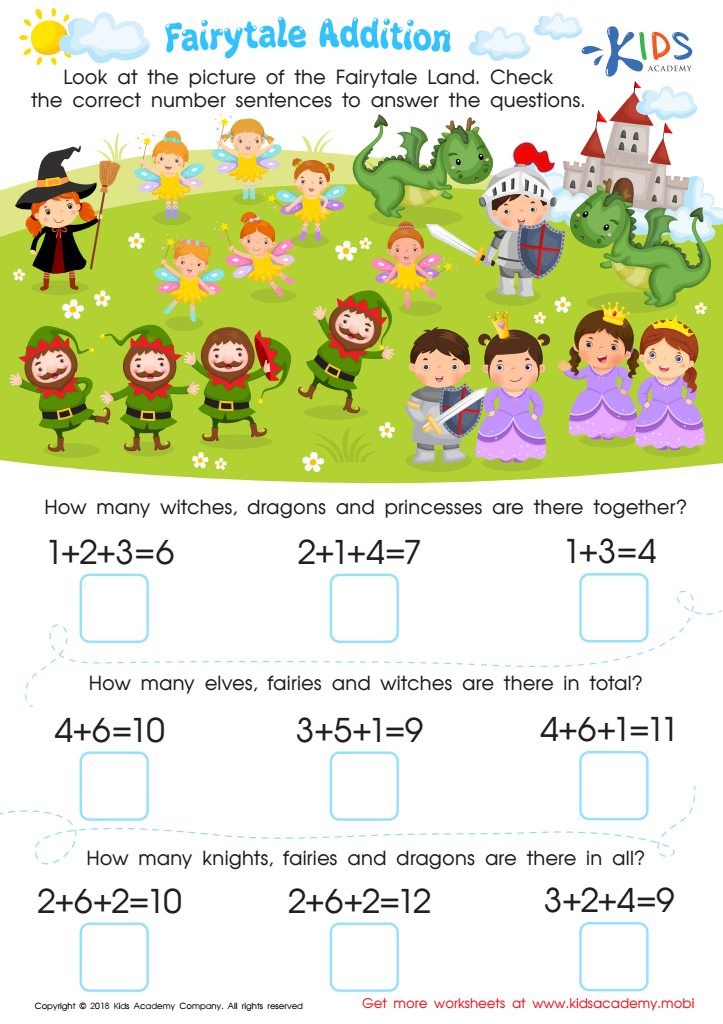
Fairytale Addition Worksheet
 Assign to My Students
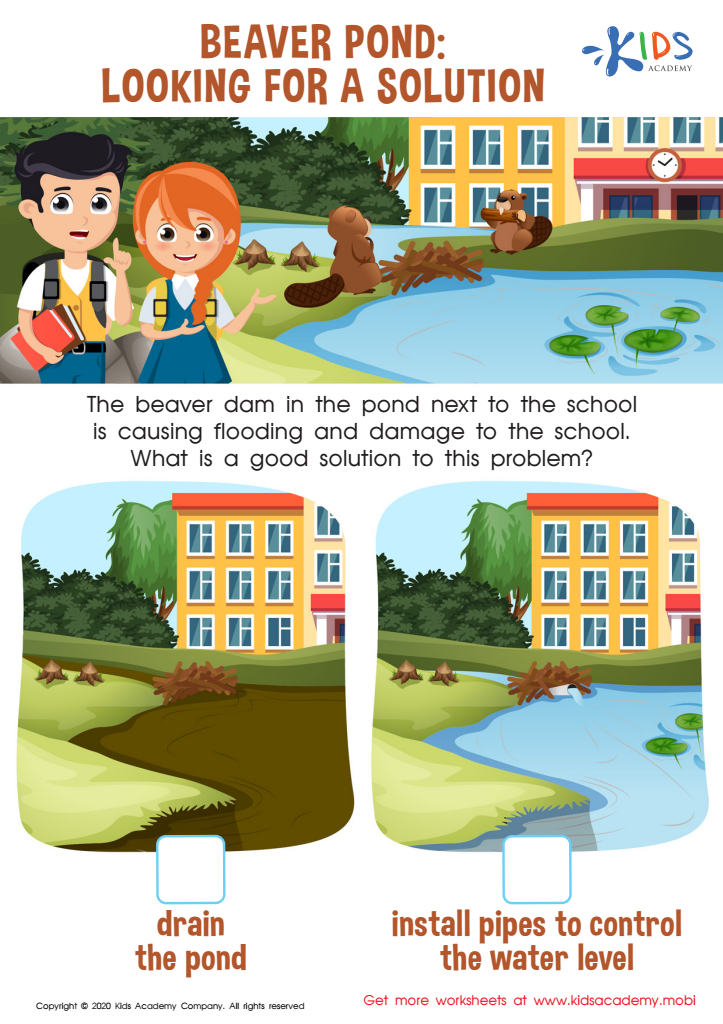
Beaver Pond: Looking for a Solution Worksheet
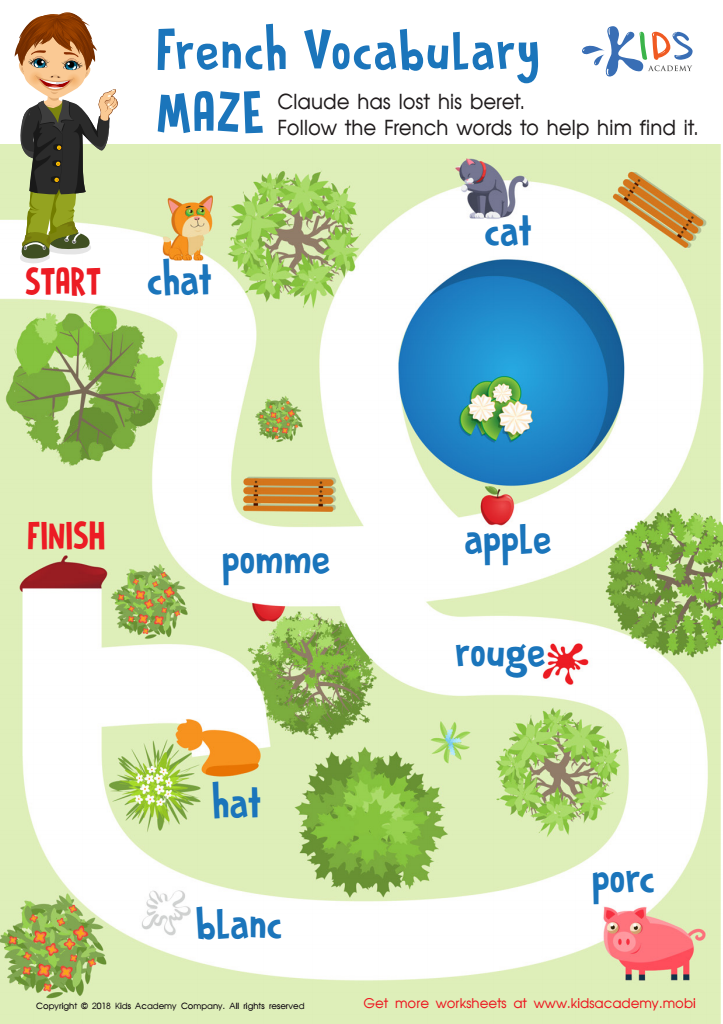
French Vocabulary Maze Worksheet
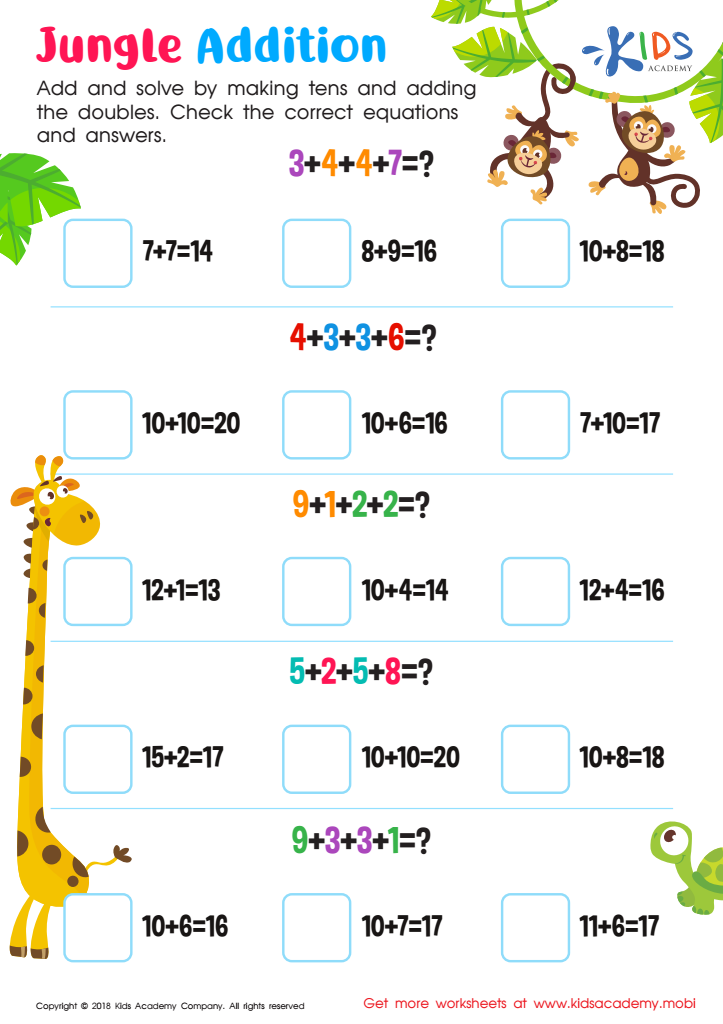
Jungle Addition Worksheet
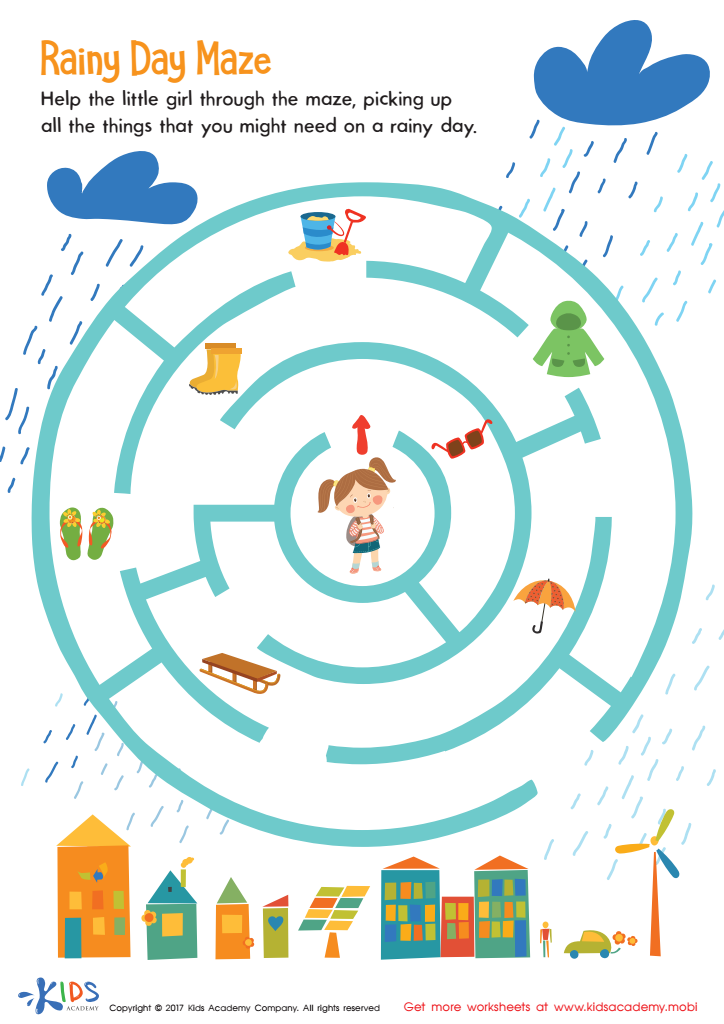
Rainy Day Maze Worksheet

Subtracting: Groceries with Georgio Worksheet
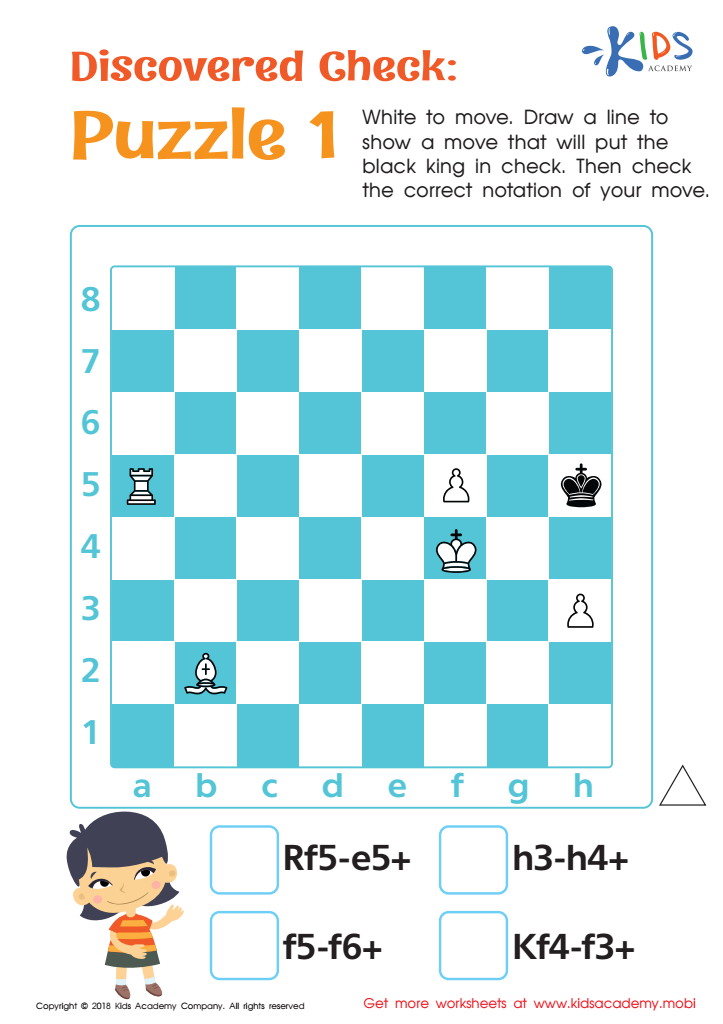
Discovered Check: Puzzle 1 Worksheet
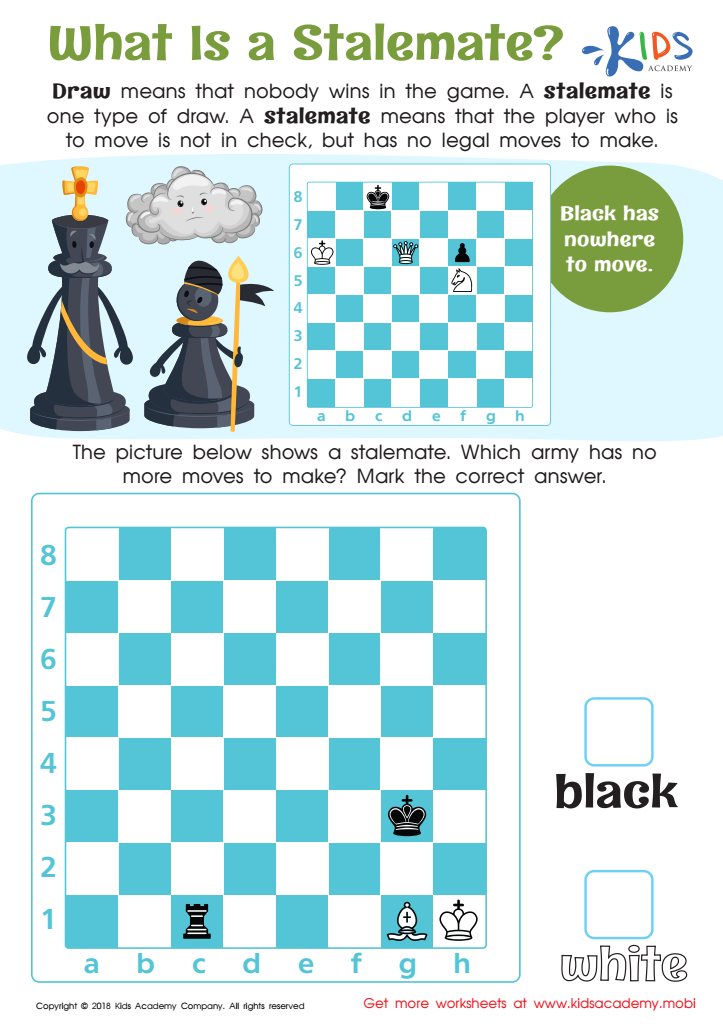
What Is a Stalemate? Worksheet
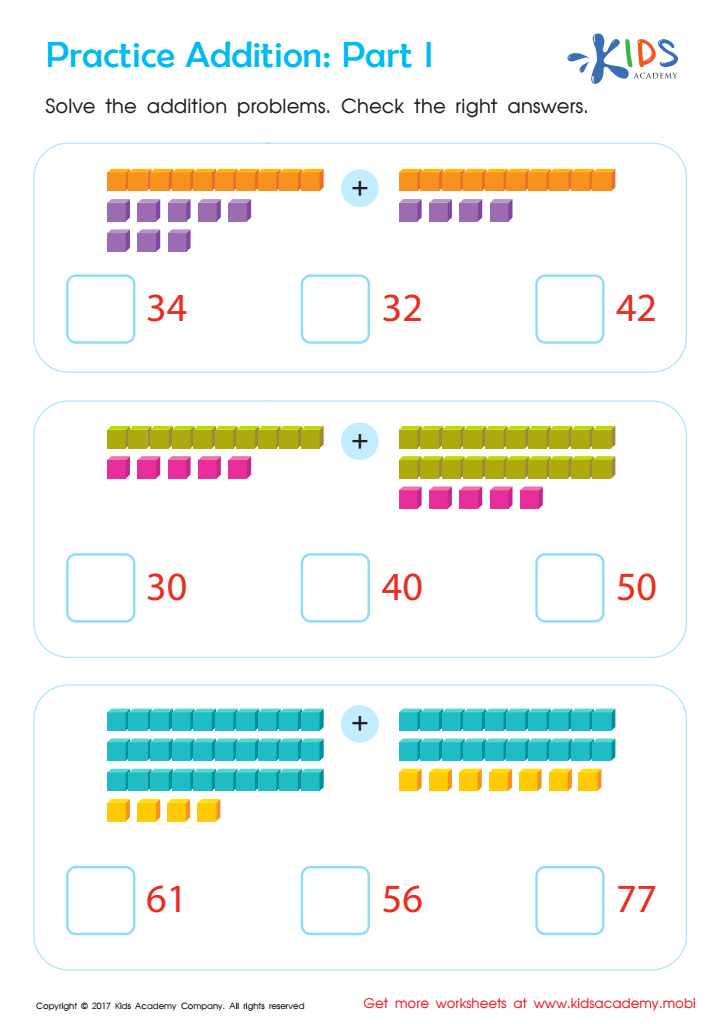
Practice Addition: Part 1 Worksheet
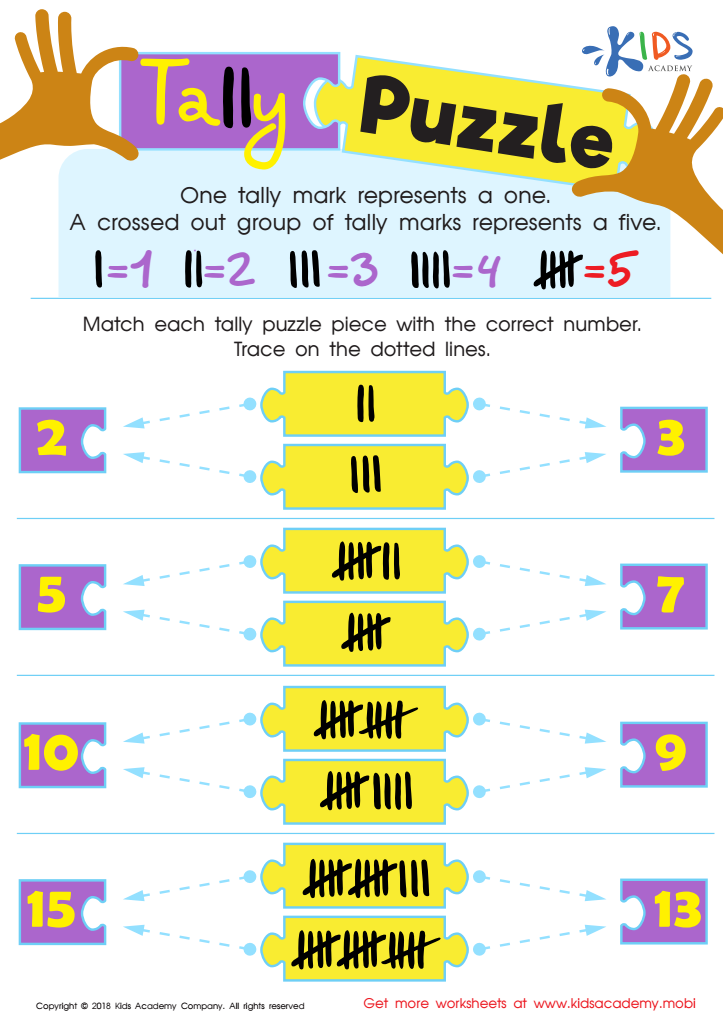
Tally Puzzle Worksheet
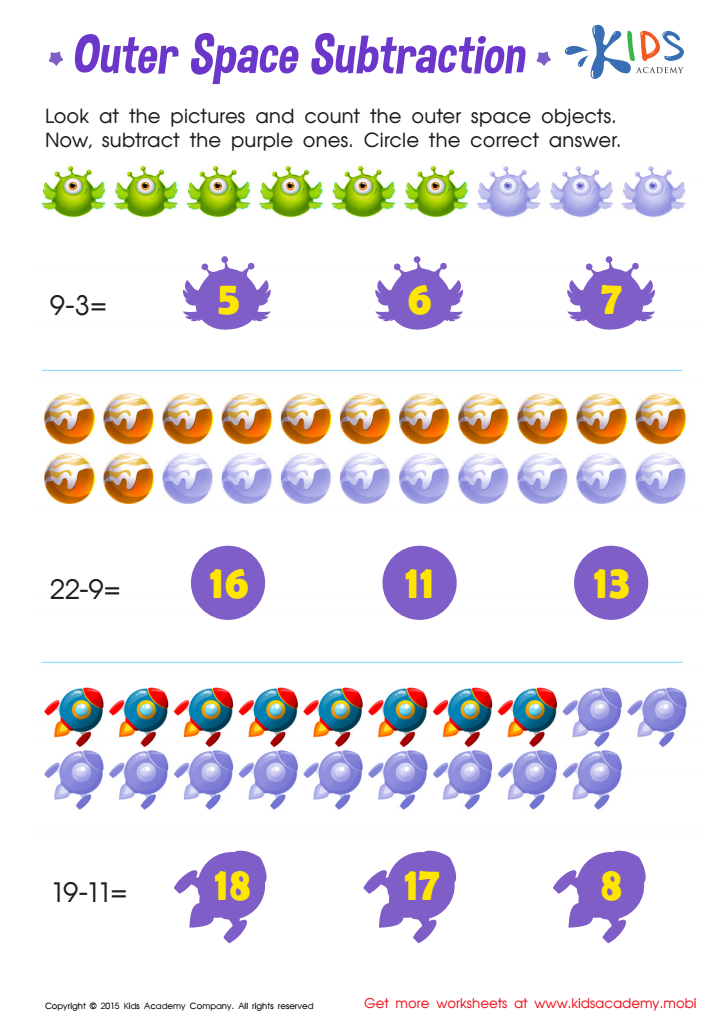
Outer Space Substraction Worksheet
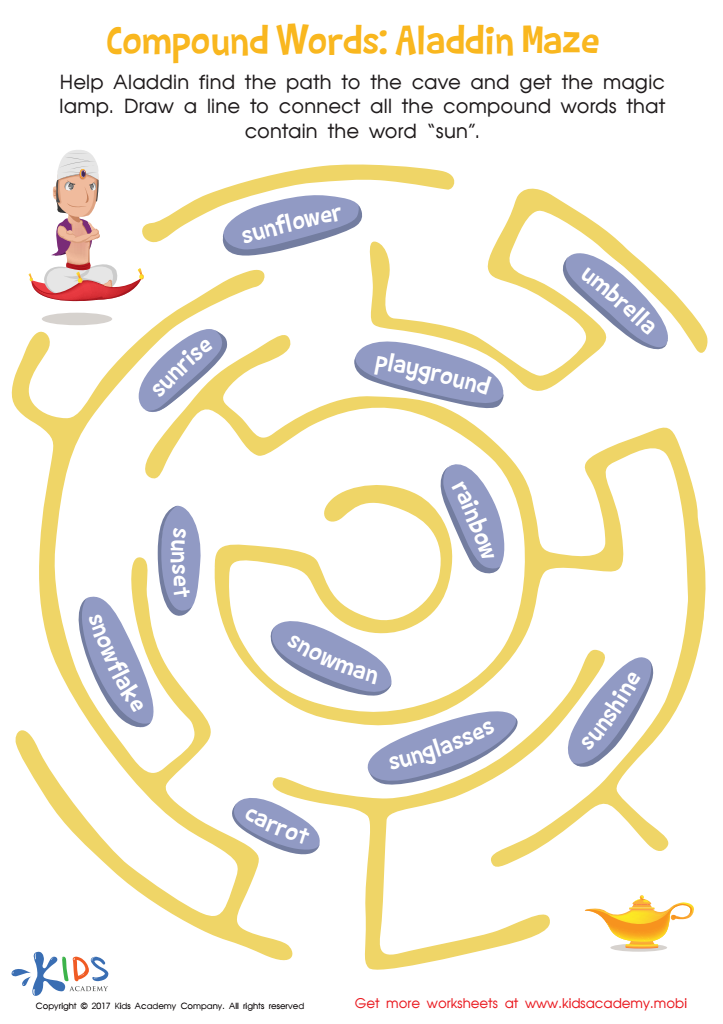
Compound Aladdin Maze Word Structure Worksheet
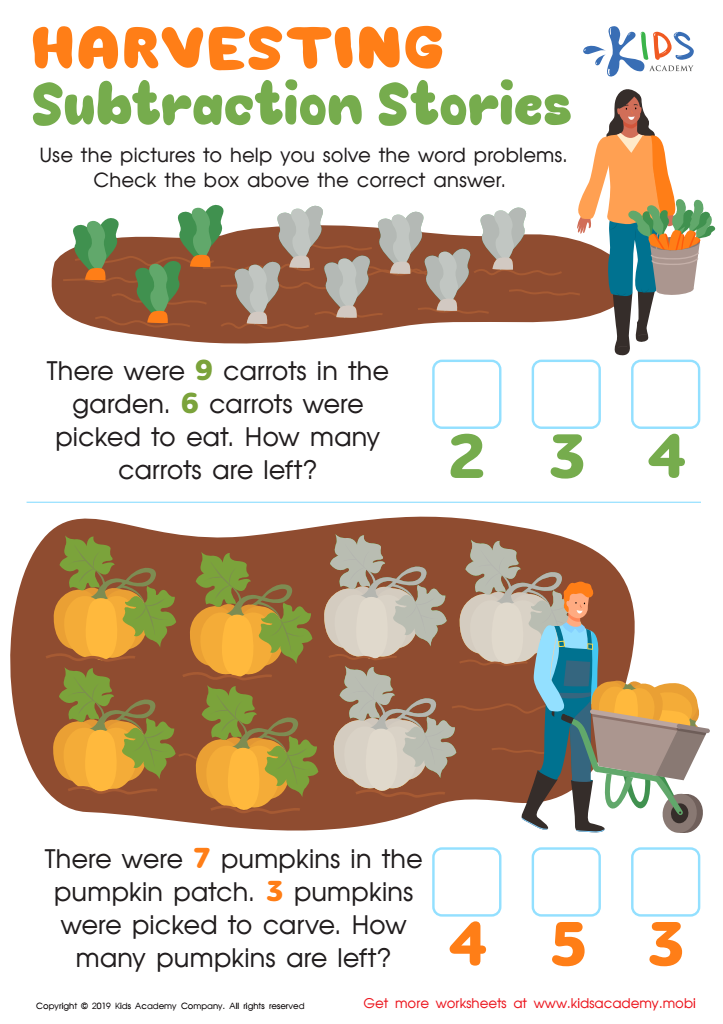
Harvesting Subtraction Stories Worksheet
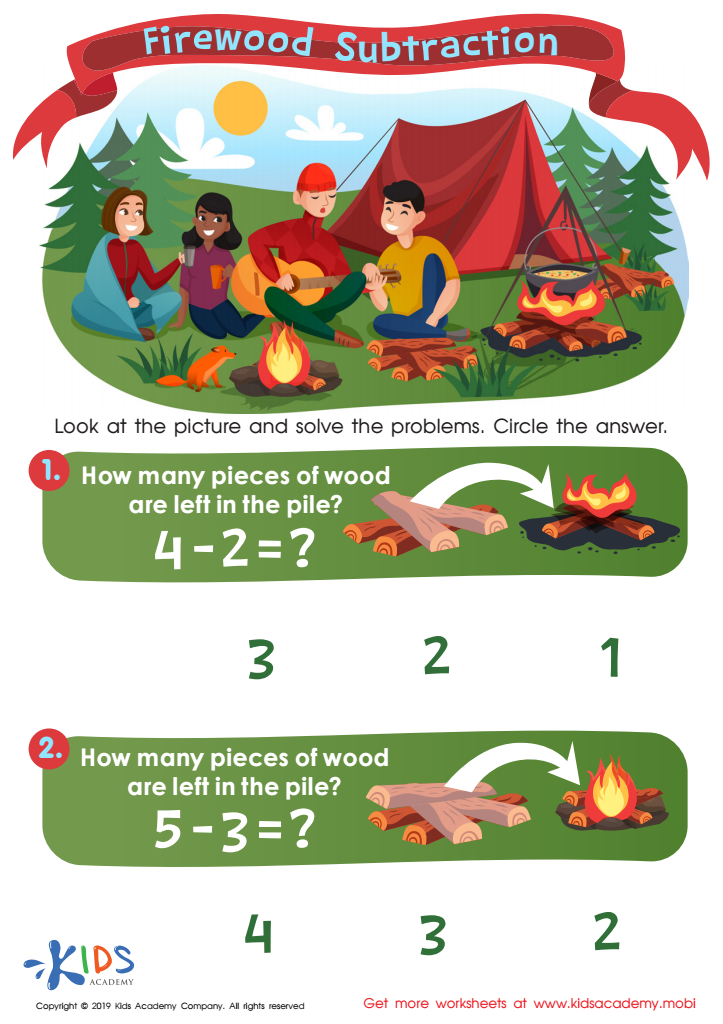
Firewood Subtraction Worksheet

Piece it together Worksheet
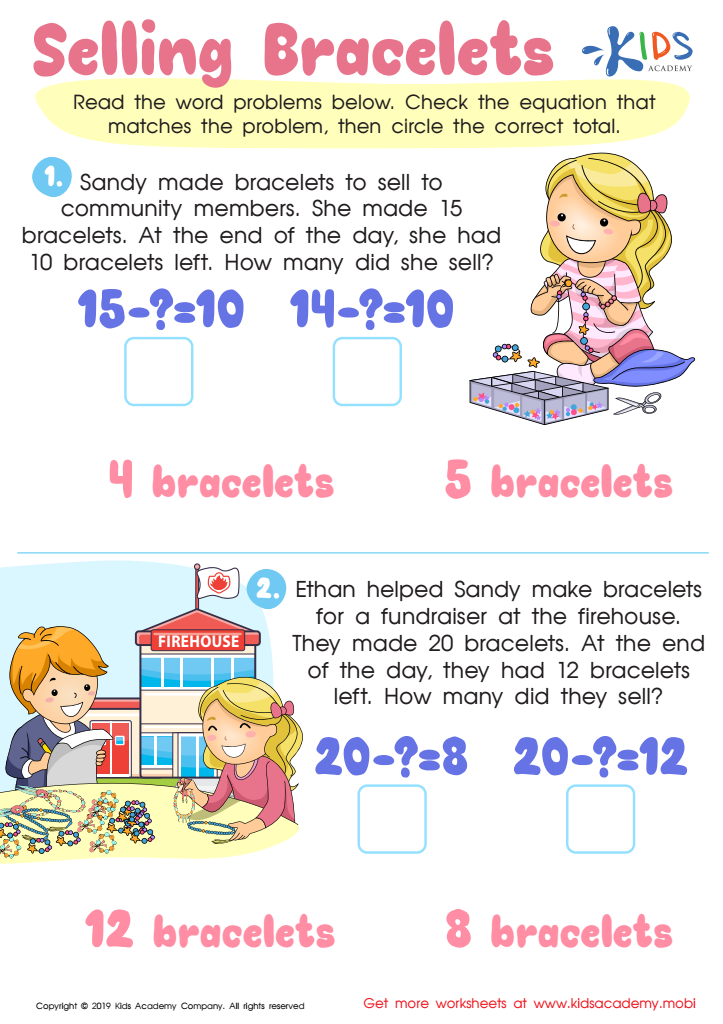
Selling the Bracelets Worksheet







Problem-solving skills are essential for 7-year-olds because they lay the groundwork for later successes in both academic pursuits and everyday life. First, these skills foster critical thinking. When children are taught to solve problems, they learn to analyze situations, understand various aspects of a problem, and explore different solutions. This process enhances their ability to think logically and critically about the world around them.
Second, problem-solving encourages creativity. When young kids are given the freedom to find solutions to problems, they often come up with innovative and original ideas. This creativity is not limited to academic subjects but extends into other areas of life, from interpersonal relationships to extracurricular activities.
Third, strong problem-solving skills build confidence. When children are successful in solving problems, they feel more capable and self-reliant. This confidence boosts their willingness to face new challenges, be they in the classroom or on the playground.
Lastly, problem-solving skills are crucial for collaborative interaction. Children learn not only to come up with their own solutions but also to listen to others, share ideas, and work together to overcome obstacles. This promotes excellent communication abilities and helps form a foundation of teamwork that is useful throughout life.
Overall, prioritizing problem-solving skills in young children offers benefits that extend well beyond academic achievement, improving their overall life skills and emotional well-being.








