Fine Motor Skills English for Beginners Worksheets - Page 2
62 filtered results
-
From - To
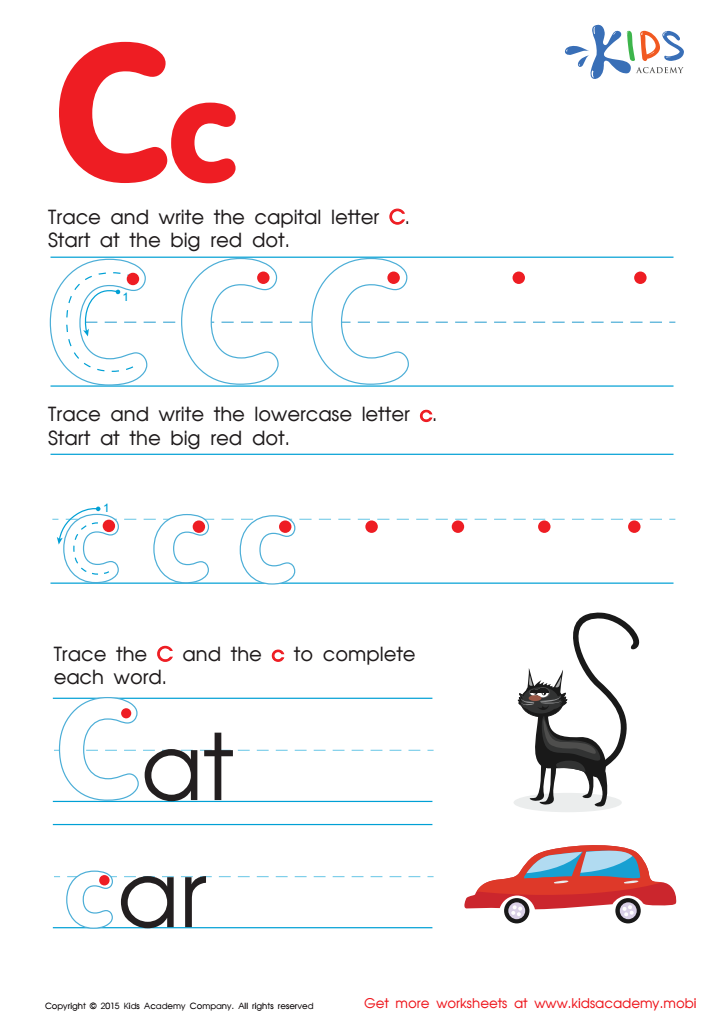
Letter C Tracing Page

Black and Brown Coloring Fun Worksheet
 Assign to My Students
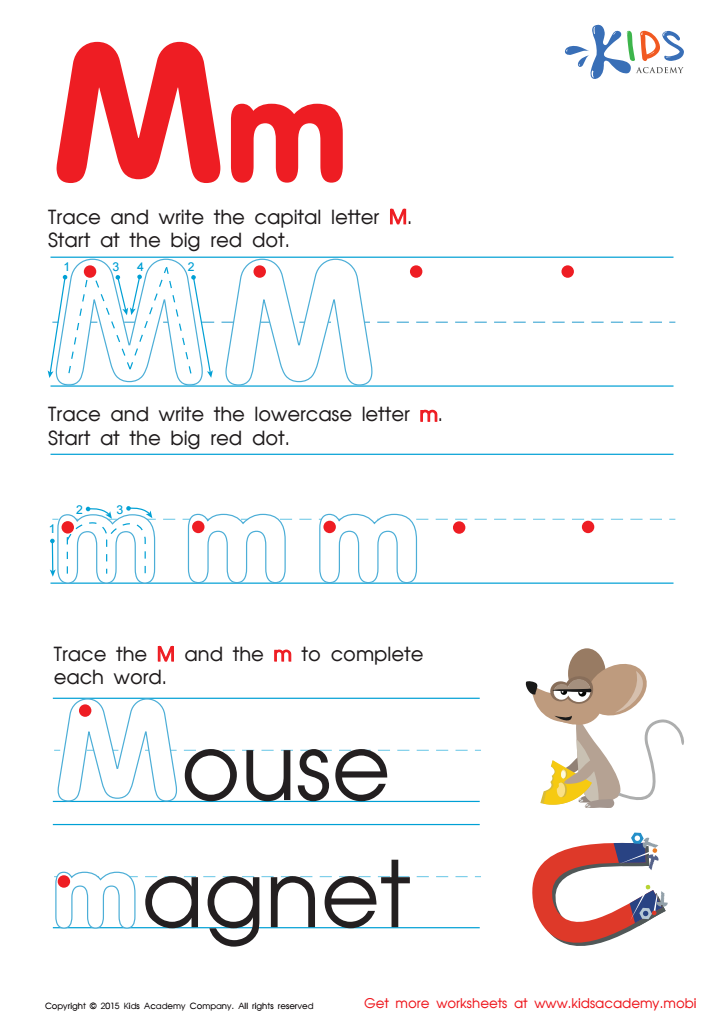
Letter M Tracing Page
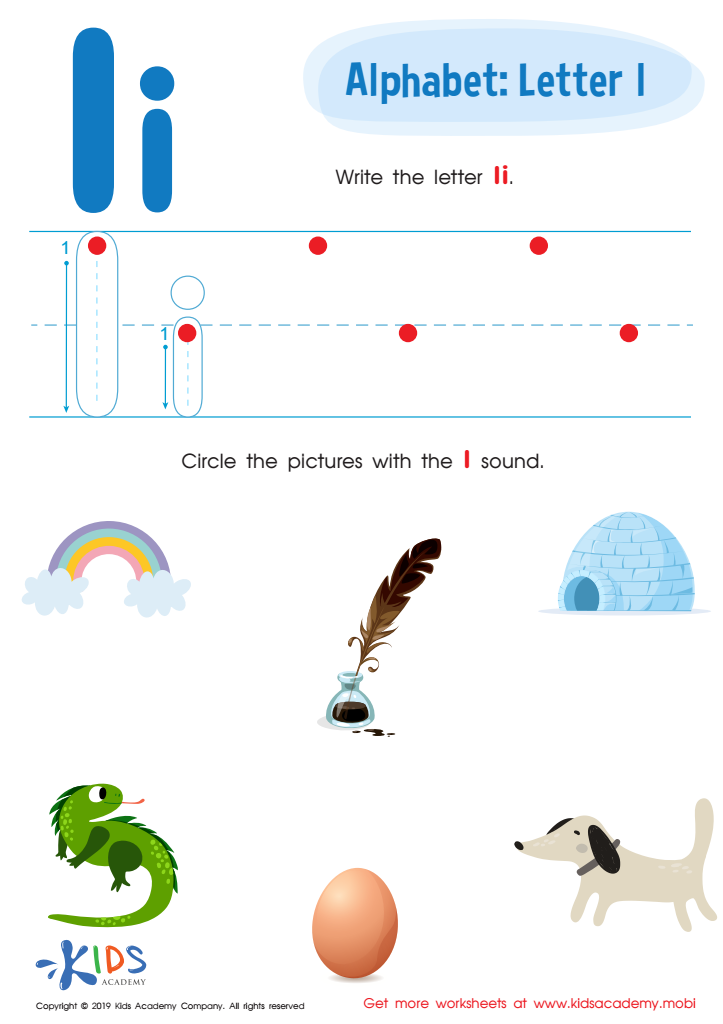
Letter I Tracing Worksheet

Letter G Tracing Page
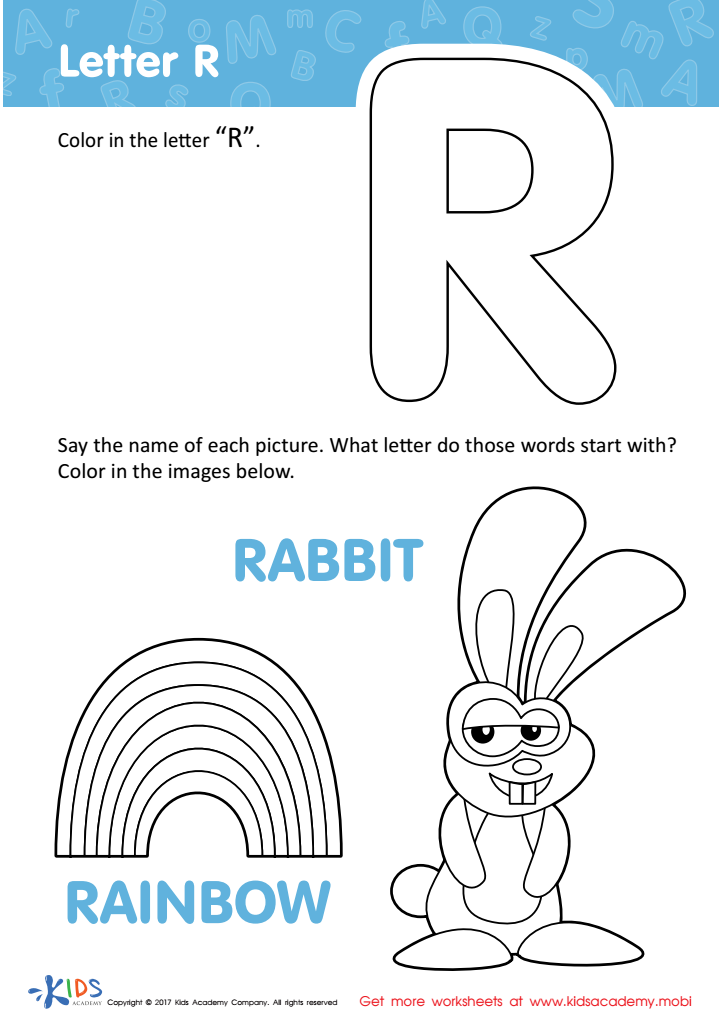
Letter R Coloring Sheet
Assign to My Students
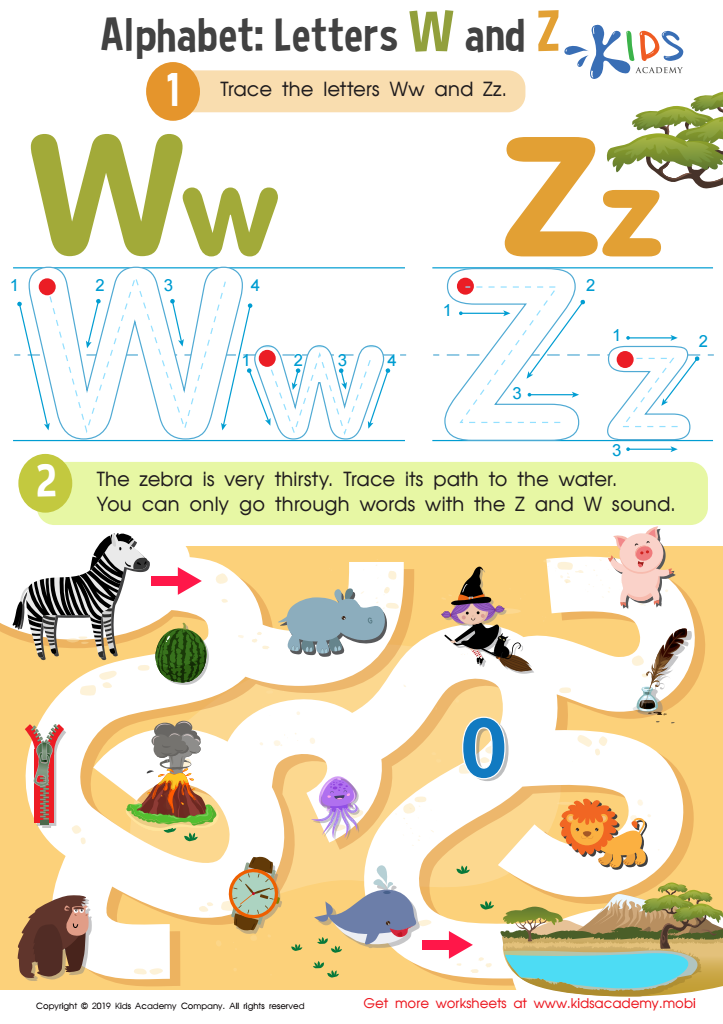
Letters W and Z Tracing Worksheet
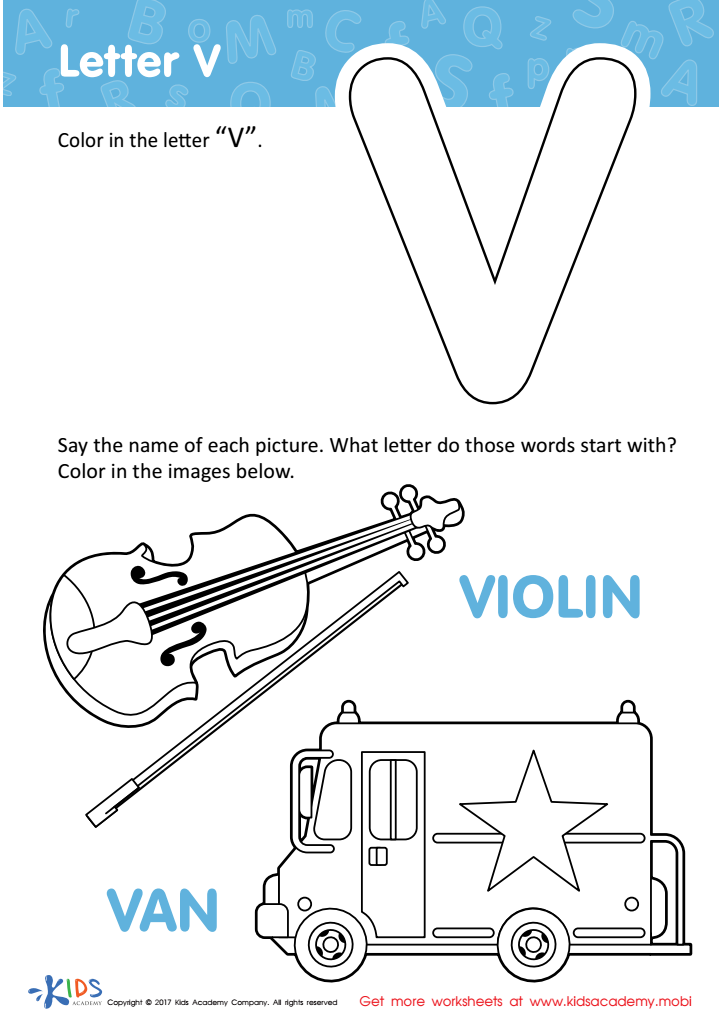
Letter V Coloring Sheet
Assign to My Students
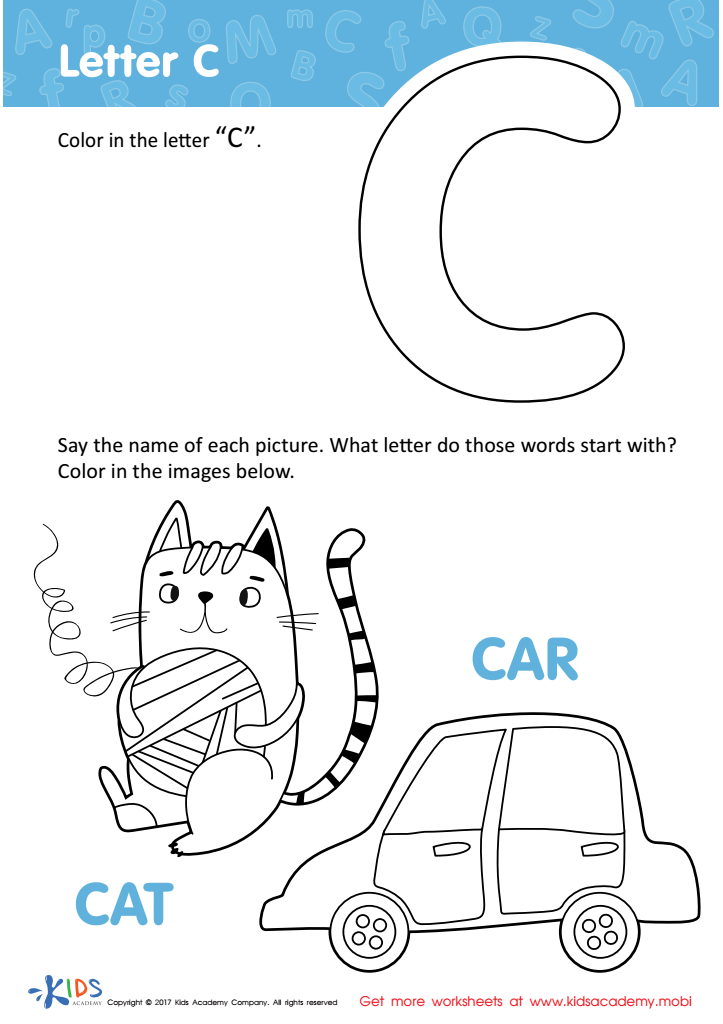
Letter C Coloring Sheet
Assign to My Students
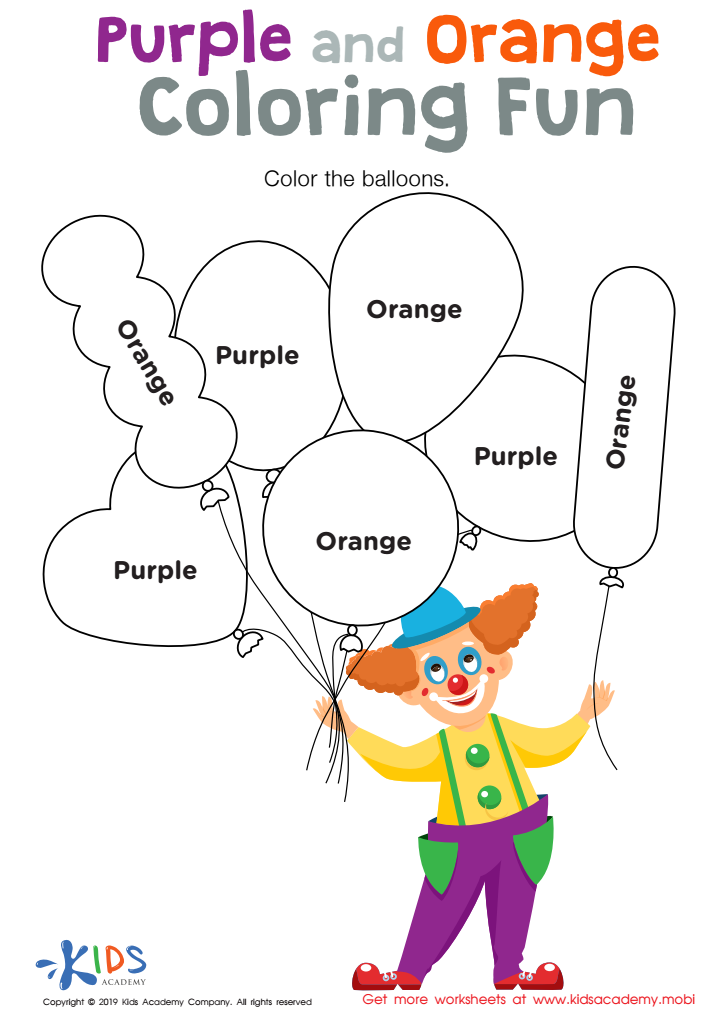
Purple and Orange Coloring Fun Worksheet
Assign to My Students
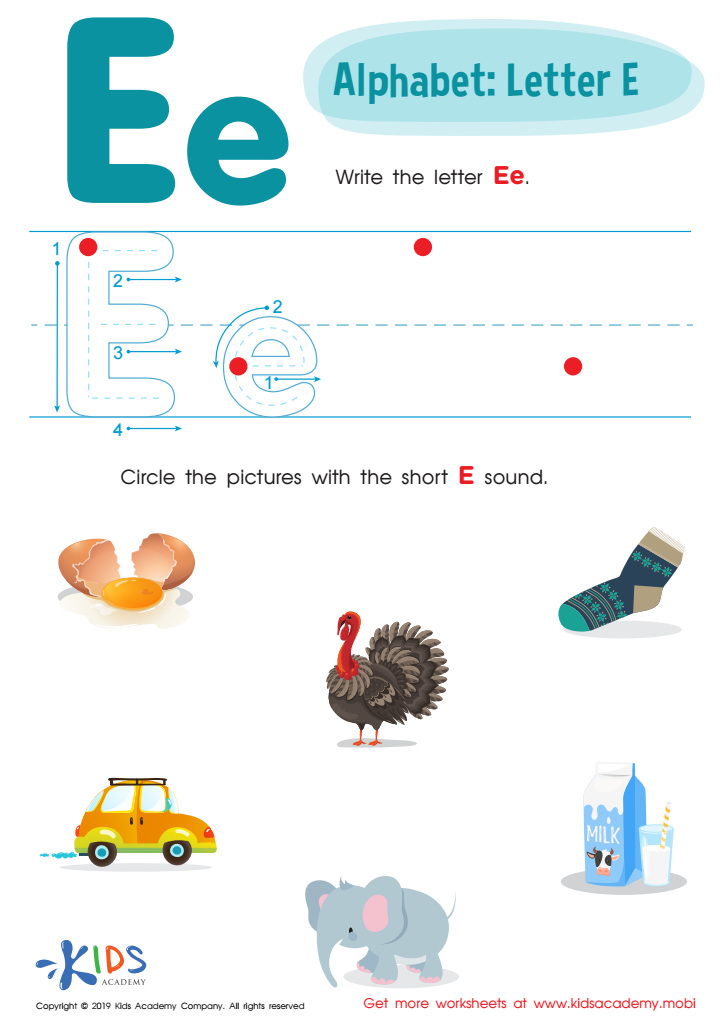
Letter E Tracing Worksheet
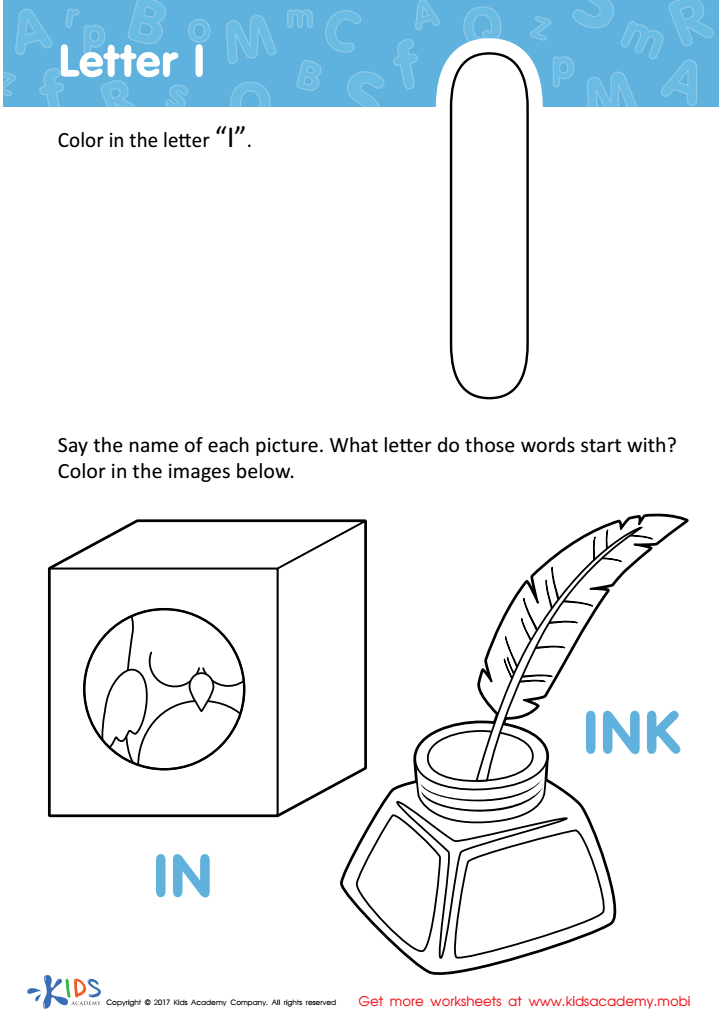
Letter I Coloring Sheet
Assign to My Students
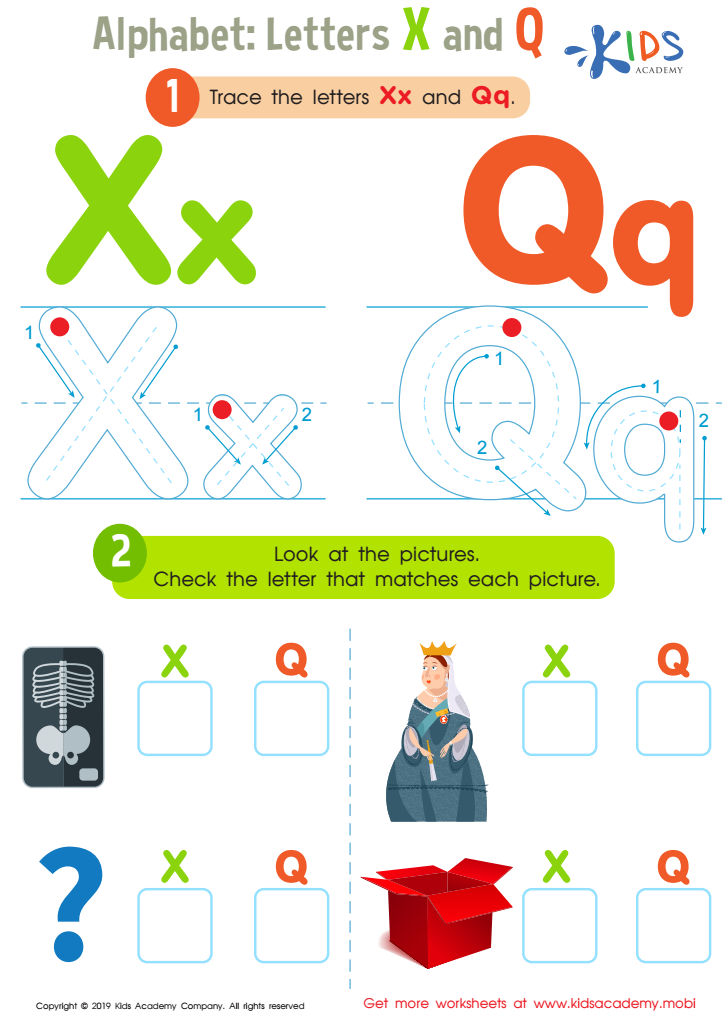
Letters X and Q Tracing Worksheet
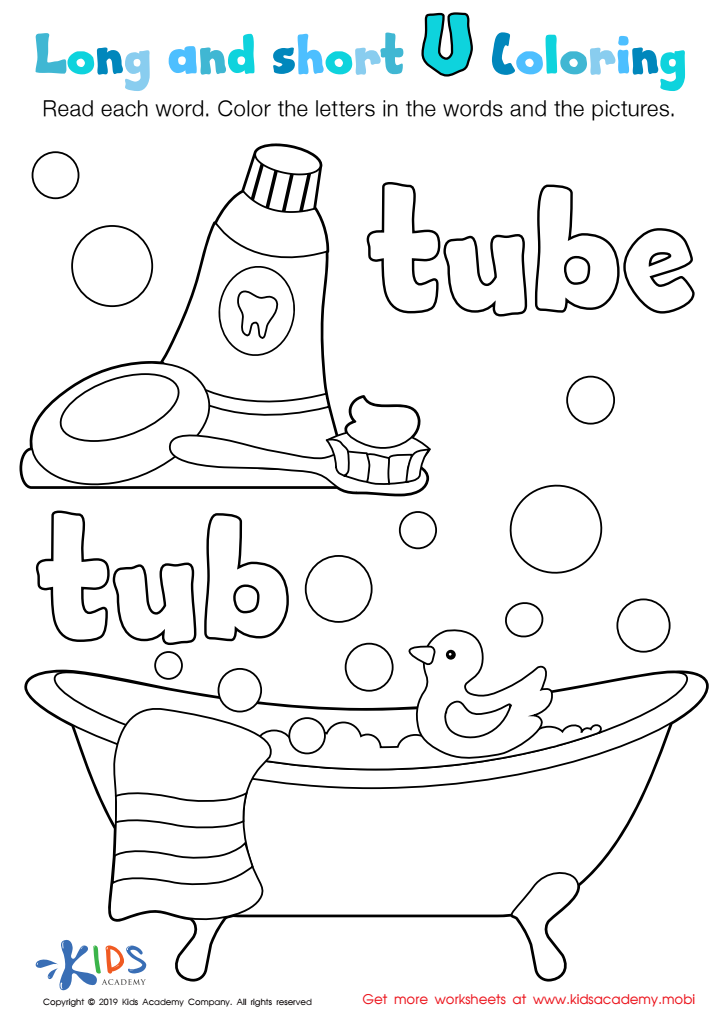
Long and Short U Worksheet
Assign to My Students
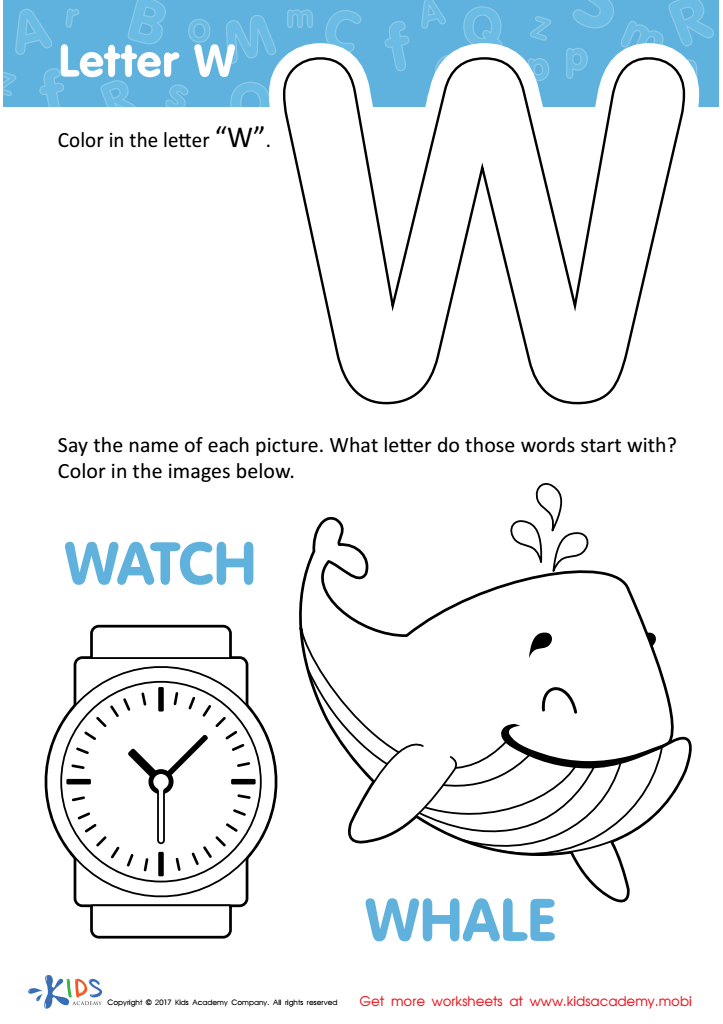
Letter W Coloring Sheet
Assign to My Students
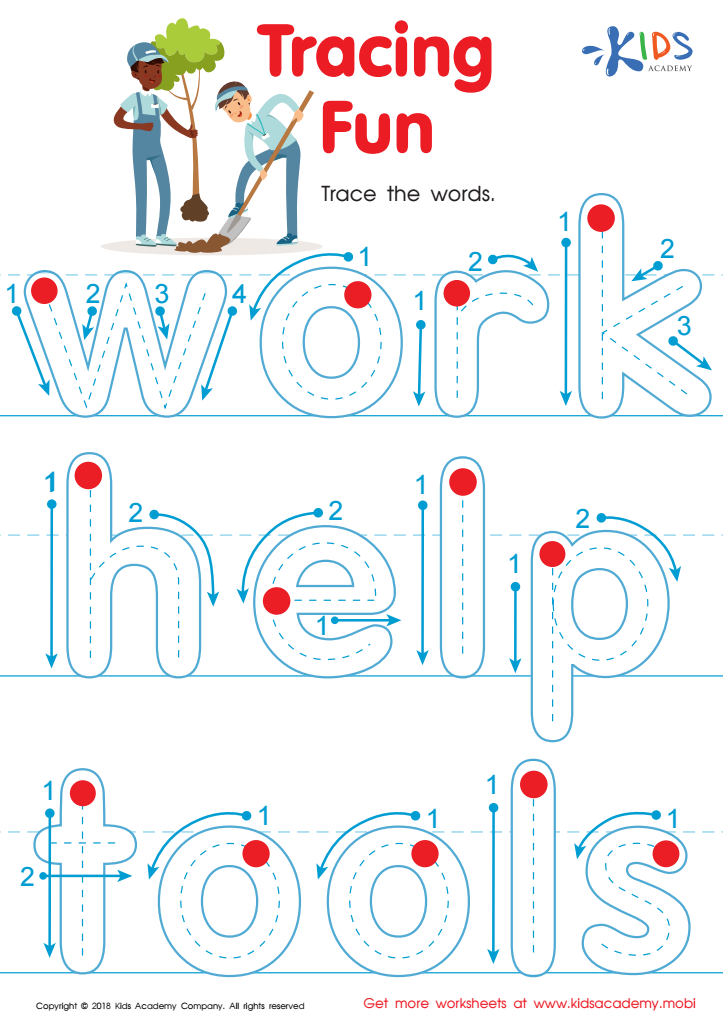
Tracing Fun Worksheet
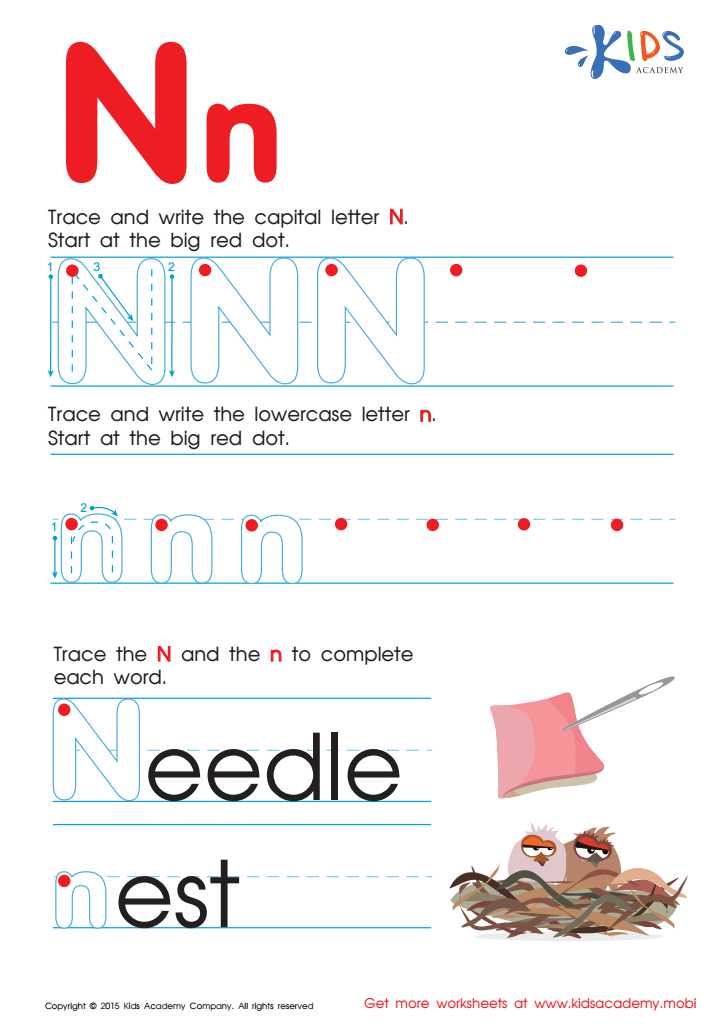
Letter N Tracing Page
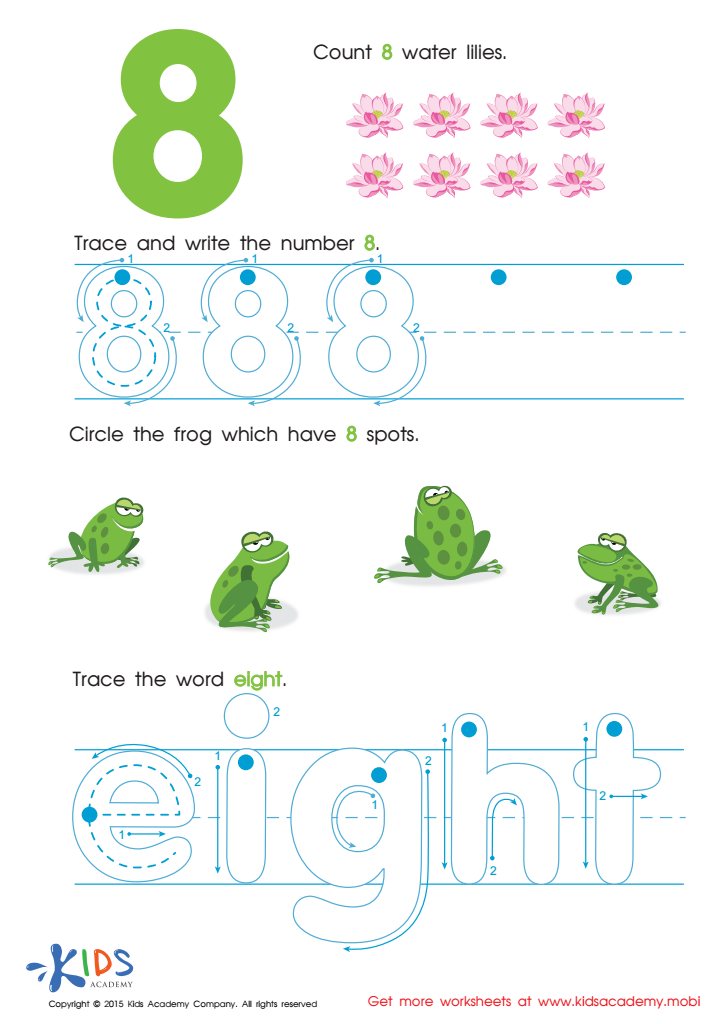
Learn Number 8 Easily Worksheet
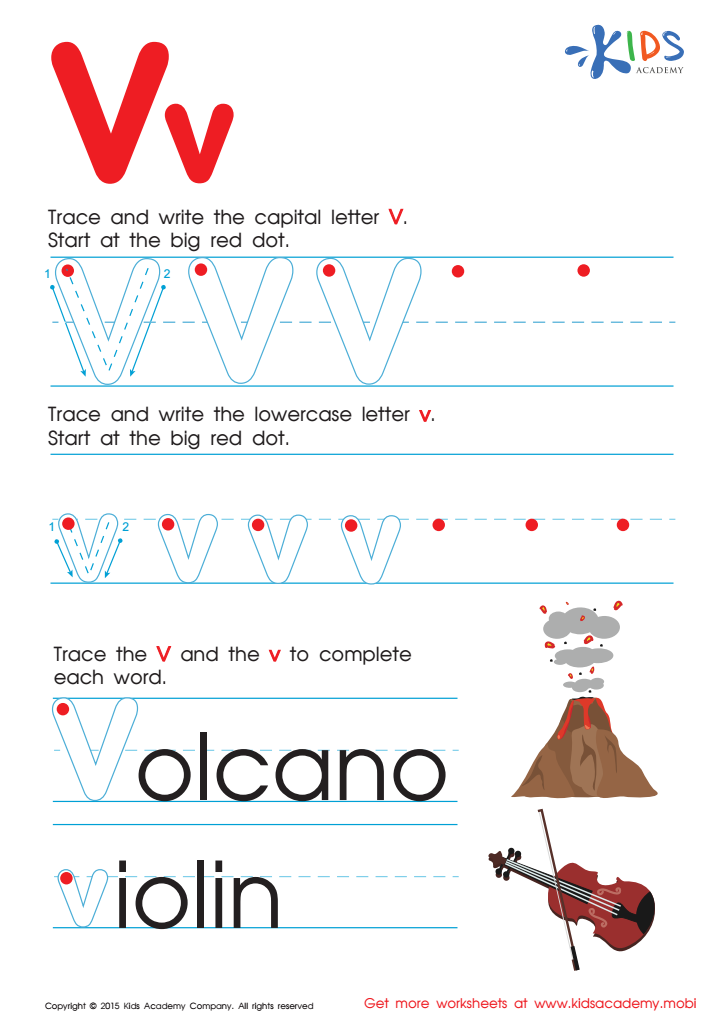
Letter V Tracing Page
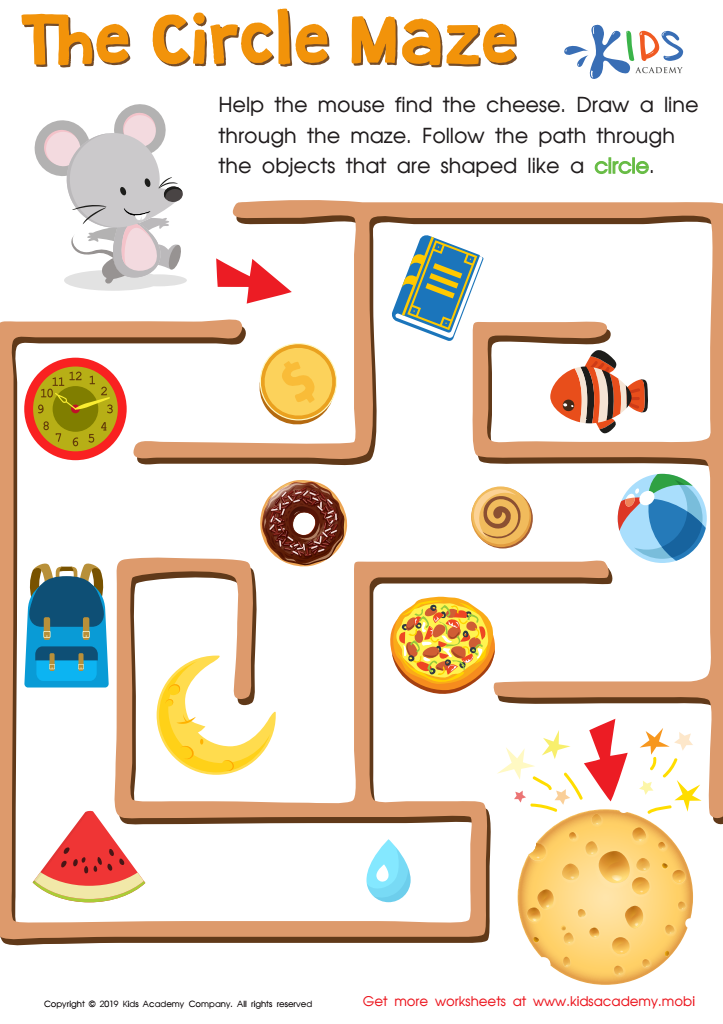
The Circle Maze Worksheet
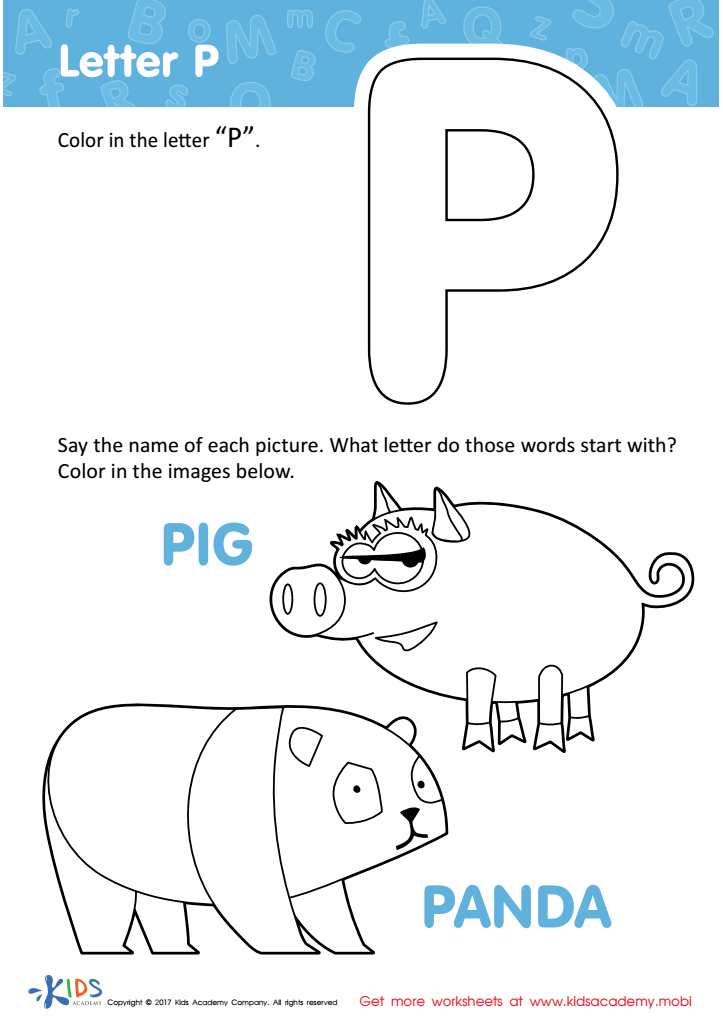
Letter P Coloring Sheet
Assign to My Students
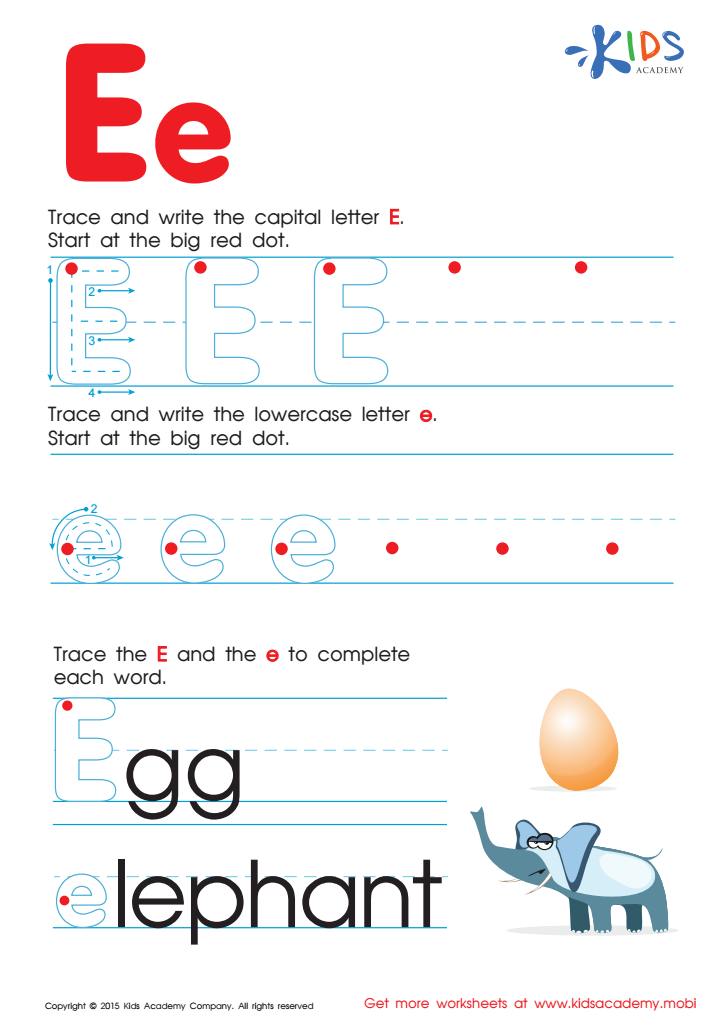
Letter E Tracing Page
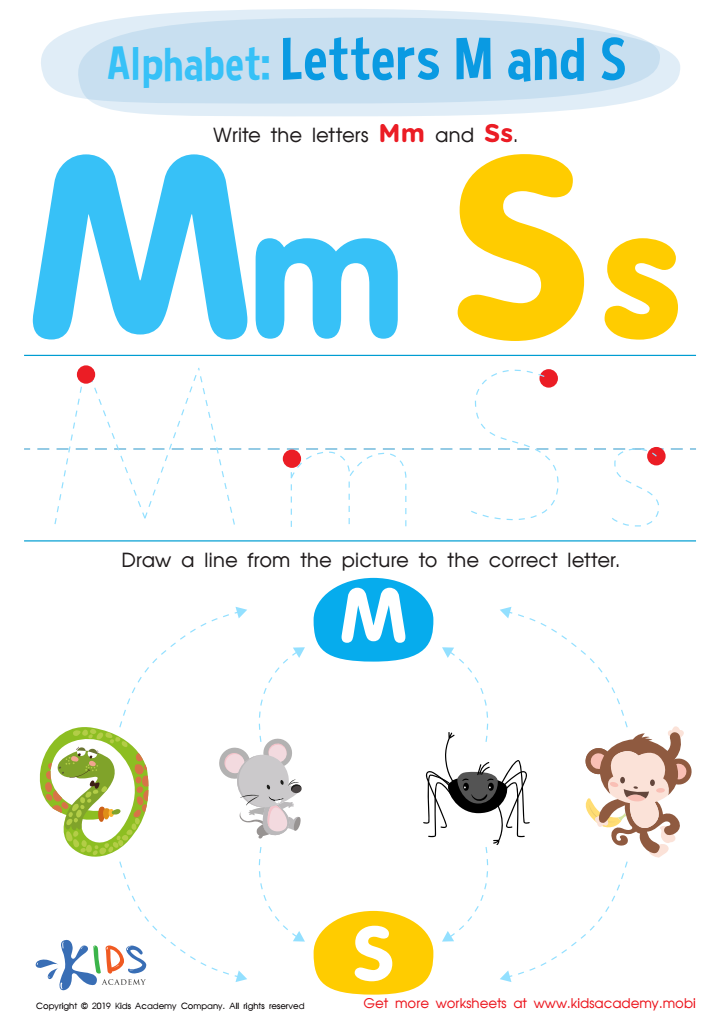
Letters M and S Tracing Worksheet
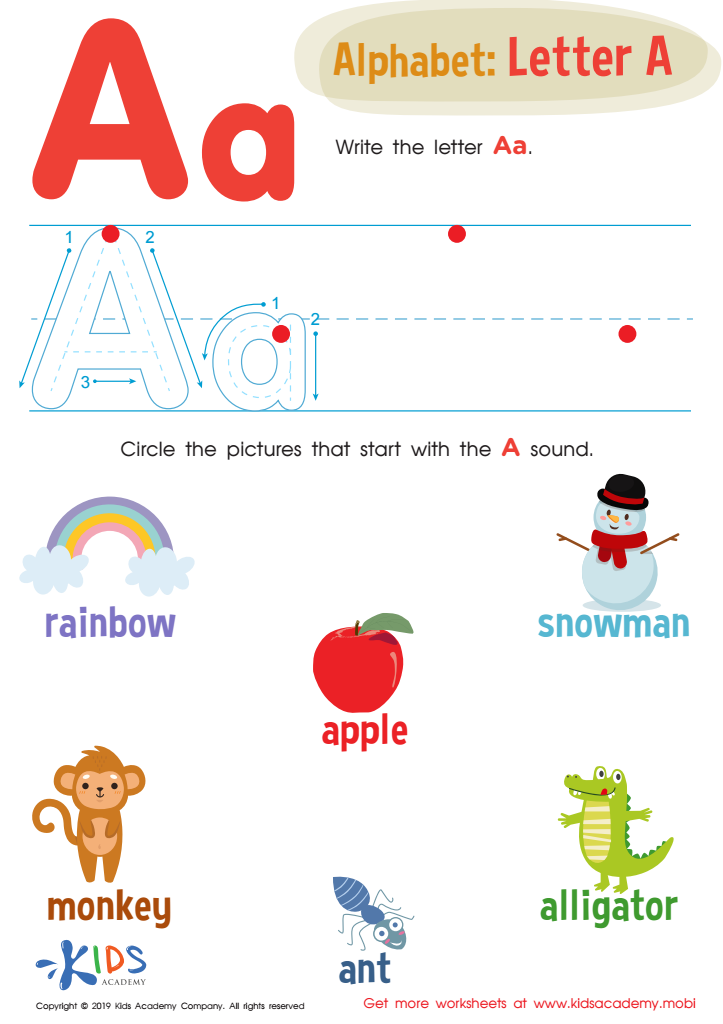
Letter A Tracing Worksheet





Fine motor skills are essential for young children as they lay the foundation for important everyday tasks. For parents and teachers, understanding the significance of these skills in English for beginners is crucial. Fine motor skills involve the coordinated movement of small muscles, particularly in the hands and fingers, allowing for tasks like holding a pencil, cutting with scissors, and tying shoelaces.
When children develop strong fine motor skills, they become more confident in their writing and drawing abilities, crucial for learning and expressing ideas in English. Additionally, these skills contribute to better control over tools and materials during activities such as arts and crafts, enhancing the overall learning experience.
Moreover, fine motor skills are linked to cognitive development. Manipulating objects helps children understand spatial relationships, develops problem-solving abilities, and encourages creativity. As children interact with letters and words through activities like tracing or crafting, they build cognitive connections that support language acquisition.
Thus, by fostering fine motor skills, parents and teachers can help create a strong foundation for children's academic success and daily living skills, particularly in language development in English for beginners. Investing time in these skills is an investment in children's future learning and independence.