Pattern recognition Extra Challenge Worksheets for Ages 3-8
7 filtered results
-
From - To
Unlock your child's potential with Pattern Recognition Extra Challenge Worksheets designed for ages 3-8. Our engaging, fun-filled worksheets help young learners enhance critical thinking, problem-solving, and cognitive skills. Tailored to different difficulty levels, these exercises stimulate curiosity and creativity, while reinforcing important concepts like color, shape, and sequence recognition. Perfect for preschool to early elementary students, the worksheets offer a delightful way to practice and master pattern recognition. Parents and teachers alike can trust our expertly crafted resources to provide an enriched learning experience that lays the foundation for future academic success. Download now and elevate your child's learning journey!
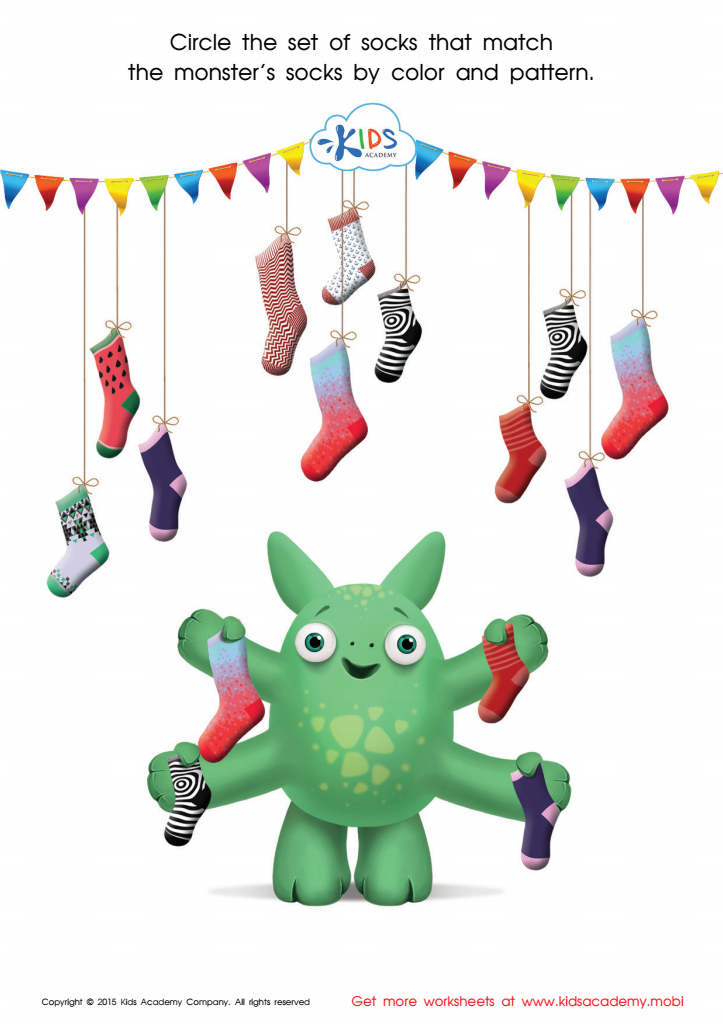
Sort the Monster's Socks Worksheet
 Assign to My Students
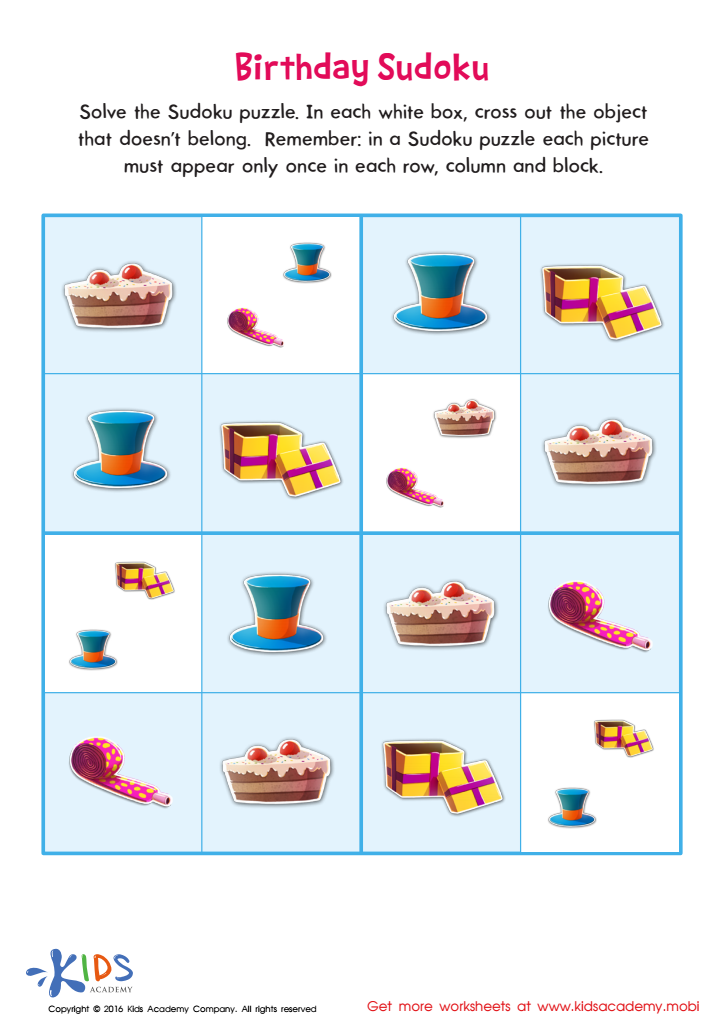
Birthday Sudoku Sorting Worksheet
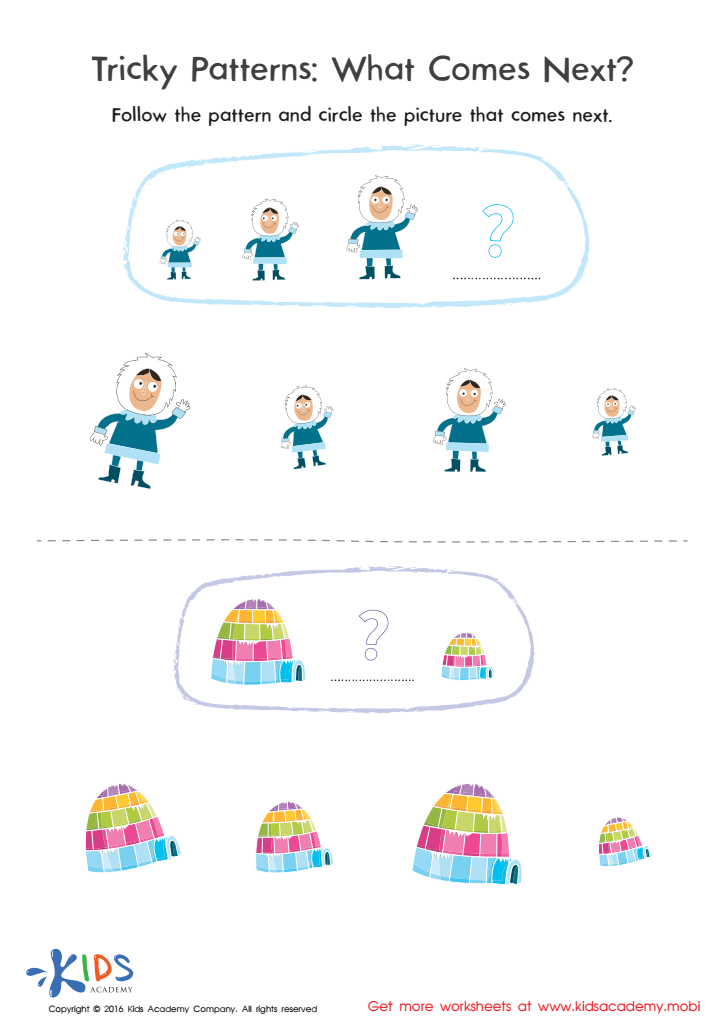
Tricky Patterns Size Worksheet
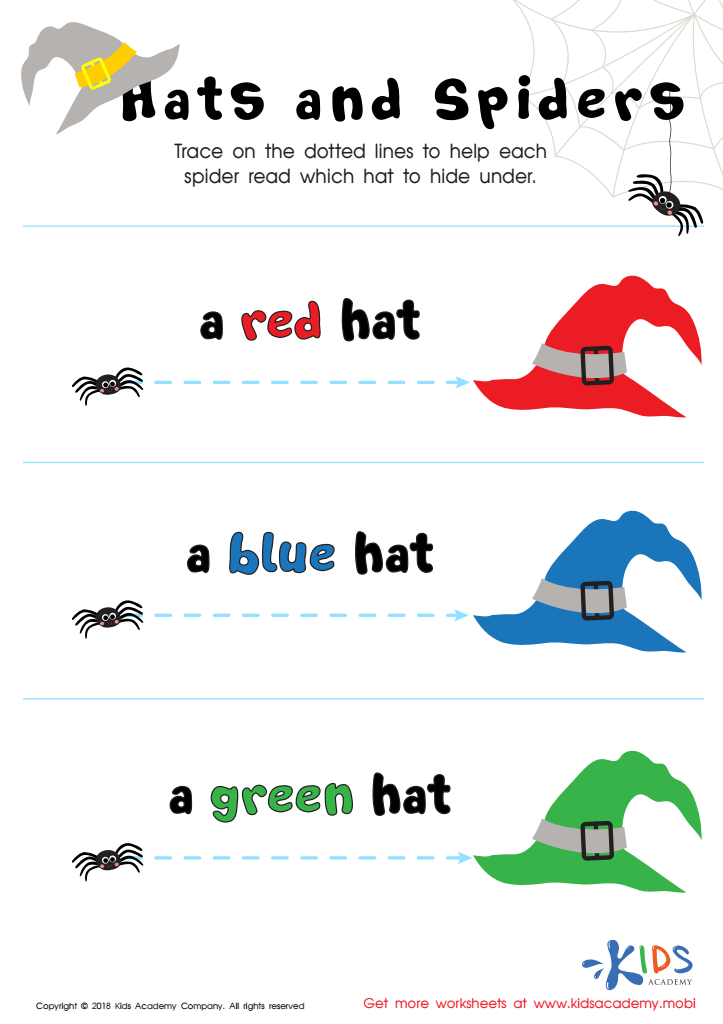
Read from Left to Right: Hats and Spiders Worksheet
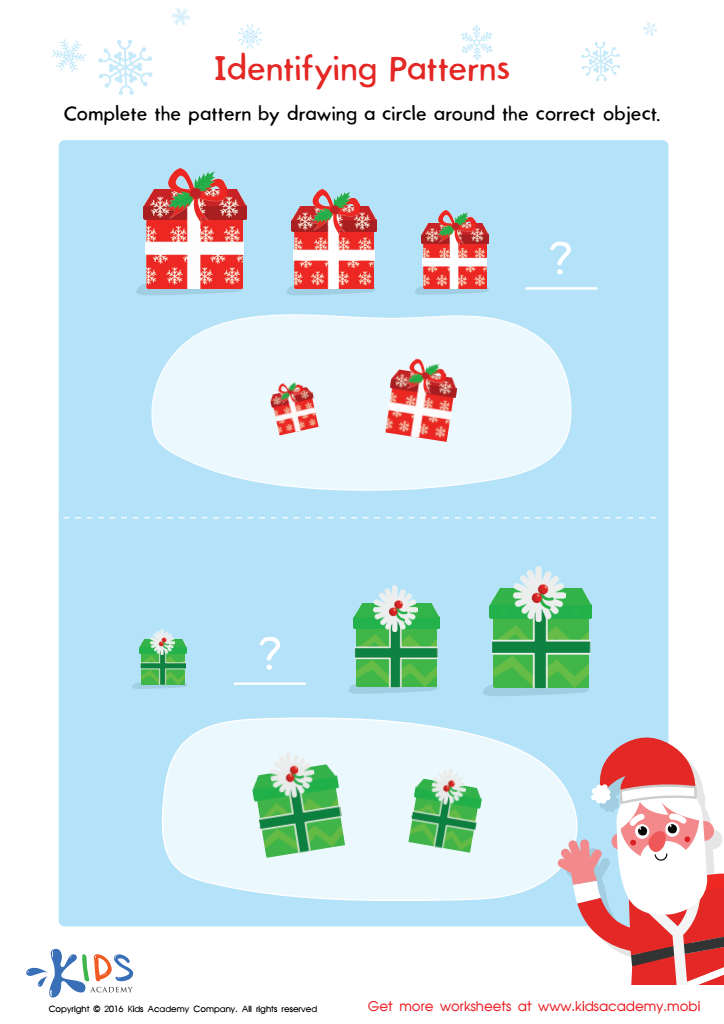
Identifying Patterns Worksheet
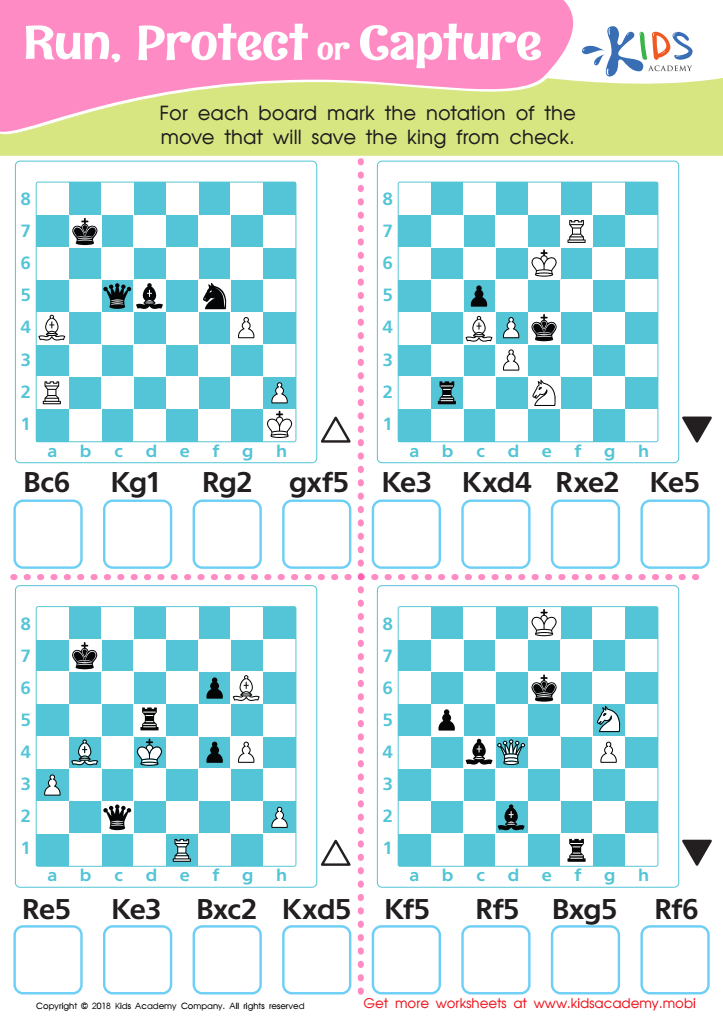
Run, Protect or Capture Worksheet
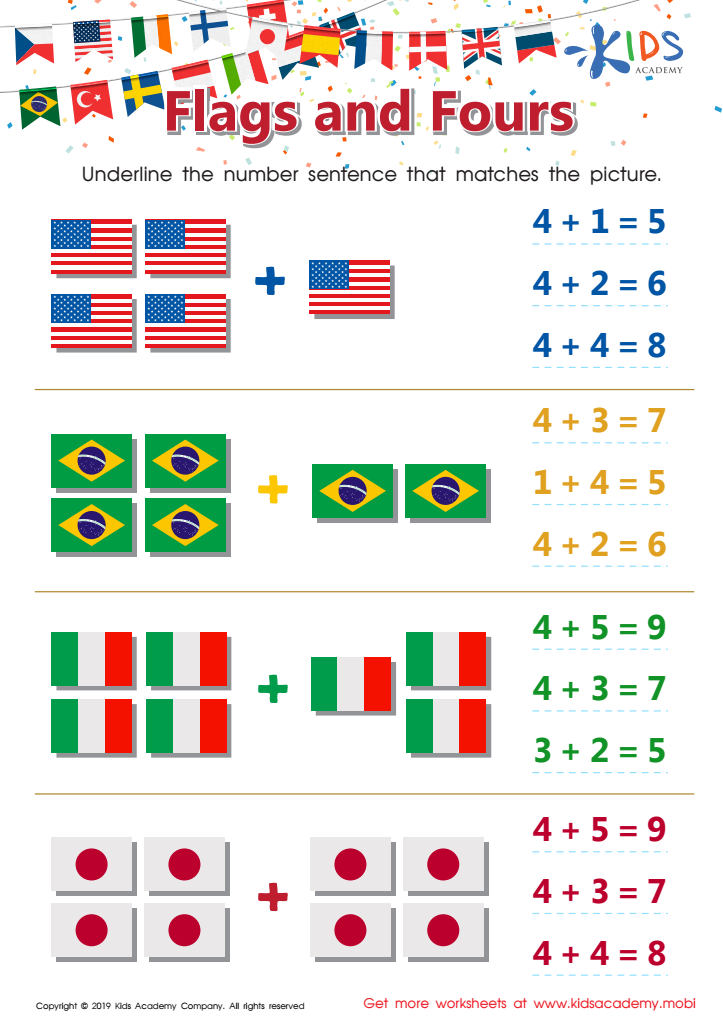
Flags and Fours Worksheet



.jpg)




Pattern recognition is a crucial cognitive skill that forms the foundation for various areas of learning and development in young children, particularly those aged 3-8. Introducing an Extra Challenge in pattern recognition can significantly benefit a child's overall development and future academic success.
Firstly, engaging children in pattern recognition activities sharpens their critical thinking and problem-solving abilities. Recognizing patterns involves identifying sequences, making predictions, and understanding relationships between different elements—skills that are applicable in mathematics, language, and scientific reasoning.
Secondly, early exposure to pattern recognition enhances numeracy skills. Many mathematical concepts, such as counting, addition, multiplication, and understanding geometric shapes, rely on the ability to identify patterns. By making patterns more challenging, children stretch their cognitive limits and develop a deeper, more intuitive understanding of math.
Additionally, pattern recognition supports language development. Patterns in letters, words, and sentences help with reading comprehension, spelling, and grammar. Songs, rhymes, and stories follow predictable patterns that help children better grasp linguistic structures.
Finally, providing extra challenges in pattern recognition strengthens persistence and adaptability. It encourages children to tackle more complex problems, fostering resilience and the ability to manage frustration, vital traits for lifelong learning.
Hence, parents and teachers should care about these extra challenges because they not only bolster a range of cognitive skills but also cultivate a robust foundation for ongoing educational success.








