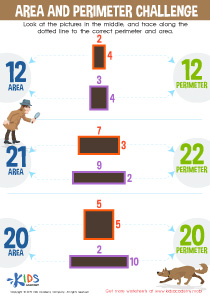
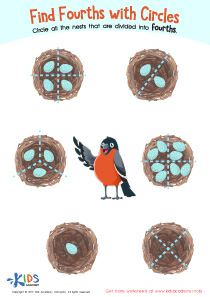
Extra Challenge 2D Shapes Worksheets for Ages 4-8
14 filtered results
-
From - To
Looking to add a bit more challenge to your child's learning routine? Our Extra Challenge 2D Shapes Worksheets are designed specifically for kids ages 4-8, offering engaging activities that go beyond basic shape recognition. These worksheets aim to enhance spatial reasoning and problem-solving skills through fun and complex exercises. Perfect for young learners ready to tackle bigger challenges, this resource combines learning with creativity, ensuring your child not only understands but enjoys the world of 2D shapes. Ideal for both classroom and at-home learning, these worksheets will keep your little one excited and motivated.
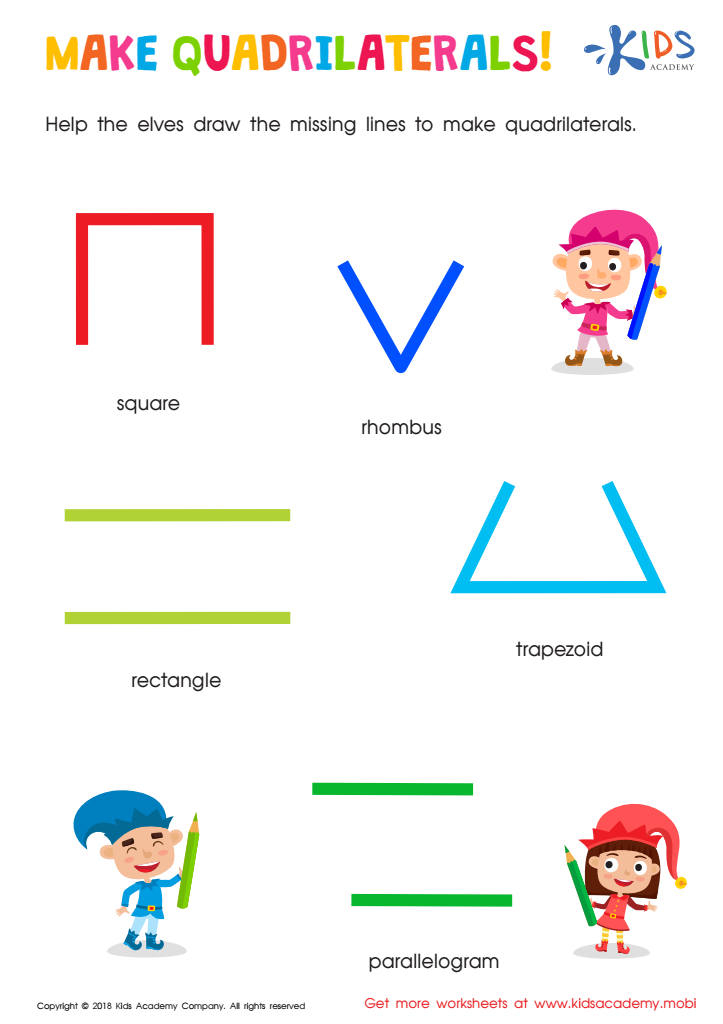
Make Quadrilaterals Worksheet
 Assign to My Students


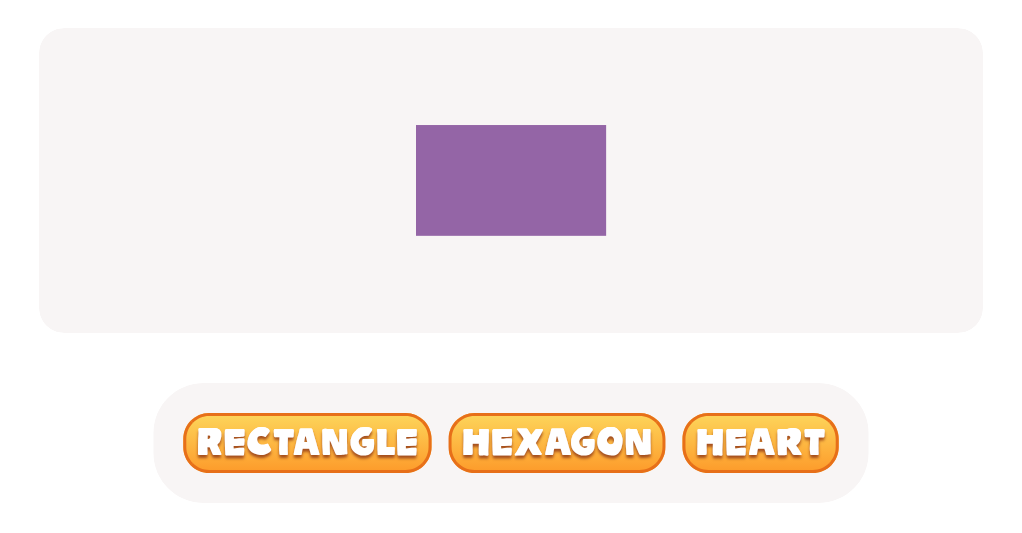
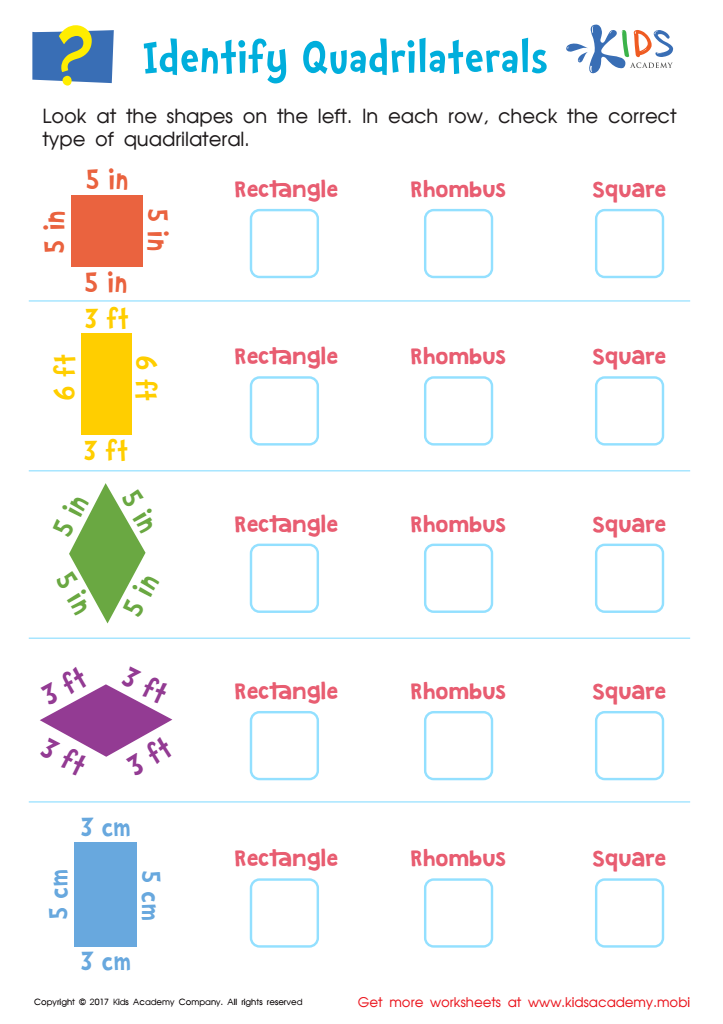
Identify Quadrilaterals Worksheet
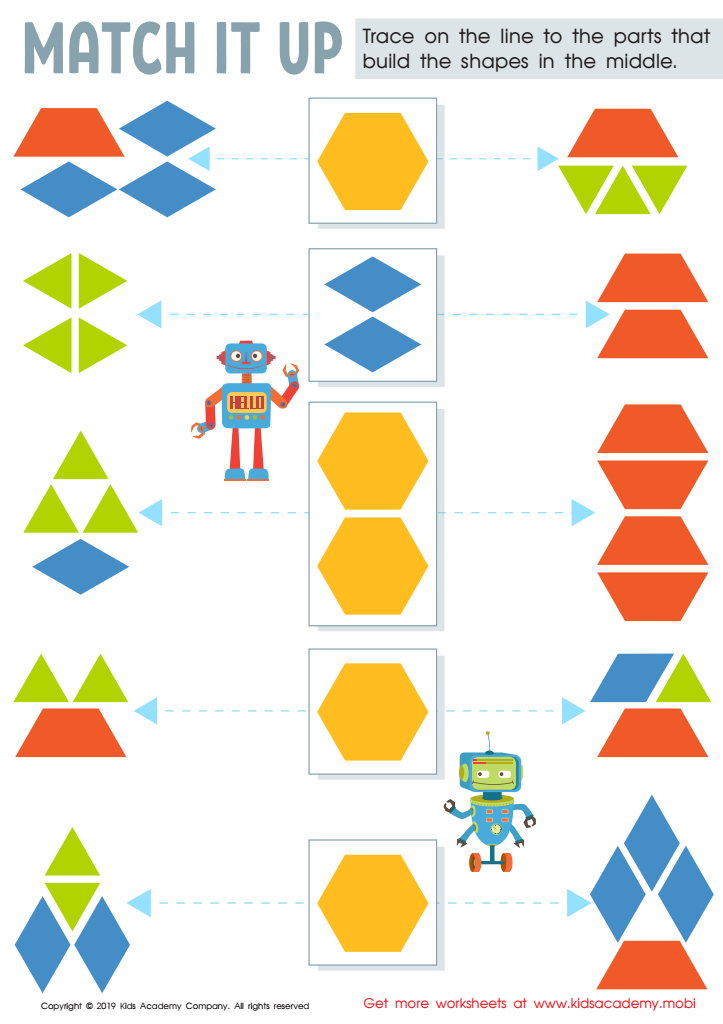
Match It up Worksheet
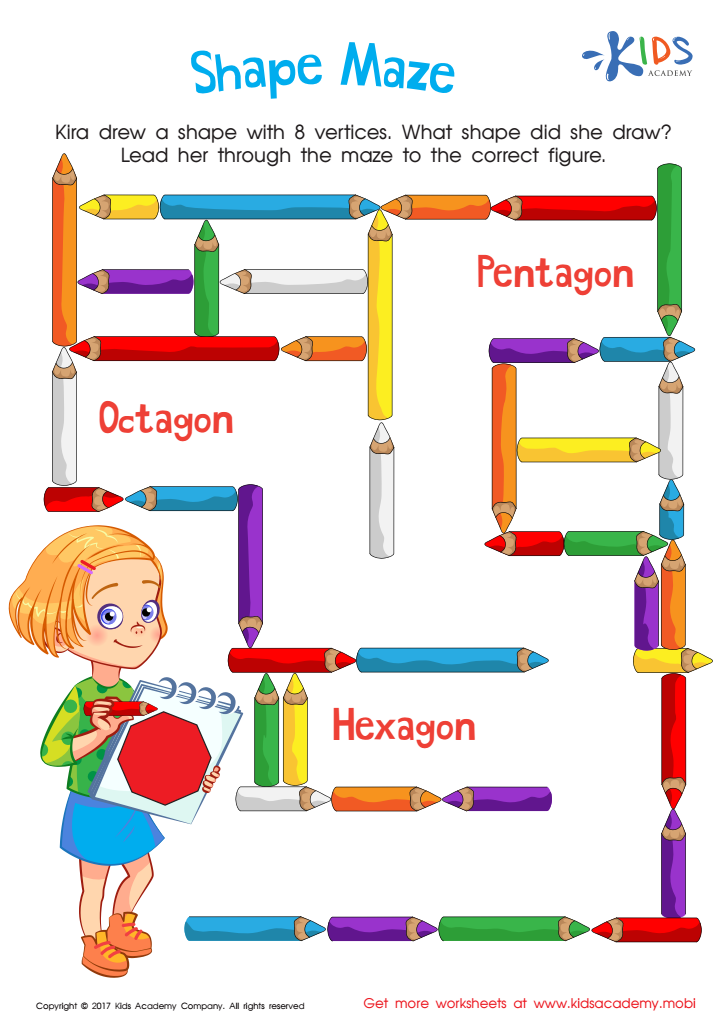
Shape Maze Worksheet
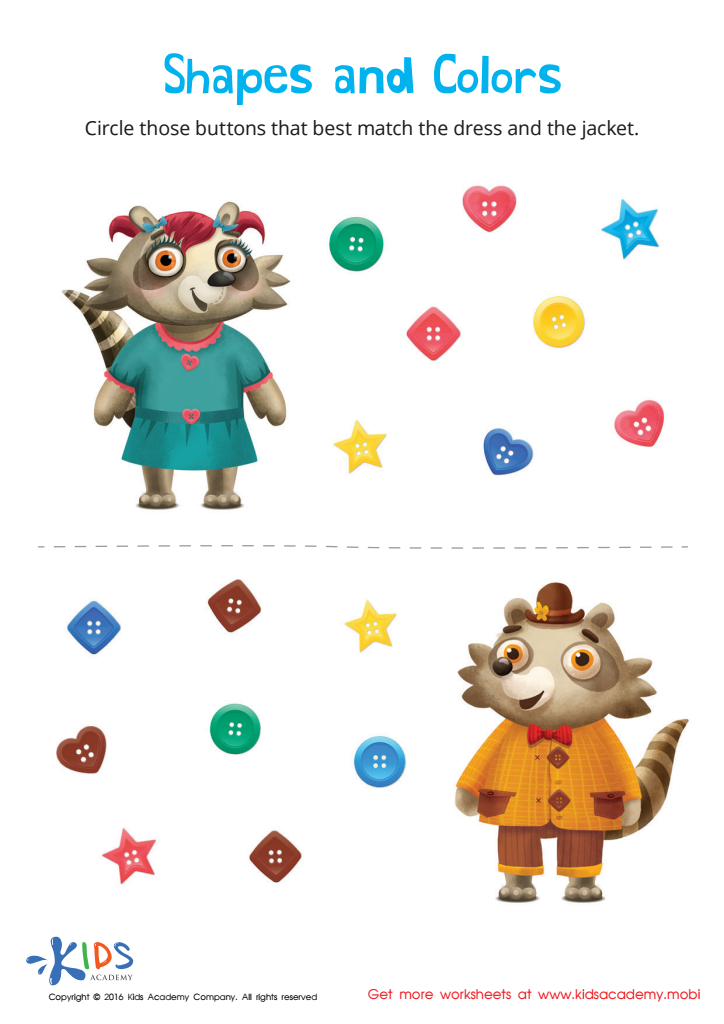
Matching: Shapes and Colors Worksheet
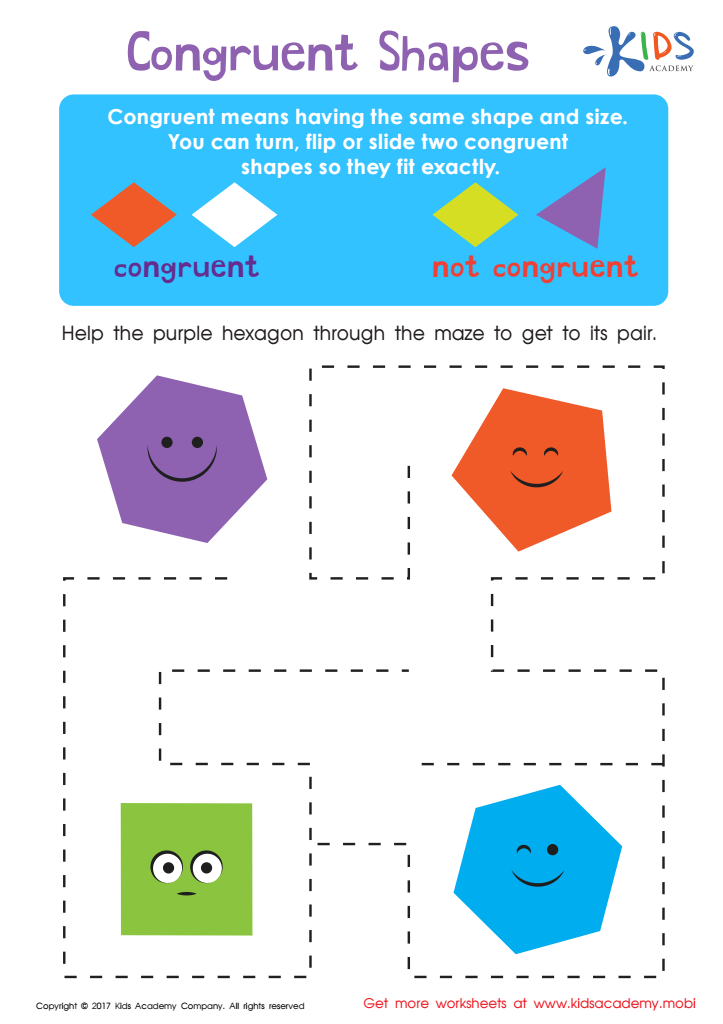
Congruent Shapes Worksheet
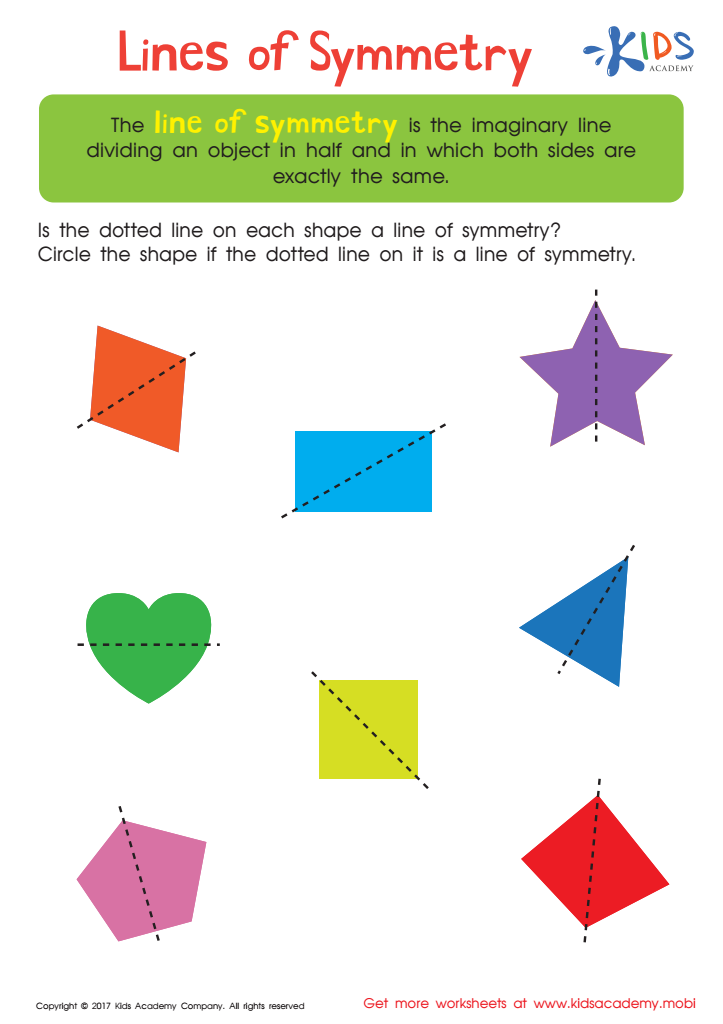
Lines of Symmetry Printable
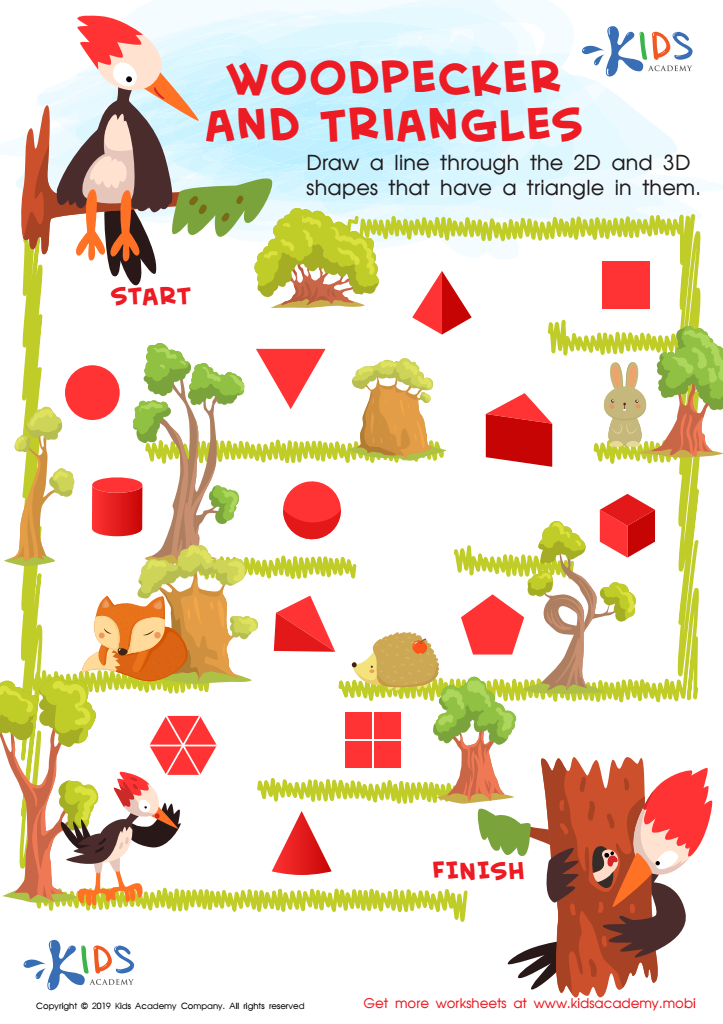
Woodpecker and Triangles Worksheet
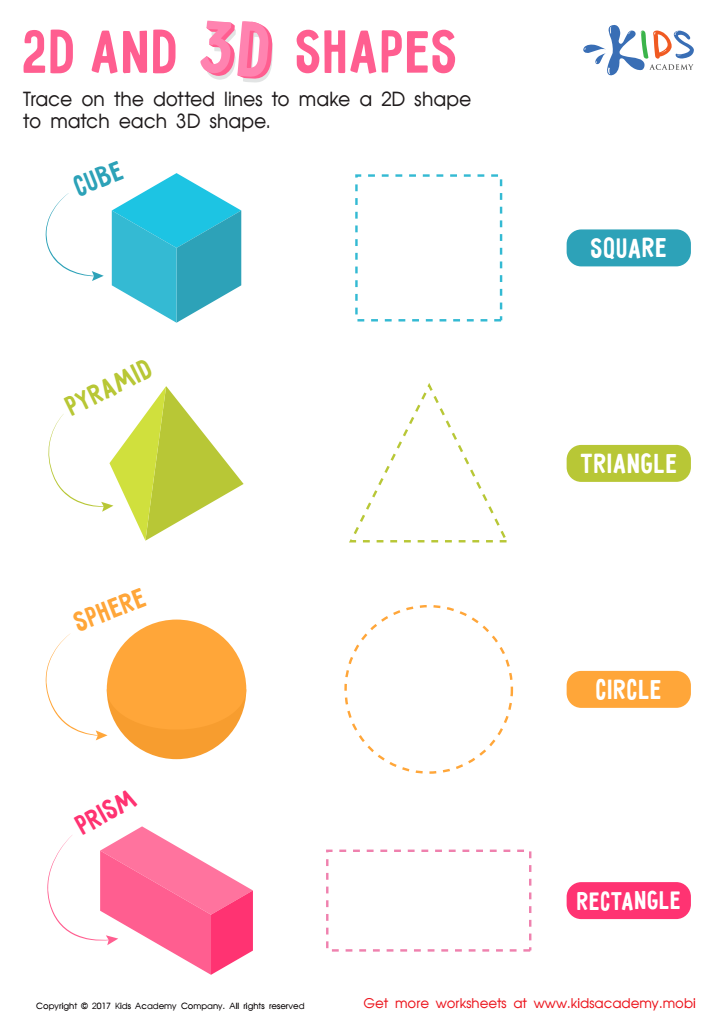
2D and 3D Shapes Worksheet
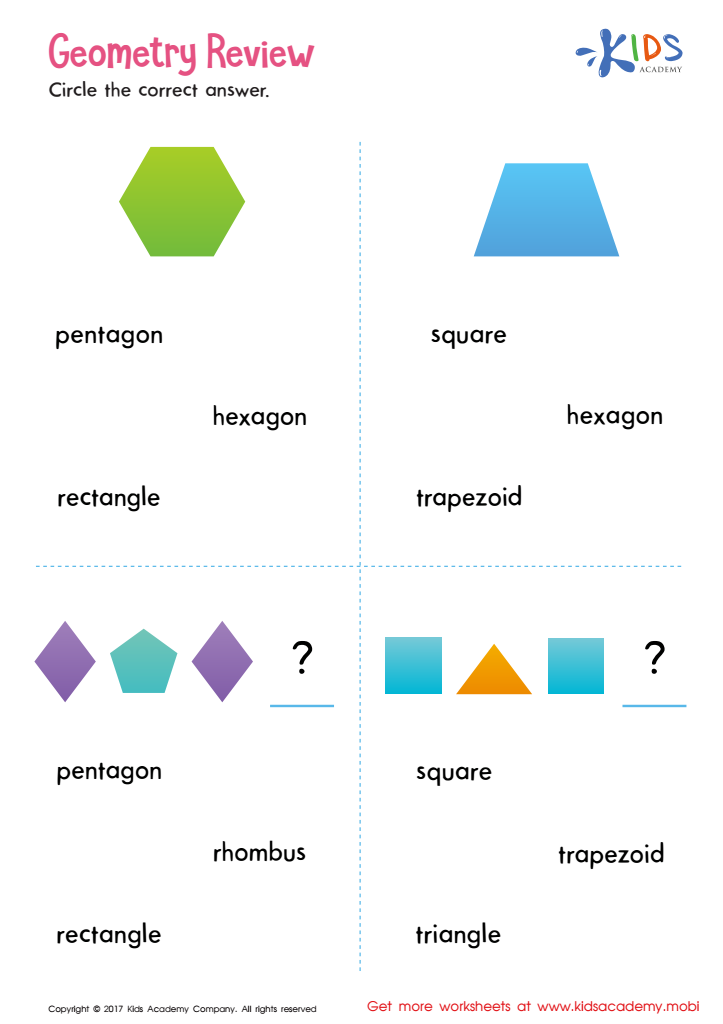
Geometry Review Printable
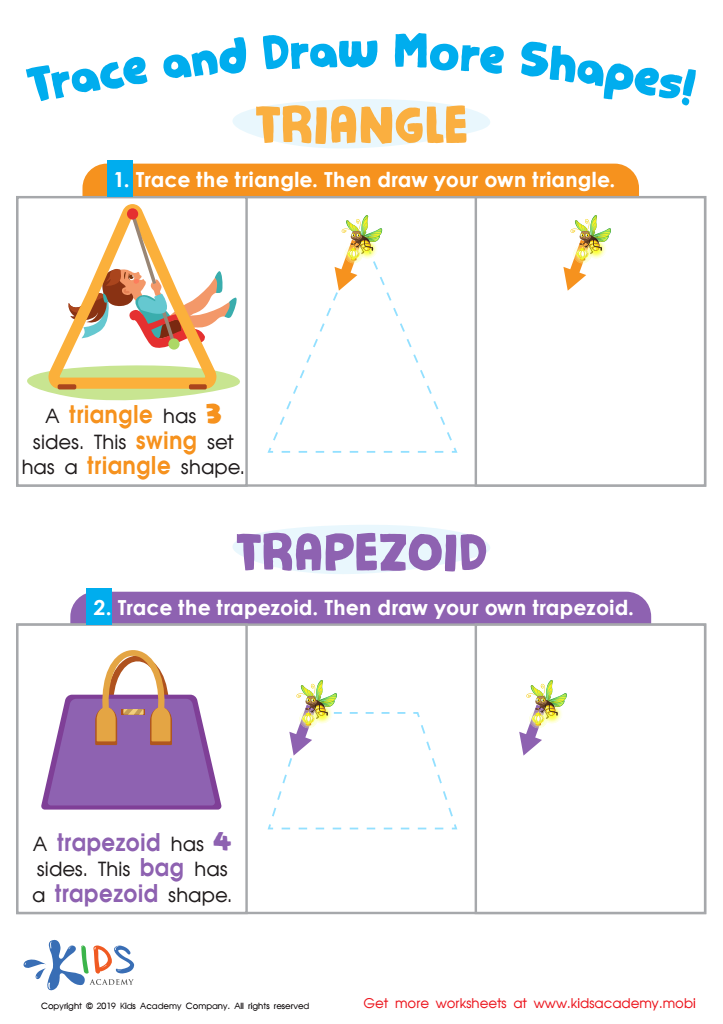
Trace and Draw More Shapes Worksheet
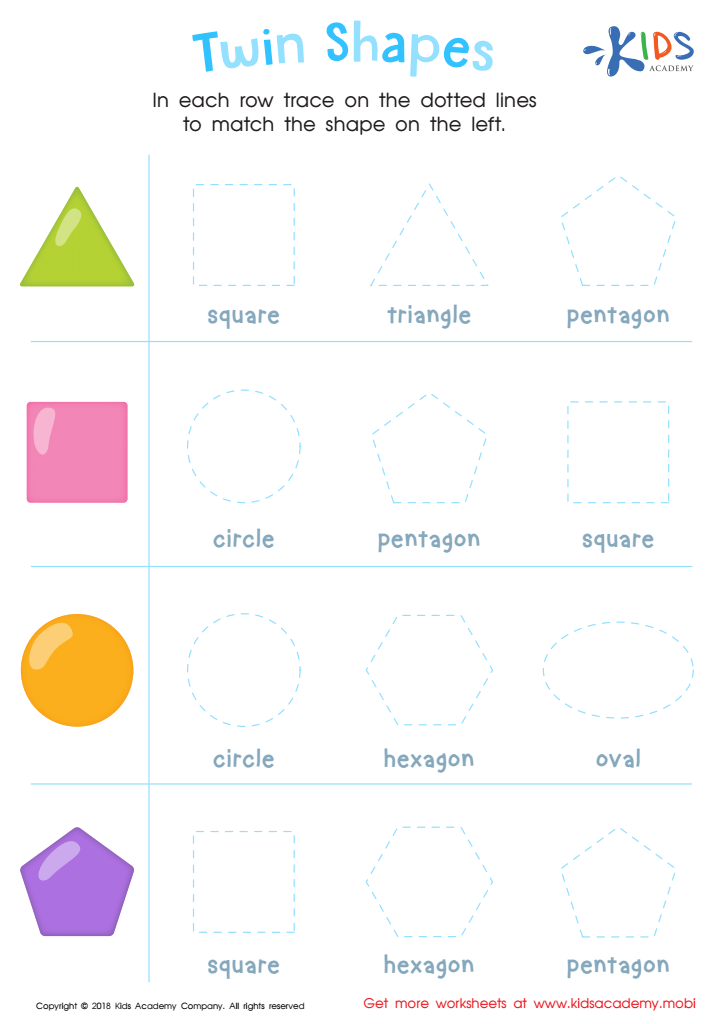
Twin Shapes Dot-to-Dot Worksheet
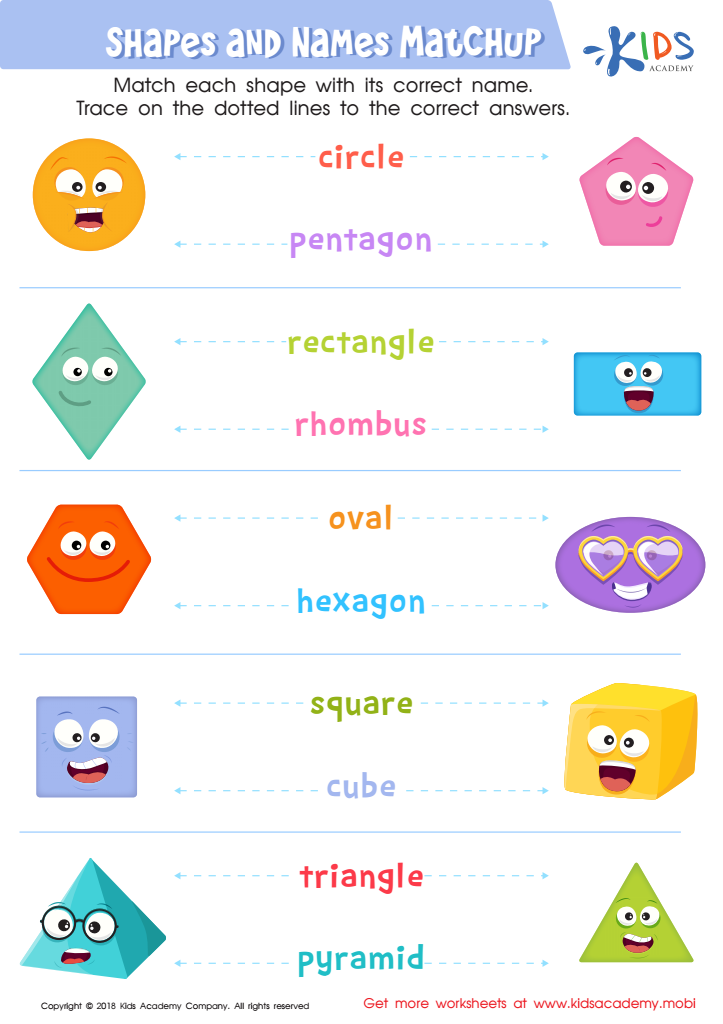
Shapes and Names Matchup Worksheet
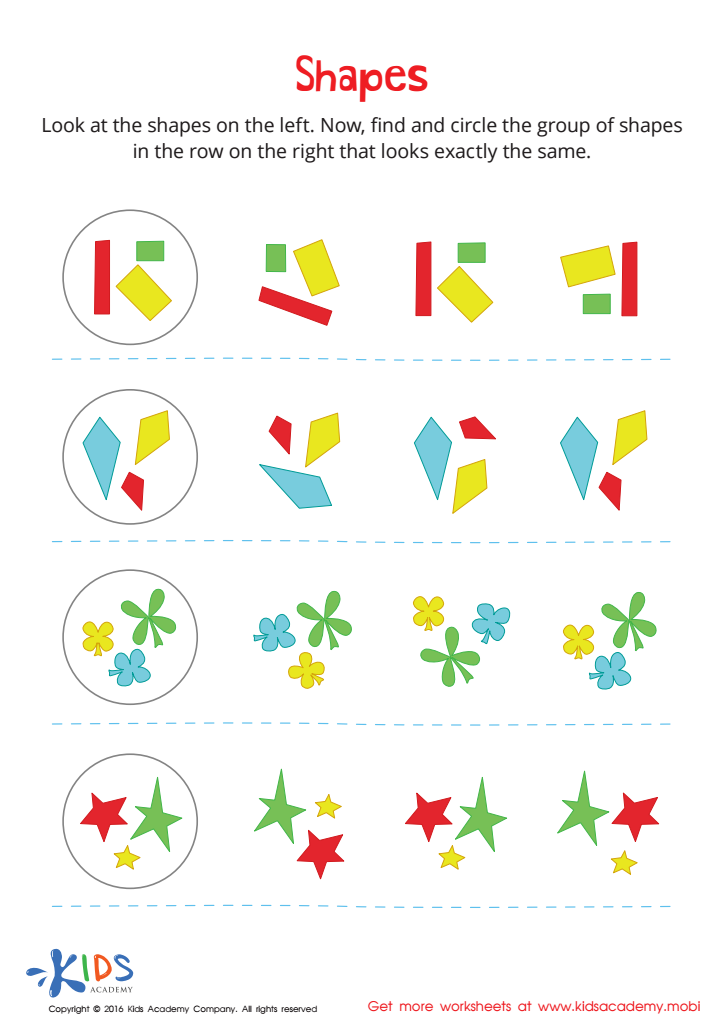
Shapes Worksheet








Parents and teachers should prioritize engaging young children with Extra Challenge 2D Shapes activities as they are foundational in early childhood development, especially for ages 4-8. During these formative years, children are naturally curious and receptive to learning through playful exploration. Introducing them to 2D shapes like circles, squares, triangles, and rectangles nurtures their spatial awareness, critical for understanding more advanced mathematical concepts later on.
Working with 2D shapes enhances cognitive and problem-solving skills. When children identify, sort, and manipulate shapes, they learn to recognize patterns, categorize objects, and develop logical thinking. These activities stimulate their memory and attention to detail, which are essential for all academic subjects.
Moreover, shape recognition is directly linked to reading and writing readiness. Recognizing shapes helps children discern letters and numbers, aiding in both literacy and numeracy. As they practice drawing and constructing shapes, their fine motor skills improve, making them better prepared for handwriting and other precise tasks.
Socially and emotionally, Extra Challenge 2D Shapes activities can foster collaborative learning and boost confidence. Children often engage in group tasks or games centered around shapes, which enhances communication skills and encourages teamwork.
In essence, emphasizing 2D shapes is not just about geometry, but about equipping children with a versatile toolkit for lifelong learning and success.