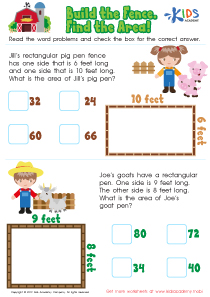
Number Sequencing Extra Challenge Numbers Worksheets for Ages 4-8
6 filtered results
-
From - To
Welcome to our "Number Sequencing Extra Challenge Worksheets" designed for children aged 4-8! These engaging worksheets enhance numerical understanding through fun and challenging activities tailored to bolster sequencing skills. Students will explore various activities that promote critical thinking and improve their ability to recognize and order numbers. With colorful visuals and age-appropriate tasks, these worksheets provide an enjoyable way to enhance mathematical fluency. Ideal for both classroom settings and at-home learning, our extra challenge worksheets encourage young learners to connect numbers and sequences while fostering a love for mathematics. Get started today to inspire your child's mathematical journey!
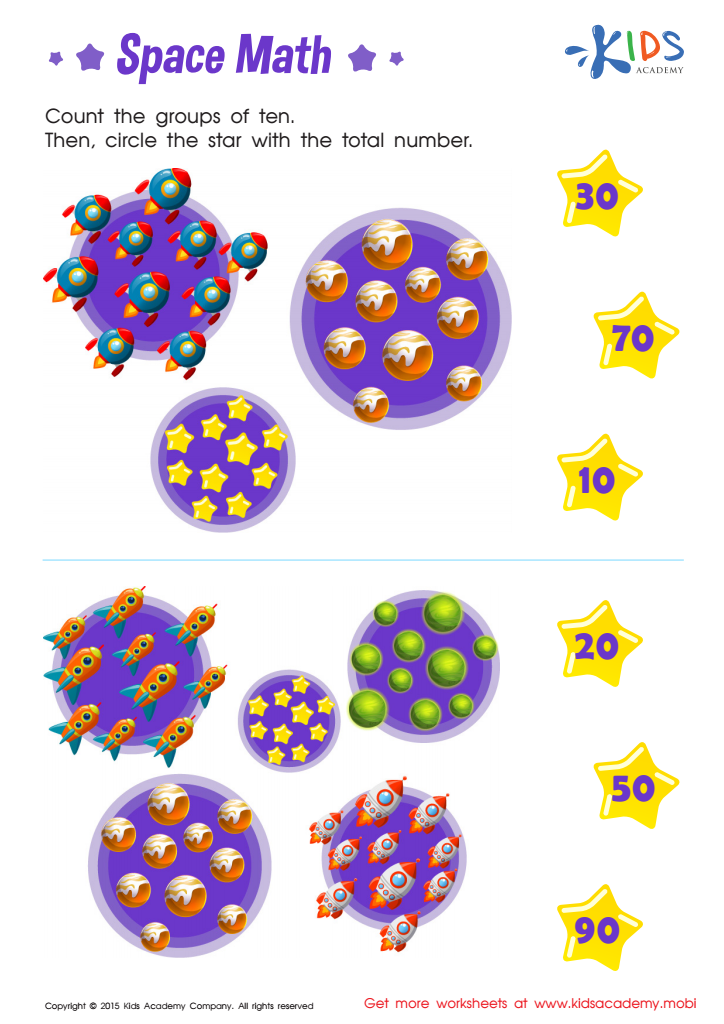
Learn dozens: Space math Worksheet
 Assign to My Students
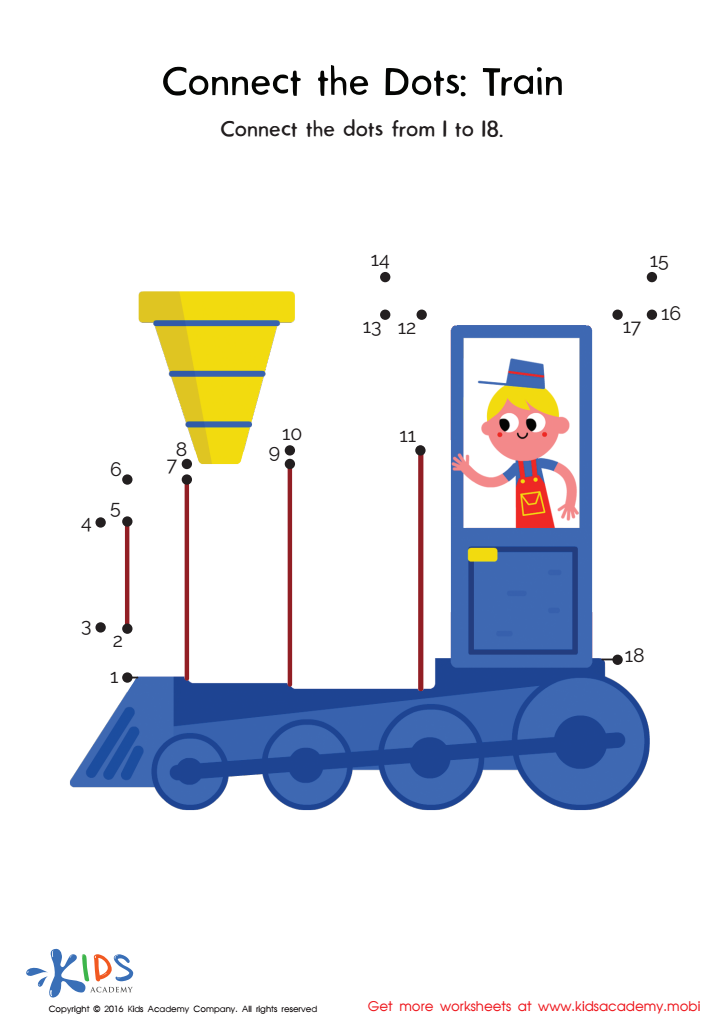
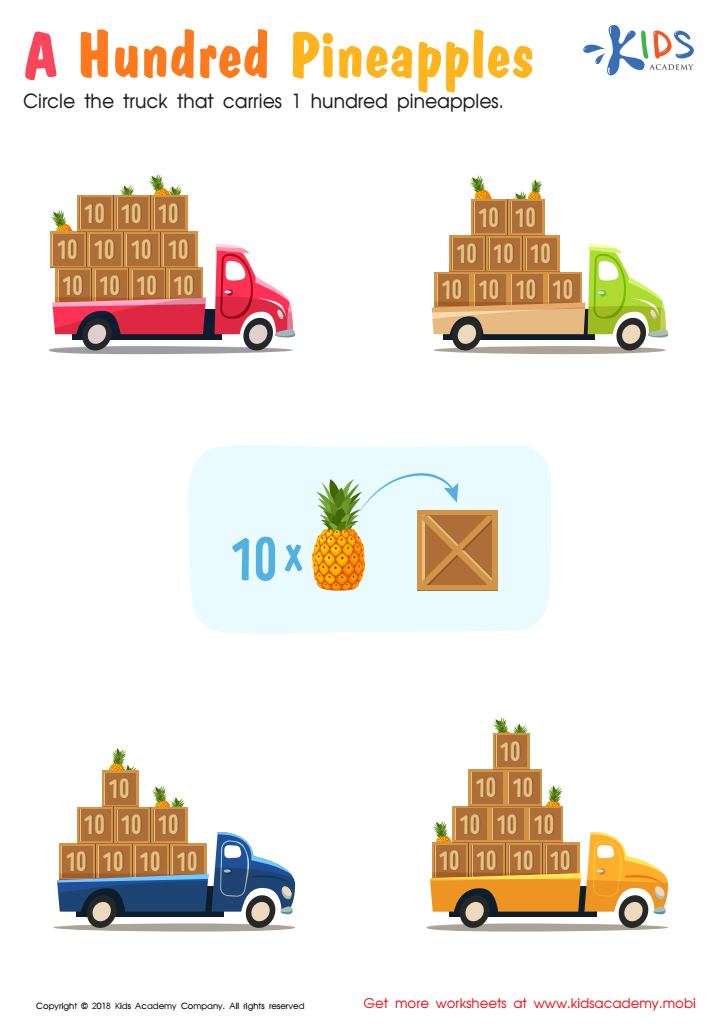
A Hundred Pineapples Worksheet

Pirate Ship Connect Dots Worksheet
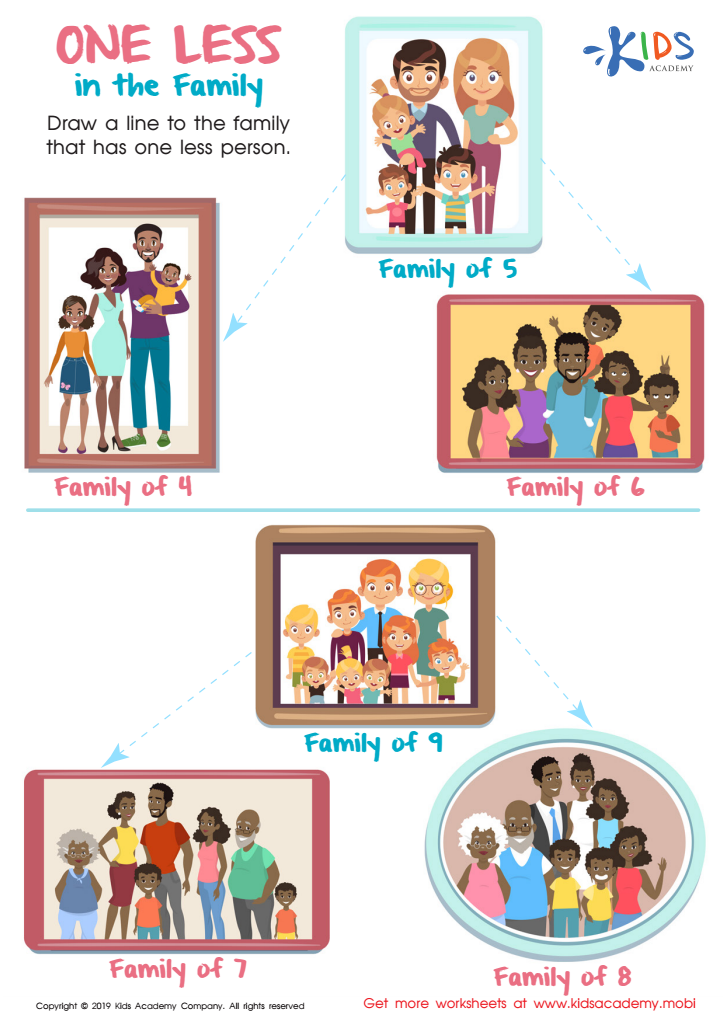
One Less in the Family Worksheet
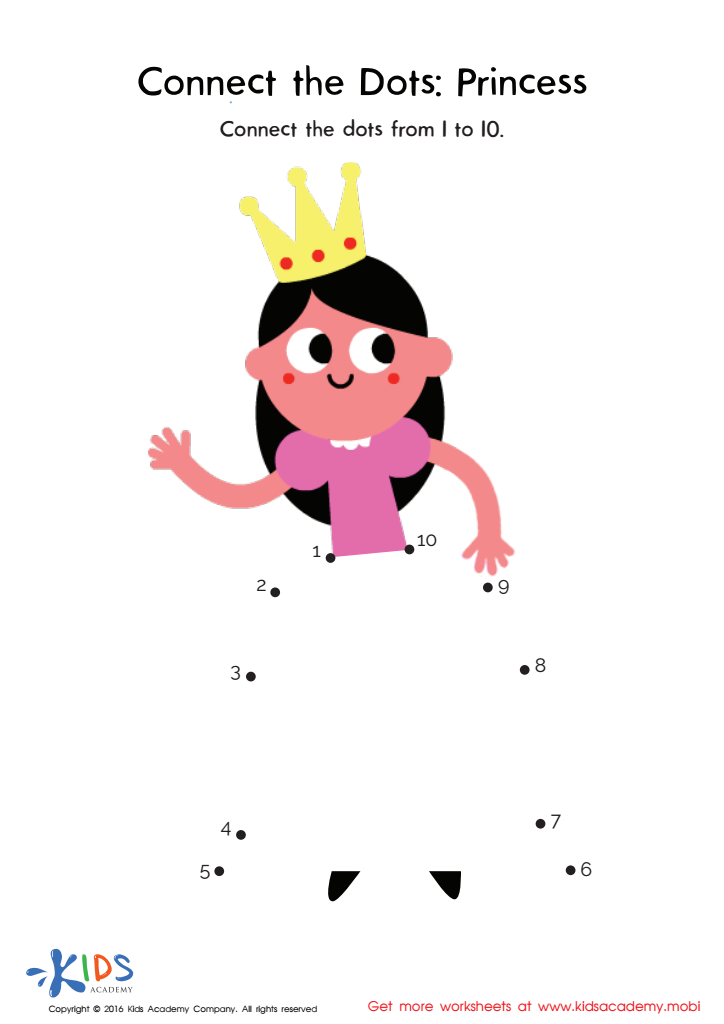
Princess Connect Dots Worksheet








Parents and teachers should care about Number Sequencing Extra Challenge Numbers for ages 4-8 because fostering a strong mathematical foundation during these formative years is crucial for children's overall cognitive development. Number sequencing helps children recognize patterns, develop logical reasoning skills, and understand the relationship between numbers, which are essential for more advanced mathematical concepts later on.
Engaging children with extra challenges not only promotes curiosity but also encourages perseverance when they encounter difficult problems. It instills a sense of achievement and boosts confidence when they successfully navigate through sequencing exercises. Moreover, incorporating multiple strategies for number sequencing can accommodate various learning styles, ensuring that all children can engage in the learning process effectively.
Through intentional activities focused on number sequencing, children practice critical thinking and fine motor skills, as they often manipulate physical number tiles or drawings. This blend of academic and fine motor skills promotes a holistic approach to early education. Ultimately, fostering strong number sequencing abilities can set the stage for future success in mathematics and problem-solving, preparing children not just for school, but for everyday life as well. Hence, addressing such challenges is beneficial for their long-term educational journey.