Extra Challenge 2D Shapes Worksheets for Ages 4-9
14 filtered results
-
From - To
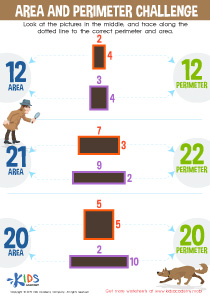
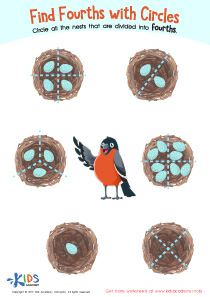
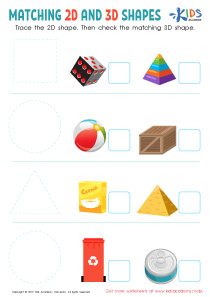
Discover our "Extra Challenge 2D Shapes Worksheets for Ages 4-9" designed to boost young learners' understanding of geometric shapes. Ideal for children needing additional practice, these fun, engaging worksheets transform learning into an adventure. Featuring diverse activities, they cater to various skill levels, from identifying and naming 2D shapes to solving complex puzzles. Perfect for both classroom use and at-home practice, each worksheet helps develop critical thinking, fine motor skills, and shape recognition. Nurture your child's math confidence and spark their curiosity. Download today and turn the world of shapes into a playful, educational journey!
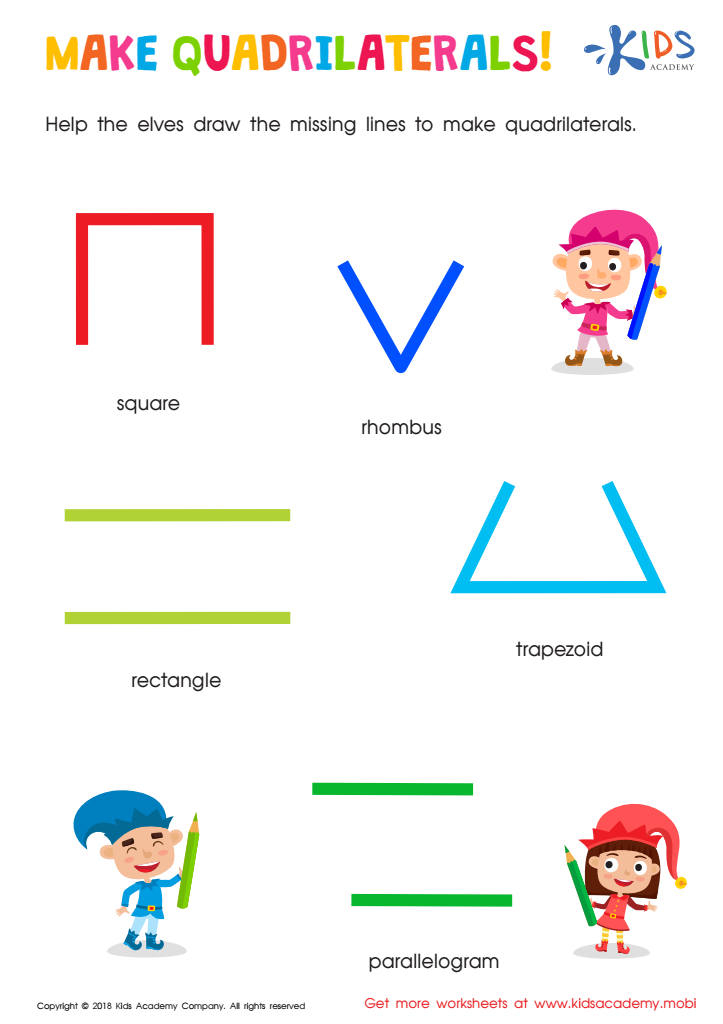
Make Quadrilaterals Worksheet
 Assign to My Students


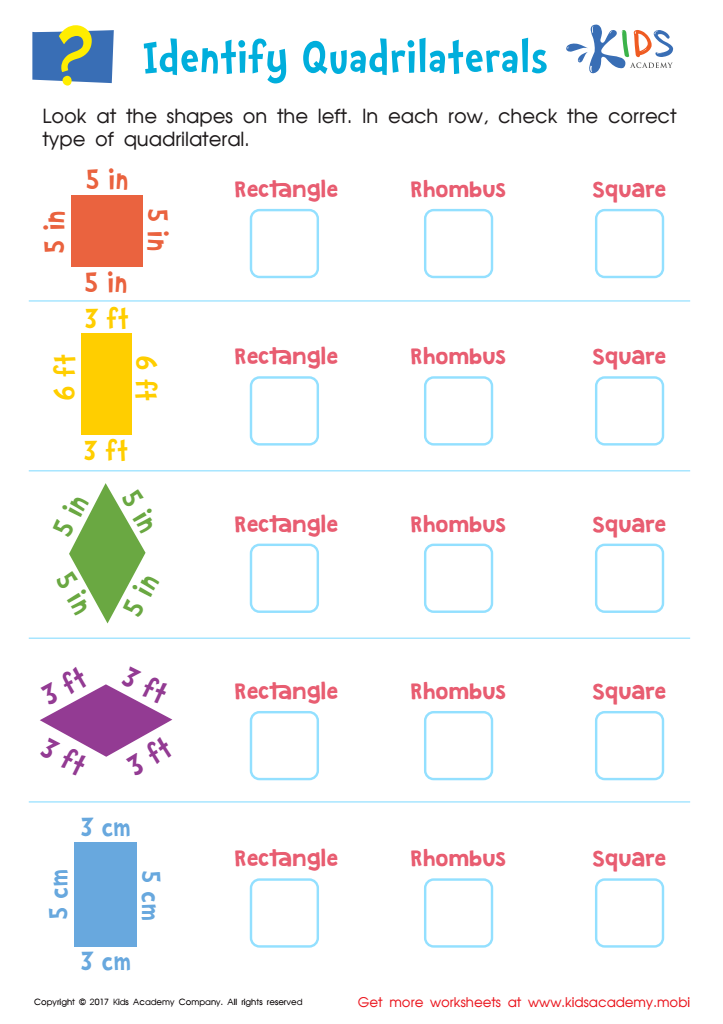
Identify Quadrilaterals Worksheet
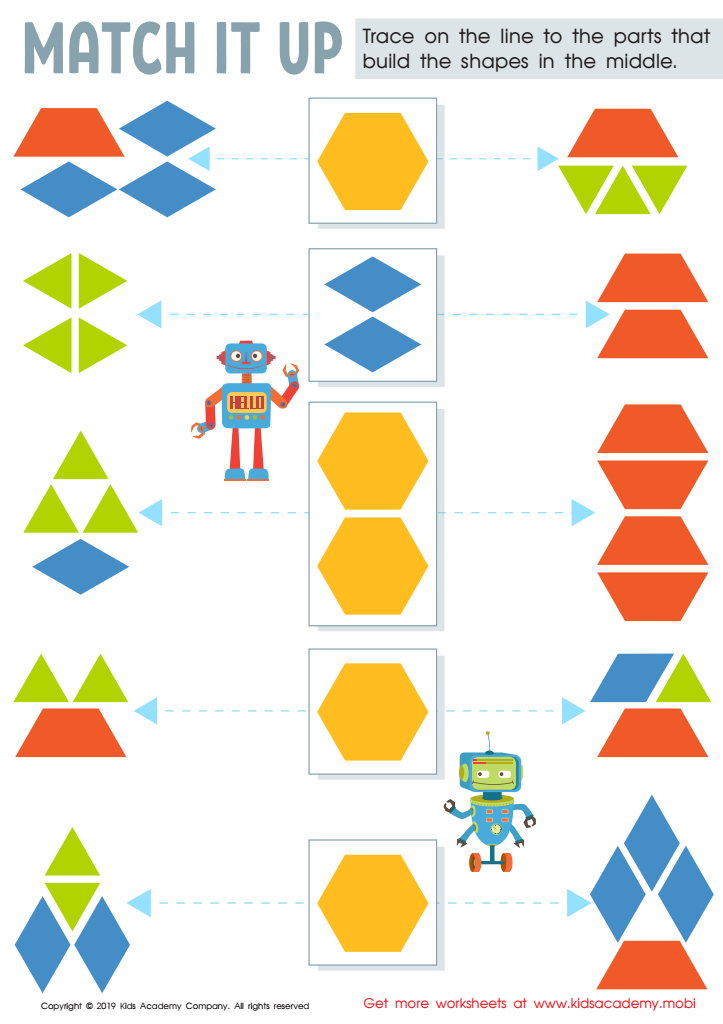
Match It up Worksheet
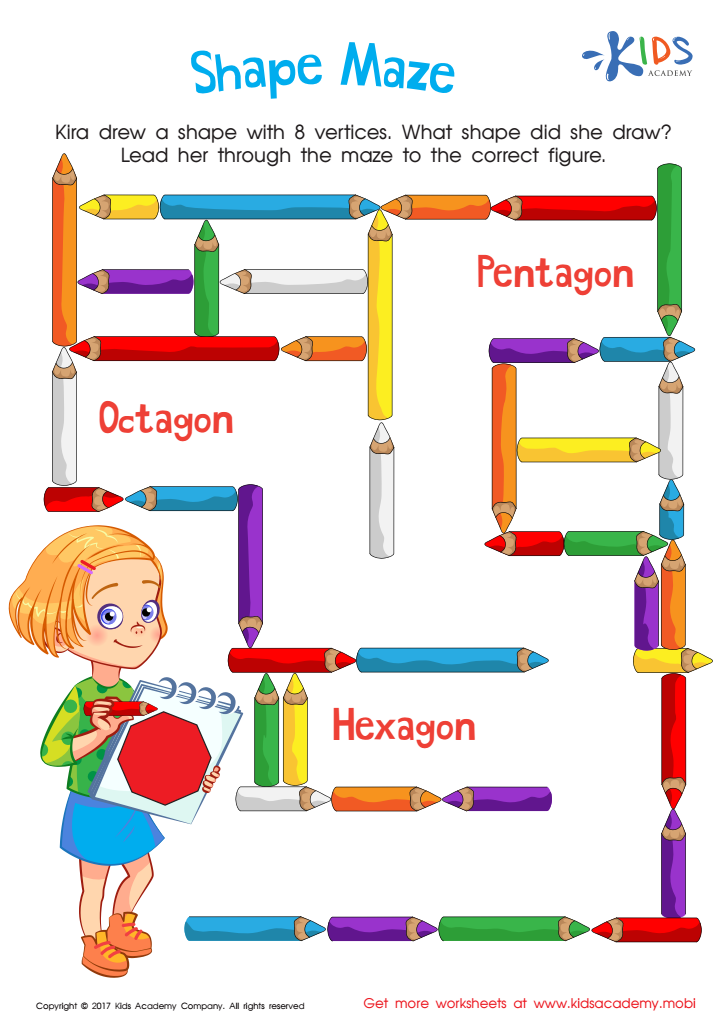
Shape Maze Worksheet
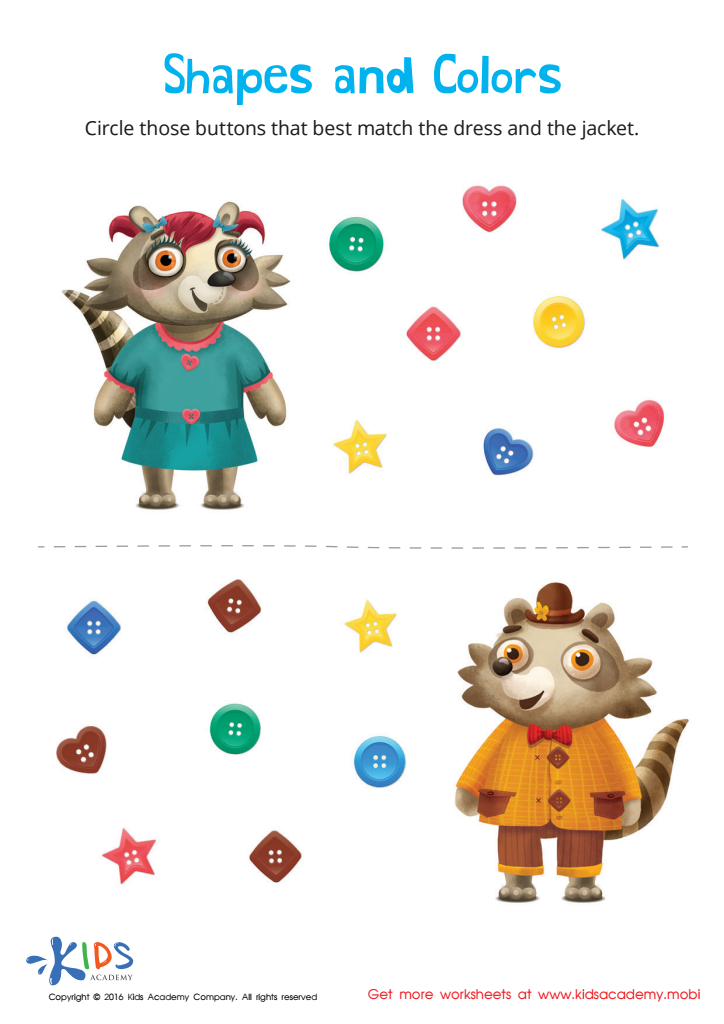
Matching: Shapes and Colors Worksheet
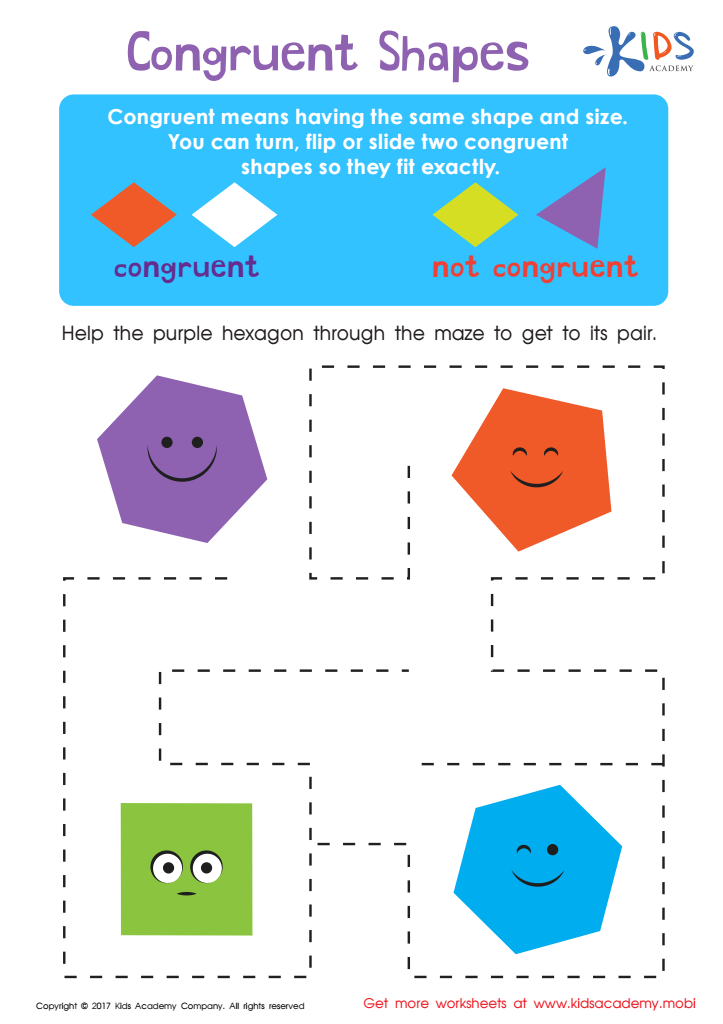
Congruent Shapes Worksheet
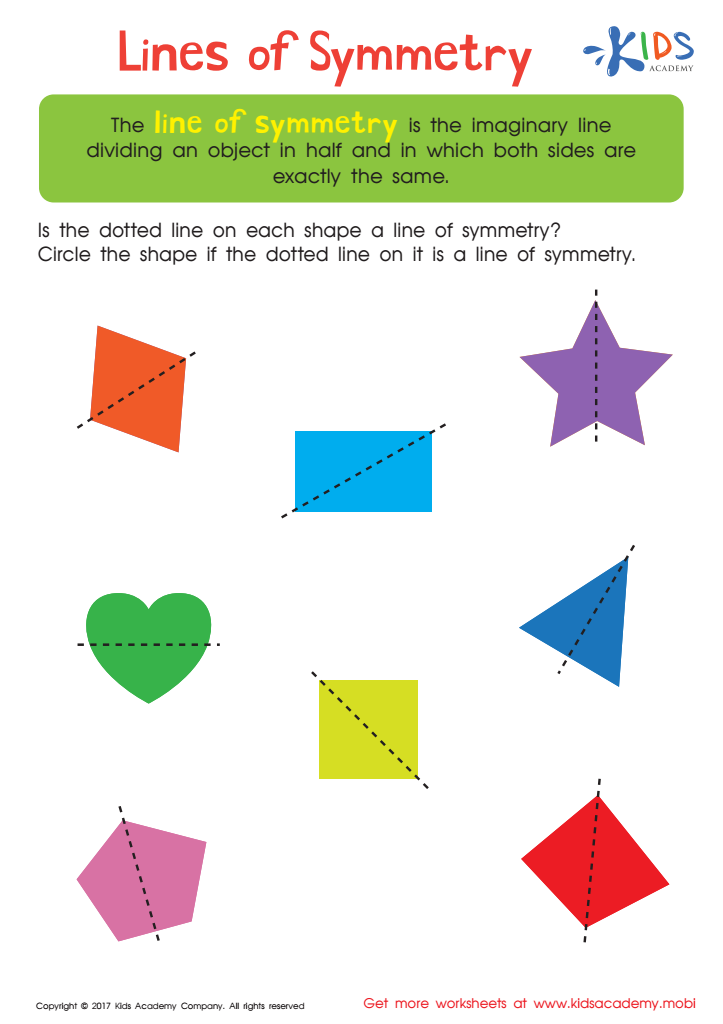
Lines of Symmetry Printable
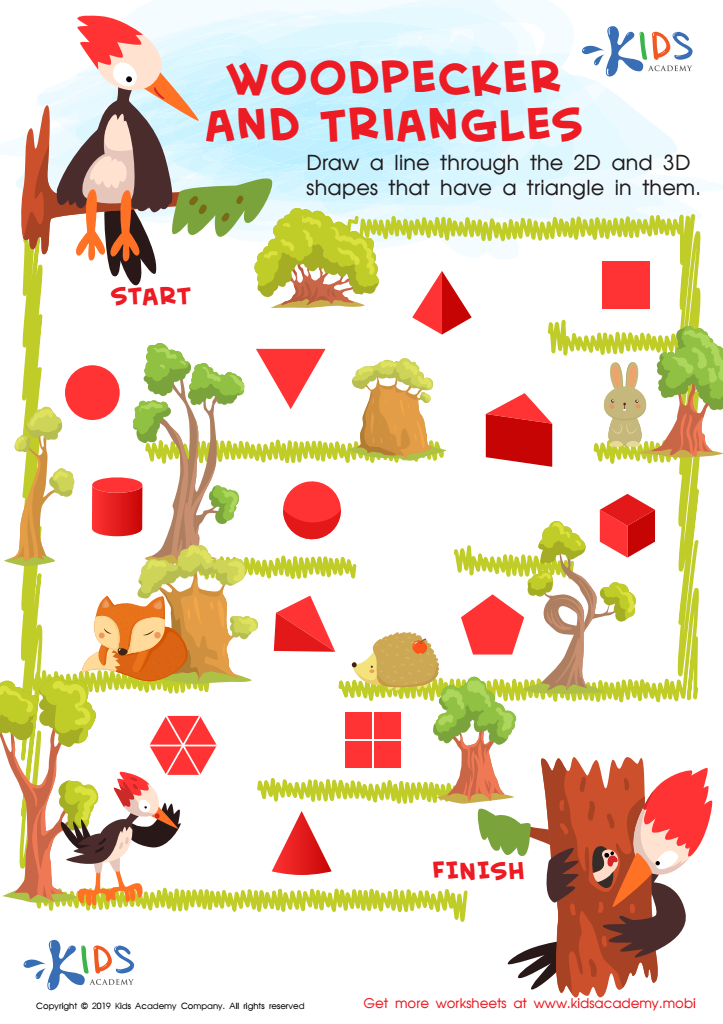
Woodpecker and Triangles Worksheet
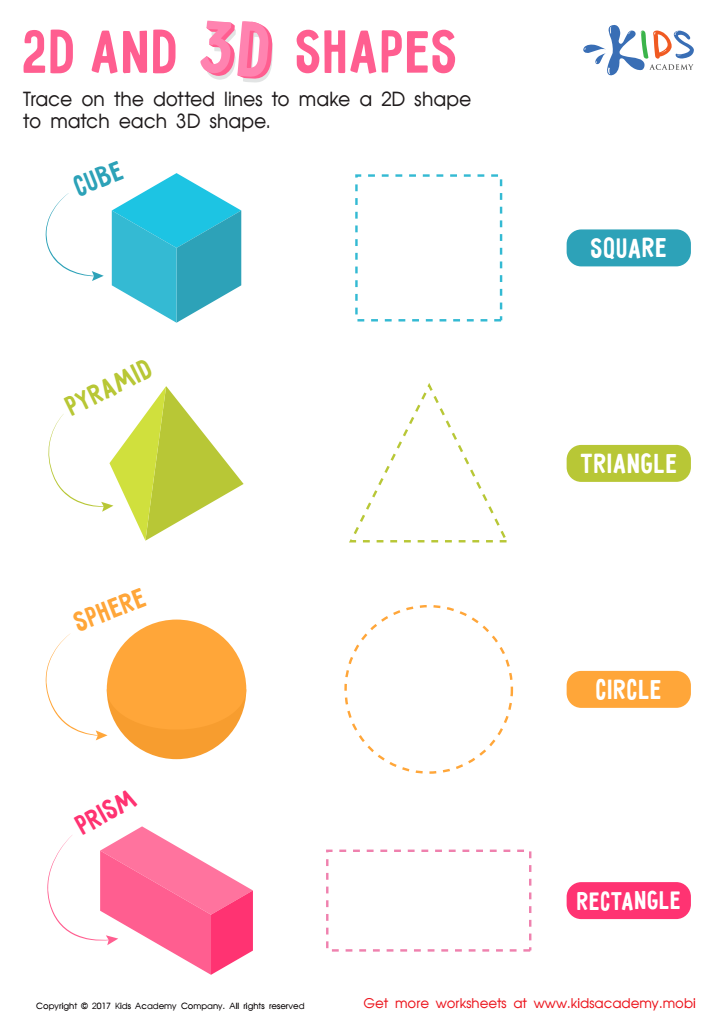
2D and 3D Shapes Worksheet
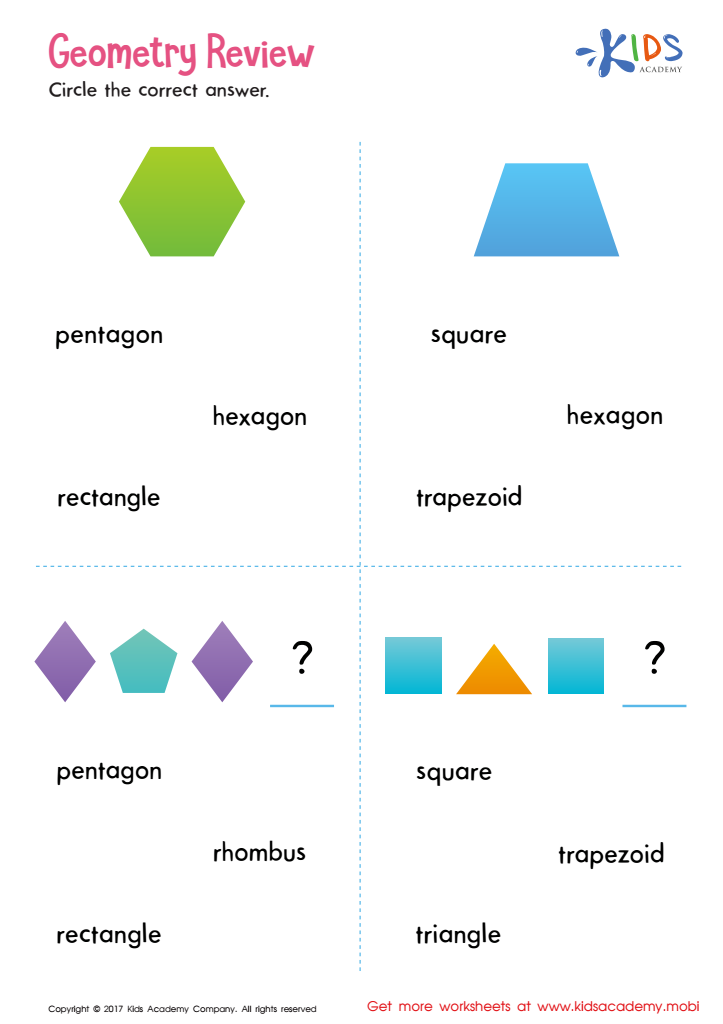
Geometry Review Printable
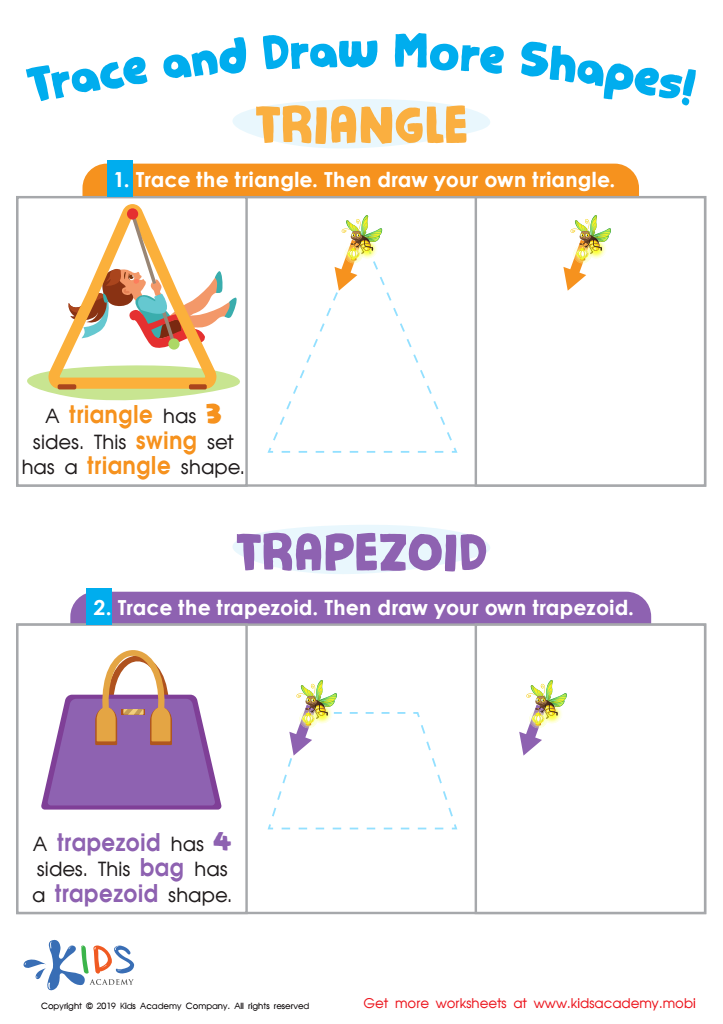
Trace and Draw More Shapes Worksheet
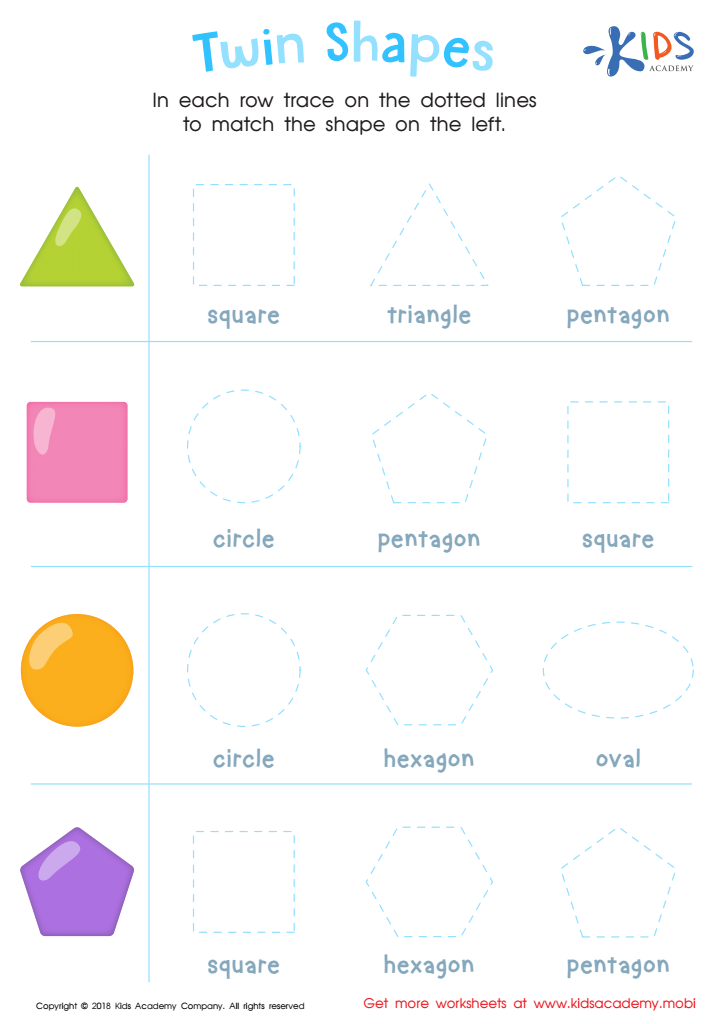
Twin Shapes Dot-to-Dot Worksheet
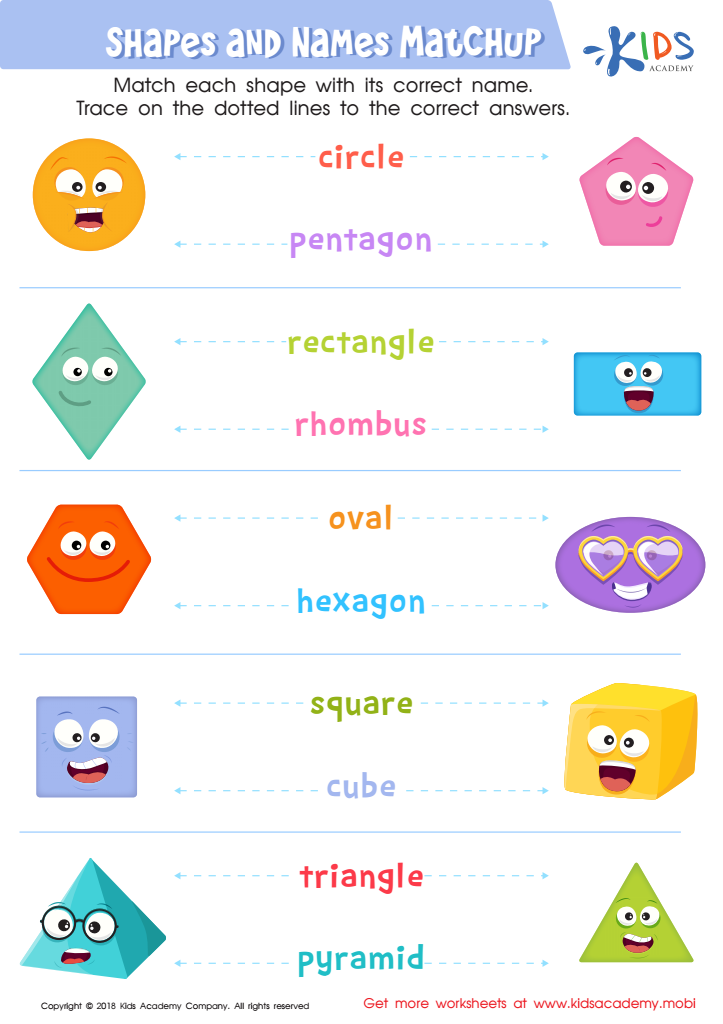
Shapes and Names Matchup Worksheet
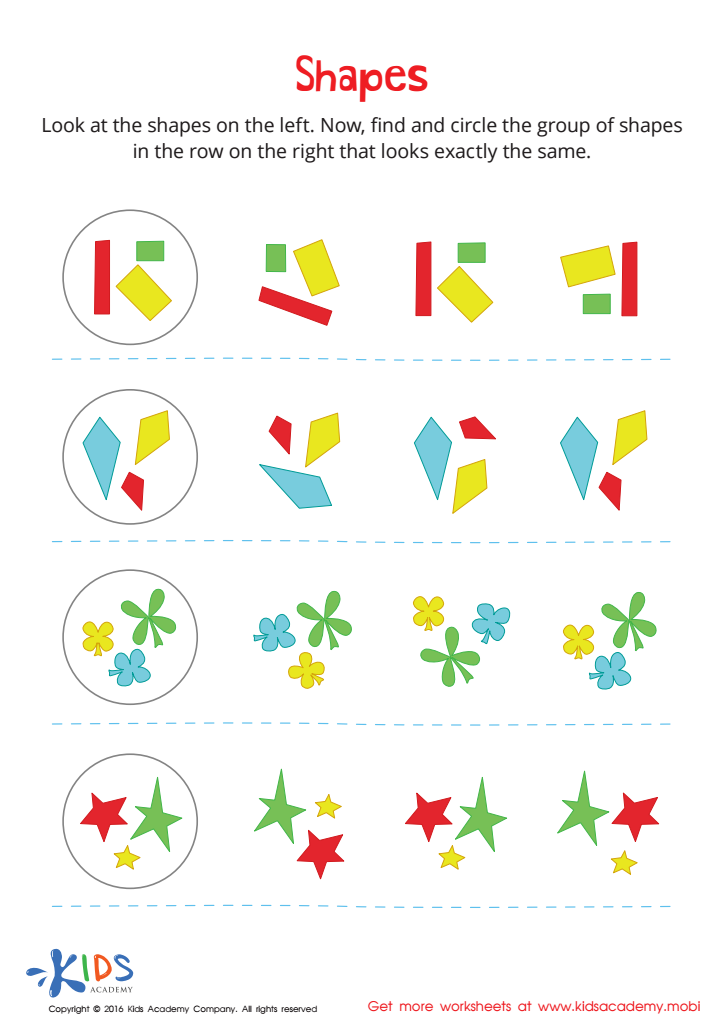
Shapes Worksheet








Extra Challenge 2D Shapes for children ages 4-9 is crucial, as it lays the foundation for their future understanding of geometry and other mathematical concepts. During these formative years, children are developing cognitive and spatial reasoning skills, which are central to comprehending more complex mathematical ideas later on. By engaging with 2D shapes through challenges and activities, children learn to recognize, name, and classify shapes, fostering their visual and spatial intelligence.
This foundational understanding also translates into improved problem-solving abilities. When children categorize and manipulate shapes, they enhance their logical reasoning and critical thinking capabilities. Skills like identifying patterns, symmetry, and dimensions, which are practiced through shape activities, become essential tools for academic success in math and science.
Additionally, working with shapes nurtures creativity and fine motor skills. Activities such as drawing, cutting, and decorating shapes engage children’s creativity and refine their hand-eye coordination.
For teachers and parents, facilitating shape-related activities also makes learning interactive and enjoyable. This positive experience encourages a love for learning math early on.
In summary, emphasizing Extra Challenge 2D Shapes for young learners equips them with essential skills needed for future academic success, practical problem-solving, and creative expression, underscoring the importance of this early educational engagement.