Fine Motor Skills Extra Challenge Math Worksheets for Ages 4-9
32 filtered results
-
From - To
Enhance your child's math abilities and fine motor skills with our engaging Fine Motor Skills Extra Challenge Math Worksheets, designed for ages 4-9. These thoughtfully crafted worksheets combine intricate tracing, cutting, and coloring activities with math challenges to boost dexterity and strengthen mathematical understanding. From number tracing to complex patterns and puzzles, each worksheet targets essential skills crucial for academic success. Perfect for tailoring to individual learning paces, they transform learning into a fun, hands-on experience. Ideal for parents and educators seeking effective, stimulating educational resources, our worksheets make mastering math enjoyable for young learners.
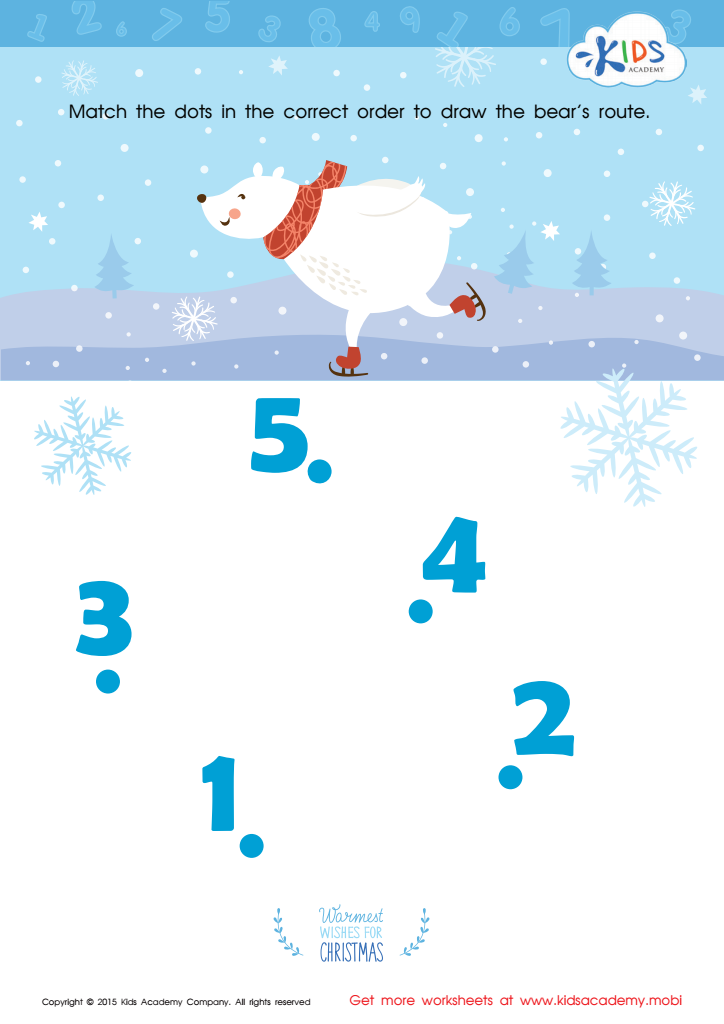
Drawing the Bear's Route by Number Worksheet
 Assign to My Students
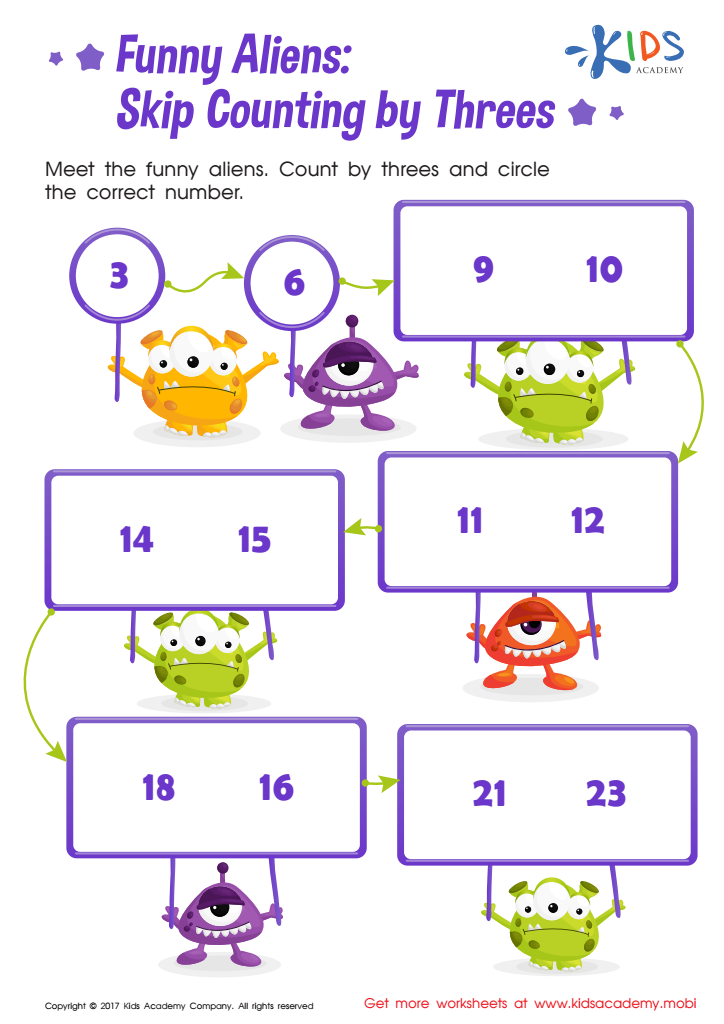
Skip Counting by 3s: Funny Aliens Printable
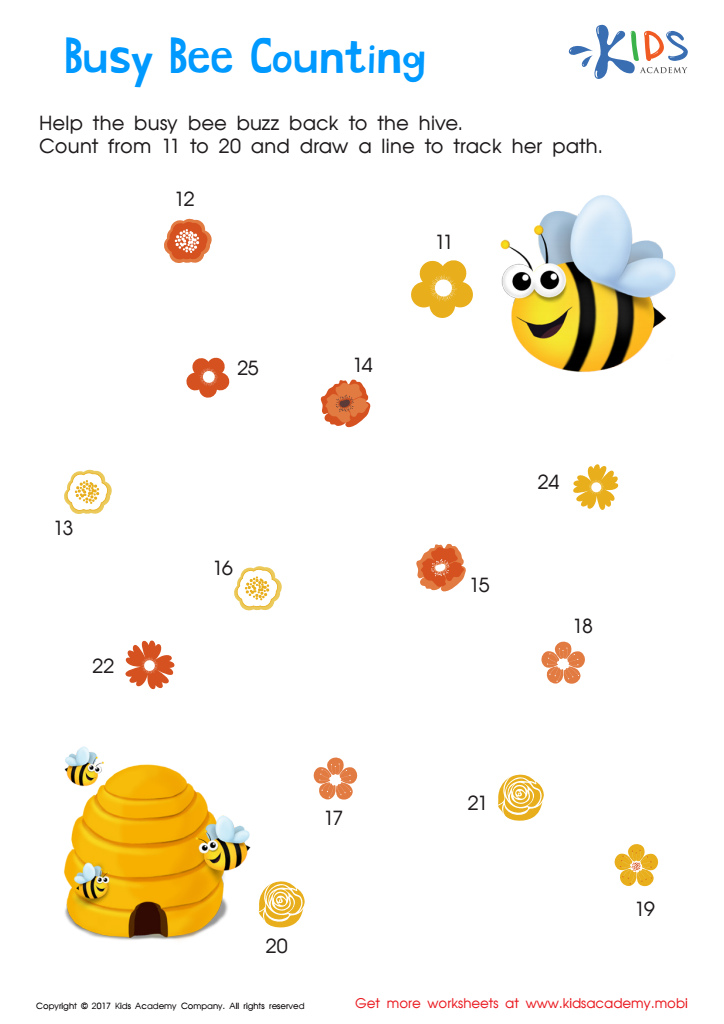
Ordering 11–20: Busy Bee Counting Worksheet
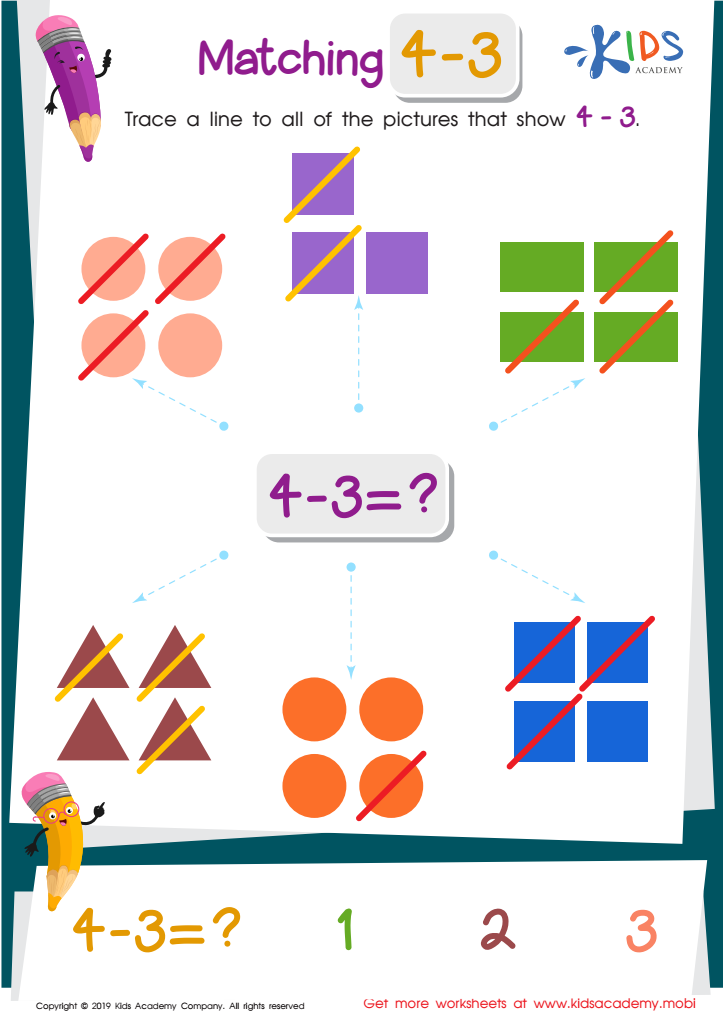
Matching 4 – 3 Worksheet
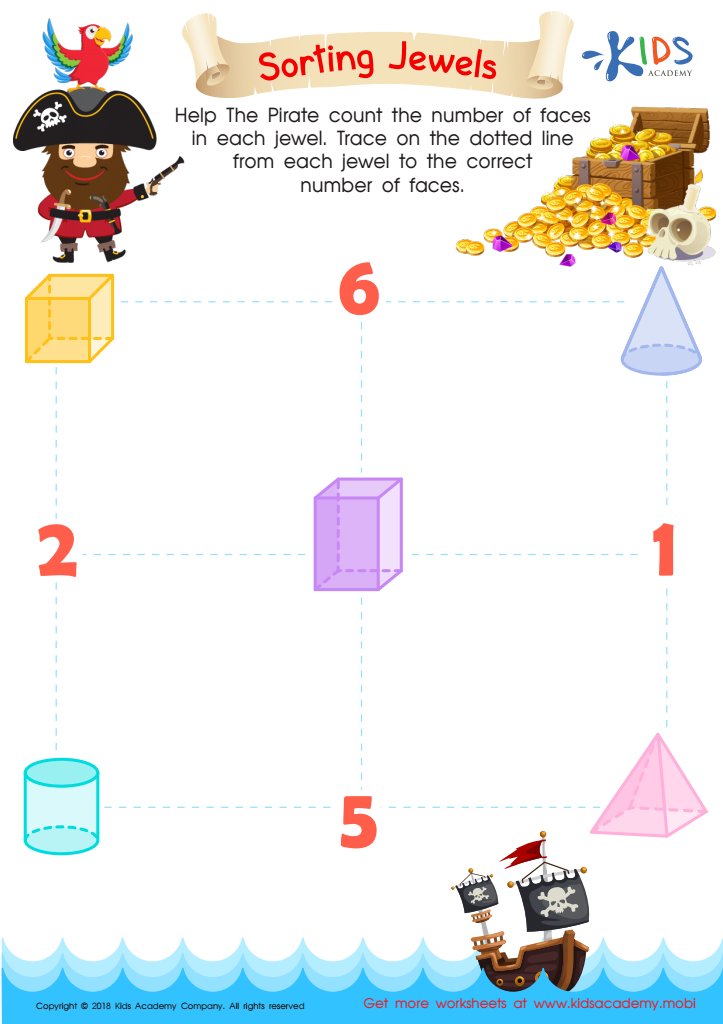
Sorting Jewels Worksheet
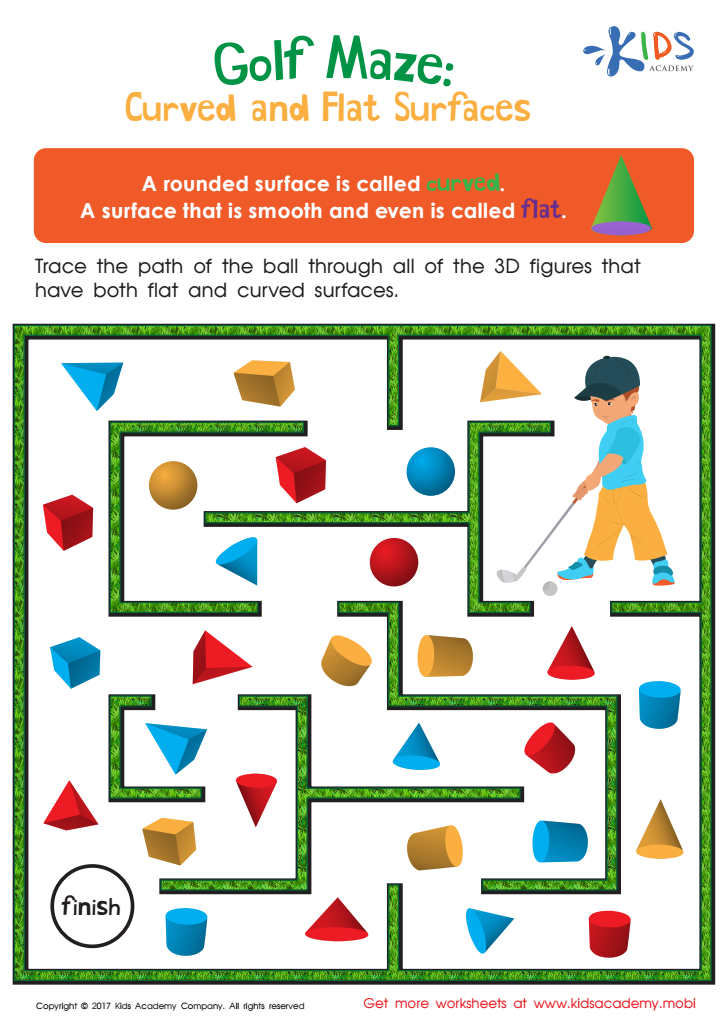
Golf Maze: Curved and Flat Surfaces Worksheet
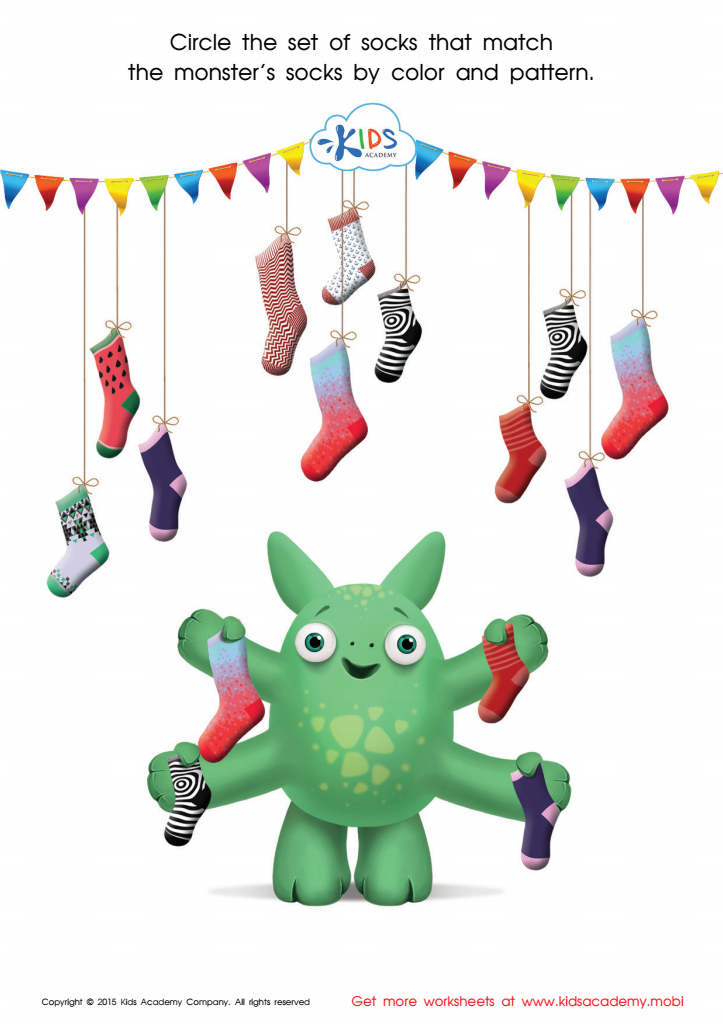
Sort the Monster's Socks Worksheet
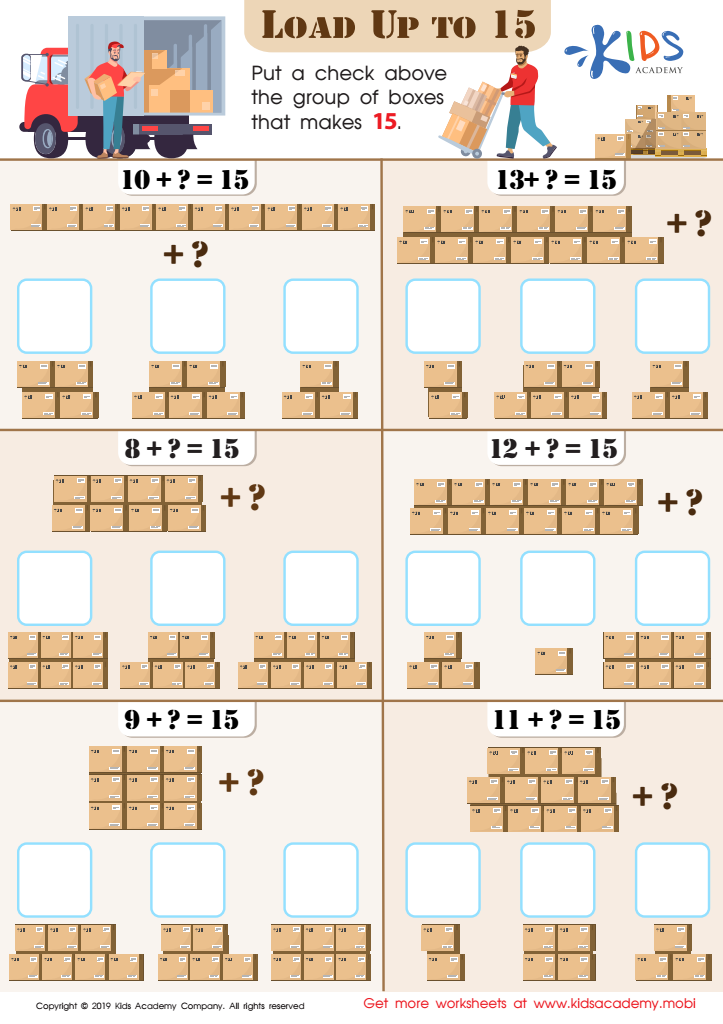
Load up to 15 Worksheet
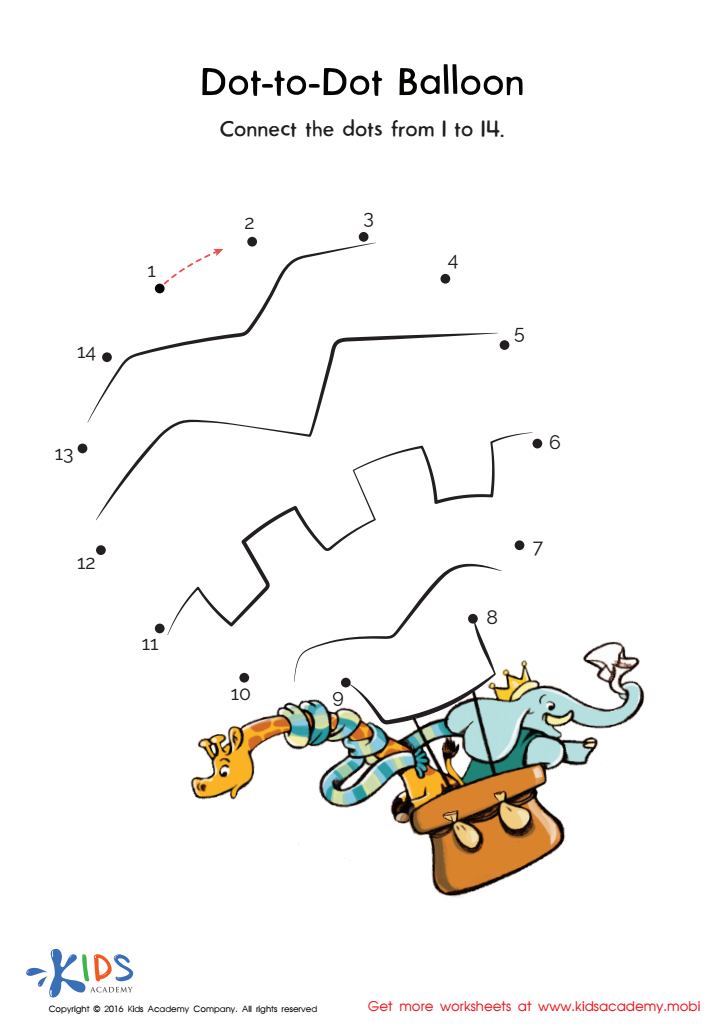
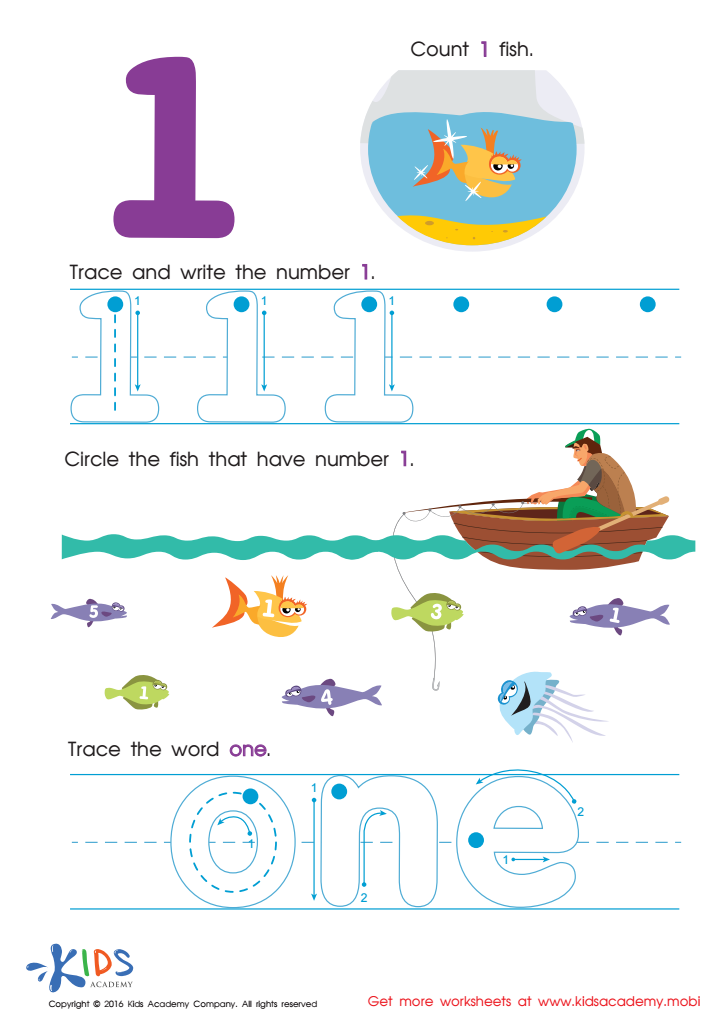
Learning to Write 1 Worksheet
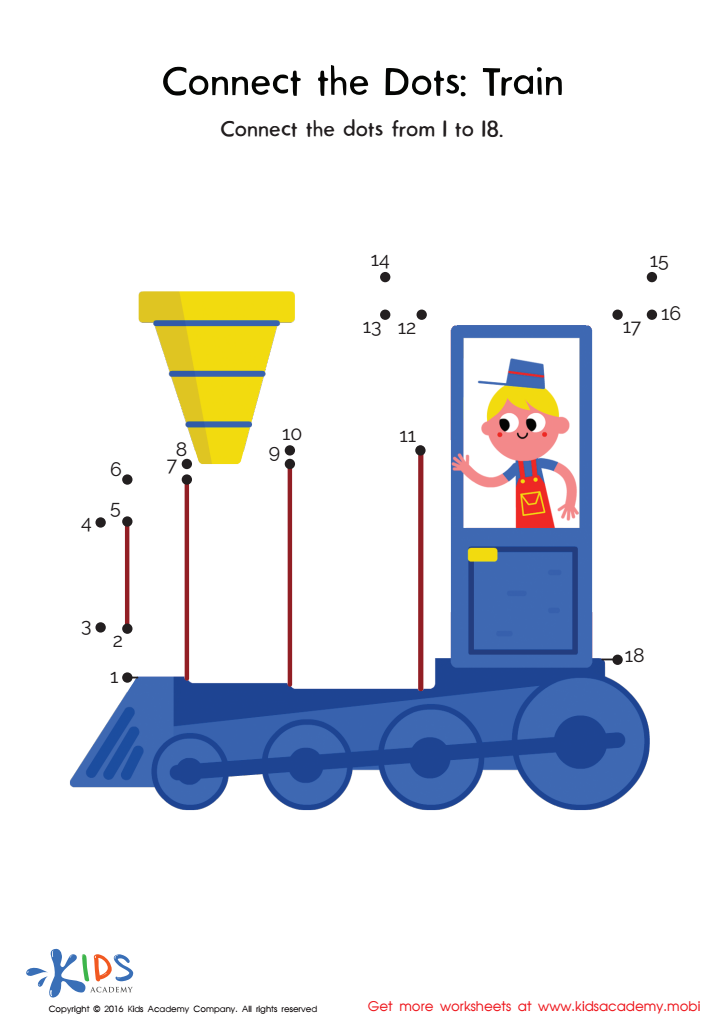
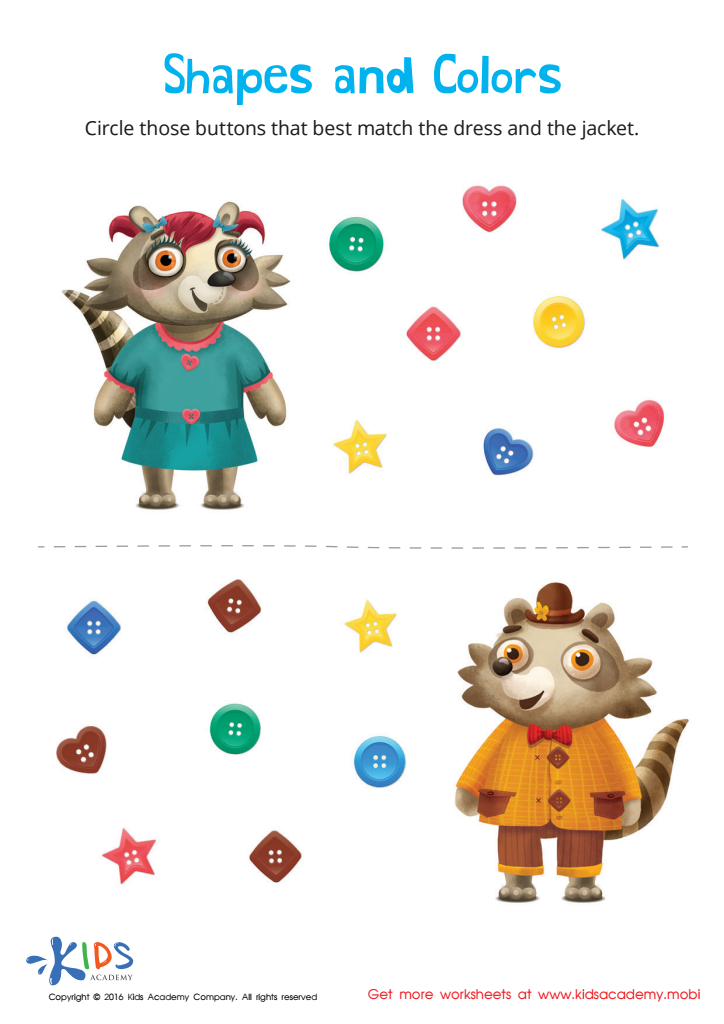
Matching: Shapes and Colors Worksheet
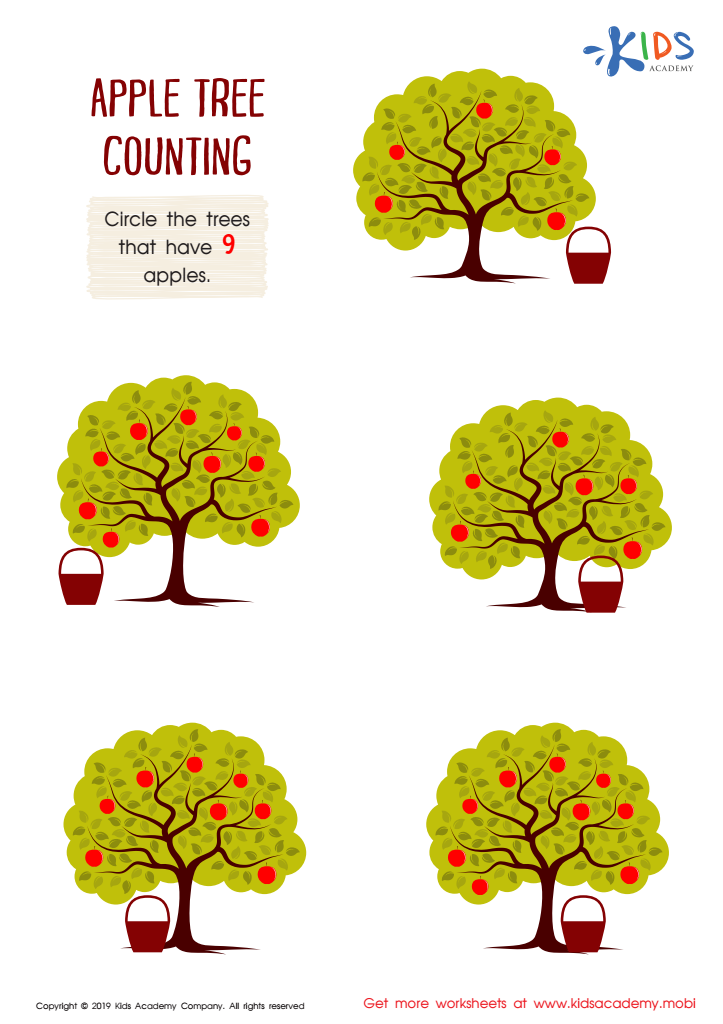
Apple Tree Counting Worksheet
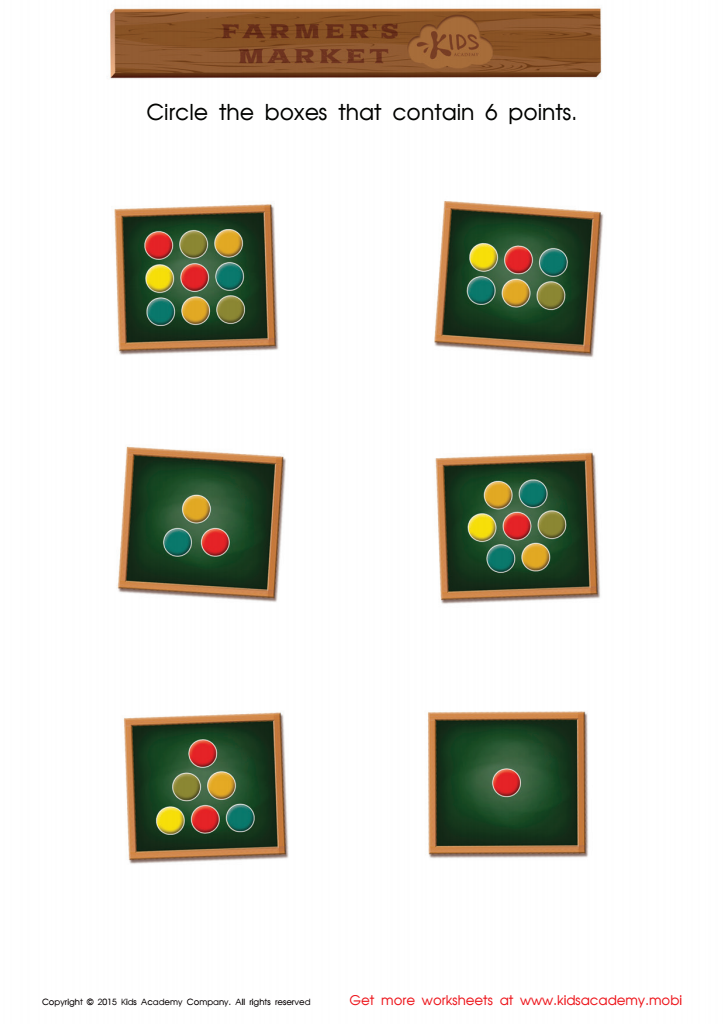
Count and Match Points 6 Math Worksheet
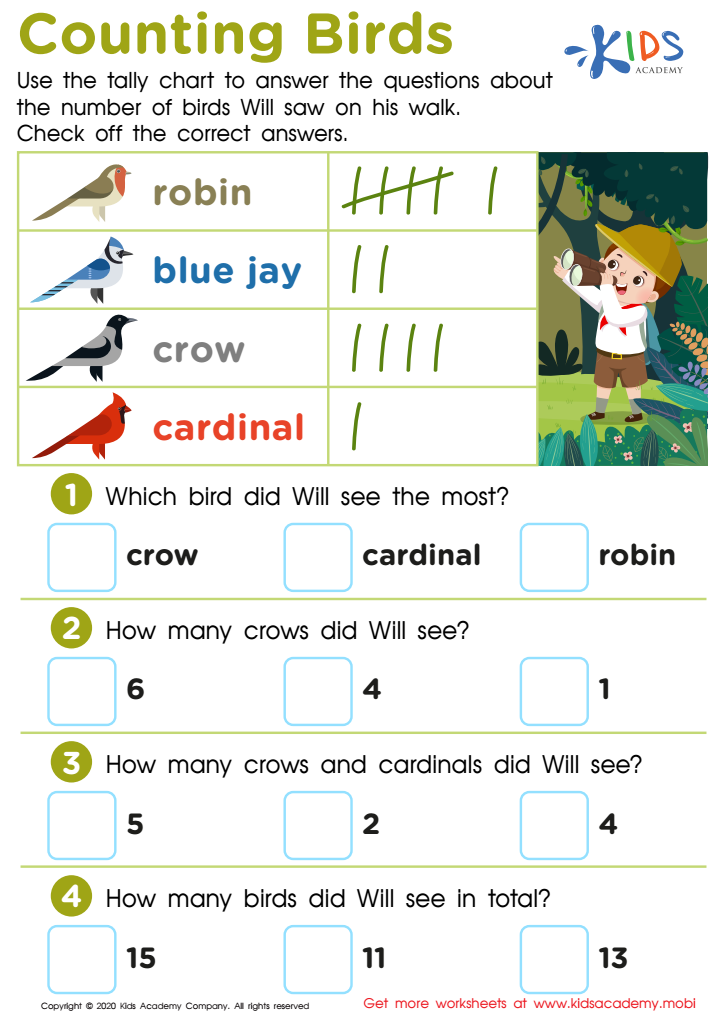
Counting Birds Worksheet
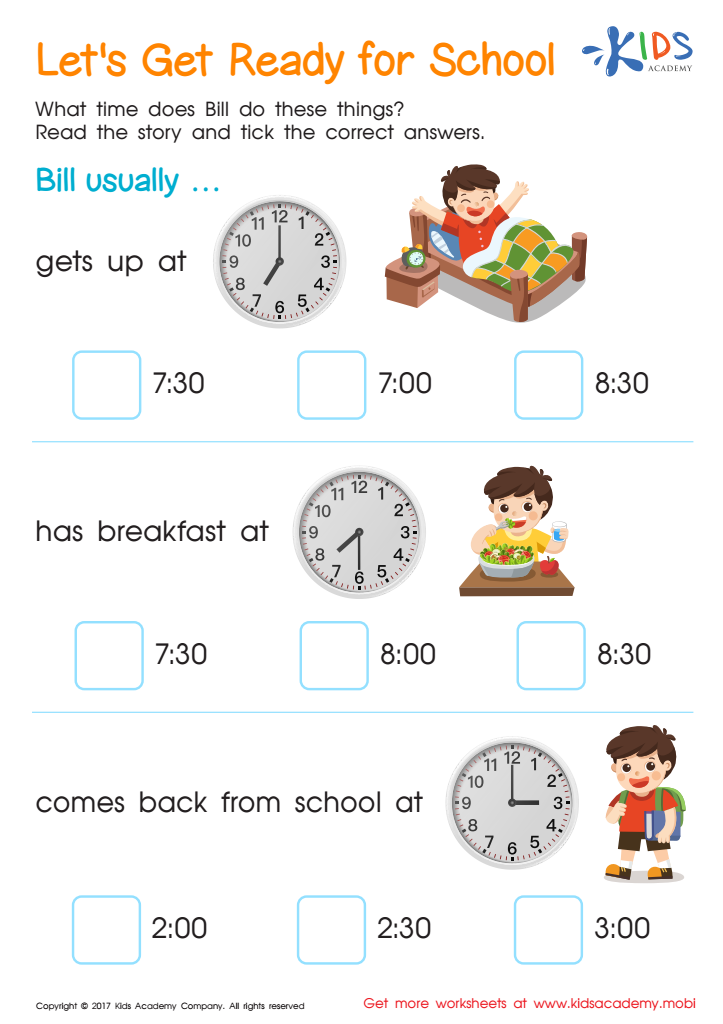
Lets Get Ready For School Time Printable
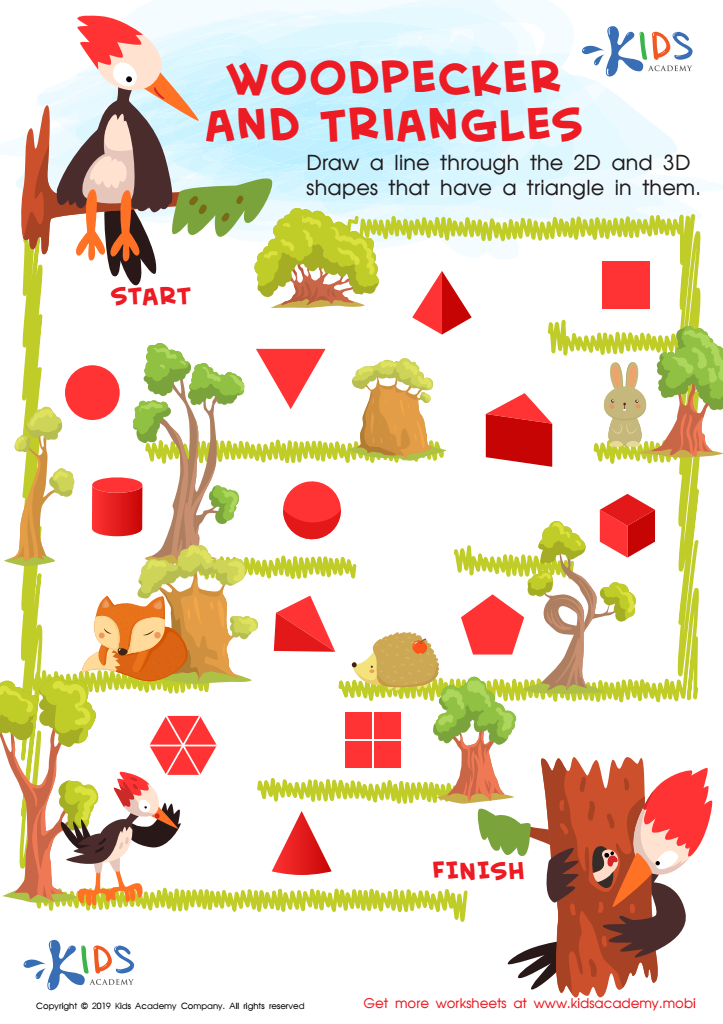
Woodpecker and Triangles Worksheet
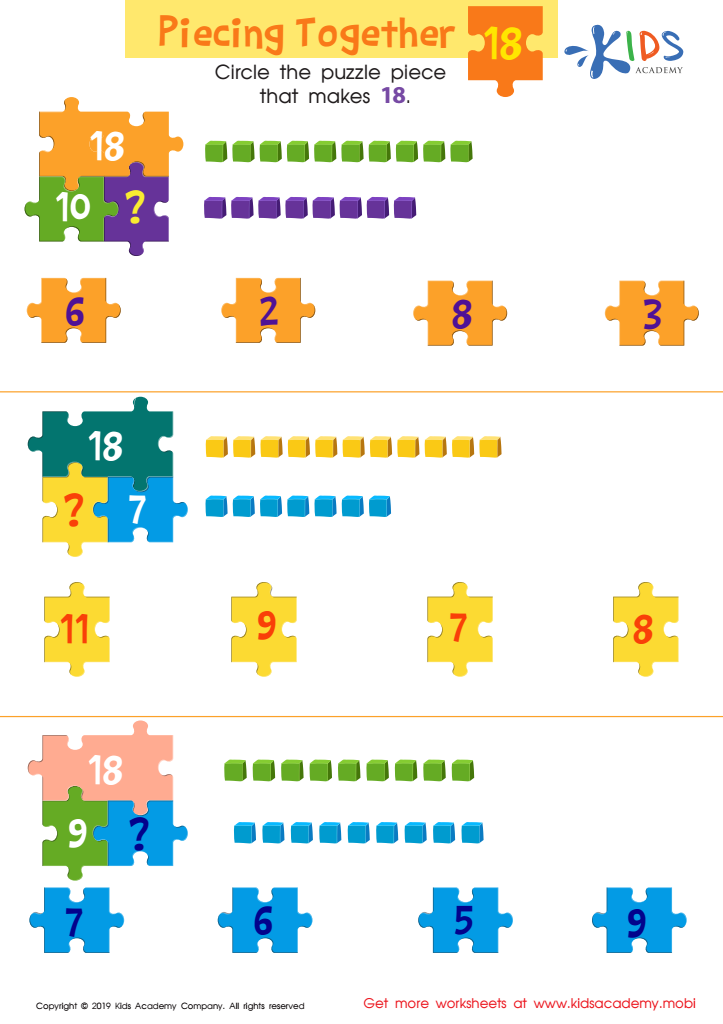
Piecing Together 18 Worksheet

Learn Number For Kindergarten Worksheet
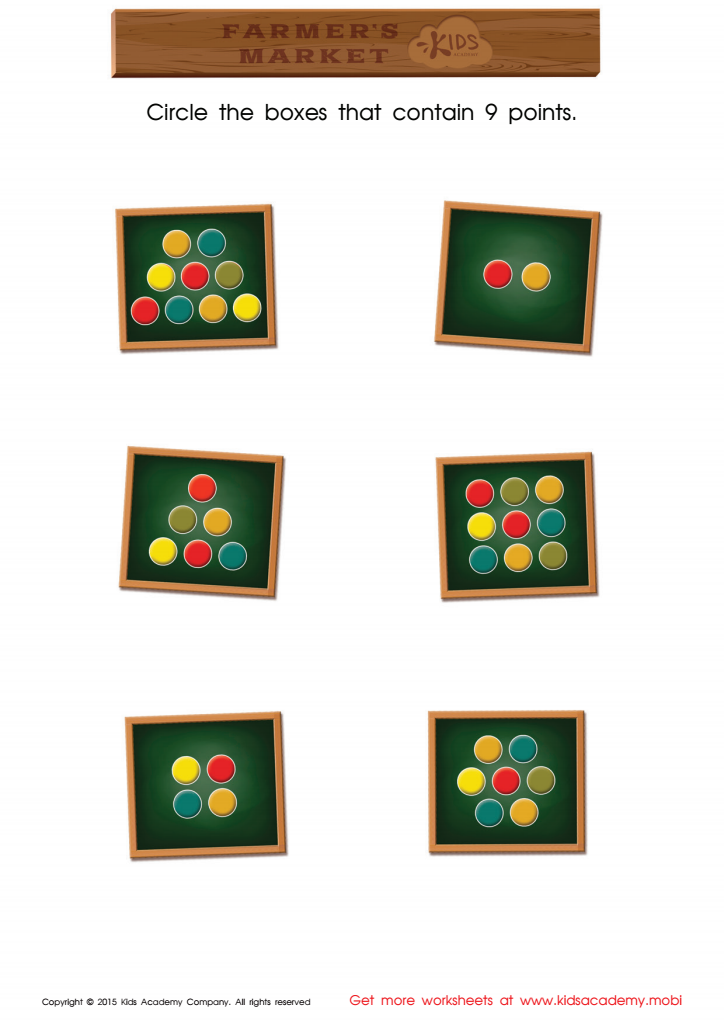
Count and Match Points 9 Math Worksheet
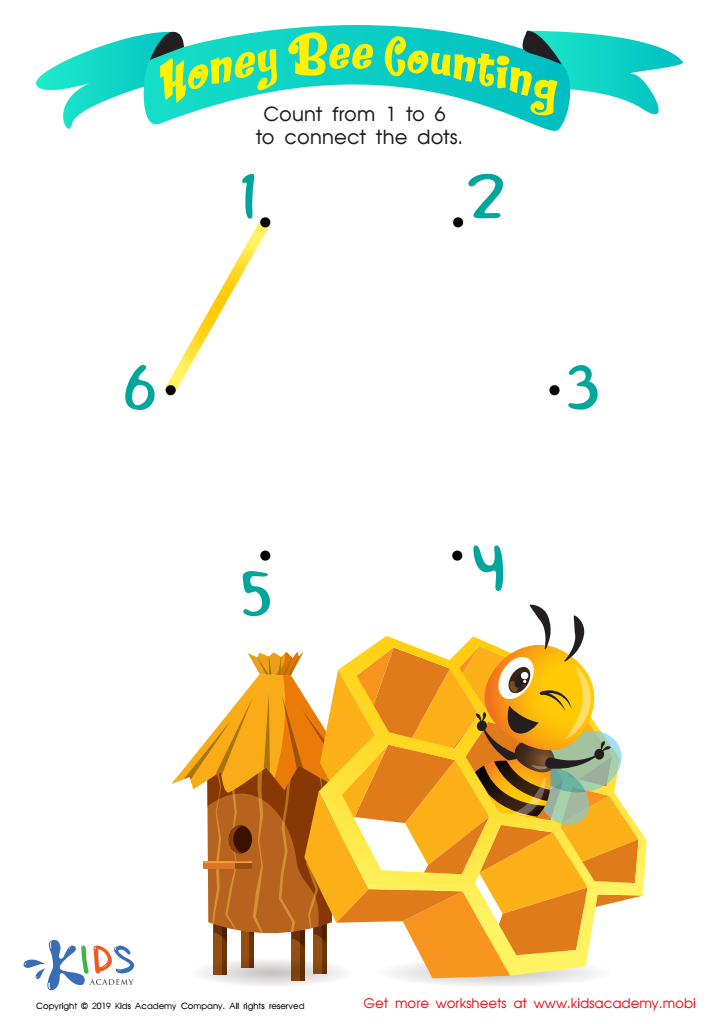
Honey Bee Counting Worksheet
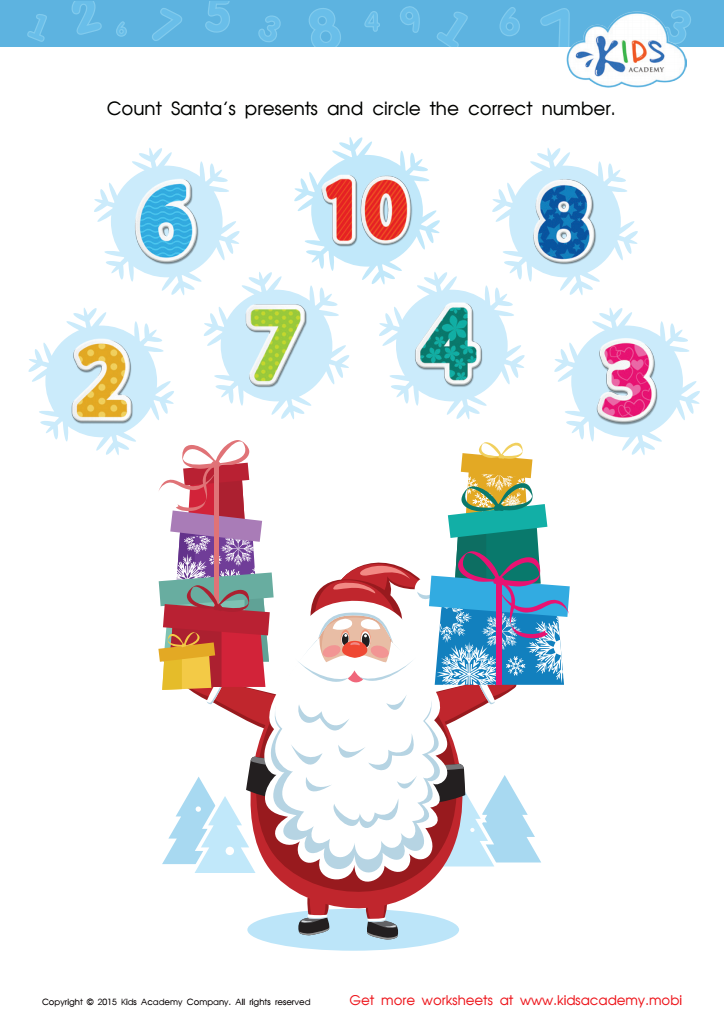
Count Santa's Presents Worksheet
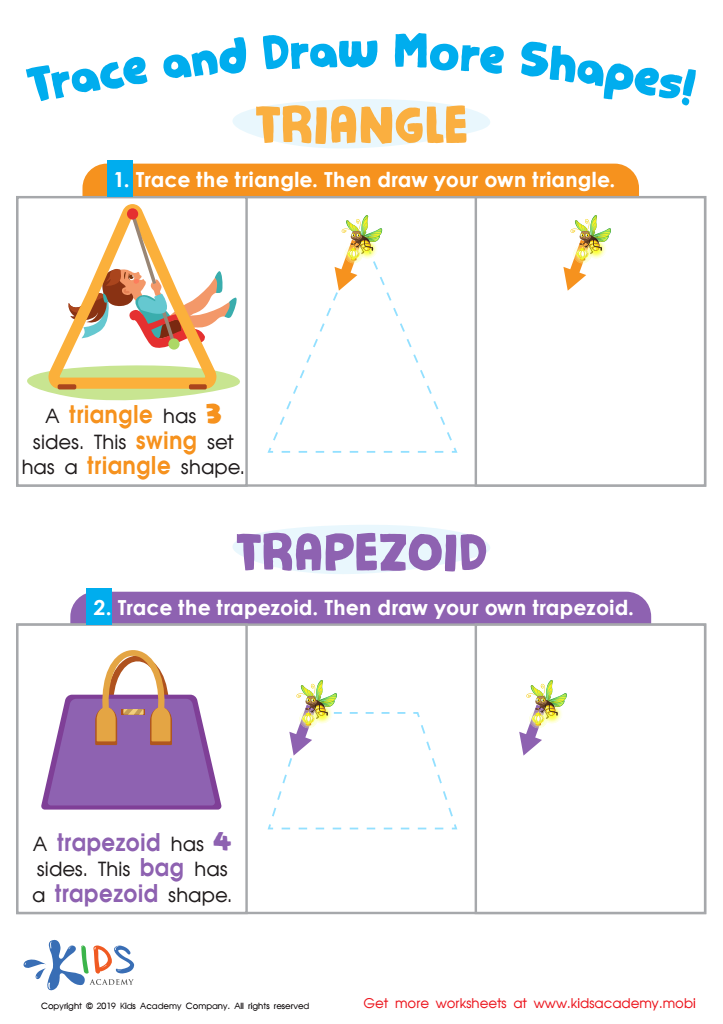
Trace and Draw More Shapes Worksheet








Fine Motor Skills Extra Challenge Math for children ages 4-9 is a crucial development tool that should garner attention from both parents and teachers. Fine motor skills involve the small muscles in the hands, essential for writing, manipulating objects, and performing everyday tasks. Integrating these skills with math challenges not only enhances cognitive development but also improves manual dexterity.
Children in this age bracket are in a critical period for developing both motor skills and foundational math concepts. Activities that combine these aspects provide a multifaceted learning experience. For instance, tasks such as tracing numbers, sorting small objects, or using tweezers to count beads not only teach math but also improve hand-eye coordination, precision, and control, which are beneficial for writing and other academic pursuits.
Moreover, these activities can make learning math more engaging. Manipulating objects and solving puzzles can transform abstract concepts into tangible and interactive experiences, aiding in better comprehension and retention. For children who may struggle with traditional learning methods, this combined approach offers an alternative pathway to grasp essential skills.
Incorporating Fine Motor Skills Extra Challenge Math can help position children for future academic success, supporting both their intellectual and physical development in a well-rounded, integrative manner. Therefore, this approach merits the attention and engagement of all parents and educators.








