Number Sequencing Extra Challenge Numbers Worksheets for Ages 5-7
6 filtered results
-
From - To
Discover an exciting way to boost your child’s number sequencing skills with our Number Sequencing Extra Challenge Numbers Worksheets for Ages 5-7! Tailored for young learners, these engaging worksheets offer a mix of fun activities and challenging exercises designed to enhance numerical understanding and pattern recognition. Perfect for at-home learning or classroom use, each worksheet encourages children to confidently identify, follow, and create number sequences. By integrating colorful visuals and kid-friendly themes, our resources make mastering math concepts enjoyable. Help your child build a strong foundation in math with our expertly crafted worksheets that make learning an adventure!
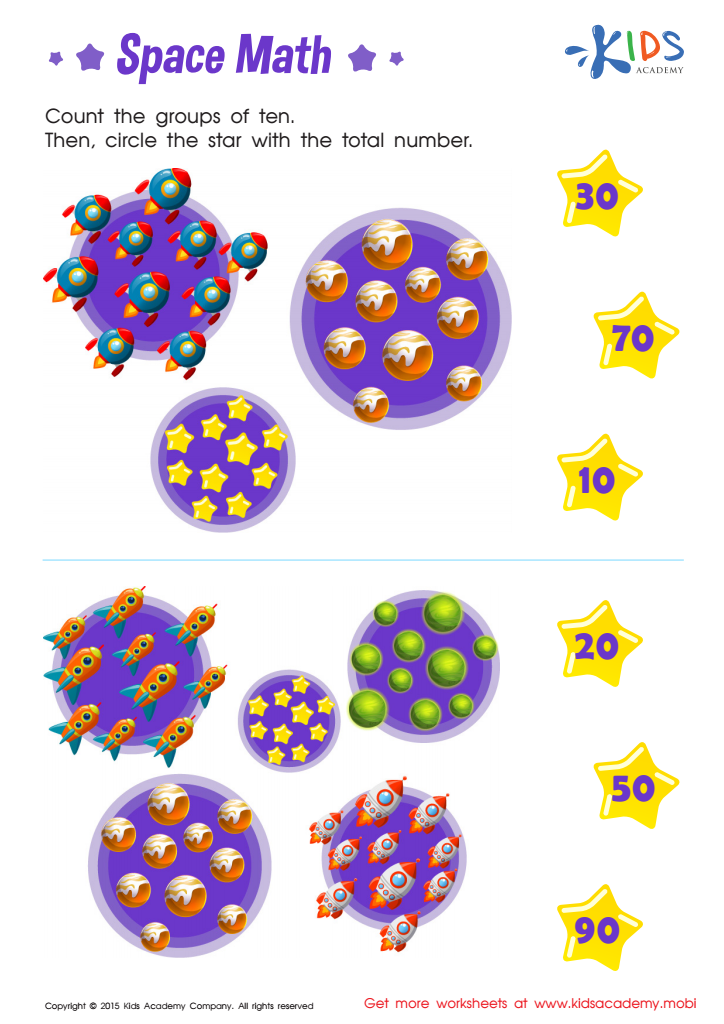
Learn dozens: Space math Worksheet
 Assign to My Students
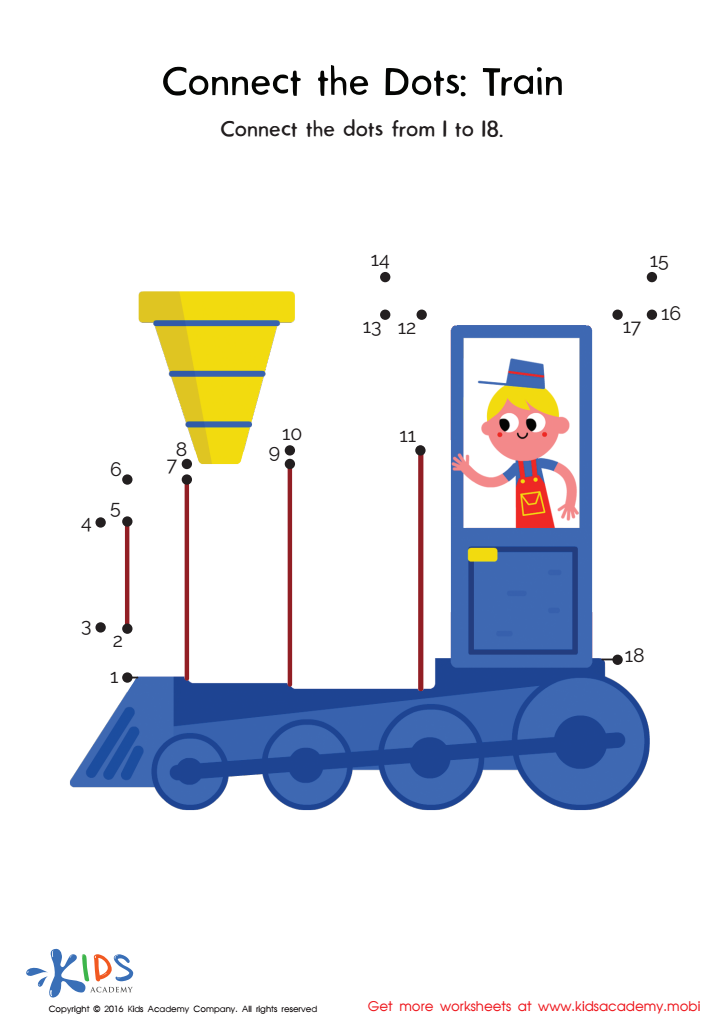
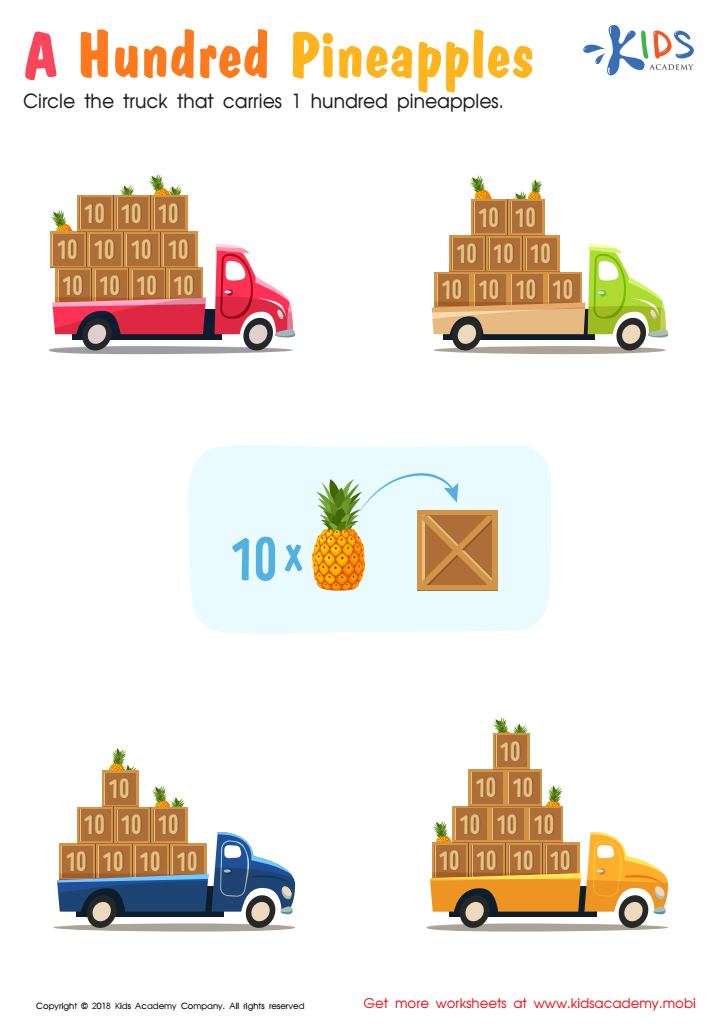
A Hundred Pineapples Worksheet

Pirate Ship Connect Dots Worksheet
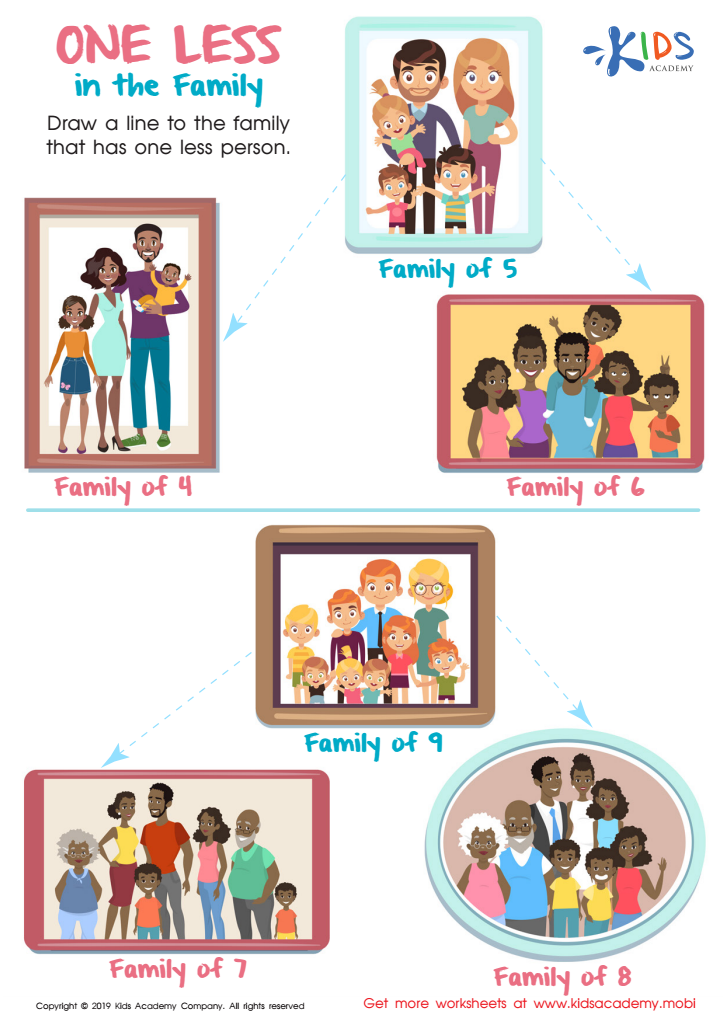
One Less in the Family Worksheet
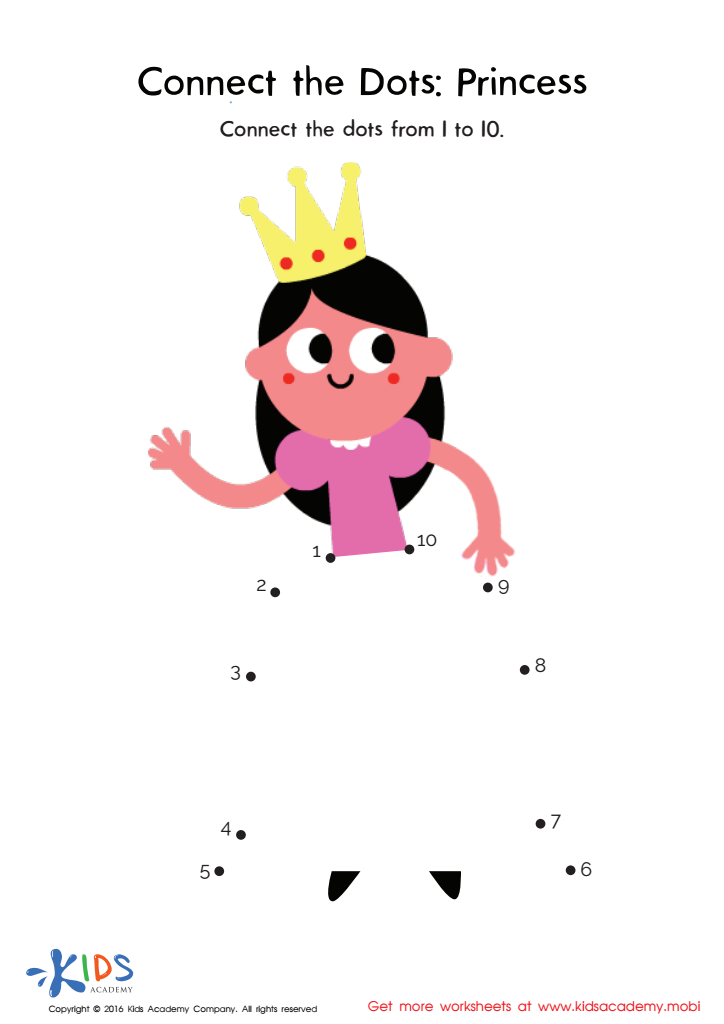
Princess Connect Dots Worksheet








Parents and teachers should prioritize the use of Number Sequencing Extra Challenge Numbers for children aged 5-7 for several compelling reasons. Early number sequencing skills underpin a child's overall mathematical development. When children engage in sequencing challenges, they not only learn to count accurately but also develop a deeper understanding of number order and patterns, which are foundational aspects of arithmetic.
These challenges stimulate cognitive growth by enhancing memory, attention to detail, and logical thinking. Through exercises that require children to identify, predict, and fill in missing numbers in a sequence, they build problem-solving abilities and improve their number sense — an instinctive feel for numbers and their relationships. This foundational skill is crucial for more complex mathematical concepts later on, such as addition, subtraction, multiplication, and division.
Moreover, these activities can be both engaging and fun, which helps to sustain a child's interest and encourage a positive attitude towards math. Mastering number sequencing at an early age builds confidence, ensuring that children are more likely to participate actively and succeed in classroom settings. Teachers and parents, by fostering these skills through structured yet creative problem-solving activities, set a solid groundwork for a child's long-term academic success in mathematics.