Problem-Solving Skills Extra Challenge Grade 1 Worksheets - Page 2
48 filtered results
-
From - To
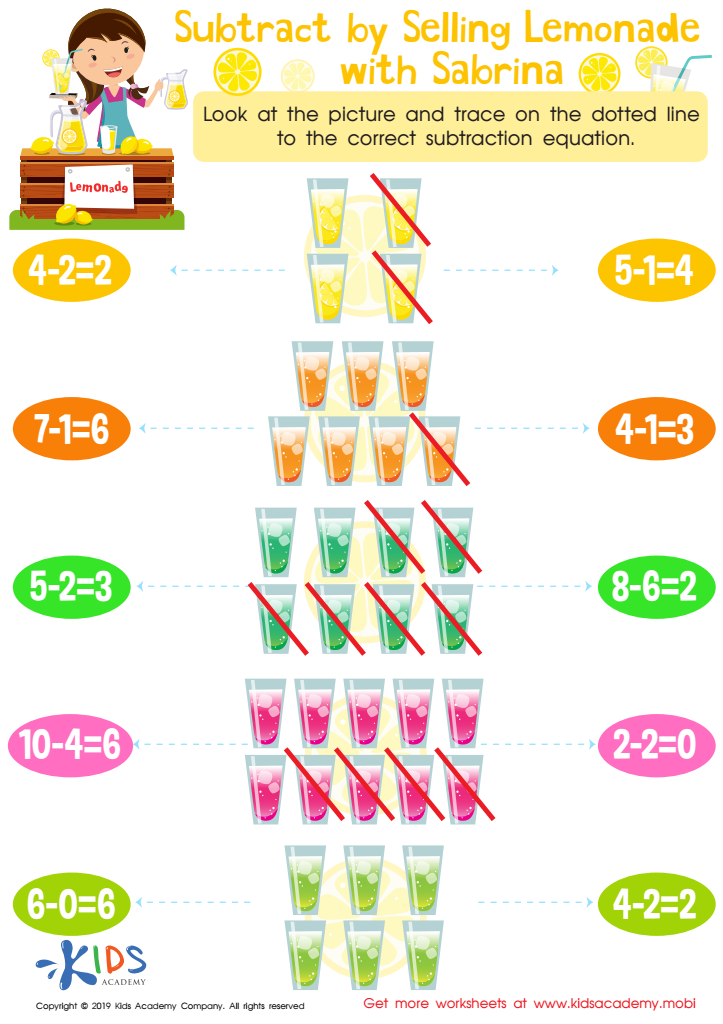
Subtract by Selling Lemonade with Sabrina Worksheet
 Assign to My Students
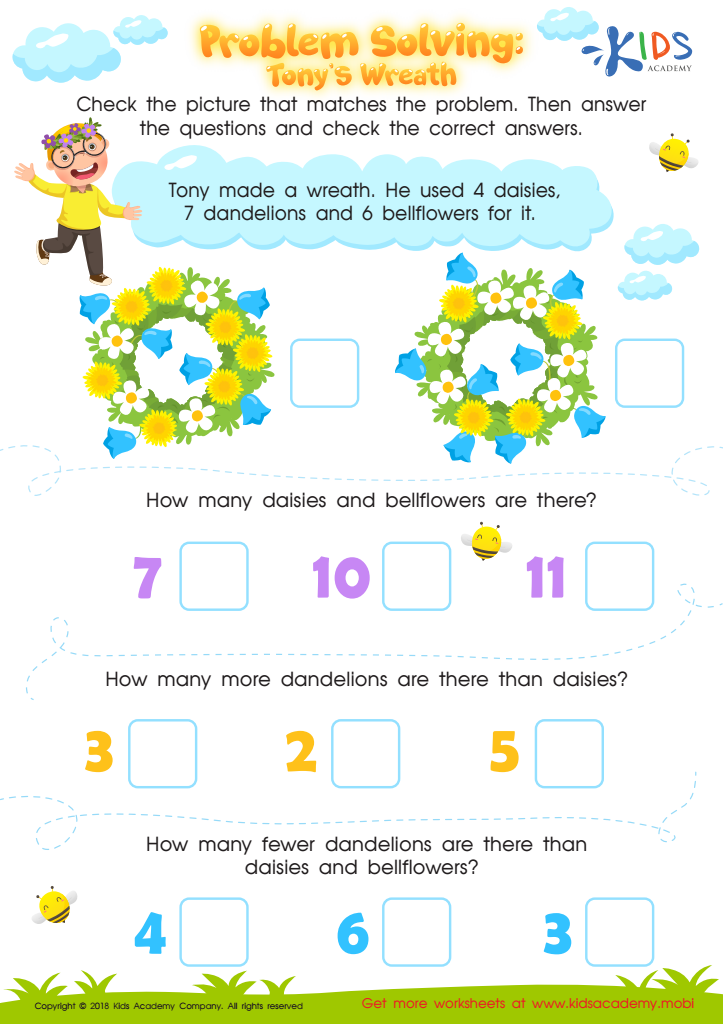
Problem Solving: Tony's Wreath Worksheet
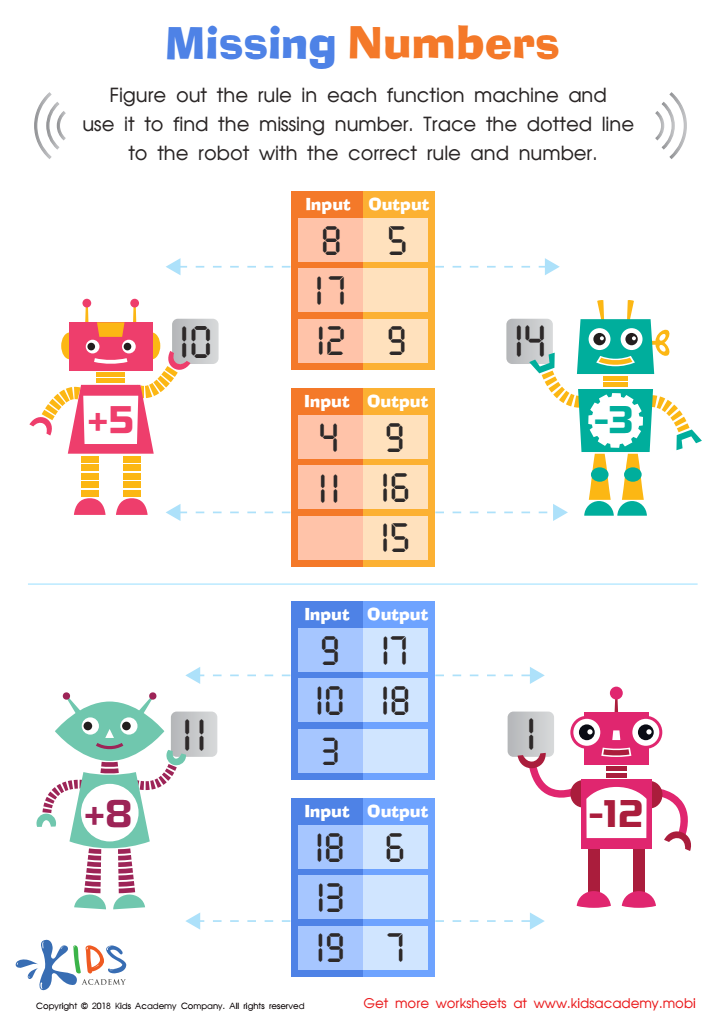
Missing Numbers Worksheet
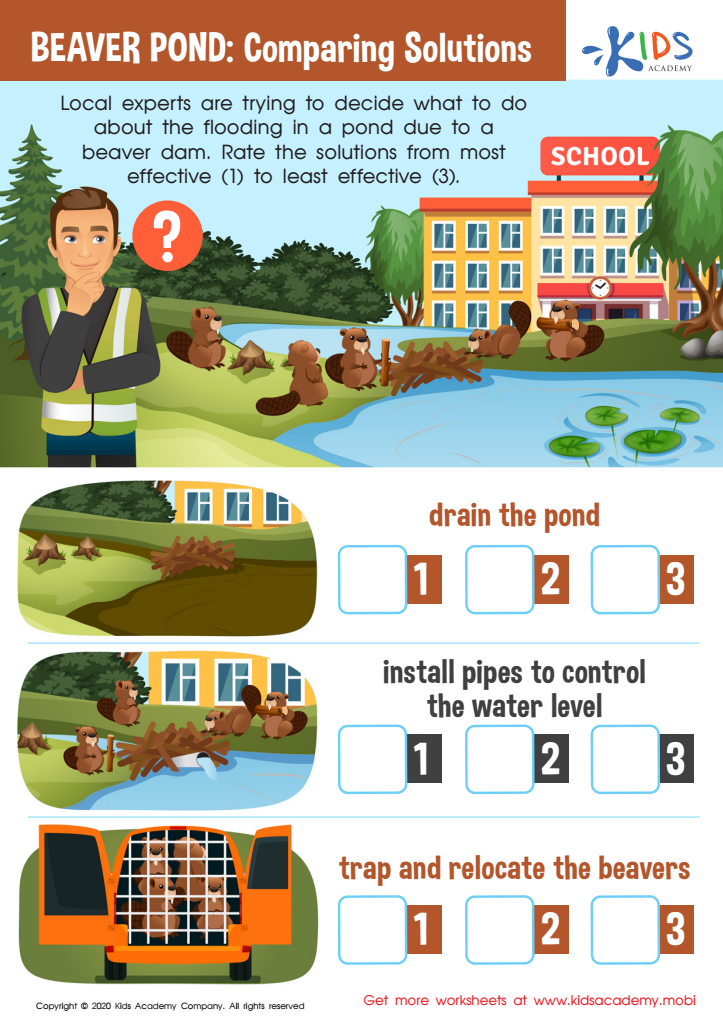
Beaver Pond: Comparing Solutions Worksheet
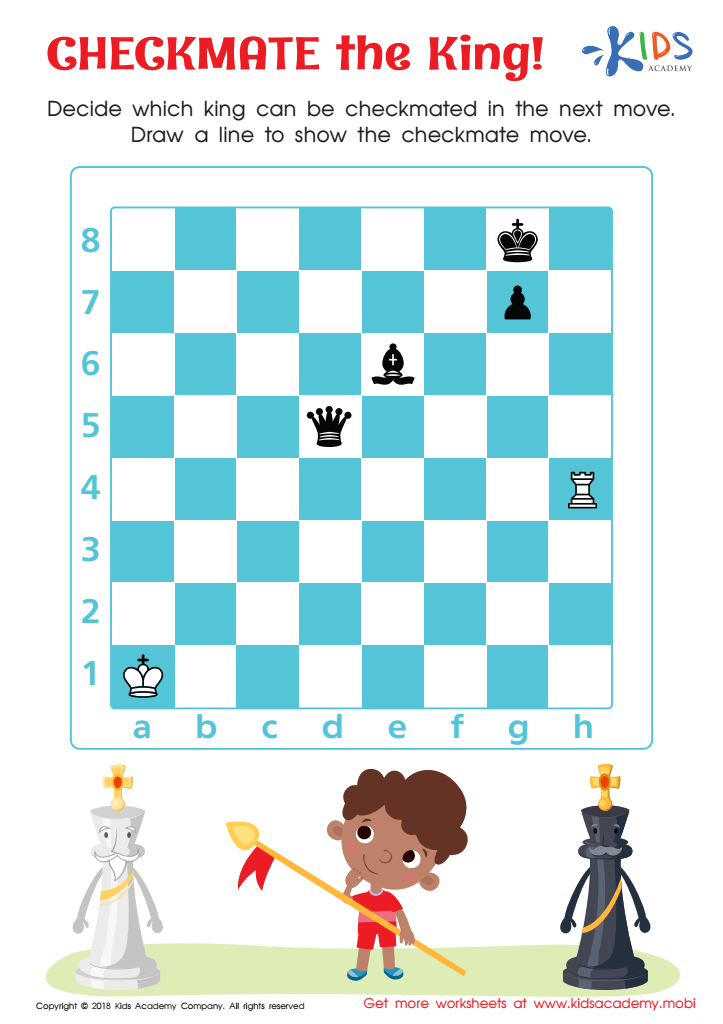
Checkmate the King Worksheet
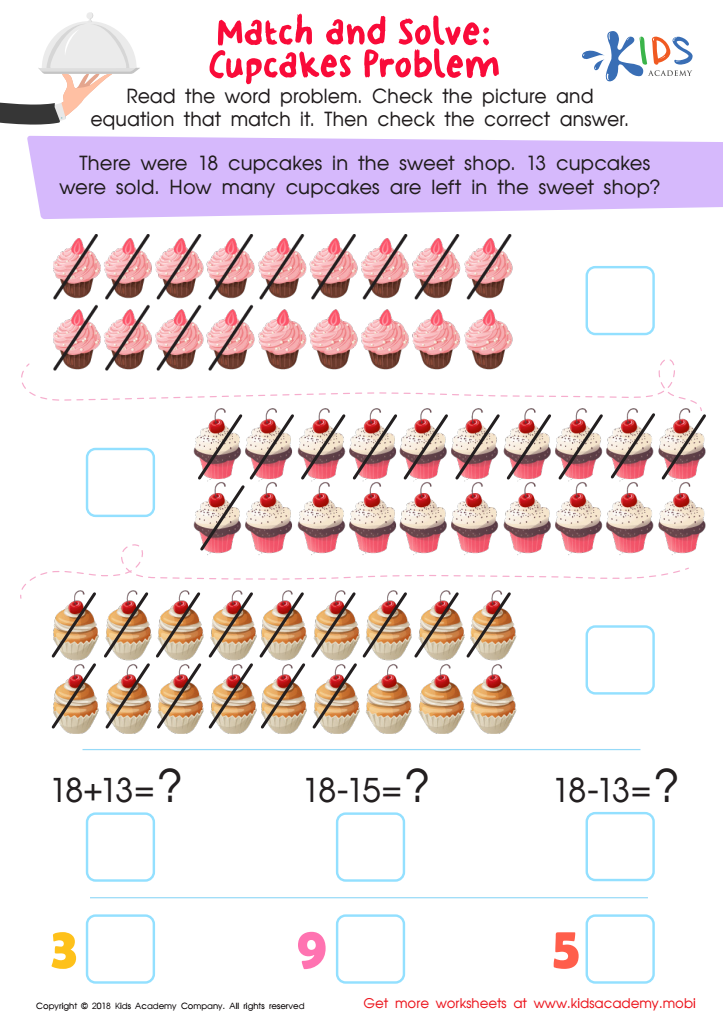
Match and Solve: Cupcakes Problem Worksheet
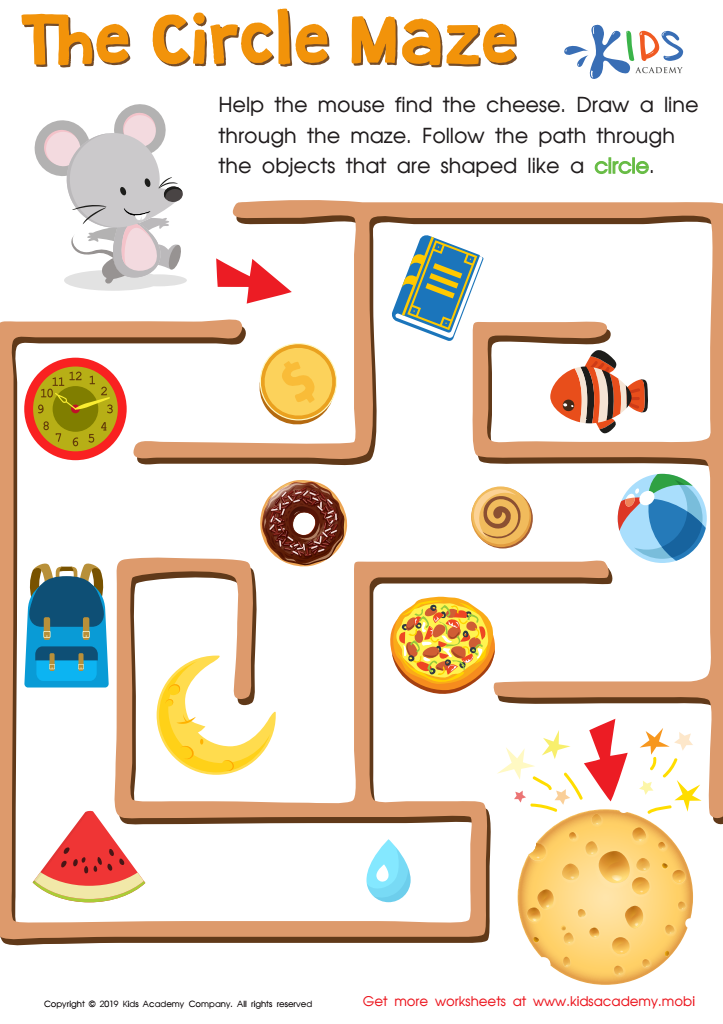
The Circle Maze Worksheet
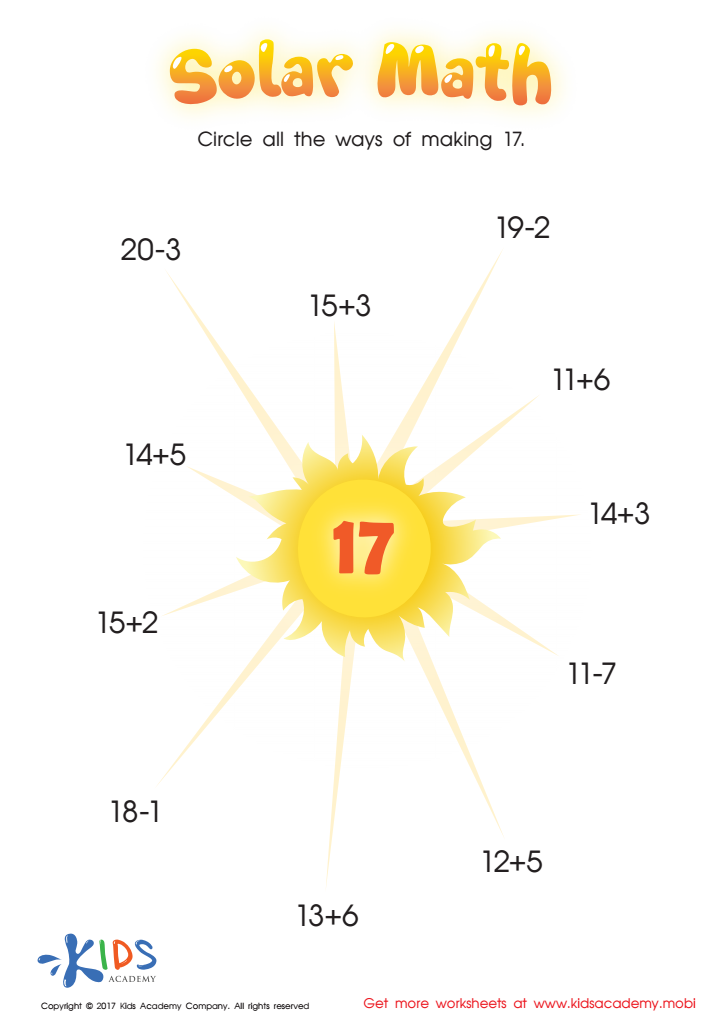
Solar Math Substraction Worksheet
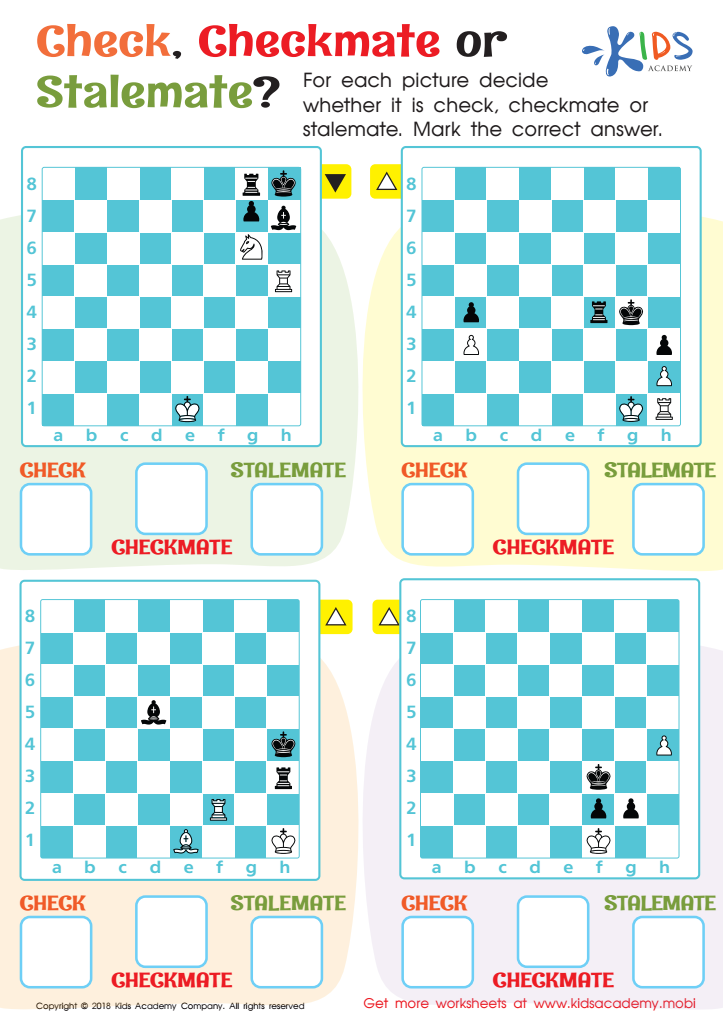
Check. Checkmate or Stalemate? Worksheet
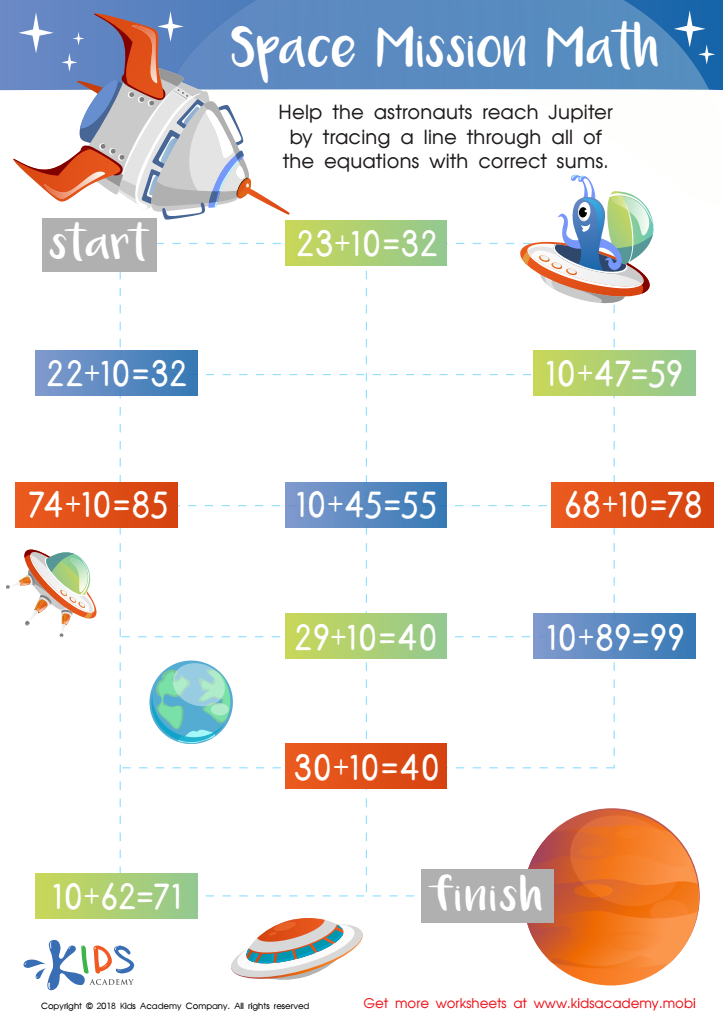
Space Mission Math Worksheet
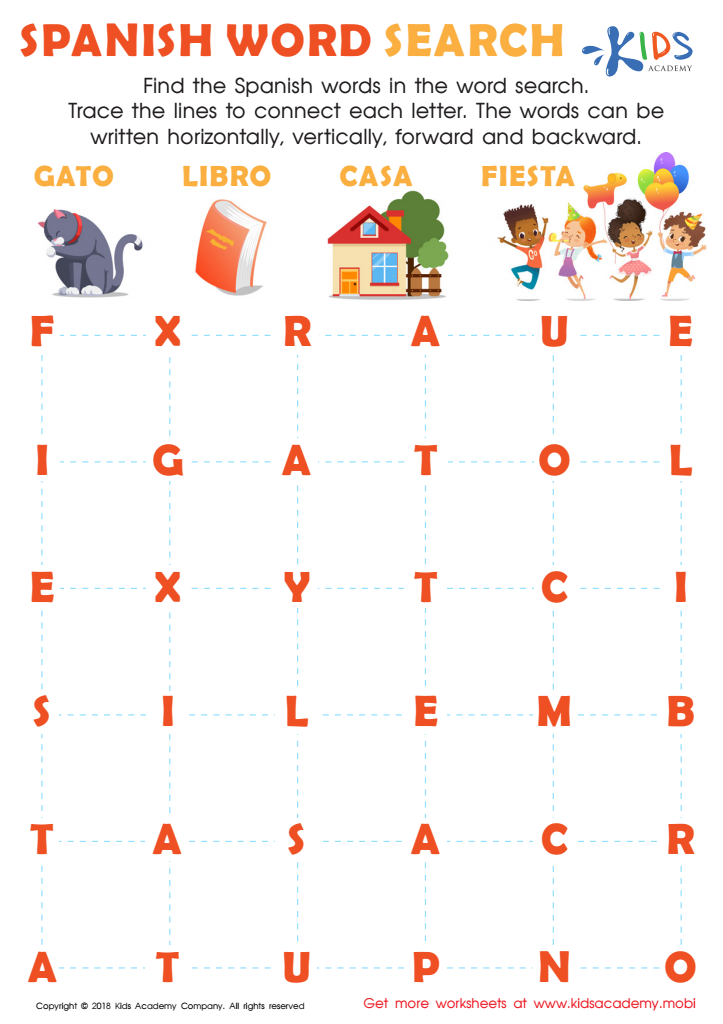
Spanish Word Search Worksheet
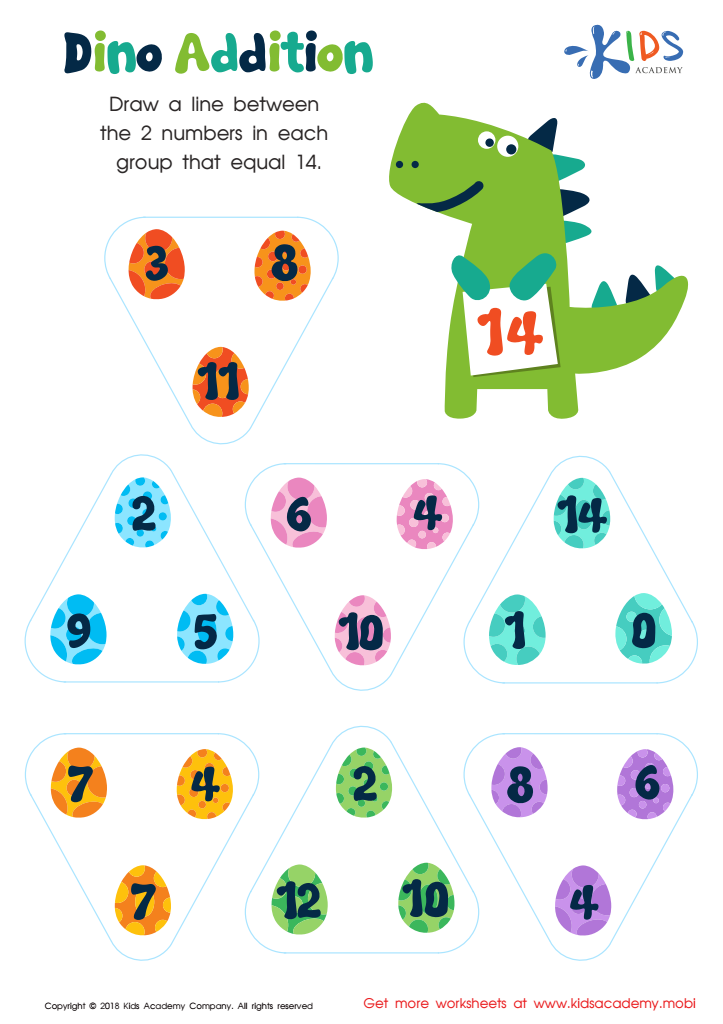
Dino Addition Worksheet
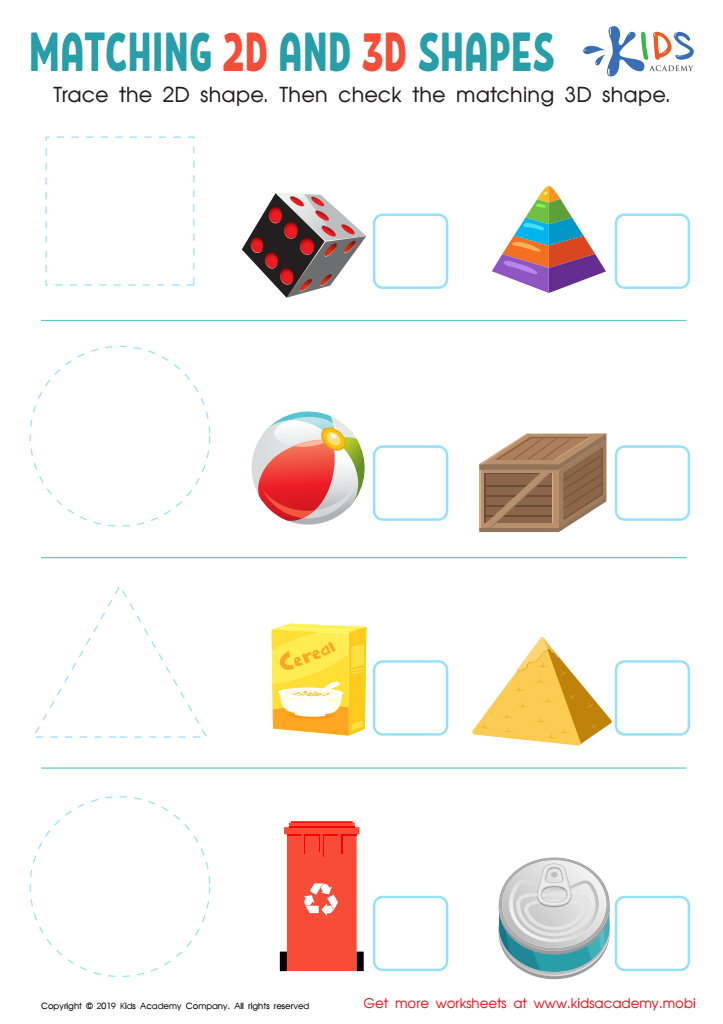
Matching 2D and 3D Shapes Worksheet
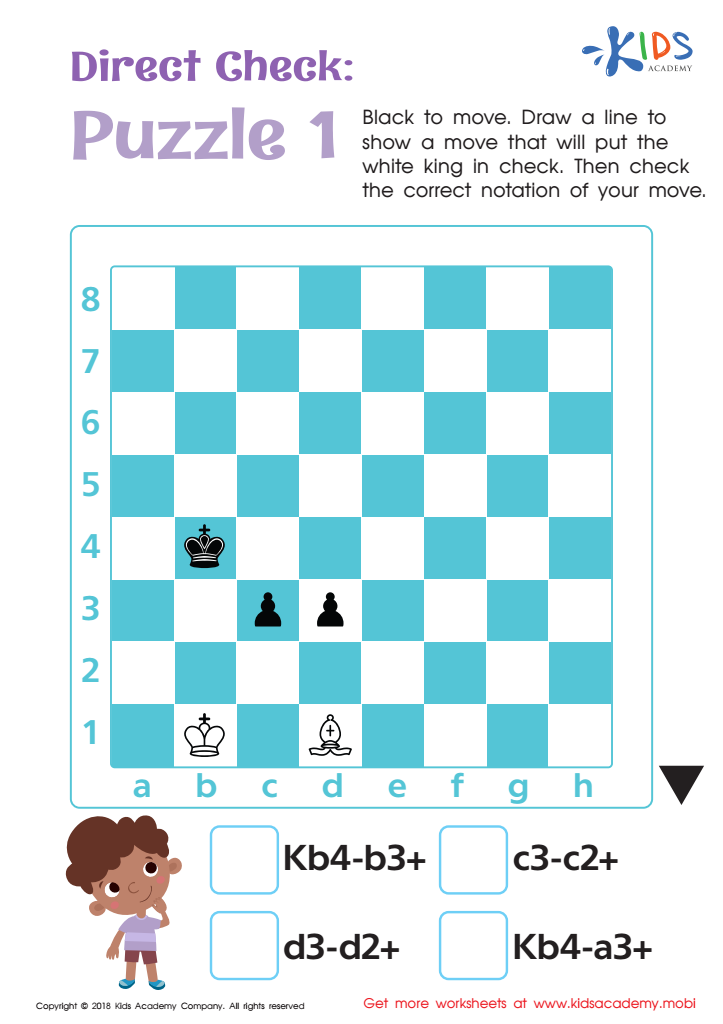
Direct Check: Puzzle 1 Worksheet
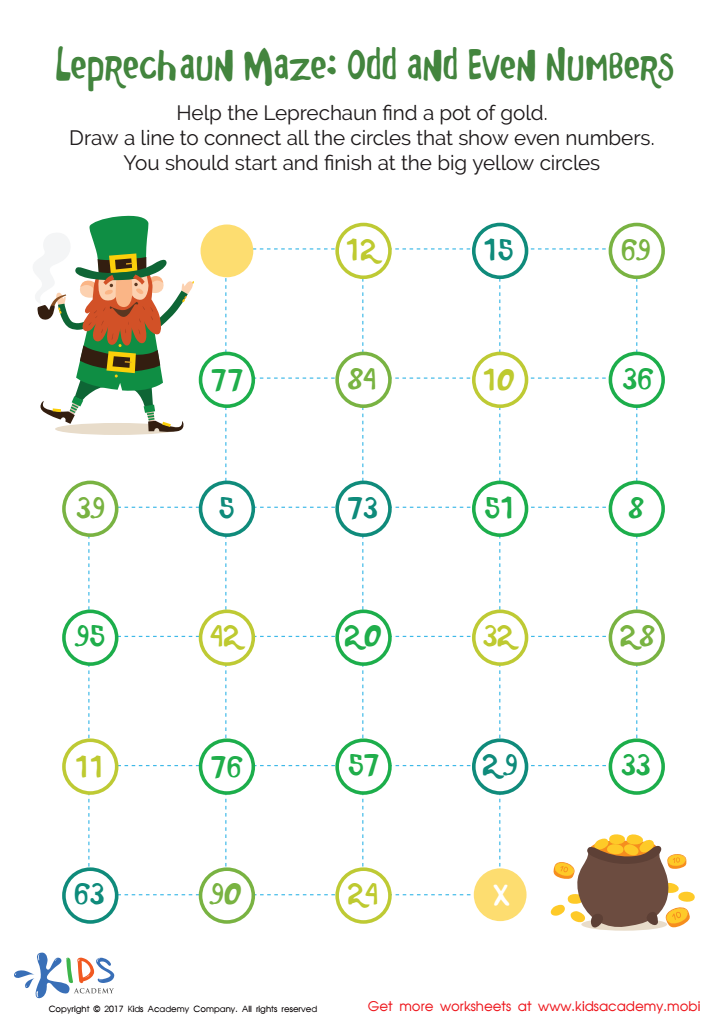
Leprechaun Maze Printable
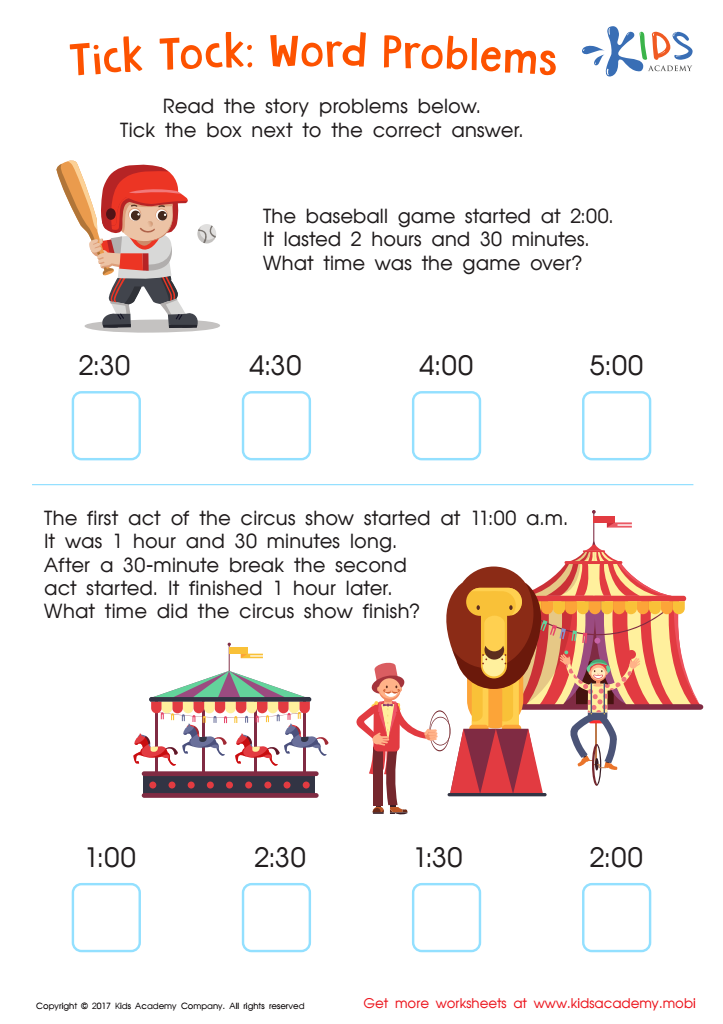
Tick Tock Word Problems Time Worksheet
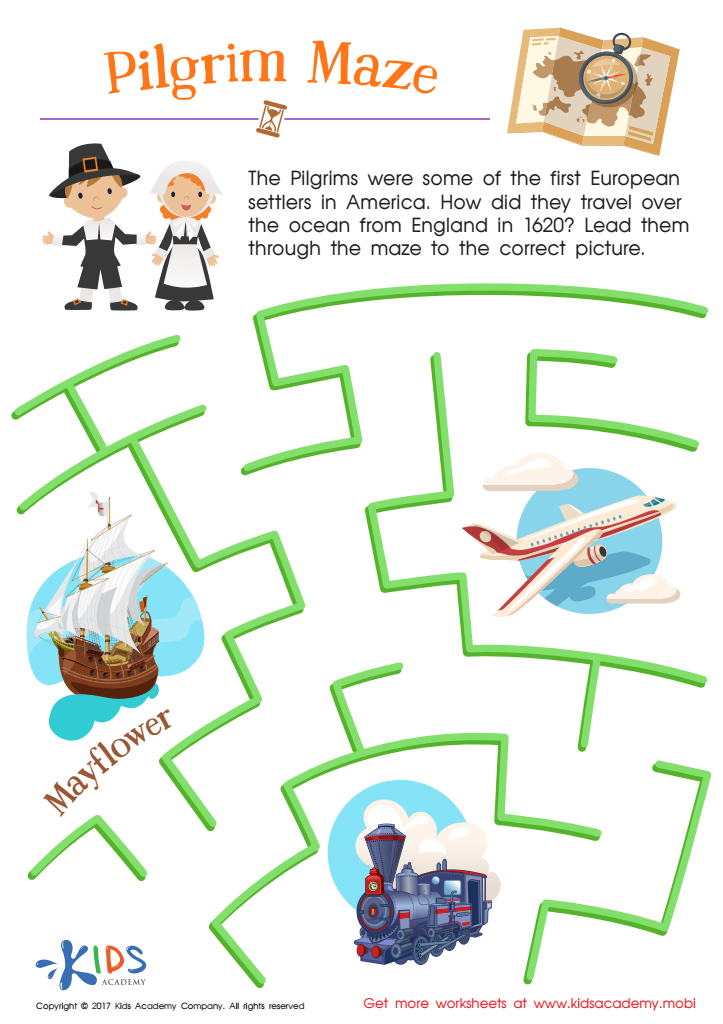
Pilgrim Maze Worksheet
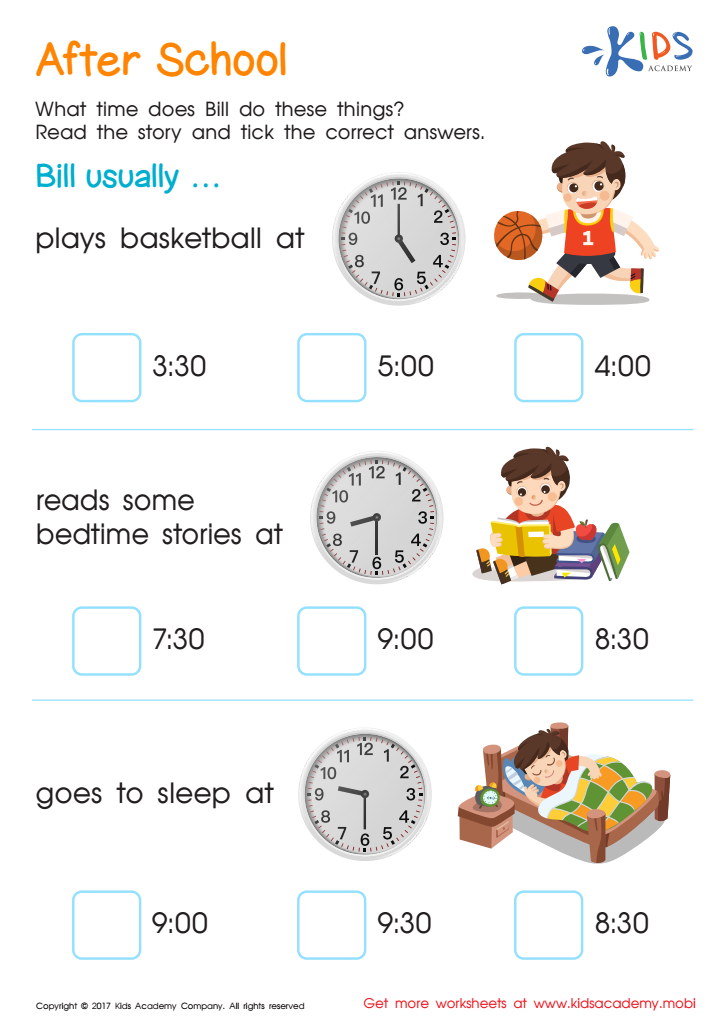
After School Time Printable
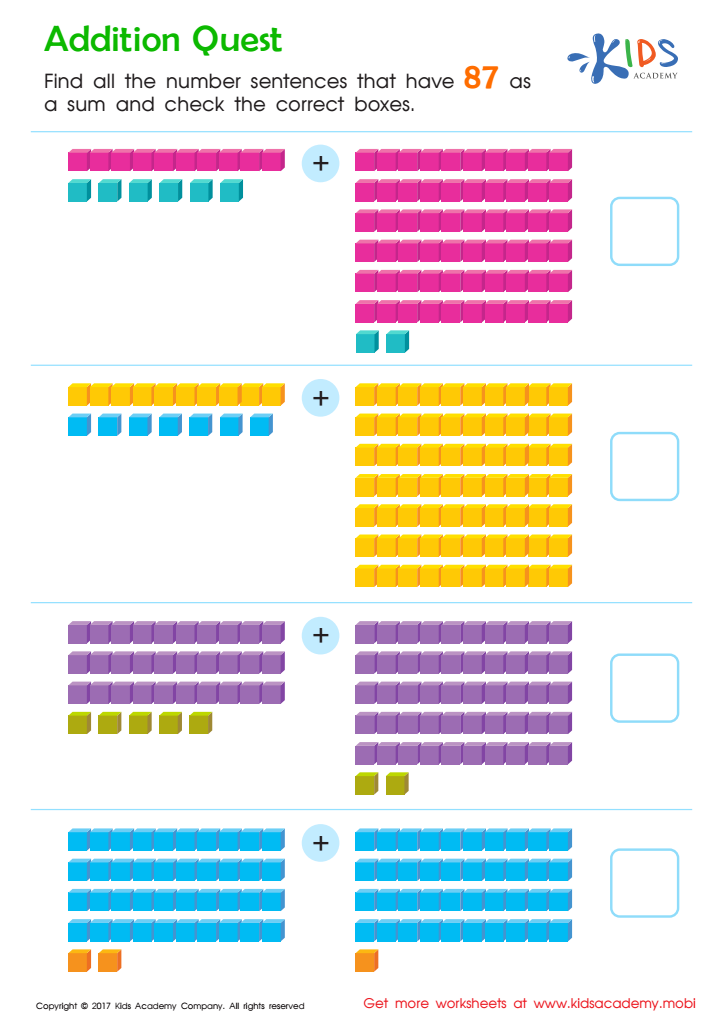
Addition Quest Worksheet: Part 1
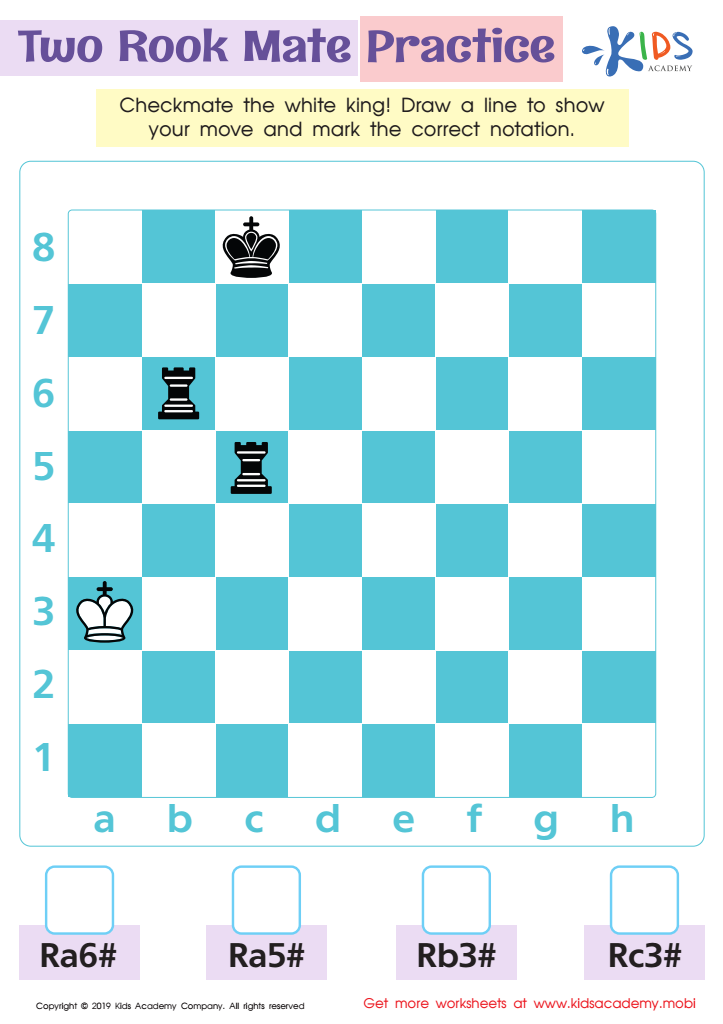
Two Rook Mate Practice Worksheet
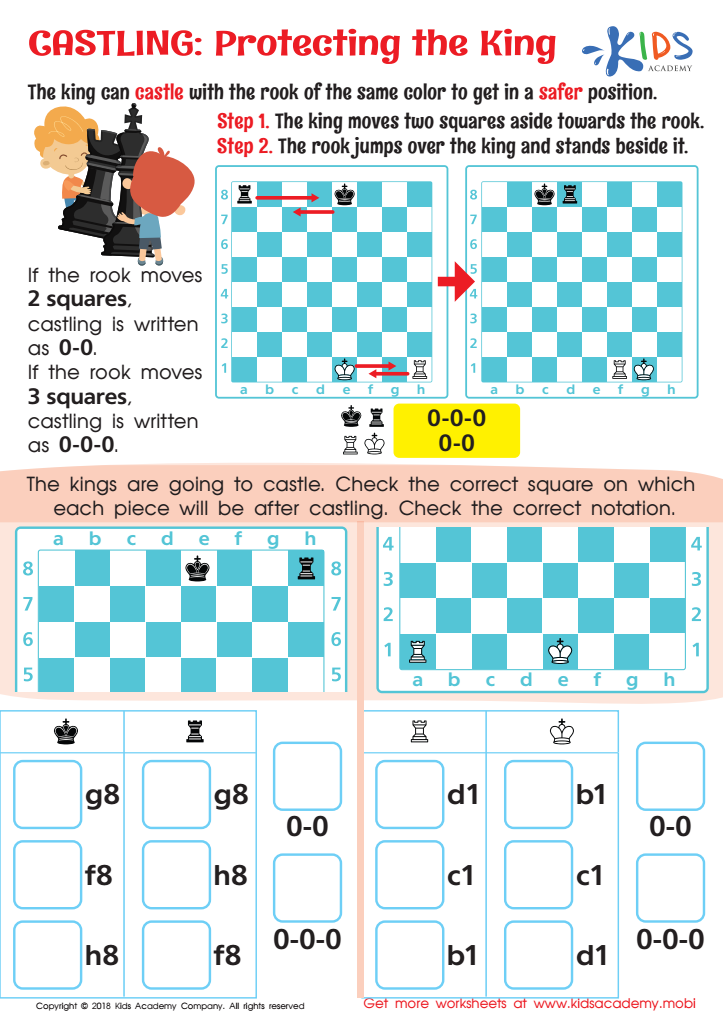
Castling: Protecting the King Worksheet
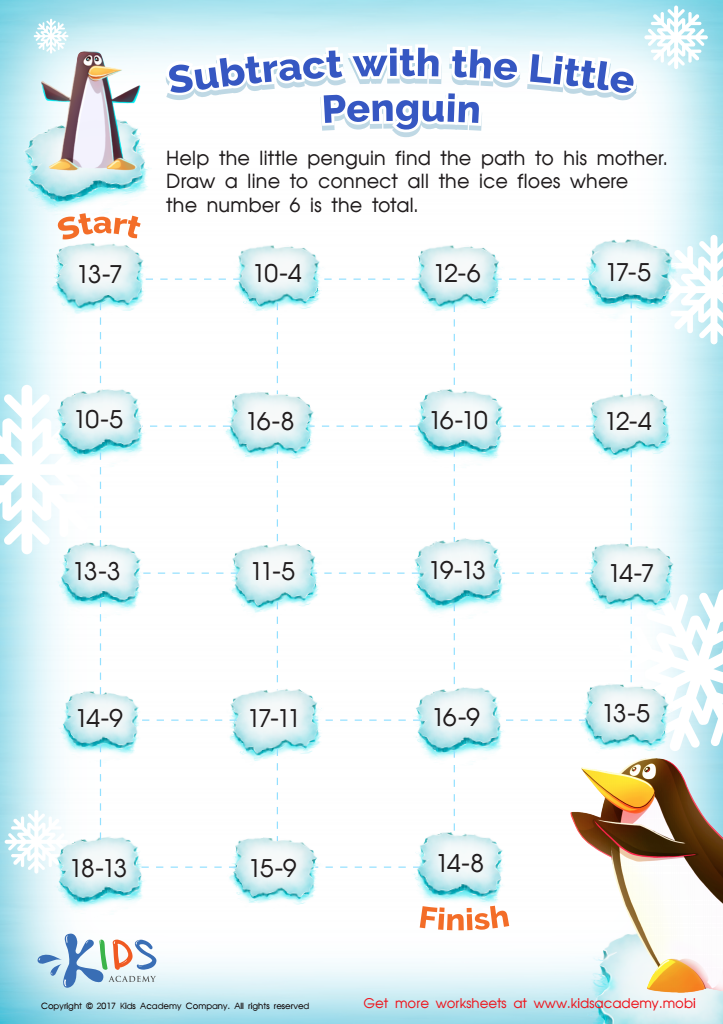
Subtract With The Little Penguin Substraction Worksheet
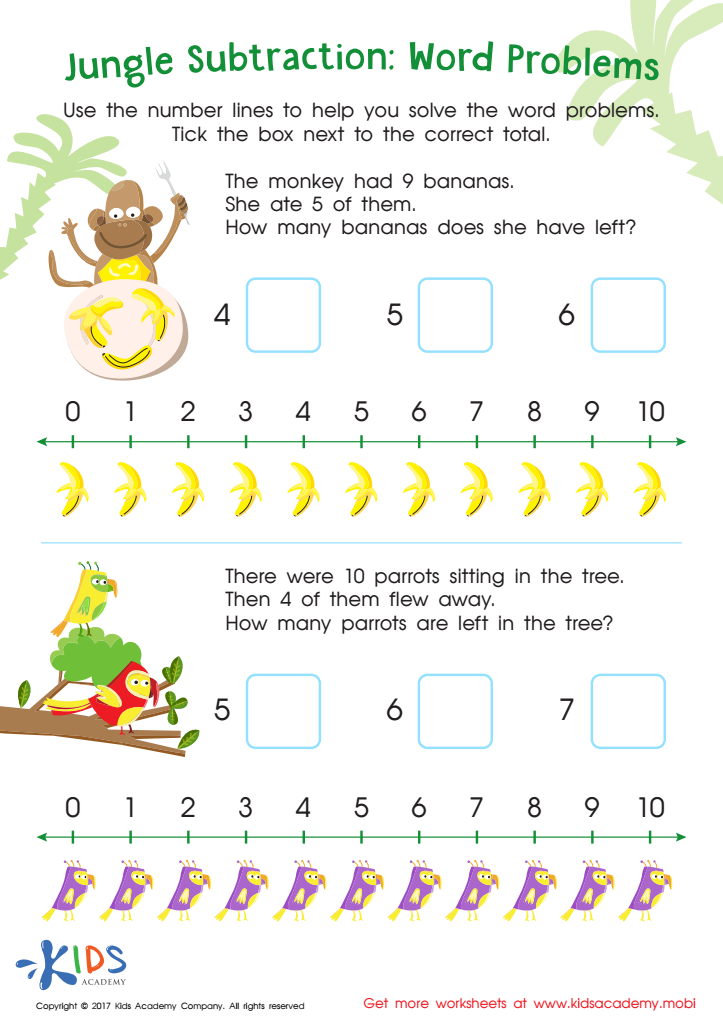
Jungle Subtraction Word Problems Substraction Worksheet
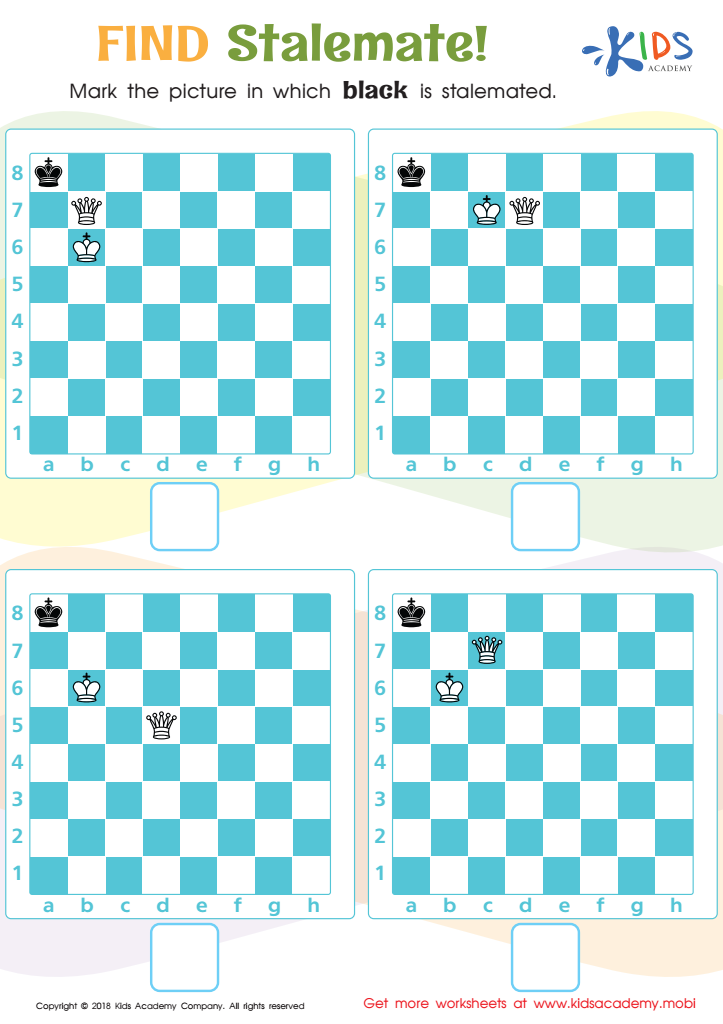
Find Stalemate! Worksheet




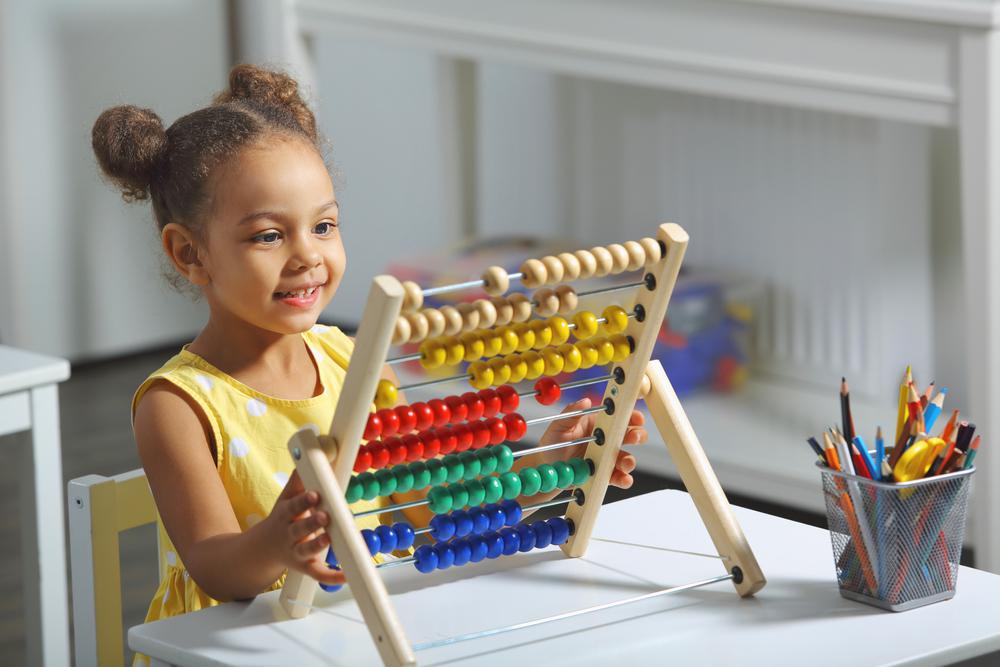

Problem-solving skills are crucial for young learners, especially in Grade 1, as they lay the foundation for critical thinking, decision-making, and independence. In this stage of development, children are naturally curious and eager to explore their surroundings. By engaging in extra challenges focused on problem-solving, parents and teachers can foster this curiosity, encouraging students to think creatively and approach challenges from different angles.
These skills translate beyond mathematics and science; they enhance literacy and emotional intelligence by teaching children to analyze situations, ask questions, and consider multiple solutions. When parents and teachers care about nurturing problem-solving abilities, they prepare children for future academic challenges and real-life scenarios, equipping them to navigate obstacles confidently.
Additionally, problem-solving activities often promote collaboration and communication among peers. This helps Grade 1 students build social skills, empathy, and teamwork, essential traits for both personal and academic growth. By valuing and prioritizing these extra challenges, parents and teachers can create a supportive learning environment that cultivates resilient, resourceful, and critical thinkers, ensuring children are ready to succeed in school and life.