Number Sequencing Extra Challenge Preschool Math Worksheets
5 filtered results
-
From - To
Spice up your child's math skills with our "Number Sequencing Extra Challenge Preschool Math Worksheets"! Designed for curious minds, these worksheets offer various engaging activities that stimulate critical thinking and number recognition. Perfect for preschoolers ready to embark on a challenging mathematical adventure, our number sequencing exercises help improve understanding of numerical order, problem-solving, and counting skills. Dive into fun puzzles, number lines, and colorful patterns tailored for young learners. Whether they're counting up or down, kids will find joy in mastering these advanced sequences. Elevate your child's early educational journey now with our expertly crafted number sequencing challenges!
 Assign to My Students
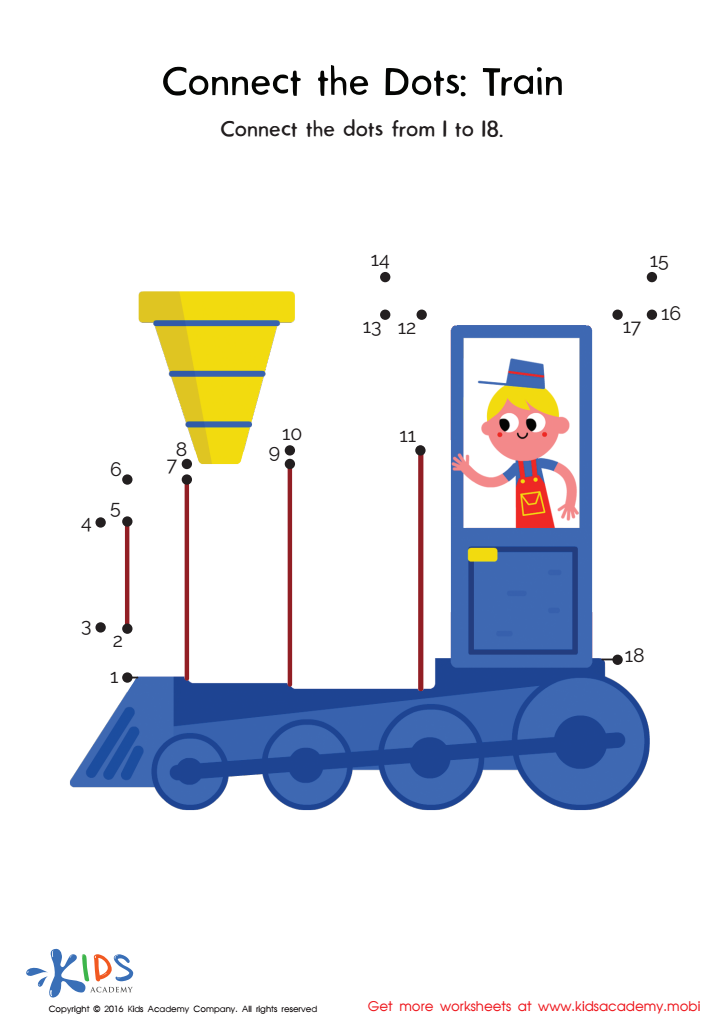

Pirate Ship Connect Dots Worksheet
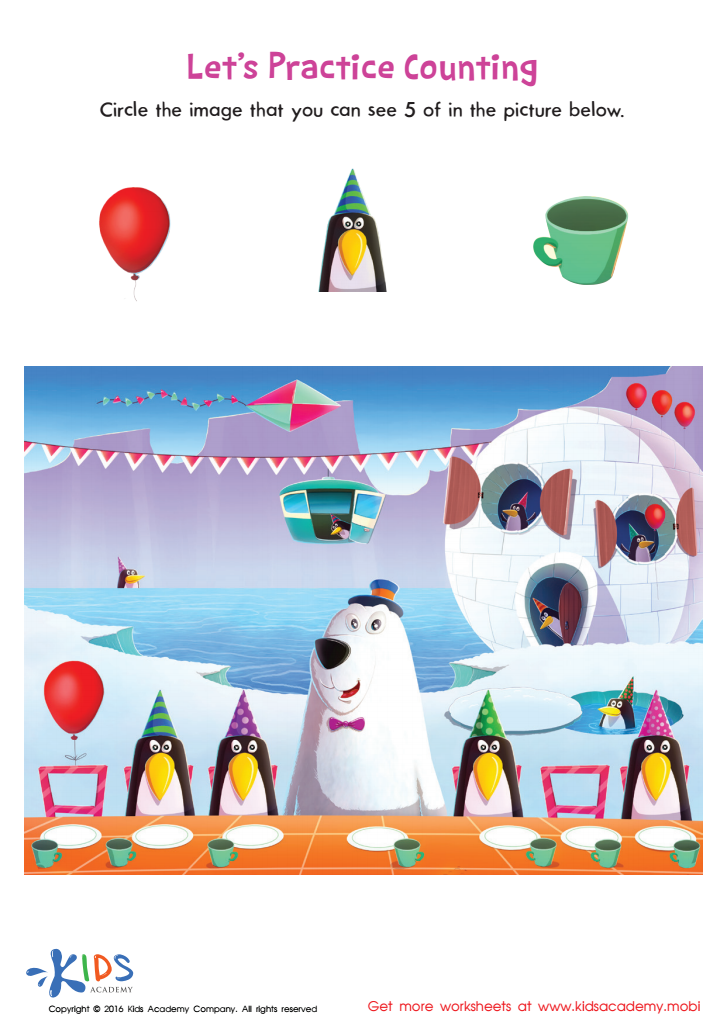
Counting Worksheet: Let's Practice Counting
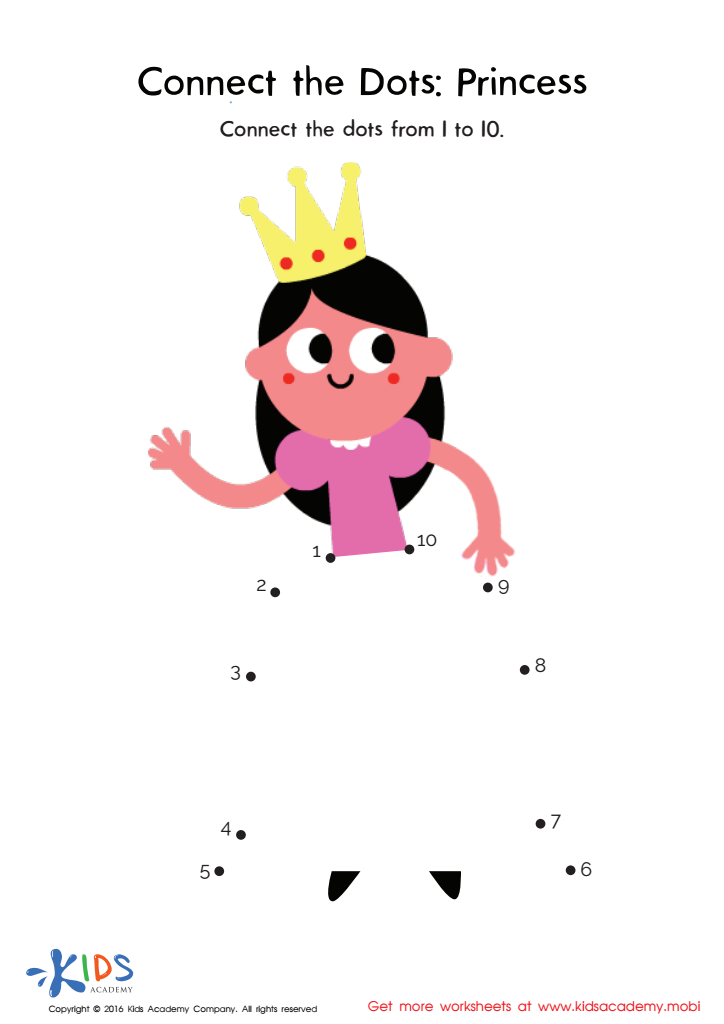
Princess Connect Dots Worksheet








Number sequencing is a foundational math skill that is crucial for young children’s cognitive development. When children engage in tasks like the Number Sequencing Extra Challenge Preschool Math, they are not just learning to count; they are laying the groundwork for future mathematical concepts.
Understanding number sequences helps children recognize patterns, which is a critical skill in mathematics and problem solving. For example, being able to identify what number comes next in a series (e.g., 1, 2, 3, ...) lays the groundwork for understanding more complex ideas such as skip counting, arithmetic operations, and even algebra later on. Furthermore, mastering number sequencing enhances a child's number sense, which is their ability to understand, relate, and connect numbers. This foundational understanding impacts their ability to conceptually grasp higher-level math topics.
Engaging in number sequencing activities also supports other essential skills like memory, attention to detail, and logical reasoning. Such tasks can enhance a child's confidence in their mathematical abilities, which is critical for a positive attitude toward learning in general.
For teachers and parents, prioritizing these challenges in early education sets children up for long-term success. It ensures that they achieve competency and fluency in basic math skills, thereby empowering them to tackle more advanced concepts with confidence as they progress through their schooling.