Animal recognition Kindergarten Worksheets
21 filtered results
-
From - To
Explore our exciting range of Animal Recognition Kindergarten Worksheets, designed to ignite curiosity and foster a love for learning in young minds. These captivating worksheets help children identify and name different animals, enhancing their observational skills and vocabulary. Each printable sheet is filled with colorful images and engaging activities tailored for kindergarteners, ensuring a fun and interactive learning experience. Ideal for both classroom and at-home learning, our worksheets support foundational skills in reading and science, laying the groundwork for future academic success. Boost your child’s confidence and knowledge about the animal kingdom with our expertly crafted resources!
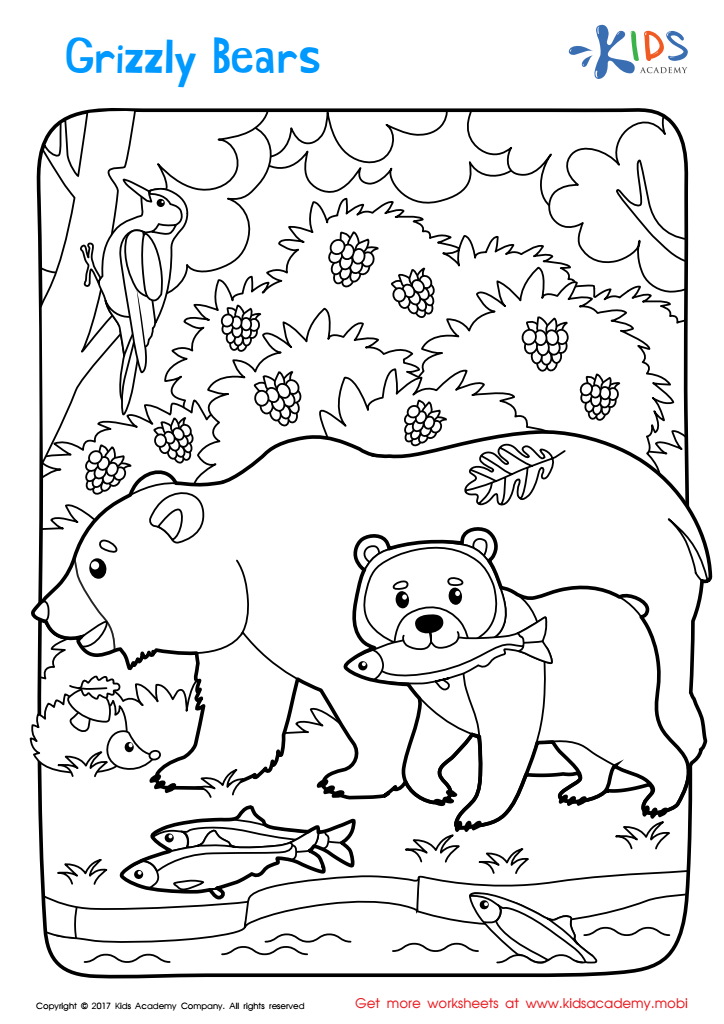
Free Printable Grizzly Bear Coloring Page
 Assign to My Students
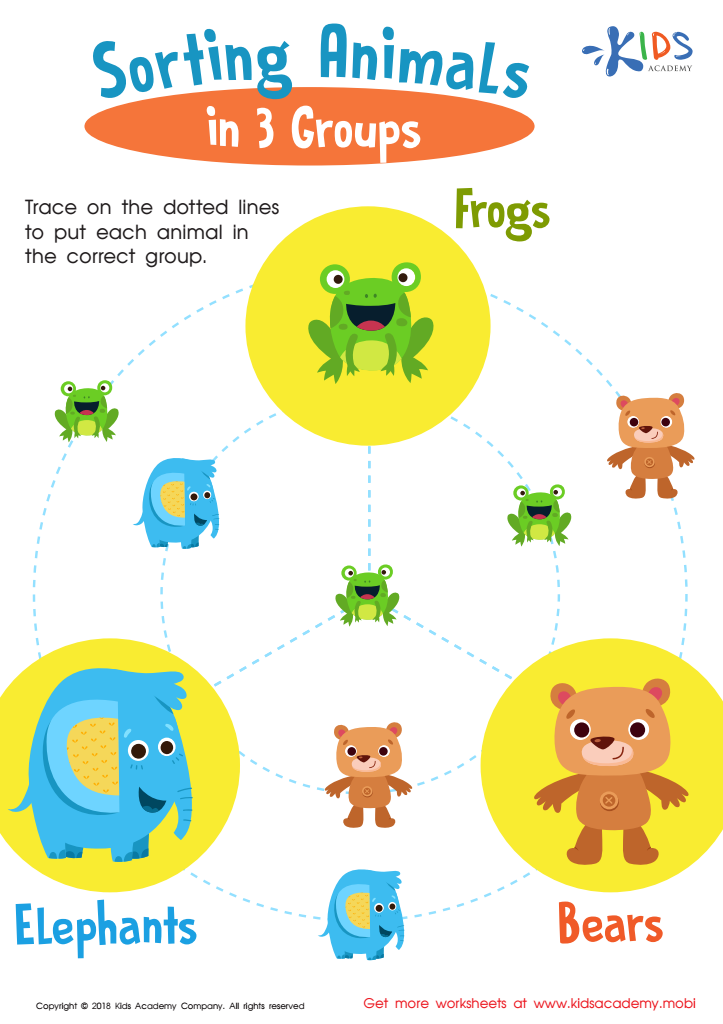
Sorting Animals in 3 Groups Worksheet
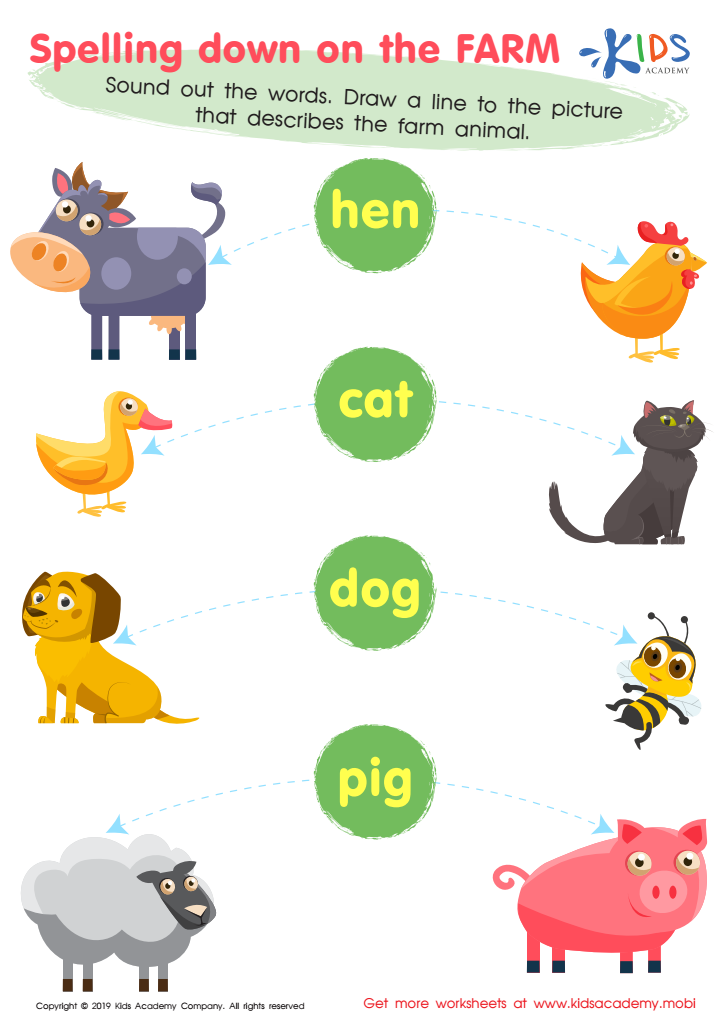
Spelling Down on the Farm Worksheet
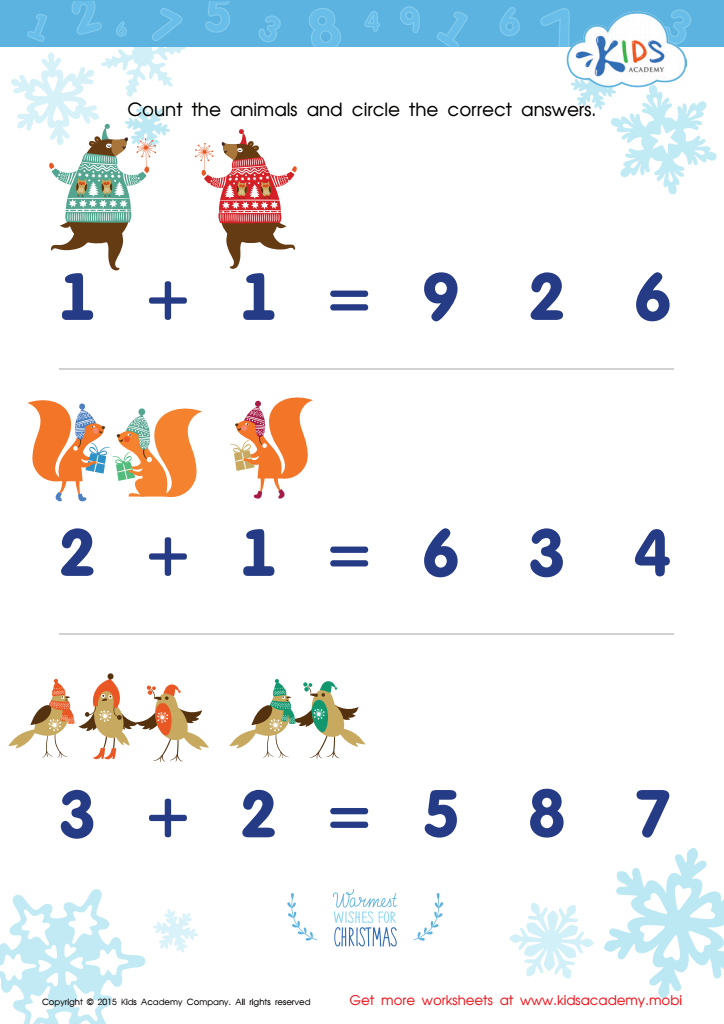
Count Funny Animals Worksheet
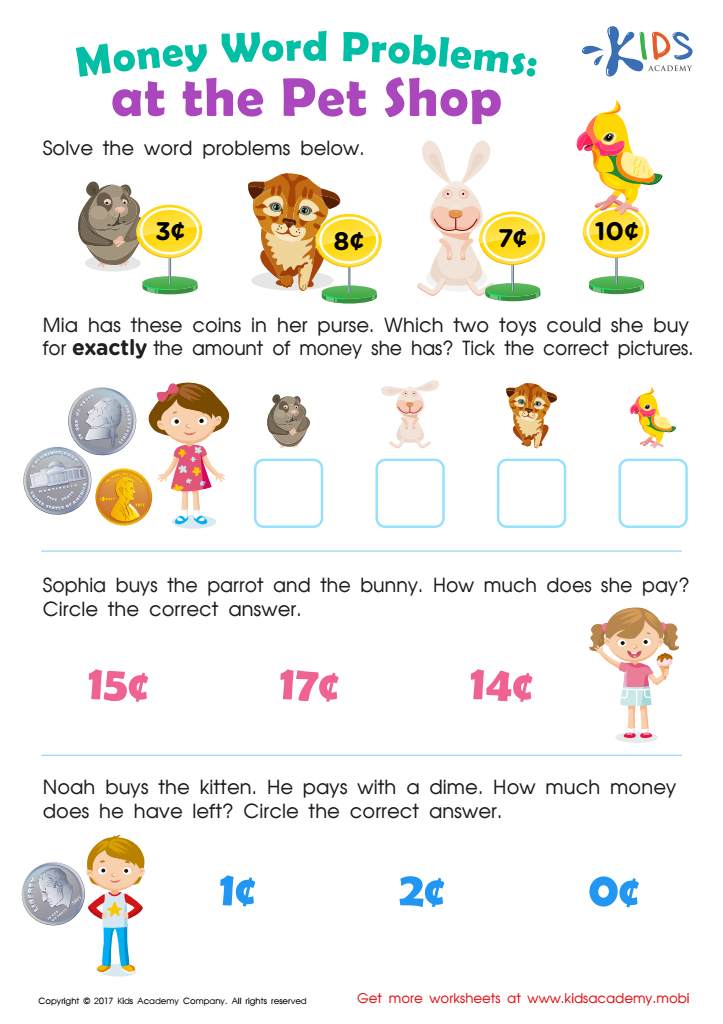
Pet Shop Worksheet
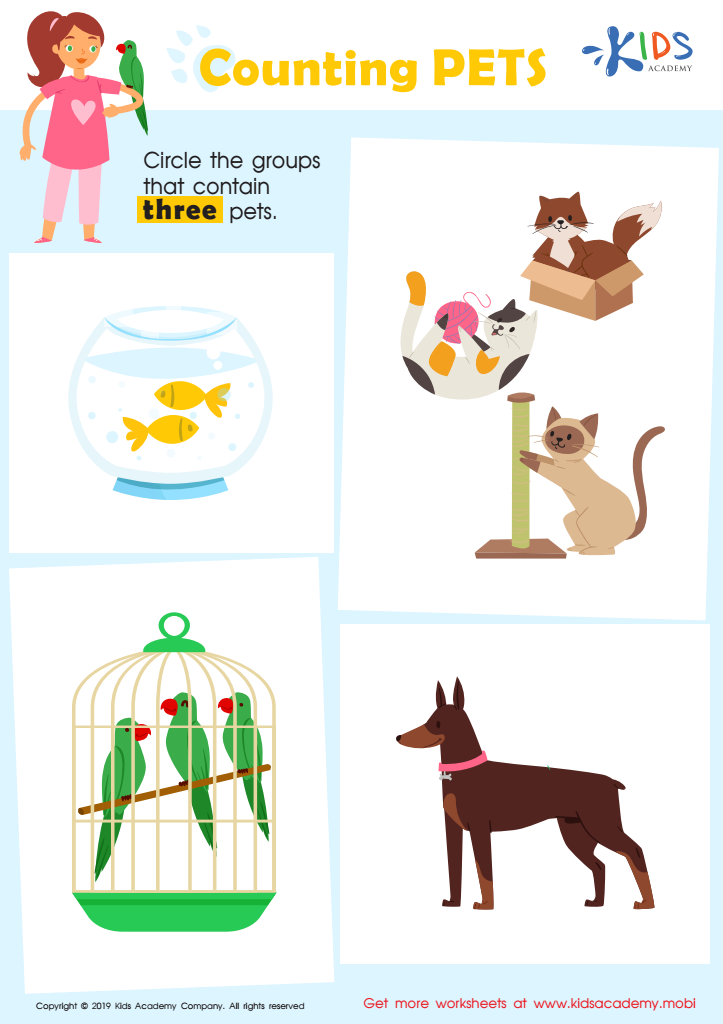
Counting Pets Worksheet
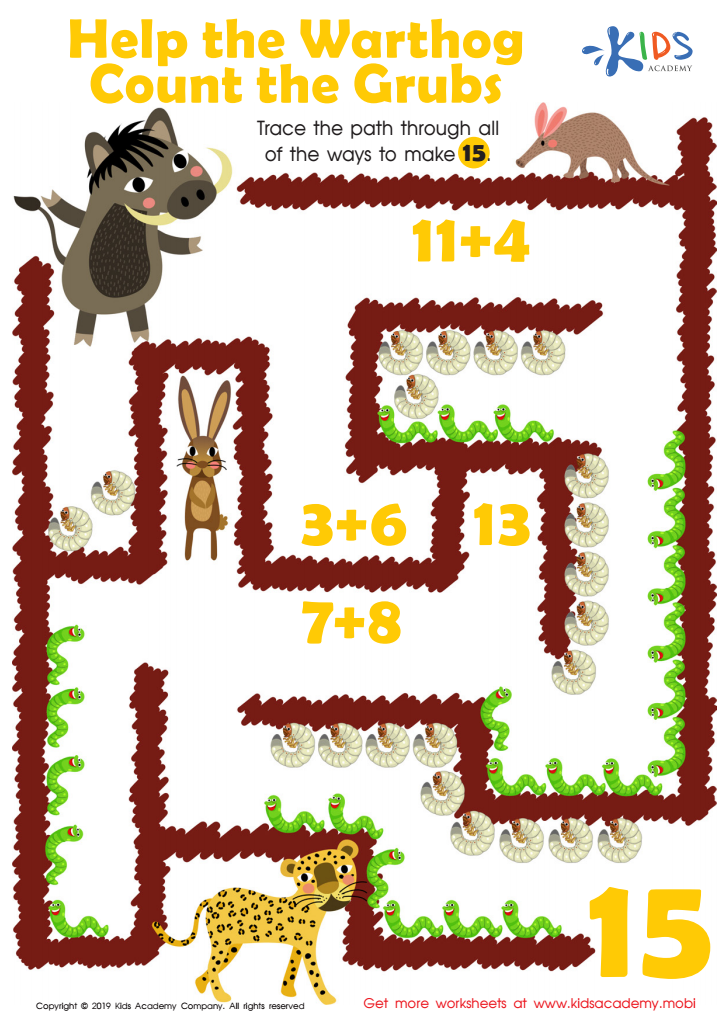
Help the Warthog Count the Grubs Worksheet
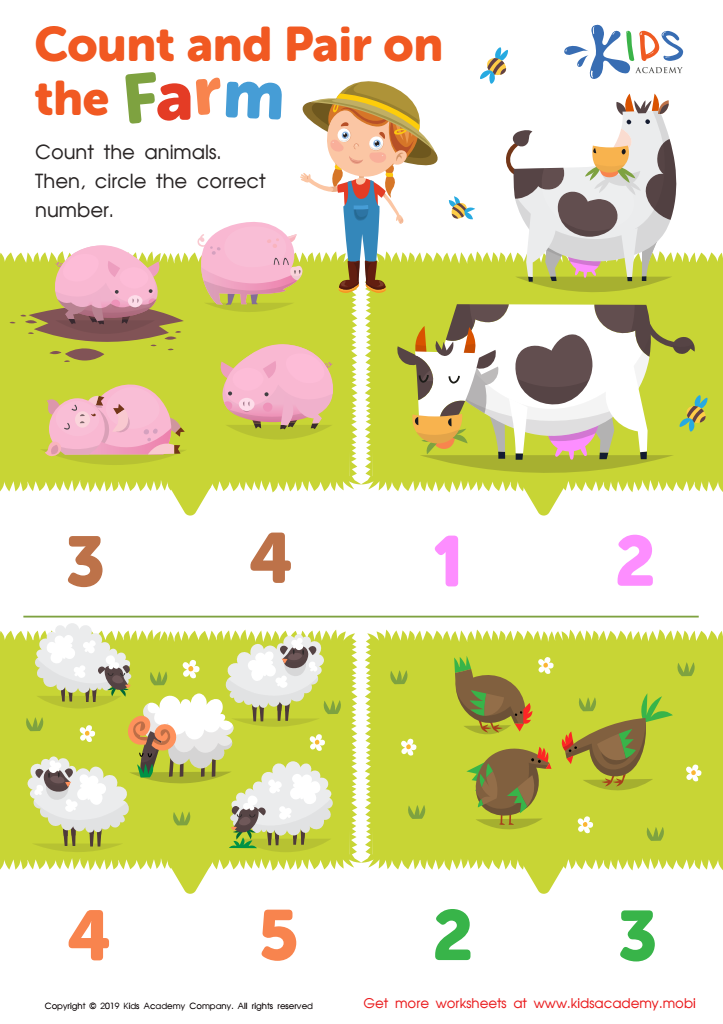
Count and Pair on the Farm Worksheet
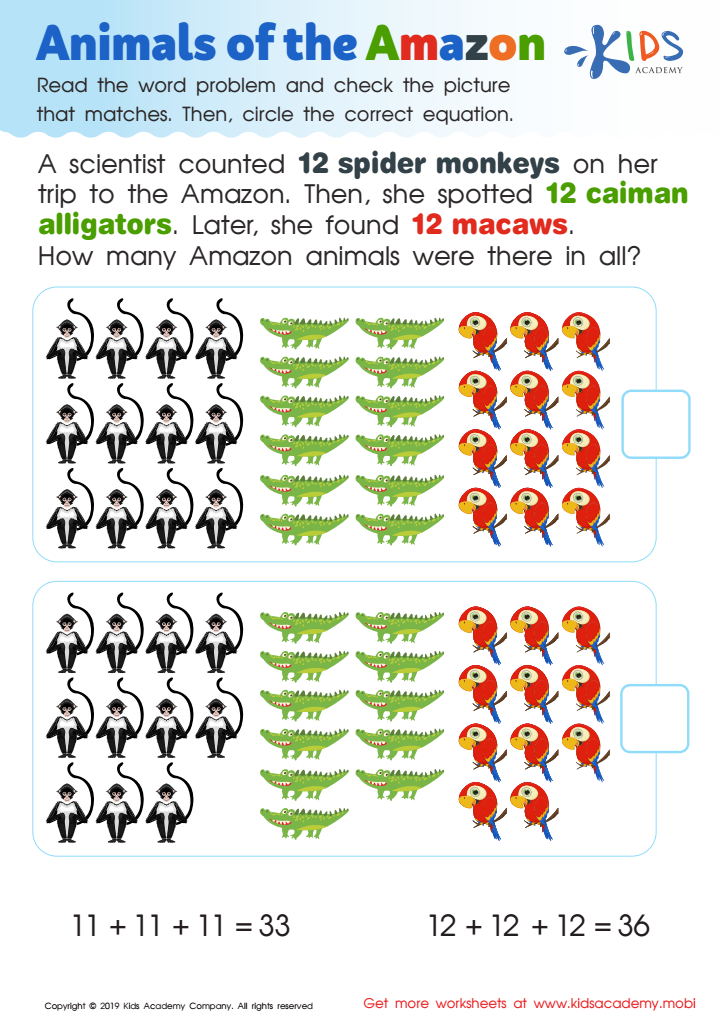
Animals of Amazon Worksheet
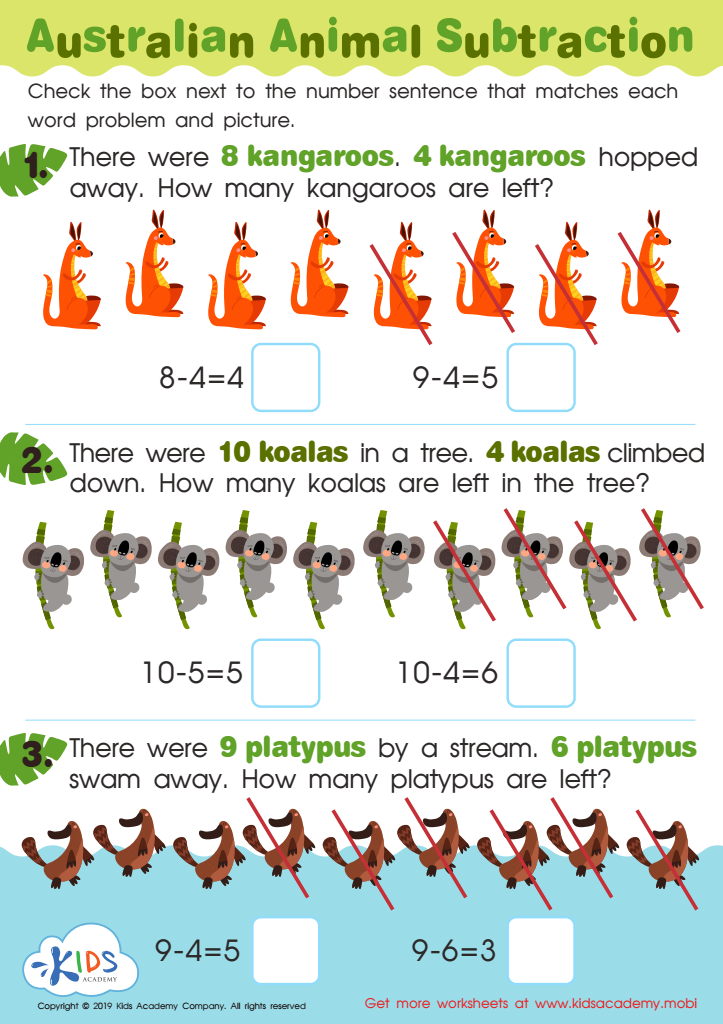
Australian Animal Subtraction Worksheet
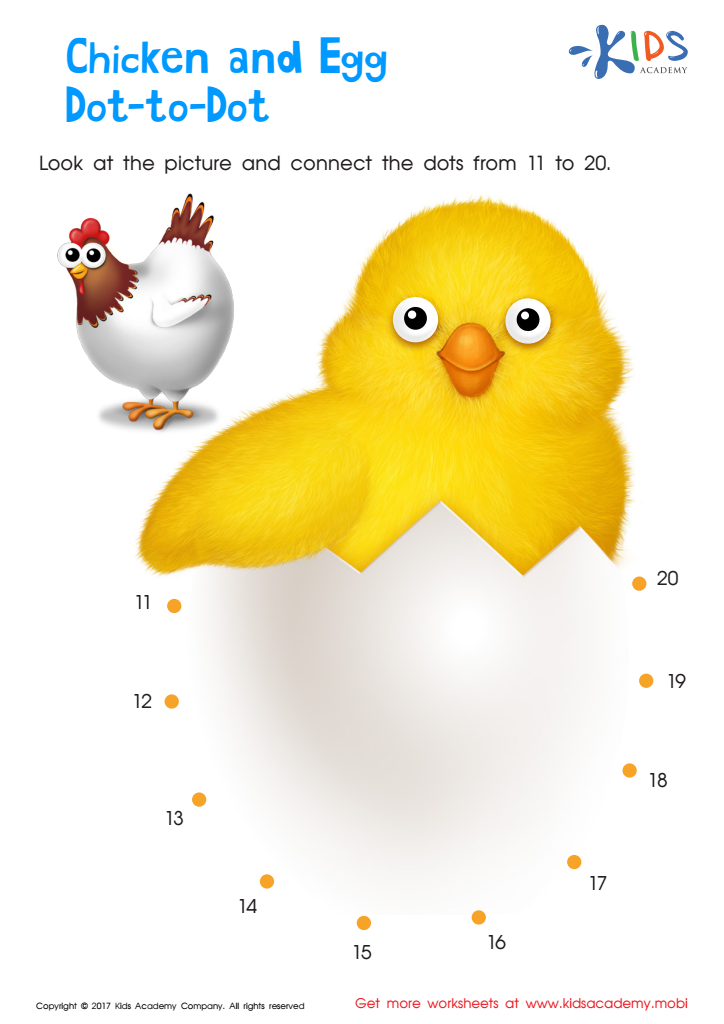
Ordering 11–20: Chicken & Egg Dot–to–dot Worksheet
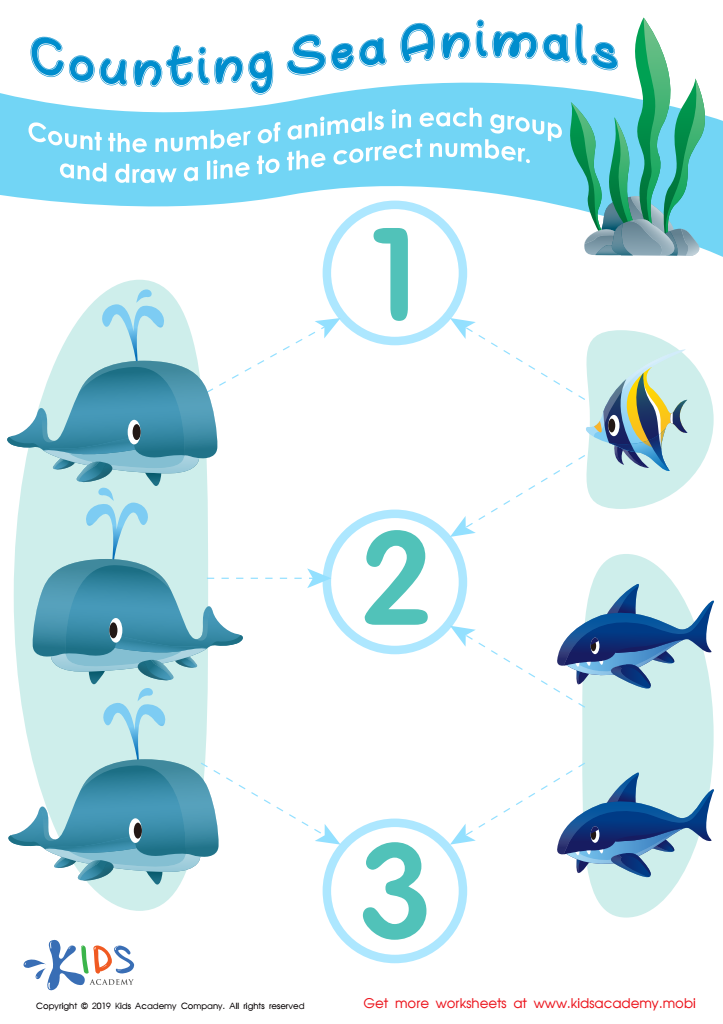
Counting Sea Animals Worksheet
The Bingo Song: Coloring The Farmer Worksheet
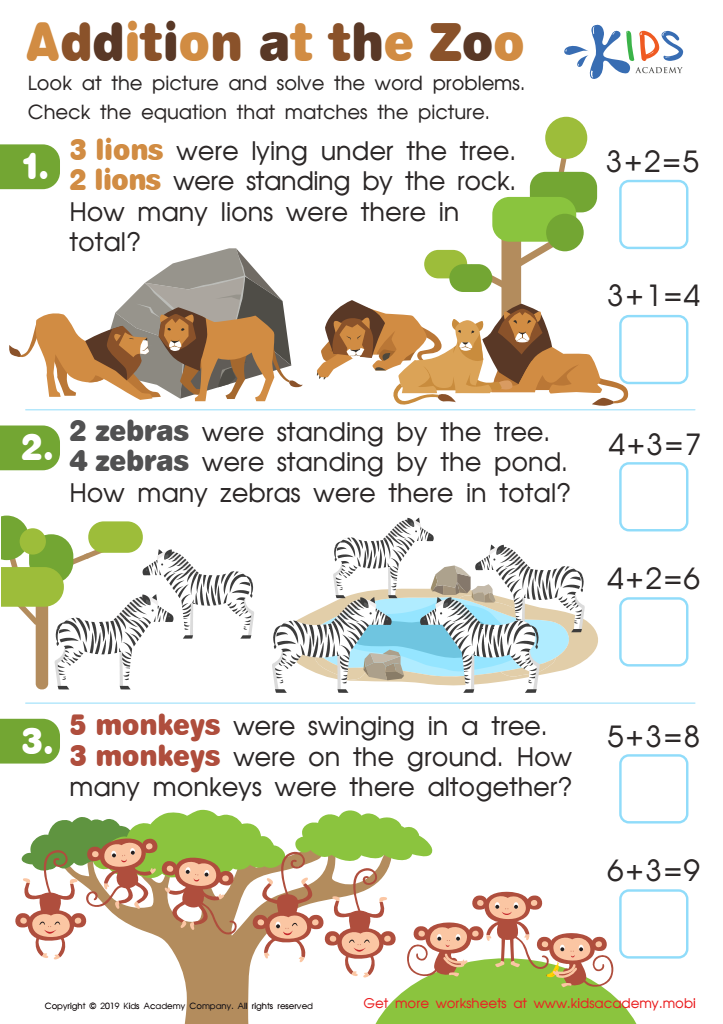
Addition at the Zoo Worksheet
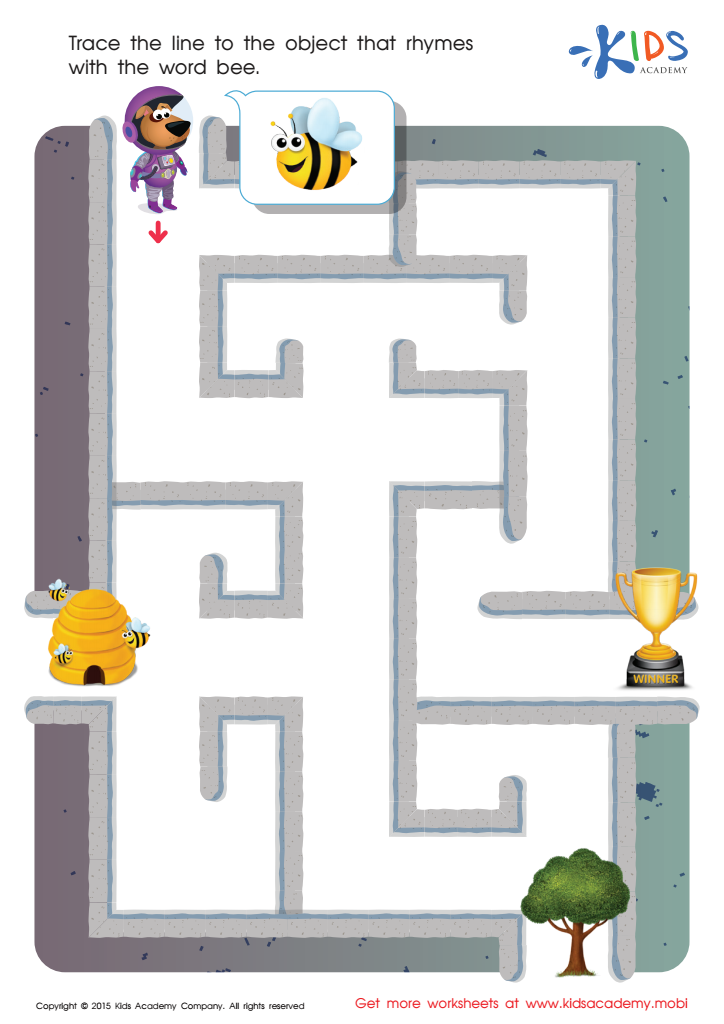
Bee Rhyming Words Worksheet
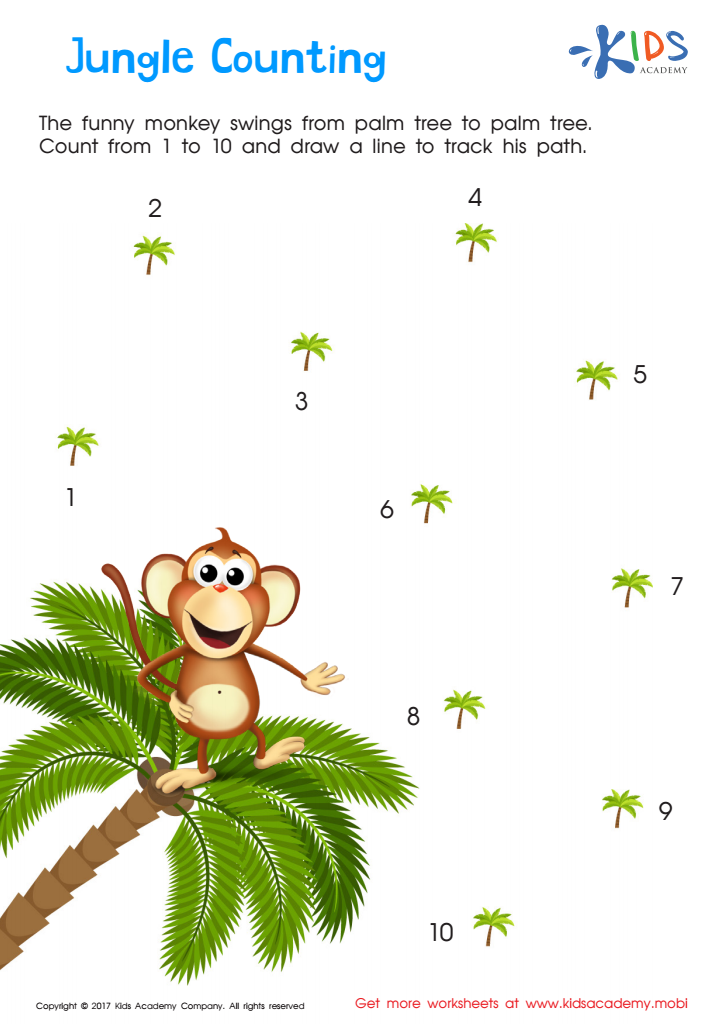
Jungle Counting Connect Dots Worksheet
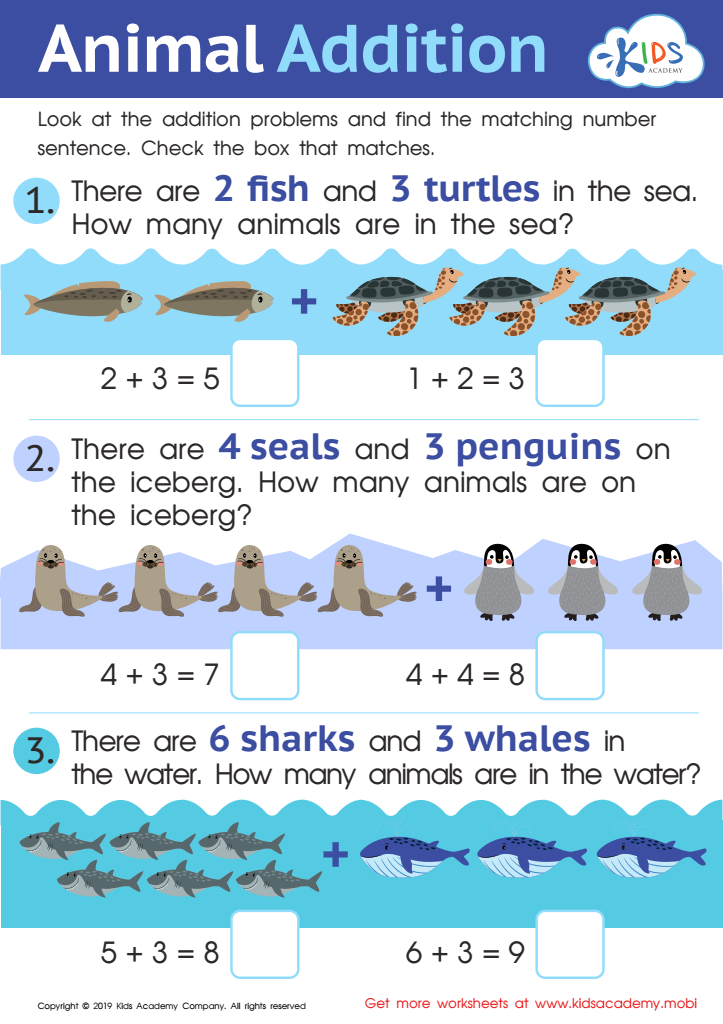
Animal Addition Worksheet
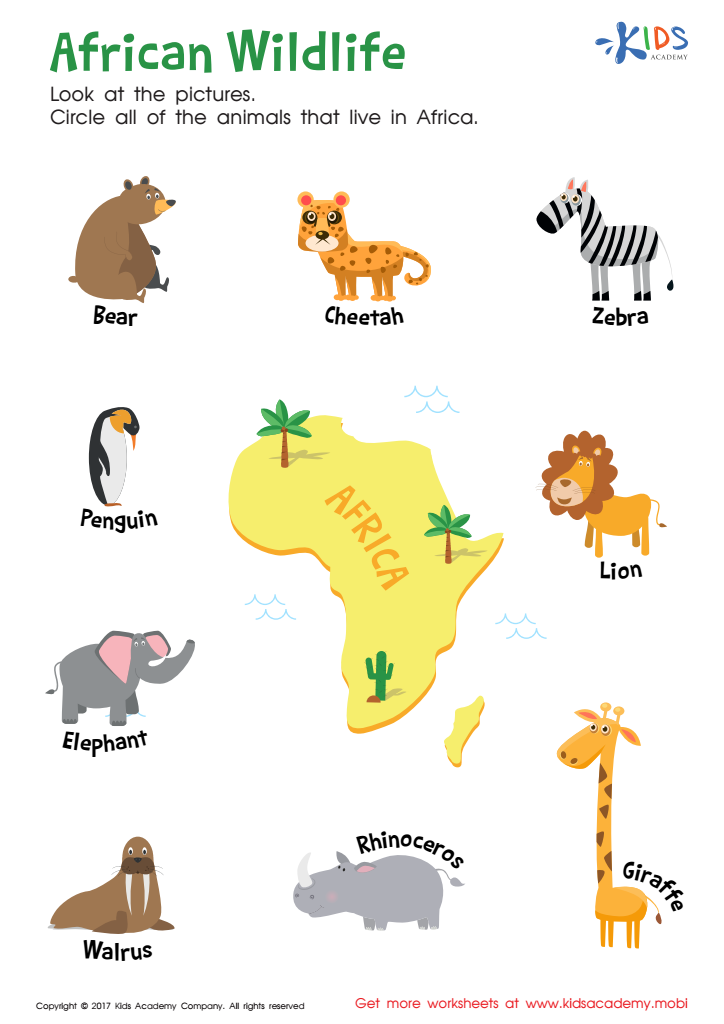
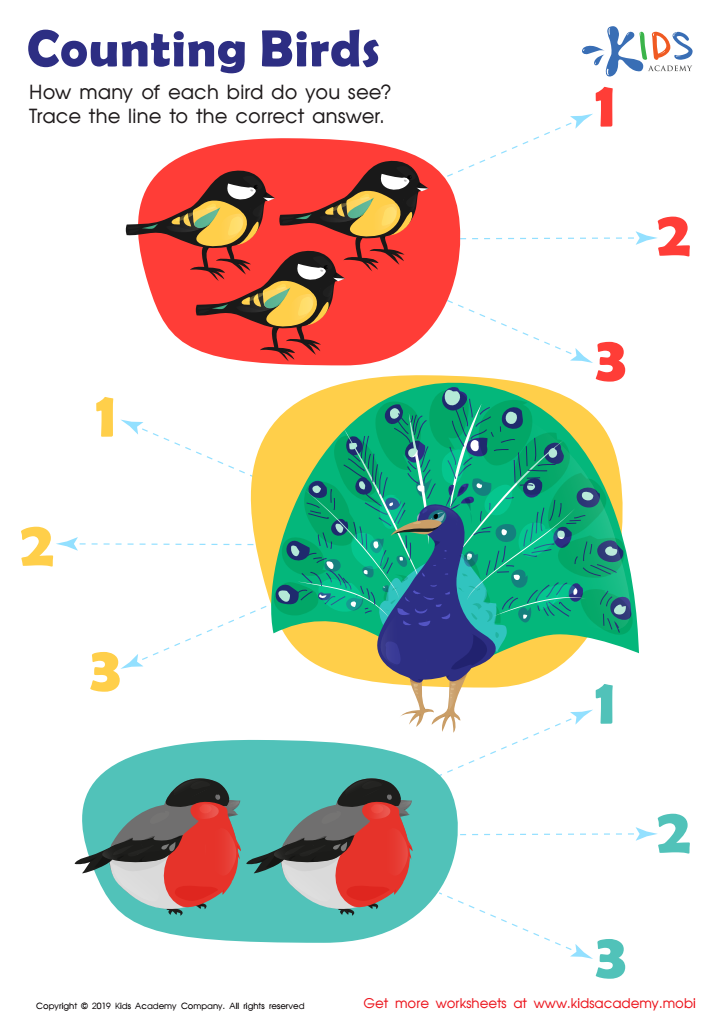
Counting Birds Worksheet
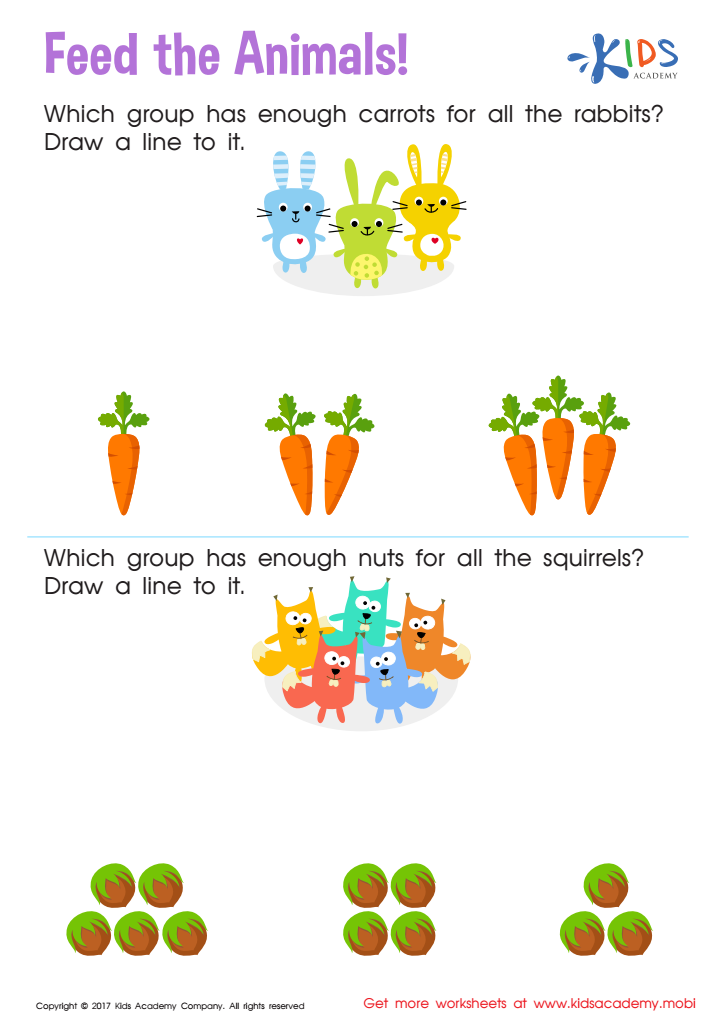
Count and Match: Feed the Animals Worksheet
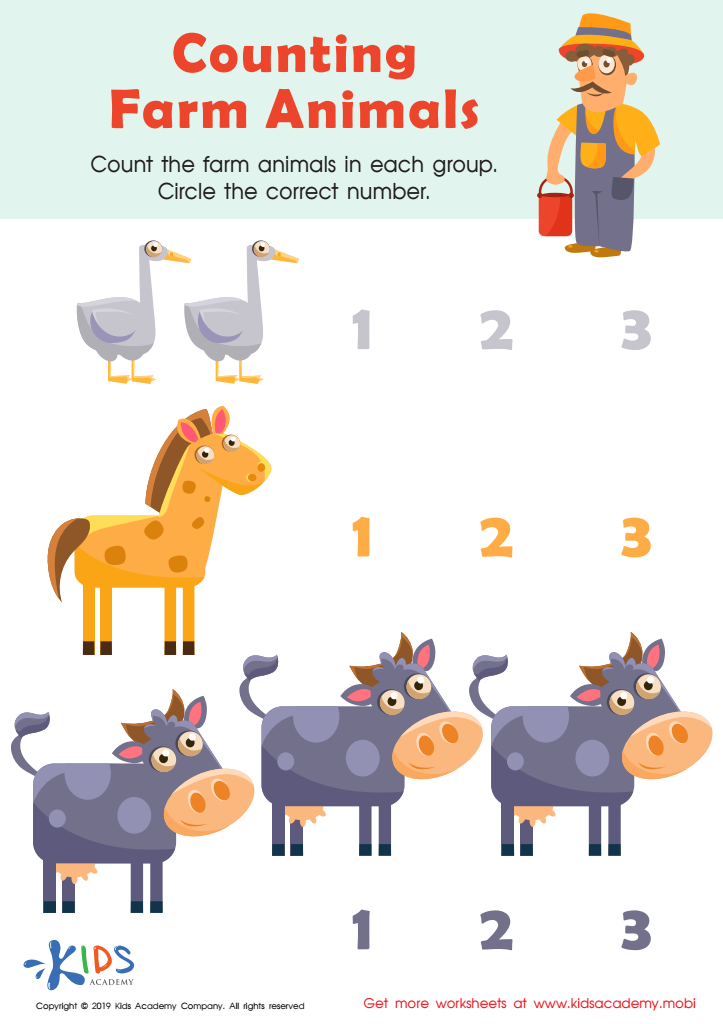
Counting Farm Animals Worksheet








Animal recognition activities in kindergarten are fundamental for young children's development. These activities offer several benefits, making them important for parents and teachers to consider.
Firstly, they enhance cognitive development. Recognizing and naming animals requires memory, sorting, and categorization skills. It encourages children to observe and differentiate between various species, fostering critical thinking and generalization abilities.
Secondly, animal recognition nurtures language development. As children learn names, sounds, and characteristics of animals, their vocabulary expands. Describing animal habitats and behaviors enriches their language skills and comprehension, laying a foundation for future learning.
Furthermore, it cultivates empathy and environmental awareness. Understanding animals and their habitats helps children appreciate nature and develop empathy for living beings. This early exposure can instill a lifelong respect for the environment and wildlife conservation.
Additionally, these activities are engaging and foster social interaction. Group tasks and discussions about animals encourage teamwork, sharing, and good conversational habits.
In summary, integrating animal recognition into the kindergarten curriculum is beneficial for cognitive, linguistic, and social development. It promotes empathy and environmental consciousness, making it a highly valuable educational tool that parents and teachers should prioritize.