Addition Practice Kindergarten Math Worksheets - Page 2
43 filtered results
-
From - To
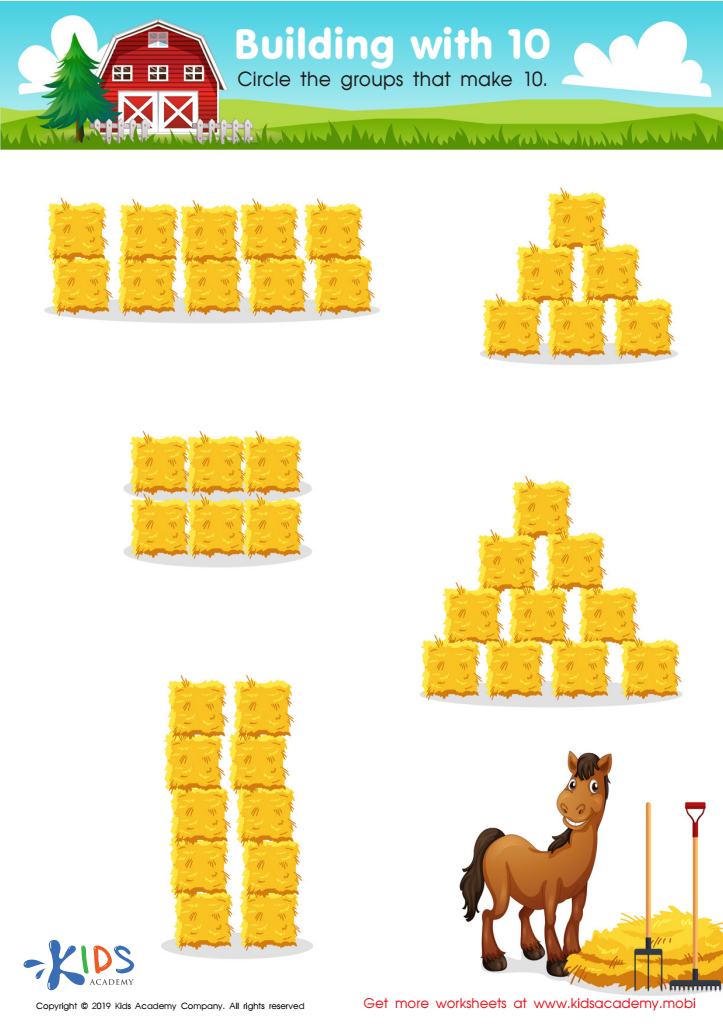
Building with 10 Worksheet
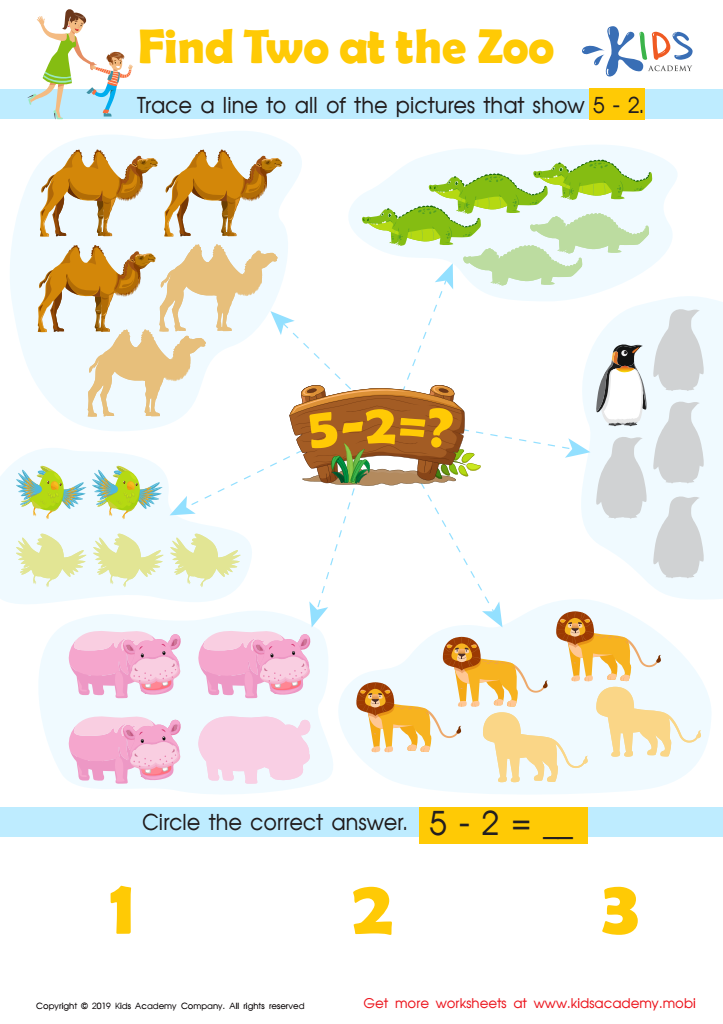
Find Two at the Zoo Worksheet
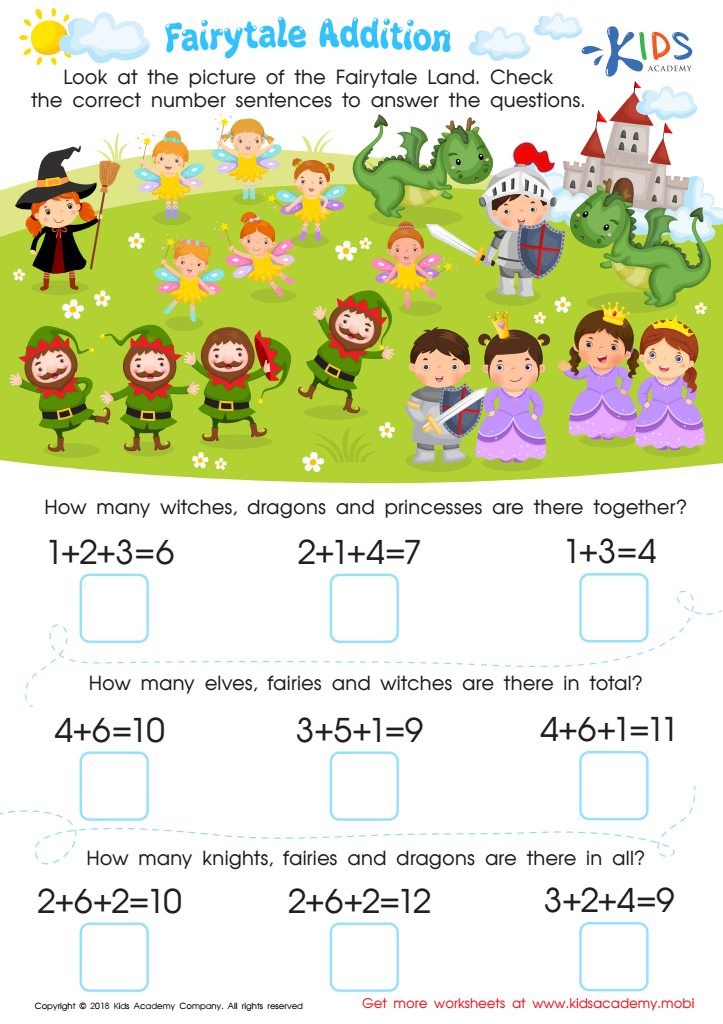
Fairytale Addition Worksheet
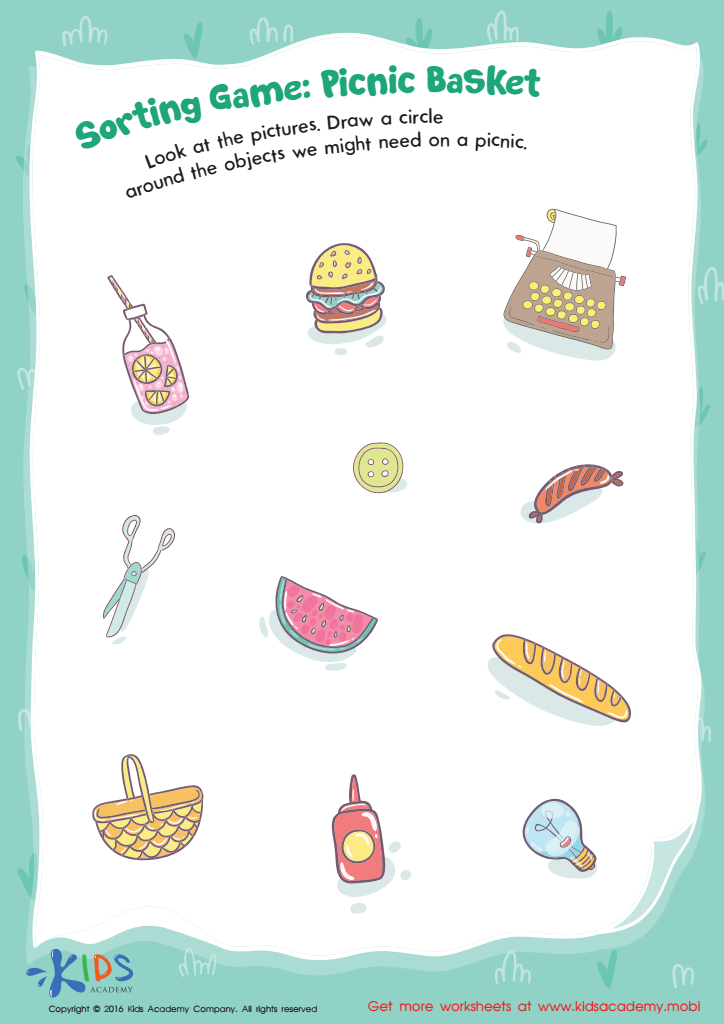
Picnic Basket Sorting Worksheet
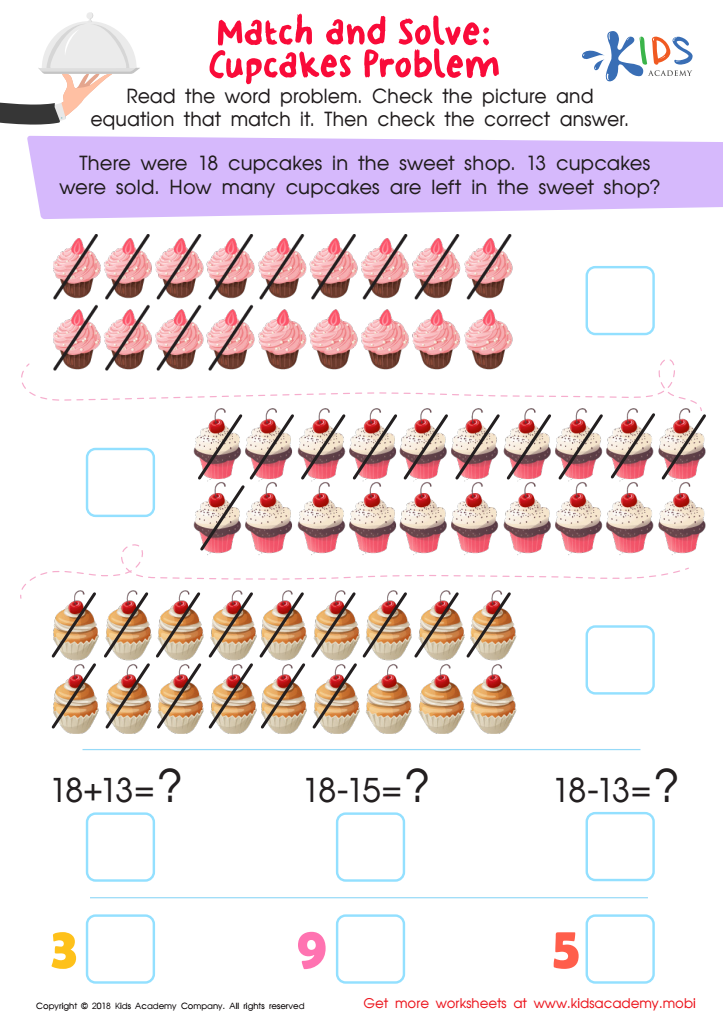
Match and Solve: Cupcakes Problem Worksheet
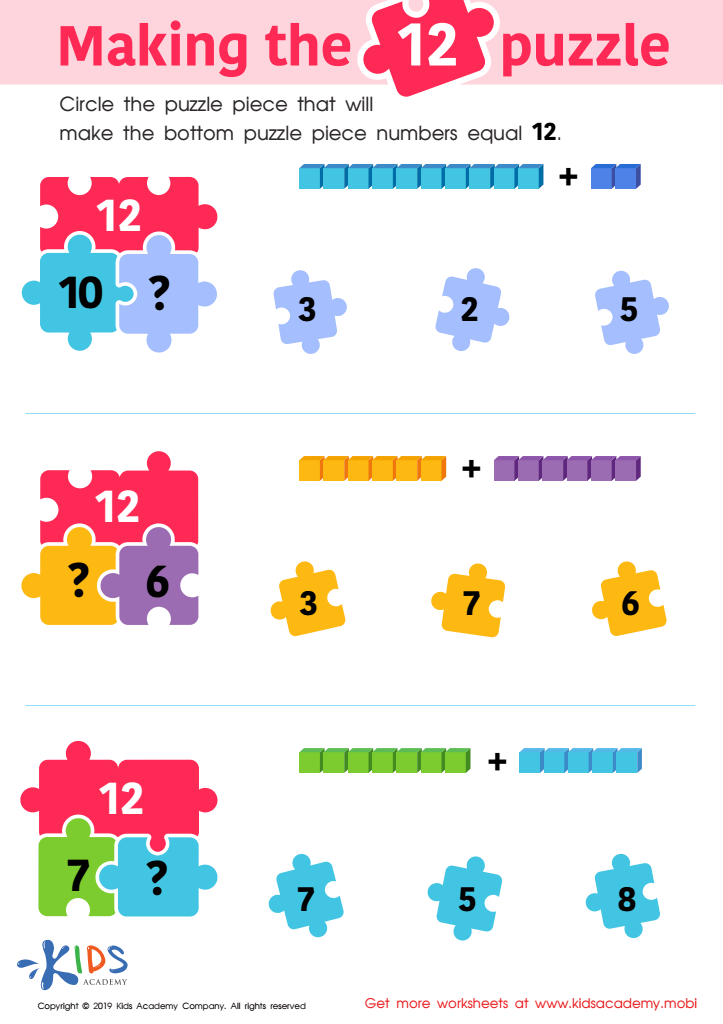
Making the 12 Puzzle Worksheet
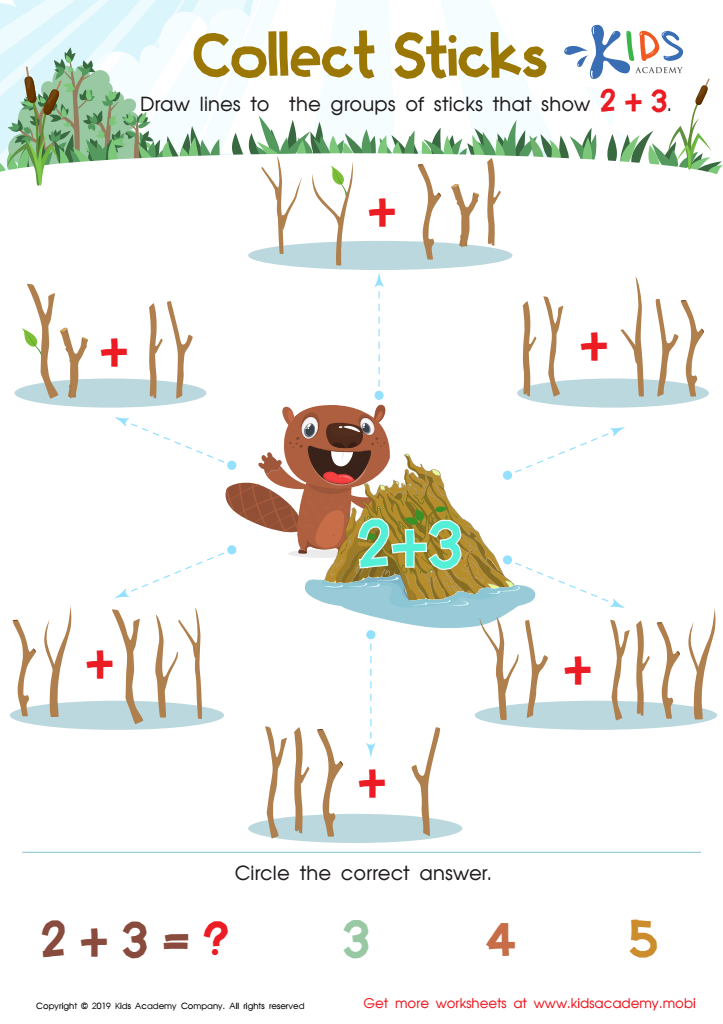
Collect Sticks Worksheet
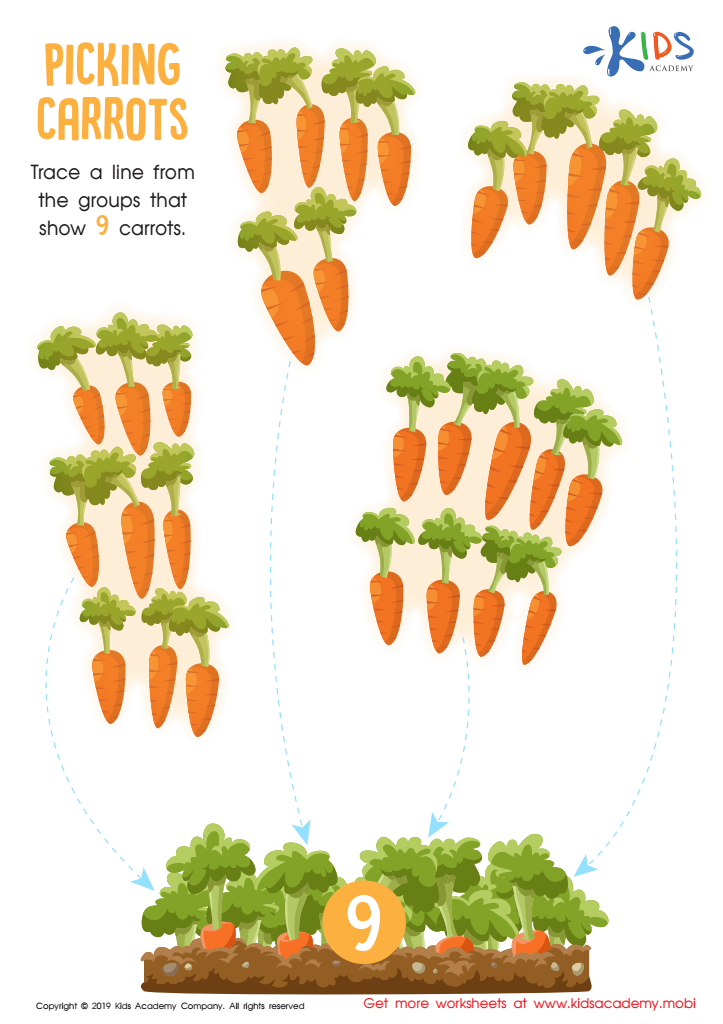
Picking Carrots Worksheet
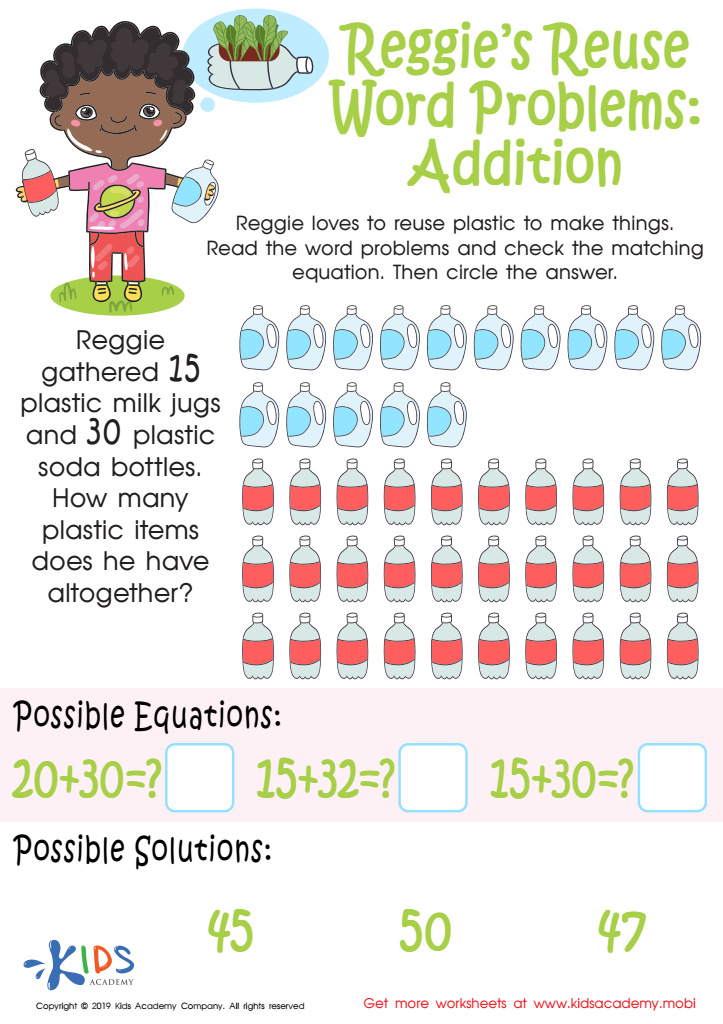
Reggie's Reuse Word Problems: Addition Worksheet
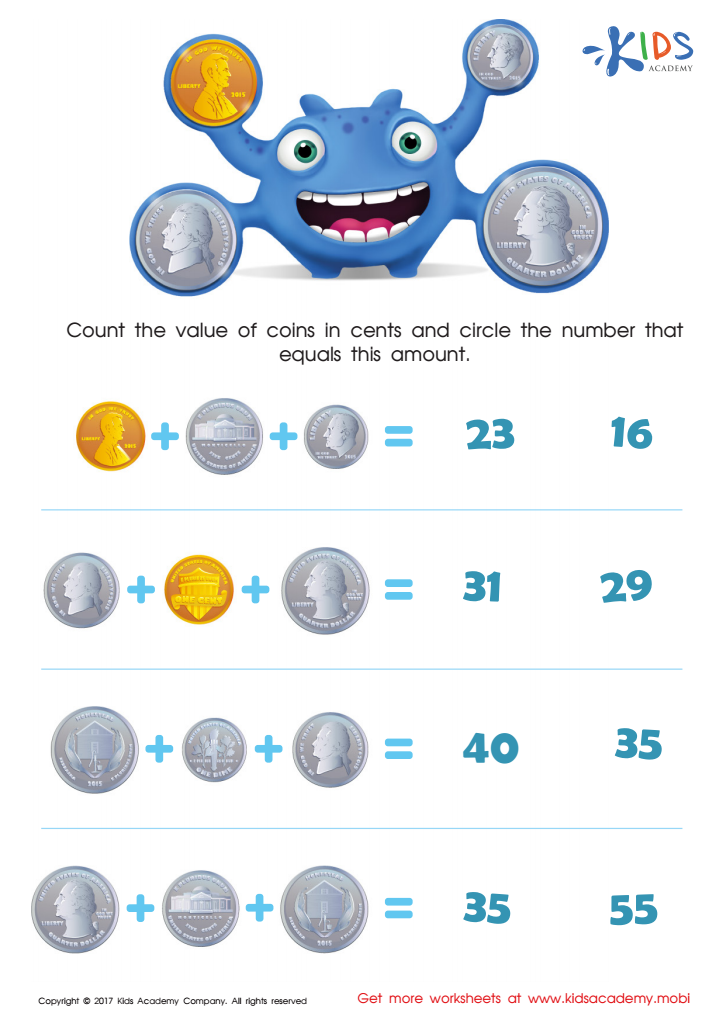
Counting the Coins Money Worksheet
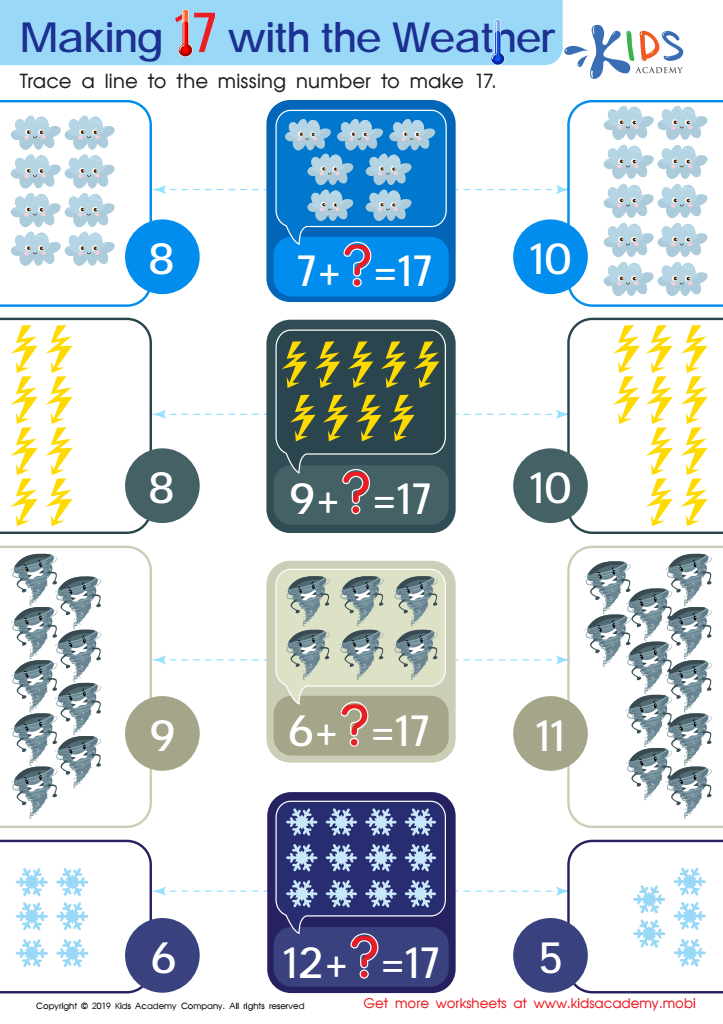
Making 17 with the Weather Worksheet
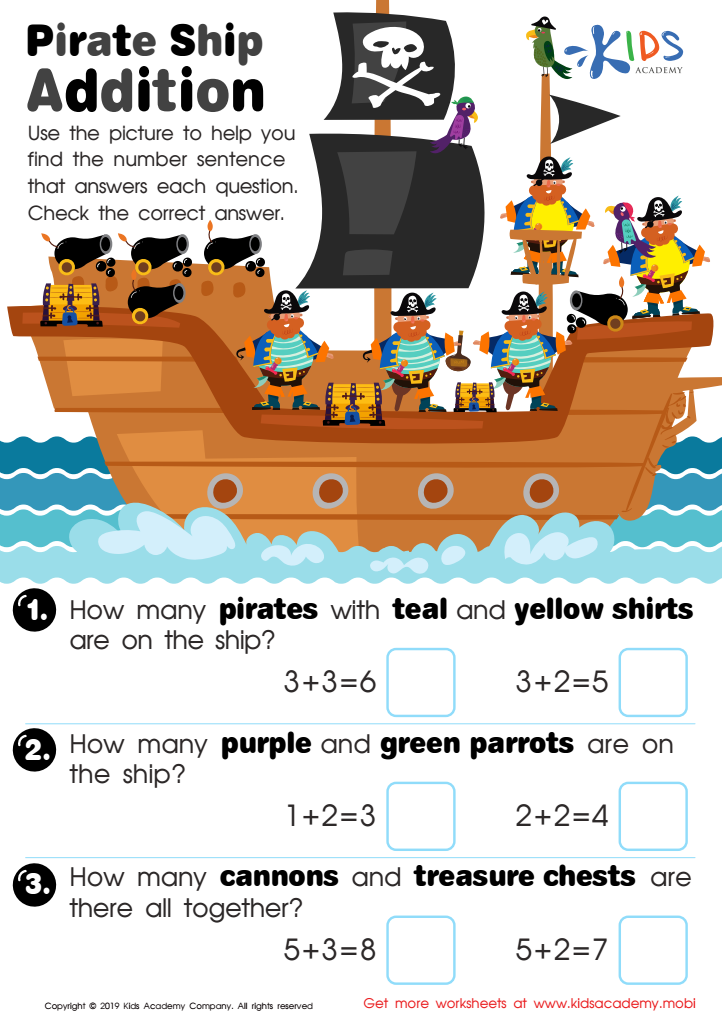
Pirate Ship Addition Worksheet
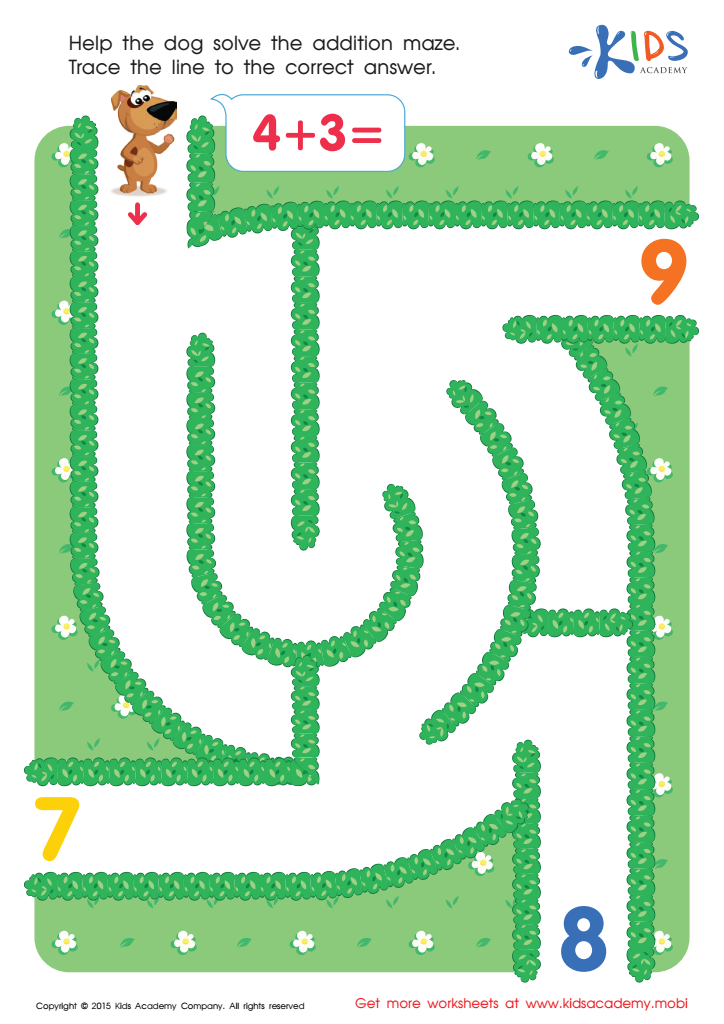
Addition Four And Three Worksheet
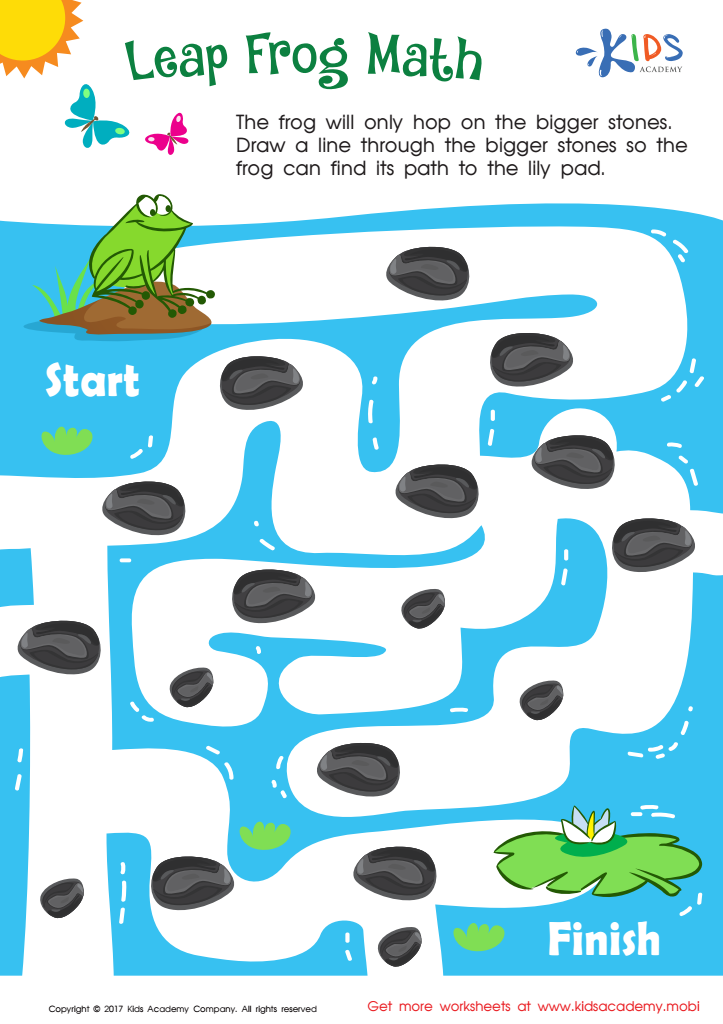
Math Puzzle Worksheet
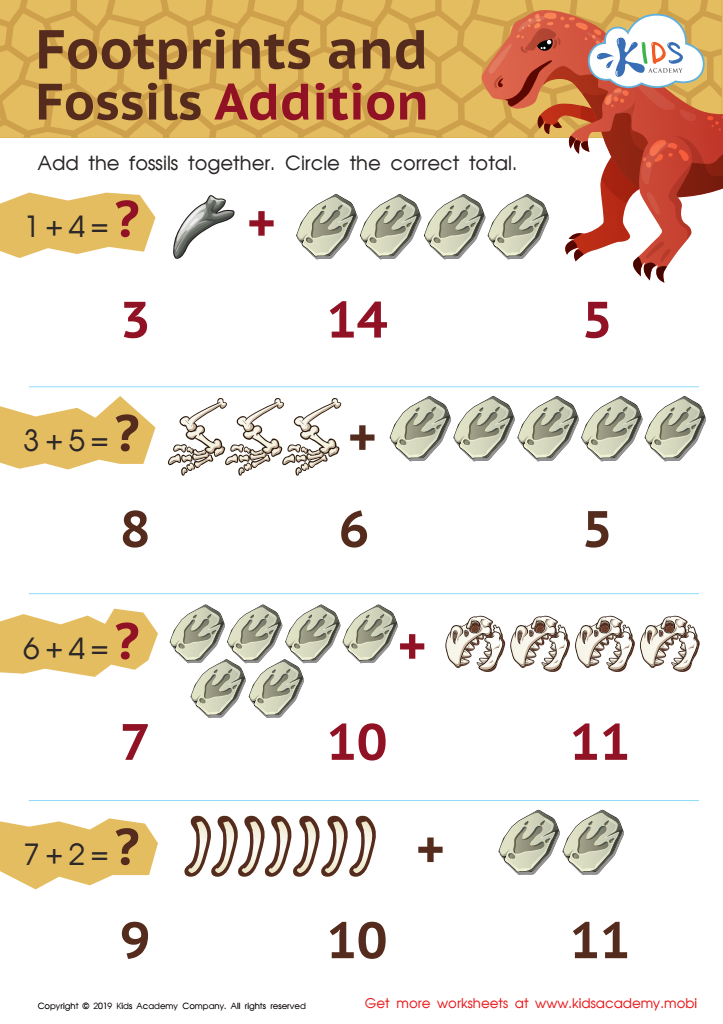
Footprints and Fossils Addition Worksheet
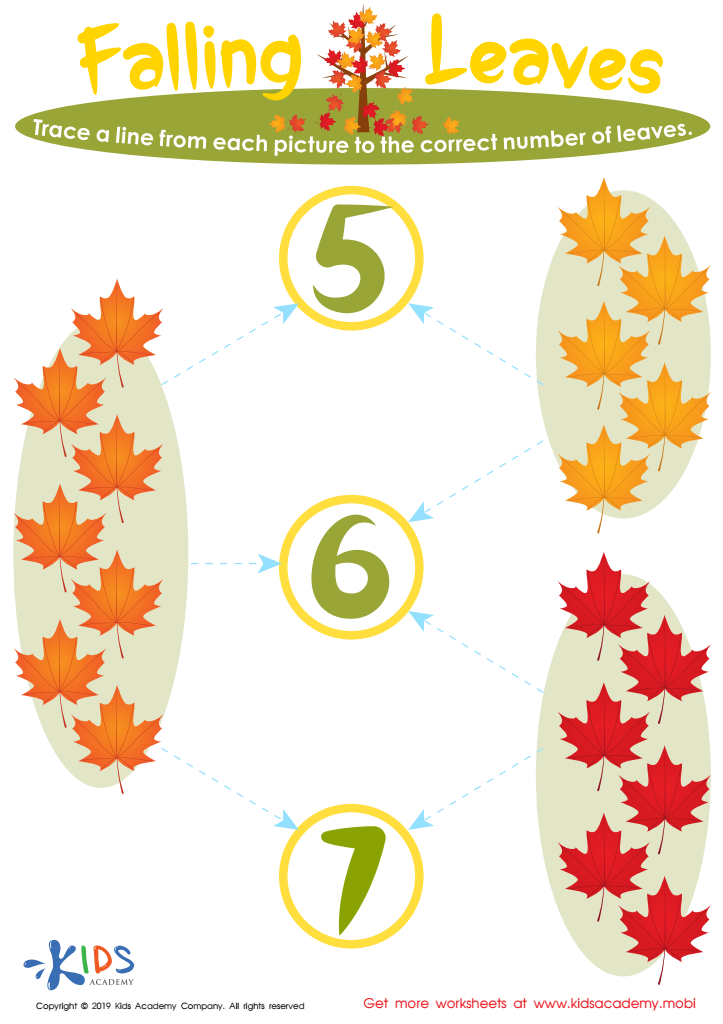
Falling Leaves Worksheet
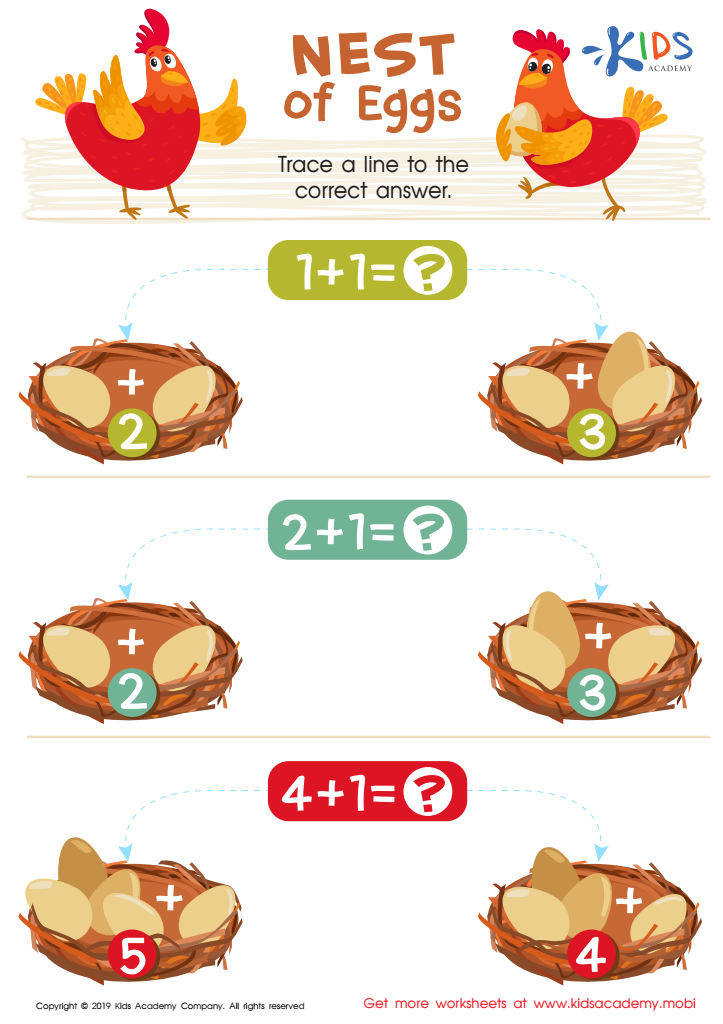
Nest of Eggs Worksheet
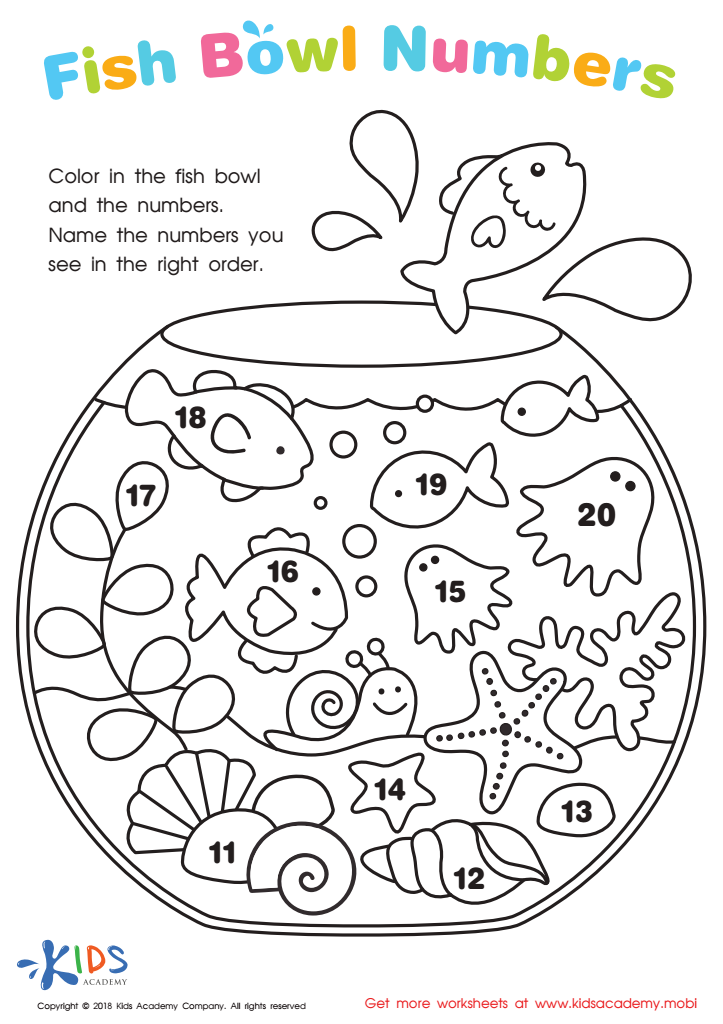
Fish Bowl Numbers Worksheet
 Assign to My Students
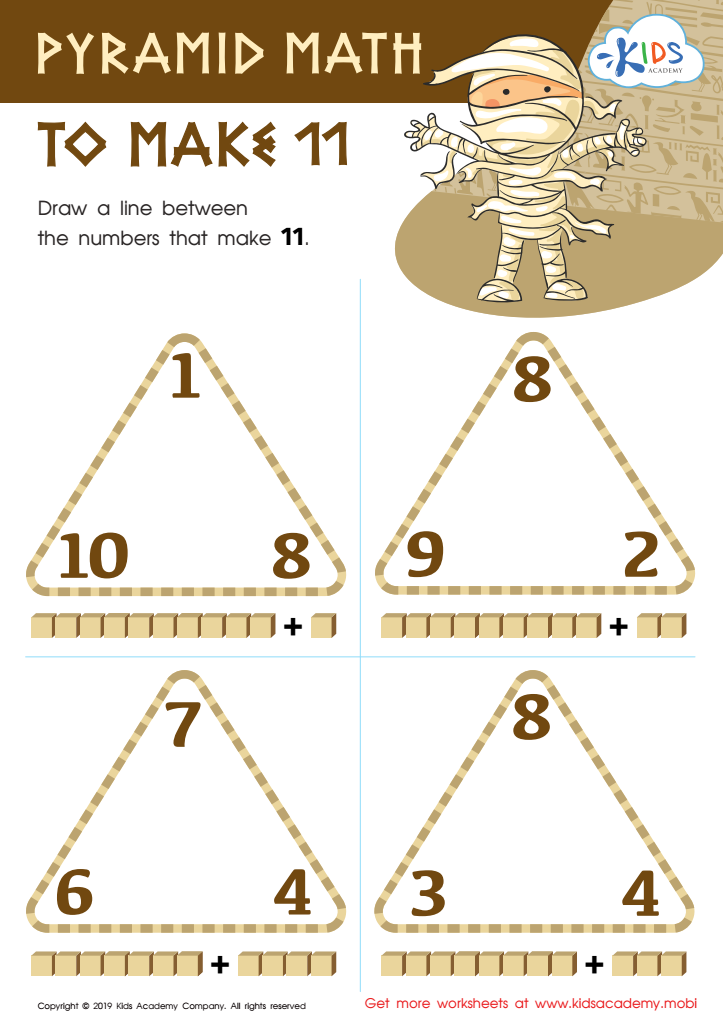
Pyramid Math to Make 11 Worksheet


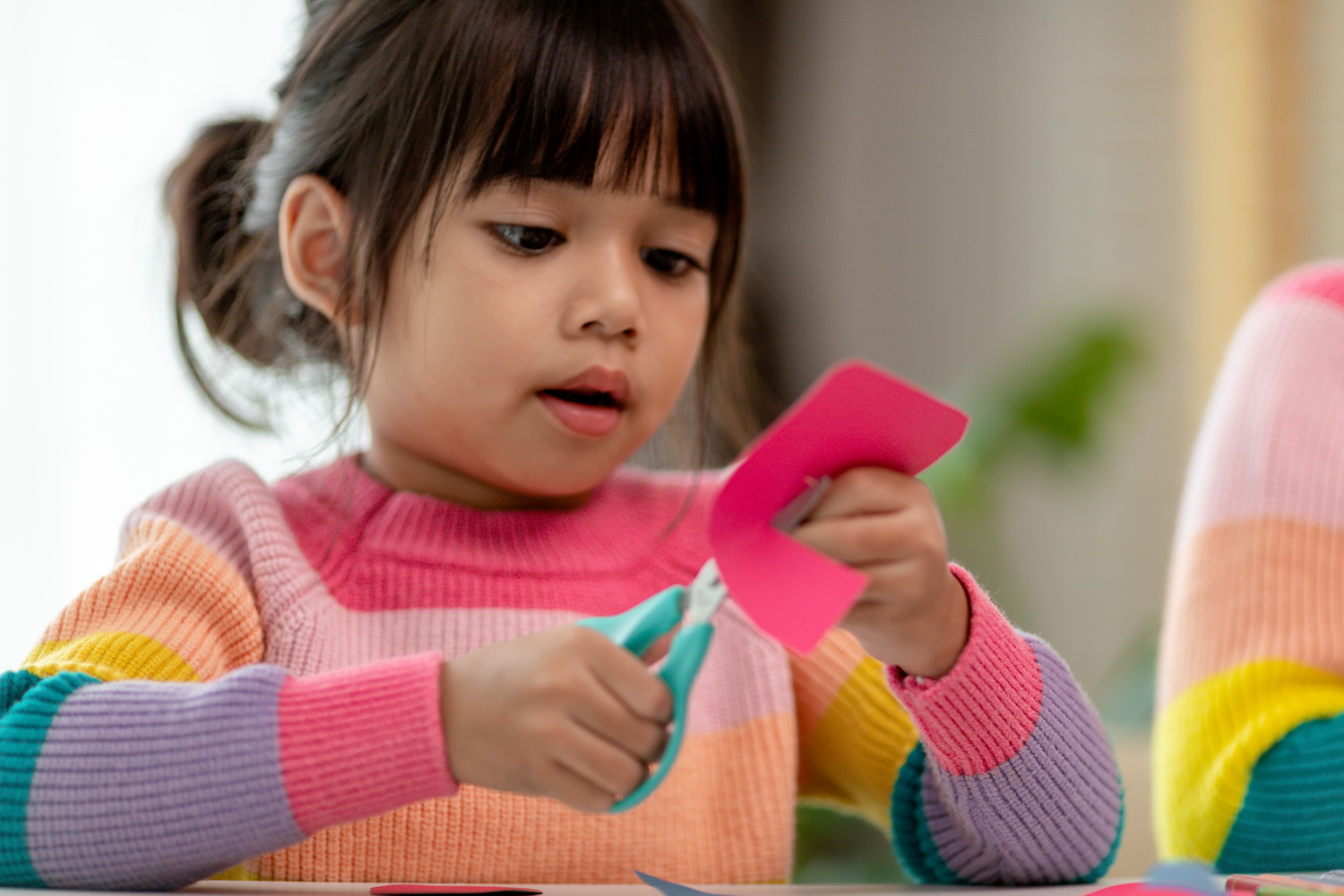





Addition practice in kindergarten is a crucial aspect of early childhood education that lays the foundation for a child's mathematical understanding. At this age, children are naturally eager to explore numbers, and engaging them in addition activities can cultivate a positive attitude toward math. Building strong addition skills enhances problem-solving abilities, which are essential in everyday life.
Parents and teachers should care about addition practice for several reasons. Firstly, it promotes cognitive development by helping children develop logical thinking and number sense. As children learn to combine numbers, they enhance their memory and concentration skills, which are vital for future learning.
Moreover, early exposure to mathematics can reduce anxiety about the subject later in life. Children who feel confident in their basic math skills are more likely to enjoy learning and take on challenges. Engaging parents in addition practice through games and daily activities can also strengthen family bonds, making learning a fun and interactive experience.
Additionally, tracking progress in addition skills allows teachers and parents to identify any difficulties early on, enabling timely intervention. Ultimately, fostering strong addition skills in kindergarten sets the stage for academic success and a lifelong appreciation for mathematics.








