Problem-Solving Skills Addition & Subtraction Worksheets - Page 9
215 filtered results
-
From - To
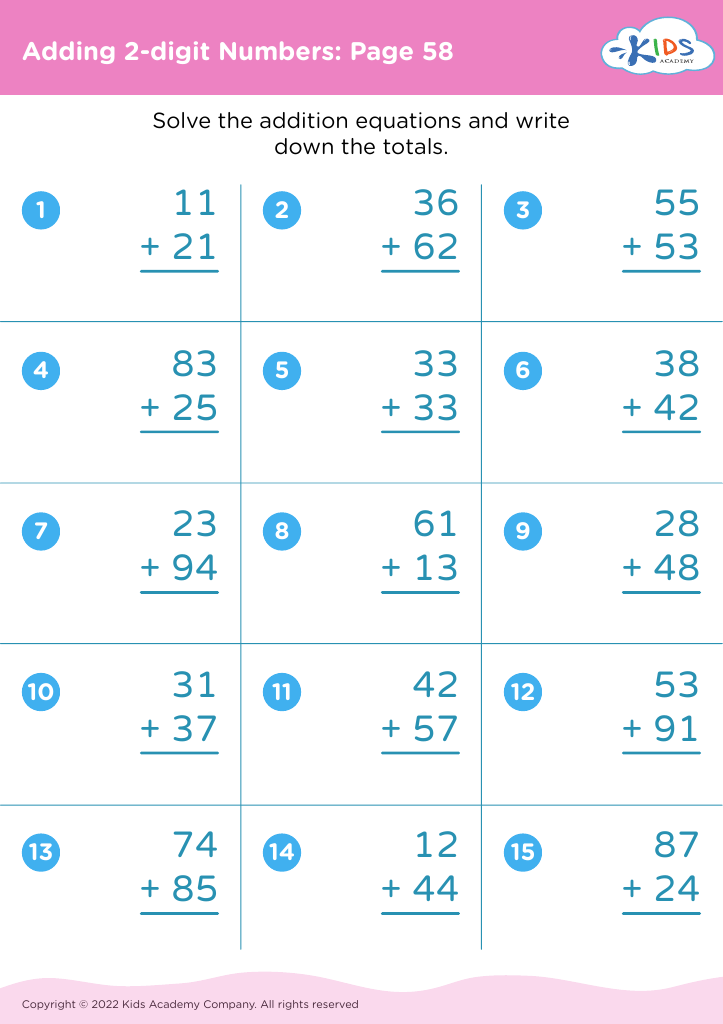
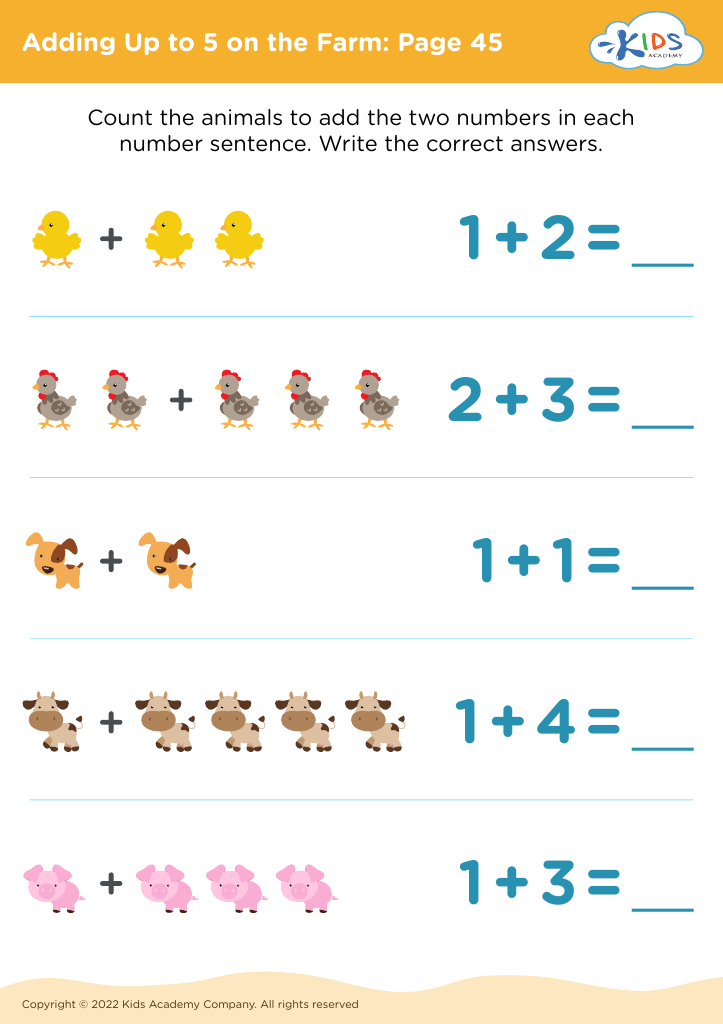
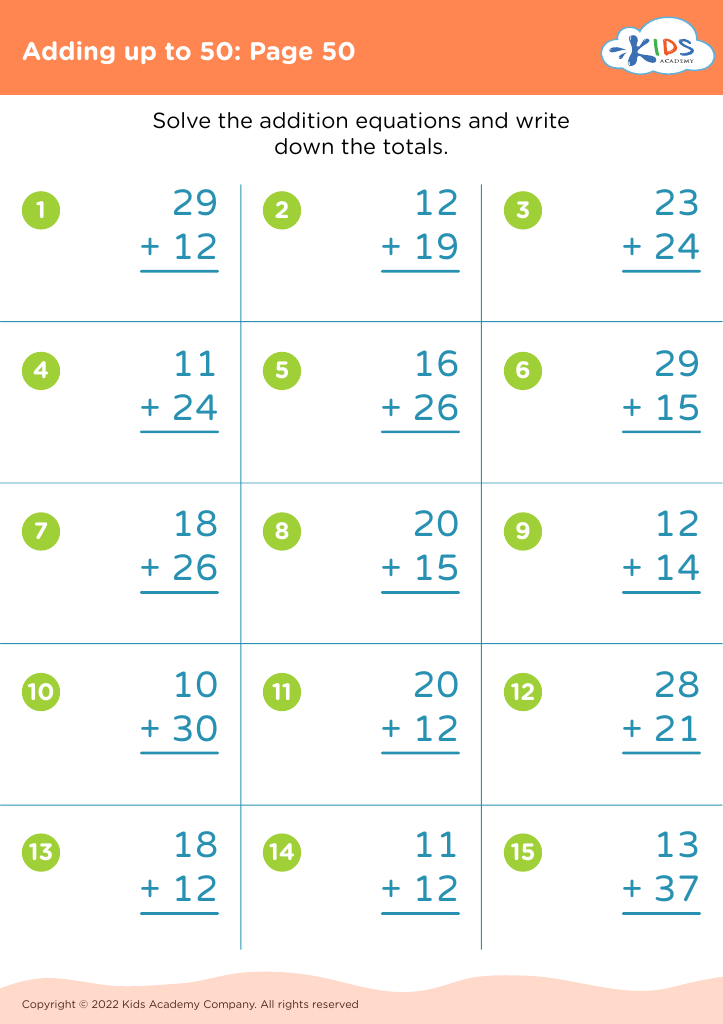
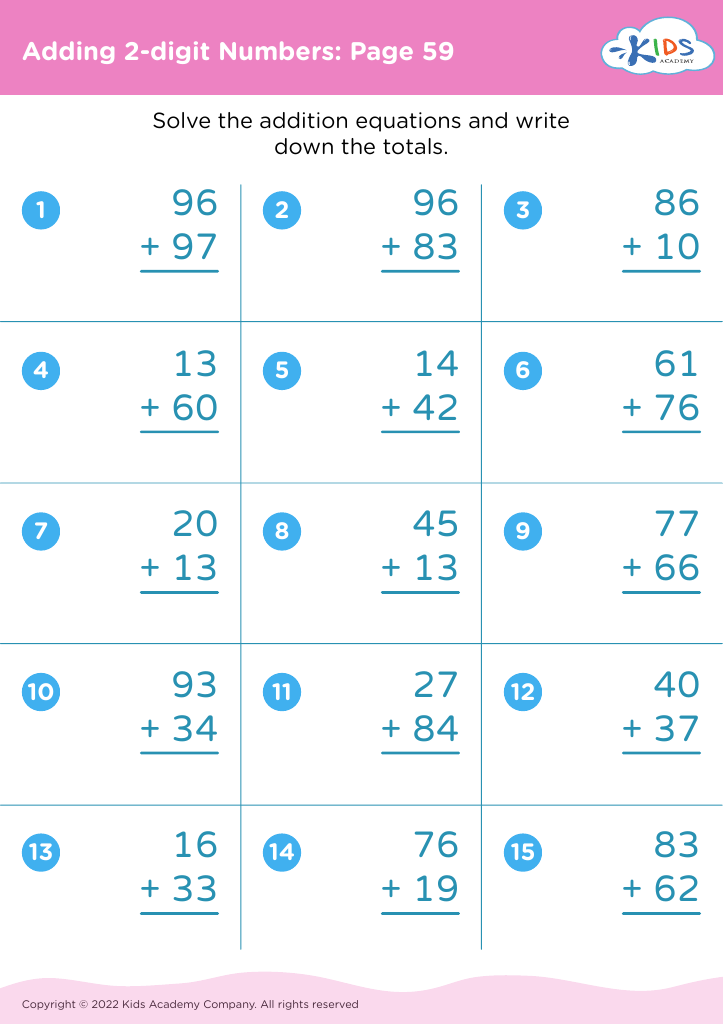
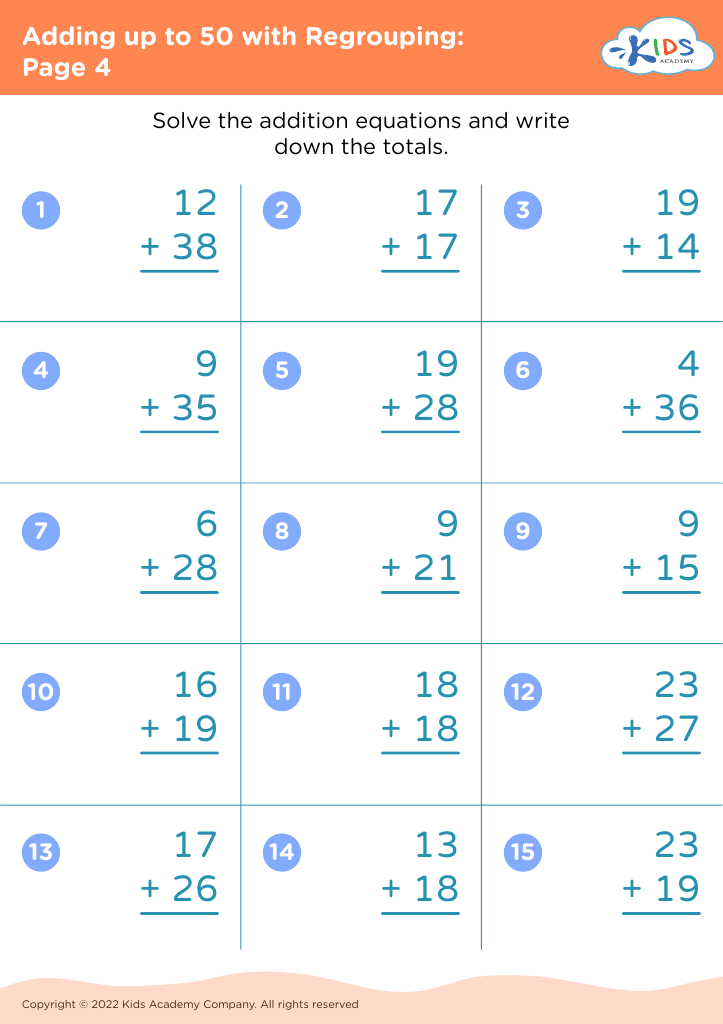
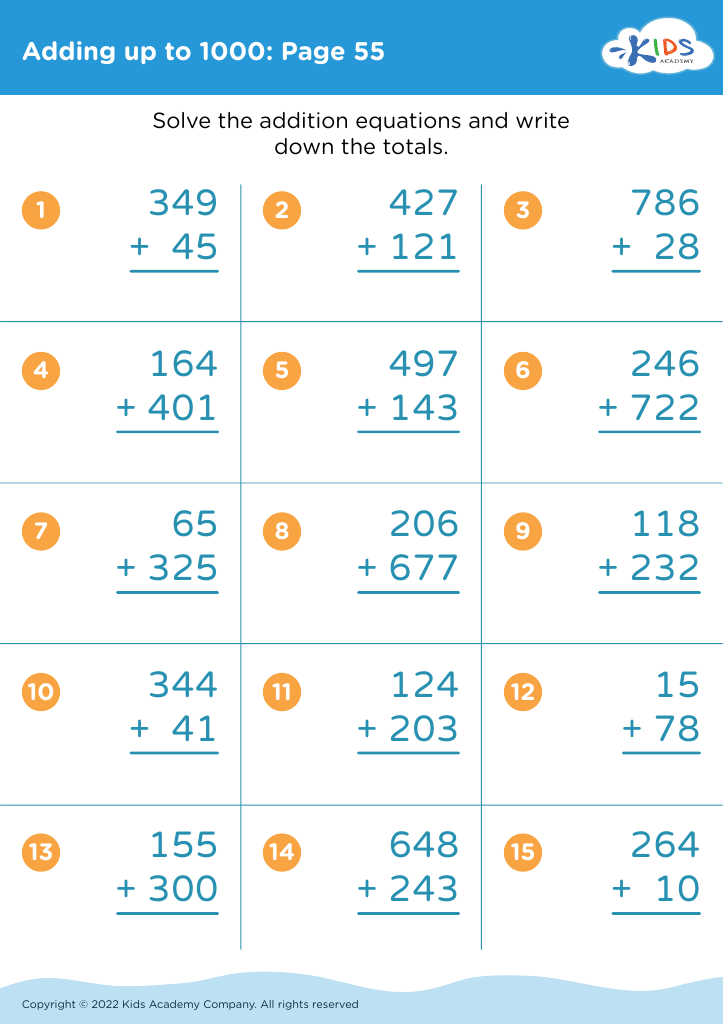
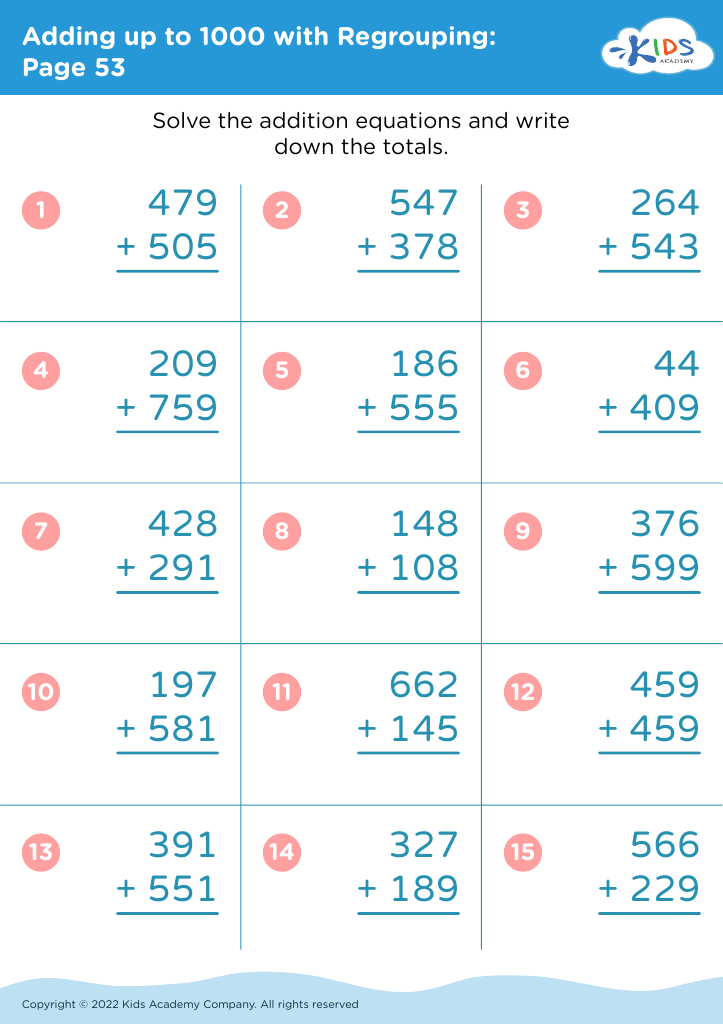
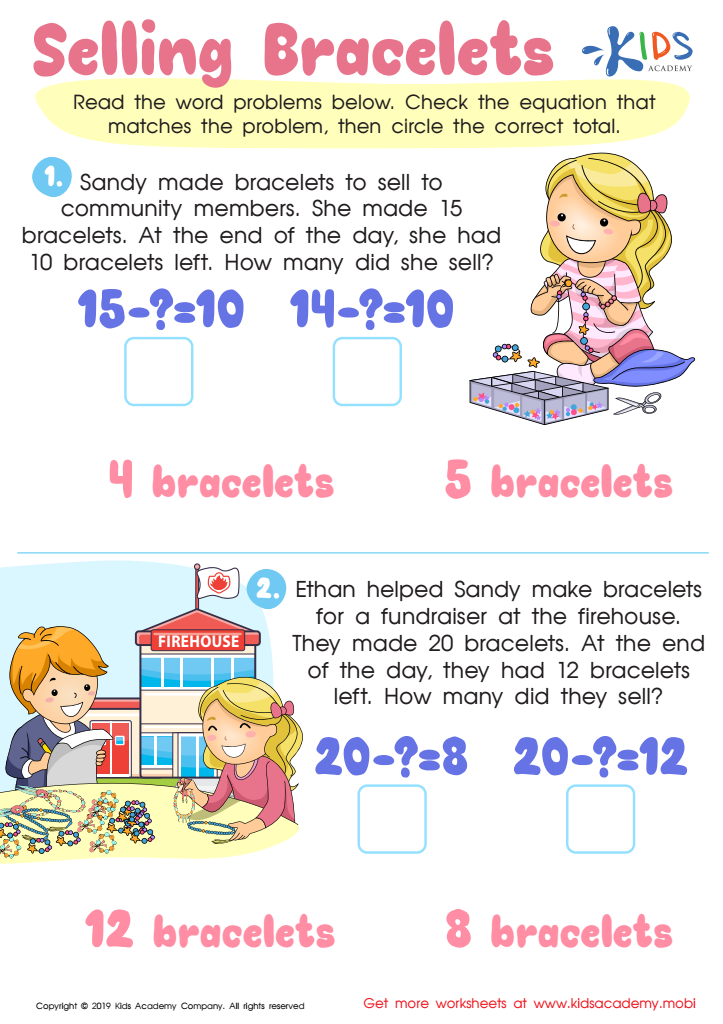
Selling the Bracelets Worksheet
 Assign to My Students
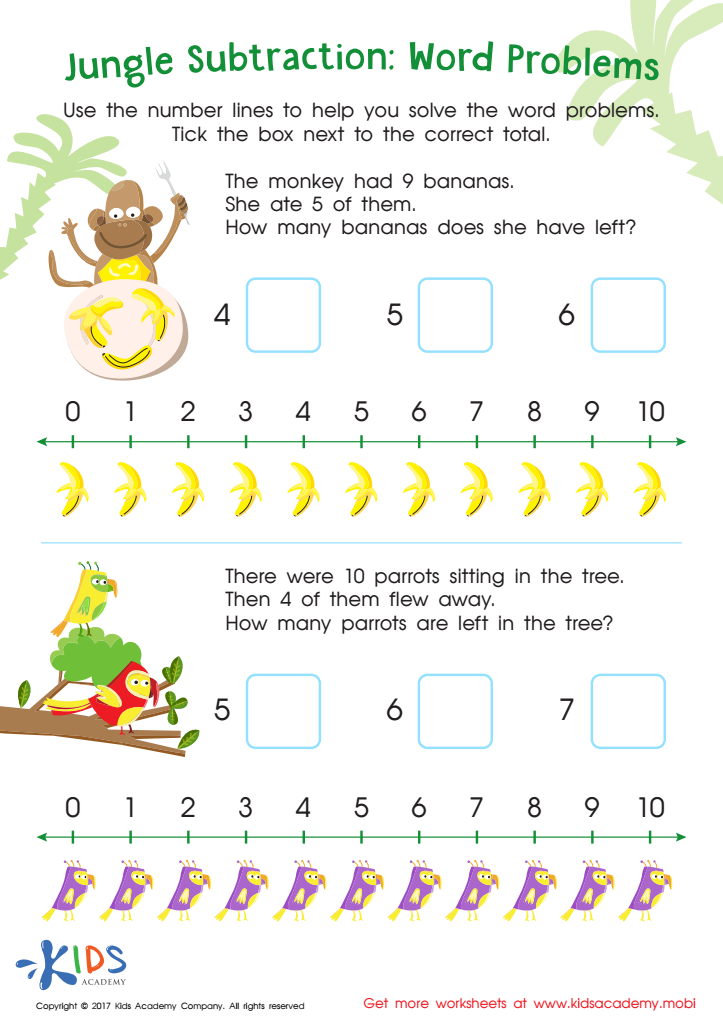
Jungle Subtraction Word Problems Substraction Worksheet
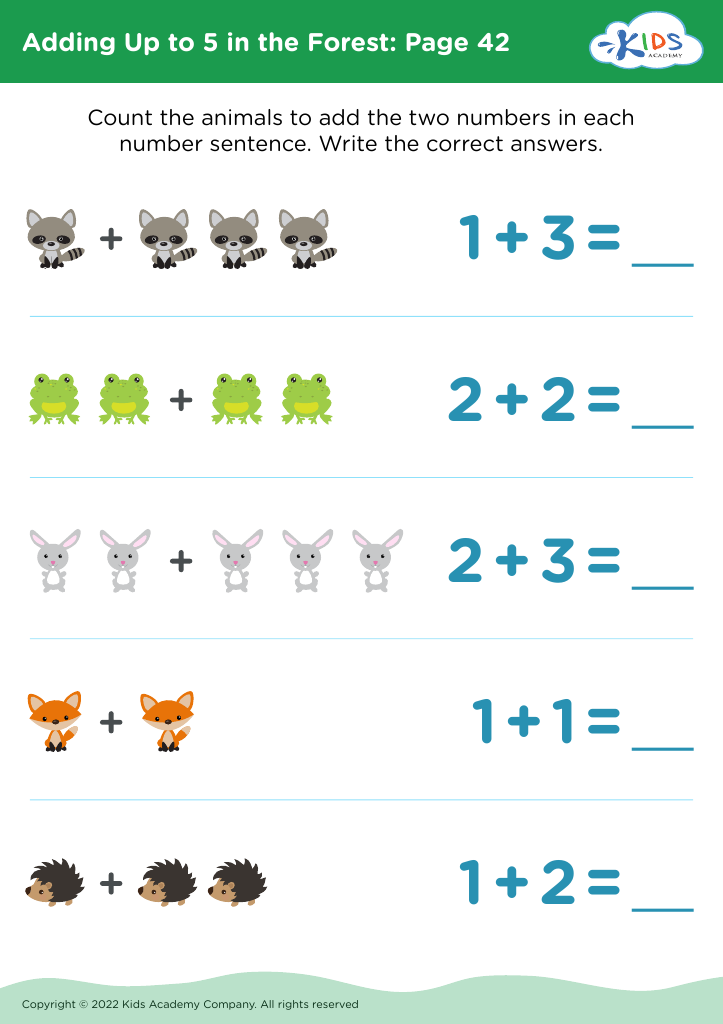
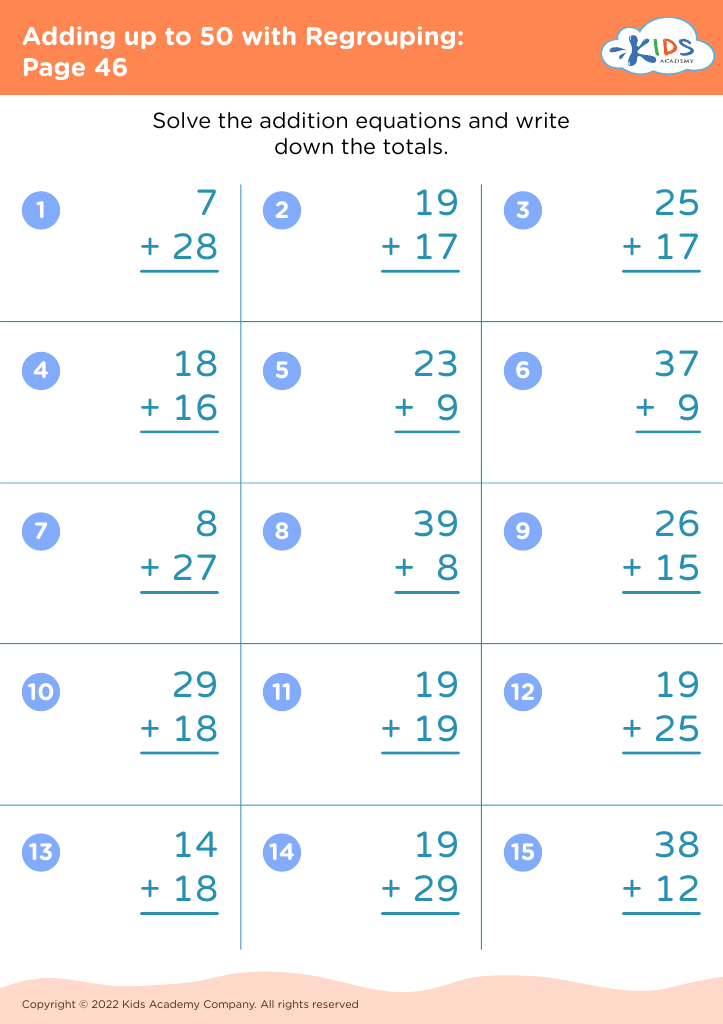
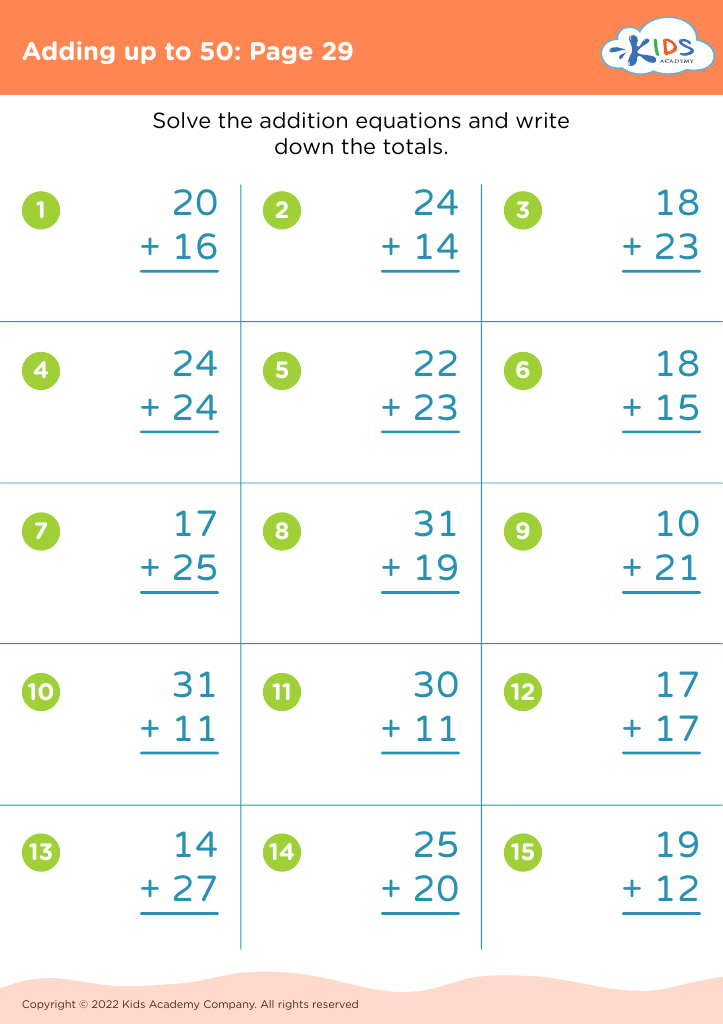
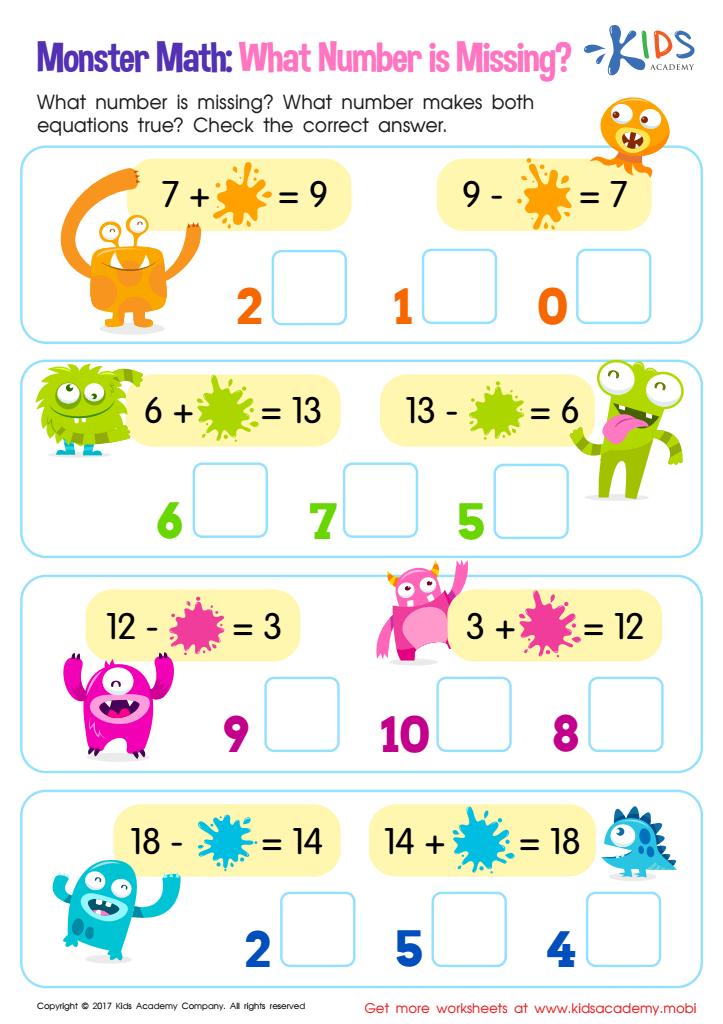
Missing Number: Monster Math Worksheet
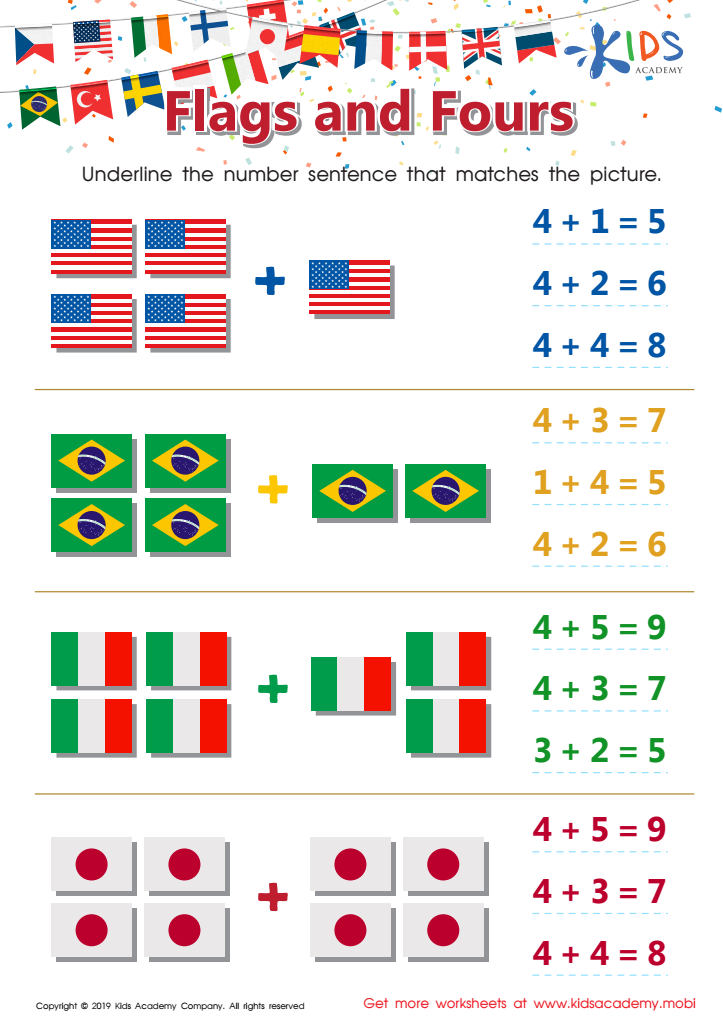
Flags and Fours Worksheet
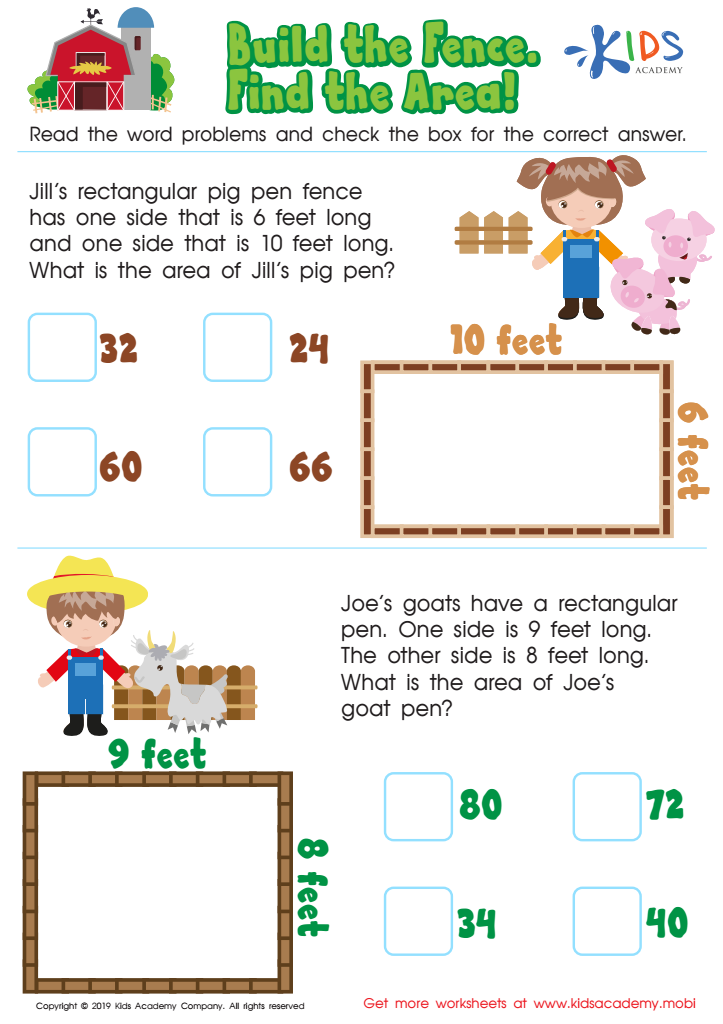
Build the Fence, Find the Area Worksheet
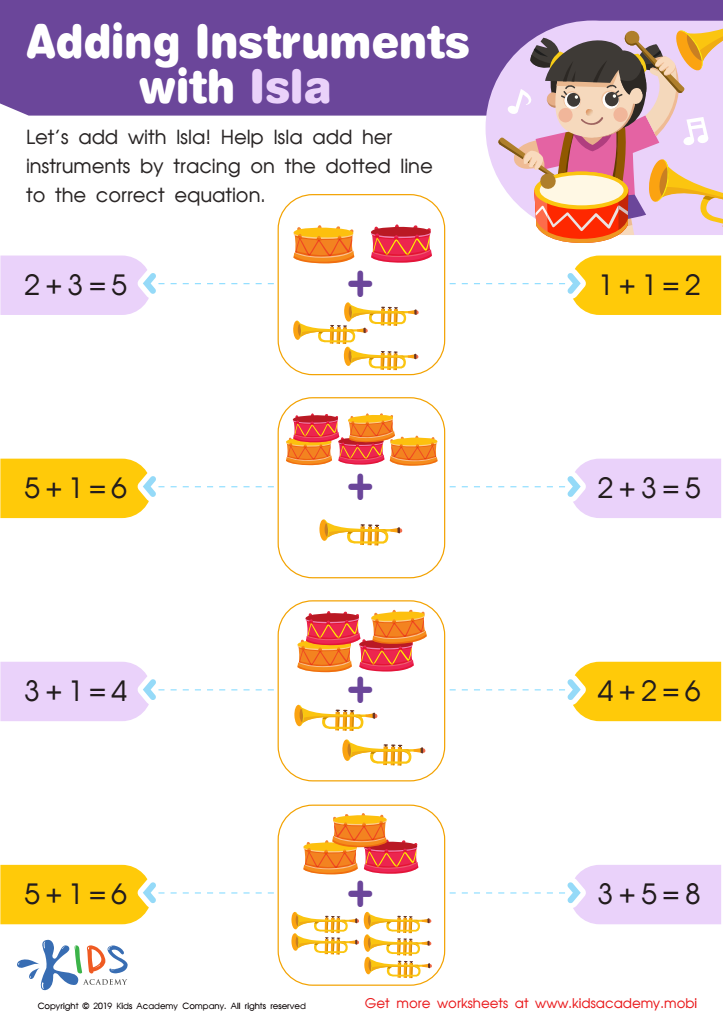
Adding Instruments with Isla Worksheet
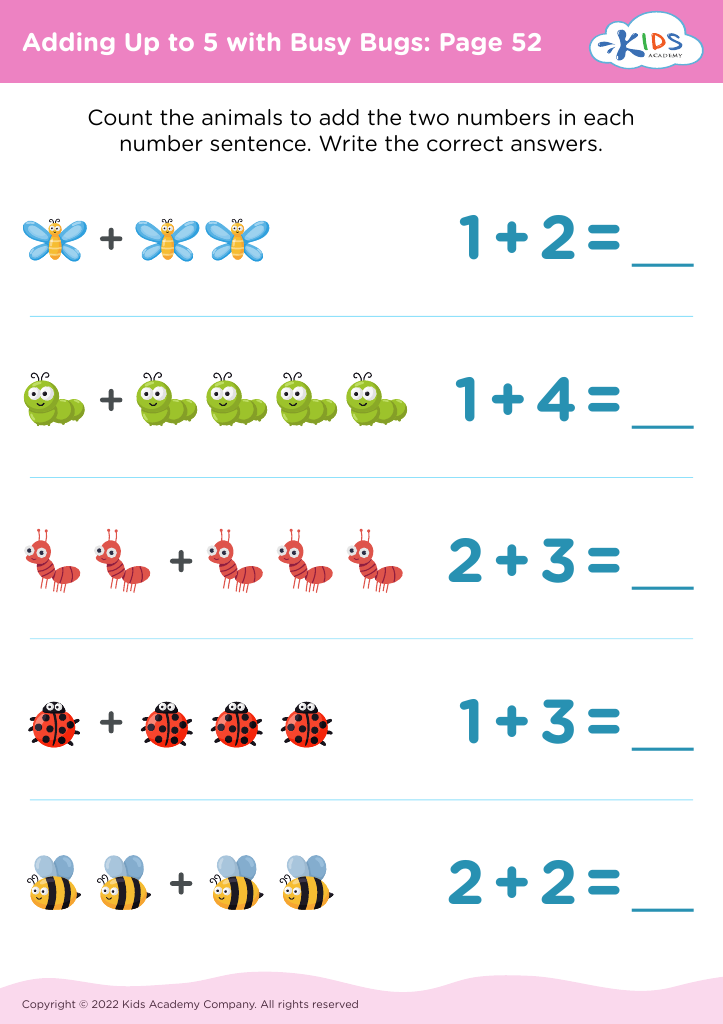
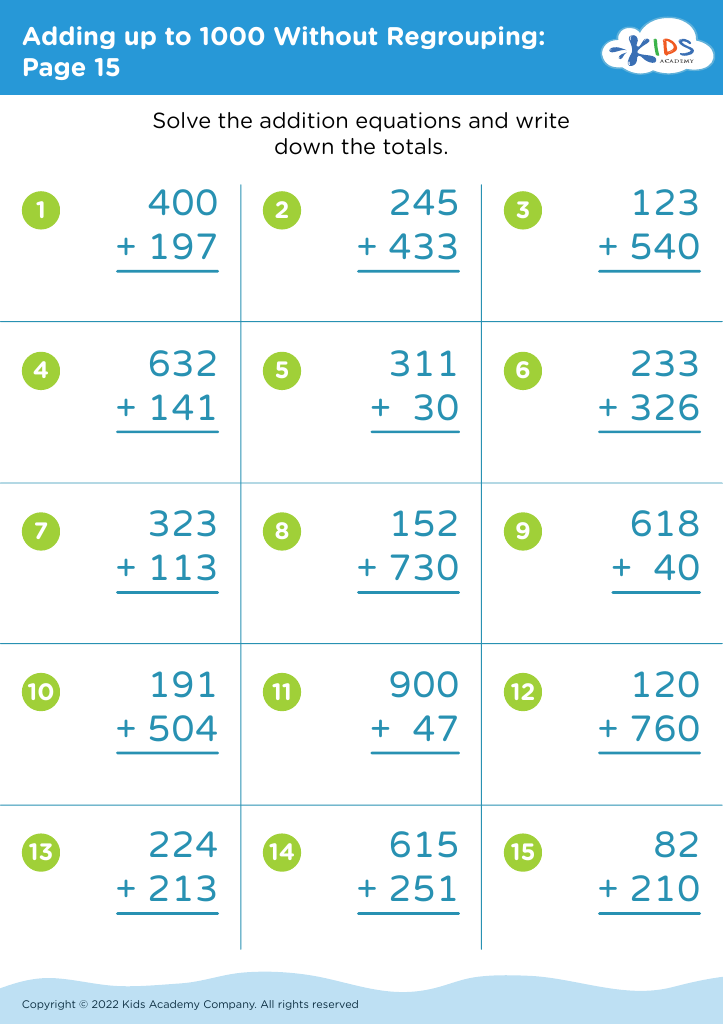








Parents and teachers should care deeply about fostering problem-solving skills in addition and subtraction for young learners because these foundational skills are critical for overall mathematical development and day-to-day life. Early math skills predict later academic success, not only in mathematics but across other subjects. By mastering addition and subtraction, children cultivate analytical thinking, improve their ability to learn new concepts, and become more adept at tackling real-world problems.
Problem-solving with basic arithmetic extends beyond simply finding the right answer; it involves recognizing patterns, understanding relationships, and developing logical reasoning. These cognitive benefits enhance cognitive functions like memory, attention, and processing speed, which are vital for learning in general.
Moreover, having strong problem-solving skills instills confidence in young learners. When children successfully navigate mathematical challenges, they build resilience and a growth mindset, seeing challenges as opportunities to learn rather than insurmountable obstacles. Lastly, these math skills apply directly to daily activities, such as making purchases, reading time, and budgeting allowances, equipping children with practical life skills.
Therefore, nurturing addition and subtraction problem-solving abilities early in a child's education sets the stage for lifelong learning, critical thinking, and real-world functionality, making it an essential focus for both parents and teachers.








