Subtraction practice Addition & Subtraction Worksheets - Page 2
77 filtered results
-
From - To
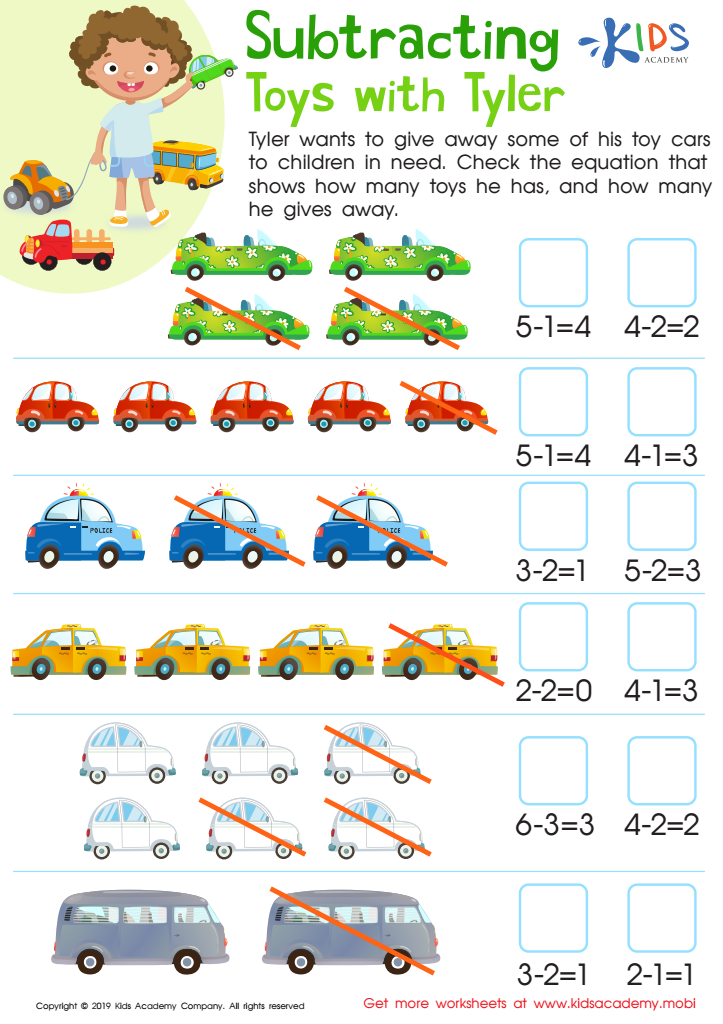
Subtracting Toys with Tyler Worksheet
 Assign to My Students
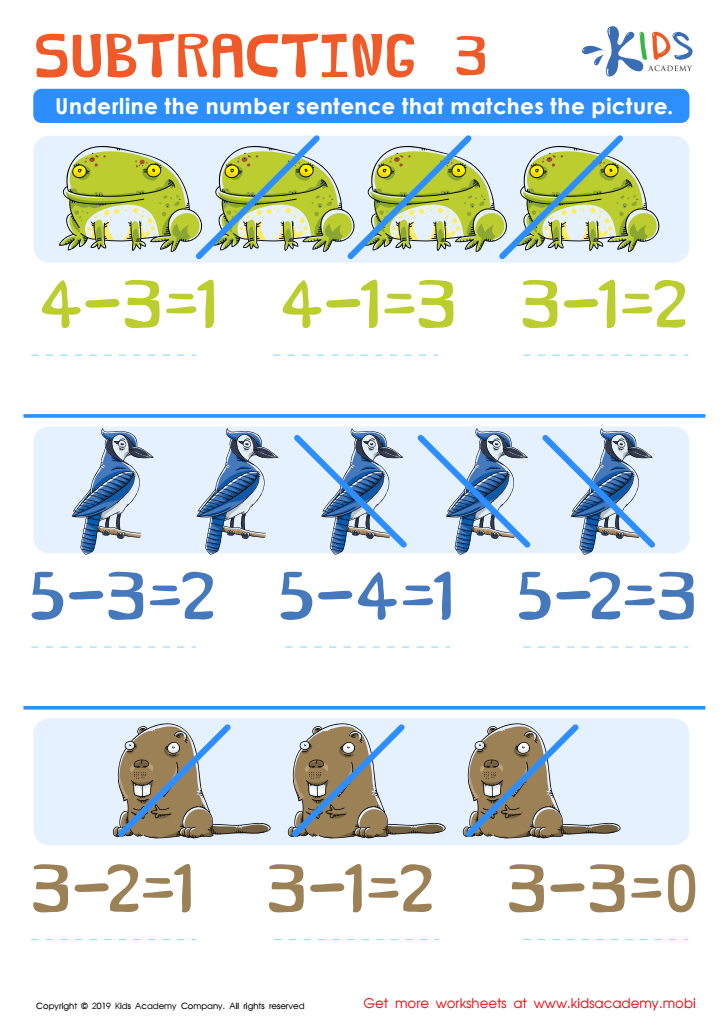
Subtracting 3 Worksheet
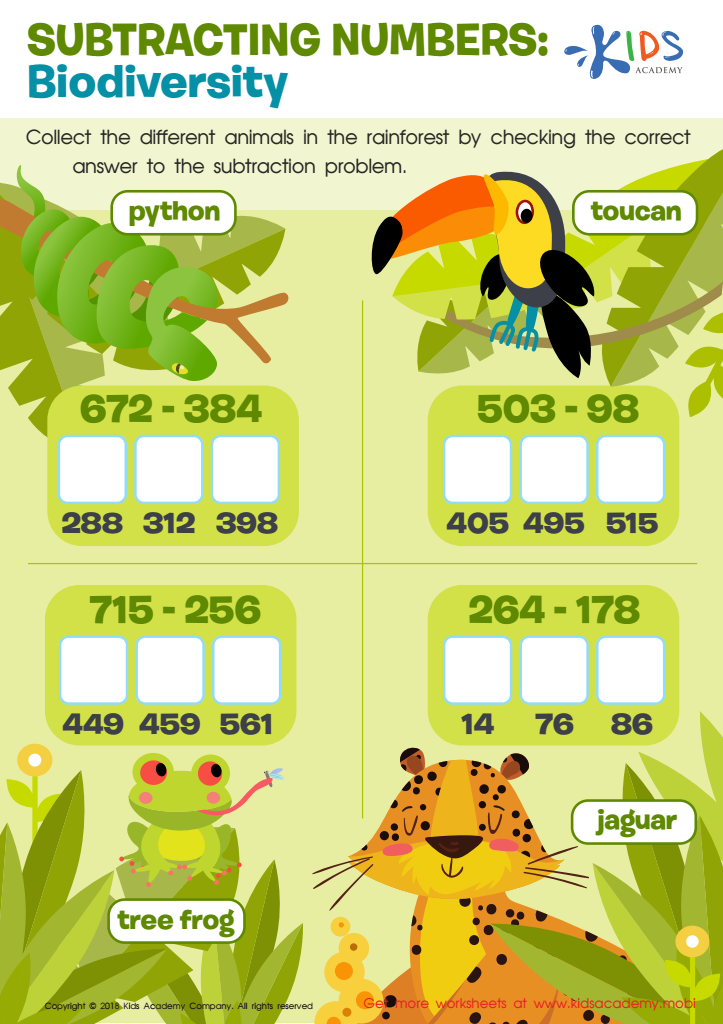
Subtracting Numbers: Biodiversity Worksheet
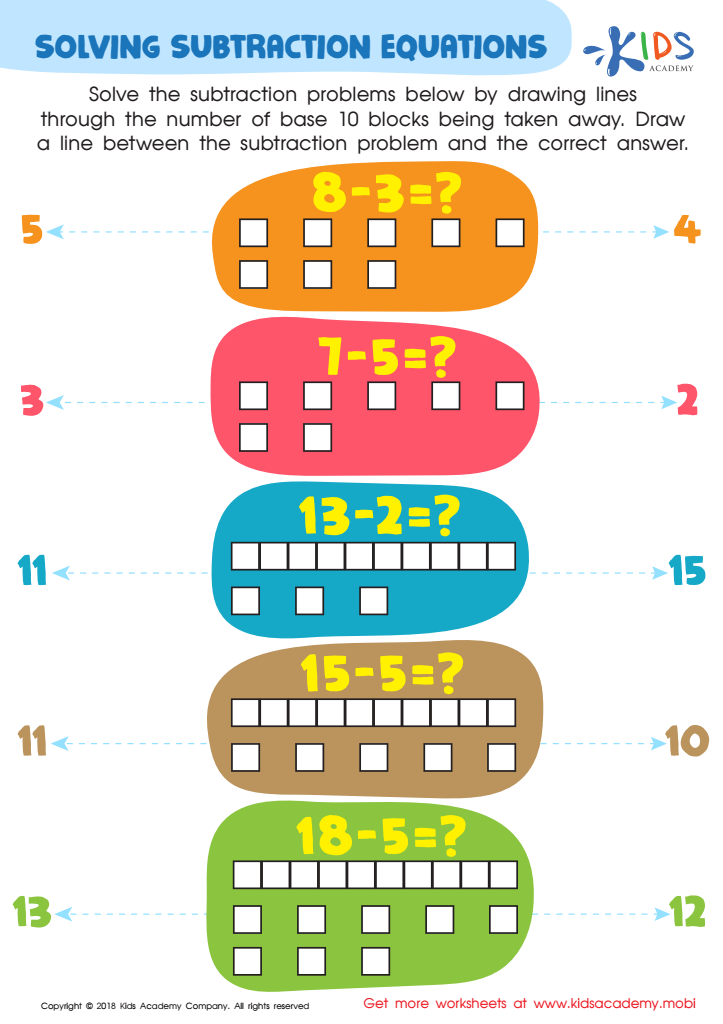
Solving Subtraction Equations Worksheet
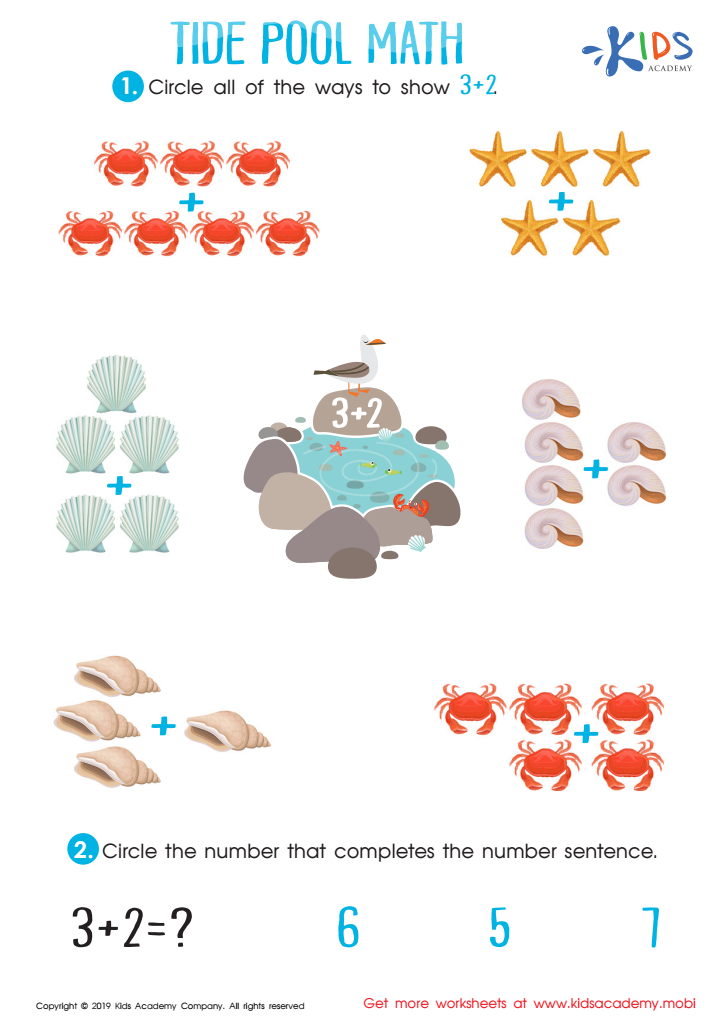
Tide Pool Math Worksheet
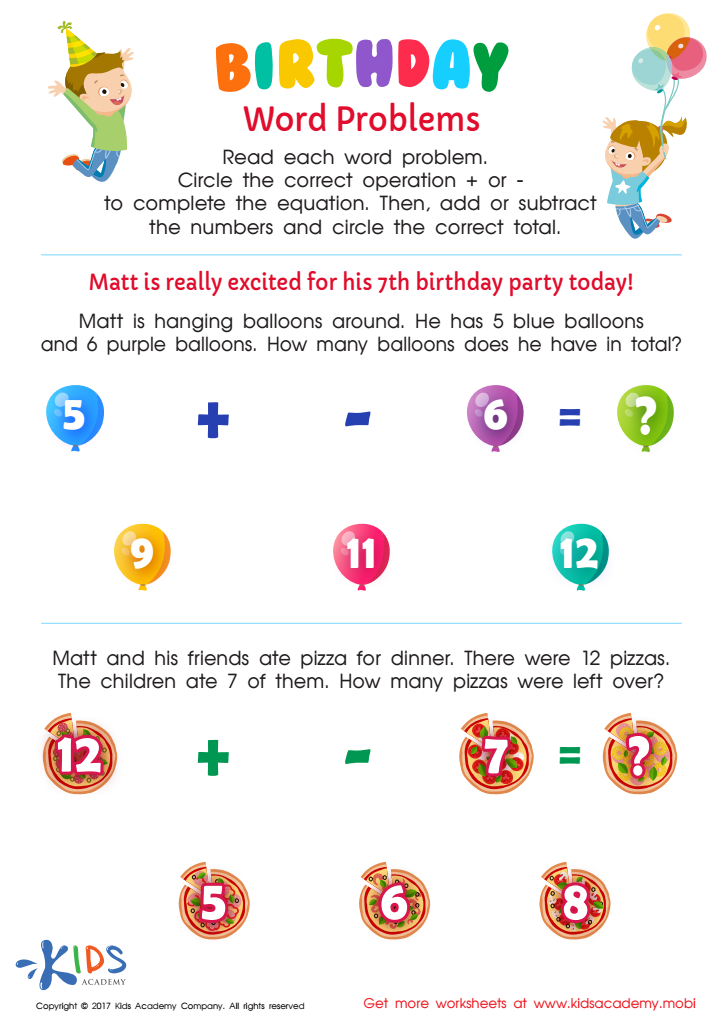
Birthday Word Problems Substraction Worksheet
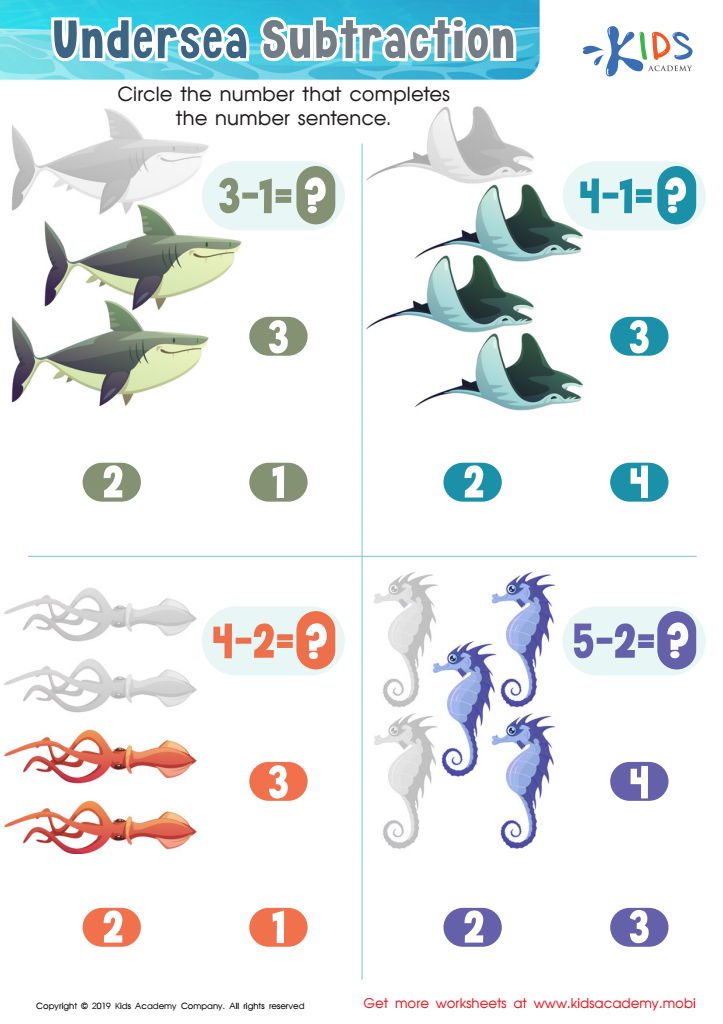
Undersea Subtraction Worksheet
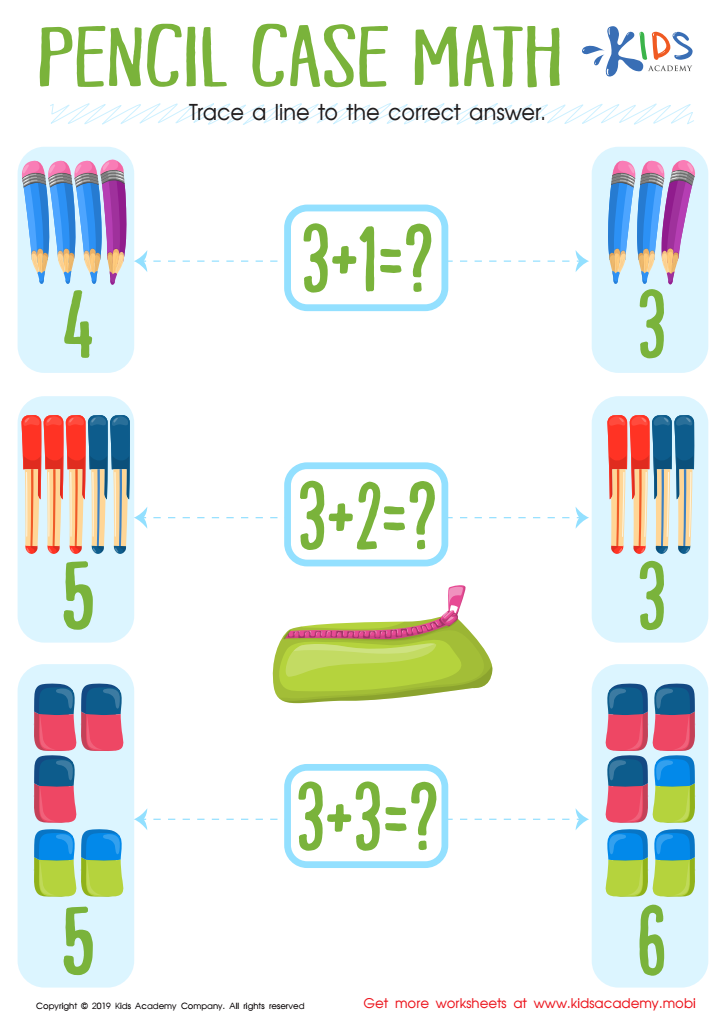
Pencil Case Math Worksheet
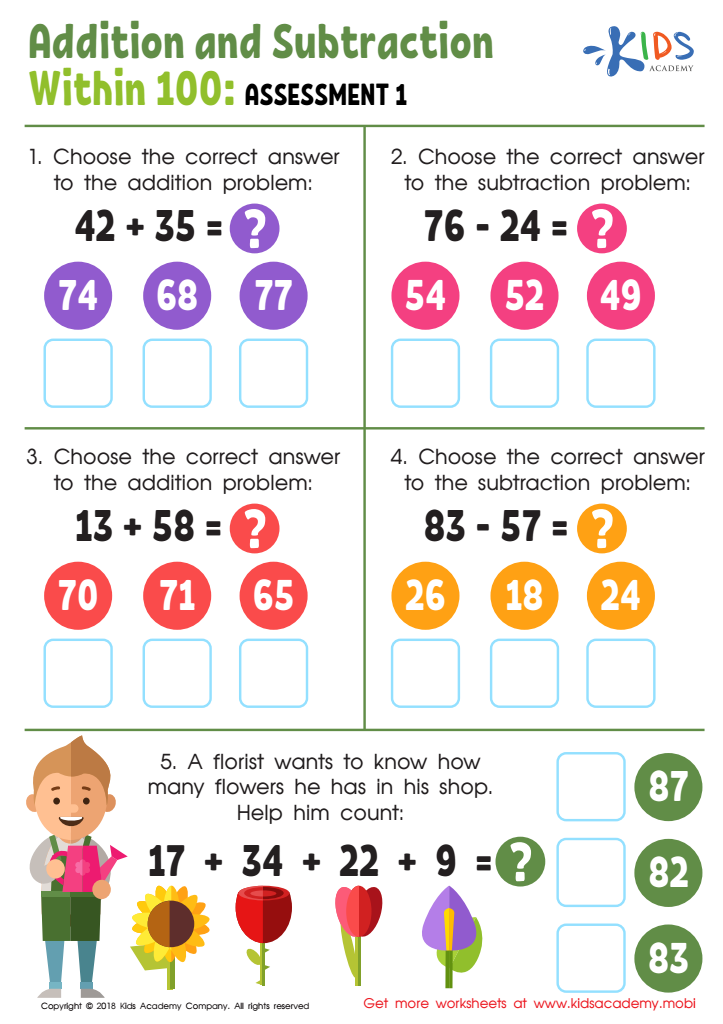
Addition and Subtraction Within 100 Worksheet
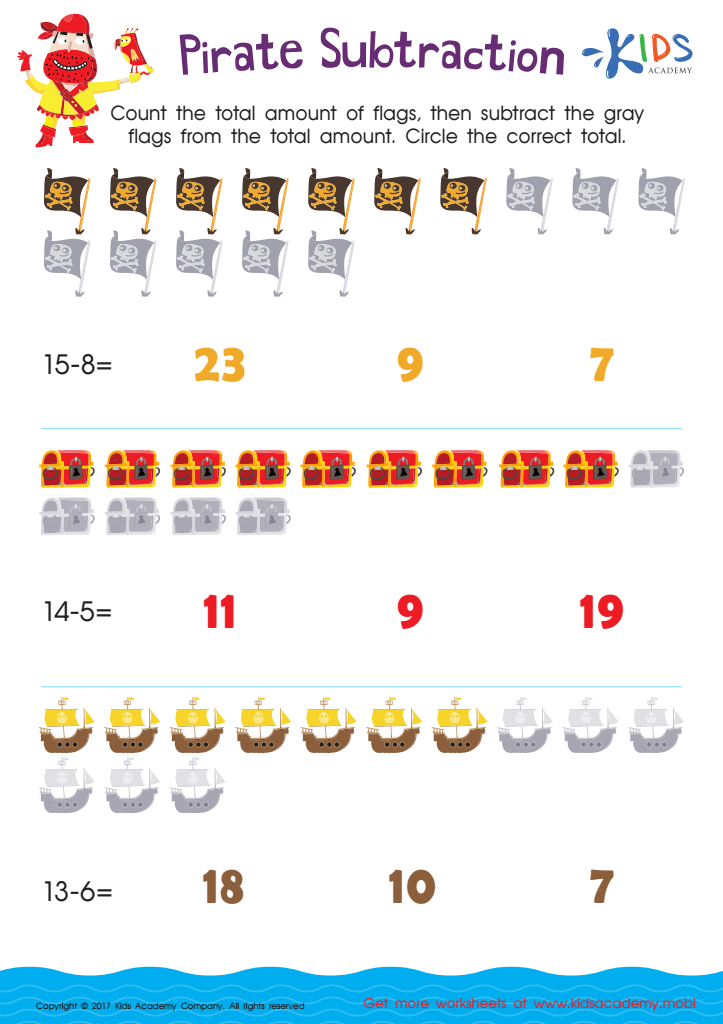
Pirate Subtraction Substraction Worksheet
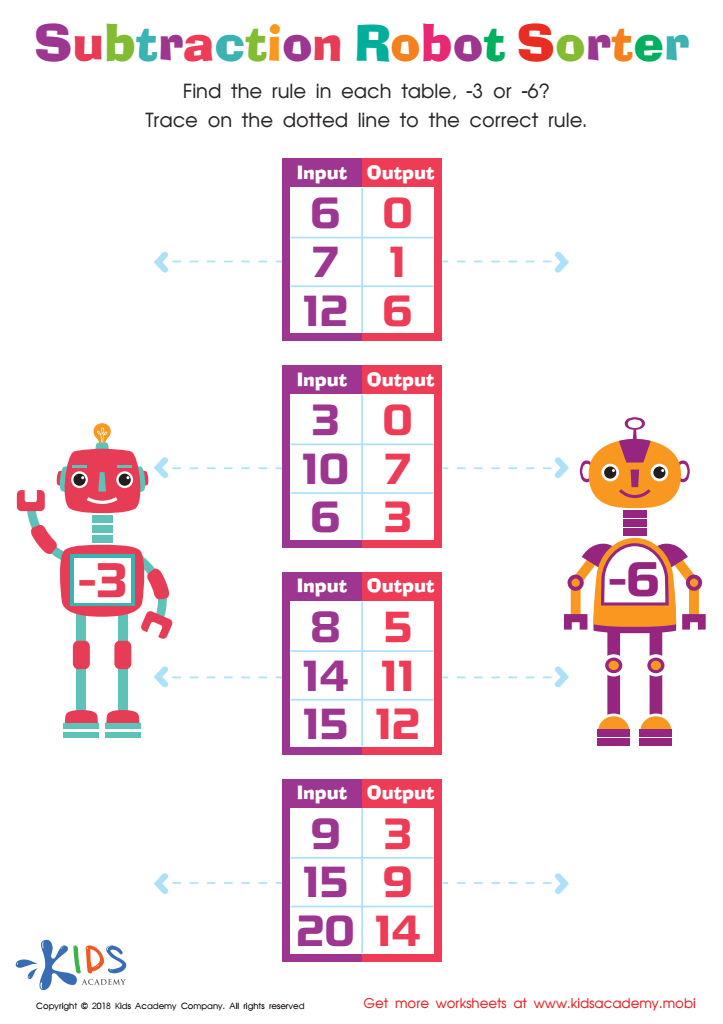
Subtraction Robot Sorter Worksheet
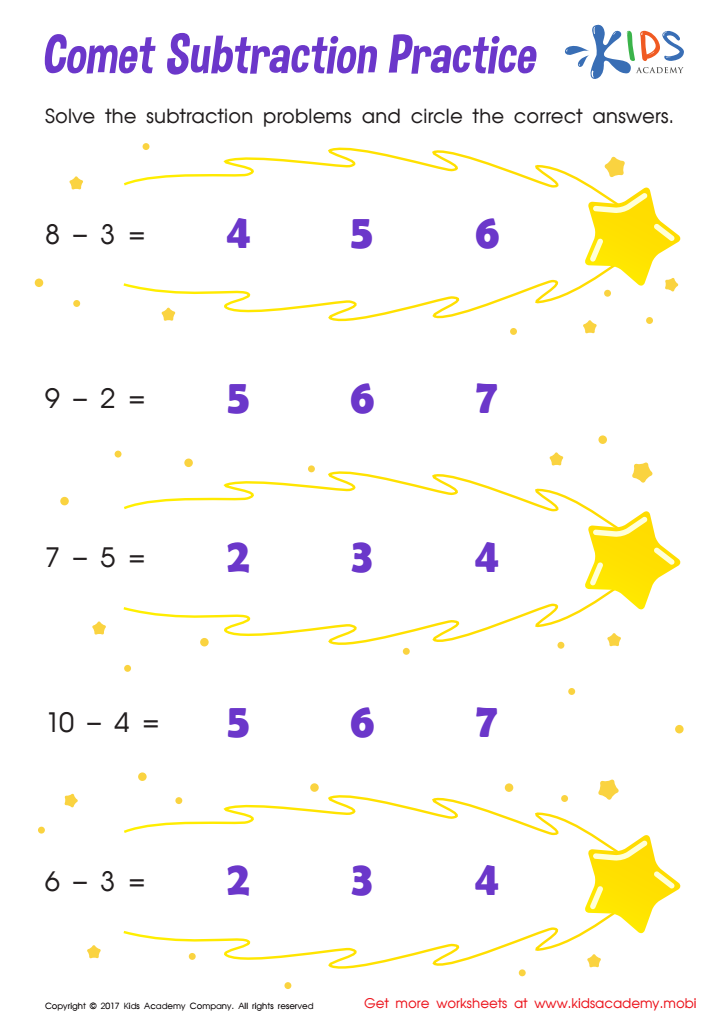
Comet Subtraction Practice Substraction Worksheet
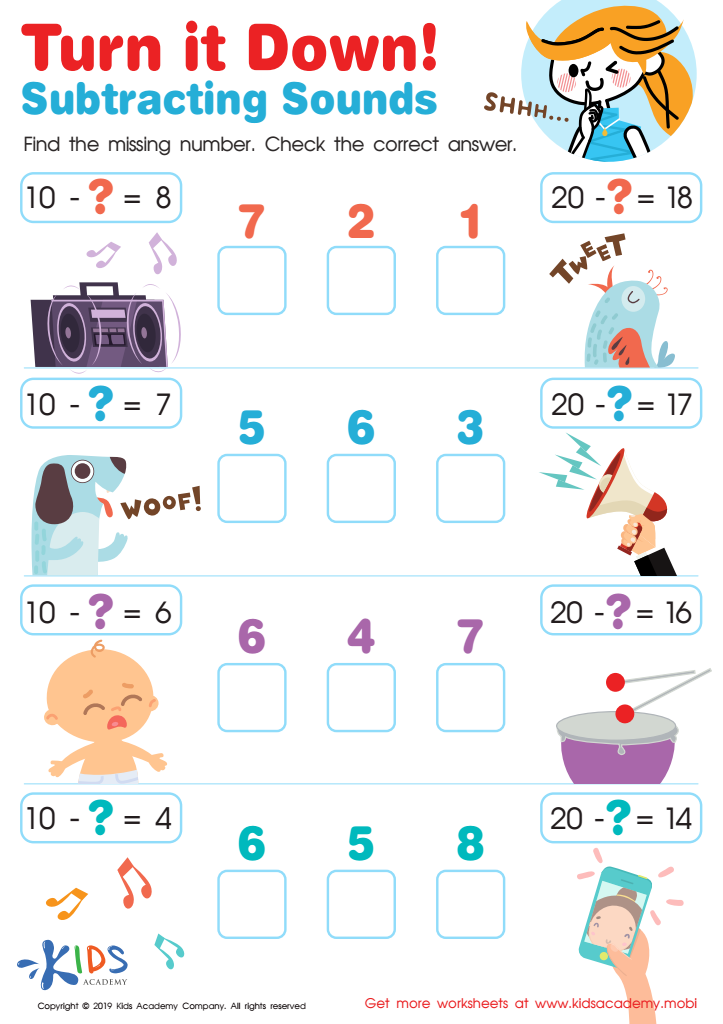
Turn It down! Subtracting Sounds Worksheet
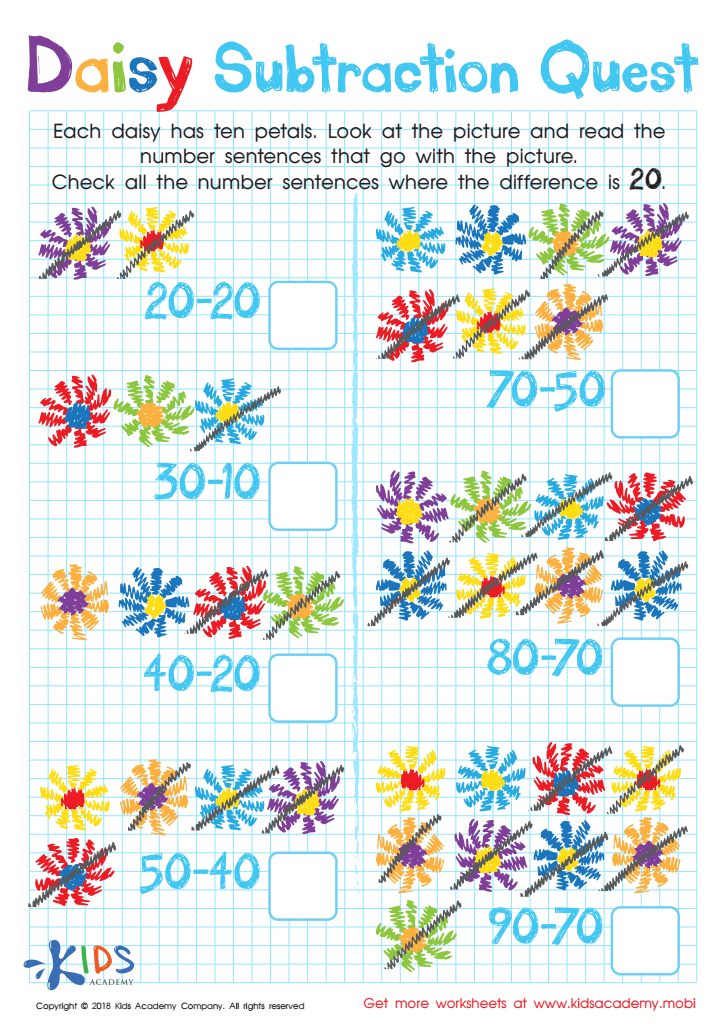
Daisy Subtraction Quest Worksheet
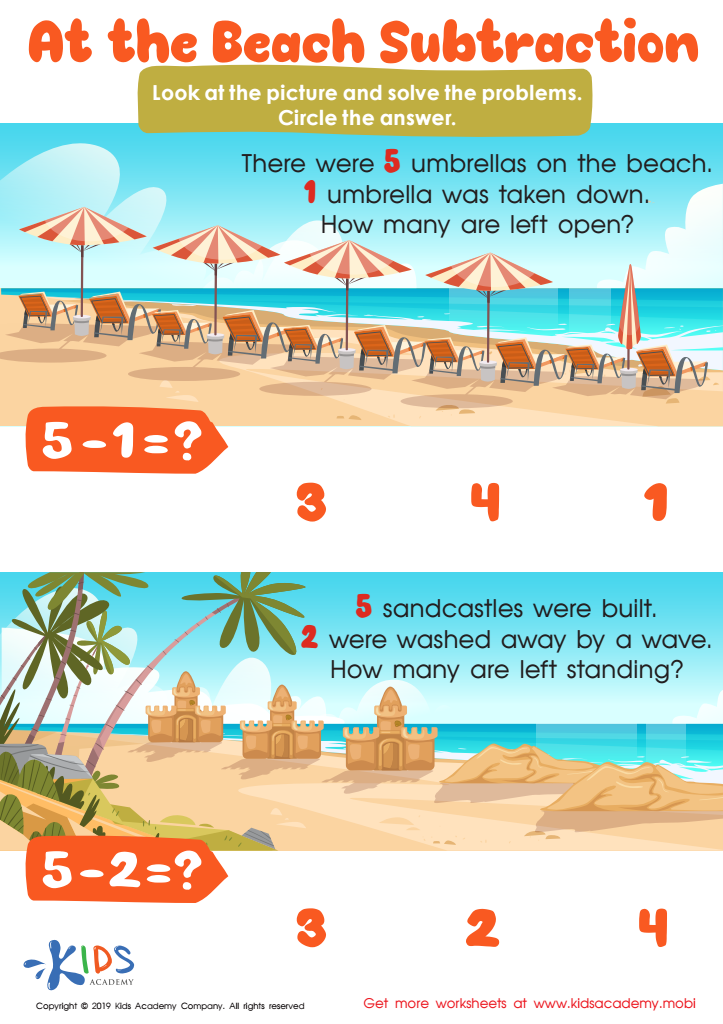
At the Beach Subtraction Worksheet
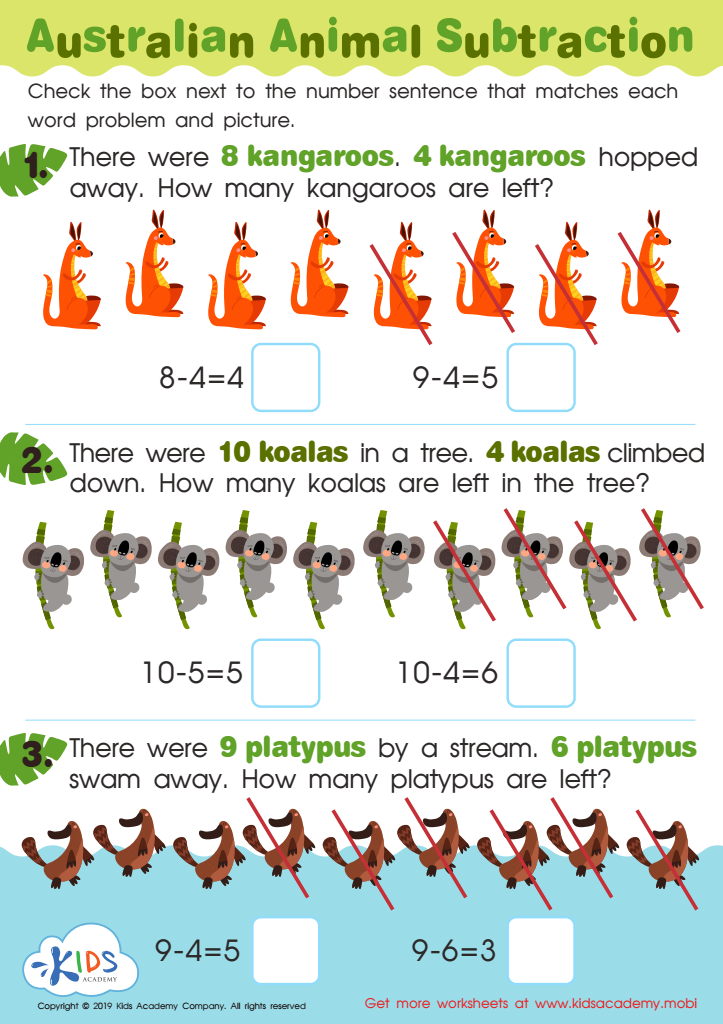
Australian Animal Subtraction Worksheet
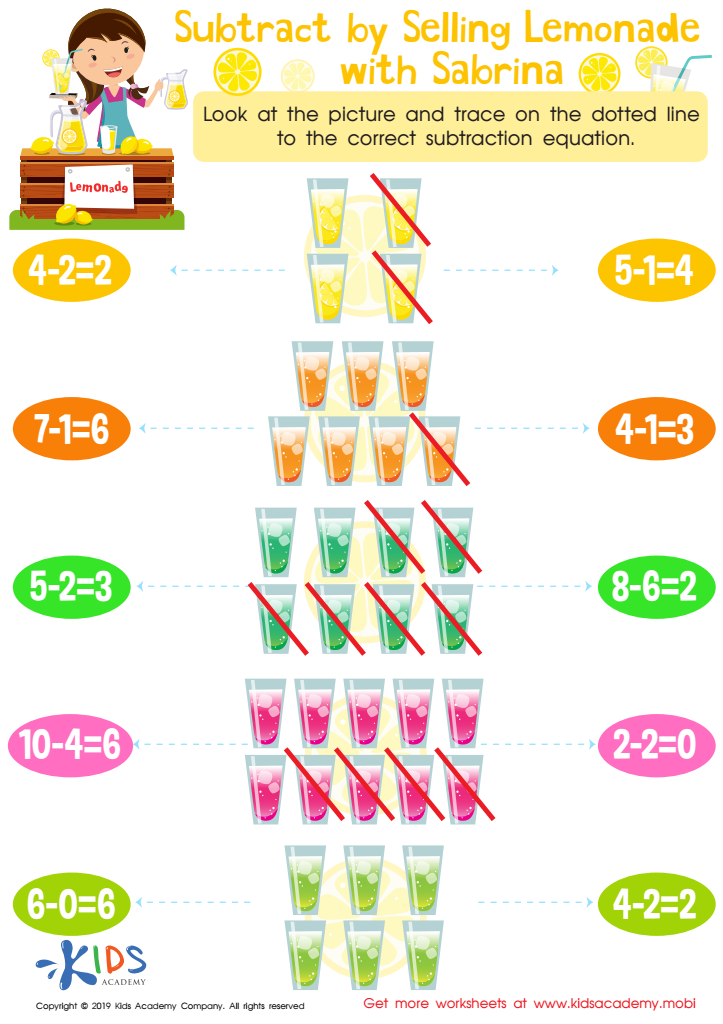
Subtract by Selling Lemonade with Sabrina Worksheet
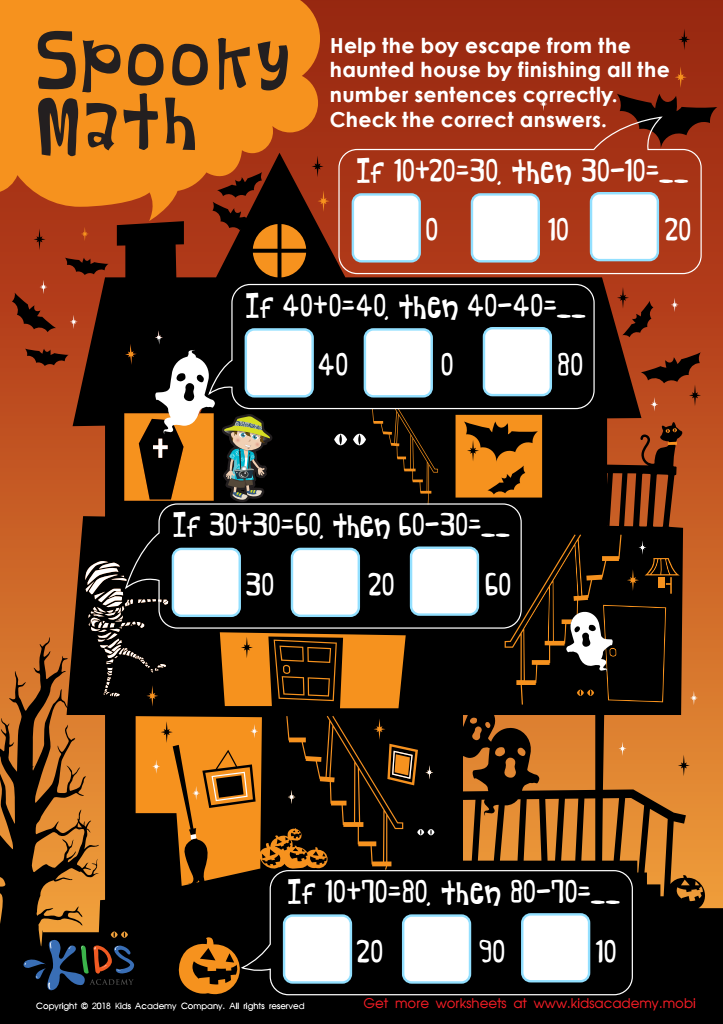
Subtract Tens: Spooky Math Worksheet
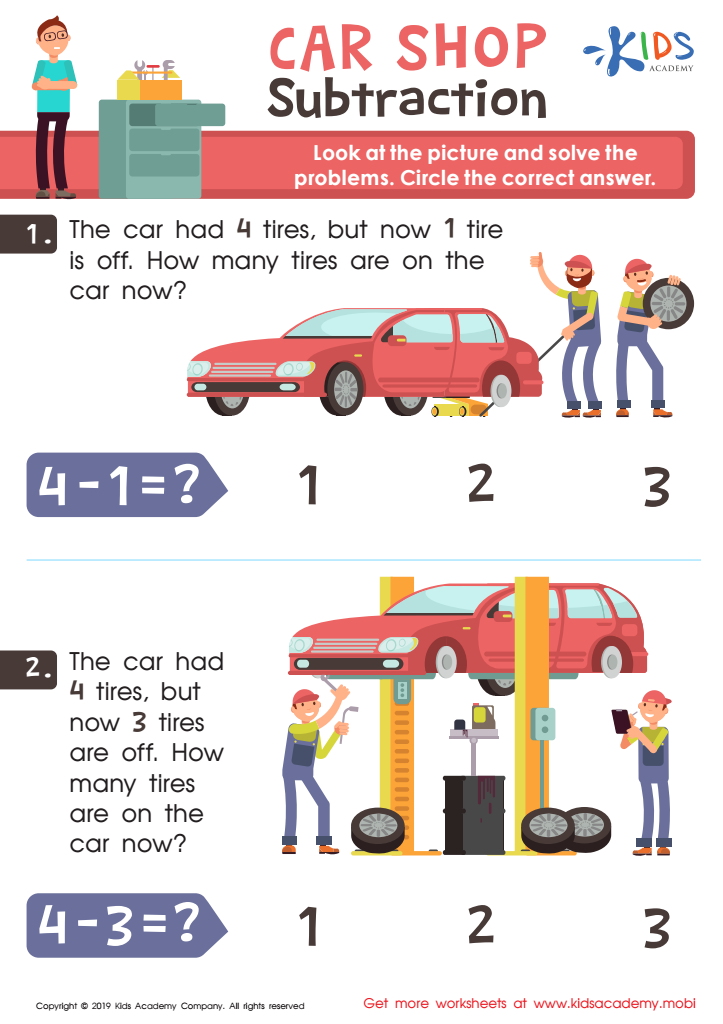
Car Shop Subtraction Worksheet
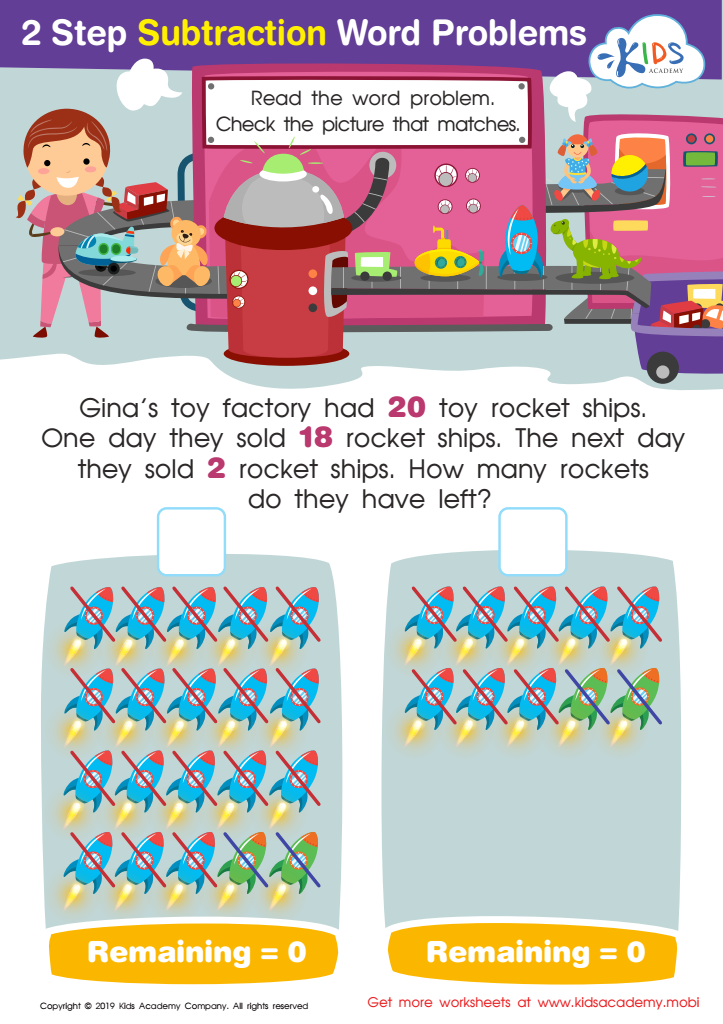
Step Subtraction Word Problems Worksheet
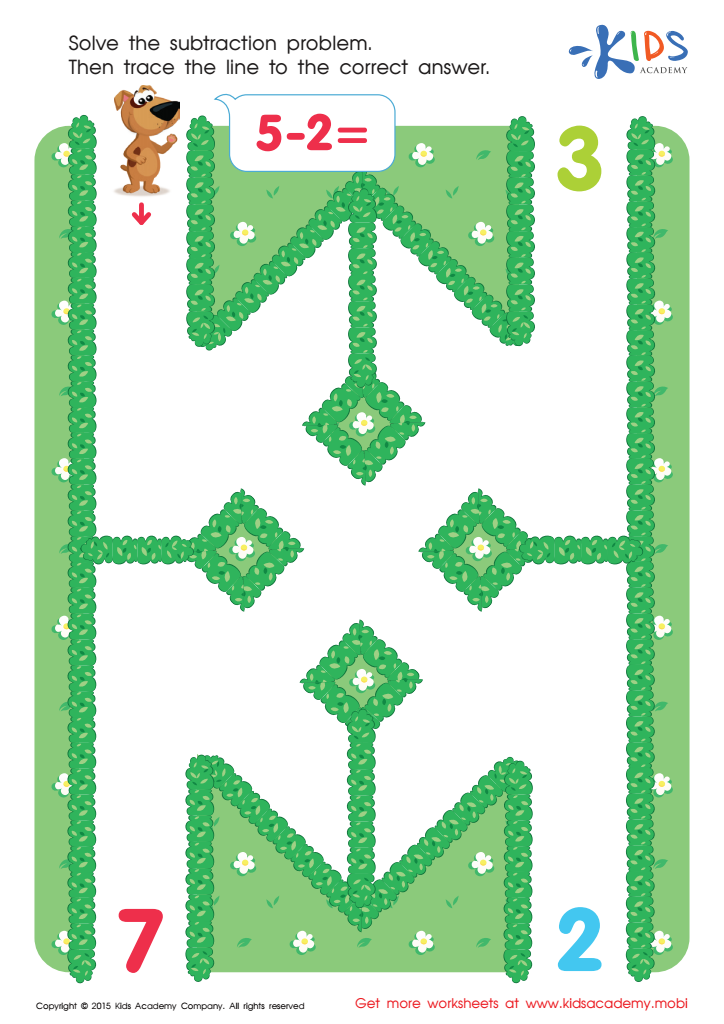
Five Minus Two Worksheet
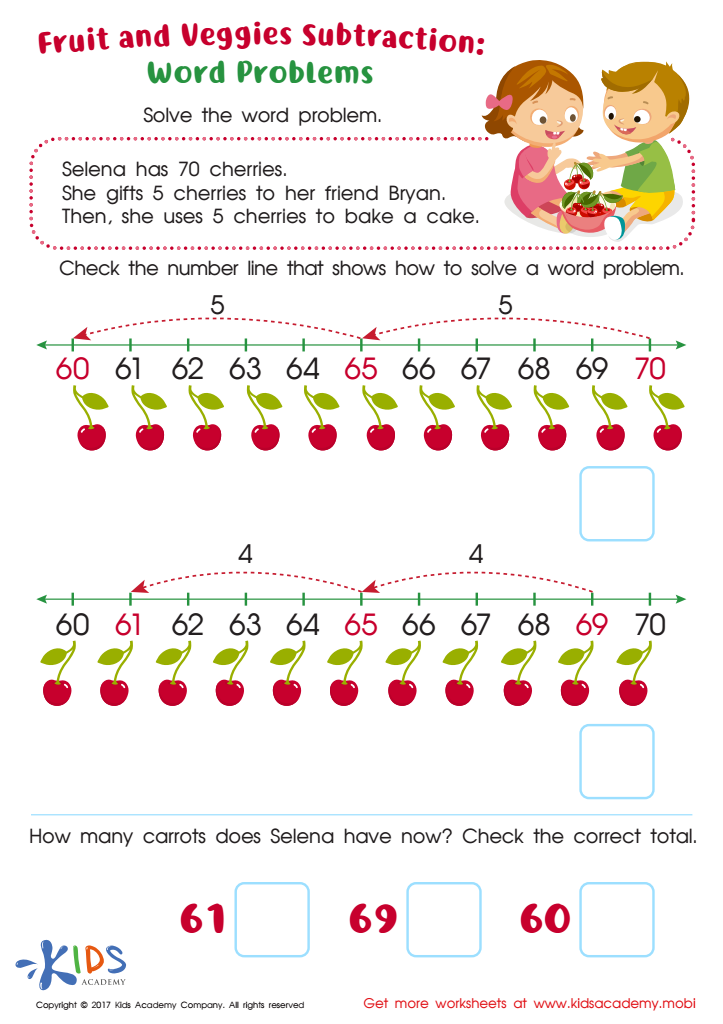
Subtraction Word Problems Free Printable








Parents and teachers should give significant attention to the practice of subtraction along with addition and subtraction in general because these foundational skills are essential for students' overall mathematical development. Proficiency in subtraction, just as addition, is crucial for understanding more complex mathematical concepts that students will encounter in future studies, such as multiplication, division, fractions, and algebra.
Subtraction helps children develop critical problem-solving and analytical skills. When students practice subtraction, they learn important numerical relationships and patterns, build number sense, and enhance their ability to think logically. Automaticity with basic subtraction facts allows students to solve problems more efficiently, freeing cognitive resources to tackle more challenging tasks.
Moreover, consistent practice reinforces students’ confidence and reduces math anxiety. It helps in real-life situations too, for instance, when making purchases, determining distances, or distributing resources.
Parents and teachers play pivotal roles in introducing effective practice methods, such as interactive games, printable worksheets, and engaging activities that make subtraction fun and not tedious. By investing time in these practices, students are likely to develop a strong mathematical foundation that supports their academic growth and everyday life skills. This strong foundation can boost their confidence and promote a positive attitude towards learning math as they advance in their education.








