Counting practice Numbers Worksheets - Page 2
44 filtered results
-
From - To
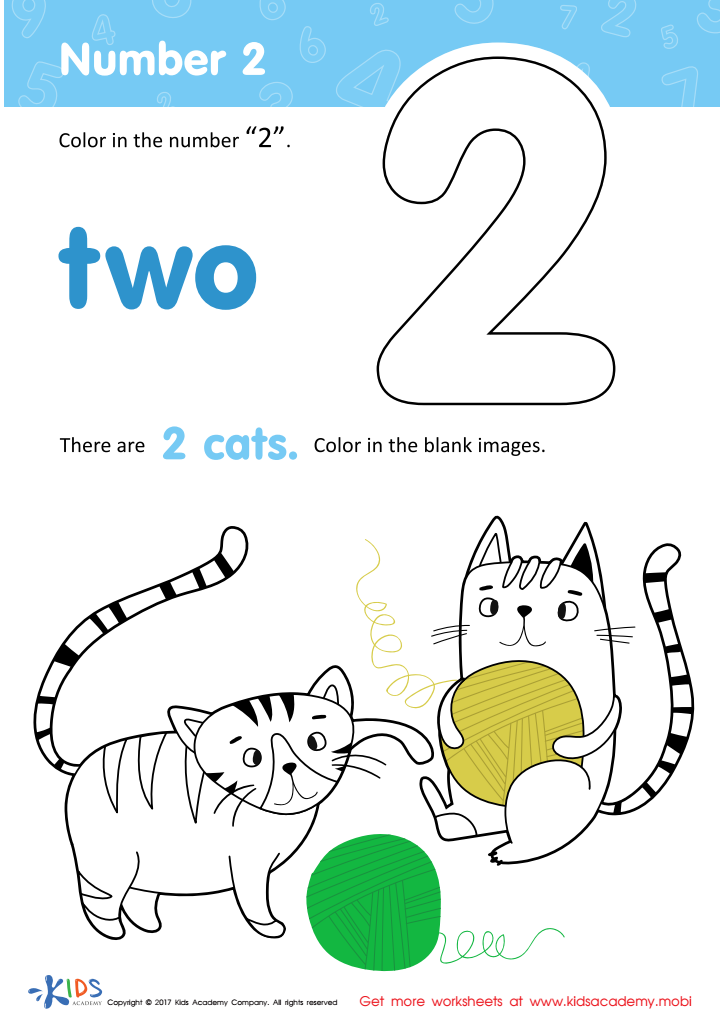
Number 2 Printable
 Assign to My Students
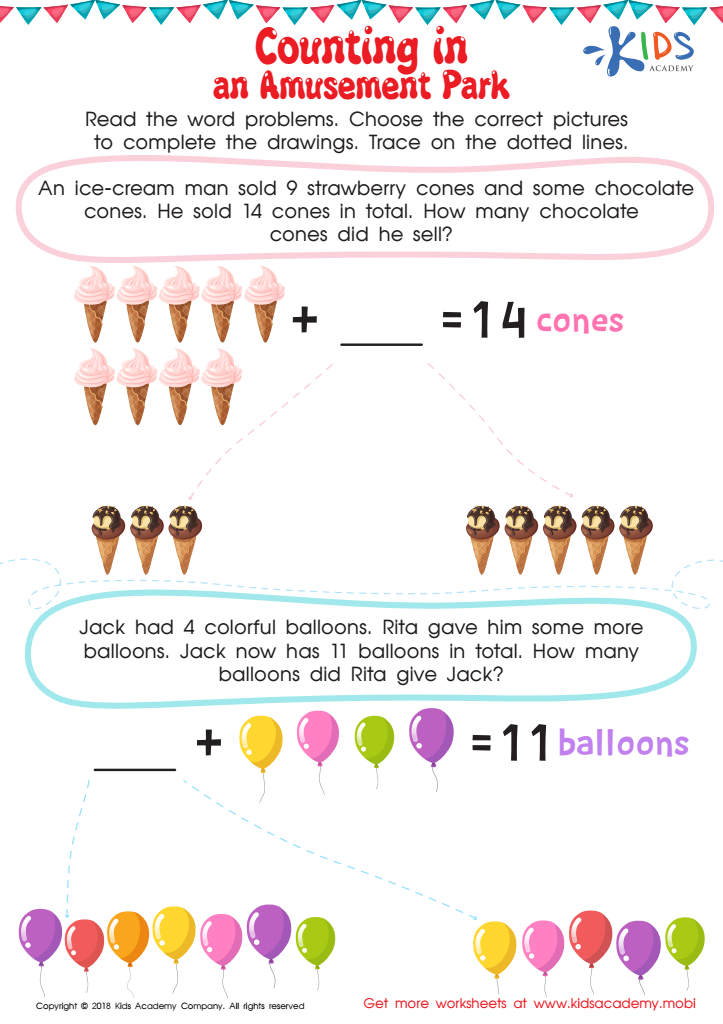
Counting in an Amusement Park Worksheet
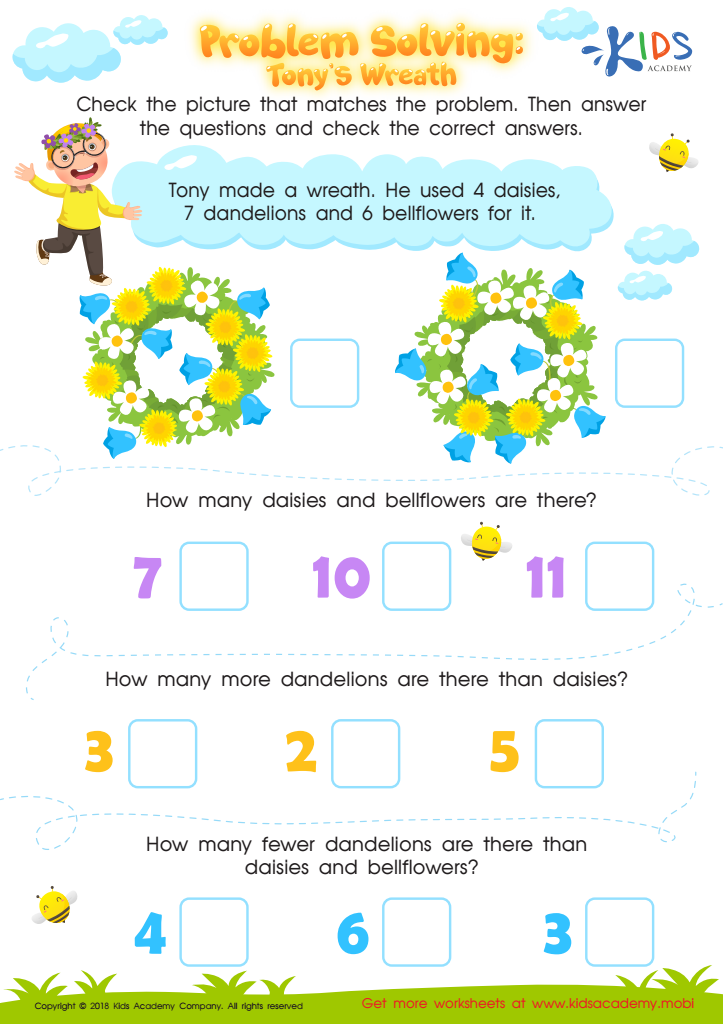
Problem Solving: Tony's Wreath Worksheet
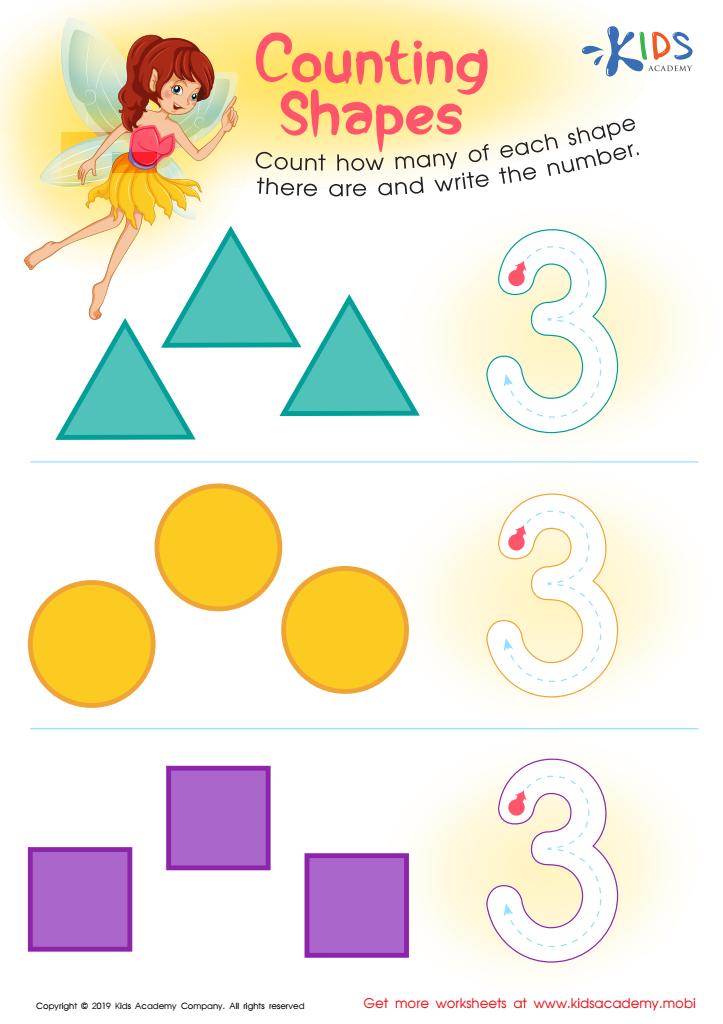
Counting Shapes Worksheet
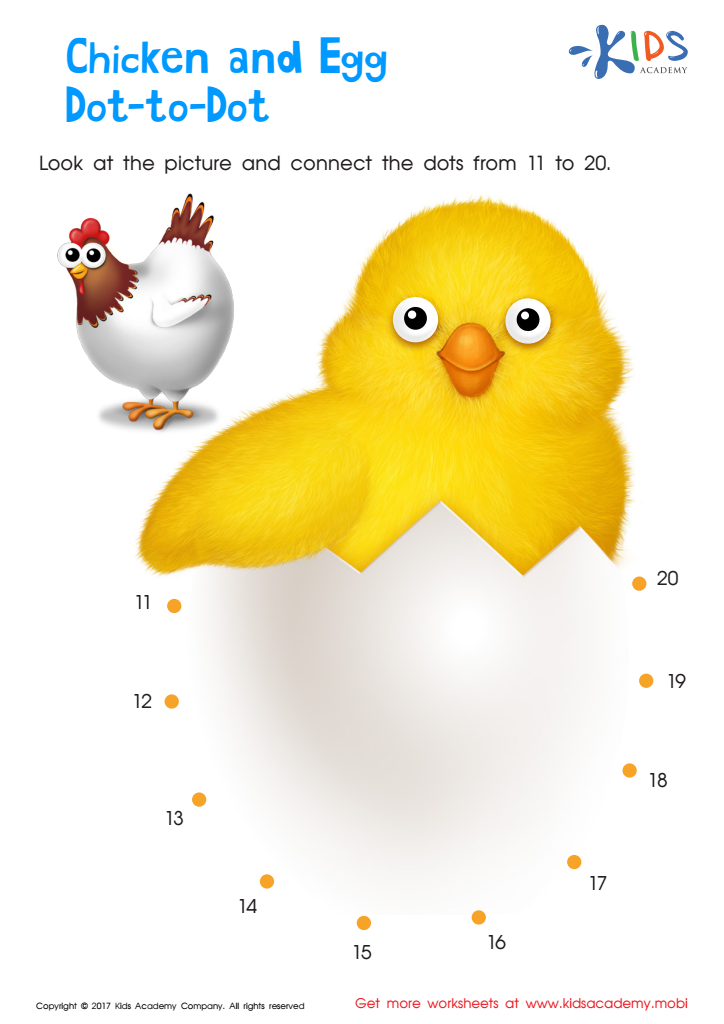
Ordering 11–20: Chicken & Egg Dot–to–dot Worksheet
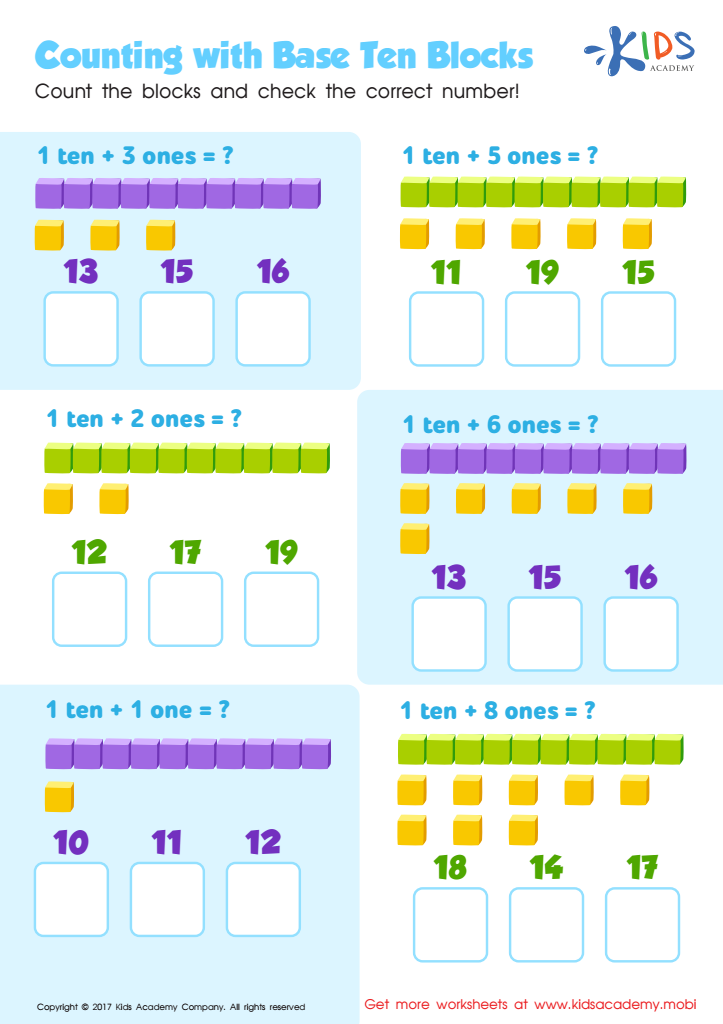
Counting with Base Ten Blocks Worksheet
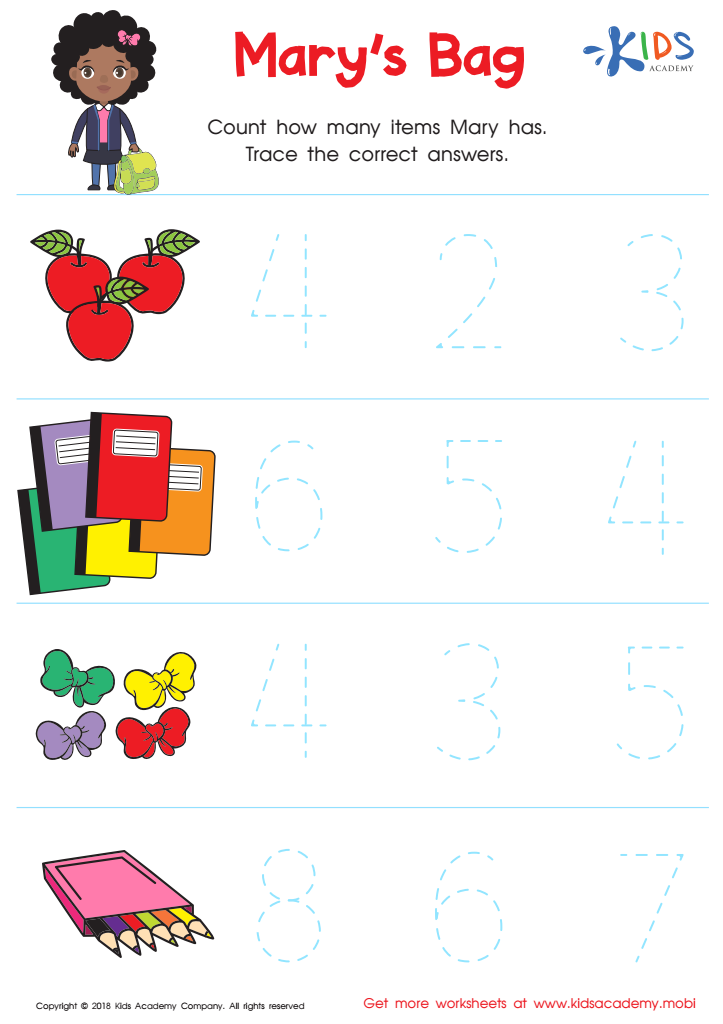
Kindergarten Number Tracing: Mary's Bag Worksheet
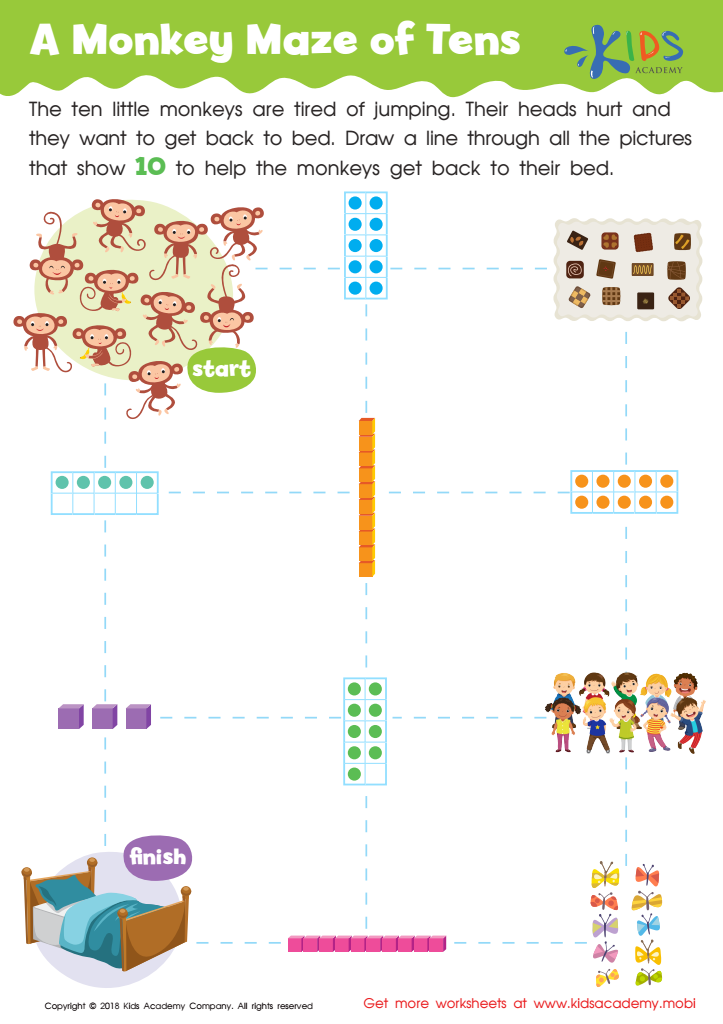
A Monkey Maze of Tens Worksheet
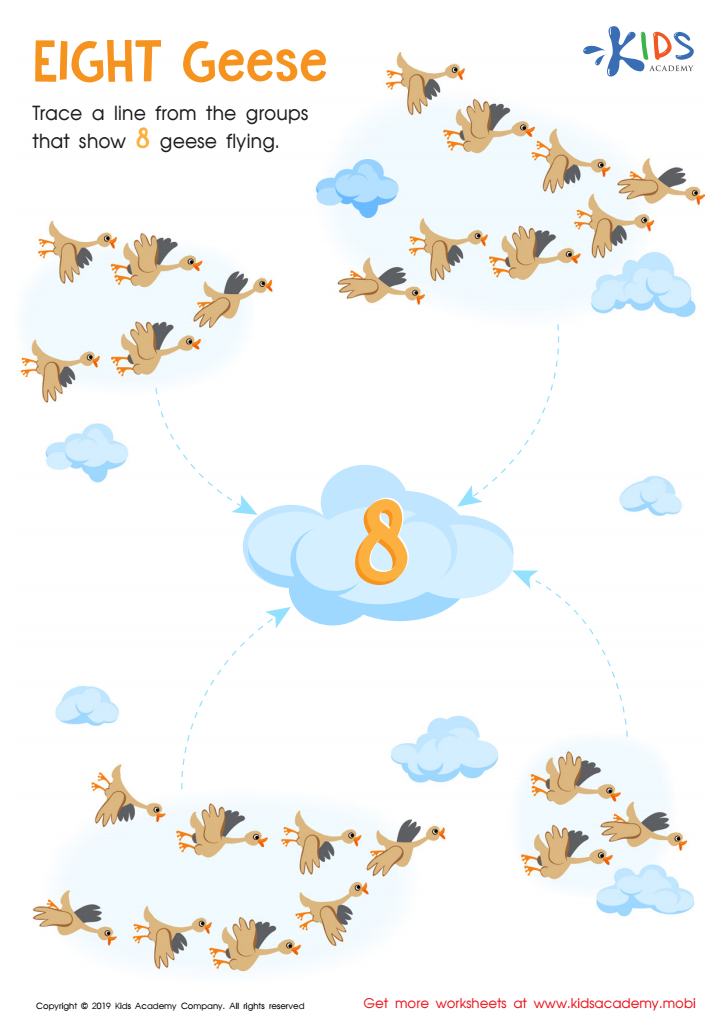
Eight Geese Worksheet
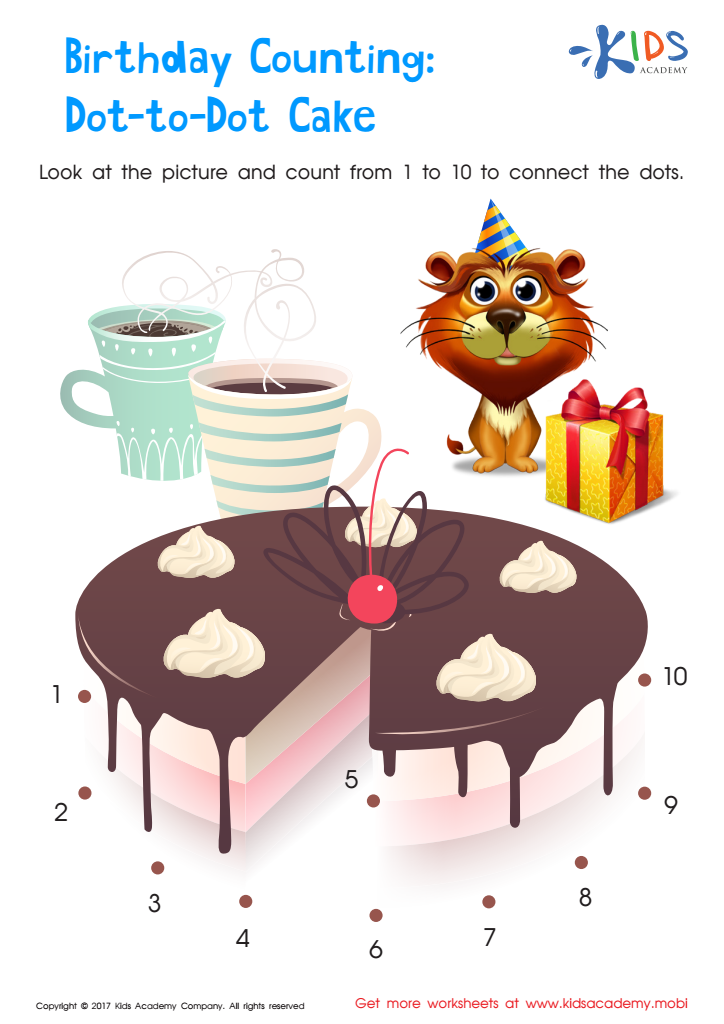
Birthday Counting Connect Dots Worksheet
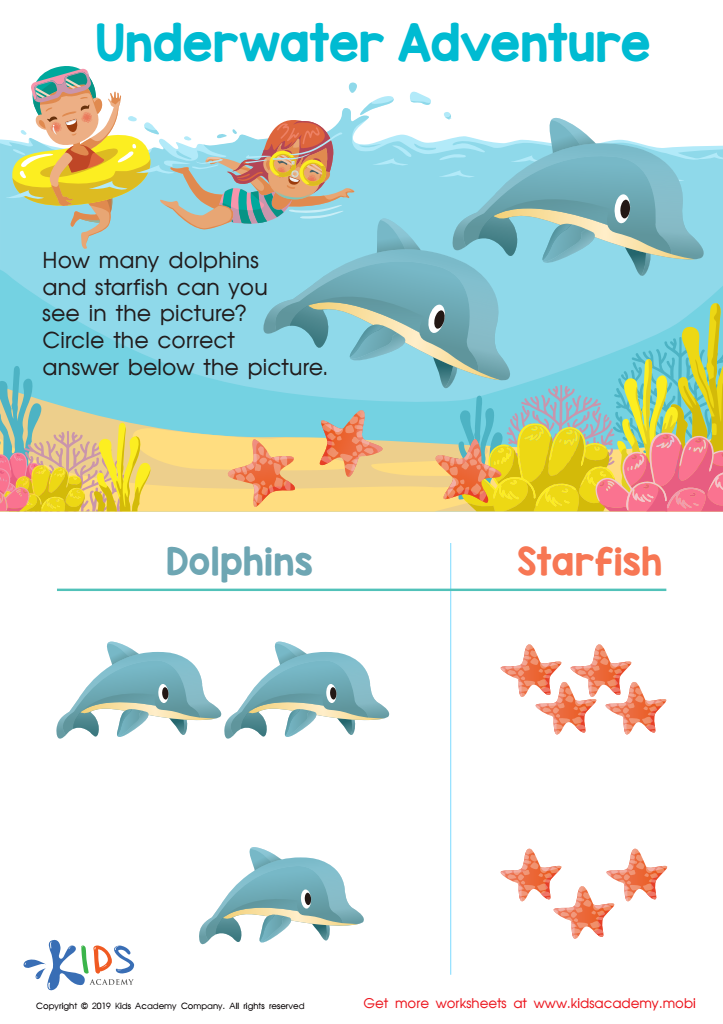
Underwater Adventure Worksheet
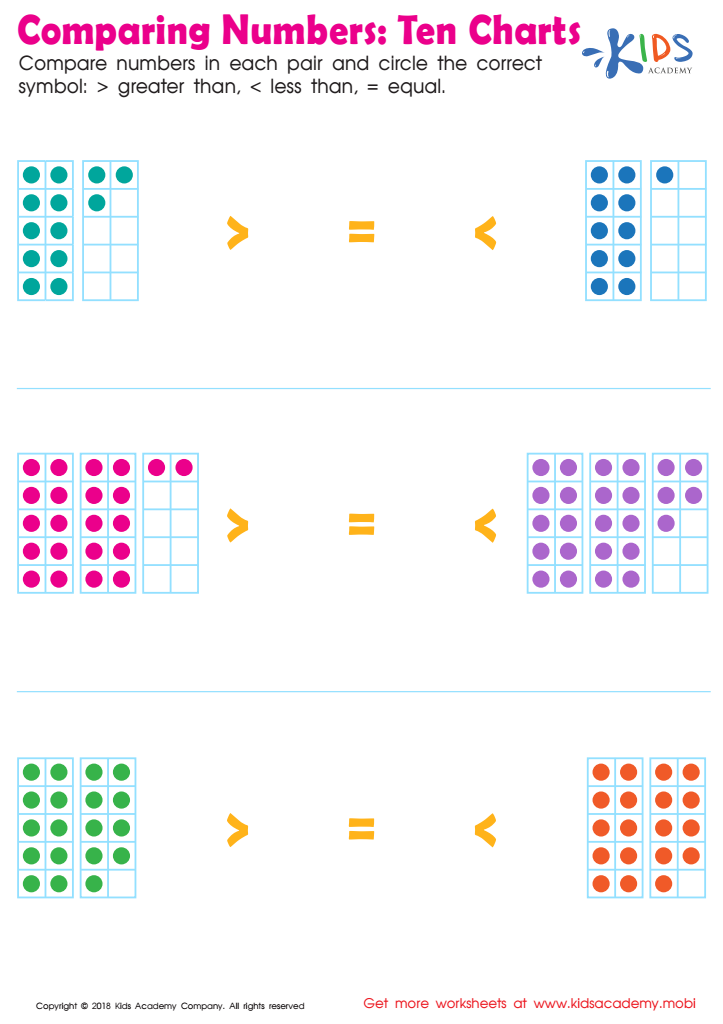
Ten Charts Worksheet
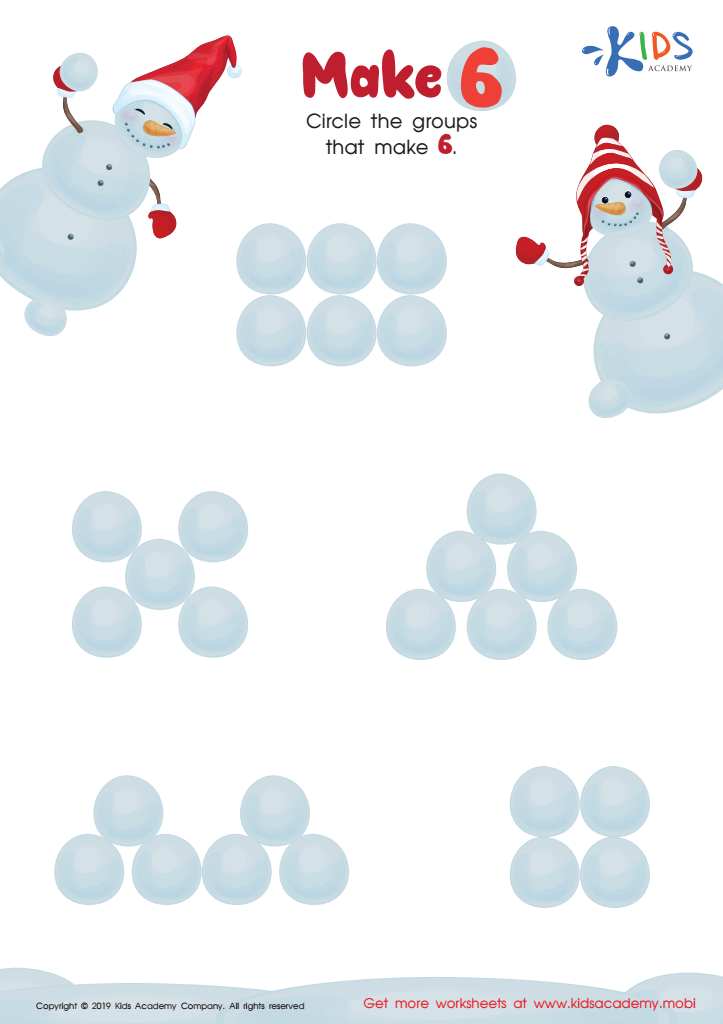
Make 6 Worksheet
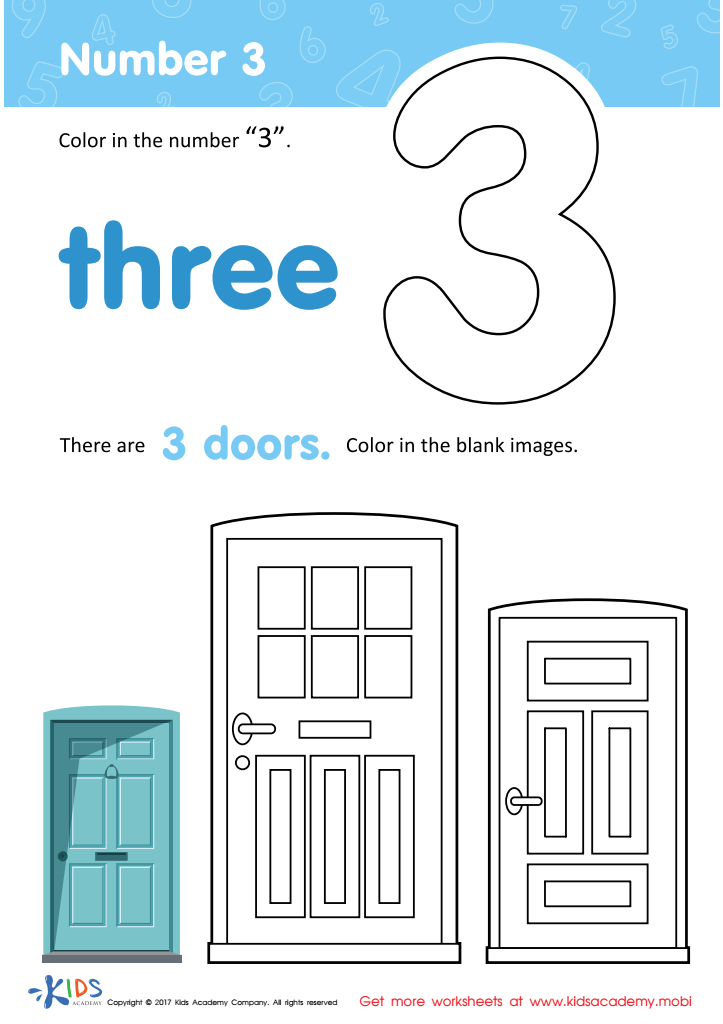
Number 3 Worksheet
Assign to My Students
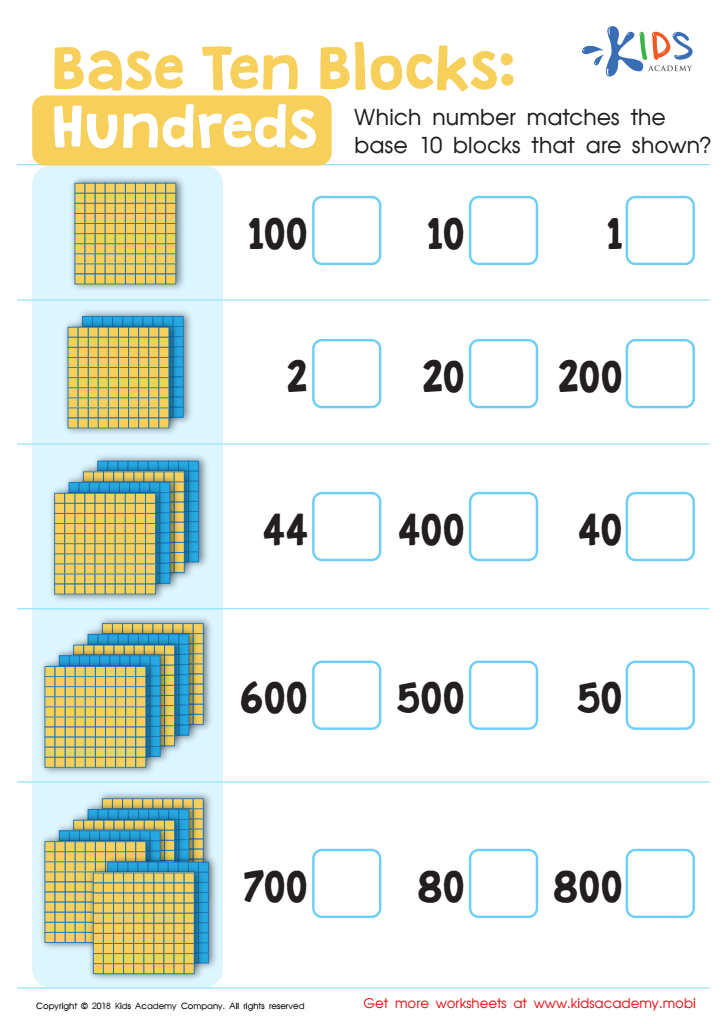
Base Ten Blocks: Hundreds Worksheet
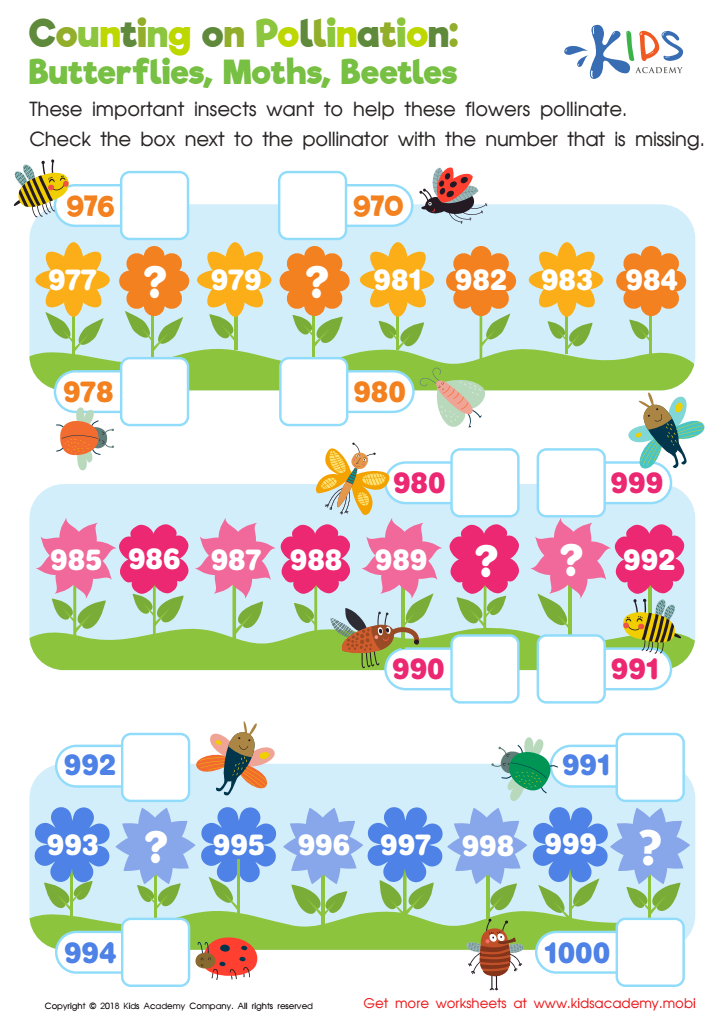
Counting on Pollination: Butterflies, Moths, Beetles Worksheet
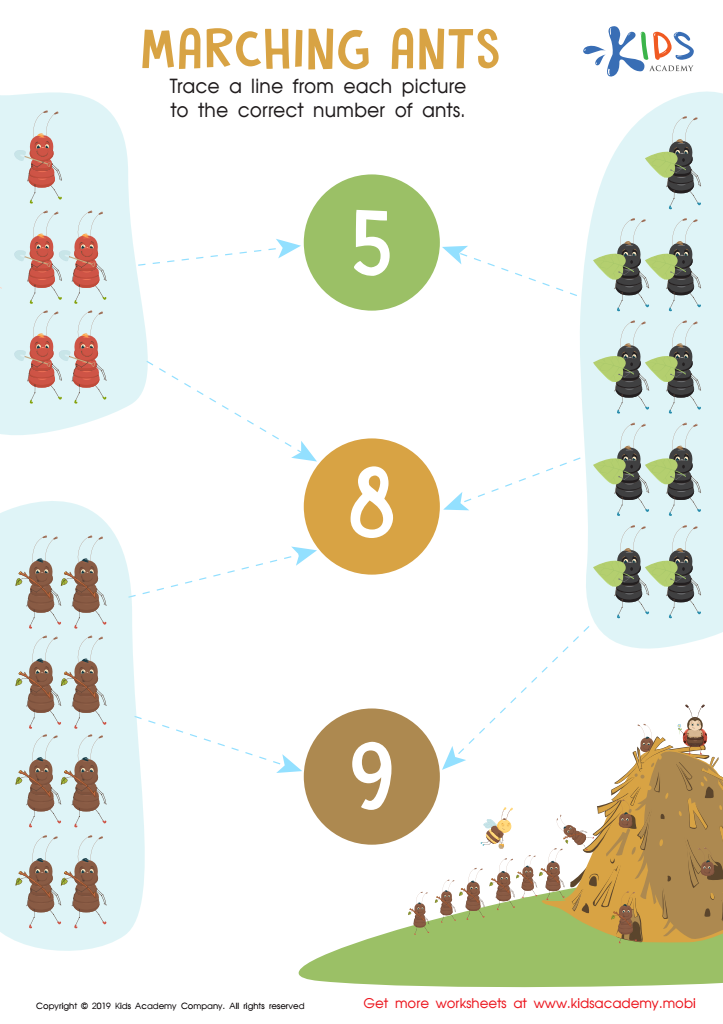
Marching Ants Worksheet

Counting on the City Skyline: Dot-to-Dot Worksheet
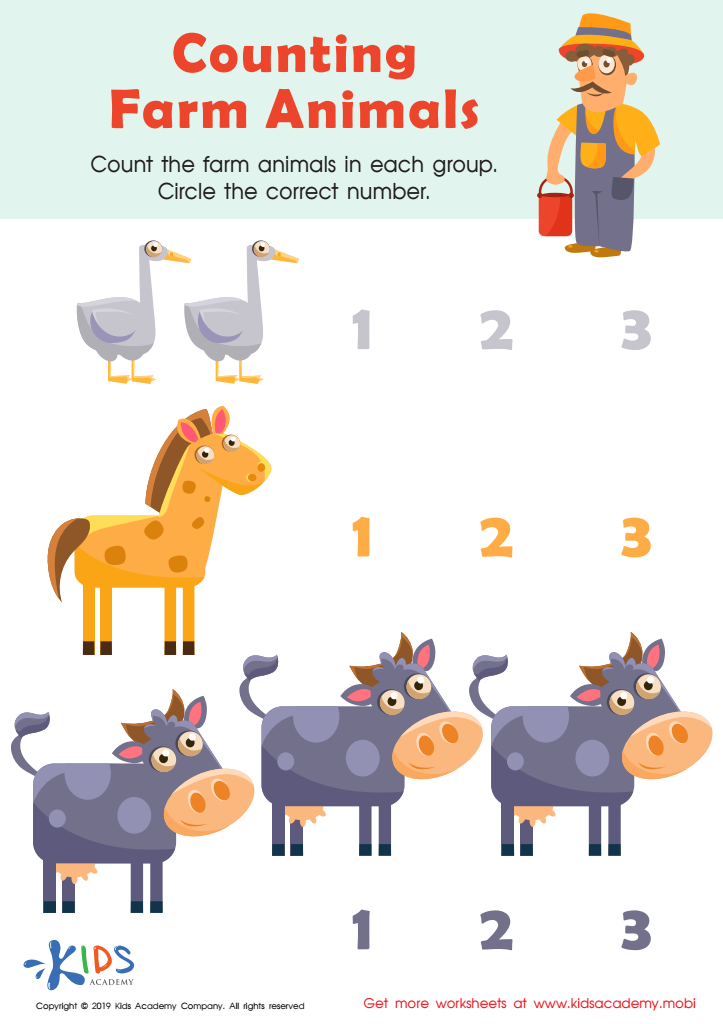
Counting Farm Animals Worksheet
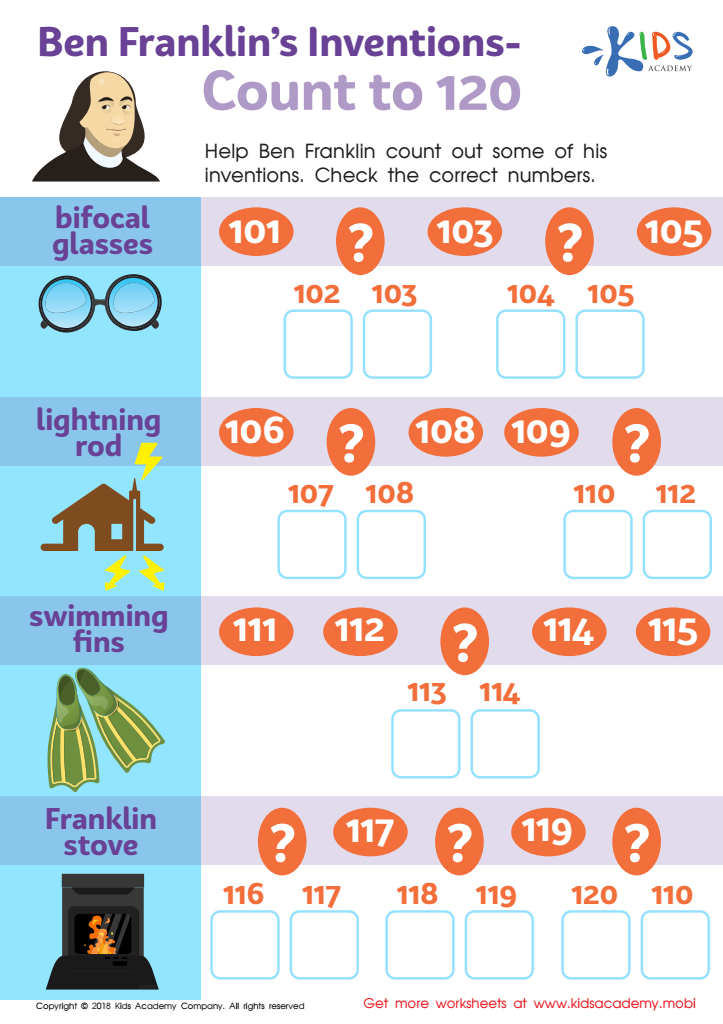
Ben Franklin’s Inventions – Count to 120 Worksheet








Parents and teachers should prioritize counting practice for young children because it lays a crucial educational foundation. Counting not only helps children understand the concept of numbers and their order but also introduces them to basic arithmetic skills such as addition and subtraction. This early grasp of numerical relationships enhances problem-solving skills and analytical thinking, which are vital for future learning in various subjects like math and science.
Moreover, counting practice supports cognitive development by improving memory and the ability to sequence information, essential skills for following instructions and understanding more complex ideas. It also fosters fine motor skills when children count objects, physically moving items in coordination with their mental counting.
Social benefits are present as well. Sharing counting activities encourages cooperative play and communication among peers. Additionally, counting practice integrates well with everyday activities, making it easy to reinforce learning in a natural, engaging way.
Finally, early proficiency in counting instills confidence and a sense of achievement in children, setting a positive attitude towards learning math and pursuit of future academic challenges. By prioritizing counting practice, parents and teachers help build a strong, versatile foundation for life-long learning and intellectual curiosity.








