Cognitive Development Math Worksheets - Page 7
186 filtered results
-
From - To

Pirate Ship Connect Dots Worksheet
 Assign to My Students
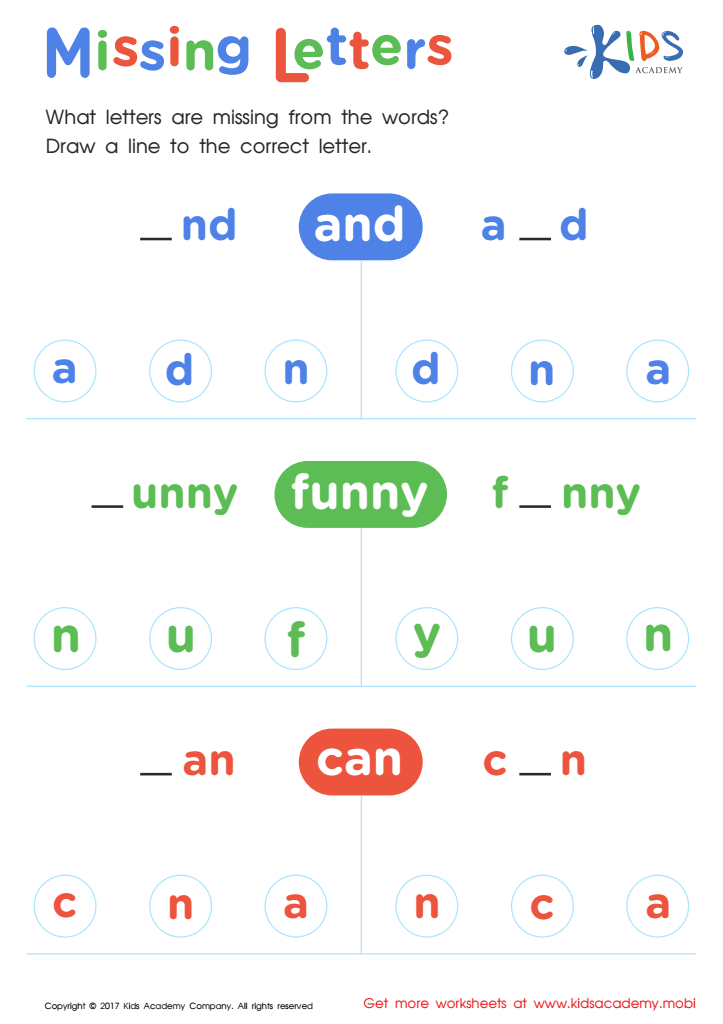
Missing Letters Worksheet
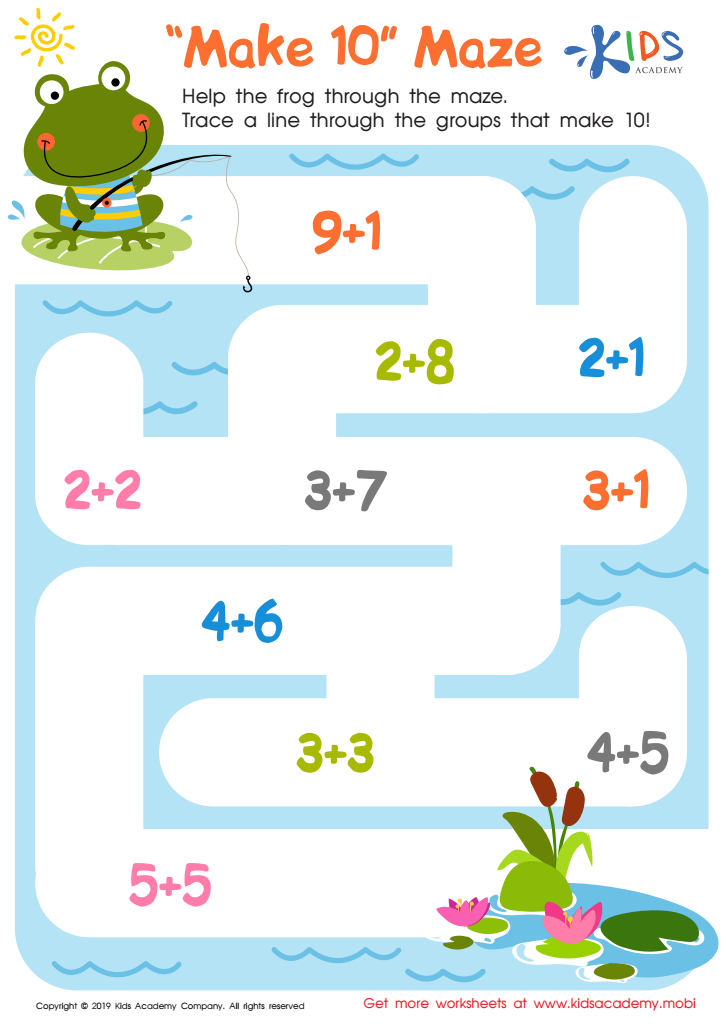
Make 10 Maze Worksheet
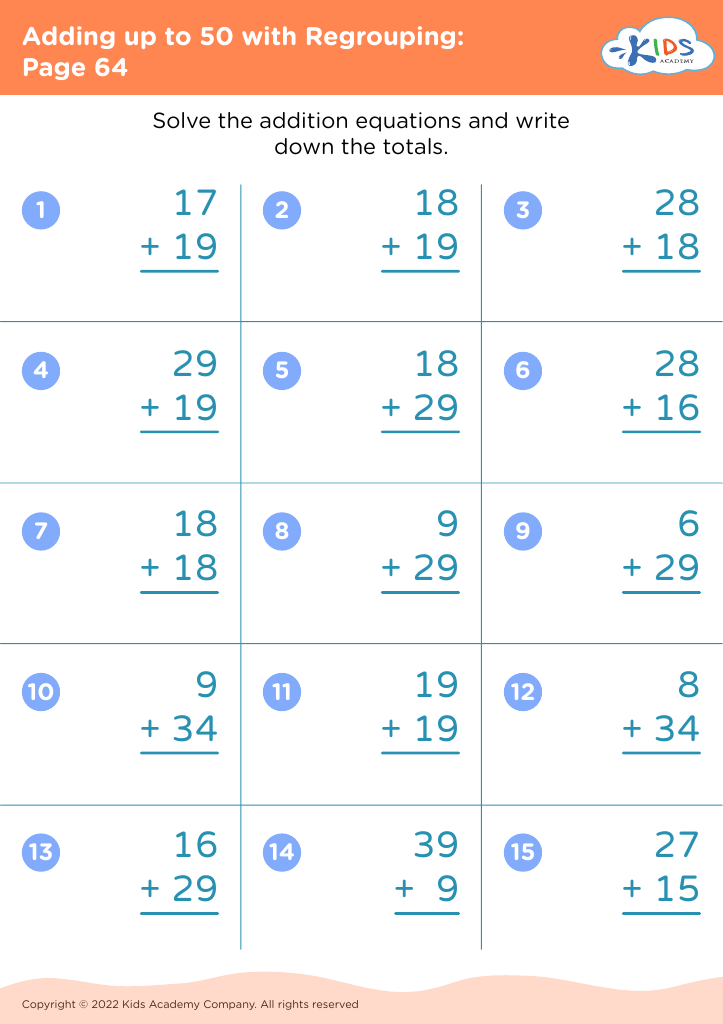
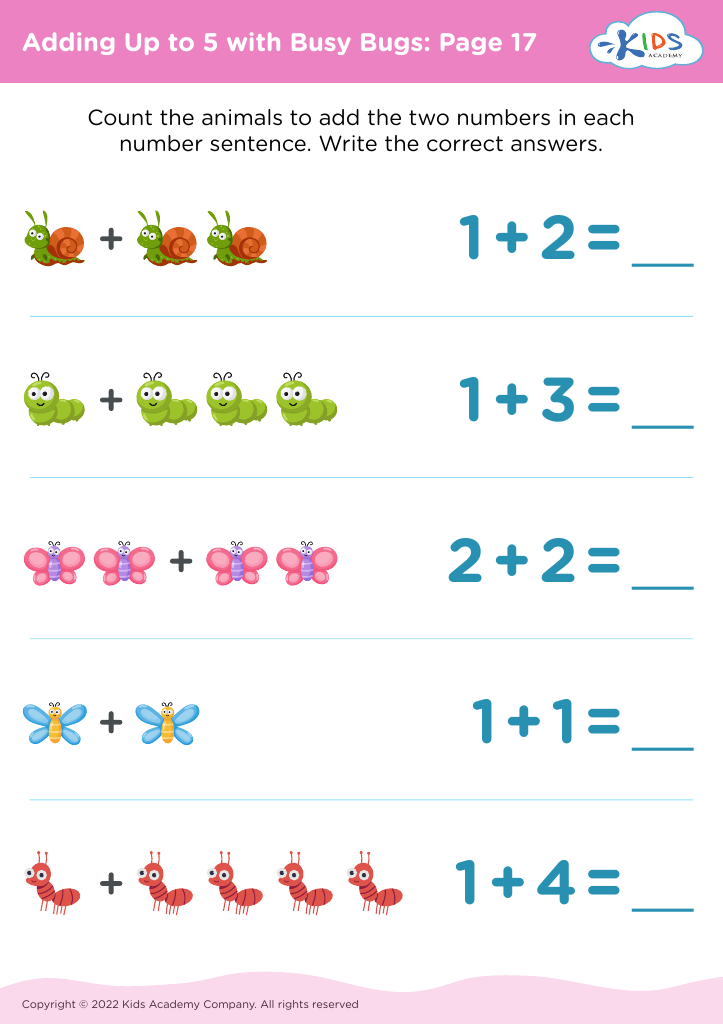
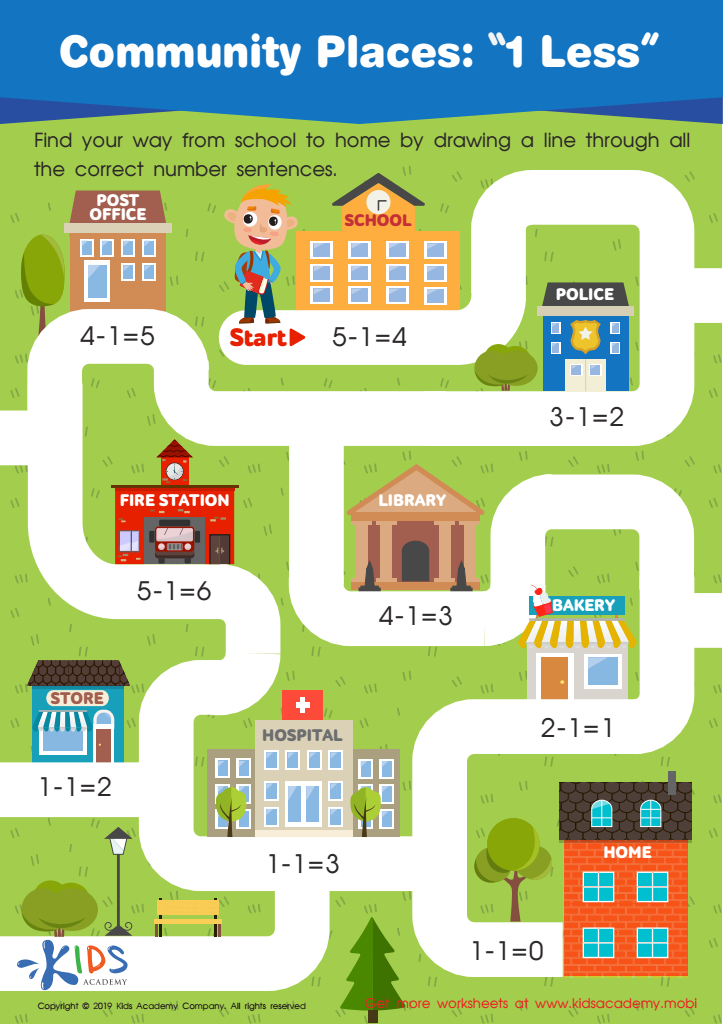
Community Places: 1 Less Worksheet
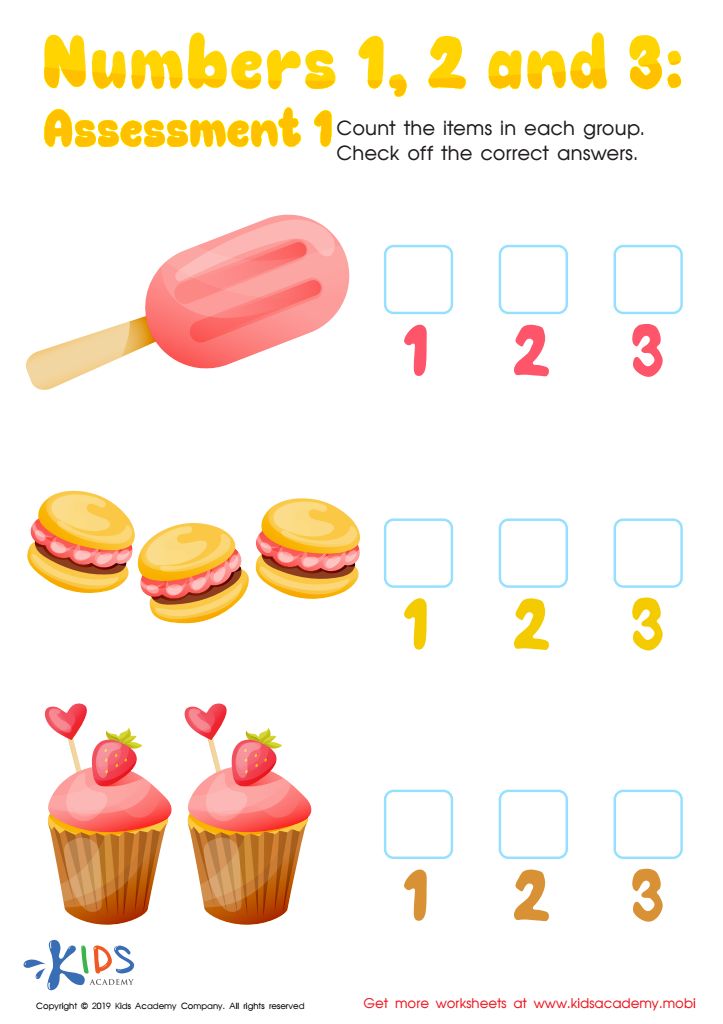
Numbers 1, 2 and 3: Assessment 1 Worksheet
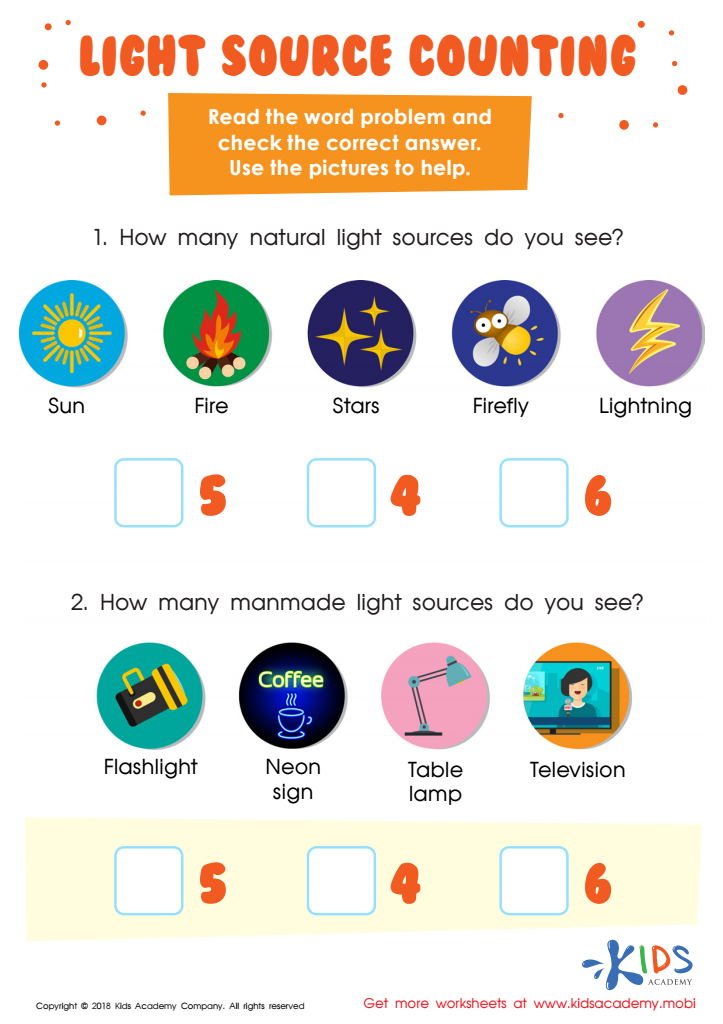
Light Source Counting Worksheet
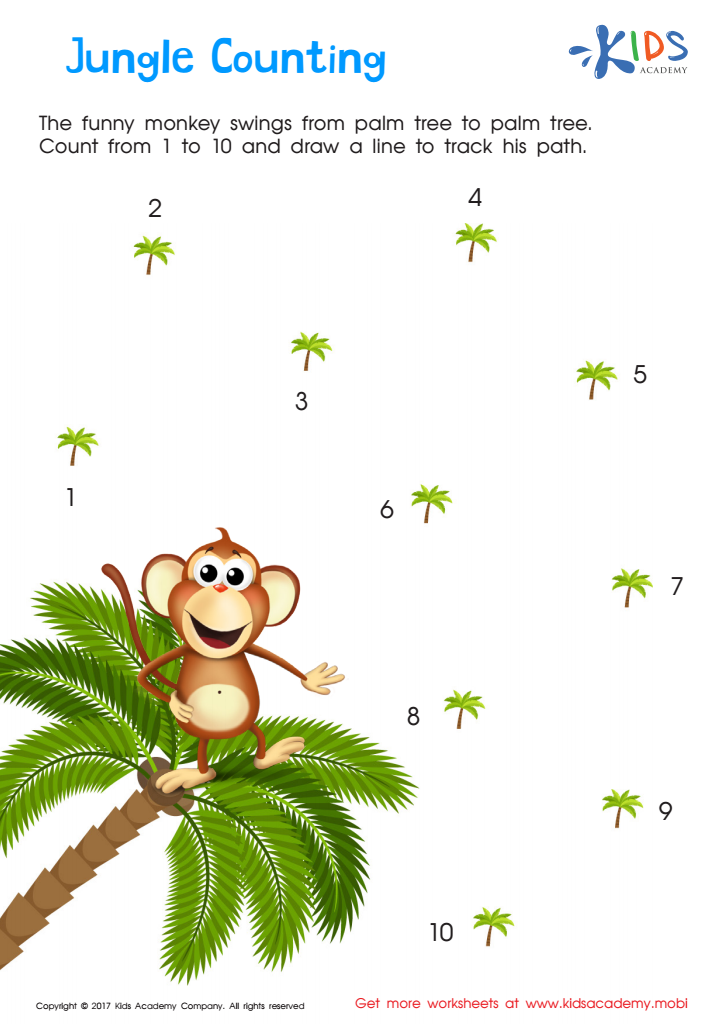
Jungle Counting Connect Dots Worksheet

Build with 9 Worksheet
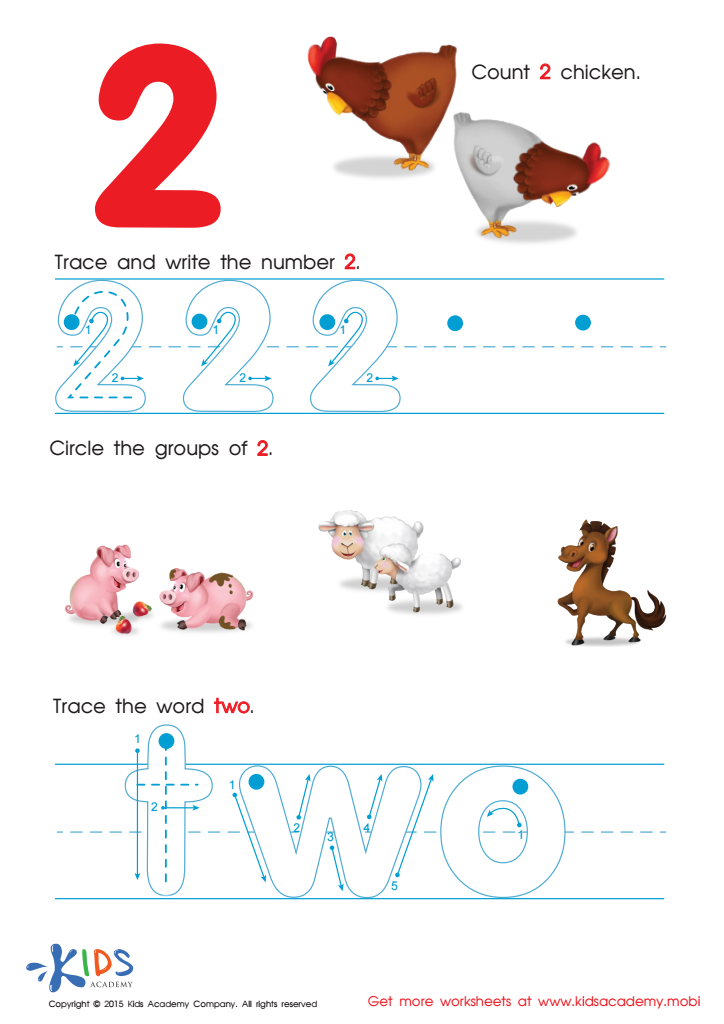
Learn to Write the Number 2 Worksheet
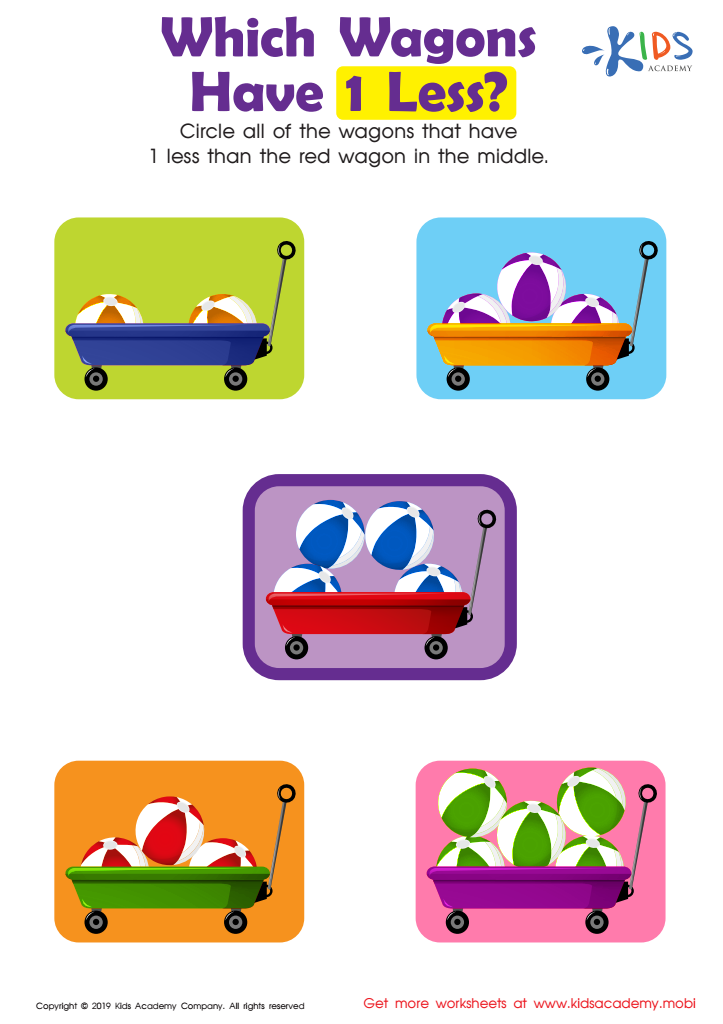
Which Wagons Have 1 Less? Worksheet
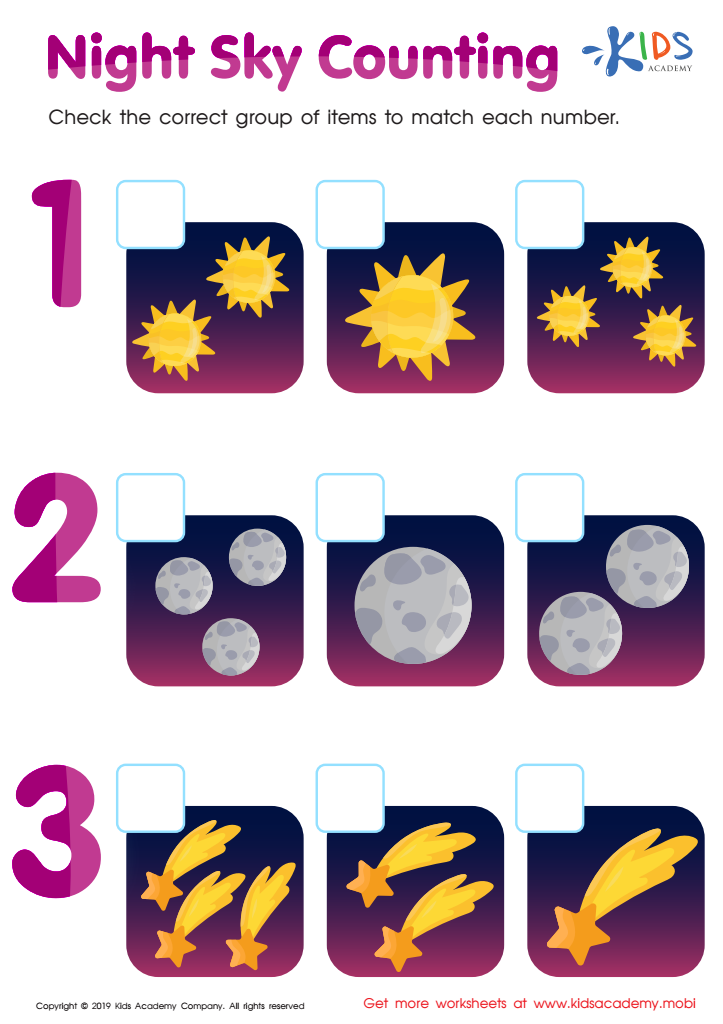
Night Sky Counting Worksheet








Cognitive development in mathematics is crucial for young learners as it significantly influences their problem-solving abilities, logical reasoning, and overall academic success. When parents and teachers prioritize this area, they foster essential skills that underpin not only math proficiency but also broader cognitive abilities. Early math skills, such as counting, number recognition, and basic operations, are foundational to a child's development, setting the stage for more complex concepts encountered later.
By engaging in activities that enhance cognitive development in math, such as puzzles, games, and real-life math applications, caregivers can help children develop a positive attitude towards the subject. This encourages confidence and resilience in face of challenges, promoting a growth mindset. Moreover, understanding and supporting cognitive development in math can lead to identification of potential learning difficulties early on, allowing for timely intervention.
Additionally, math is interwoven with everyday life— from budgeting to cooking—making it essential for real-world applications. By investing in cognitive development in math, parents and teachers equip children with the tools to navigate the complexities of life and foster a lifelong love for learning. Ultimately, nurturing these skills supports students’ emotional and academic well-being, paving the way for future successes.








