Visual discrimination Math Worksheets
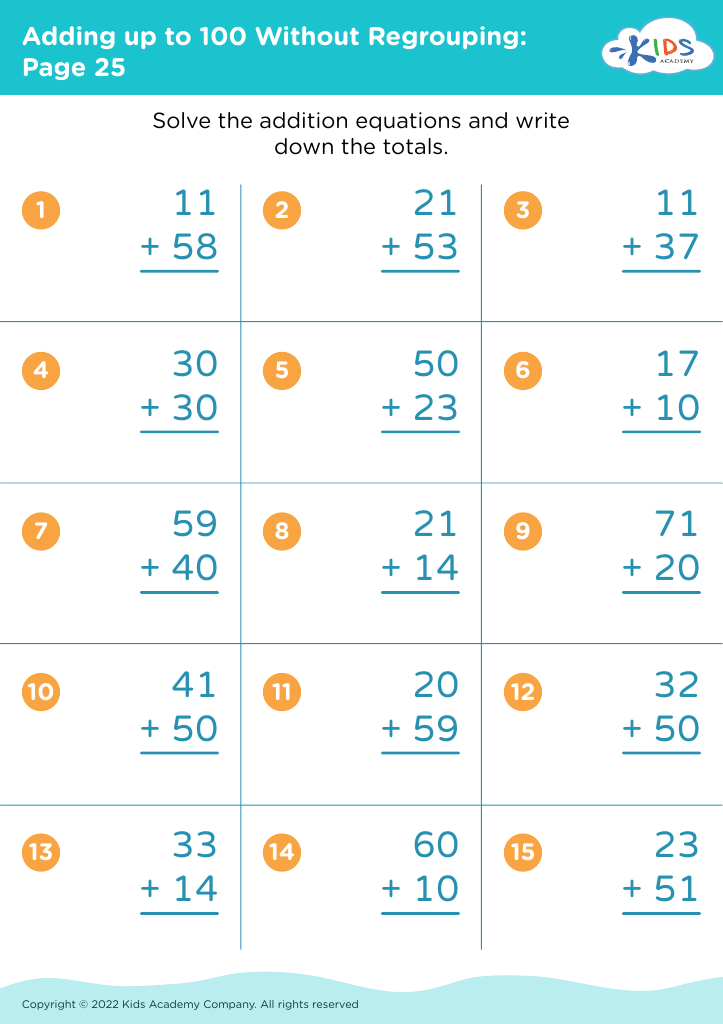
21 filtered results
-
From - To
Enhance your child's visual discrimination skills with our engaging Visual Discrimination Math Worksheets! Tailored for early learners, these worksheets help children identify and differentiate shapes, colors, and patterns—key components in developing strong math foundations. Our resources are designed to complement various learning styles, making math fun and interactive. As students practice visual discrimination, they boost their attention to detail and improve problem-solving skills, setting them up for future success in mathematics. Explore our extensive collection now to give your child the tools needed to excel in math while enjoying the learning process! Perfect for home or classroom use.
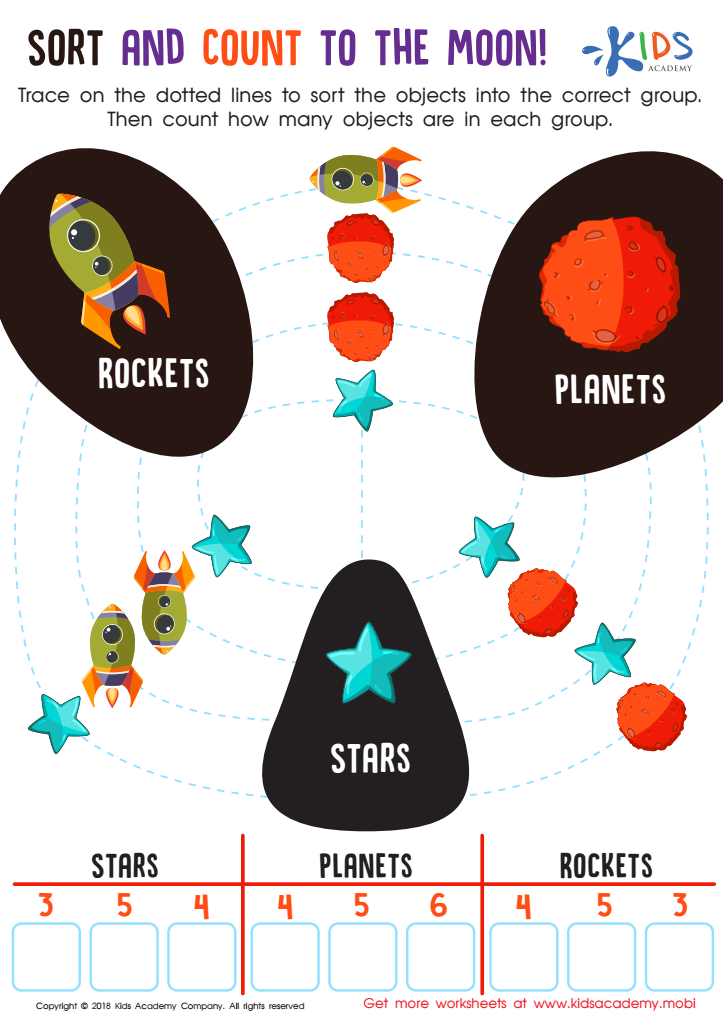
Sort and Count to the Moon Worksheet
 Assign to My Students
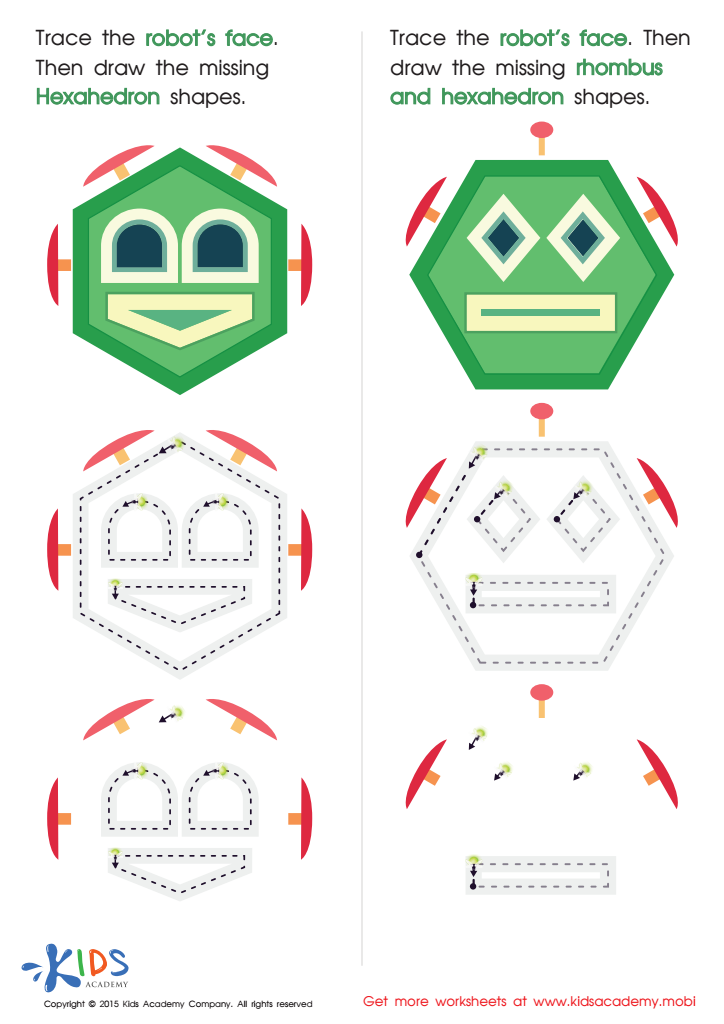
Practice Drawing Hexahedrons And a Rhombus Worksheet
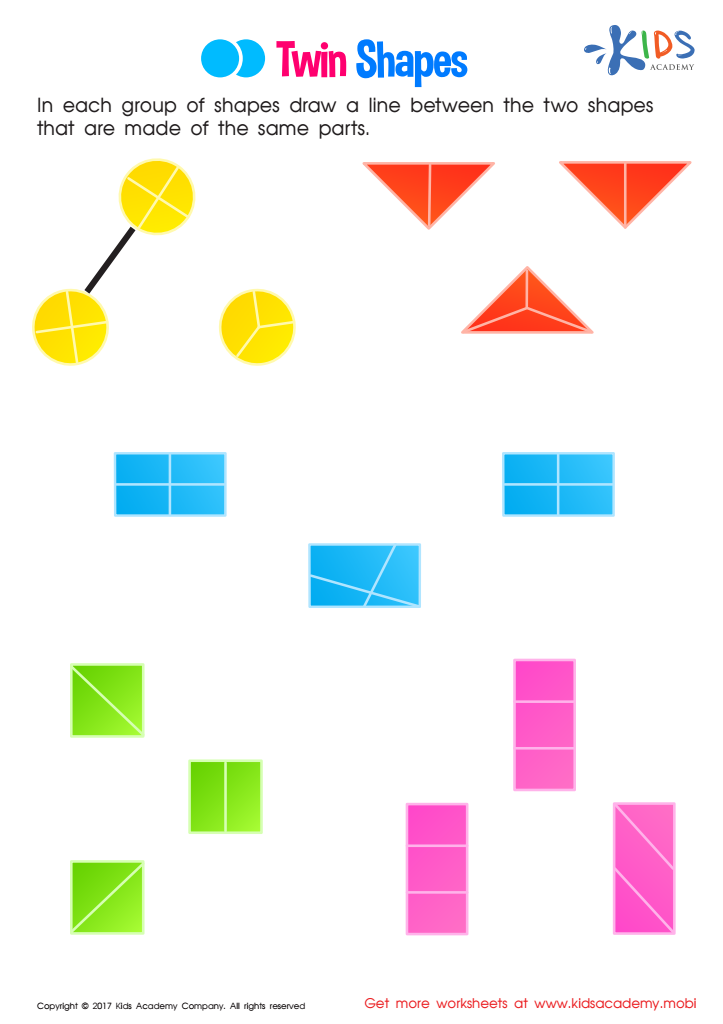
Twin Shapes Worksheet
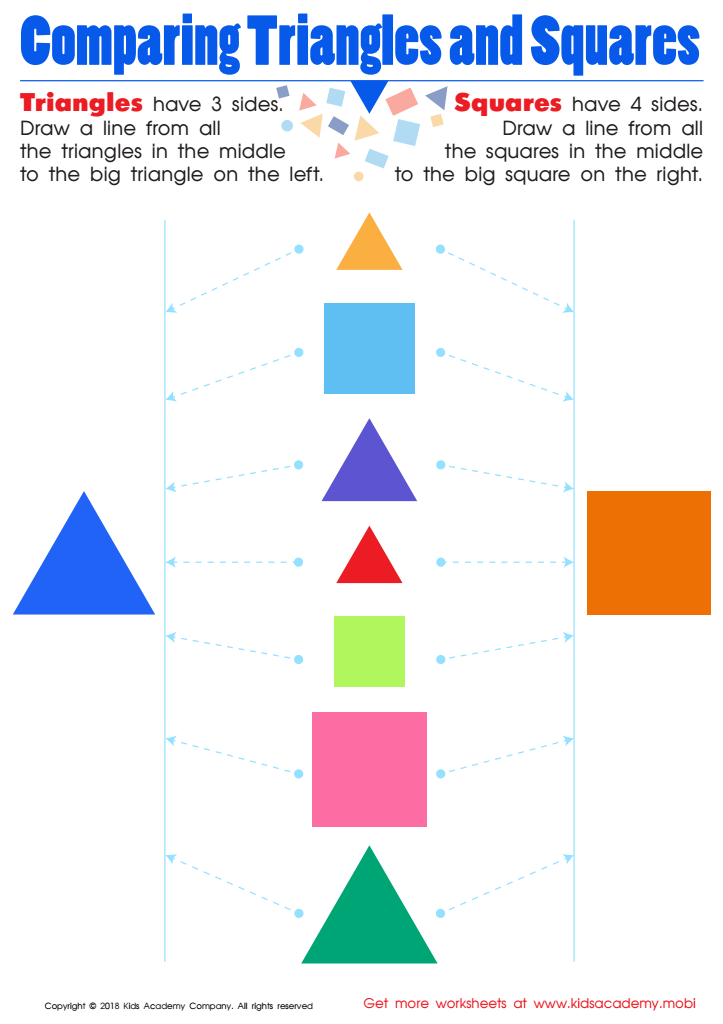
Comparing Triangles Squares Worksheet
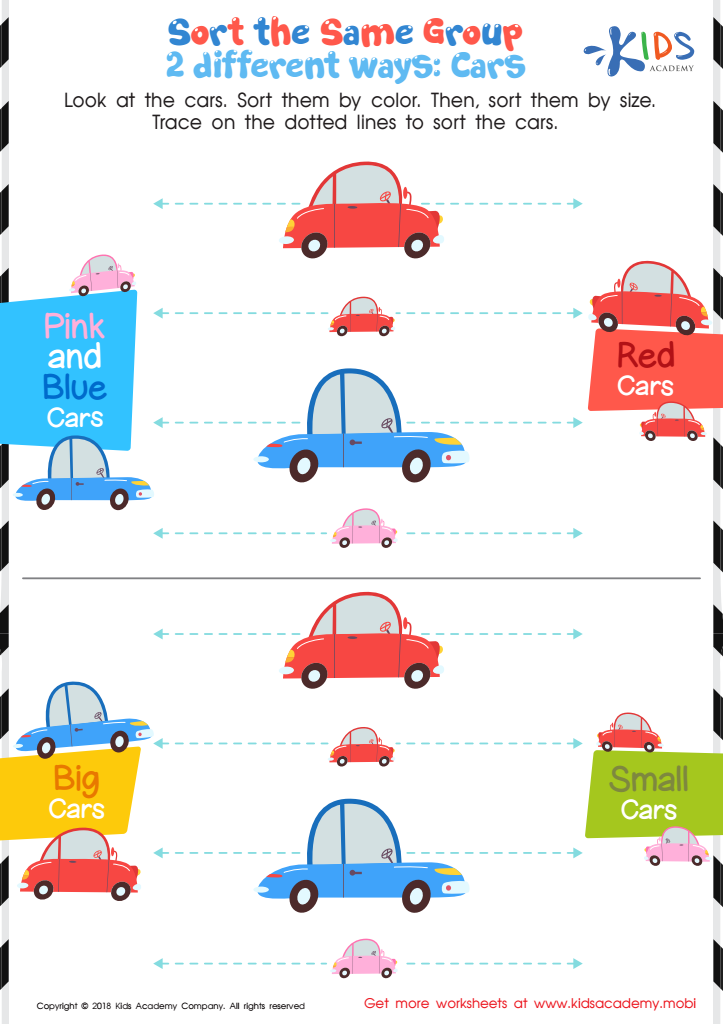
Sort the Same Group 2 Different Ways: Cars Worksheet
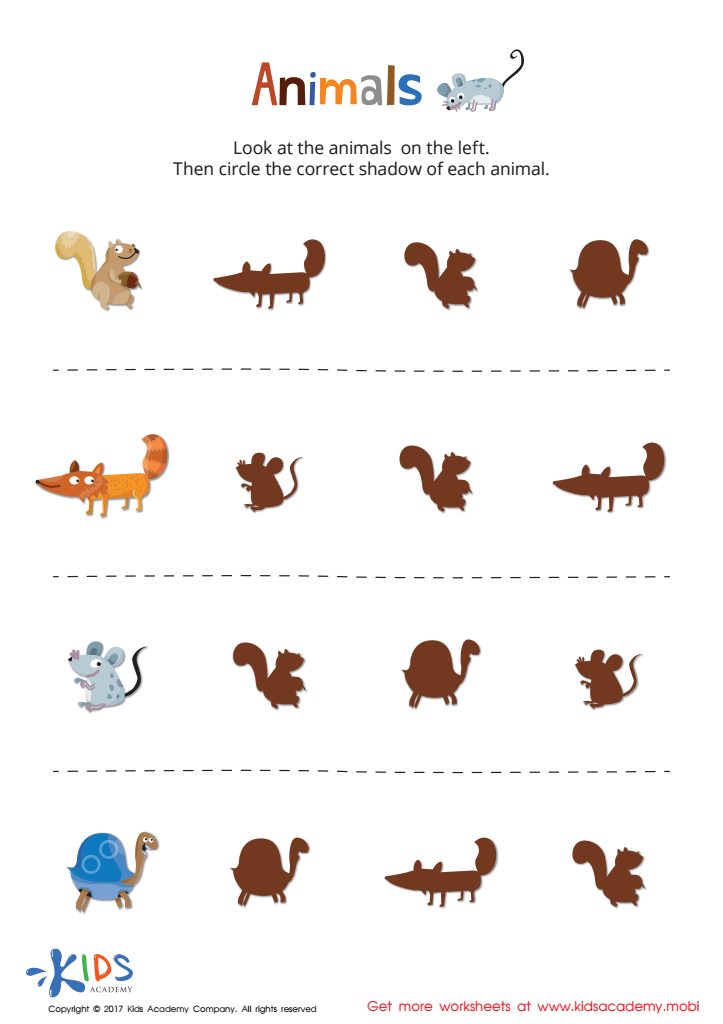
Animal Shadows Sorting Worksheet
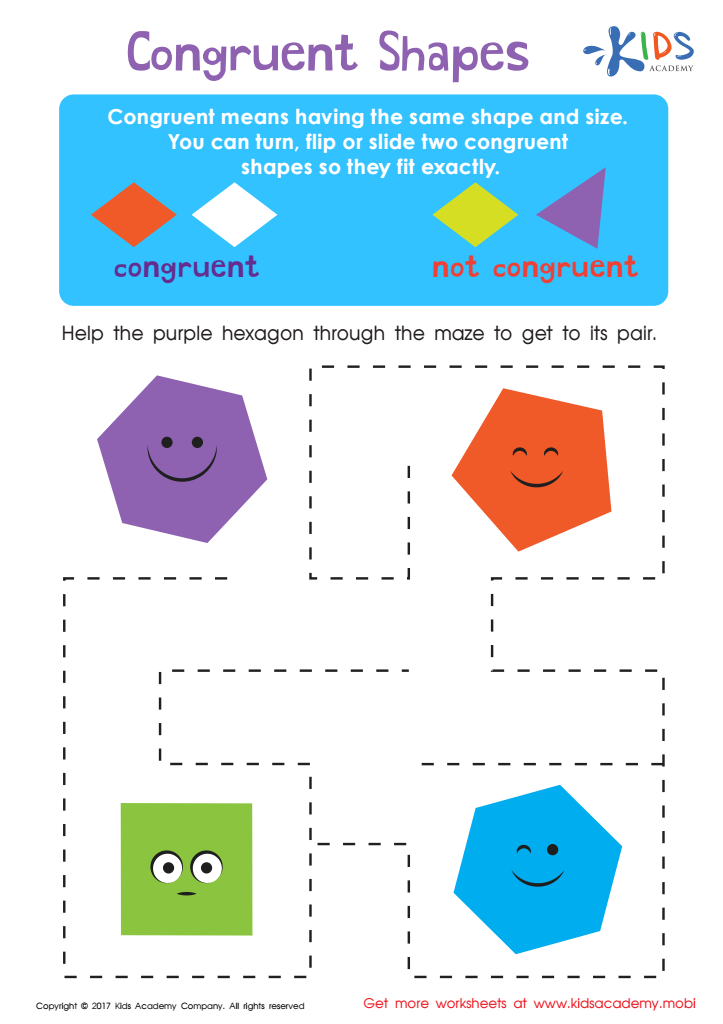
Congruent Shapes Worksheet
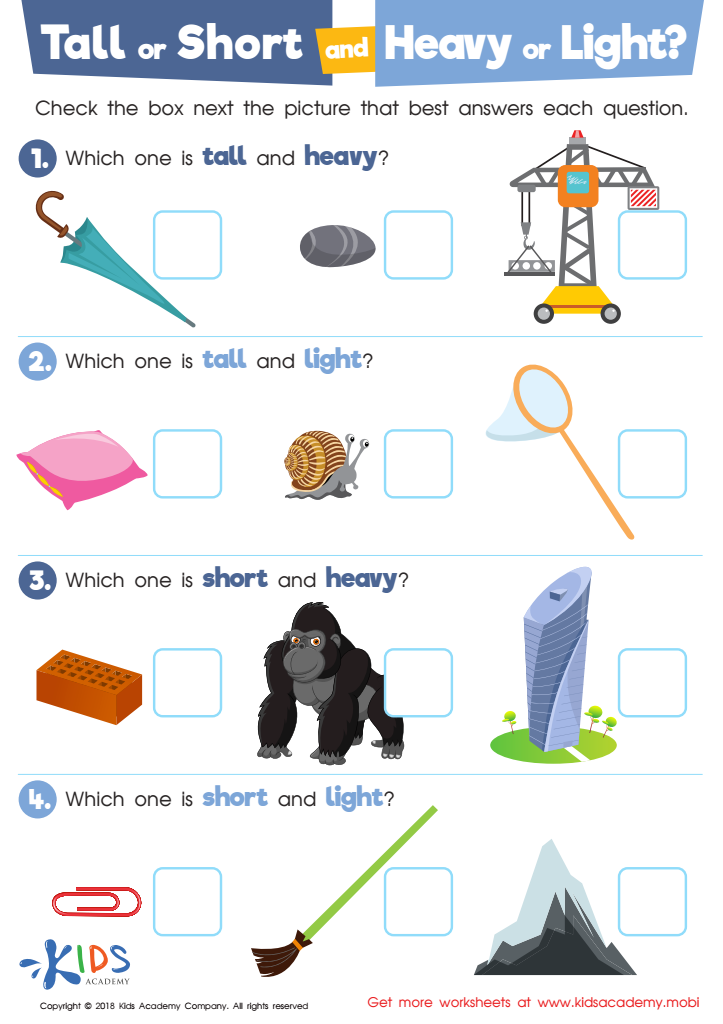
Tall or Short and Heavy or Light? Worksheet
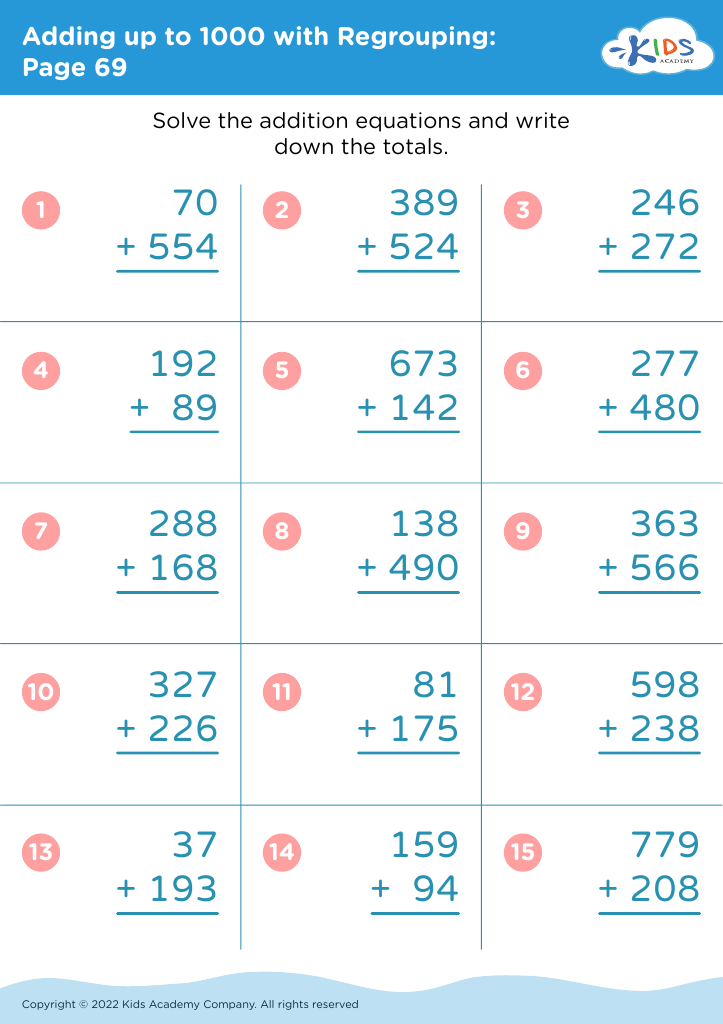
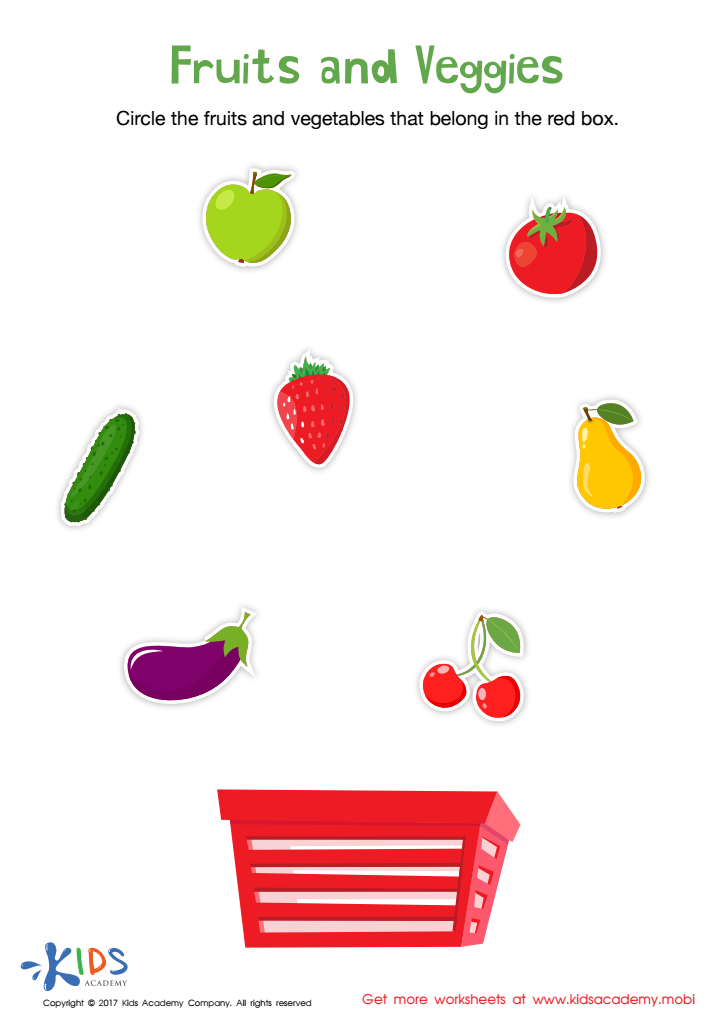
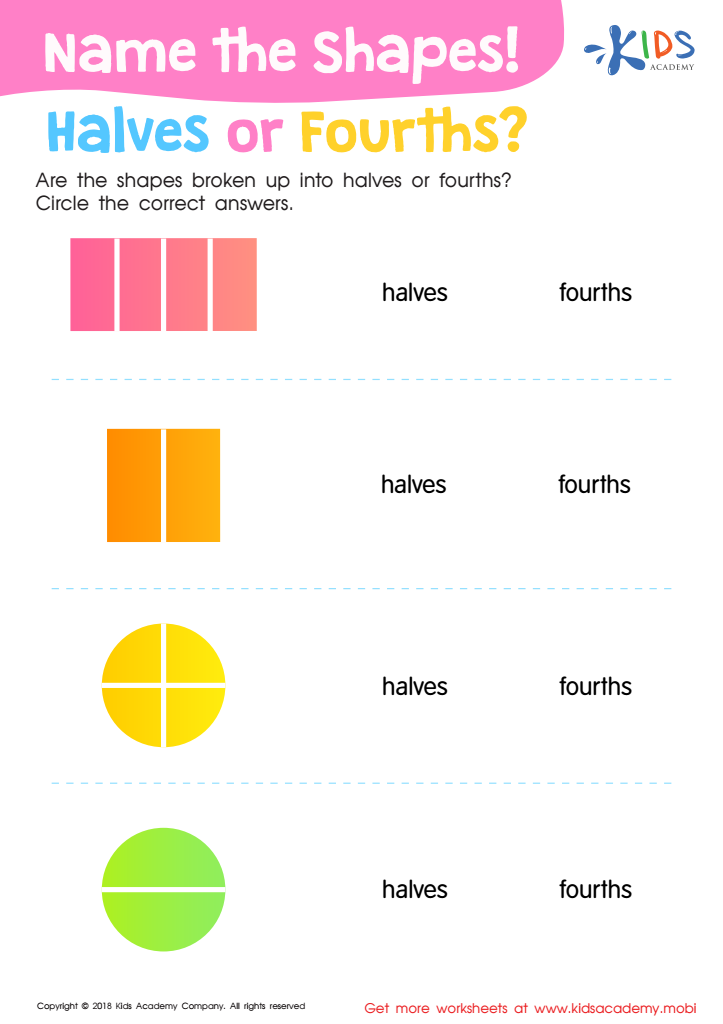
Name the Shapes Halves or Fourths? Worksheet
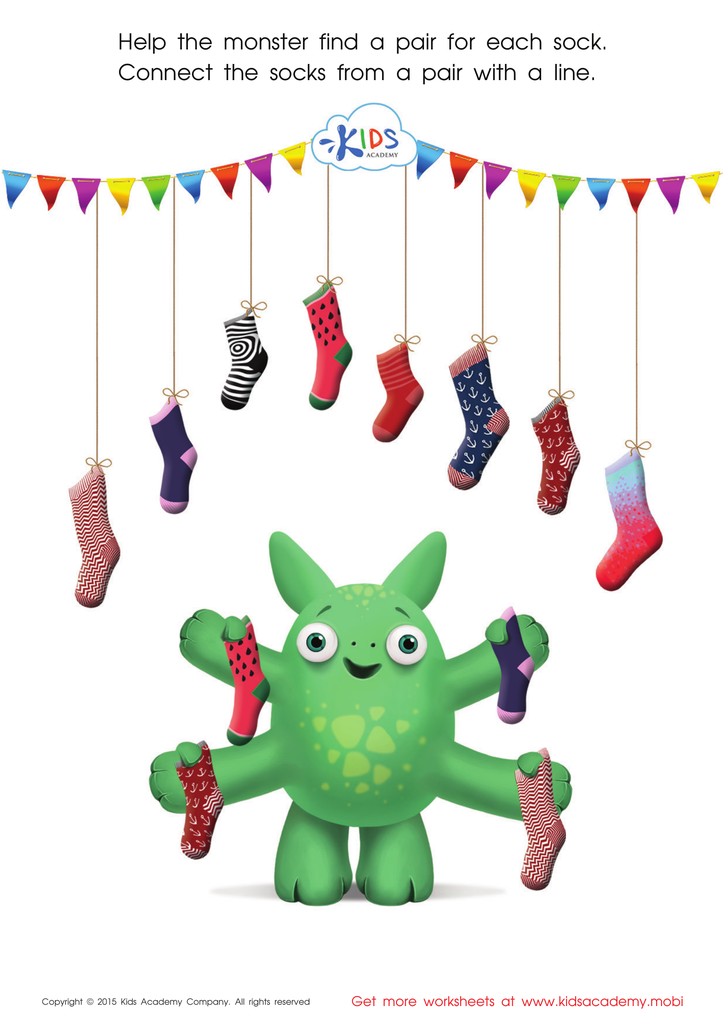
Math Matching Game: Monsterв's Socks Worksheet
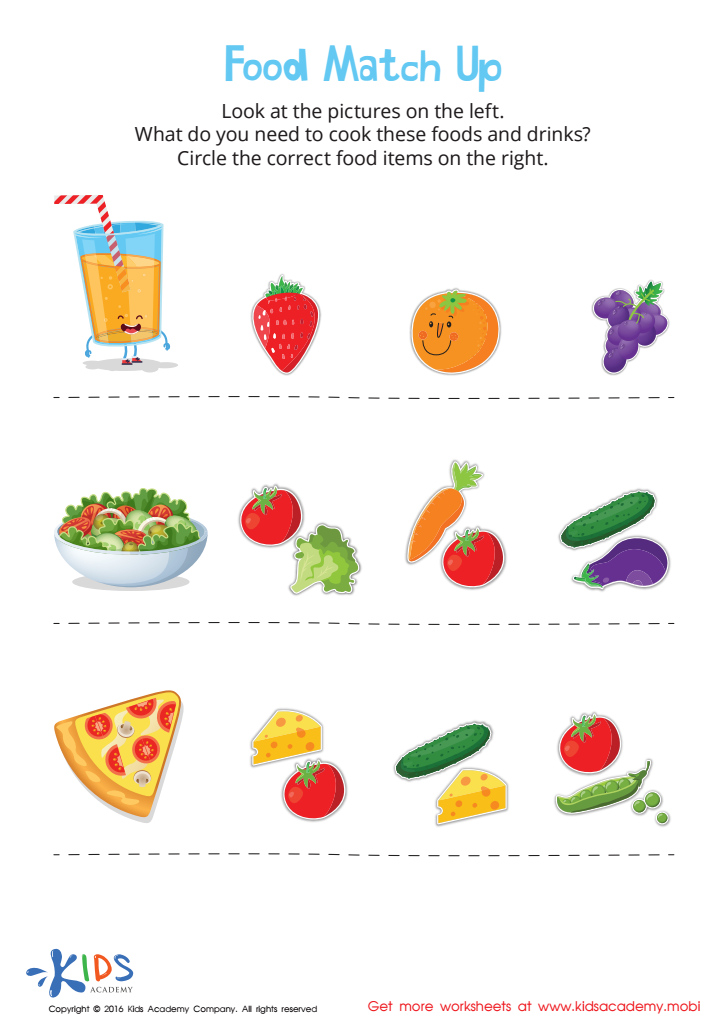
Food Match Up Worksheet
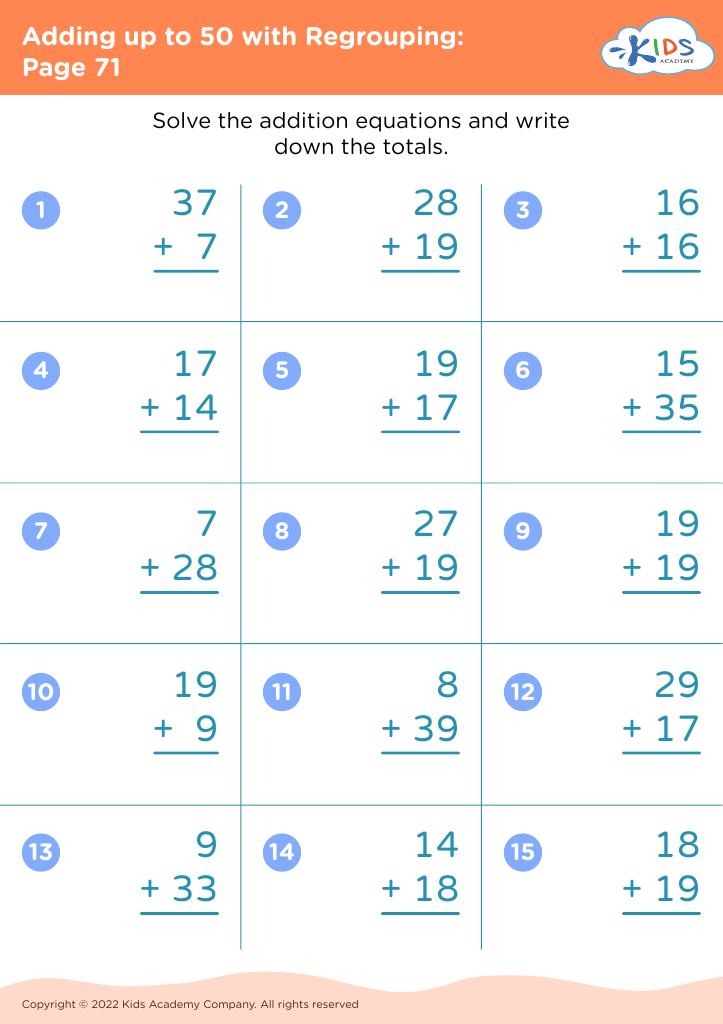
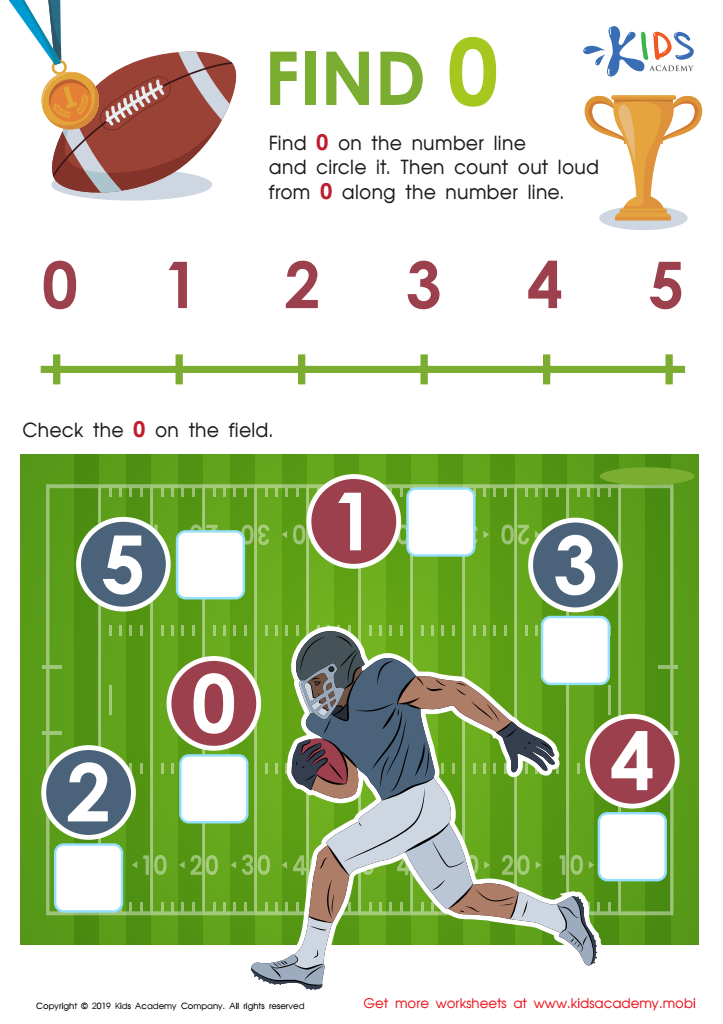
Find 0 Worksheet
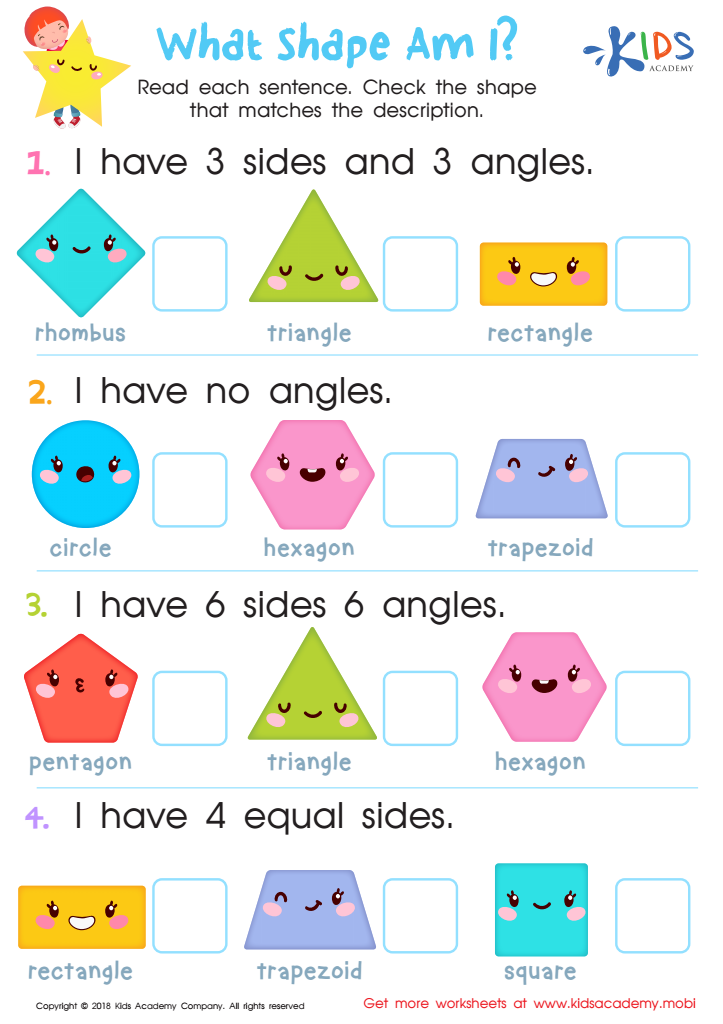
What Shape Am I? Worksheet
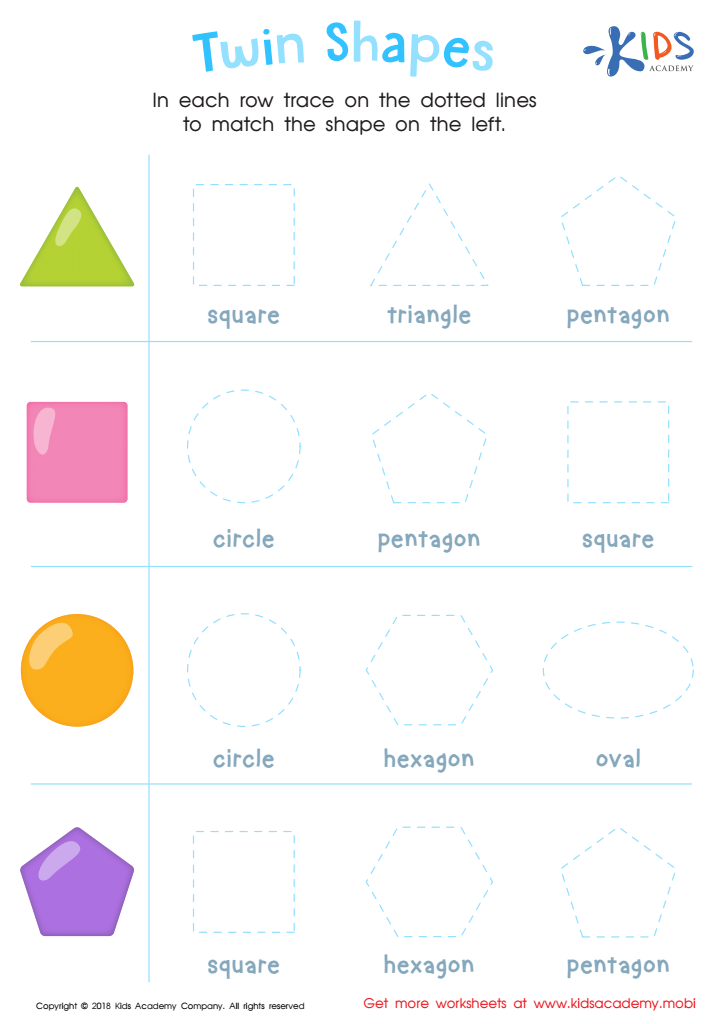
Twin Shapes Dot-to-Dot Worksheet
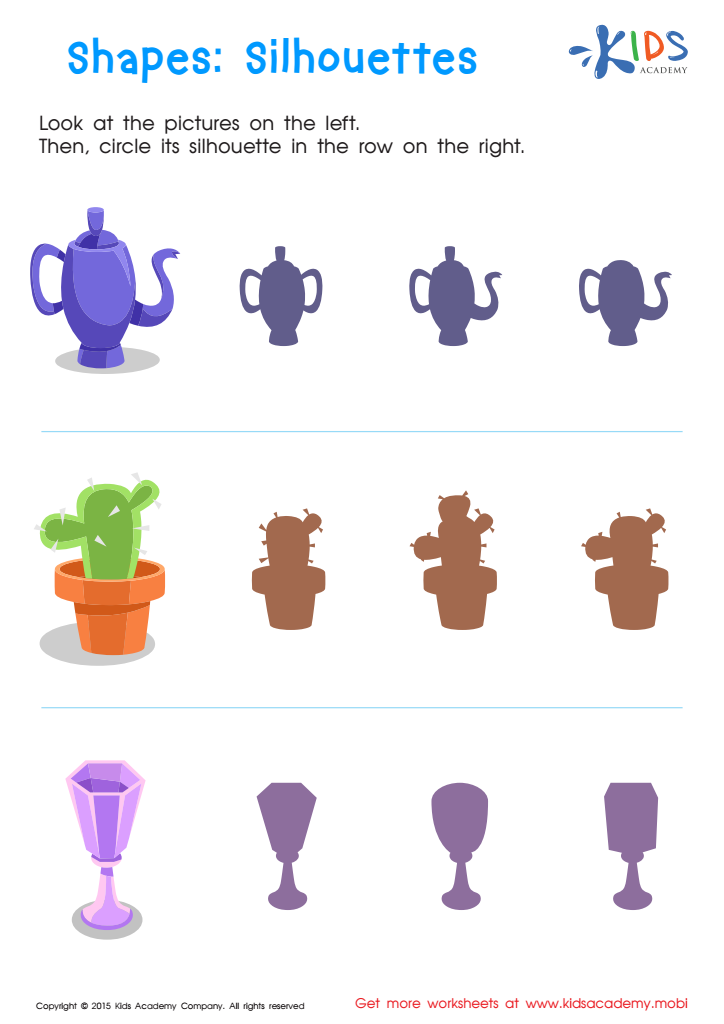
Silhouettes – Shapes Worksheet








Visual discrimination in math is an essential skill that allows students to differentiate between shapes, numbers, and patterns. Parents and teachers should prioritize this skill because it lays the groundwork for more complex mathematical concepts. Early development of visual discrimination enhances a child's ability to accurately identify and compare quantities, understand spatial relationships, and solve problems effectively.
In the classroom, fostering visual discrimination can result in improved performance in not only math but also subjects that require critical thinking and reasoning skills. It supports the ability to recognize patterns, which is crucial for algebra and geometry. Additionally, in a digital age filled with visual distractions, children with strong visual discrimination skills may find it easier to focus and process information.
For parents, recognizing the importance of these skills means they can engage with their children at home to reinforce learning—whether through games, puzzles, or visual aids. Engaging parents and teachers in this way also promotes a collaborative approach to education, ensuring children receive a consistent message about the value of these skills. Ultimately, strengthening visual discrimination capabilities is integral to fostering confident, capable learners who can tackle increasingly complex mathematical challenges in their academic journey.








