Visual Perception Skills Math Worksheets
11 filtered results
-
From - To
Enhance your child's mathematical journey with our "Visual Perception Skills Math Worksheets". Tailored for young learners, these engaging worksheets offer a blend of fun visuals and challenging exercises designed to sharpen visual discrimination, pattern recognition, and spatial awareness. Children will boost their critical thinking and problem-solving abilities through vibrant activities that make learning math enjoyable. Perfect for building a strong foundation, these worksheets integrate essential visual perception skills with core math concepts. Ideal for both classroom use and at-home practice, they’re crafted to support kids in kindergarten and early elementary grades, aiding in their overall cognitive and academic development.
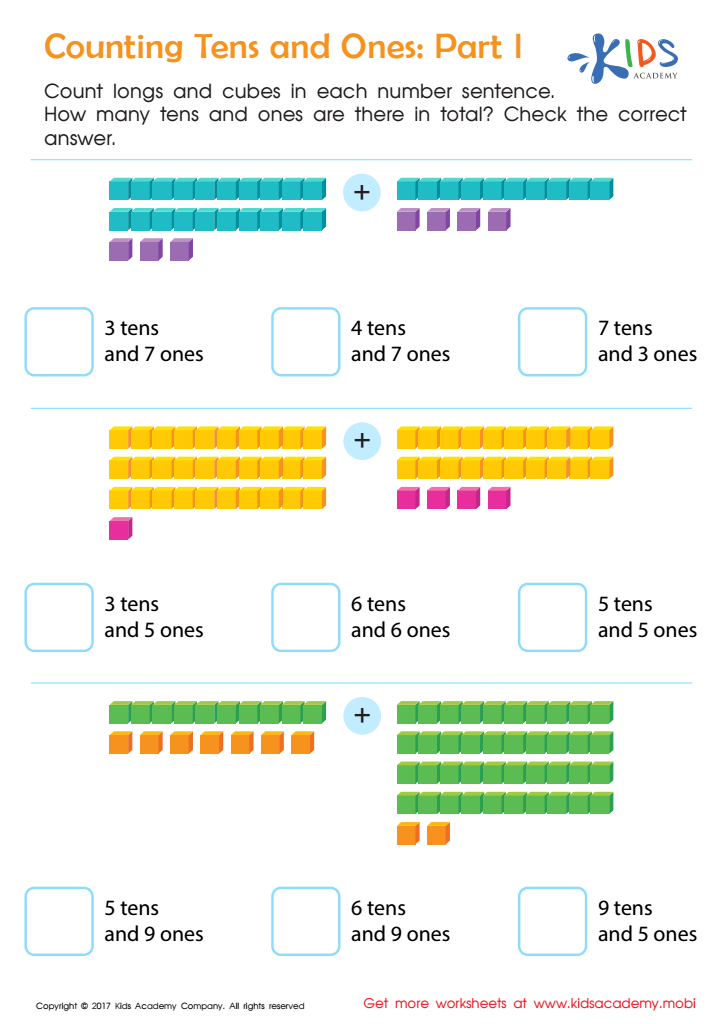
Counting Tens and Ones: Part 1 Worksheet
 Assign to My Students
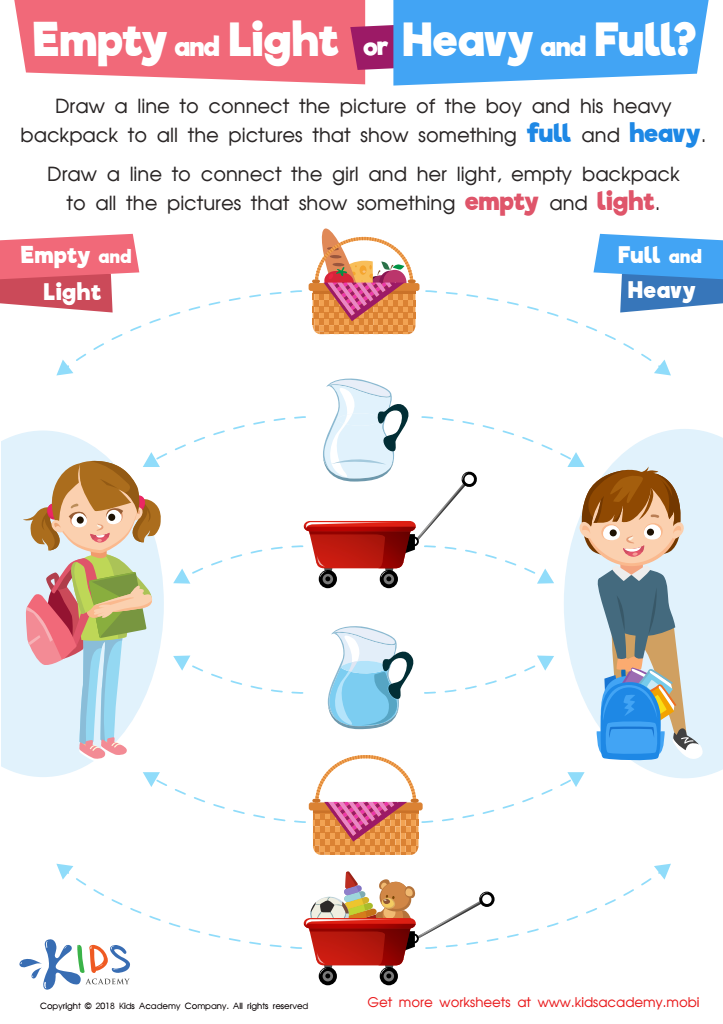
Empty and Light or Heavy and Full? Worksheet
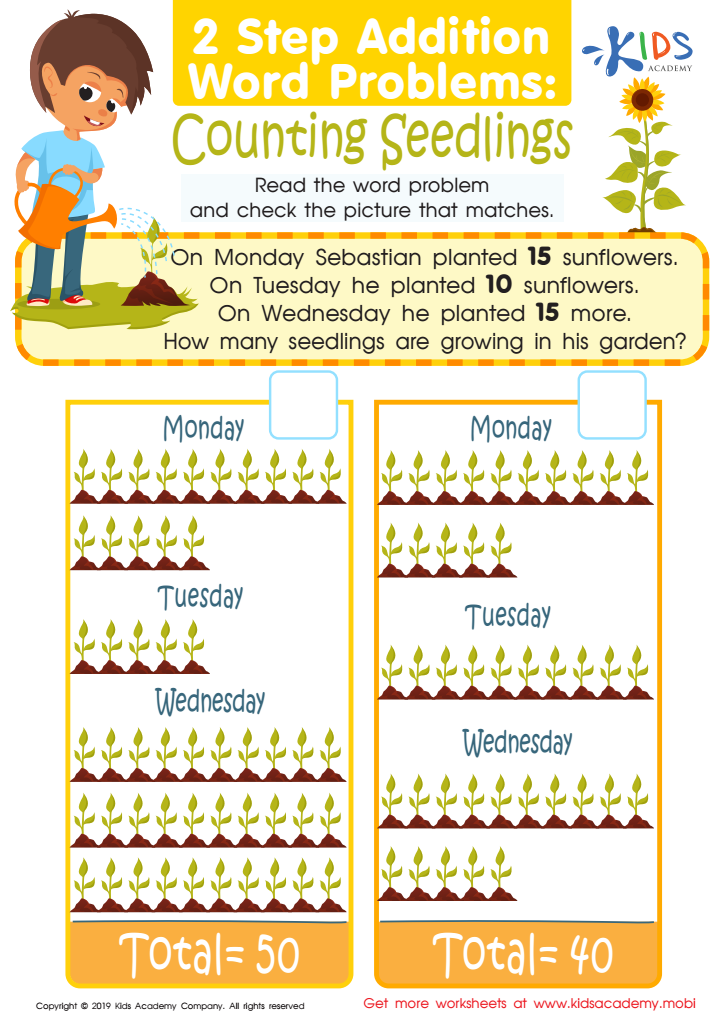
Counting Seedlings Worksheet
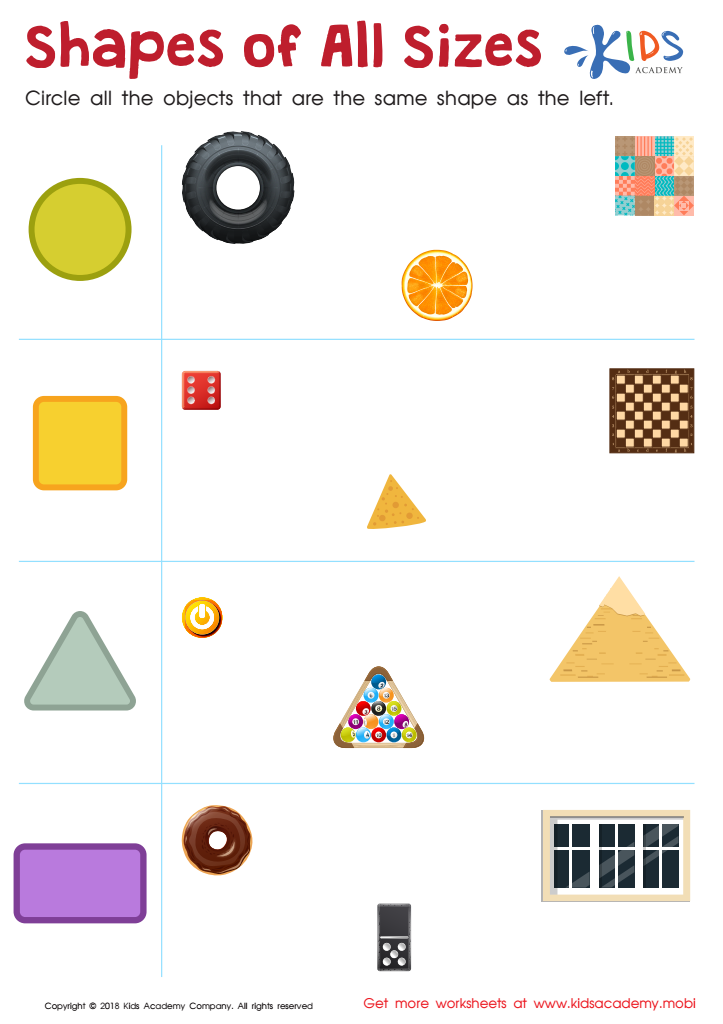
Shapes of All Sizes Worksheet
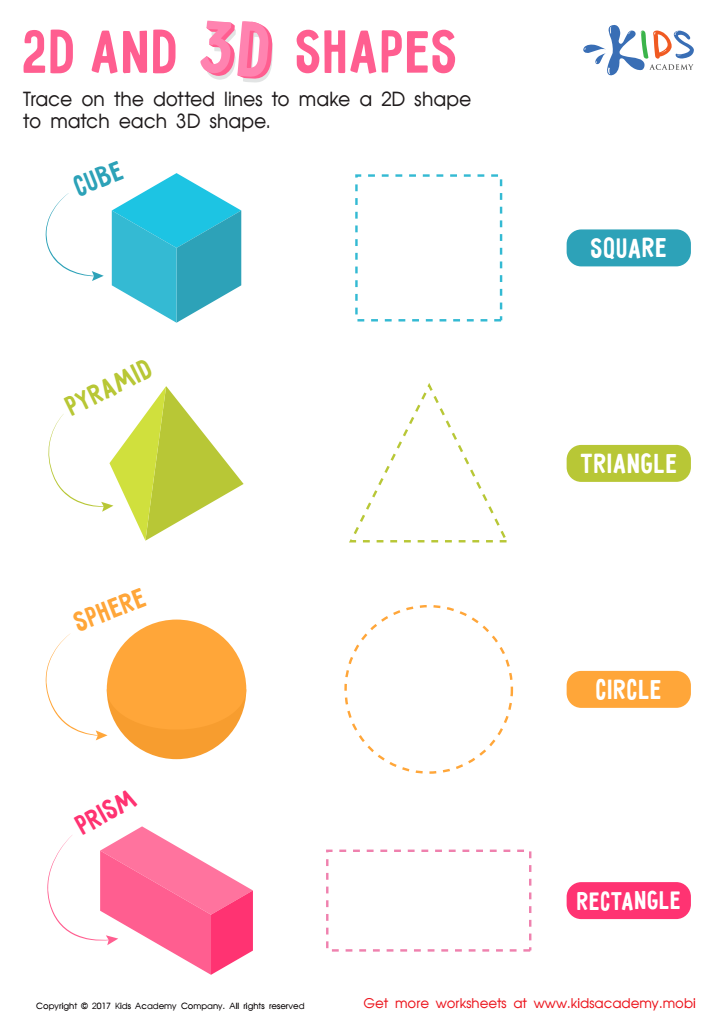
2D and 3D Shapes Worksheet
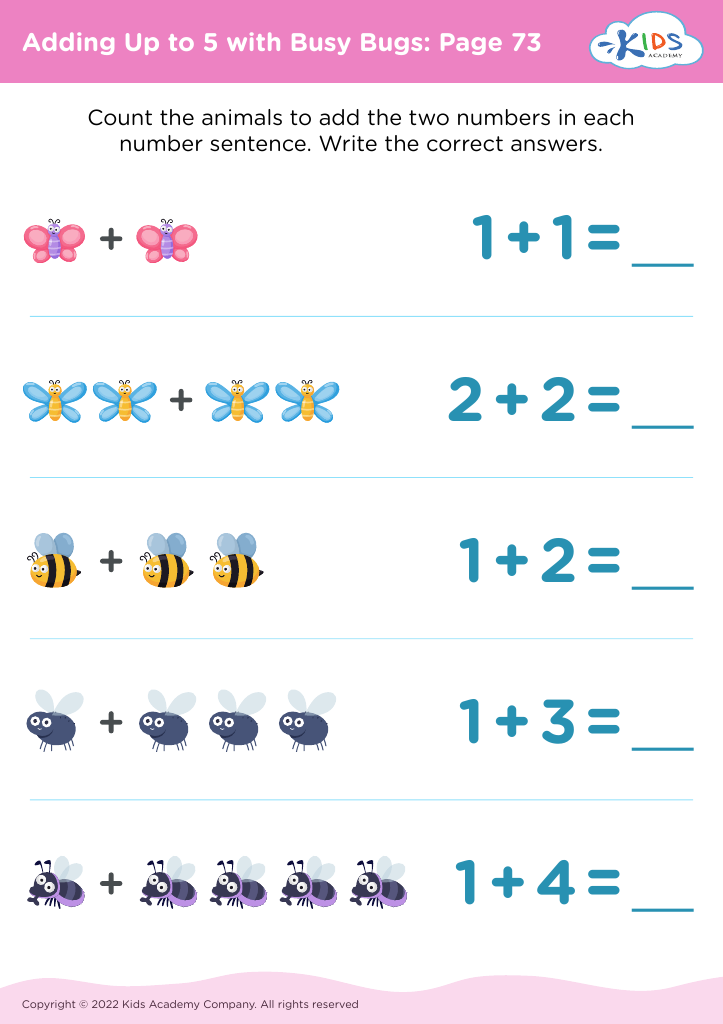
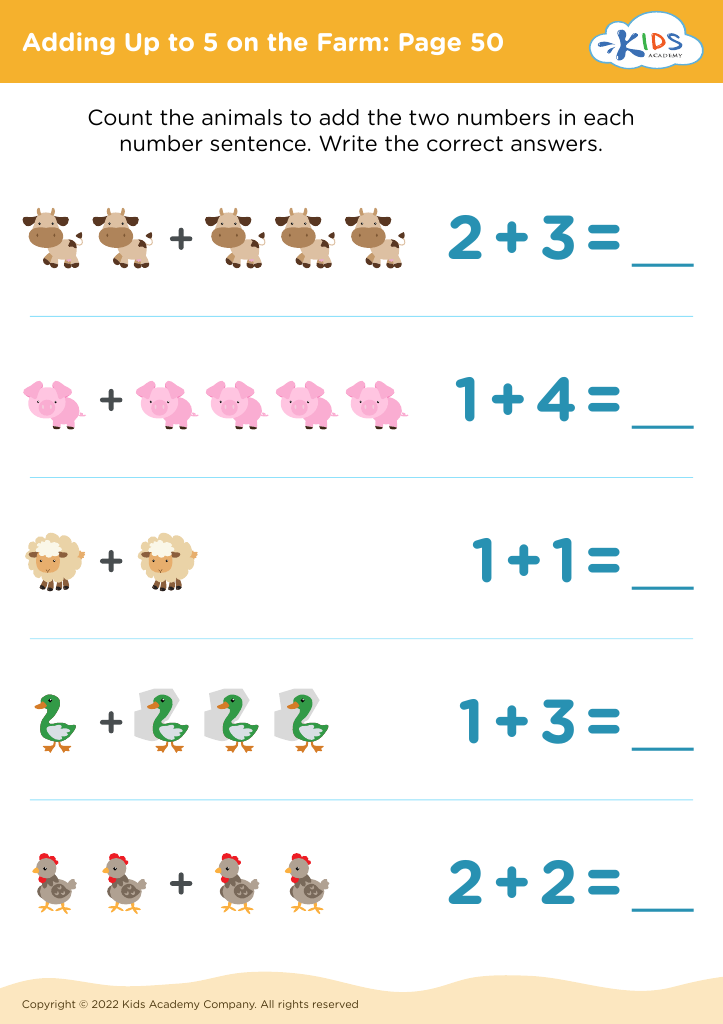
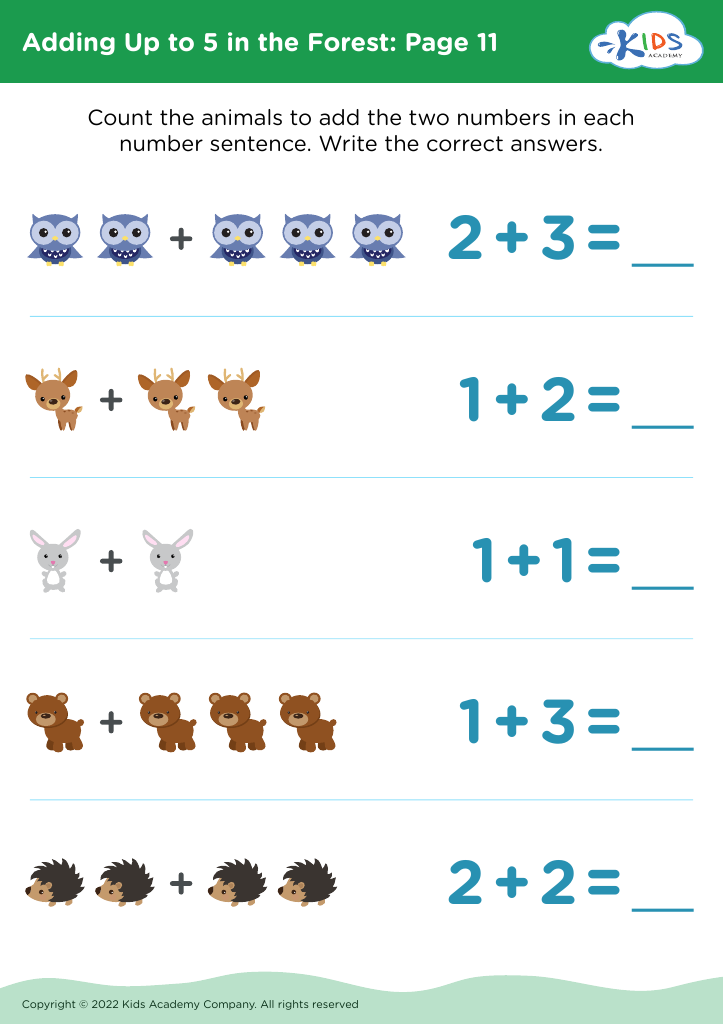
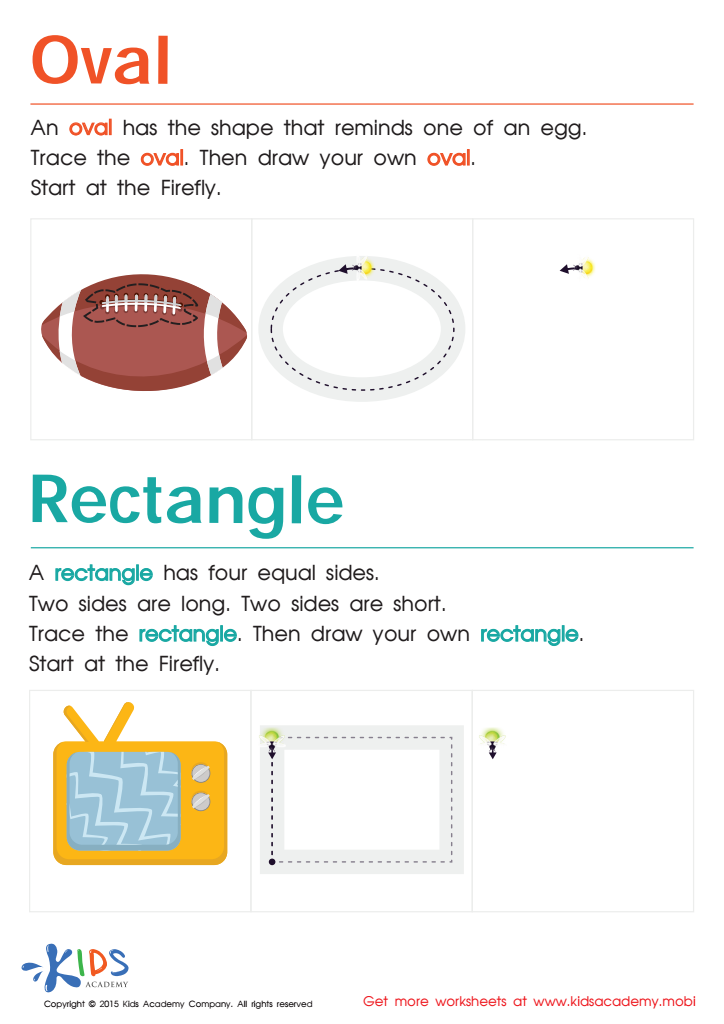
Easy Drawing of Ovals And Rectangles Worksheet
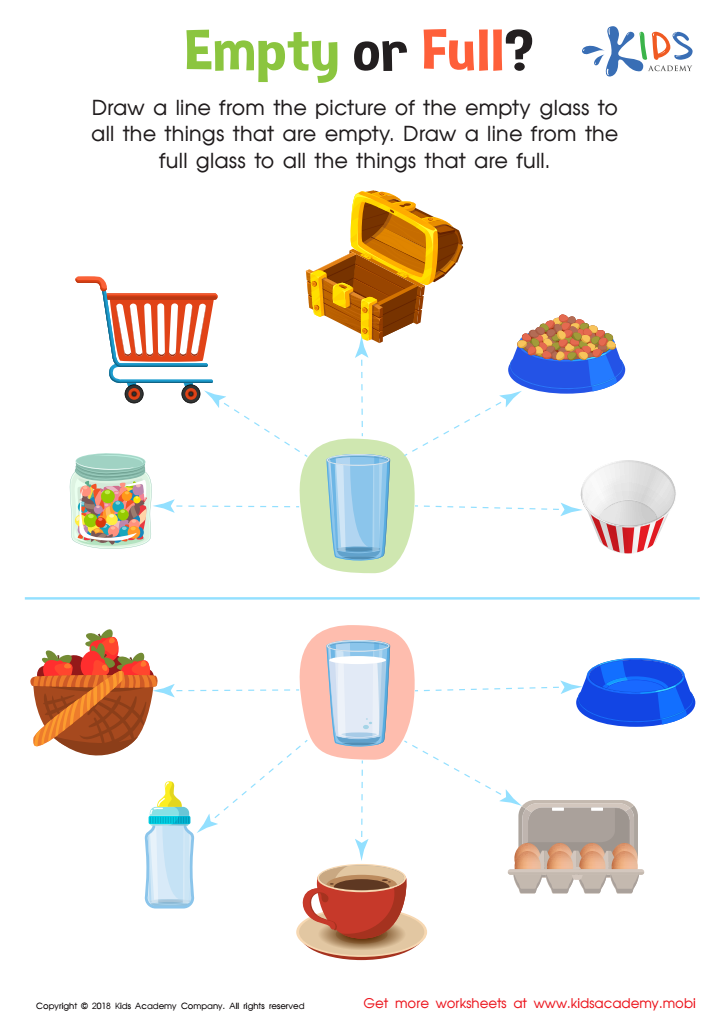
Empty or Full? Worksheet






.jpg)

Visual perception skills are crucial for children's success in math and overall academic performance. These skills include the ability to recognize shapes, patterns, and spatial relationships, all of which are fundamental in understanding mathematical concepts. For instance, recognizing numbers and differentiating between similar digits like 6 and 9 or shapes like squares and rectangles rely heavily on visual perception.
When children have strong visual perception skills, they can more easily interpret and analyze visual information. This aids in solving geometric problems, comprehending graphs, and recognizing sequences or patterns in numbers. It also enhances their ability to visualize math problems, which is essential for comprehending more abstract mathematical concepts in higher grades.
Teachers can leverage visual aids and interactive activities to strengthen these skills, helping students grasp basic math principles faster and more effectively. Parents can support this by integrating fun visual perception activities, such as puzzles or drawing games, into their children's daily routines.
Without strong visual perception skills, children might struggle with math, leading to frustration and decreased confidence. Therefore, focusing on developing these skills early can set a sturdy foundation for future academic achievements, making both parents and teachers key players in nurturing these essential abilities.








