Counting skills Normal Worksheets for Ages 3-4 - Page 3
79 filtered results
-
From - To
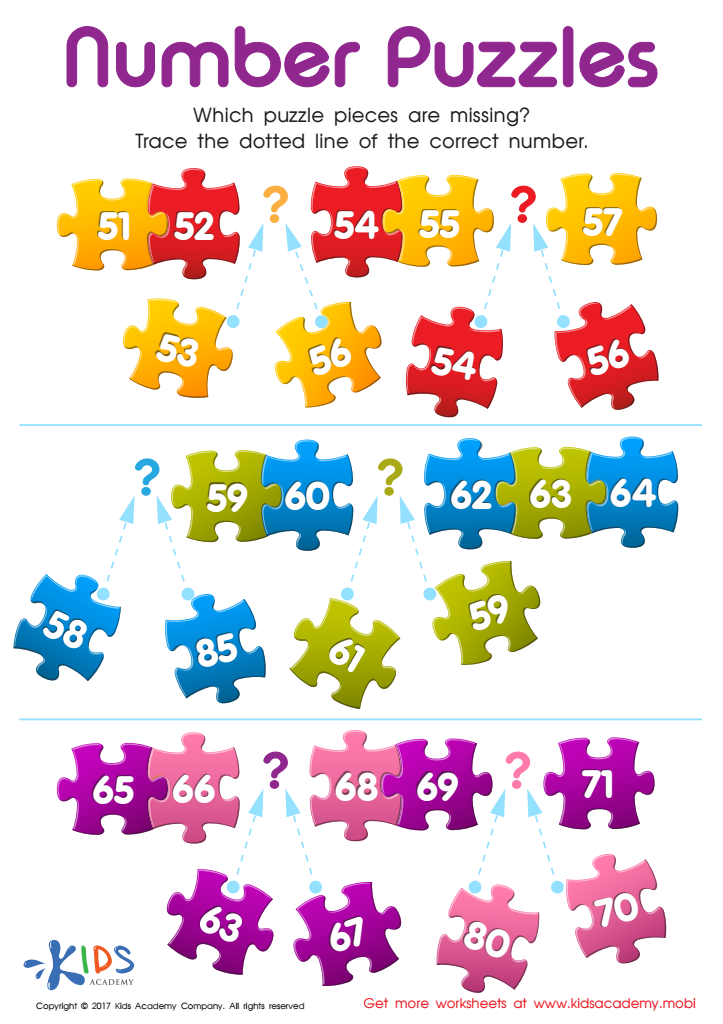
Number Puzzles Worksheet
 Assign to My Students
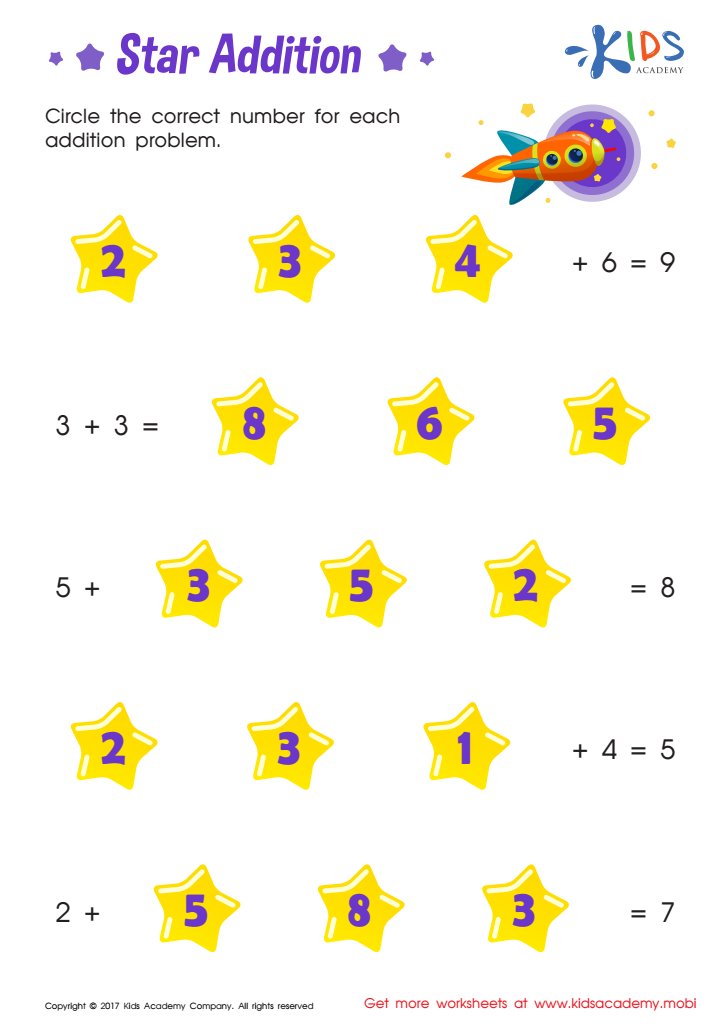
Star Addition Printable

Count and Match Vegetables 2 – 8 Math Worksheet

Count and Match Vegetables and Points Math Worksheet
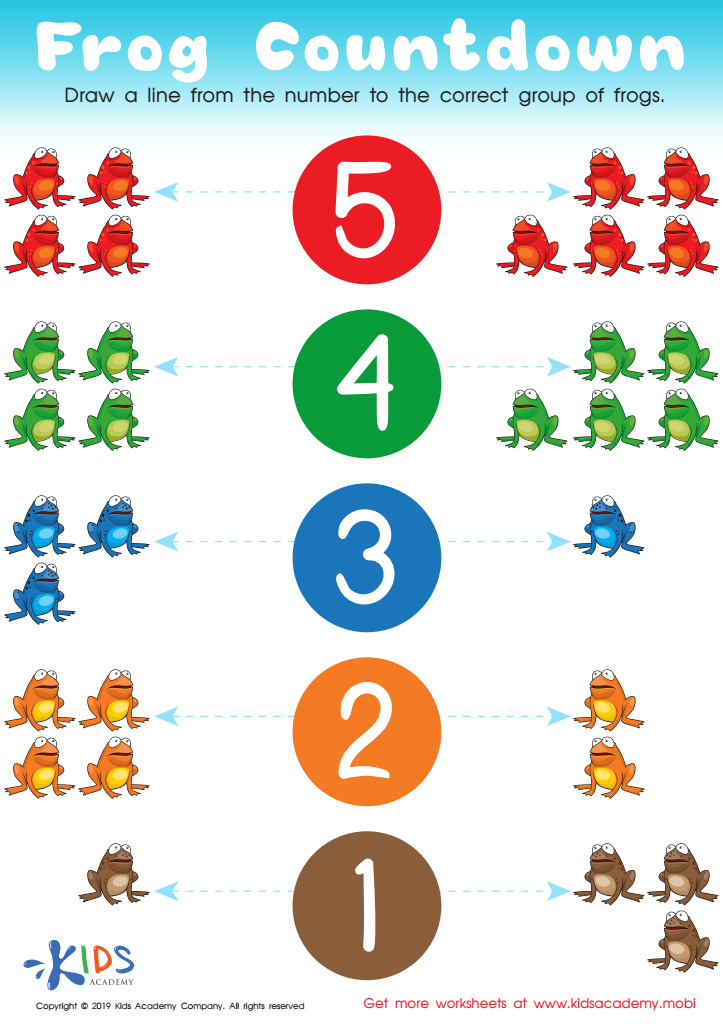
Frog Countdown Worksheet
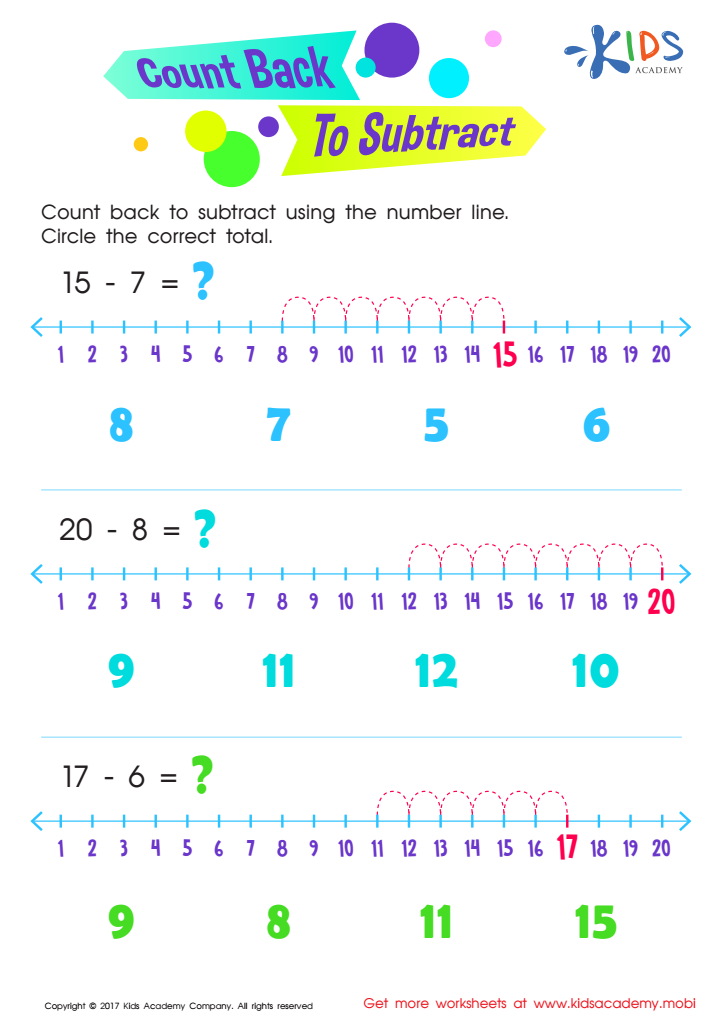
Count Back to Subtract Substraction Worksheet
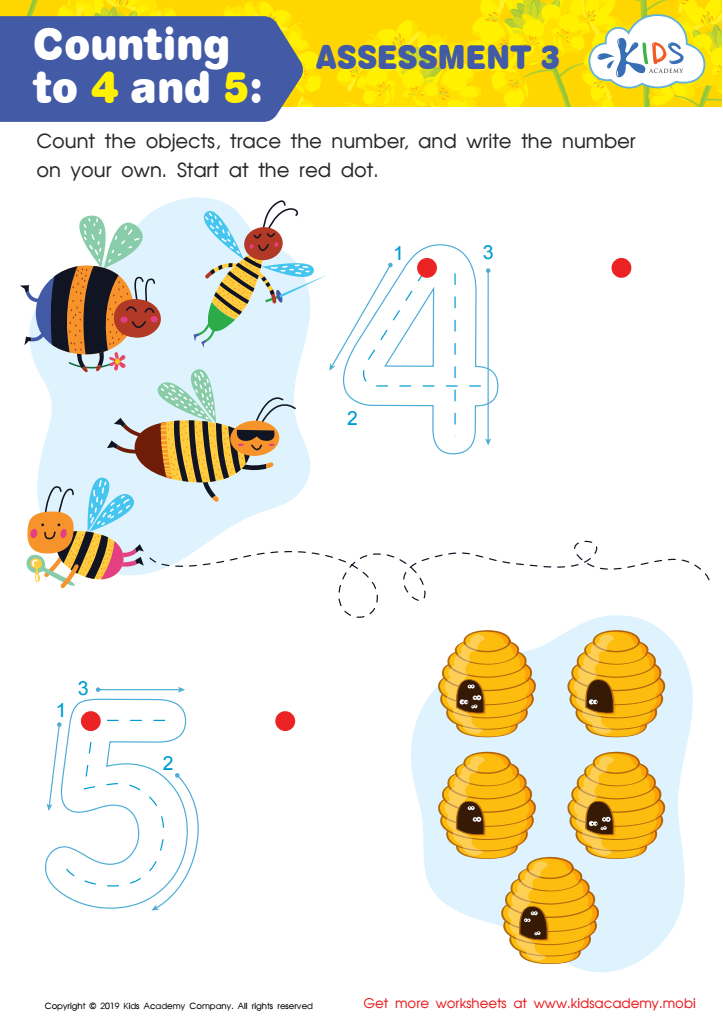
Counting to 4 and 5: Assessment 3 Worksheet
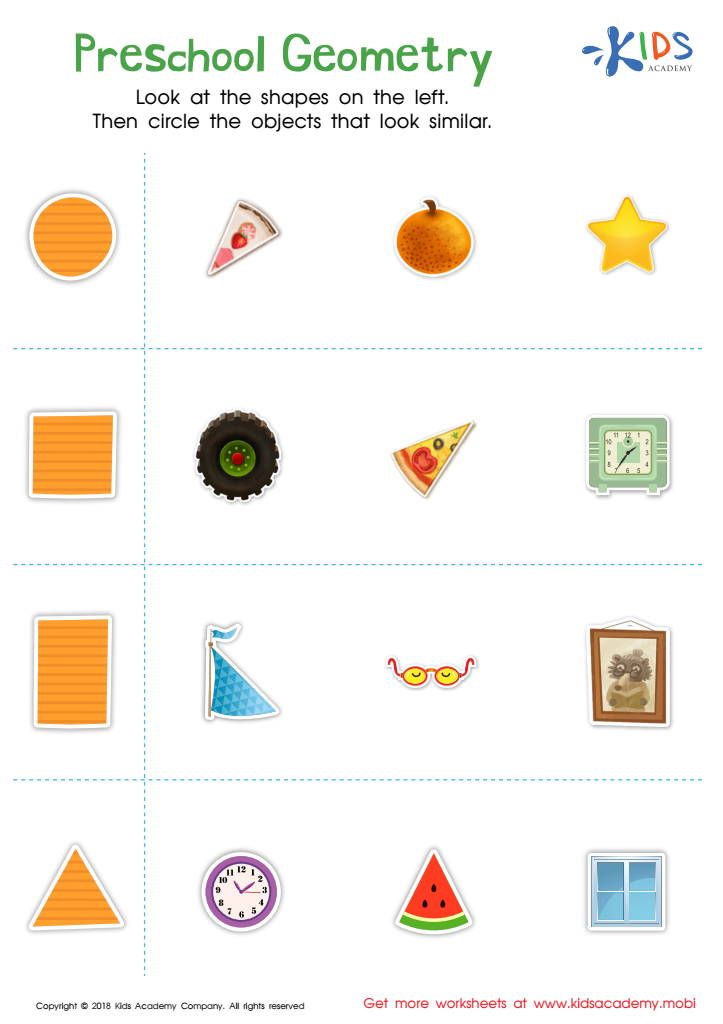
Preschool Geometry Worksheet
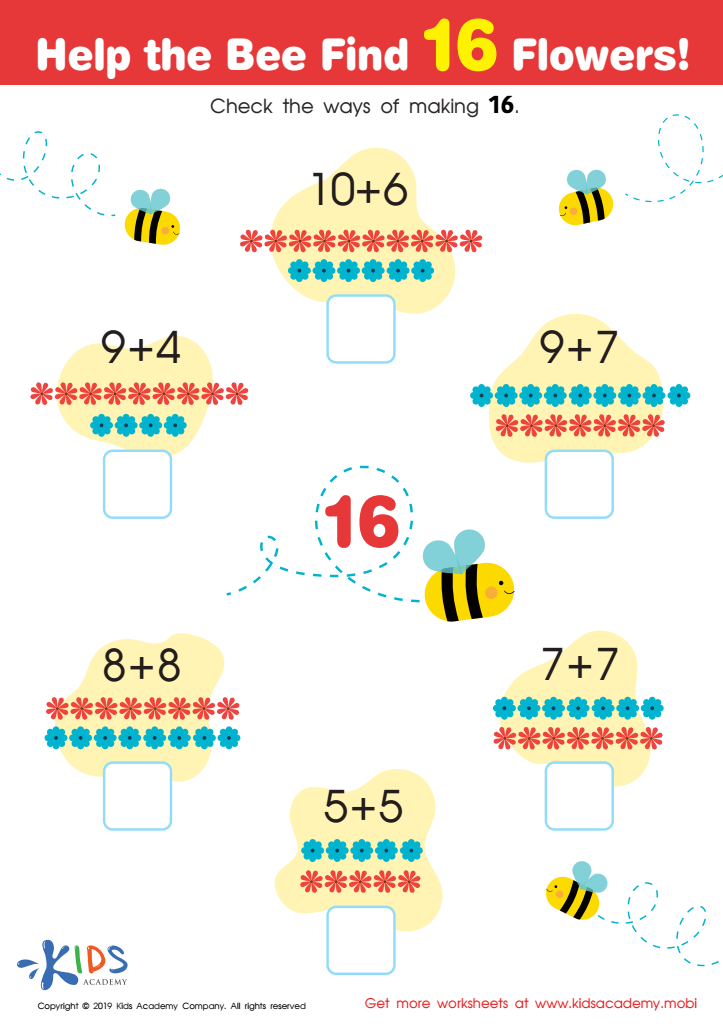
Help the Bee Find 16 Flowers Worksheet
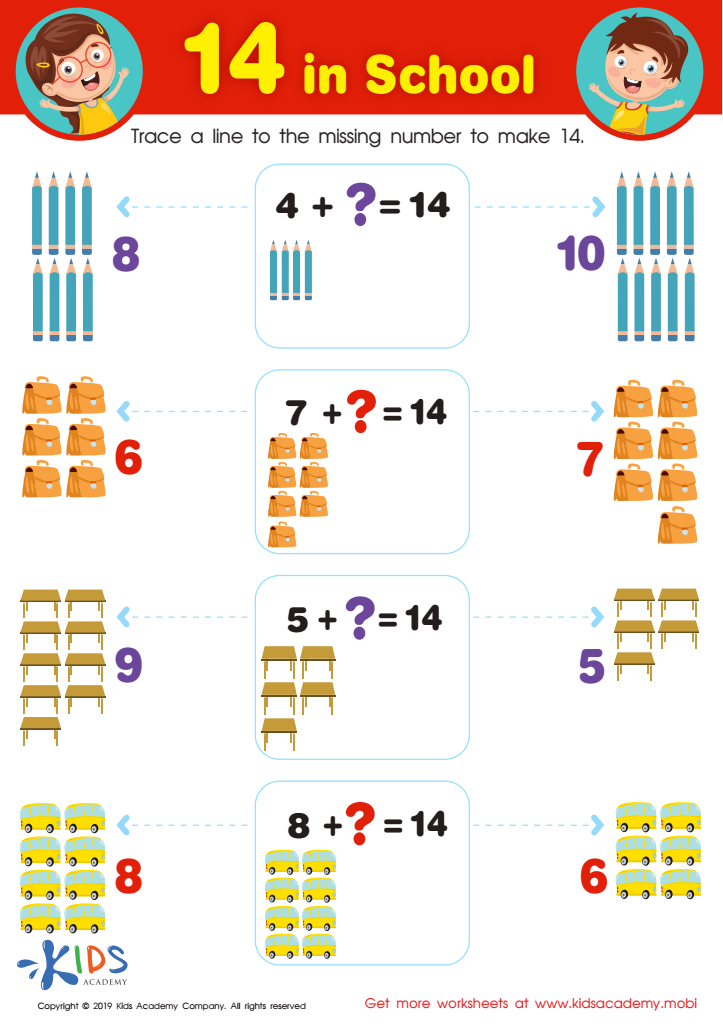
14 in School Worksheet
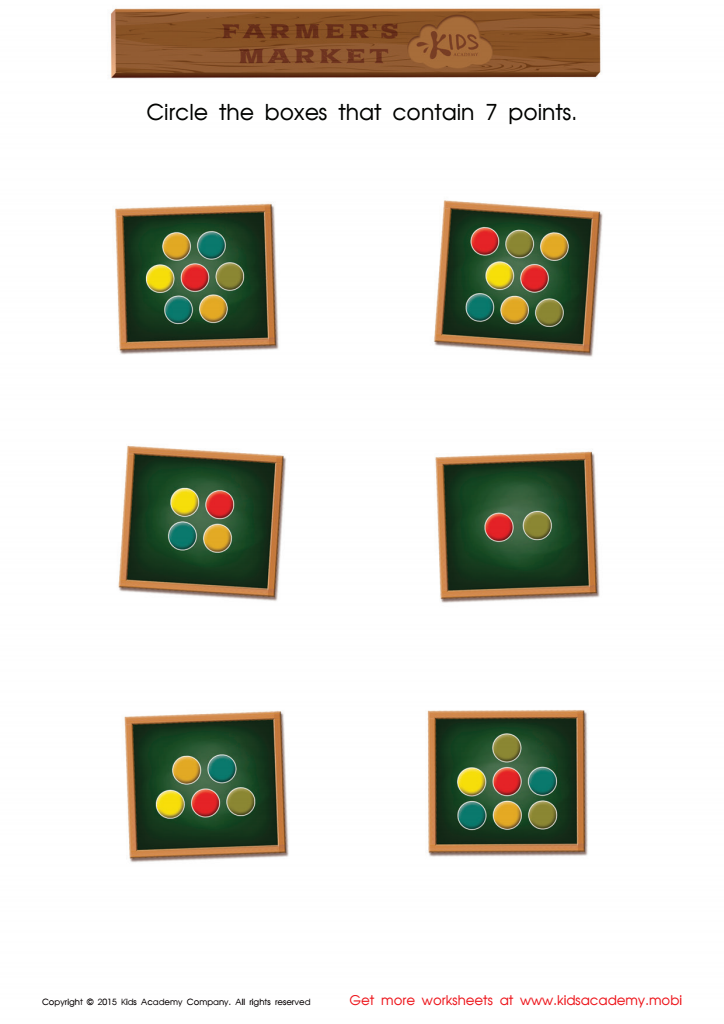
Count and Match Points 7 Math Worksheet
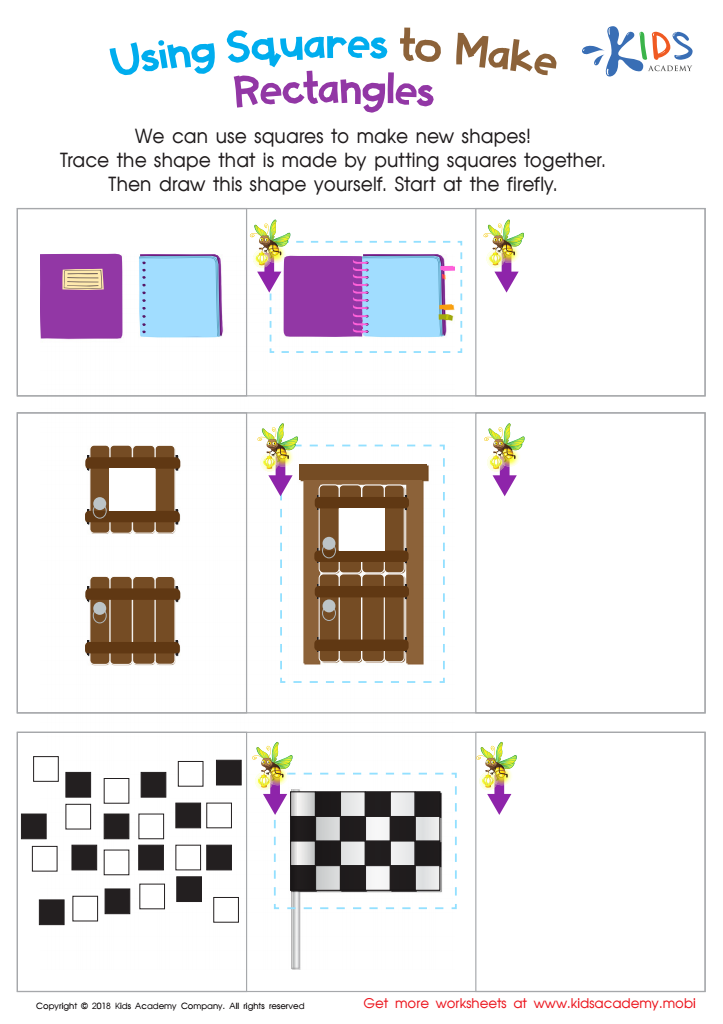
Using Squares to Make Rectangles Worksheet
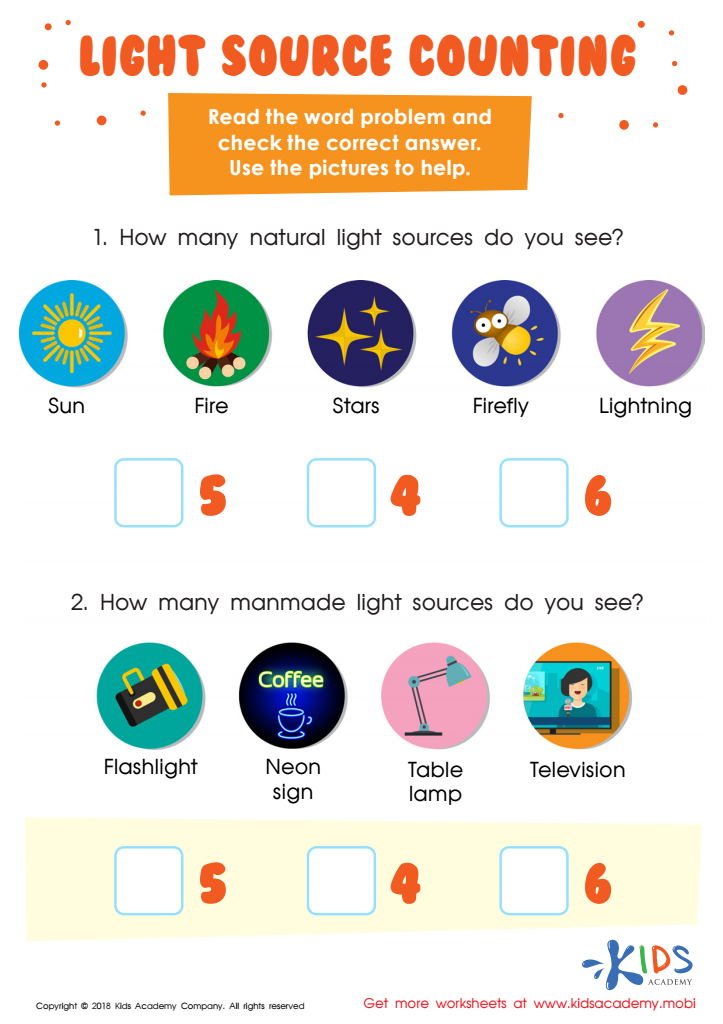
Light Source Counting Worksheet
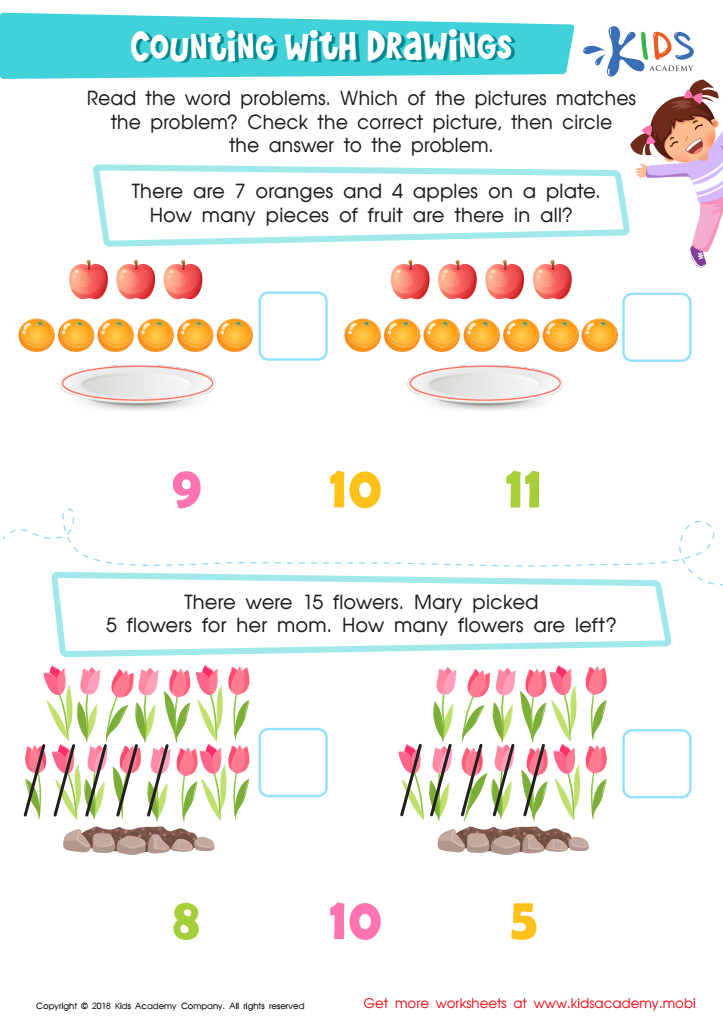
Counting with Drawings:Fruits & Flowers Worksheet
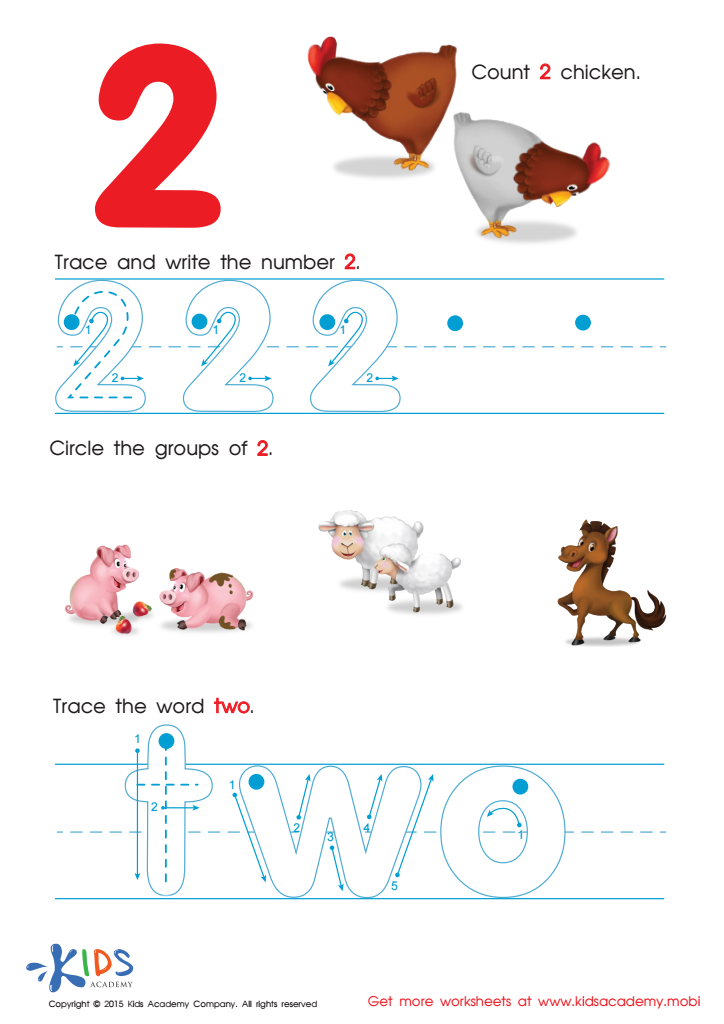
Learn to Write the Number 2 Worksheet
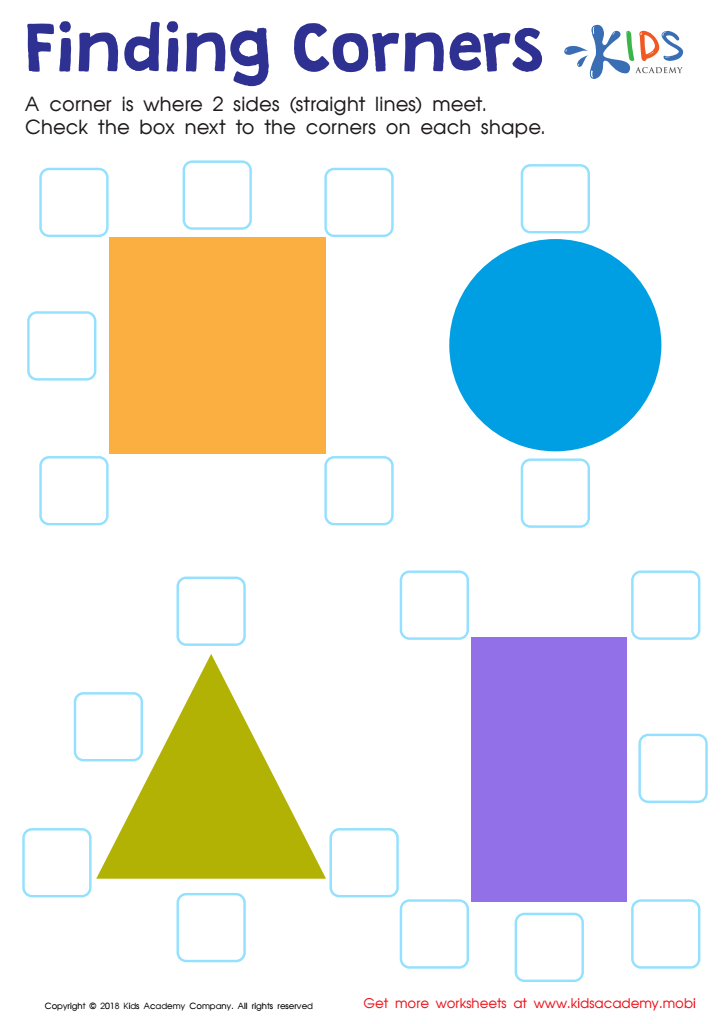
Finding Corners Worksheet

Ten in the Bed Worksheet
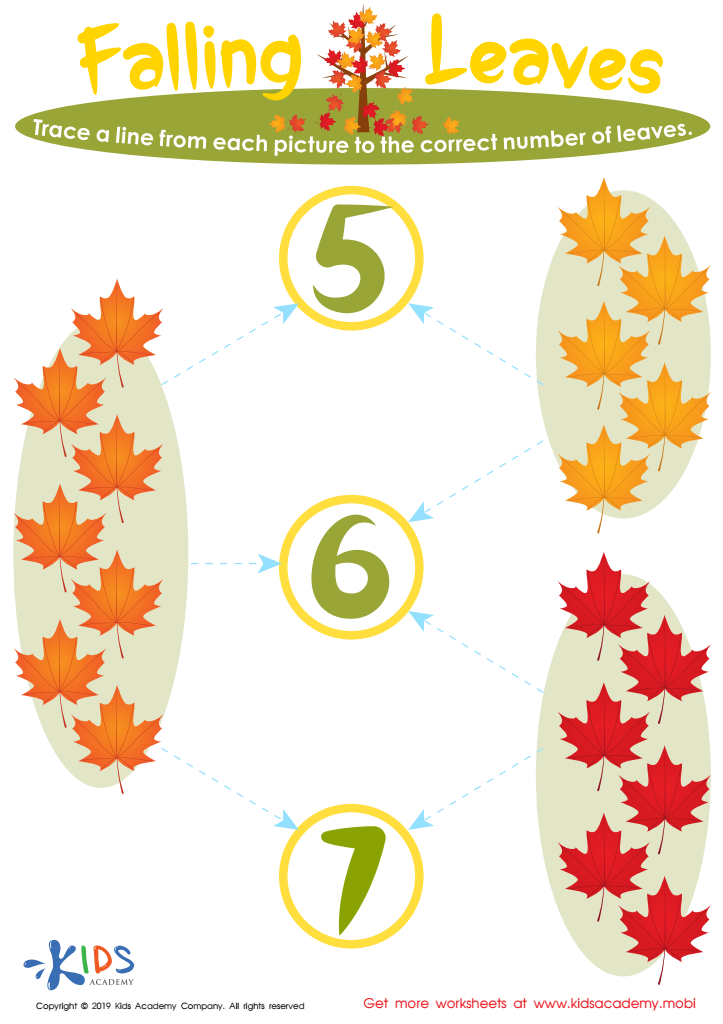
Falling Leaves Worksheet
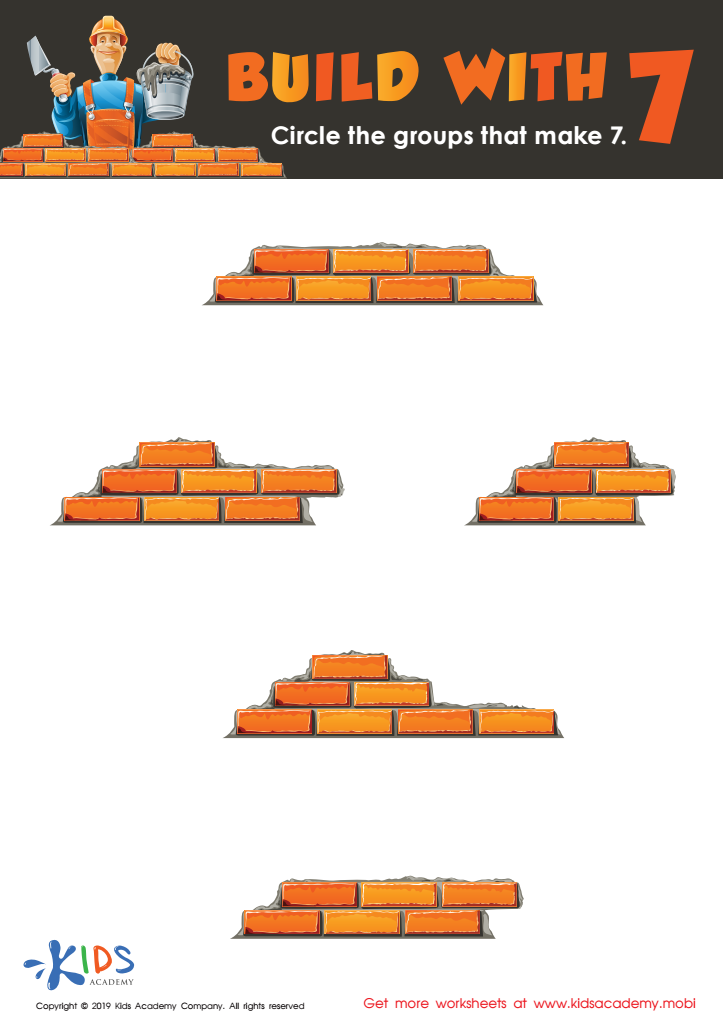
Build with 7 Worksheet

Count and Match Vegetables 1 – 5 Math Worksheet
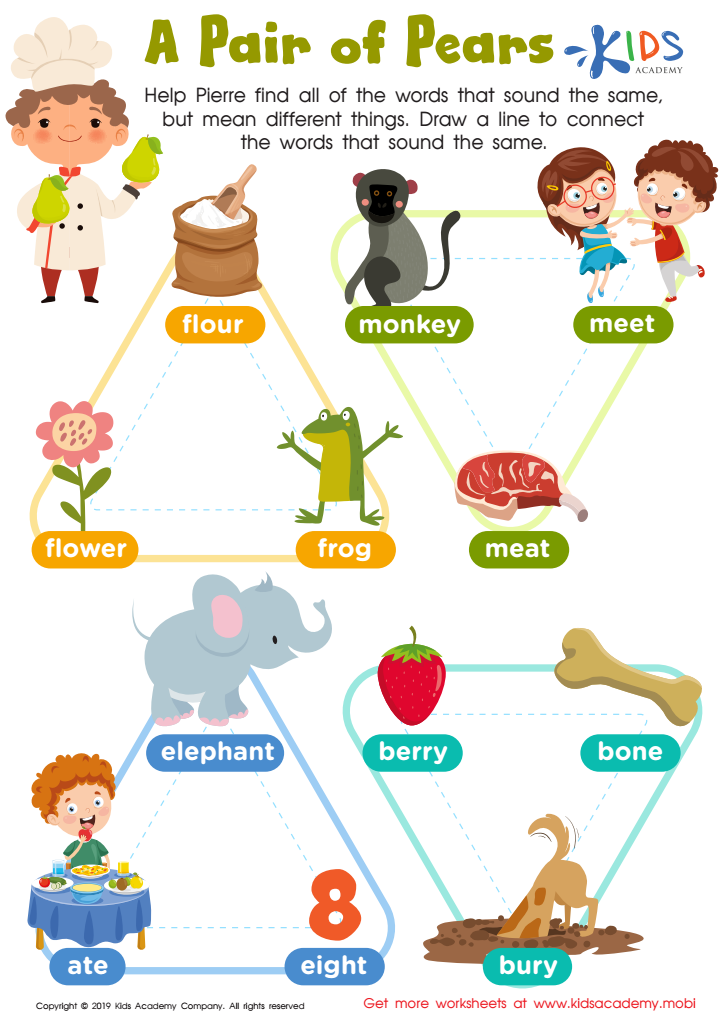
Pair Pears Worksheet
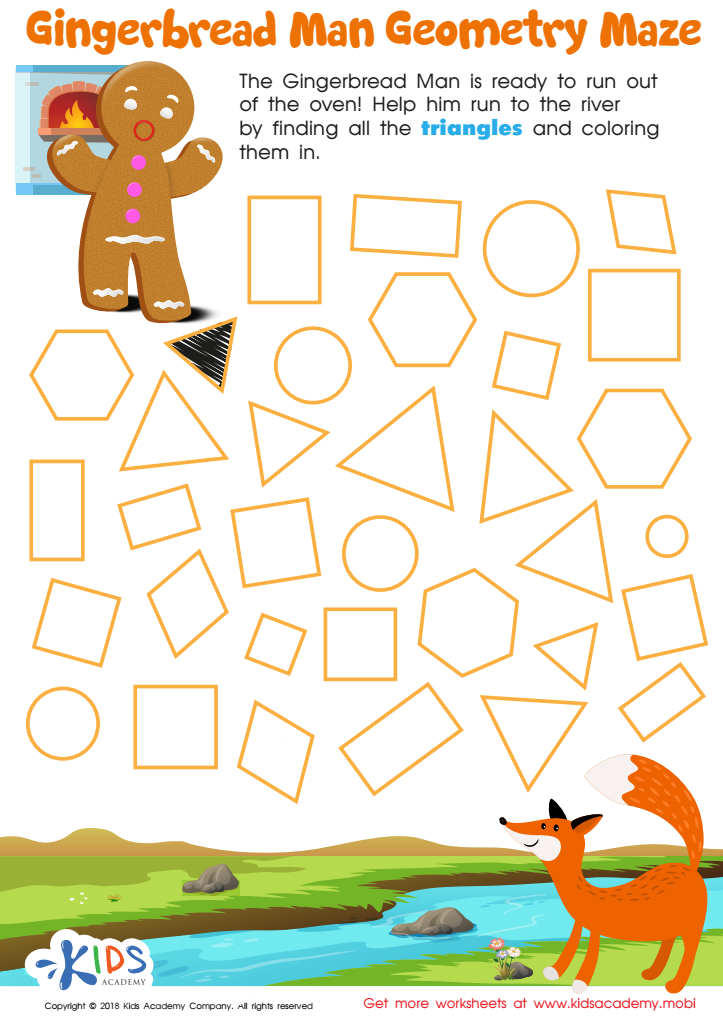
Gingerbread Man Geometry Maze Worksheet
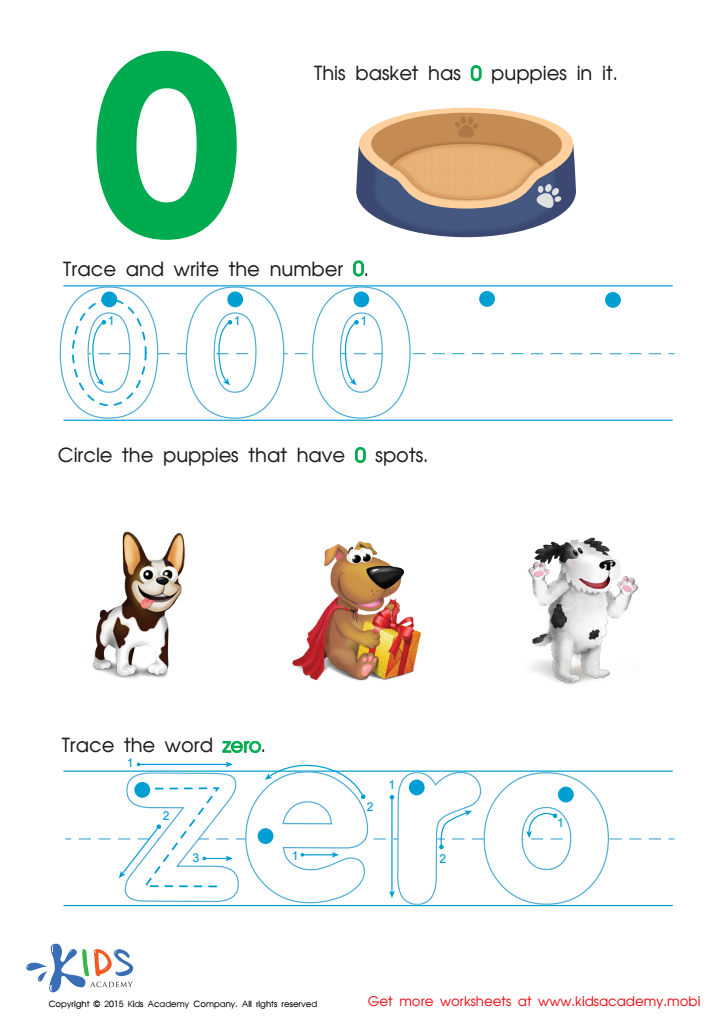
Trace And Write Number 0 Worksheet
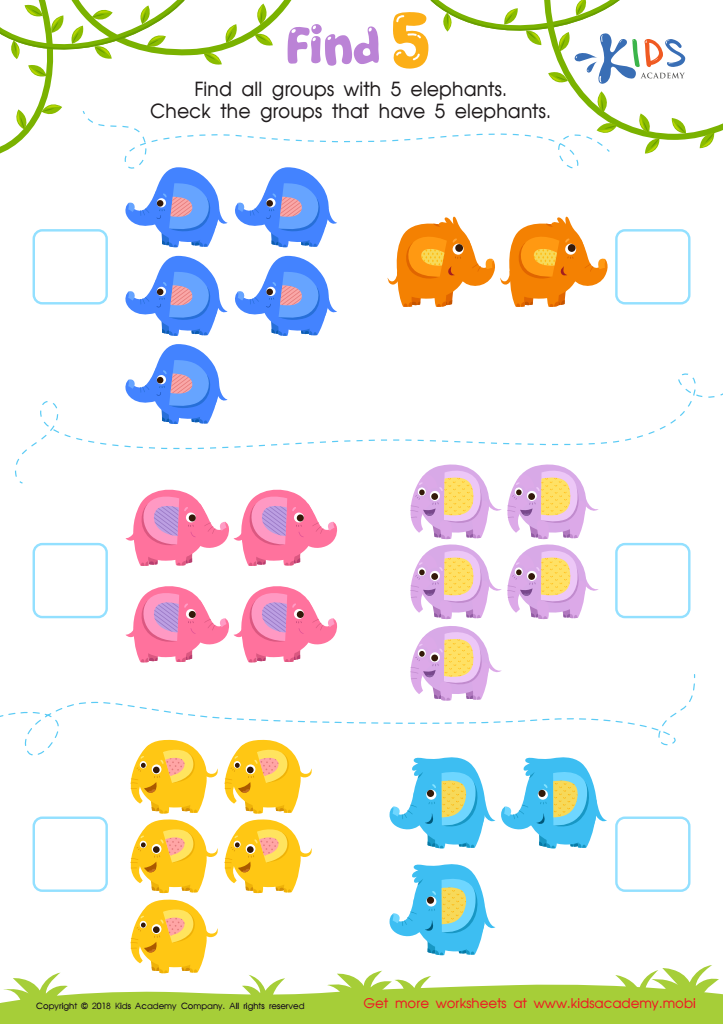
Find 5 Worksheet







Counting skills are foundational for children's cognitive development, particularly for those aged 3 to 4. During these early years, children begin to grasp the concepts of numbers, quantity, and comparison, which are essential for future mathematical understanding. Educators and parents should prioritize counting skills because they directly influence problem-solving abilities and logical reasoning.
At this age, children are naturally curious and actively exploring their environment. Engaging them in counting activities—such as counting toys, snacks, or steps—promotes language development and enhances their ability to make connections. For example, when a child counts objects, they not only learn numerical concepts but also improve their listening and speaking skills as they verbalize numbers.
Furthermore, children who develop strong counting skills early on tend to have a heightened confidence in math later in school. This early engagement creates a positive attitude towards learning and lays the groundwork for complex subjects like addition, subtraction, and other math fundamentals. An emphasis on counting thus supports not only academic achievement but also overall cognitive growth and social skills. Recognizing this significance helps parents and teachers create enriching, interactive learning experiences to bolster these important skills.








