Logical Reasoning Normal Worksheets for Ages 3-5
15 filtered results
-
From - To
Welcome to our collection of Logical Reasoning Normal Worksheets for Ages 3-5! Designed to boost your child's cognitive development, these engaging worksheets foster critical thinking and problem-solving skills. Tailored for young learners, they feature fun activities like pattern recognition, basic classifications, and simple puzzles that stimulate curiosity and encourage exploration. Each worksheet is age-appropriate and visually appealing to keep children motivated while learning. Perfect for parents and educators, these resources create a solid foundation for future learning. Help your little ones develop essential logical reasoning skills that will support their academic journey! Download and start your child's adventure in logical thinking today!
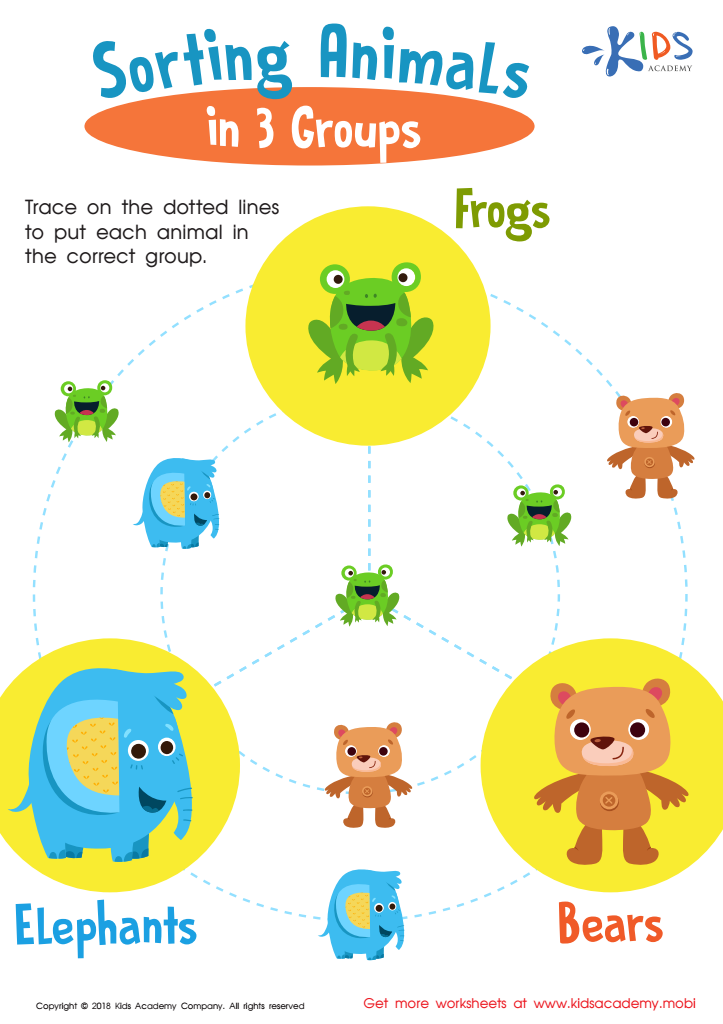
Sorting Animals in 3 Groups Worksheet
 Assign to My Students
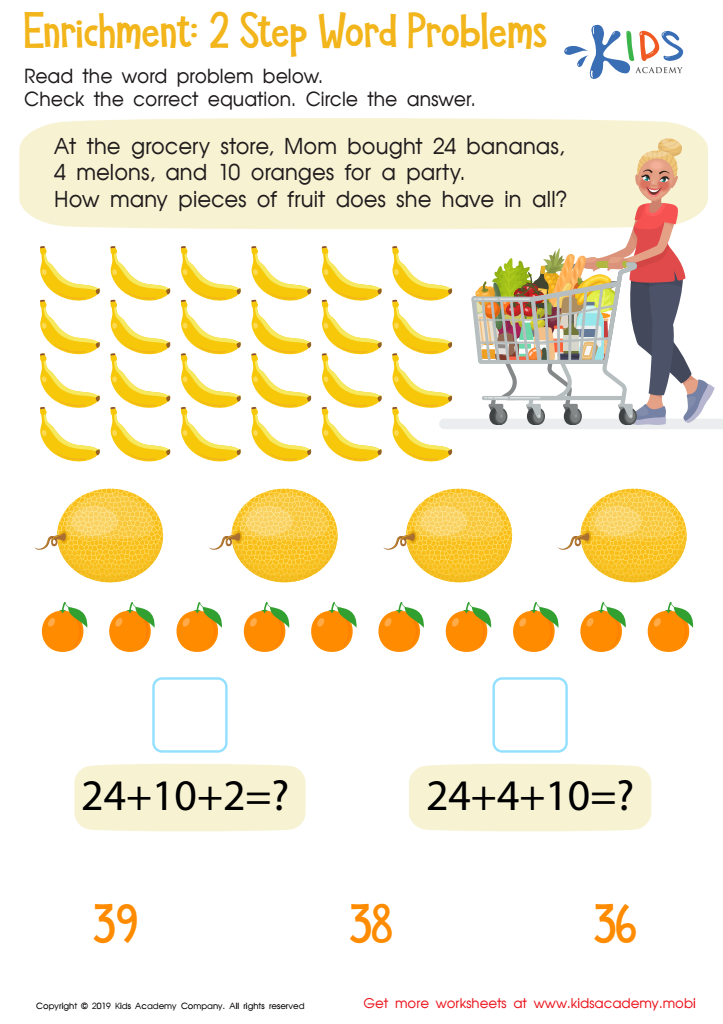
Enrichment -2 Step Word Problems Worksheet
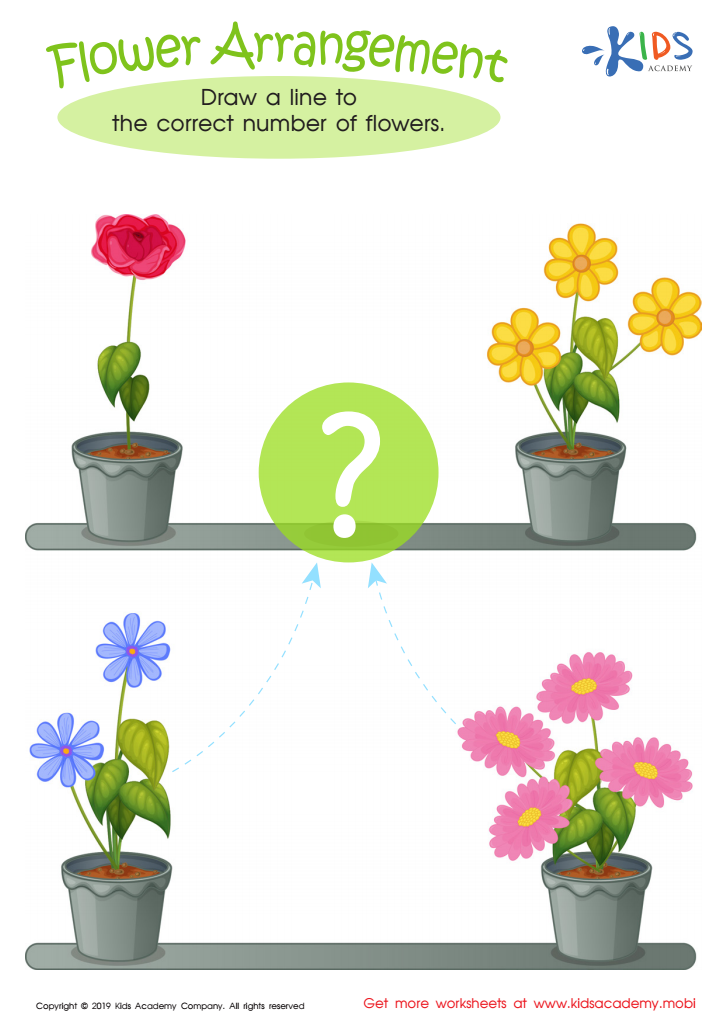
Flower Arrangement Worksheet
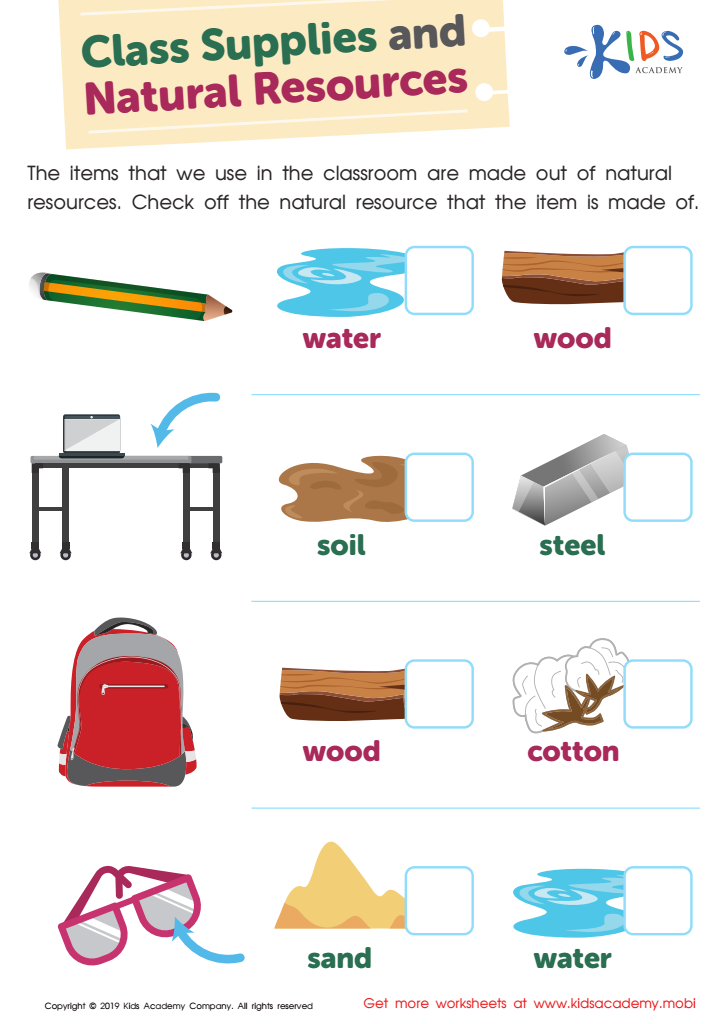
Class Supplies and Natural Resources Worksheet
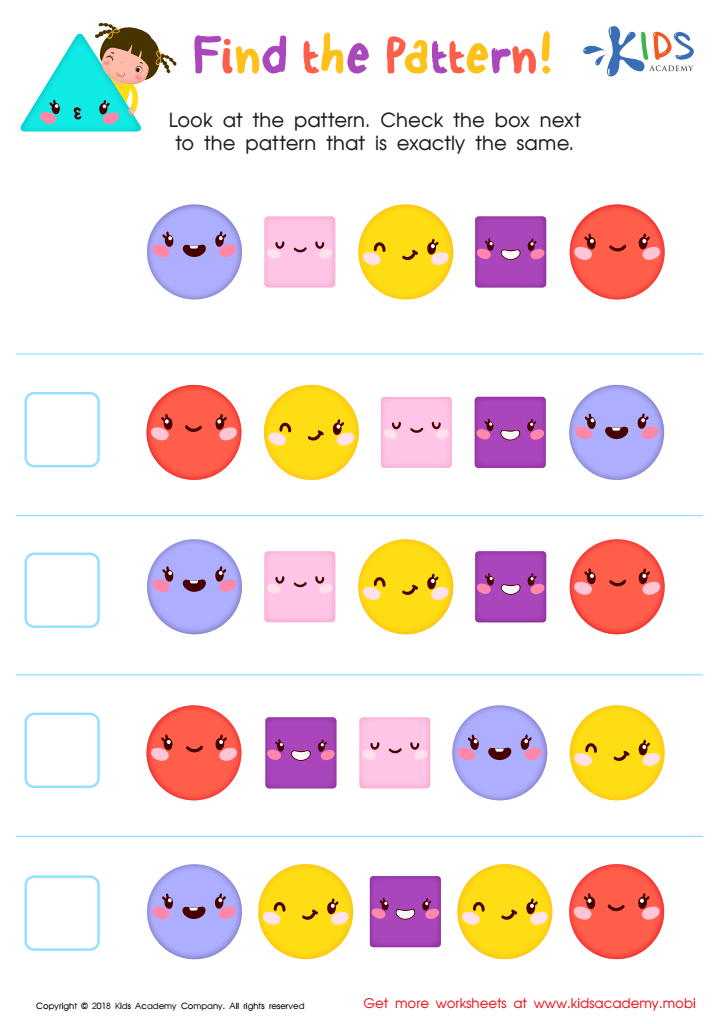
Find the Pattern Worksheet
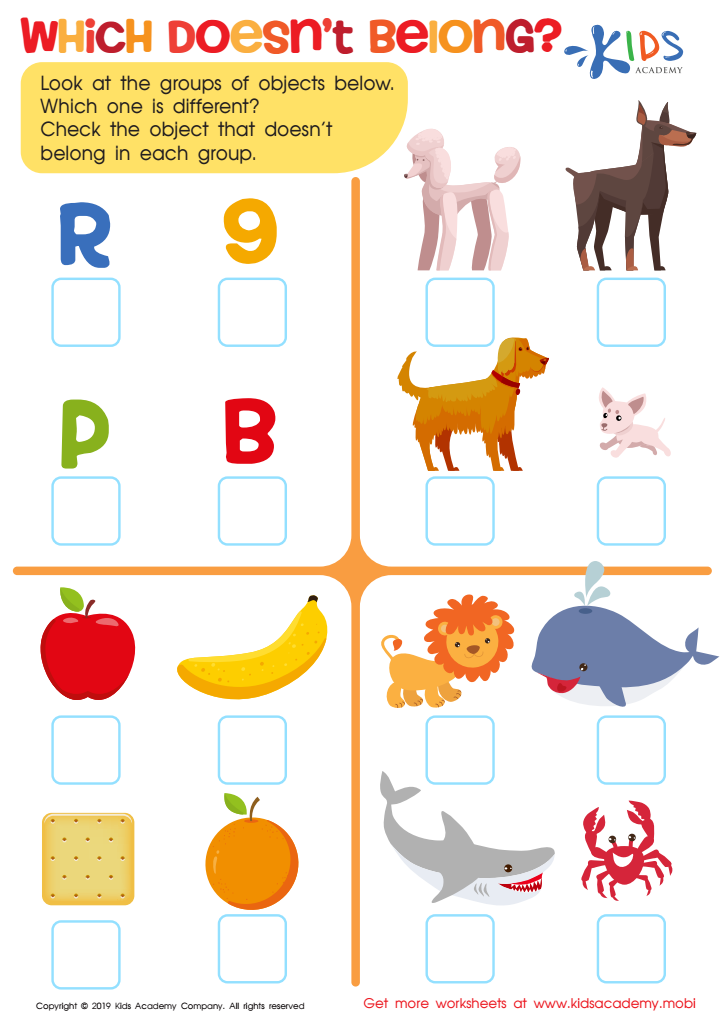
Which Doesn't Belong? Worksheet
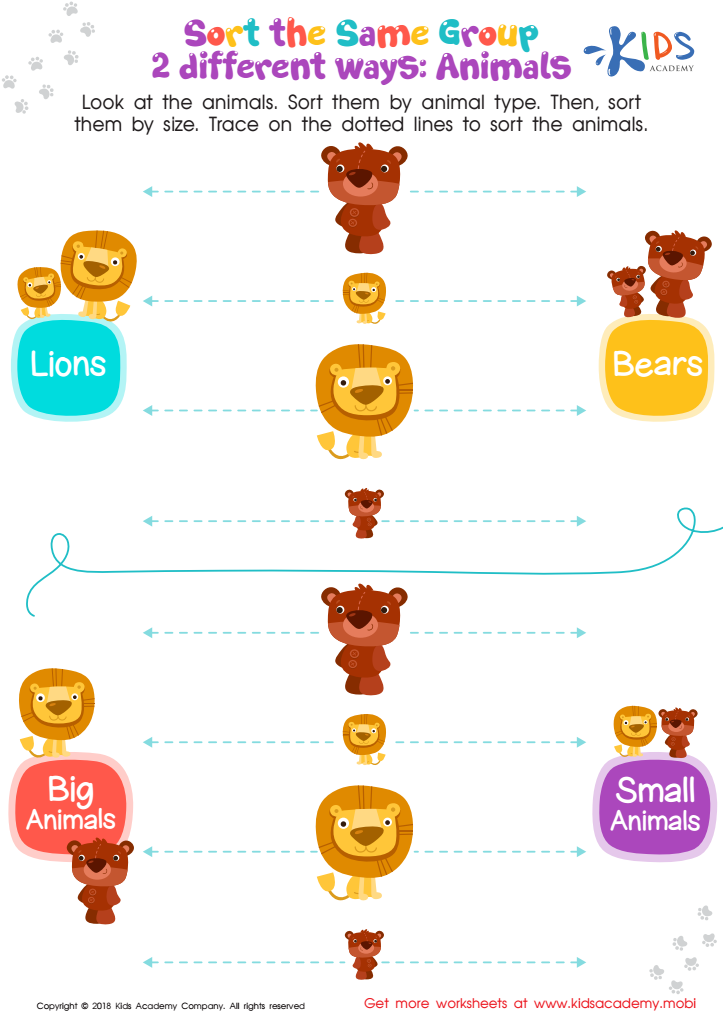
Sort the Same Group 2 Different Ways: Animals Worksheet
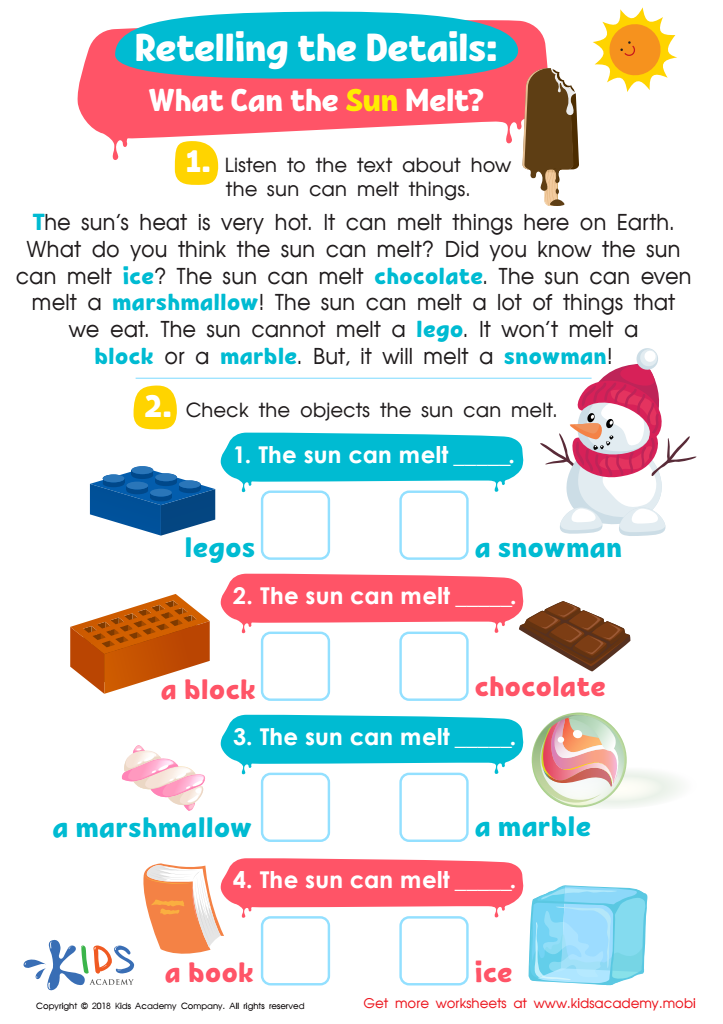
Retelling the Details: What Can the Sun Melt? Worksheet
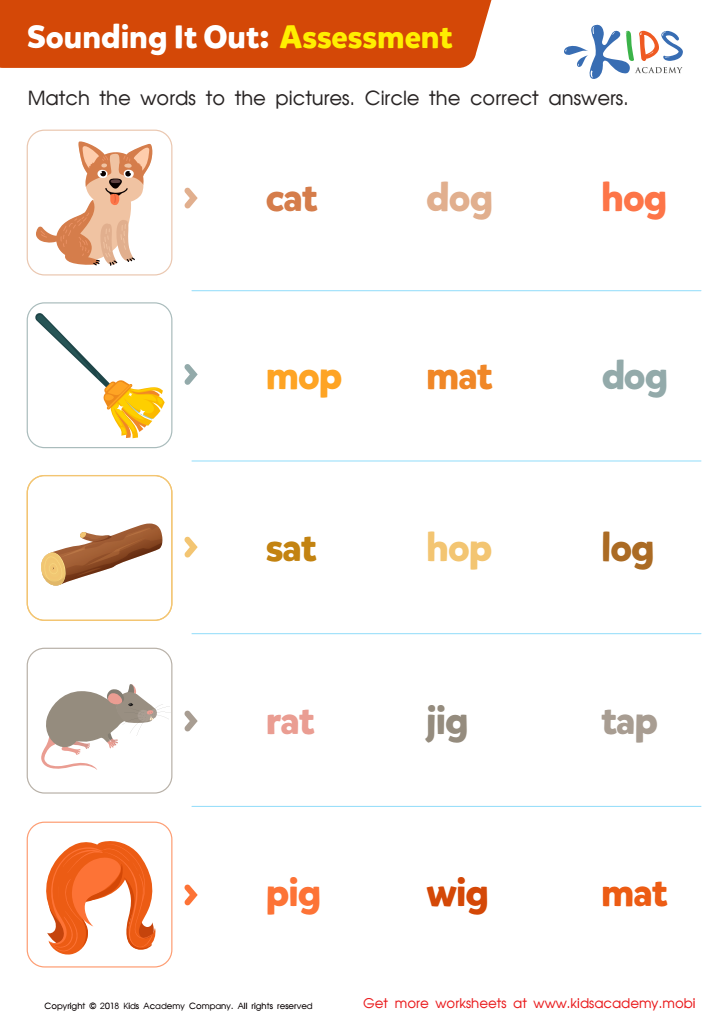
Sounding it Out: Assessment Worksheet
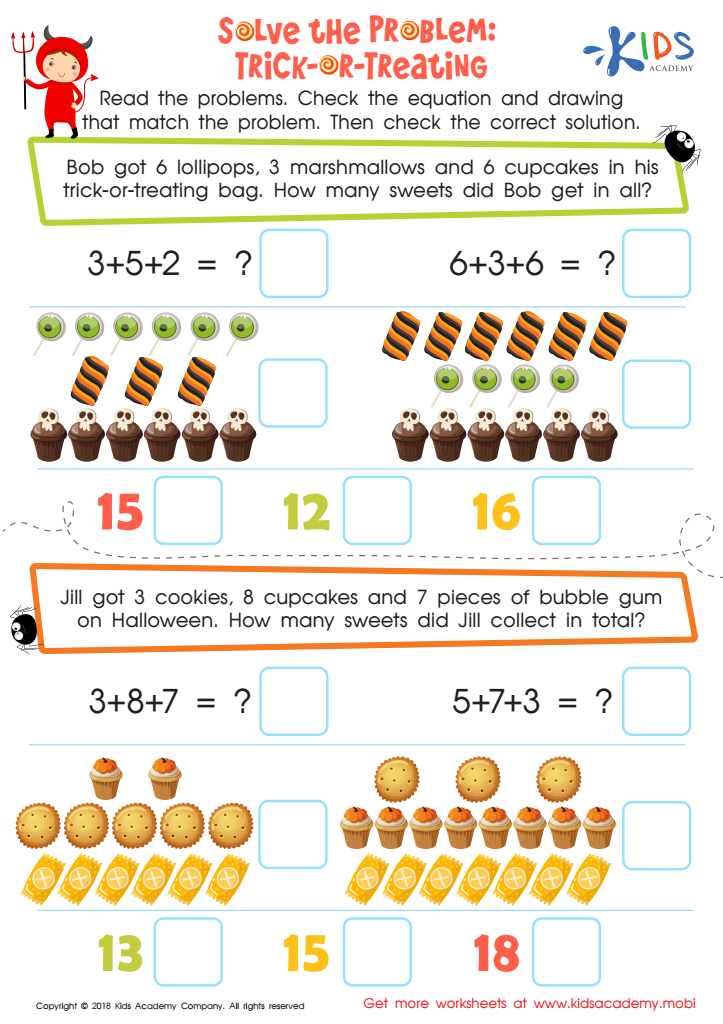
Solve the Problem: Trick–or–treating Worksheet
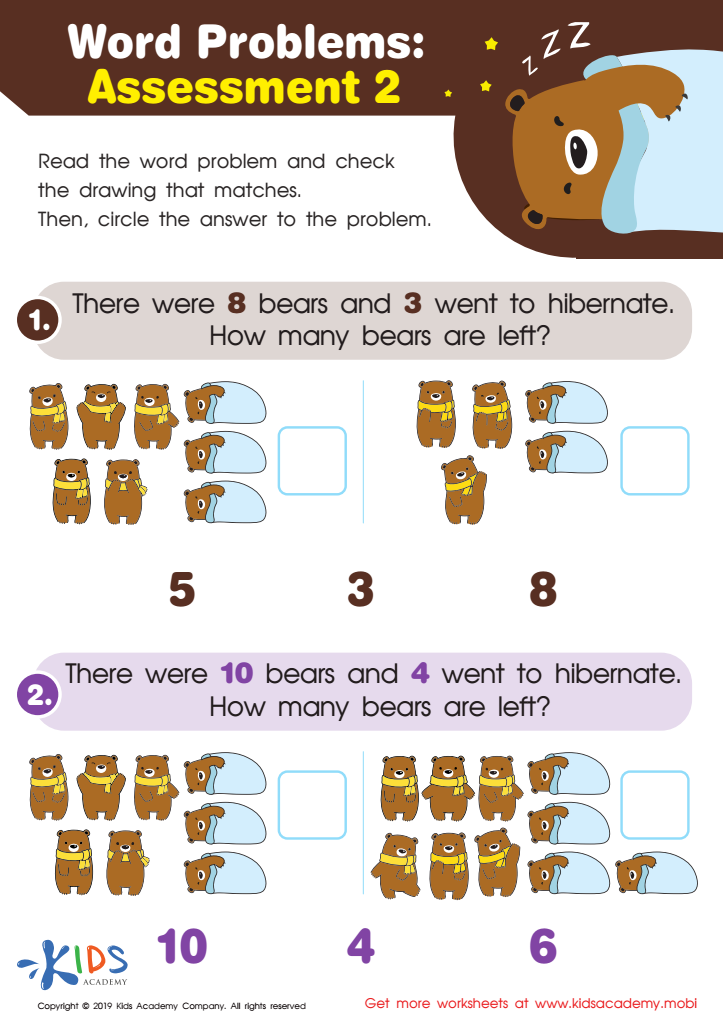
Word Problems: Assessment 2 Worksheet
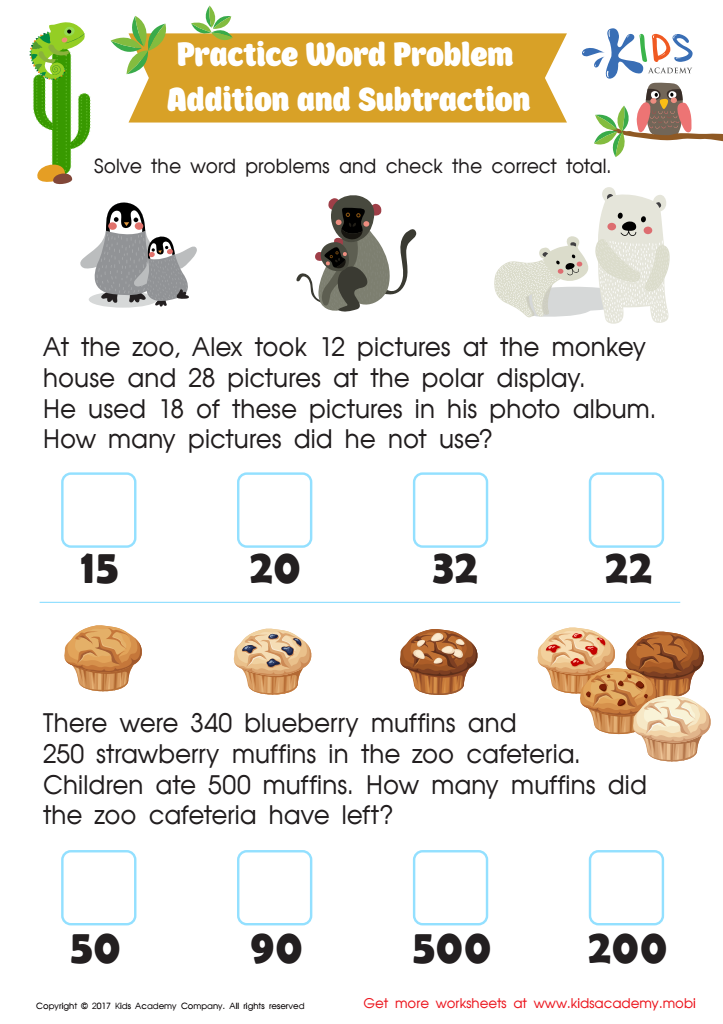
Addition and Subtraction: Word Problems Worksheet
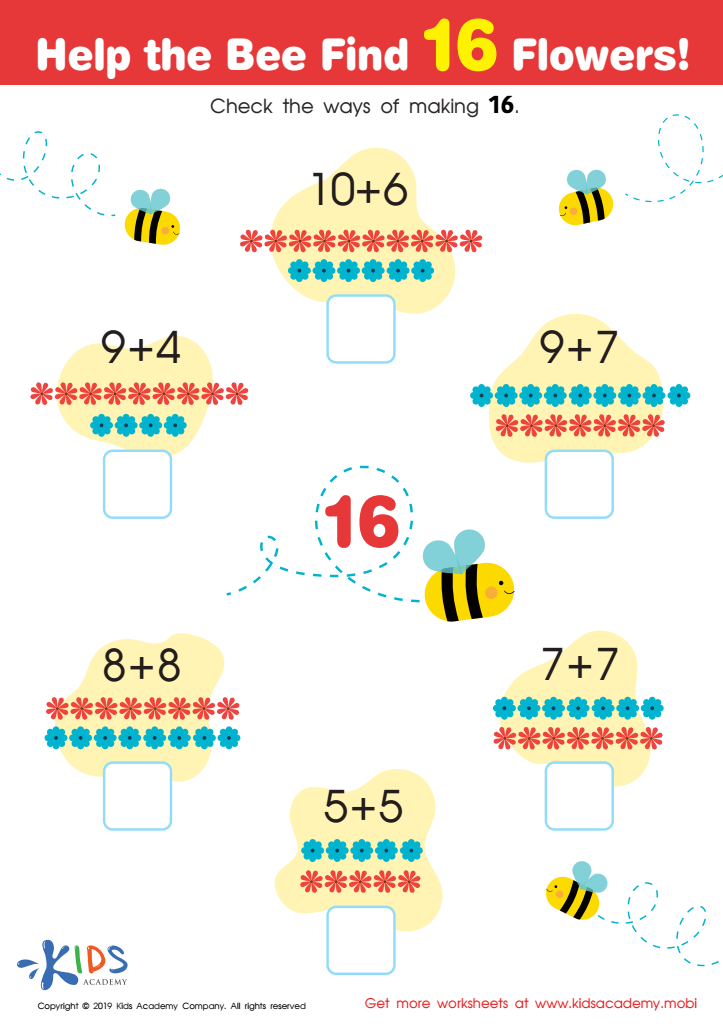
Help the Bee Find 16 Flowers Worksheet
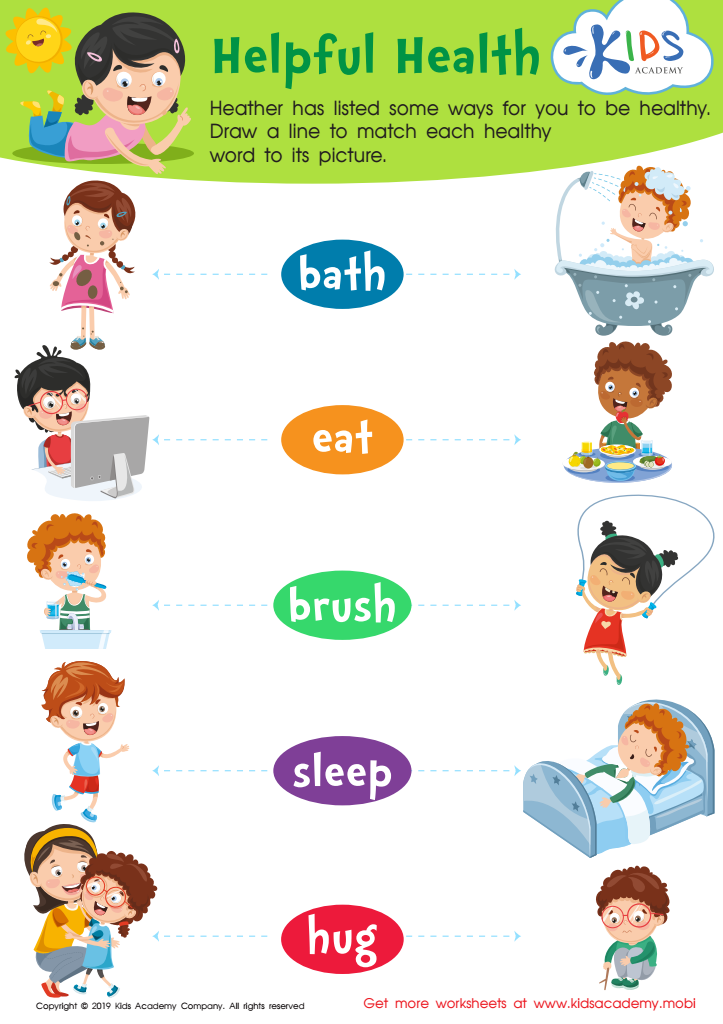
Helpful Health Worksheet




.jpg)



Logical reasoning is a fundamental cognitive skill that emerges in early childhood, particularly between the ages of 3 to 5. Parents and teachers should care about nurturing this skill during this critical developmental stage for several compelling reasons.
Firstly, logical reasoning fosters problem-solving abilities. By encouraging young children to engage in activities that require them to identify patterns, make predictions, and draw conclusions, caregivers set a solid foundation for analytical thinking. This helps children navigate everyday situations, from simple puzzles to more complex challenges as they grow.
Secondly, strong logical reasoning skills correlate with academic success. As children progress in their education, the ability to reason logically becomes crucial for understanding math, science, and language arts. Early experiences that stimulate logical thinking can lead to greater confidence and competence in these subjects.
Furthermore, logical reasoning aids in emotional and social development. Children learn to consider different perspectives, understand consequences, and develop empathy, which enhances their interactions with peers.
Investing time in activities that promote logical reasoning, such as storytelling, problem-solving games, and interactive play, supports holistic development, preparing children for lifelong learning and success in diverse aspects of life. Therefore, parents and teachers should prioritize fostering logical reasoning in young learners.








