Addition Practice Normal Worksheets for Ages 3-6
29 filtered results
-
From - To
Welcome to our Addition Practice Normal Worksheets for ages 3-6! Our engaging worksheets are designed to help young learners build a solid foundation in addition skills through fun and interactive activities. Tailored for early childhood education, these worksheets feature colorful illustrations and easy-to-follow exercises that make learning enjoyable. Children will explore basic addition concepts using simple problems, counting objects, and completing visual tasks to strengthen their math confidence. Ideal for both classroom settings and home practice, our resources ensure that kids develop a love for math from a young age. Start your child's addition journey today with our collection of worksheets!
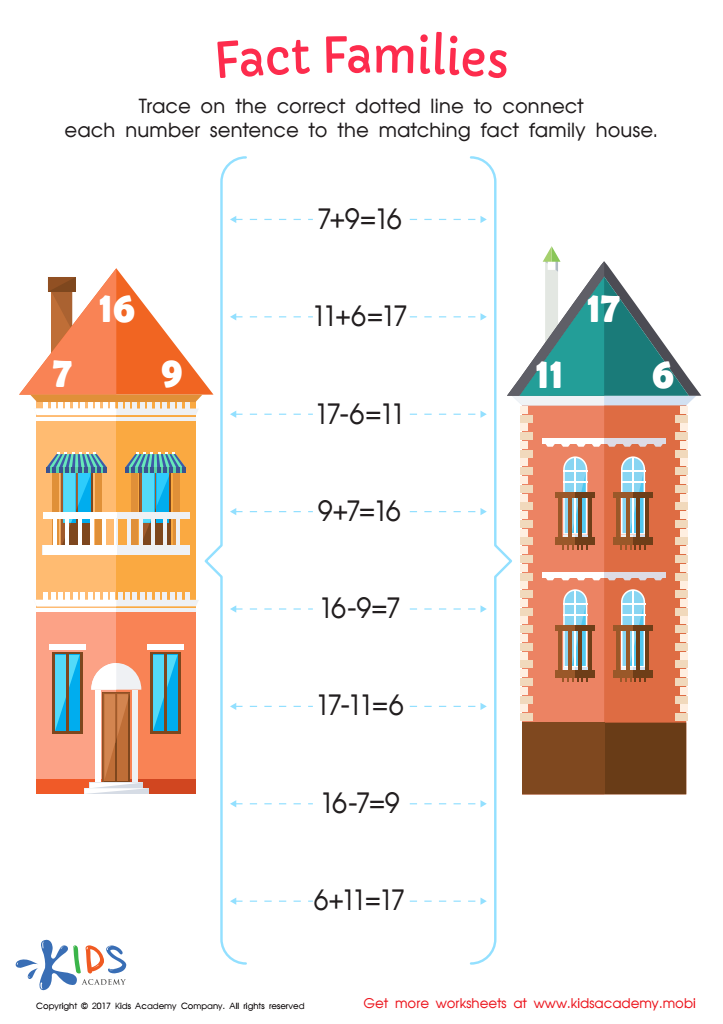
Fact Families — Add and Subtract Worksheet
 Assign to My Students
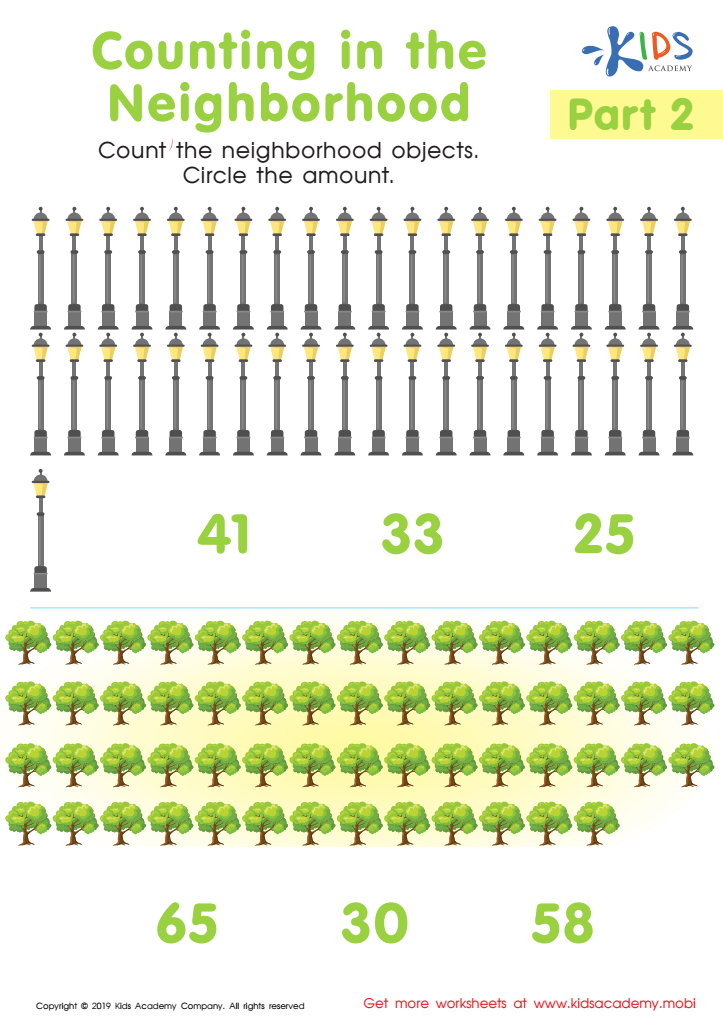
Counting In The Neighborhood Part 2 Worksheet
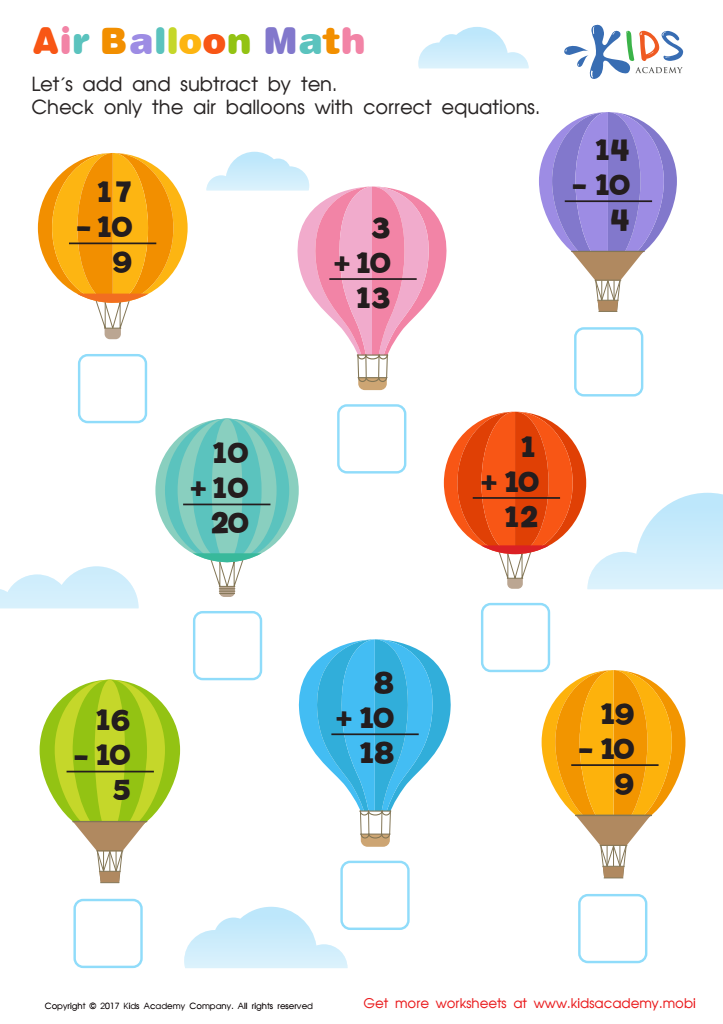
Air Balloon Math Worksheet
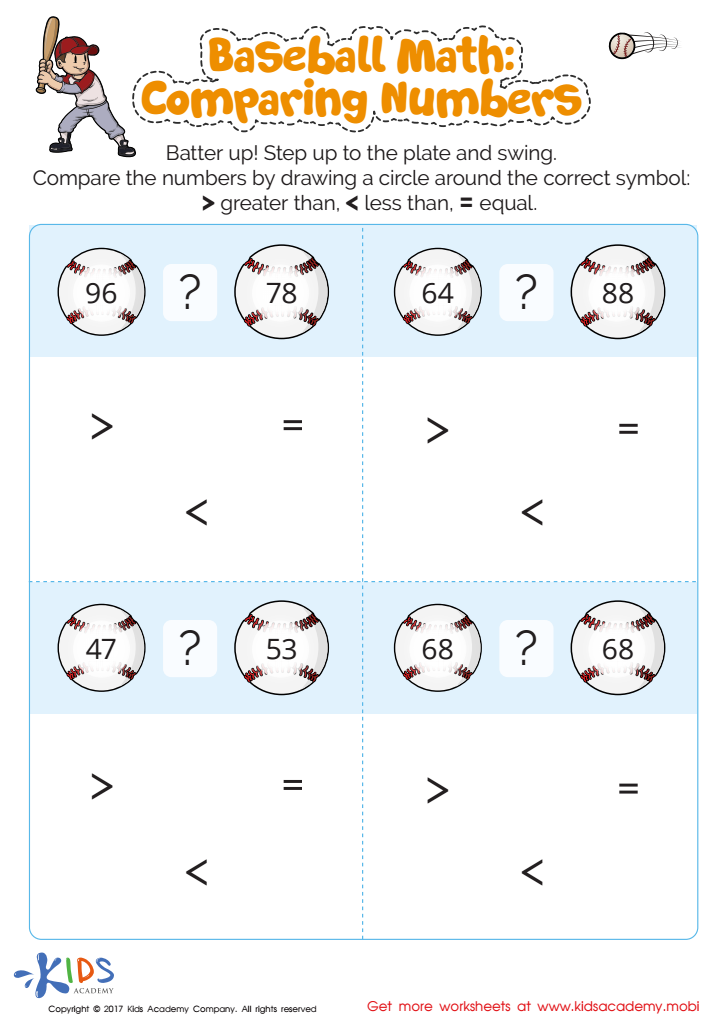
Compare Numbers Printable
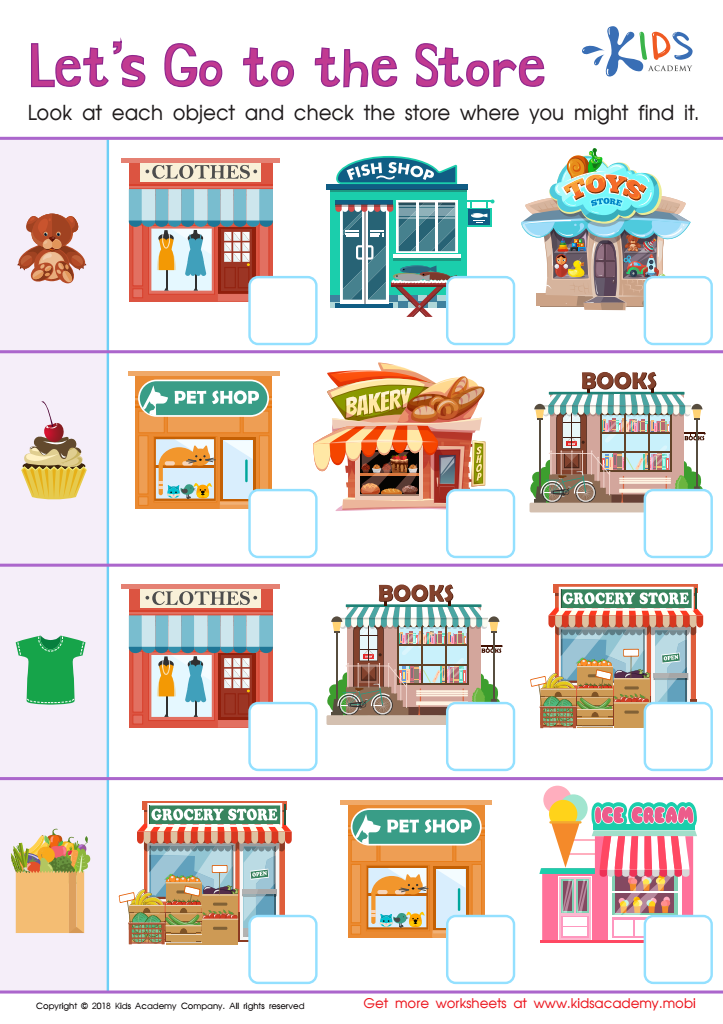
Let's Go to the Store! Worksheet
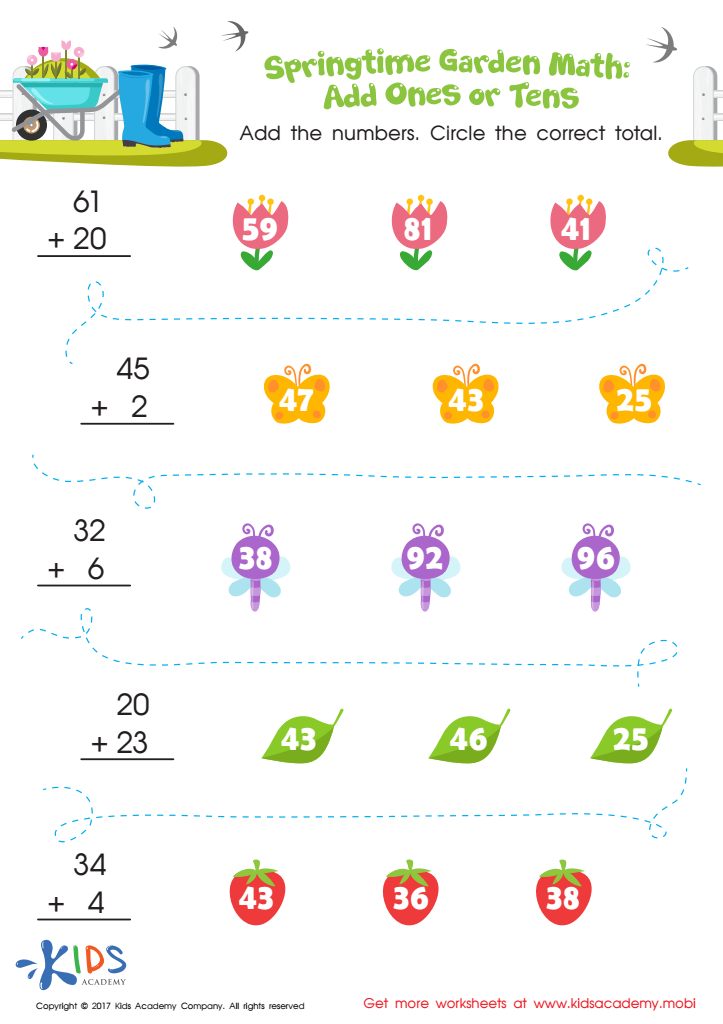
Springtime Garden Math Worksheet
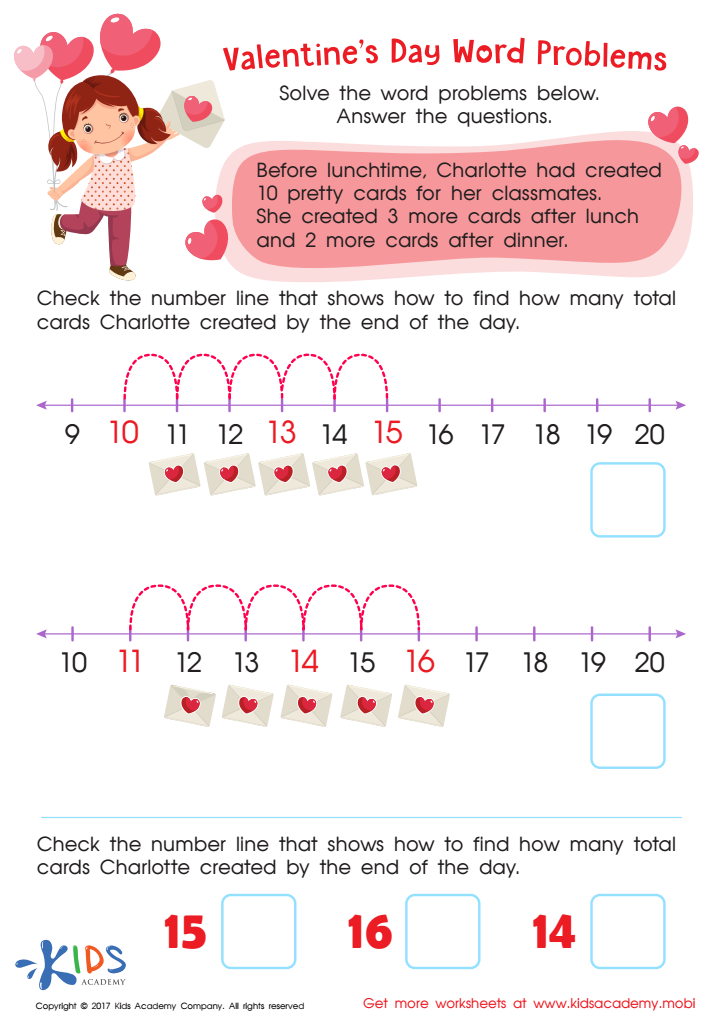
Valentines Day Word Problem Worksheet
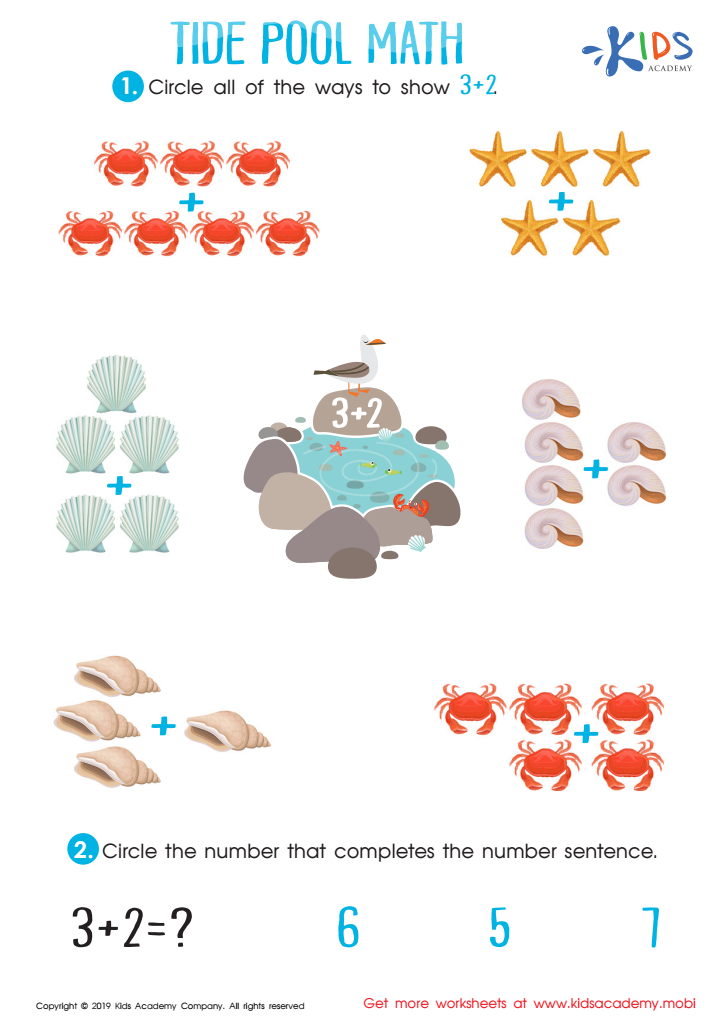
Tide Pool Math Worksheet
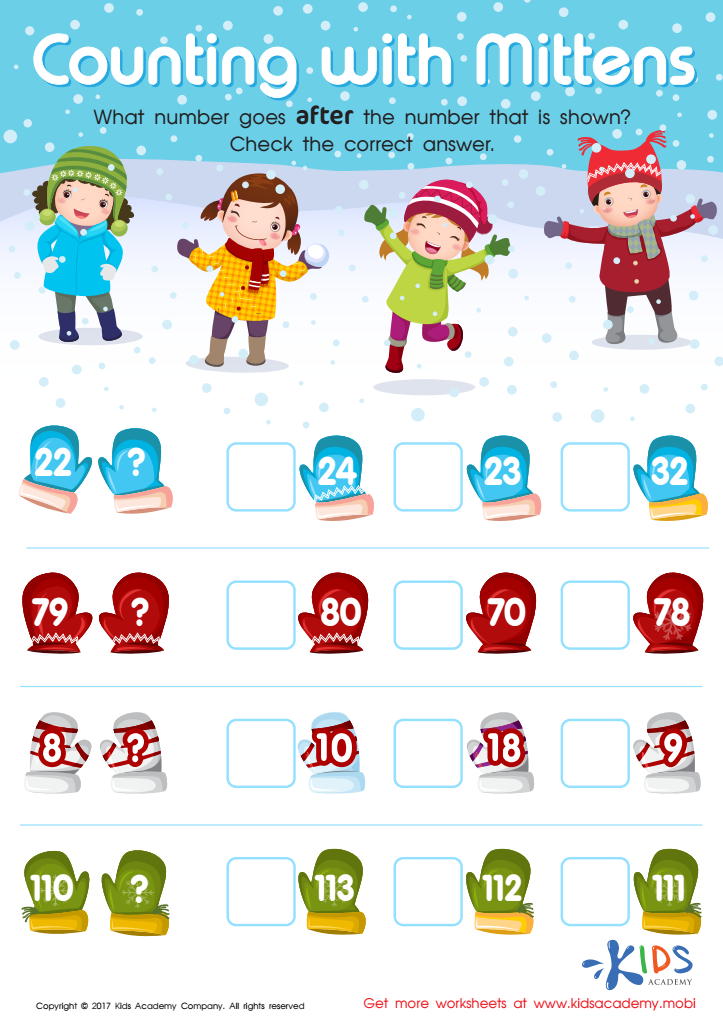
Counting with Mittens Worksheet
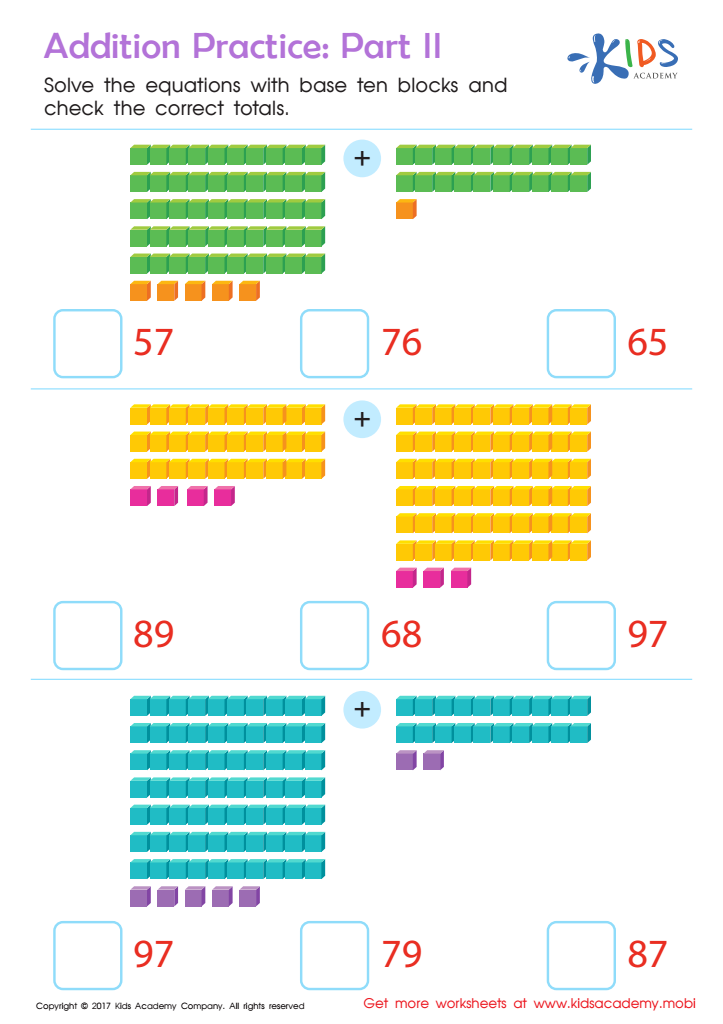
Addition Practice Sheet: Part 2
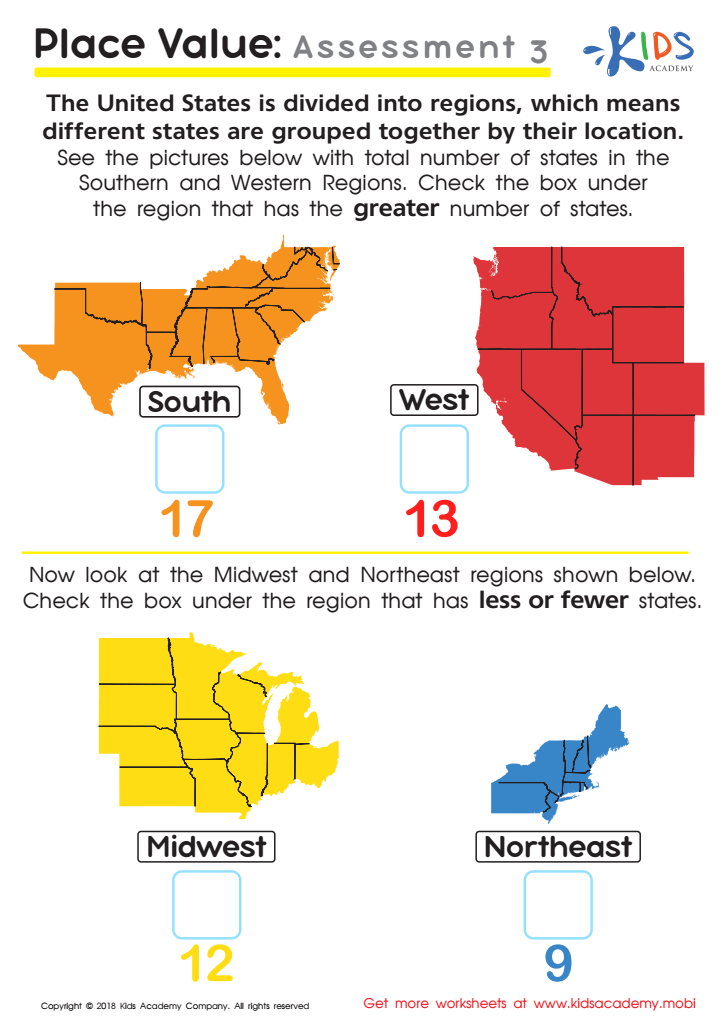
Place Value: Assessment 3 Worksheet
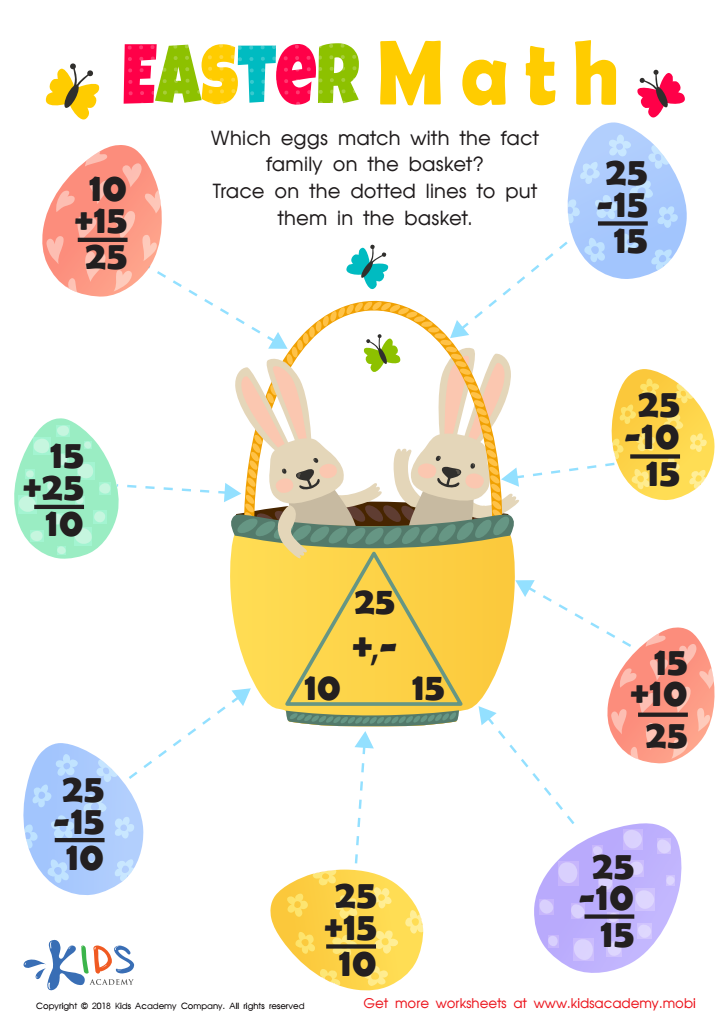
Fact Families: Easter Math Worksheet
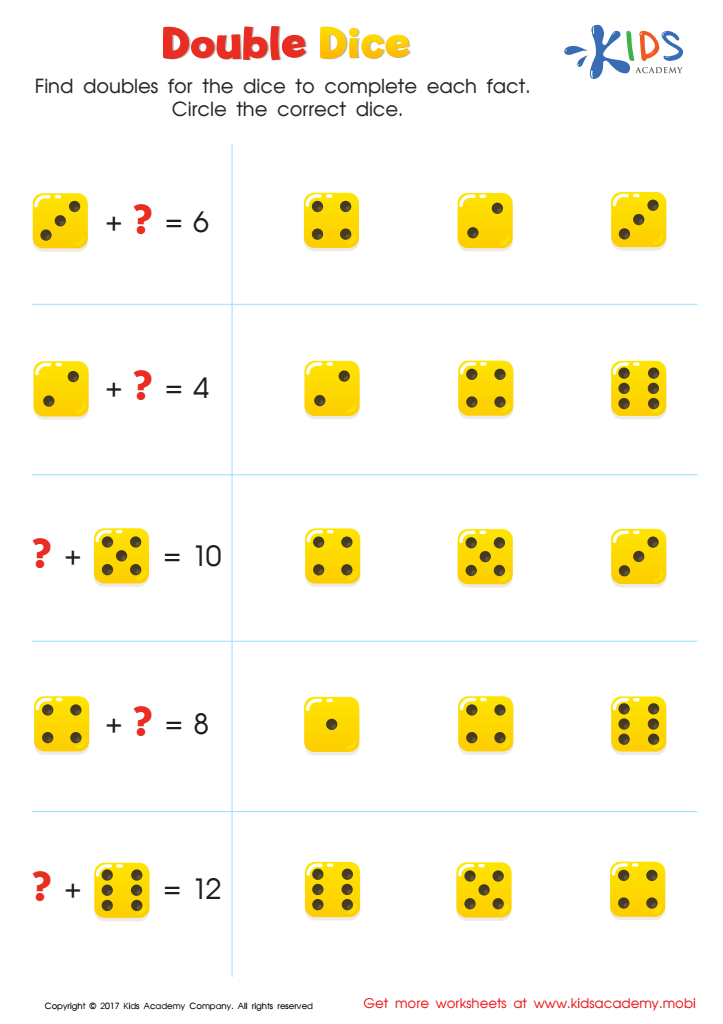
Addition Facts: Double Dice Worksheet
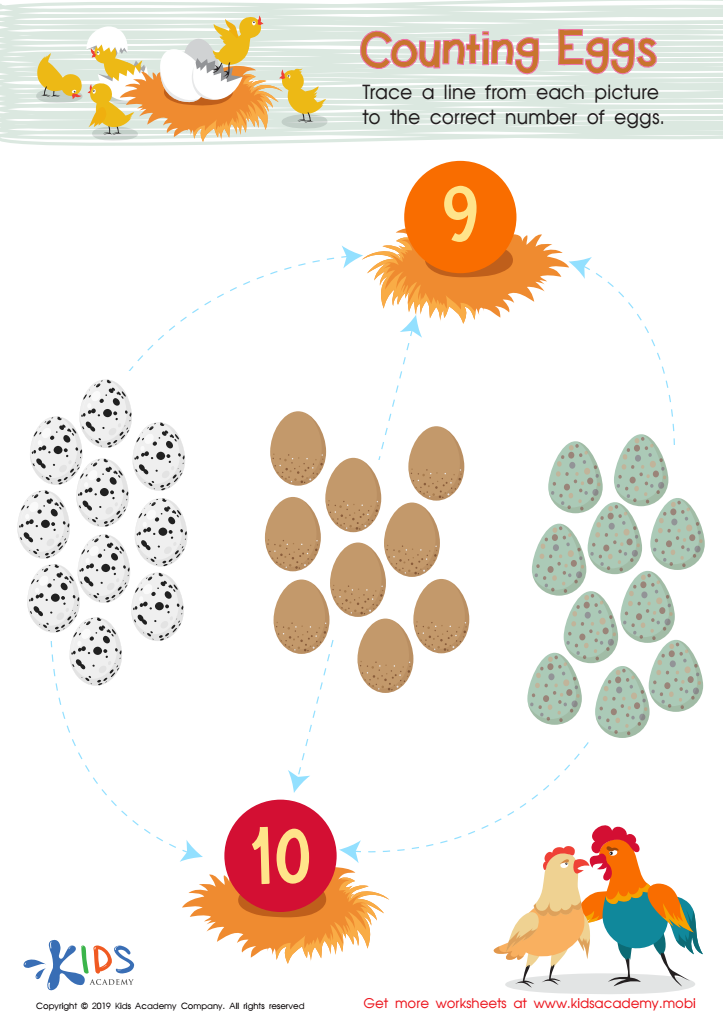
Counting Eggs Worksheet
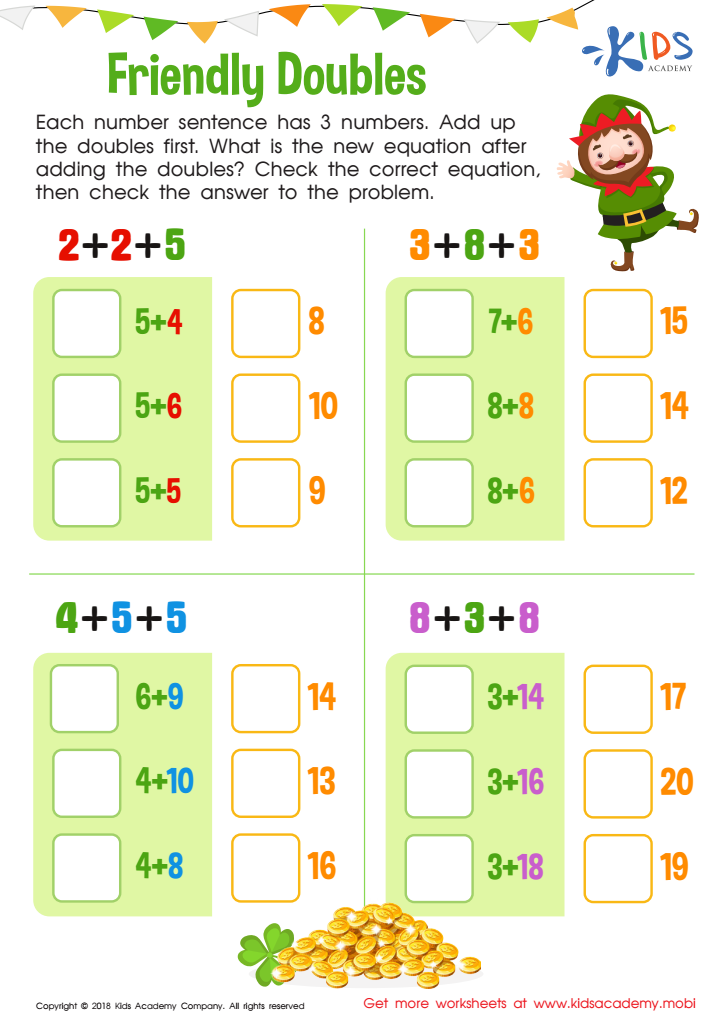
Friendly Doubles Worksheet
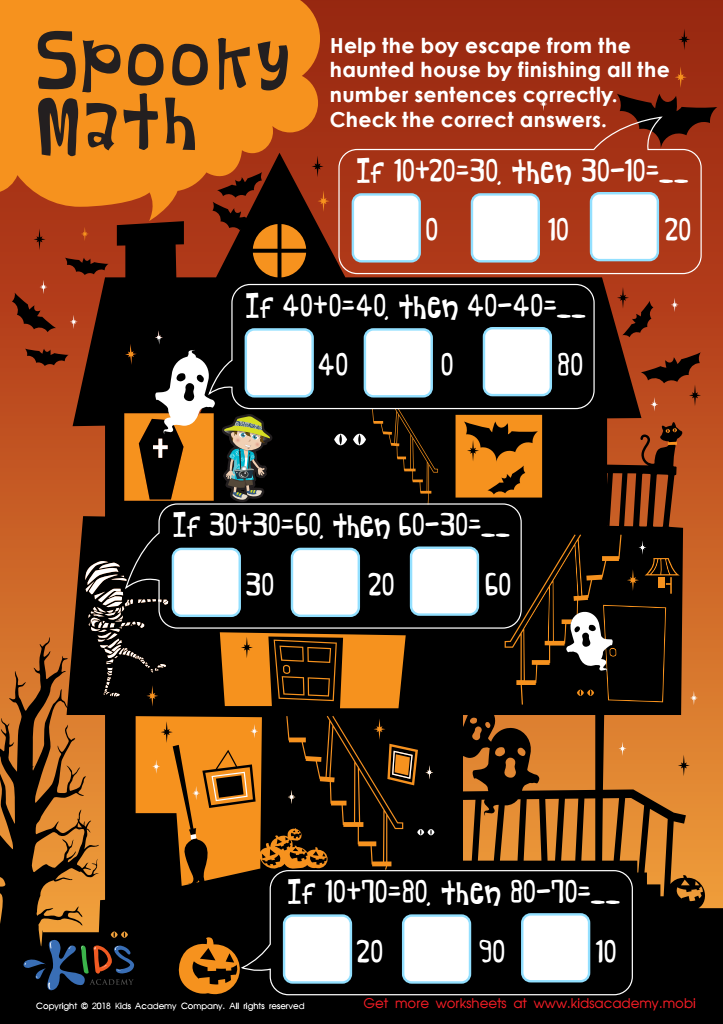
Subtract Tens: Spooky Math Worksheet
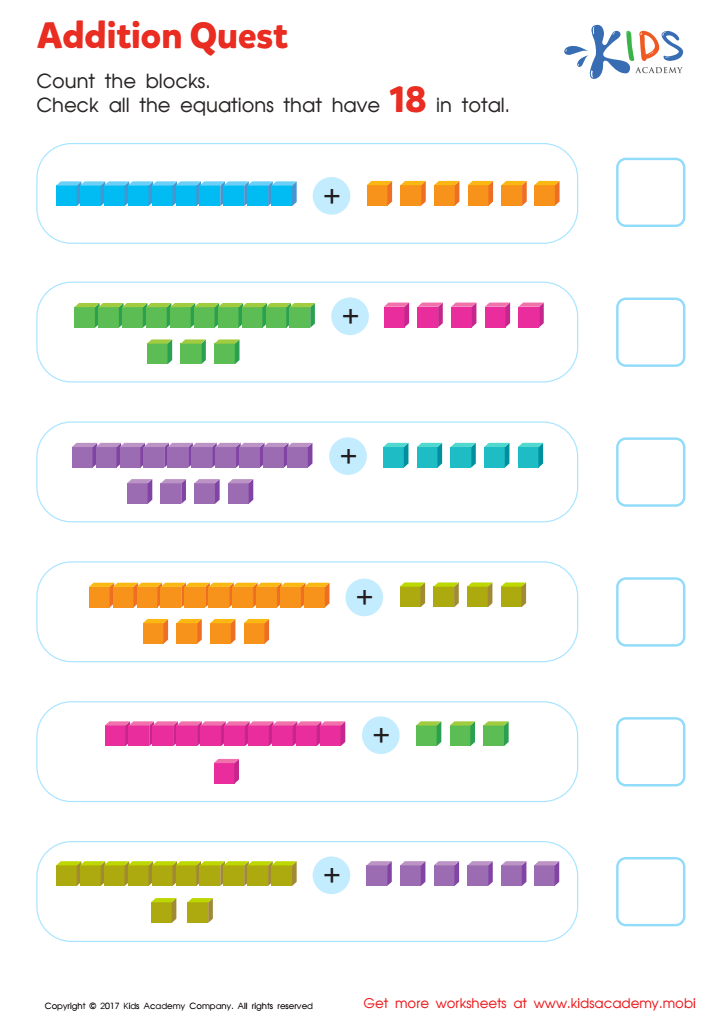
Addition Quest Worksheet: Part 2
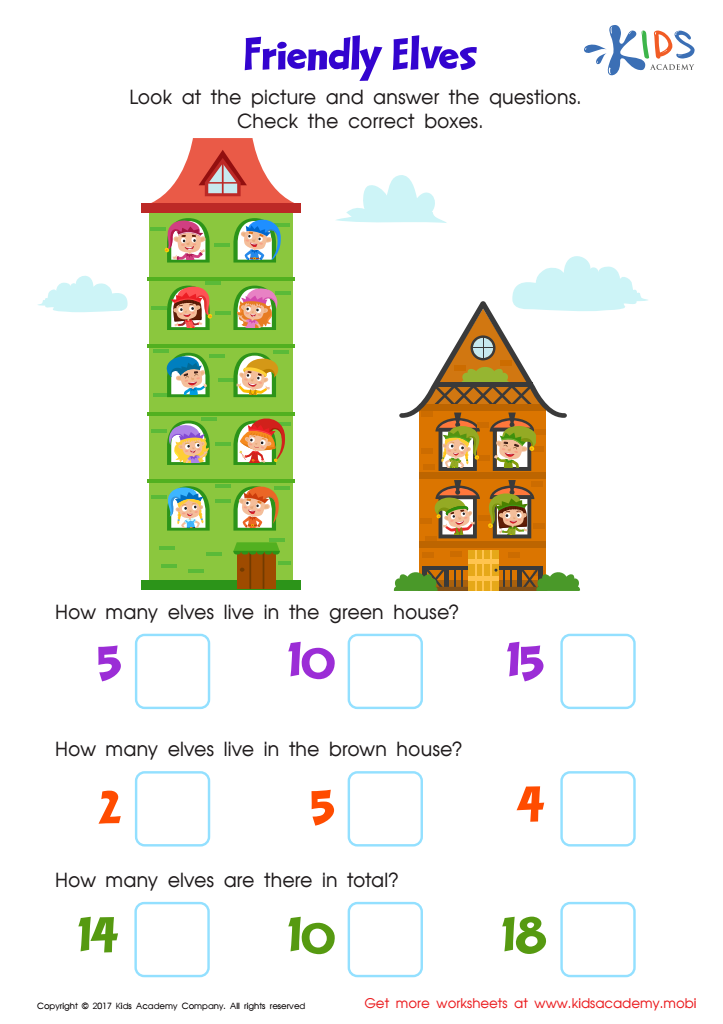
Place Value: Friendly Elves Worksheet
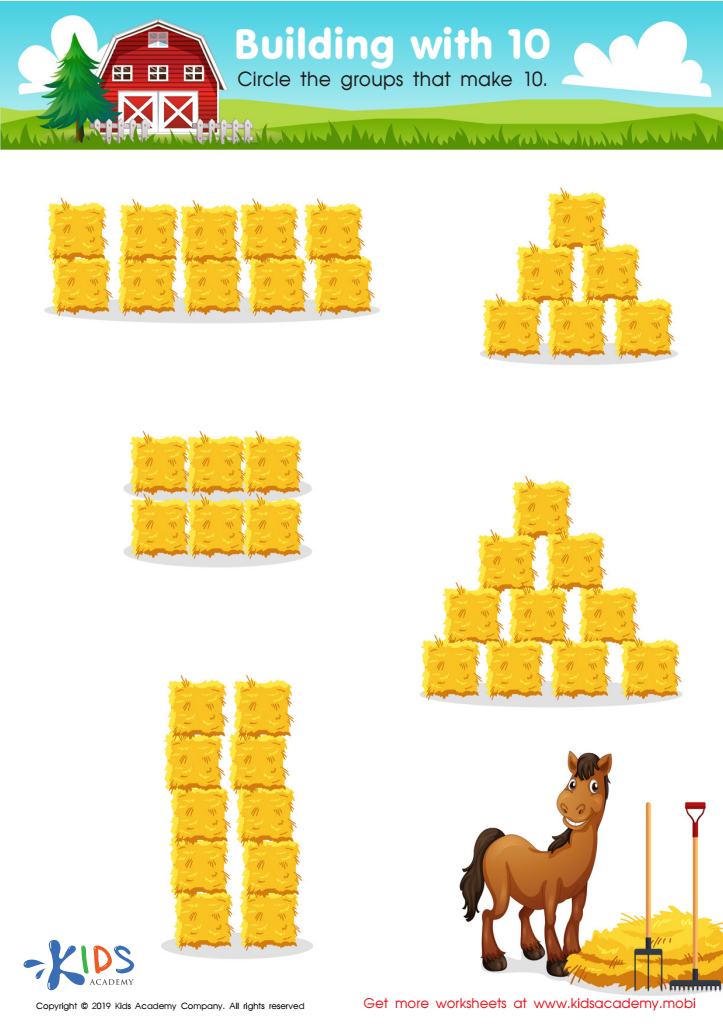
Building with 10 Worksheet
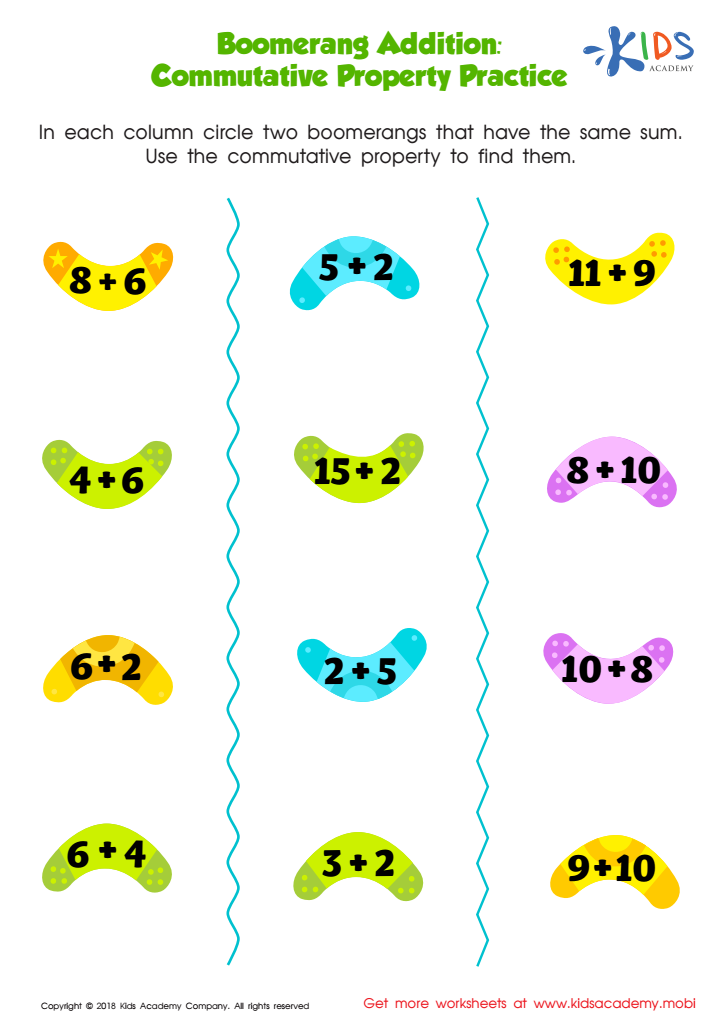
Boomerang Addition Worksheet
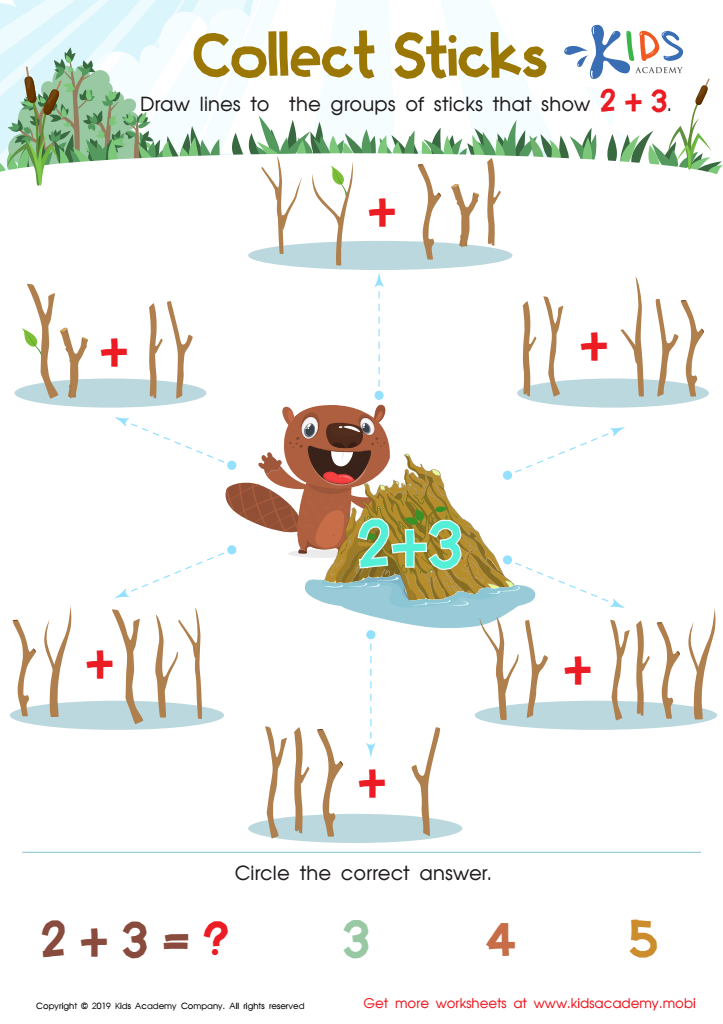
Collect Sticks Worksheet
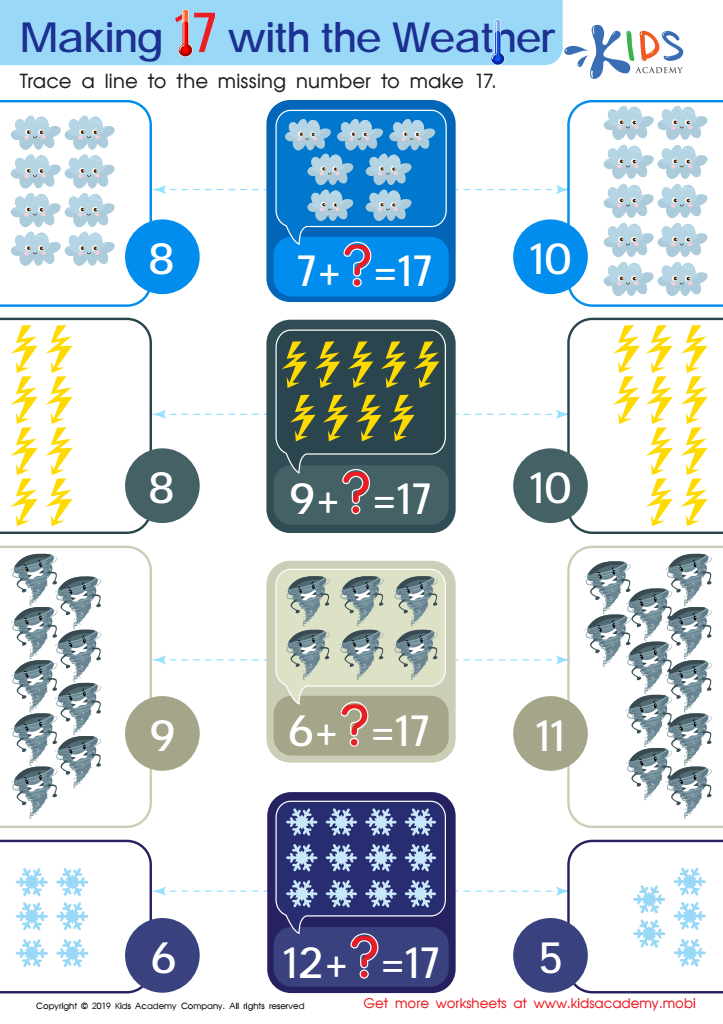
Making 17 with the Weather Worksheet








Addition practice for children aged 3-6 is crucial for several reasons. First and foremost, it lays the foundation for future mathematical understanding. Early exposure to mathematical concepts, like addition, enhances cognitive development and promotes critical thinking skills. Engaging in simple addition activities helps children recognize patterns and relationships, giving them the tools needed to solve problems effectively.
Moreover, addition practice encourages number sense, which is the ability to understand and manipulate numbers. This foundational skill fosters confidence and a positive attitude towards mathematics. By allowing children to explore addition in a playful and relaxed environment, parents and teachers can reduce the anxiety often associated with math as they grow older.
Additionally, practicing addition helps develop fine motor skills through hands-on activities using manipulatives, such as blocks or counters. This kind of engagement not only supports their mathematical growth but also contributes to overall development.
Lastly, involving parents and teachers in the learning process creates a supportive atmosphere where children feel valued and interested in learning. Through collaborative practice, kids can experience learning as a fun adventure, reinforcing their natural curiosity and building strong relationships with their caregivers throughout their educational journey.








