Categorization skills Normal Matching Worksheets for Ages 3-6
6 filtered results
-
From - To
Explore our engaging Normal Matching Worksheets designed specifically for children ages 3-6, focusing on categorization skills. These worksheets help young learners enhance their ability to group and classify items based on shared attributes, fostering critical thinking and cognitive development. Fun, colorful visuals attract children's attention, encouraging them to participate actively in their learning process. Ideal for home or classroom use, these worksheets make categorization enjoyable and interactive, paving the way for successful foundational skills in mathematics. Let your little ones embark on a learning adventure that cultivates their understanding of similarities and differences while enjoying entertaining activities. Download today!
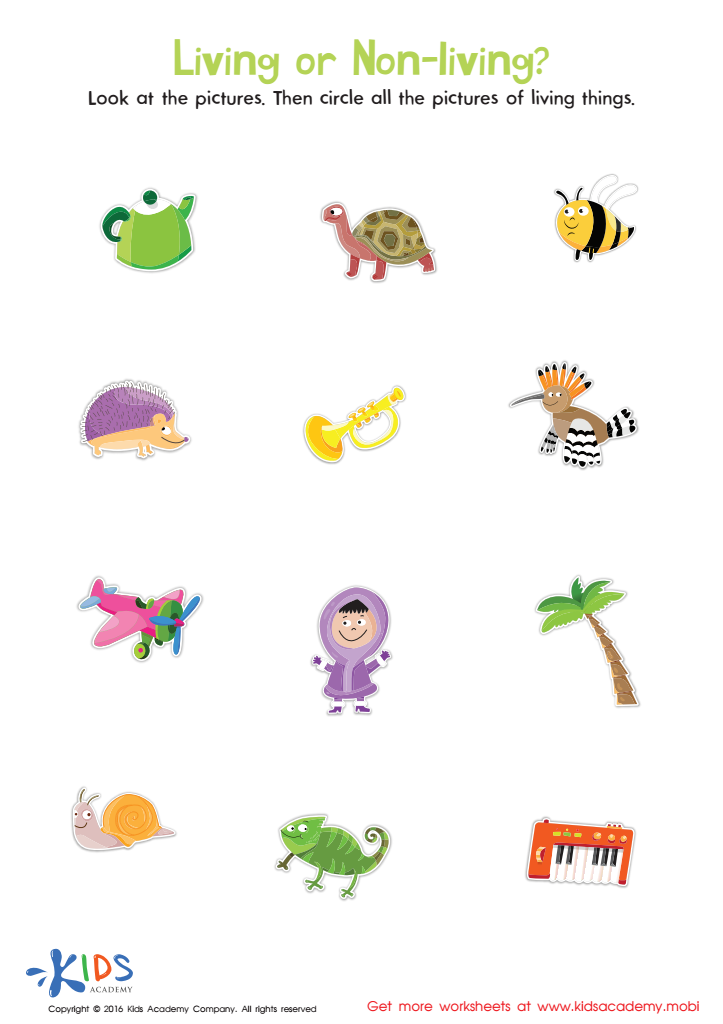
Identifying Living and Non–living Things Sorting Worksheet
 Assign to My Students
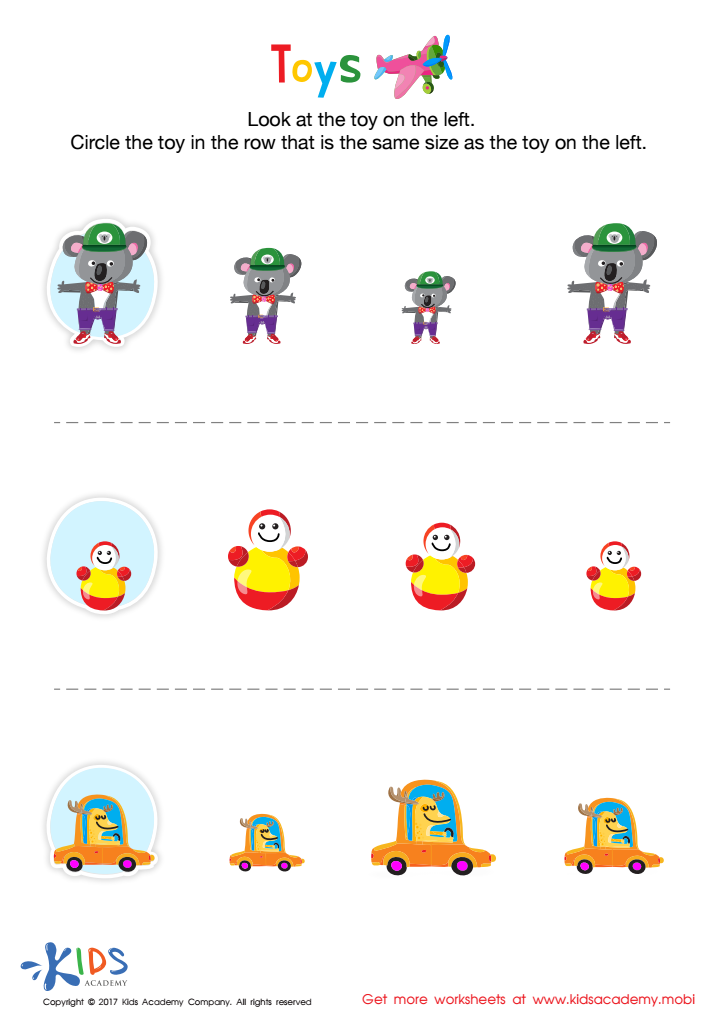
Matching: Classifying Toys by Size Worksheet
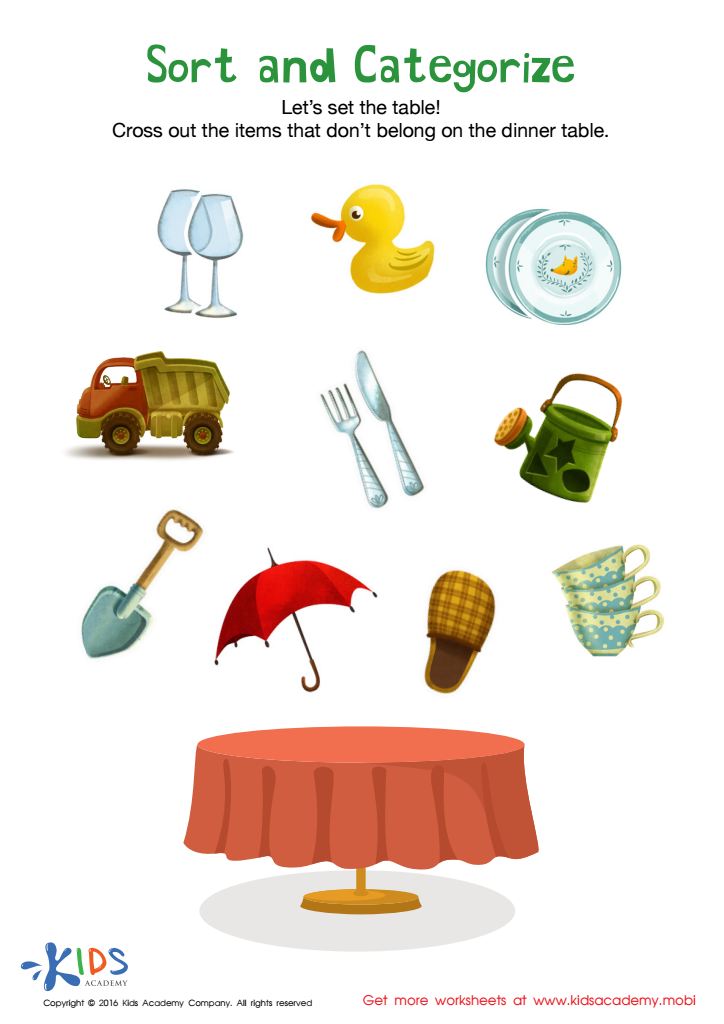
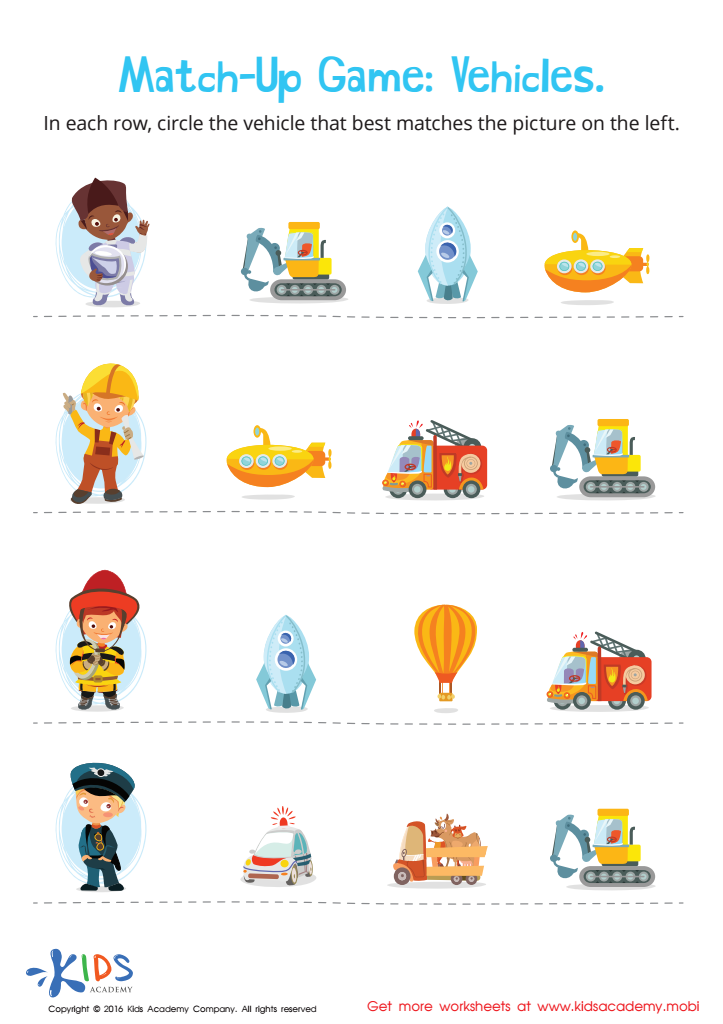
Vehicles Worksheet
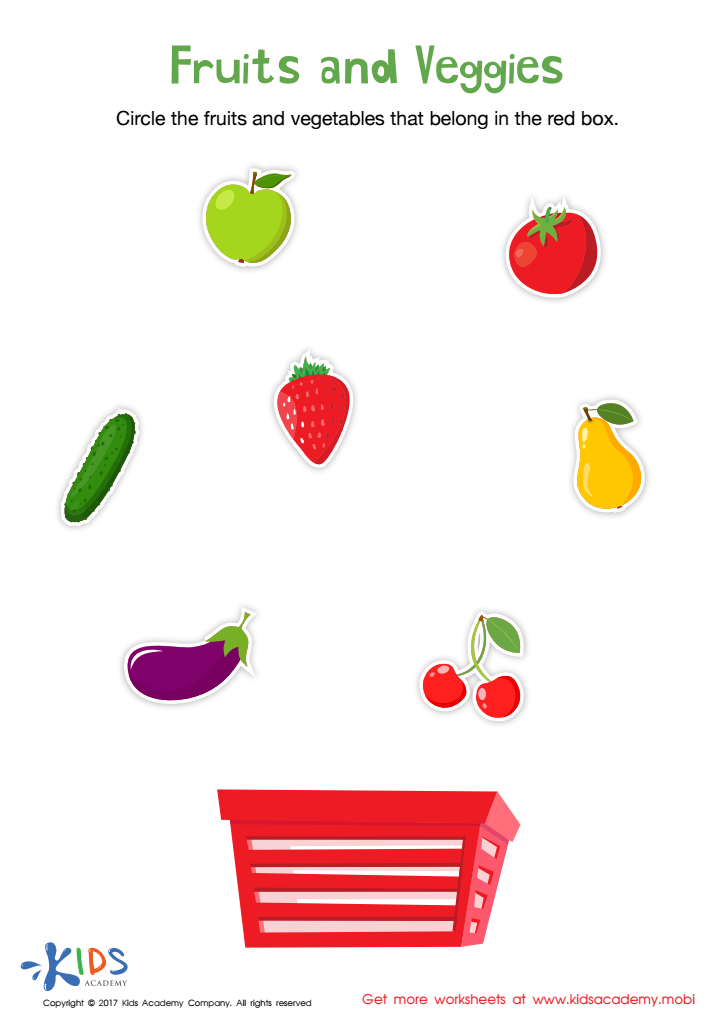
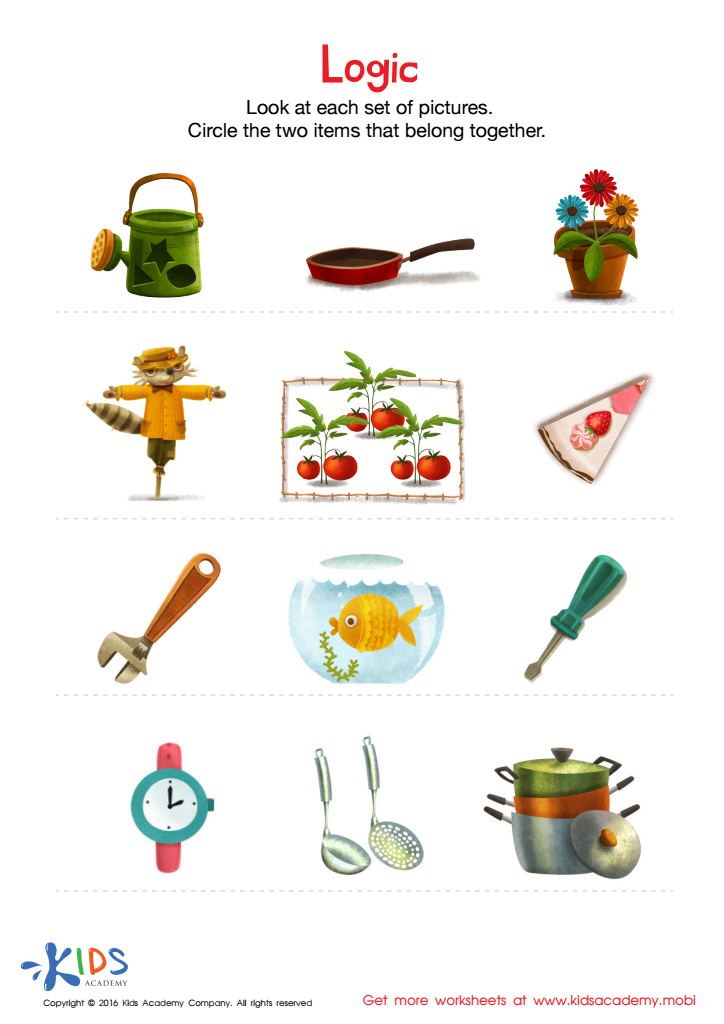
Logic Game Sorting Worksheet







Categorization skills are fundamental cognitive abilities that significantly impact a child's learning and development during the crucial ages of 3-6. This developmental phase is characterized by rapid brain growth and the formation of foundational skills that influence a child's ability to navigate the world. Normal matching, a form of categorization, involves recognizing similarities and differences among objects, which helps children group items by various attributes—such as shape, color, or size.
Parents and teachers should care about these skills because they lay the groundwork for more complex cognitive functions, including problem-solving and critical thinking. Mastering categorization promotes language development, as children learn to express their thoughts about similarities and differences more accurately. It also enhances social skills, as children can bond and communicate effectively when they share common interests and understand classifications.
Additionally, engaging in categorization helps improve memory and attention, essential skills for successful learning. Early proficiency in matching sets the stage for academic success, particularly in areas like math and science, where understanding patterns and relationships is crucial. By fostering categorization skills in early childhood, caregivers provide children with essential tools that will benefit them throughout their educational journey and everyday life.








