Normal Animals Worksheets for Ages 3-6 - Page 2
26 filtered results
-
From - To
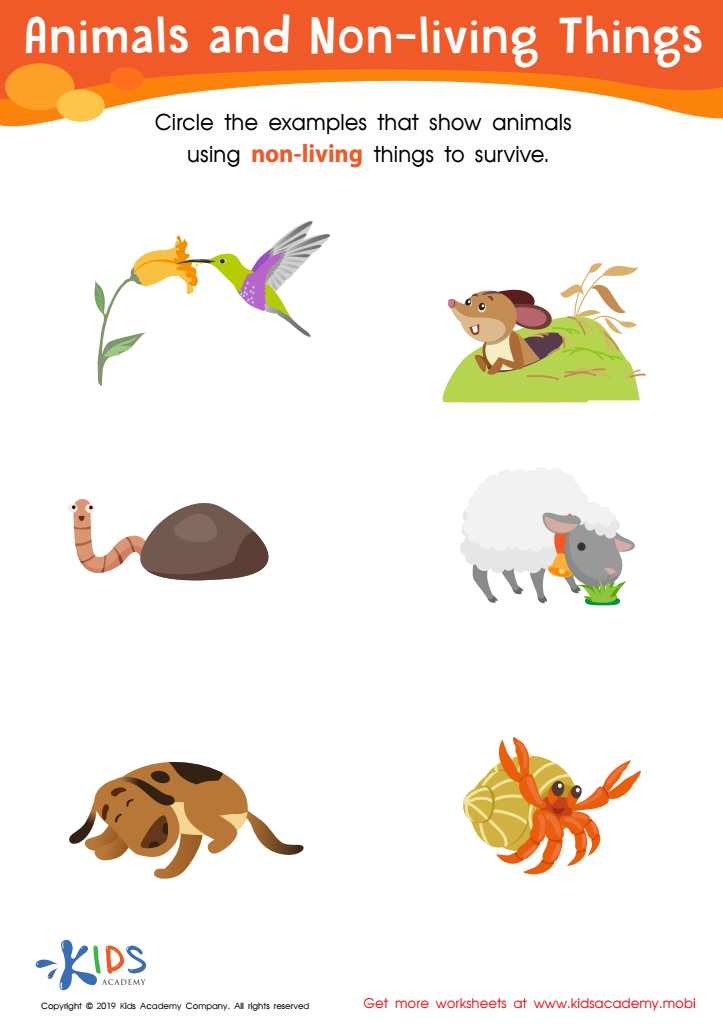
Animals and Non-Living Things Worksheet
 Assign to My Students
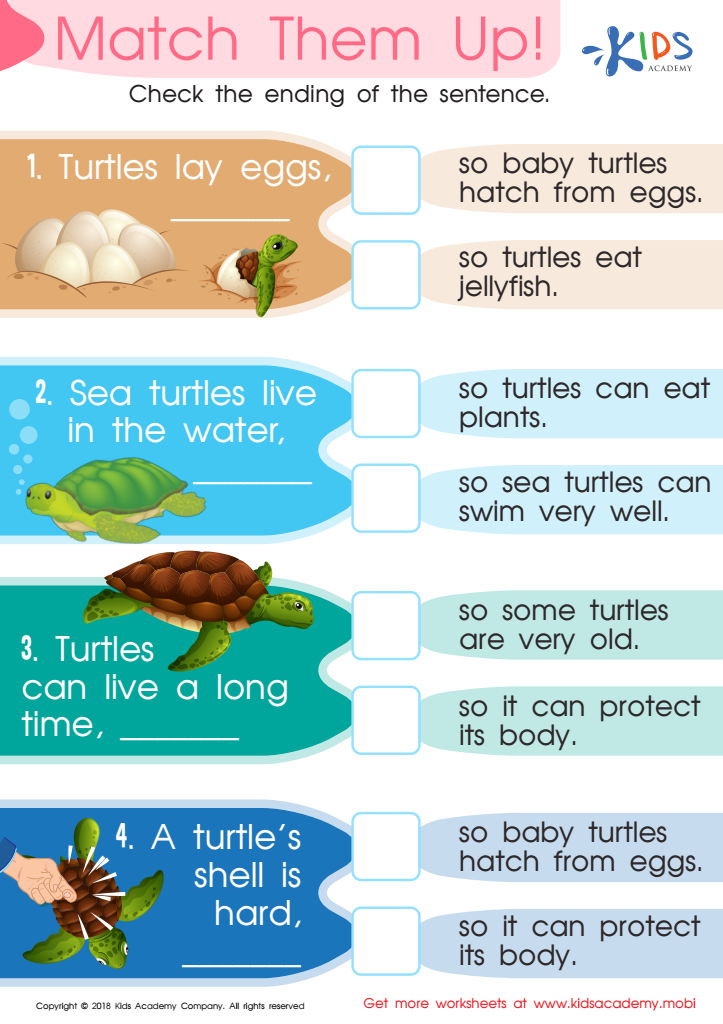
Match Them Up Worksheet







%20(1).jpg)
Parents and teachers should care about “Normal Animals” for children ages 3-6 because it plays a crucial role in early childhood development. At this age, children are naturally curious explorers, eager to learn about the world around them. Introducing them to normal animals—those commonly found in their environment or relatable in stories—helps foster a sense of familiarity and security while also promoting a connection with nature.
Learning about normal animals enhances vocabulary and language skills, as children describe animal characteristics, behaviors, and habitats. Books and activities that incorporate these animals spark imaginative play and storytelling, encouraging creativity and cognitive development. Moreover, discussing animals helps build empathy and responsibility since children learn about ecosystems, animal needs, and the importance of caring for living creatures.
Incorporating normal animals into educational settings aids in science literacy, as kids understand concepts such as classification and life cycles in a tangible way. This foundational knowledge forms a basis for further learning in biology and environmental science. Ultimately, engaging with normal animals enriches the educational experience, supports social-emotional growth, and deepens children’s appreciation for the natural world, making it essential for parents and educators to embrace these learning opportunities.








