Normal Writing Worksheets for Ages 3-6 - Page 2
88 filtered results
-
From - To
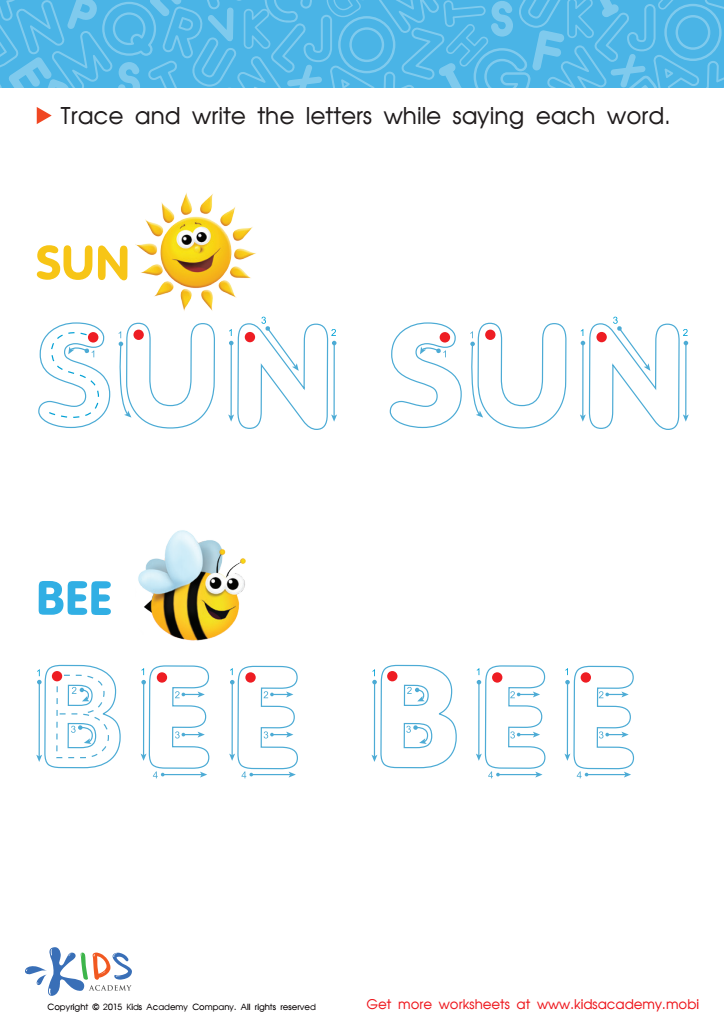
The Sun and a Bee Spelling Worksheet
 Assign to My Students
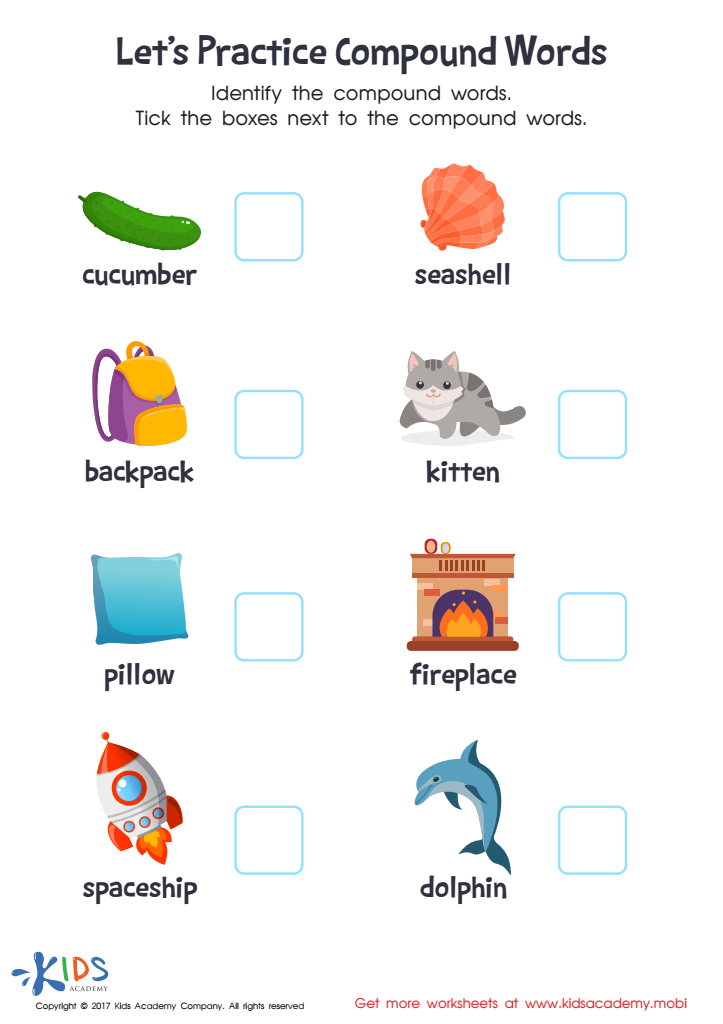
Let's Practice Compound Words Word Structure Worksheet
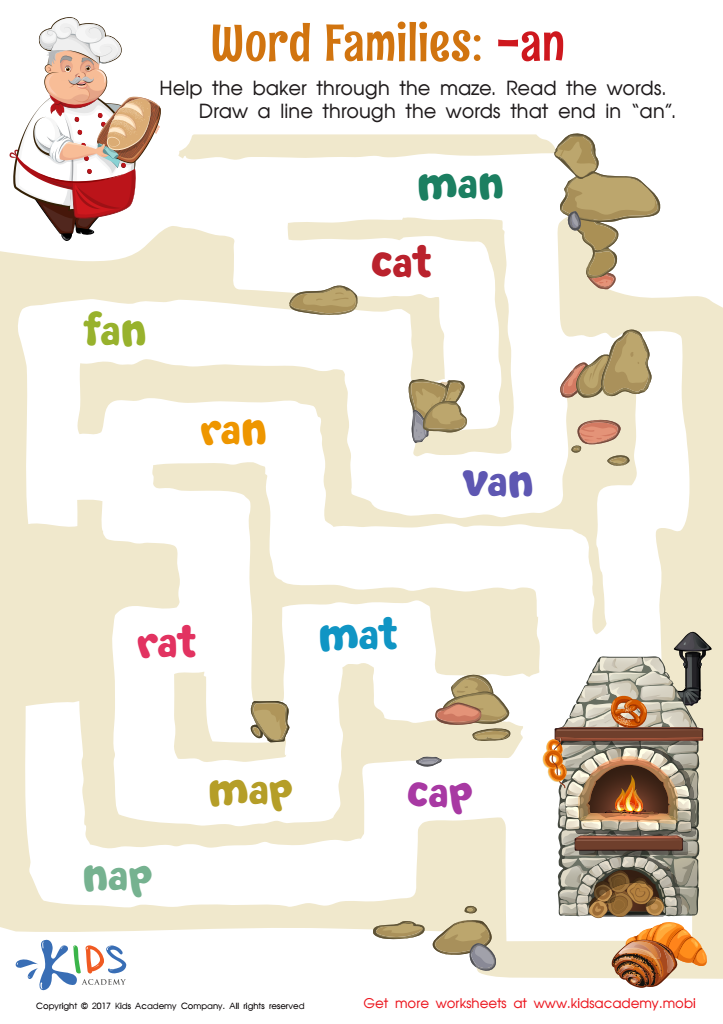
Words Families "an" Spelling Worksheet
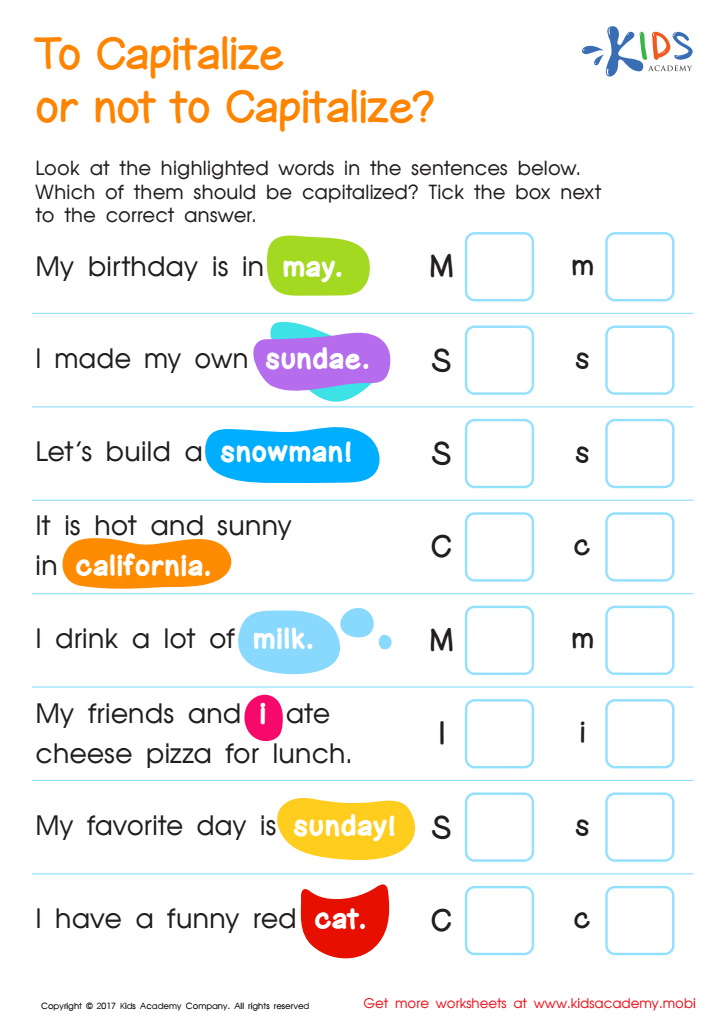
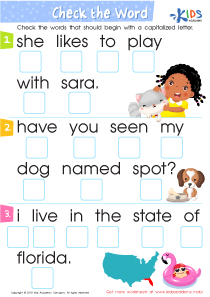
Capitalization: To Capitalize or Not? Printable
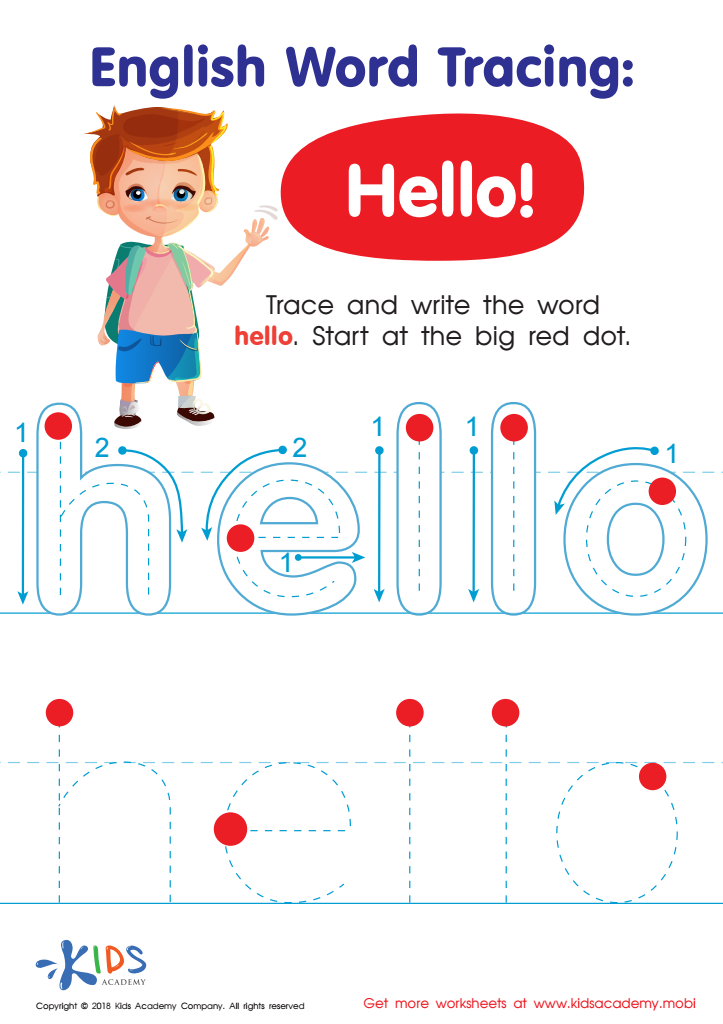
English Word Tracing: Hello Worksheet
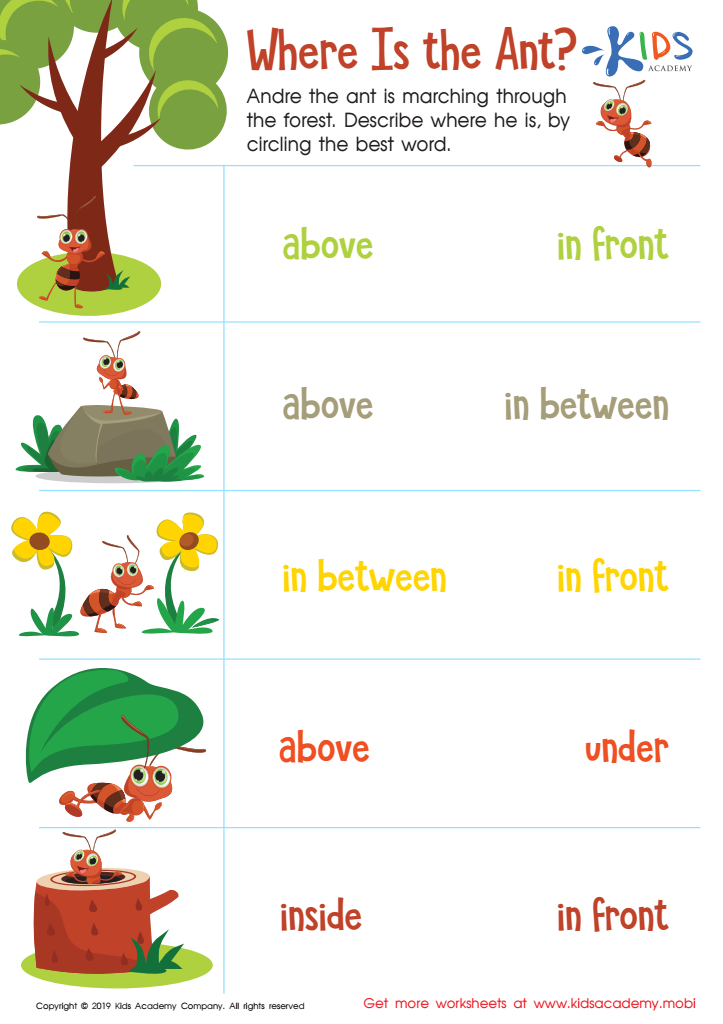
Where Is the Ant? Worksheet
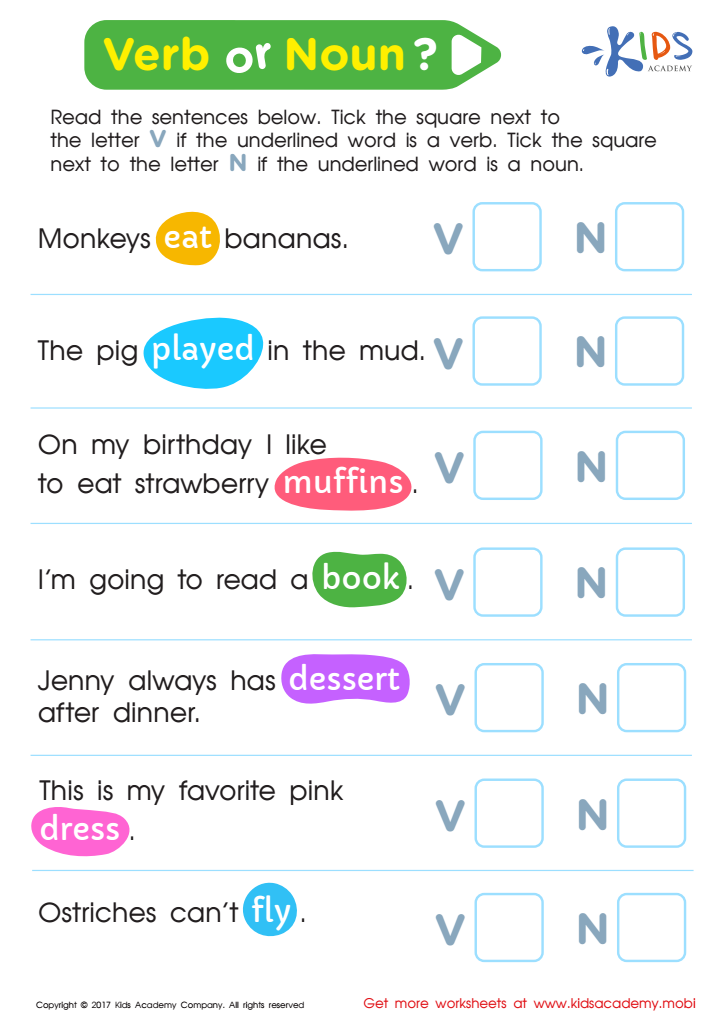
Verb or Noun Worksheet
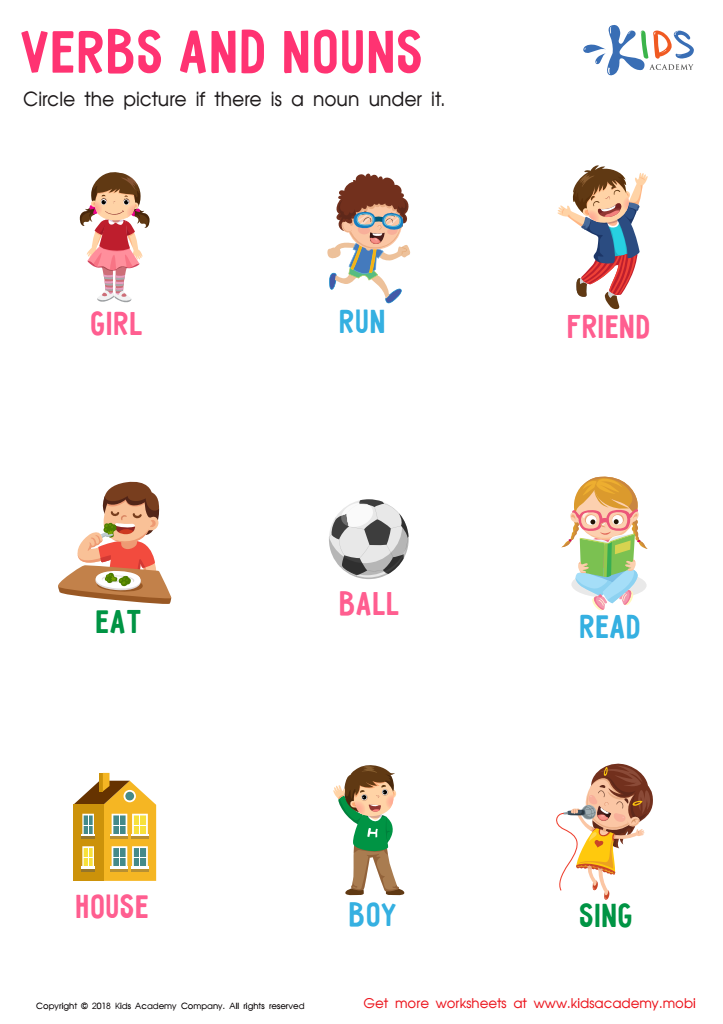
Verbs and Nouns Worksheet
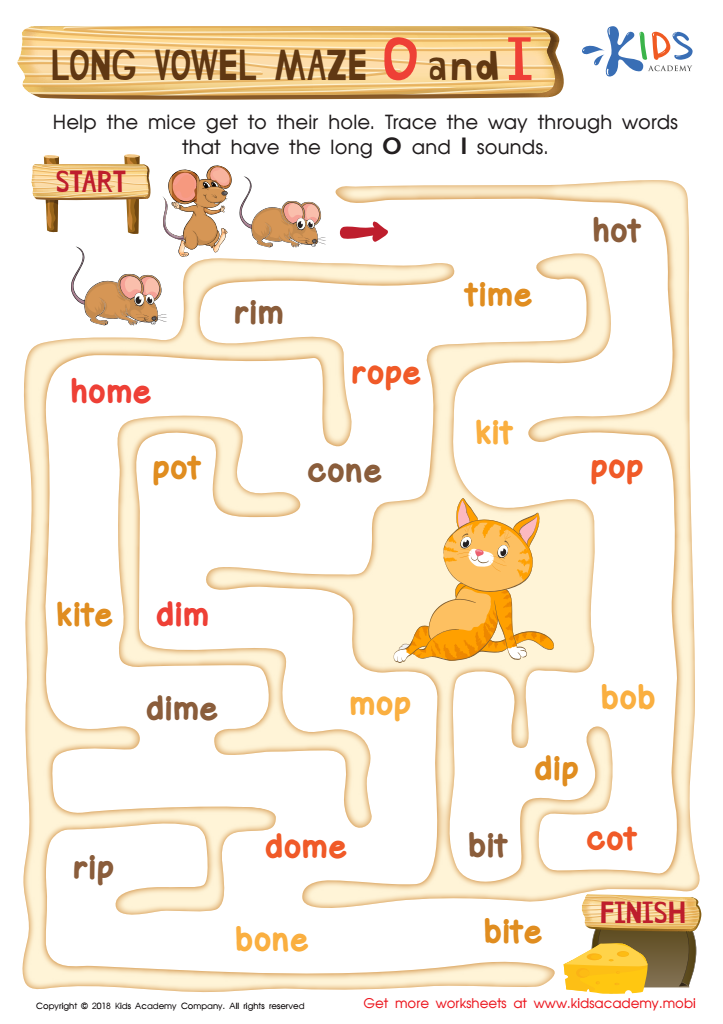
Long Vowel Maze /o/ and /i/ Worksheet
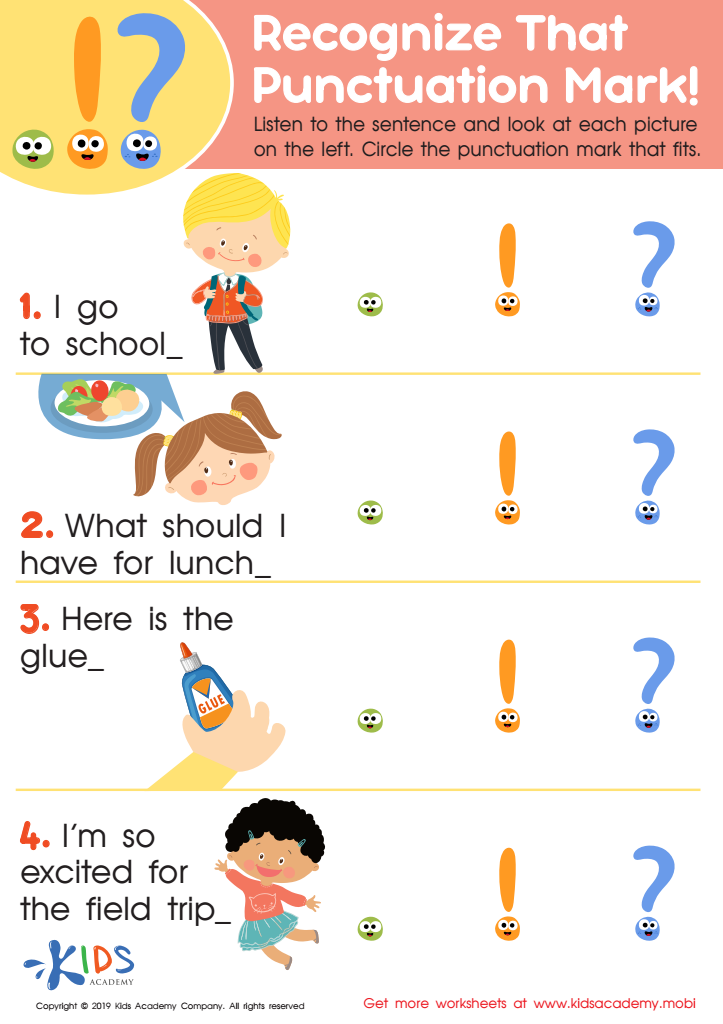
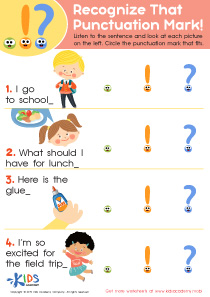
Recognize Punctuation Marks Worksheet
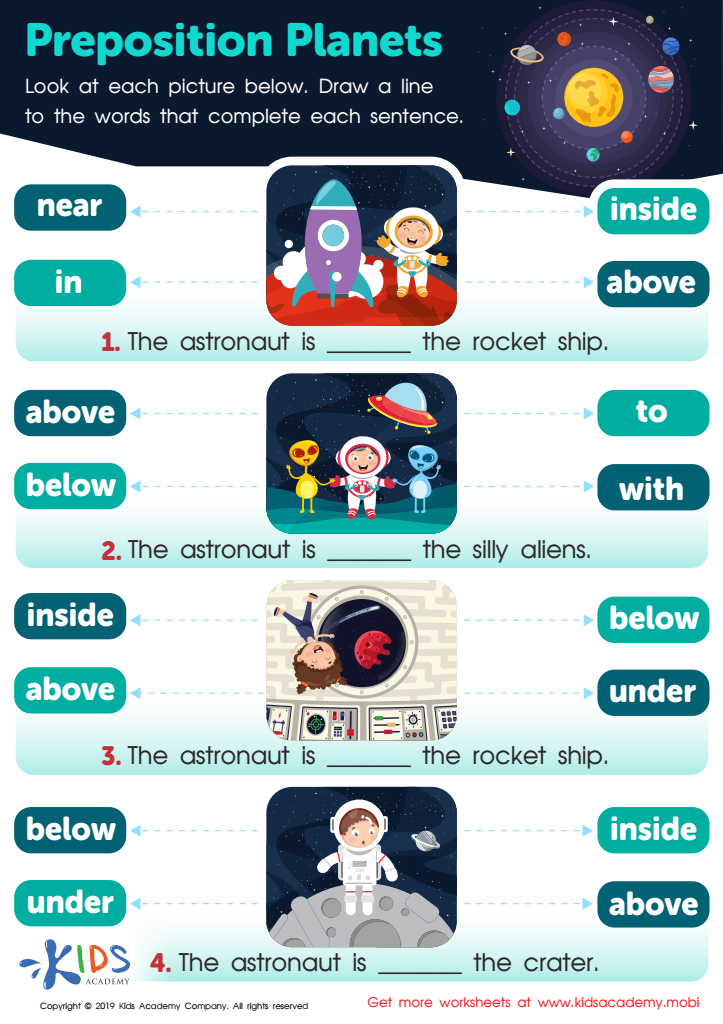
Preposition Planets Worksheet
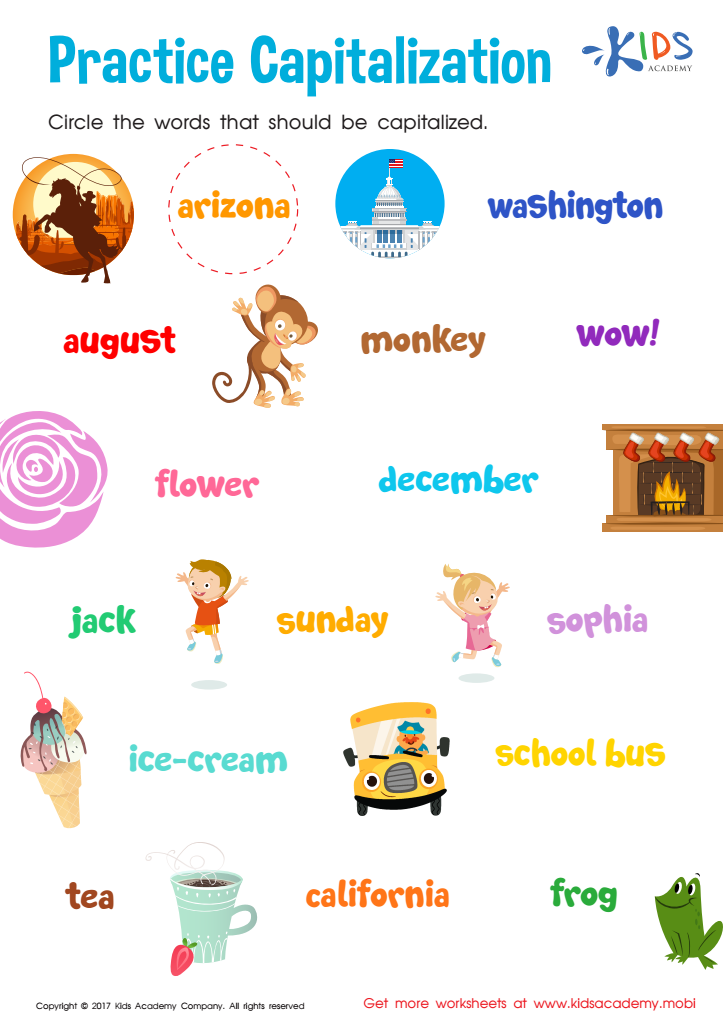
Practice Capitalization Printable
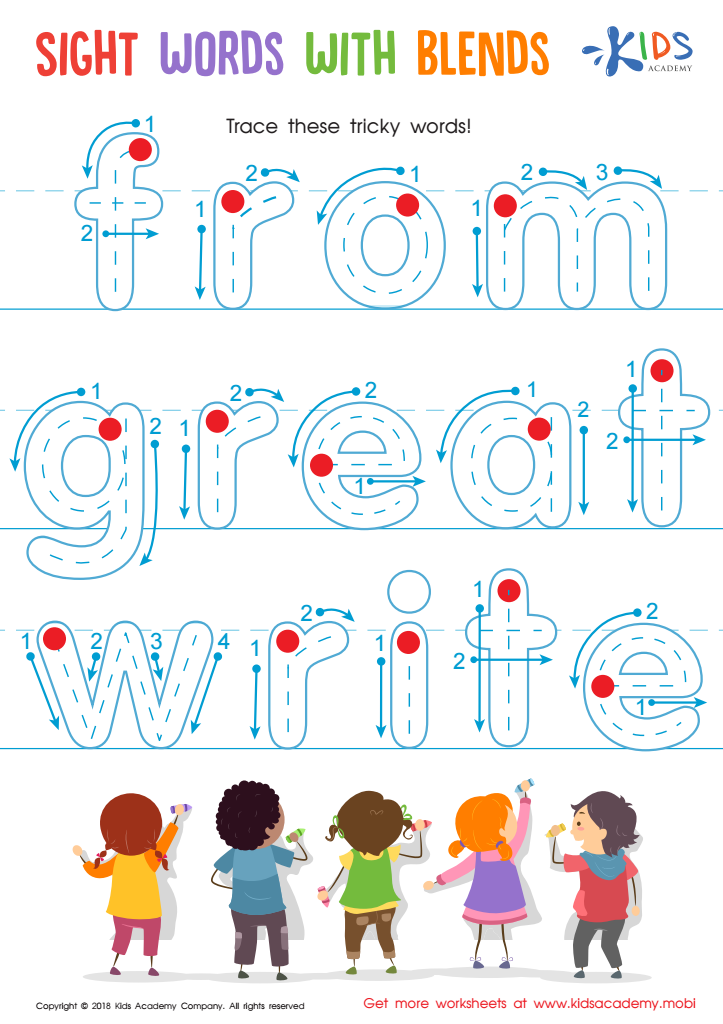
Sight Words with Blends Worksheet
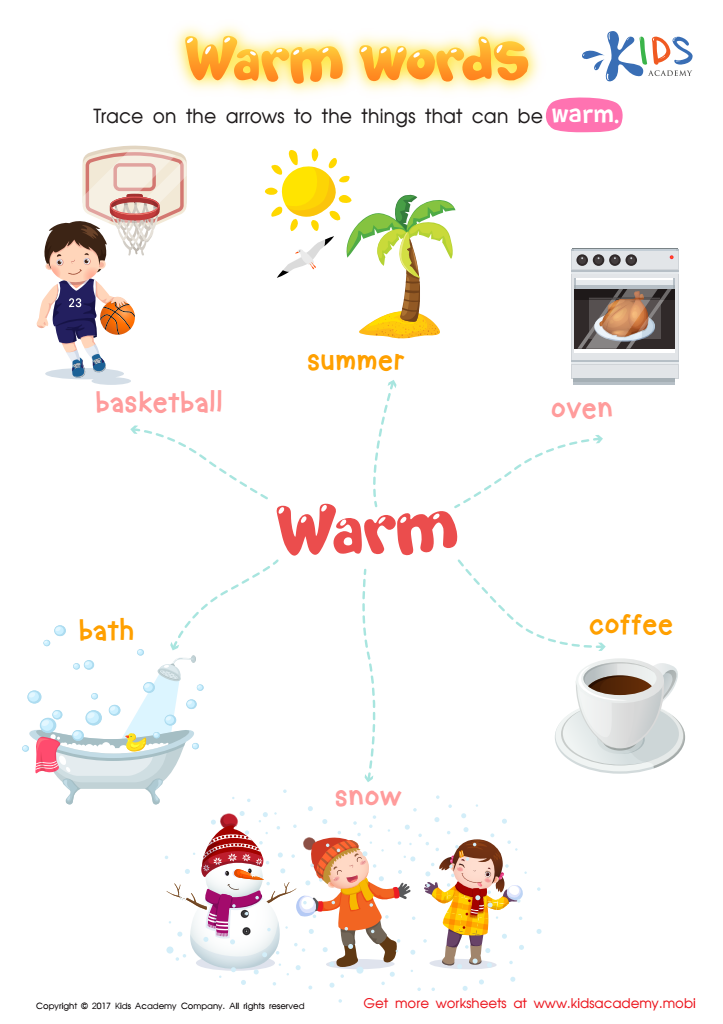
Warm Words Worksheet
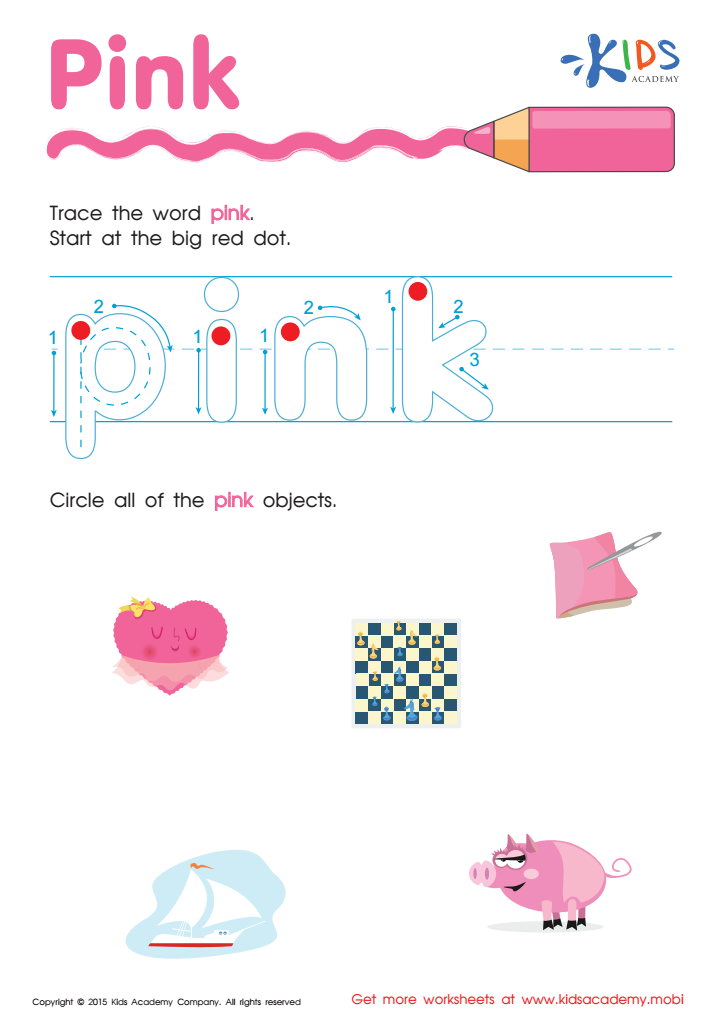
Pink Tracing Color Words Worksheet
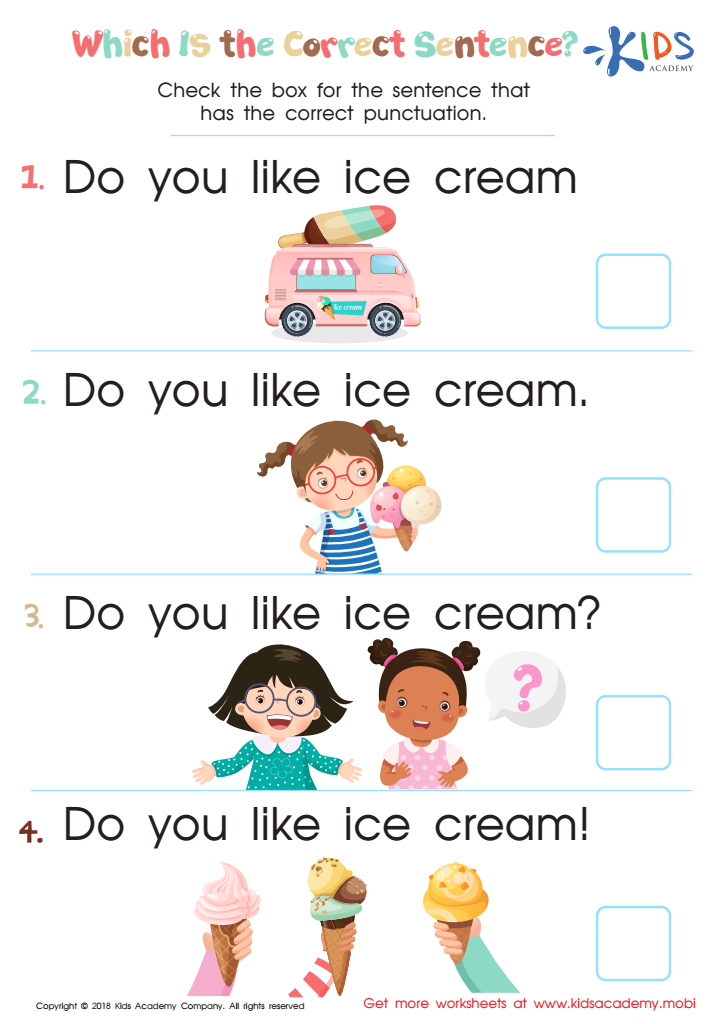
Which is the Correct Sentence? Worksheet
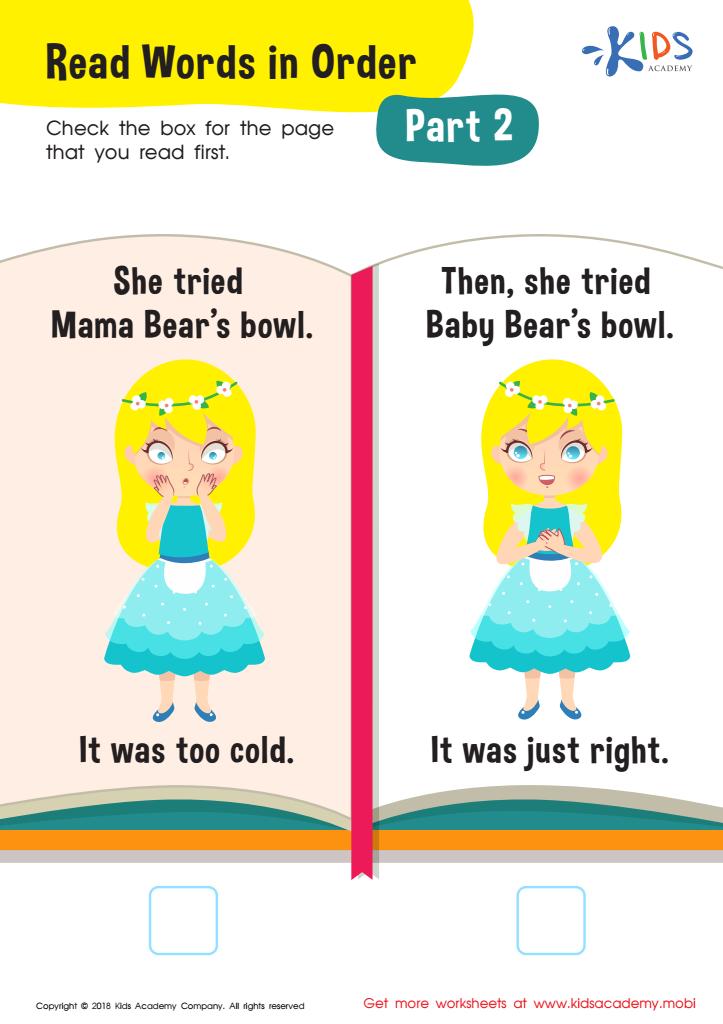
Read Words Order Part 2 Worksheet
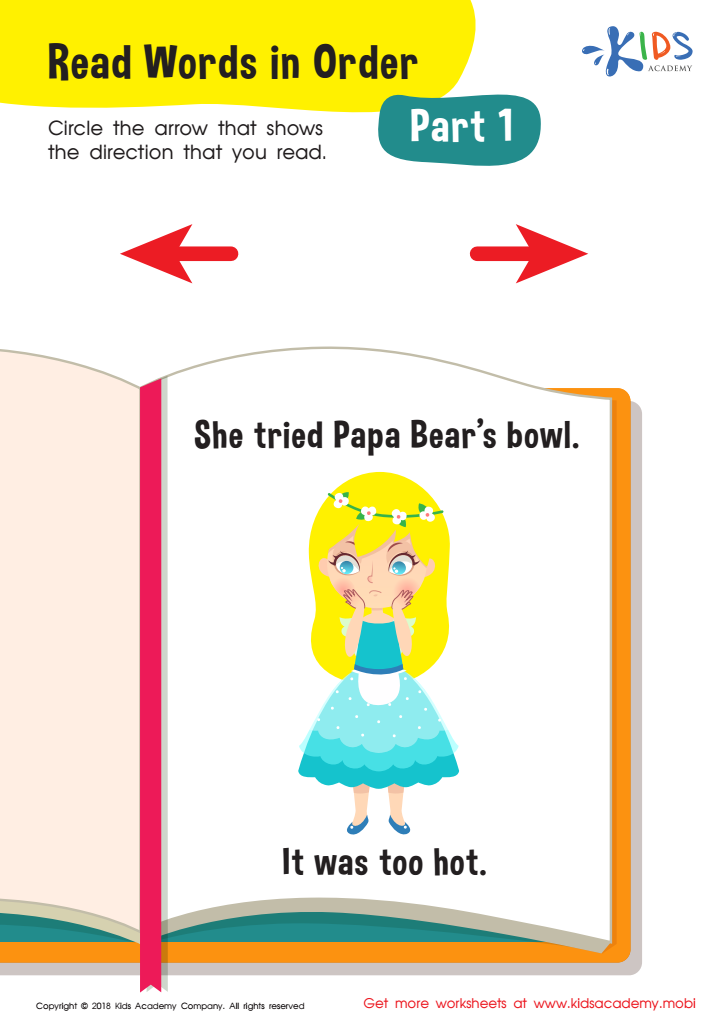
Read Words Order Part 1 Worksheet
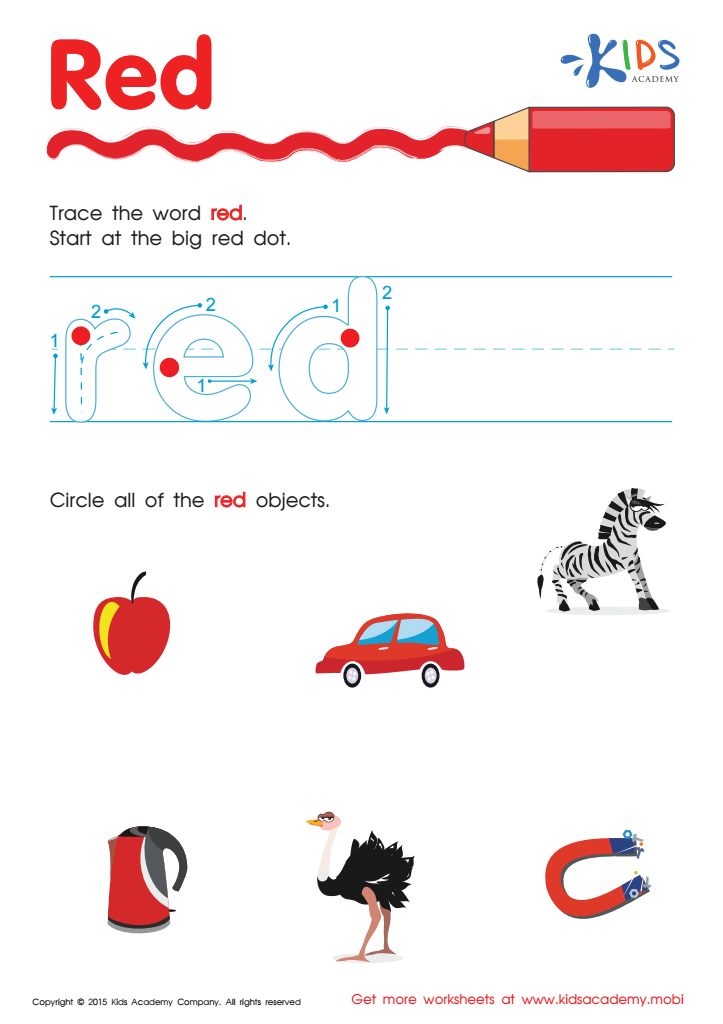
Red Tracing Color Words Printable
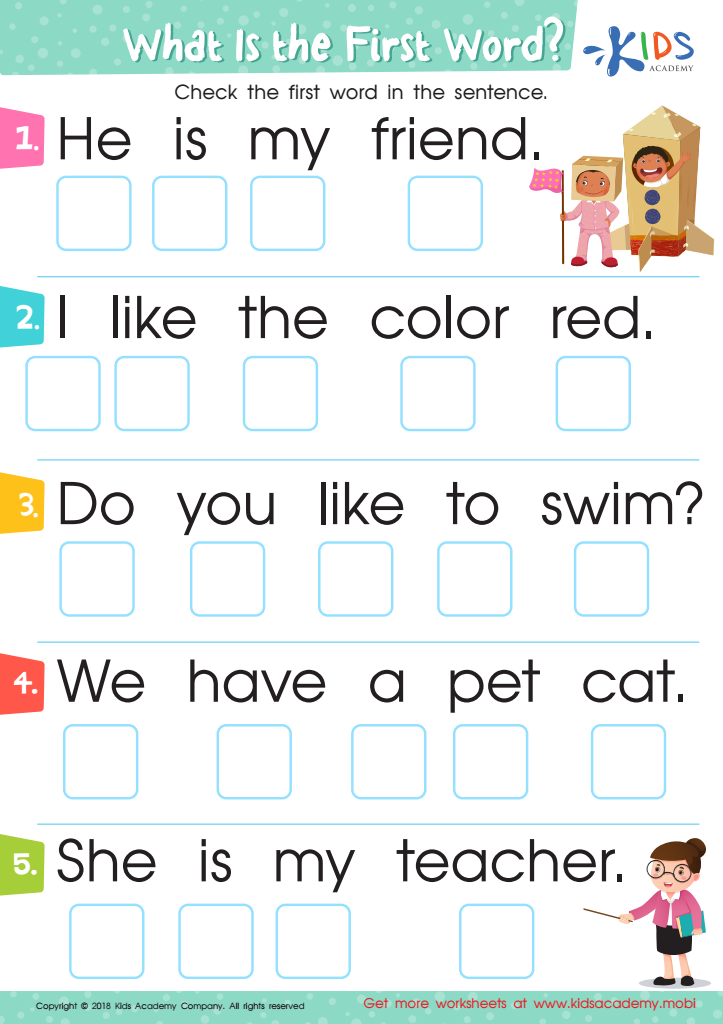
What is the First Word? Worksheet
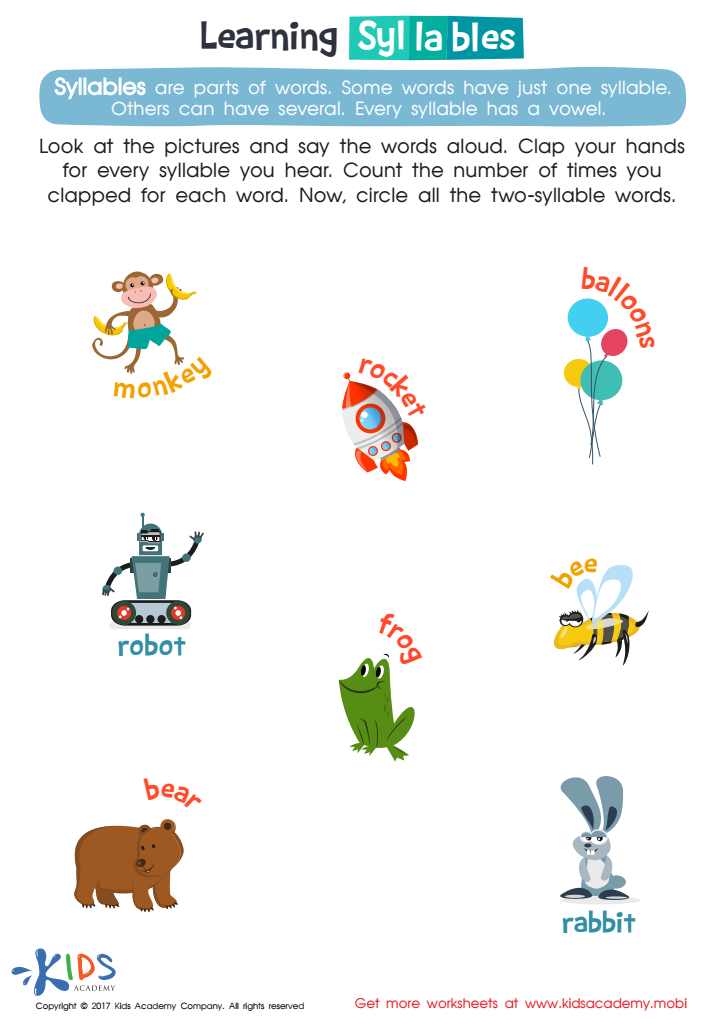
Learning Syllables Word Structure Worksheet
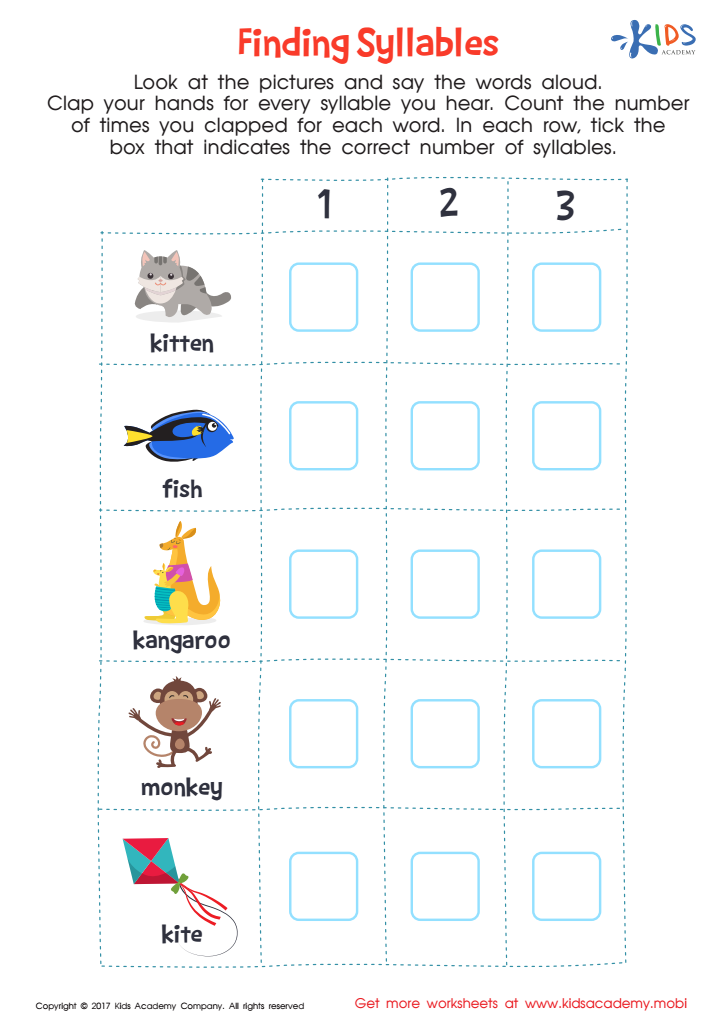
Finding Syllables Word Structure Worksheet
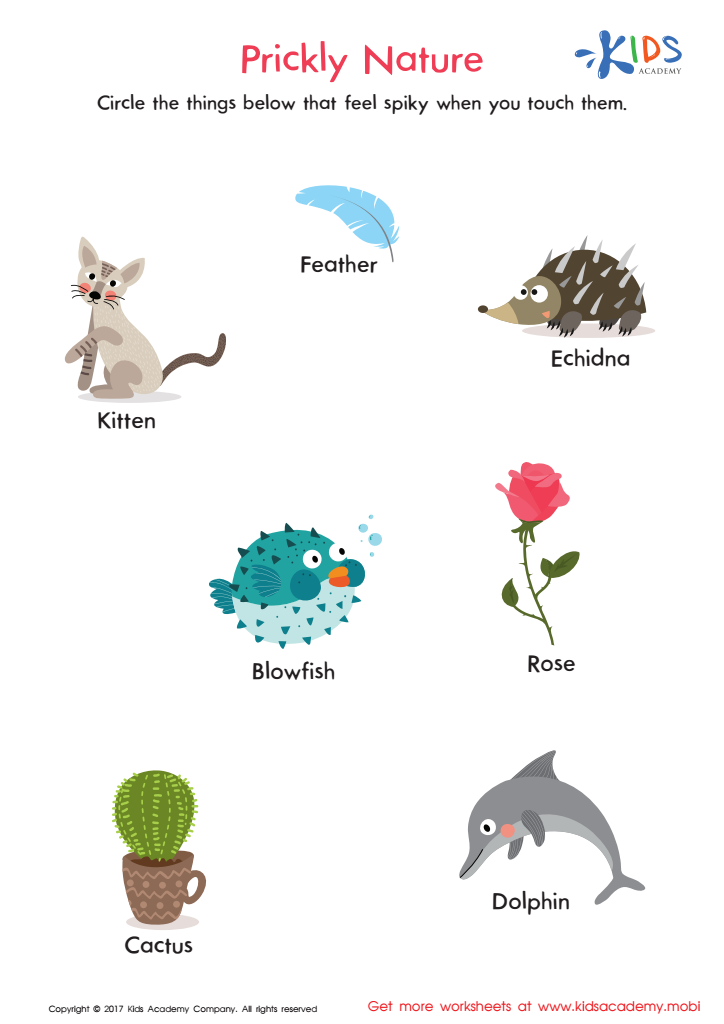
Prickly Nature Worksheet
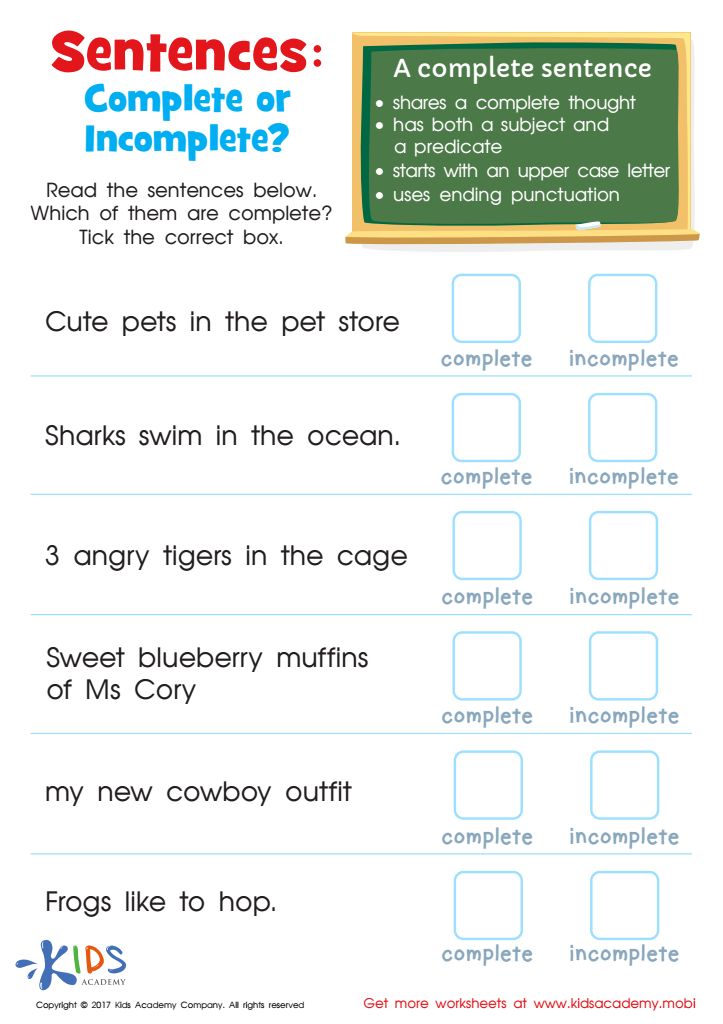
Sentences: Complete or Incomplete Worksheet








Normal writing for ages 3-6 is a fundamental aspect of early childhood development that transcends mere literacy. During these formative years, children begin to develop essential motor skills, cognitive understanding, and social-emotional growth—factors that are critical for future learning. Introducing normal writing helps children express their thoughts and ideas, bridging the gap between imagination and written expression.
Furthermore, writing extends beyond the technical ability of forming letters. It cultivates a sense of achievement and confidence, empowering children to share their voices and stories. This early self-expression is pivotal in fostering creativity and critical thinking skills.
For teachers and parents, encouraging normal writing at this age also plays a vital role in enhancing communication skills, enhancing vocabulary, and promoting engagement in learning. Regular practice of writing can also help parents and educators engage with children about their interests, enhancing the bonds of communication and trust.
In essence, fostering normal writing is instrumental in laying the groundwork for literacy and educational success. Therefore, it is crucial for parents and teachers to prioritize and support this developmental milestone, ensuring their children thrive both academically and personally as they grow.