Letter recognition Normal Worksheets for Ages 3-7 - Page 3
67 filtered results
-
From - To
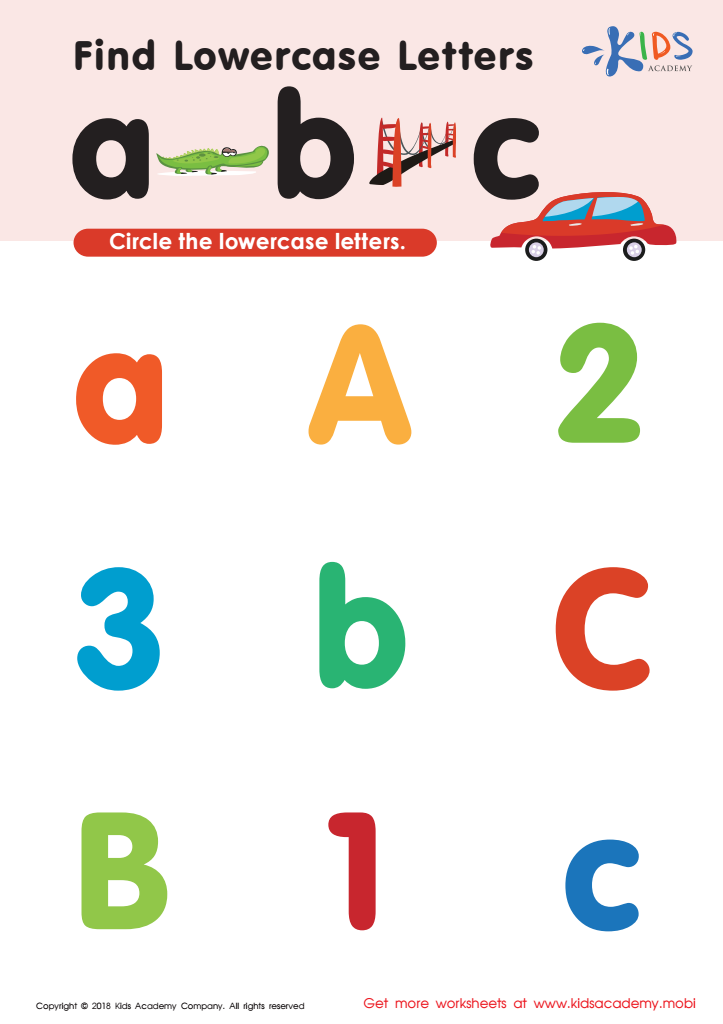
Find lowercase letters a b c Worksheet
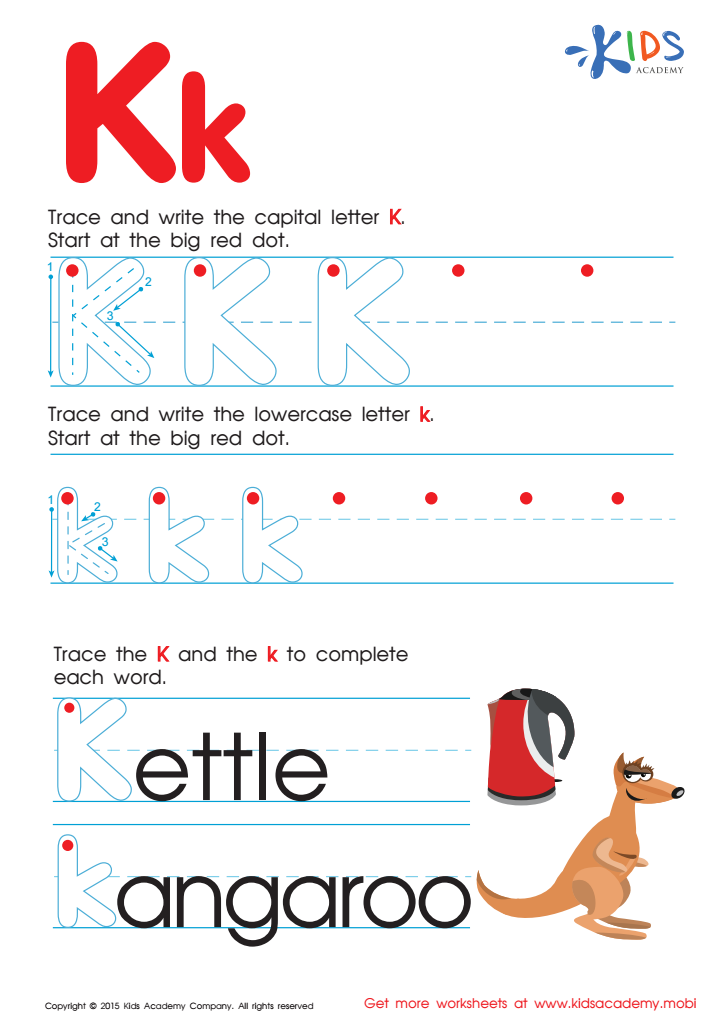
Letter K Tracing Page
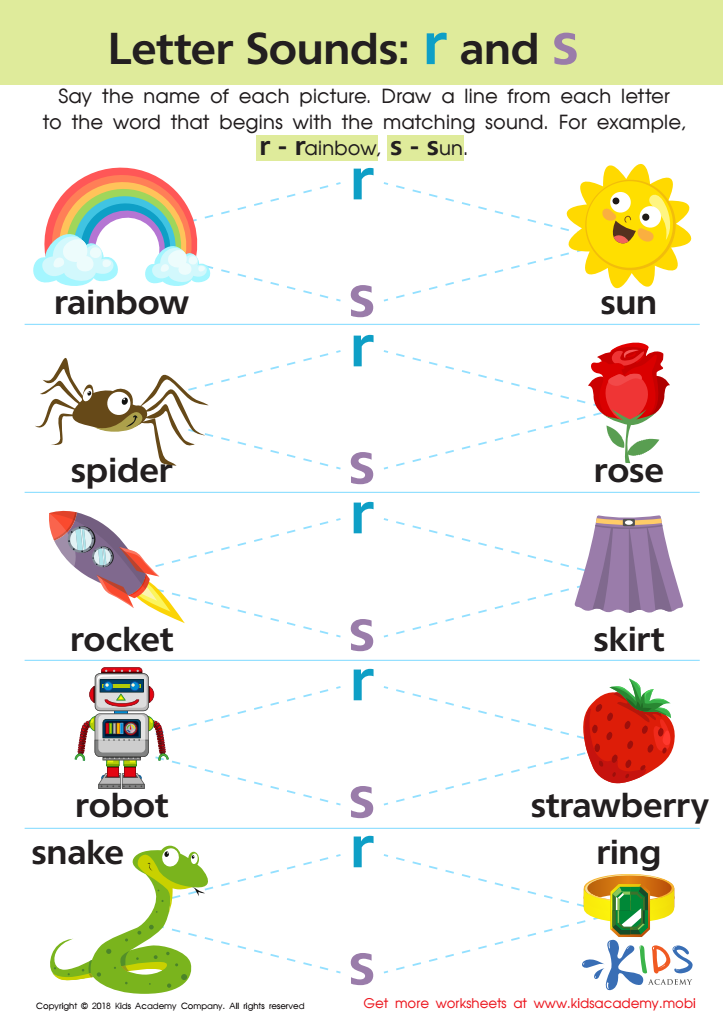
Letter R and S Sounds Worksheet
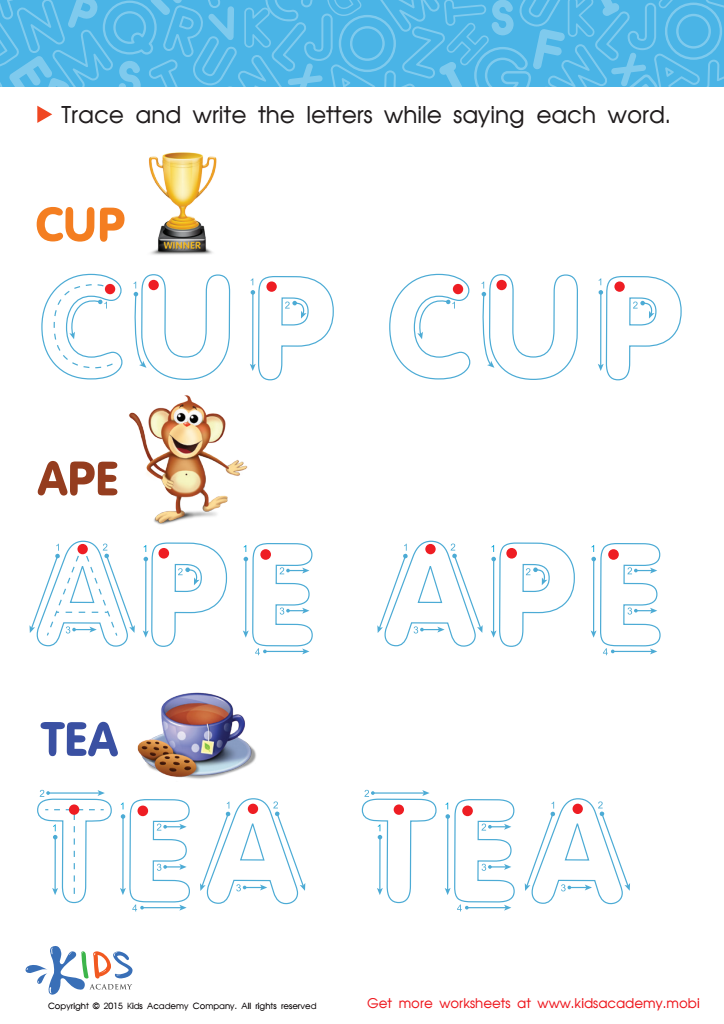
A Cup, an Ape and Tea Spelling Worksheet
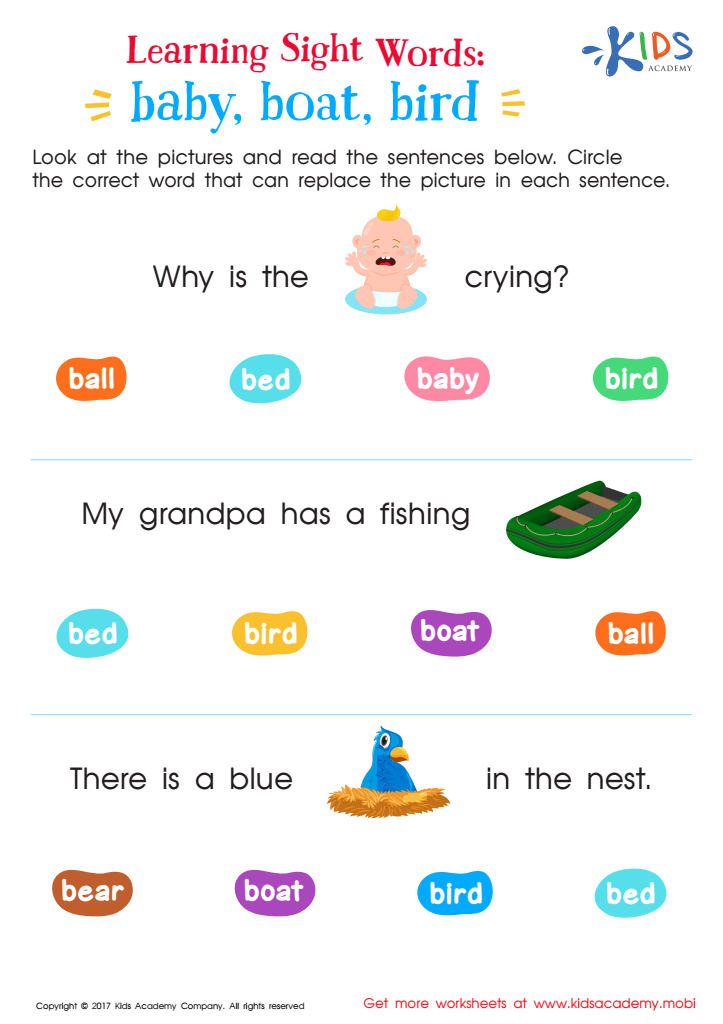
Baby, Boat, Bird Worksheet Sight Words Worksheet

Find Lowercase Letters v w x Worksheet
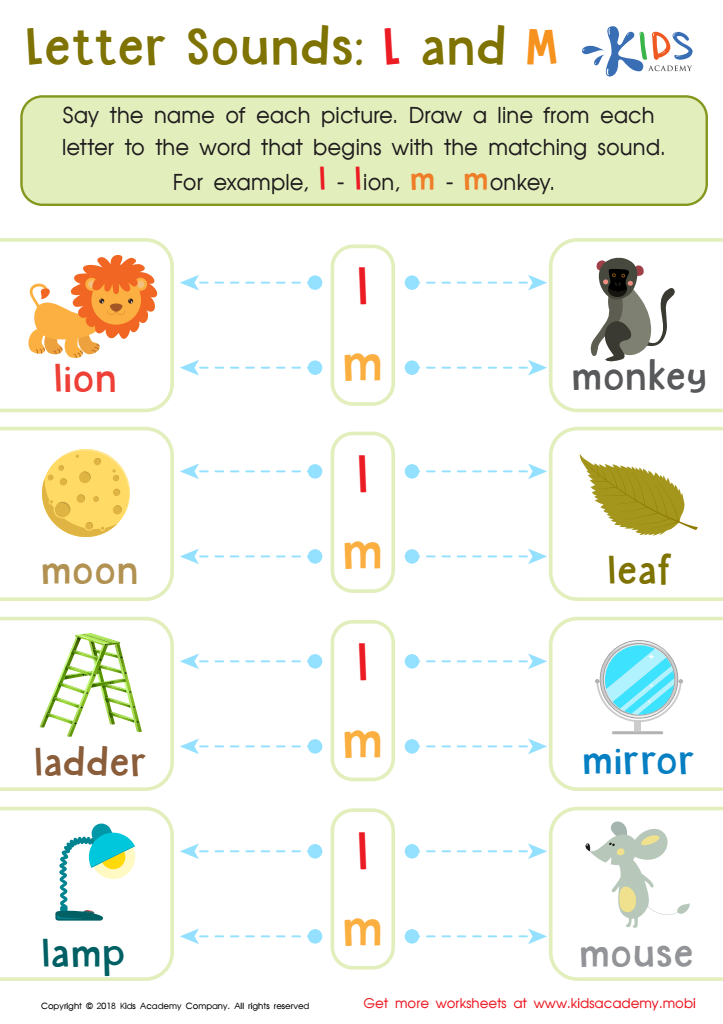
Letter l and M Sounds Worksheet
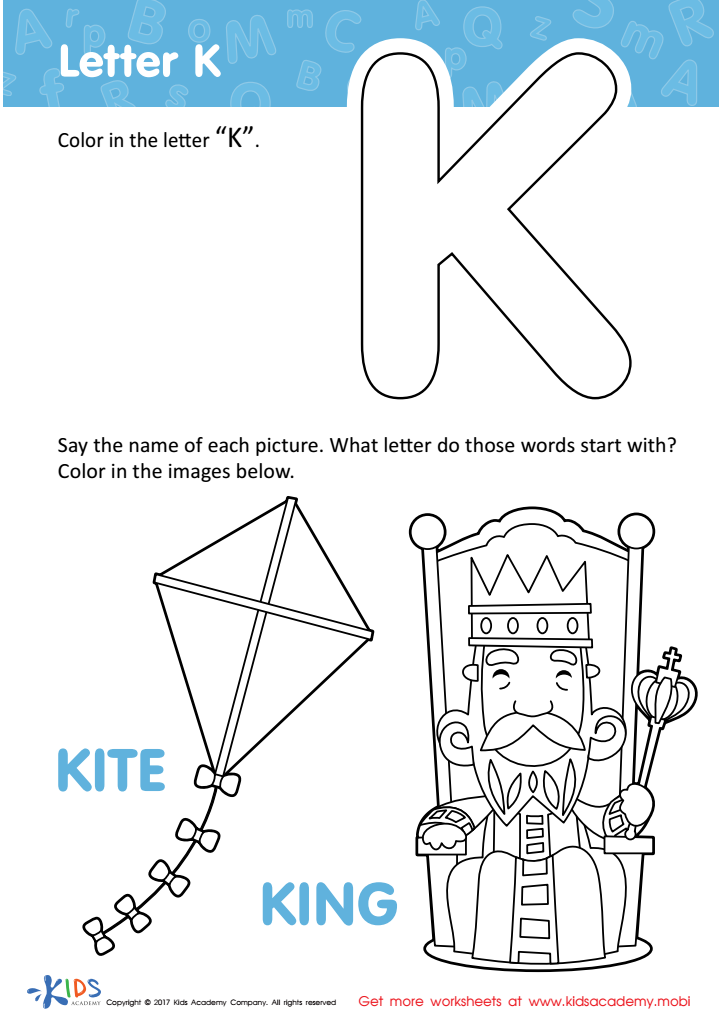
Letter K Coloring Sheet
 Assign to My Students
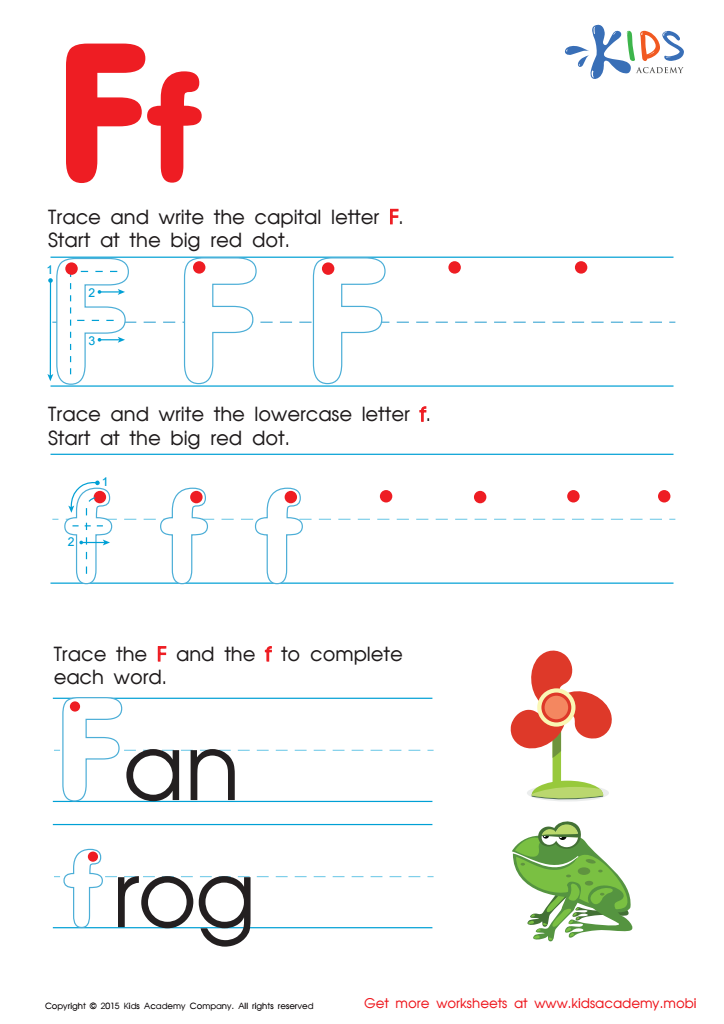
Letter F Tracing Page
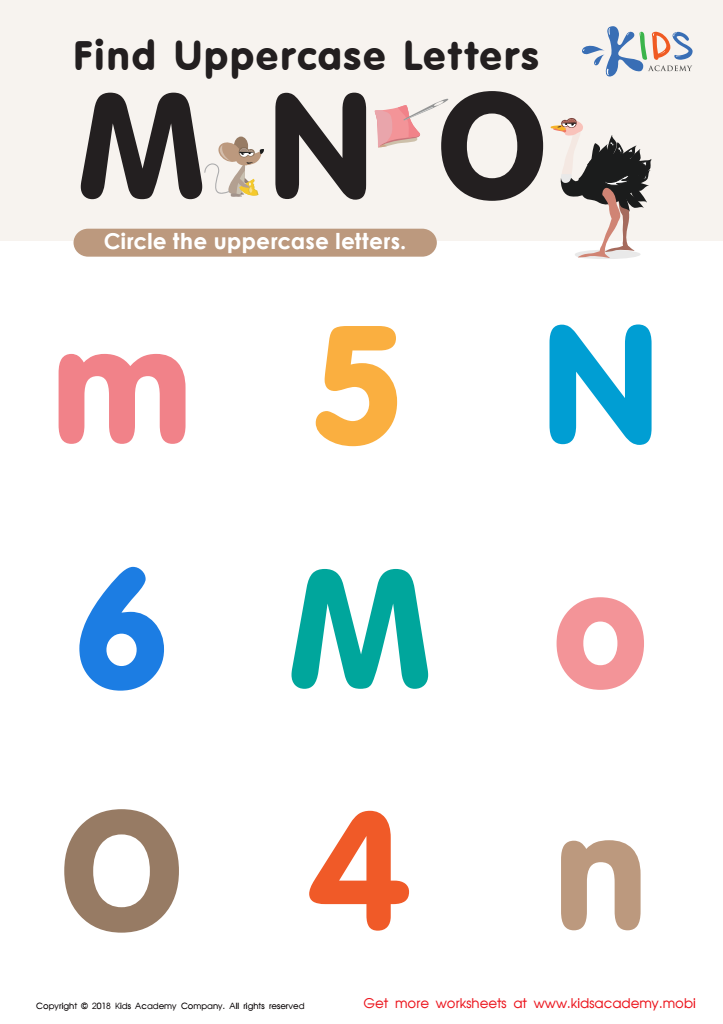
Find Uppercase Letters M, N, and O Worksheet
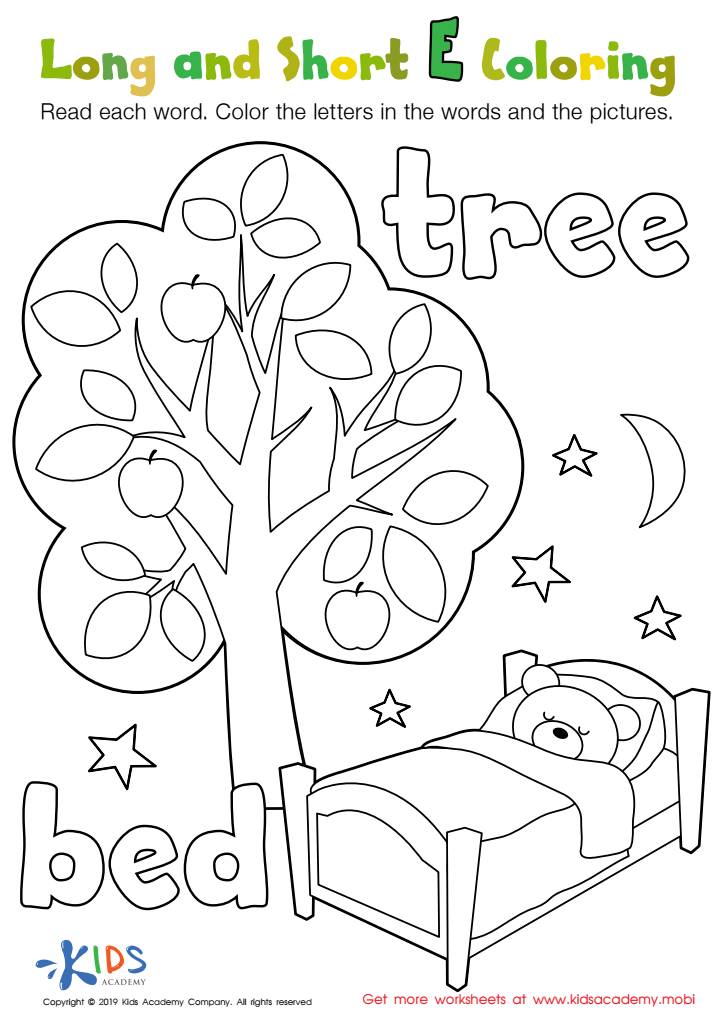
Long and Short E Worksheet
Assign to My Students
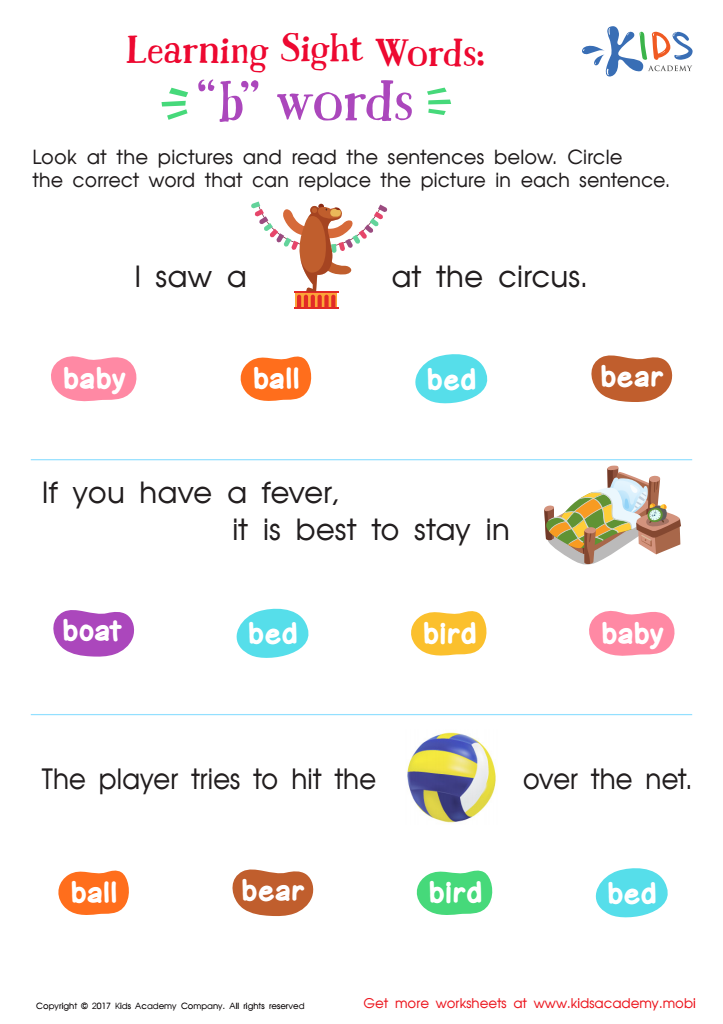
"B" Words Printable Sight Words Worksheet
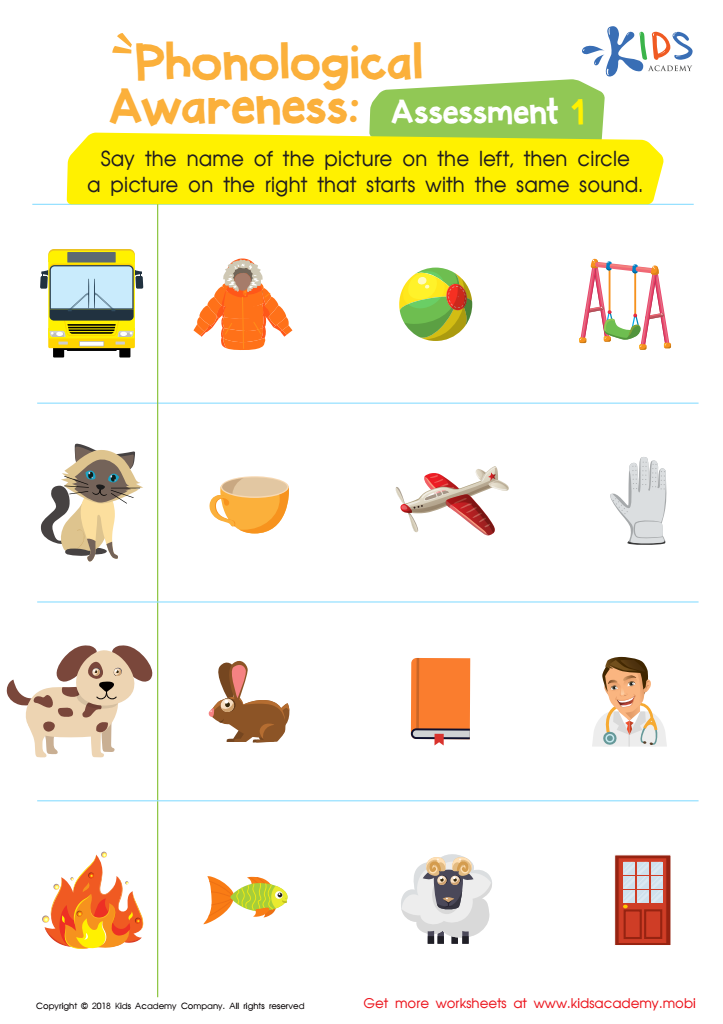
Phonological Awareness: Assessment 1 Worksheet
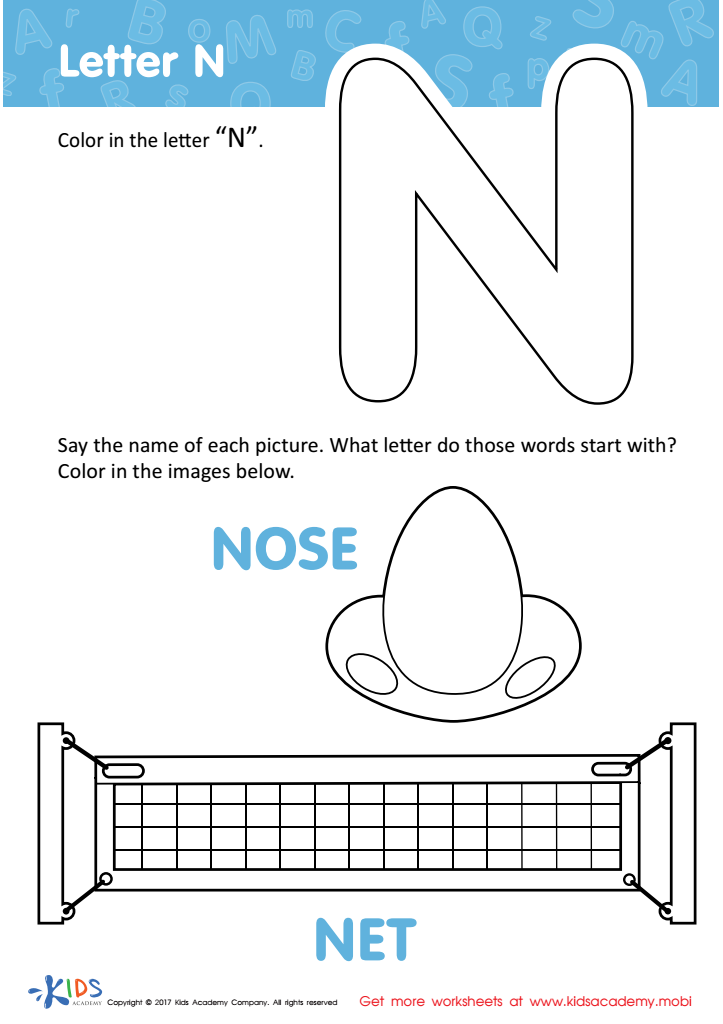
Letter N Coloring Sheet
Assign to My Students

Letter D Tracing Page
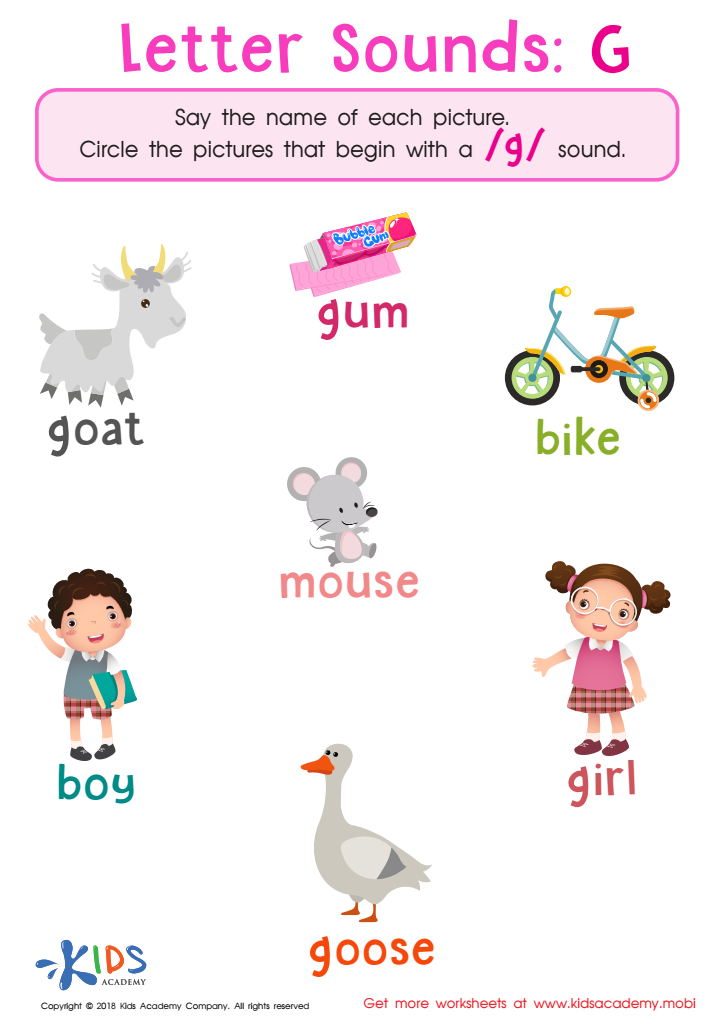
Letter G Sounds Worksheet
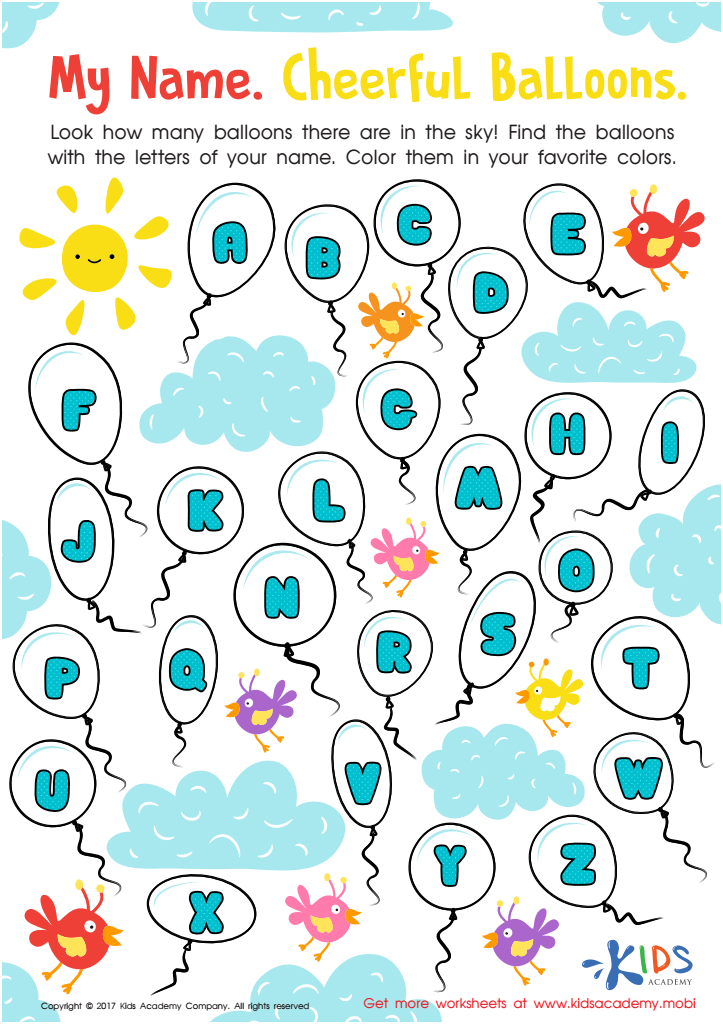
My Name: Cheerful Balloons Worksheet
Assign to My Students
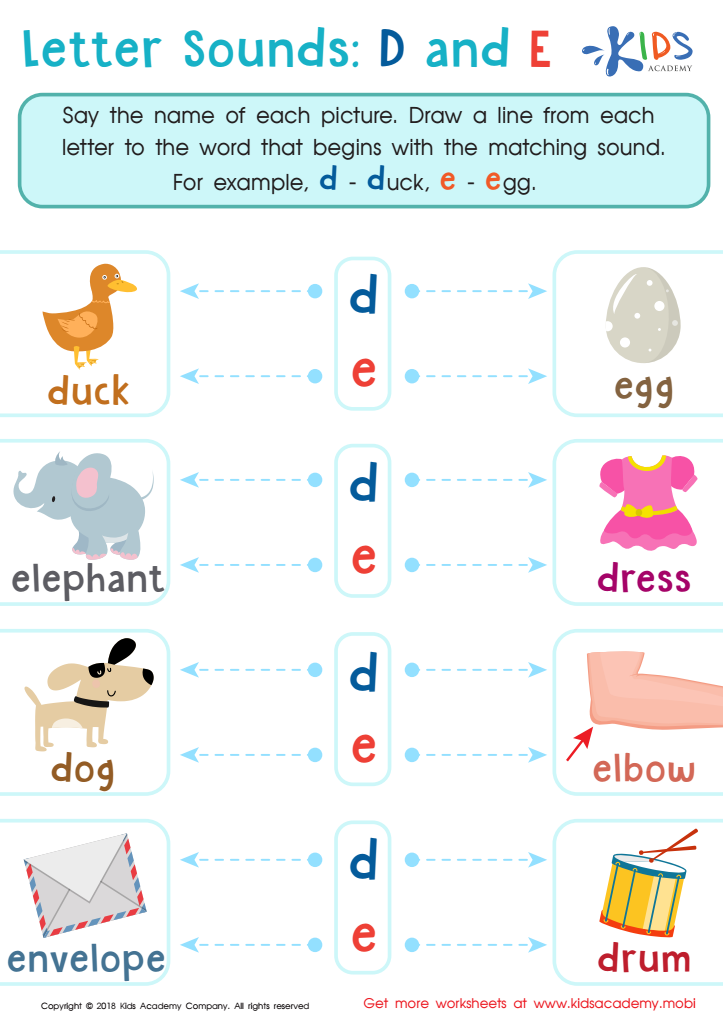
Letter D and E Sounds Worksheet

Rearrange the Sounds Worksheet








Letter recognition is a crucial foundational skill for children aged 3-7 years, serving as a gateway to literacy and communication development. This period is vital for cognitive growth, and recognizing letters is essential to helping children understand the structure of written language. When children can identify letters, they begin to associate them with sounds, forming the basis for phonetic awareness, which is critical for reading and spelling.
Parents and teachers should care about letter recognition because it directly influences a child's confidence and motivation in learning. Mastery of letter recognition enables children to participate in reading activities and storytime, fostering a love for books and learning. Furthermore, it lays the groundwork for more complex literacy skills, such as word recognition and comprehension.
Early age interventions in letter recognition can also have long-term academic benefits. Children who struggle with this skill may face challenges in later grades, impacting their overall performance and enthusiasm for learning. By prioritizing letter recognition, parents and teachers can equip children with the necessary tools to succeed academically, thereby nurturing lifelong learners. Investing time and resources into this fundamental skill is crucial for fostering a strong educational journey.








