Number Sequencing Normal Worksheets for Ages 3-7
12 filtered results
-
From - To
Discover our engaging Number Sequencing Normal Worksheets designed specifically for children aged 3 to 7! These worksheets provide a fun and interactive way for young learners to enhance their understanding of number sequences and develop essential early math skills. Featuring colorful illustrations and age-appropriate exercises, children will enjoy counting, ordering numbers, and completing fun activities that reinforce sequencing concepts. Perfect for classroom use or at-home learning, our worksheets encourage critical thinking and improve number recognition, all while making learning enjoyable. Download now and help your child build a strong foundation in mathematics with our effective Number Sequencing worksheets!
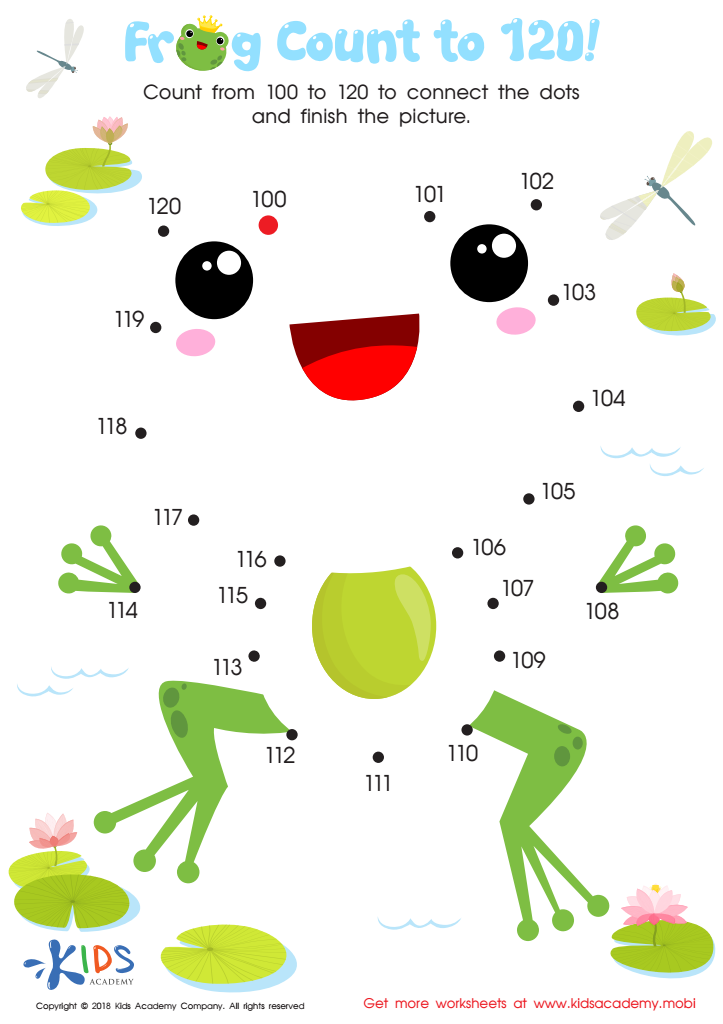
Frog Count to 120 Worksheet
 Assign to My Students
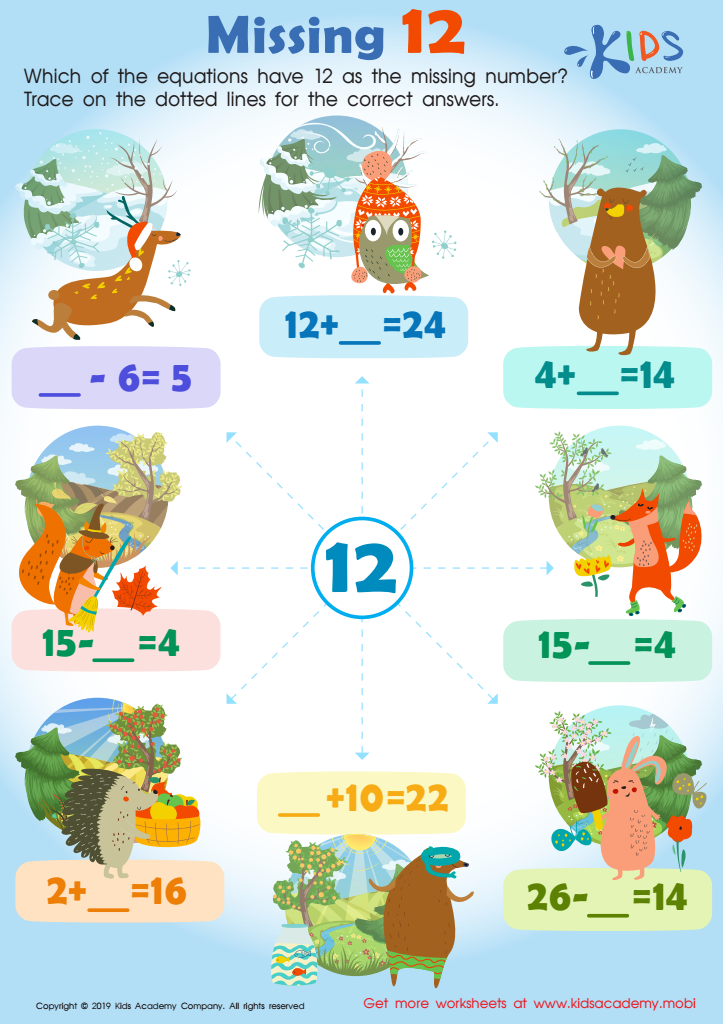
Missing 12 Worksheet
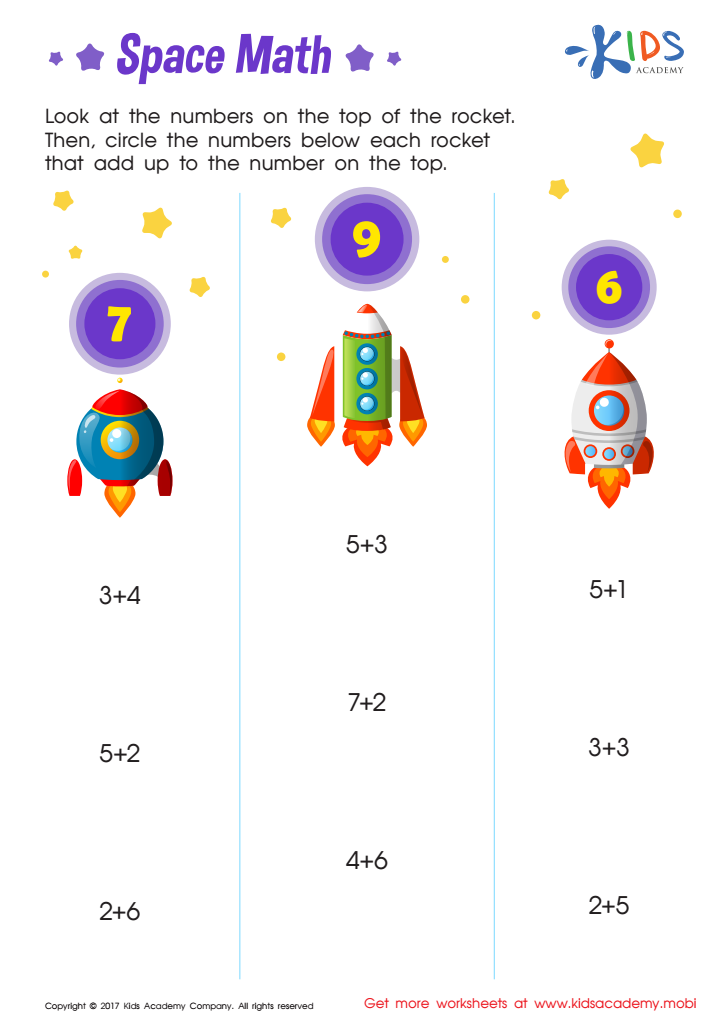
Addition: Space Math Worksheet
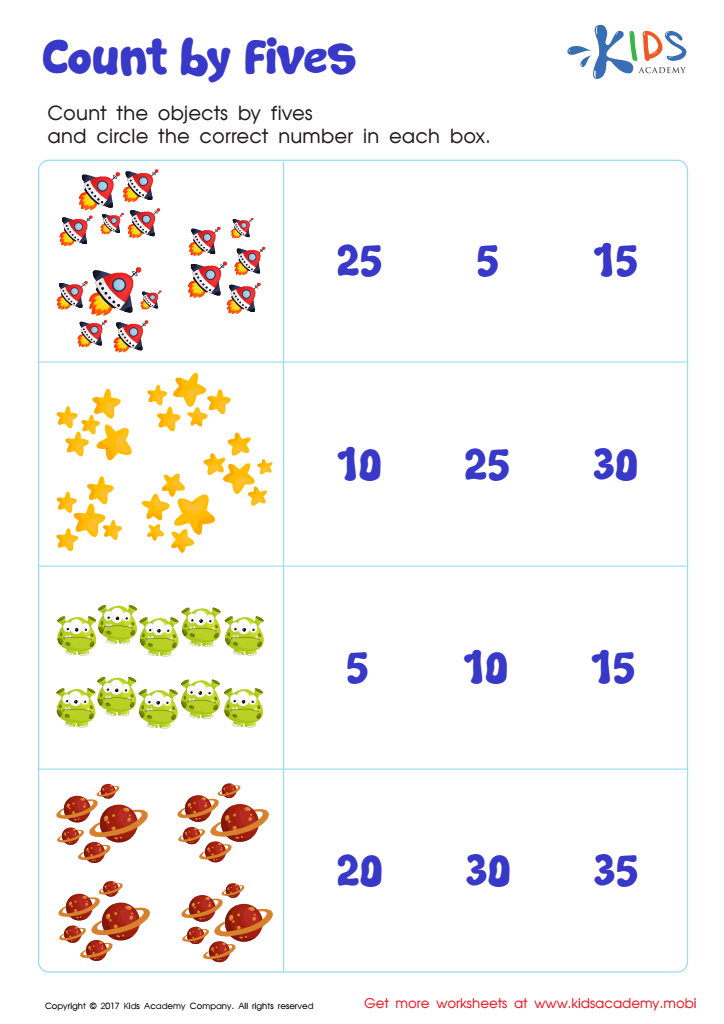
Skip Counting by 5s: Space Math Printable
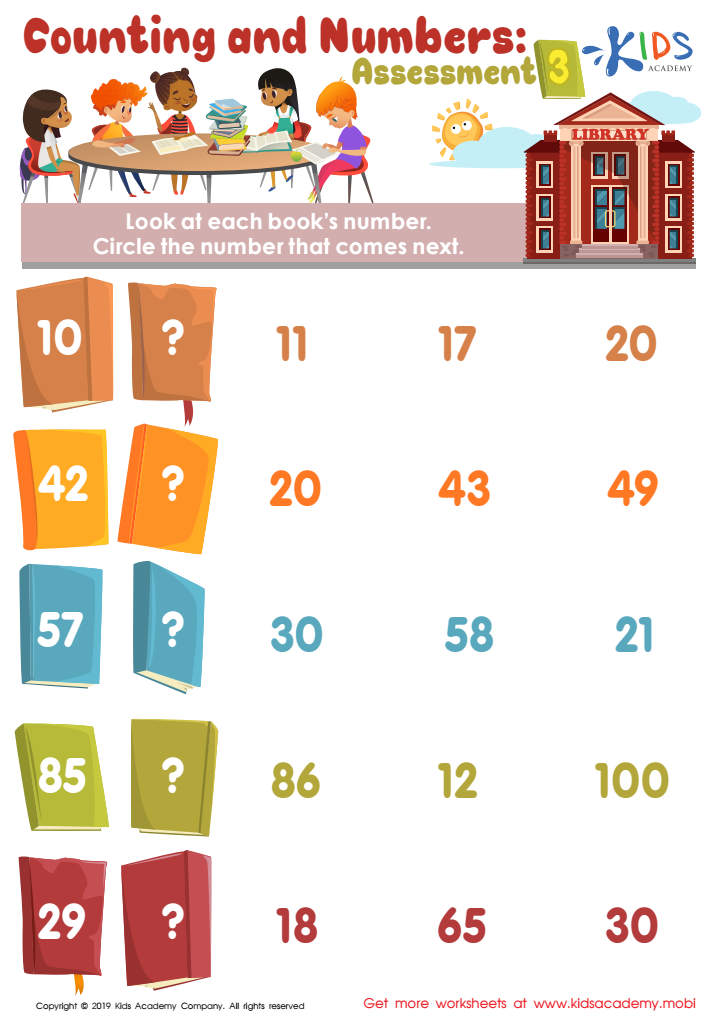
Counting and Numbers: Assessment Worksheet
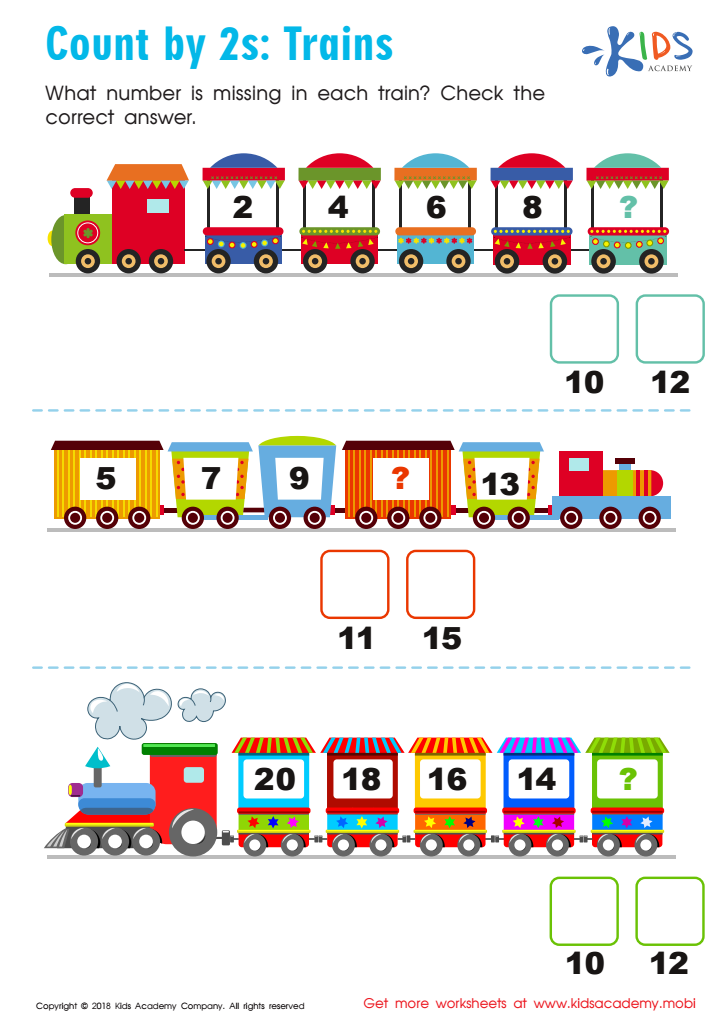
Count by 2's: Trains Worksheet
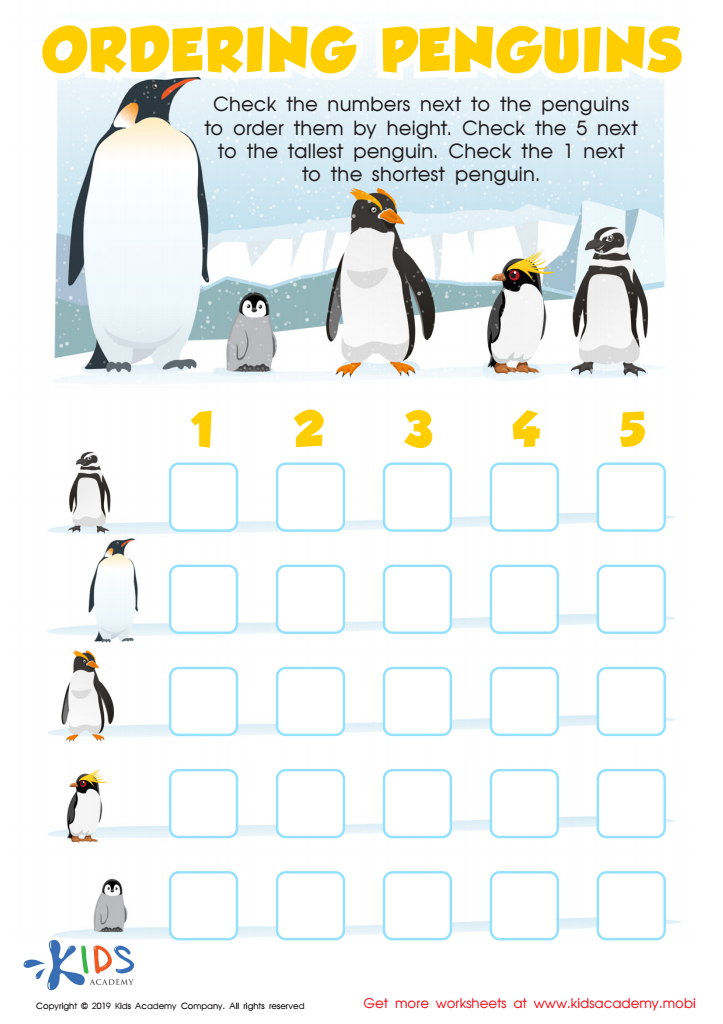
Ordering Penguins Worksheet
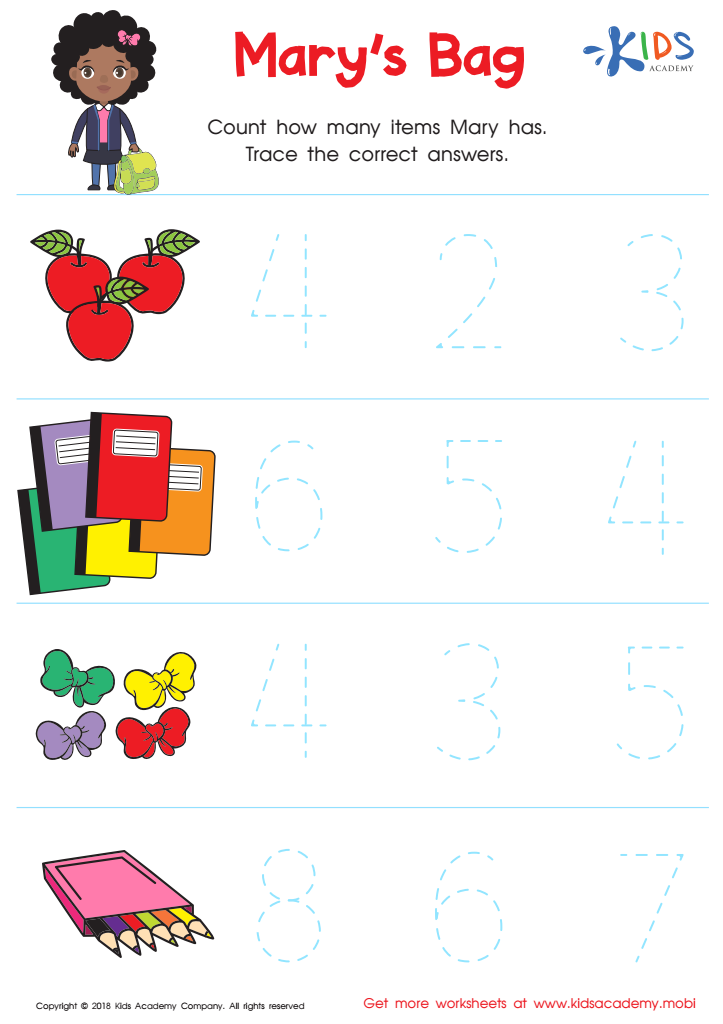
Kindergarten Number Tracing: Mary's Bag Worksheet
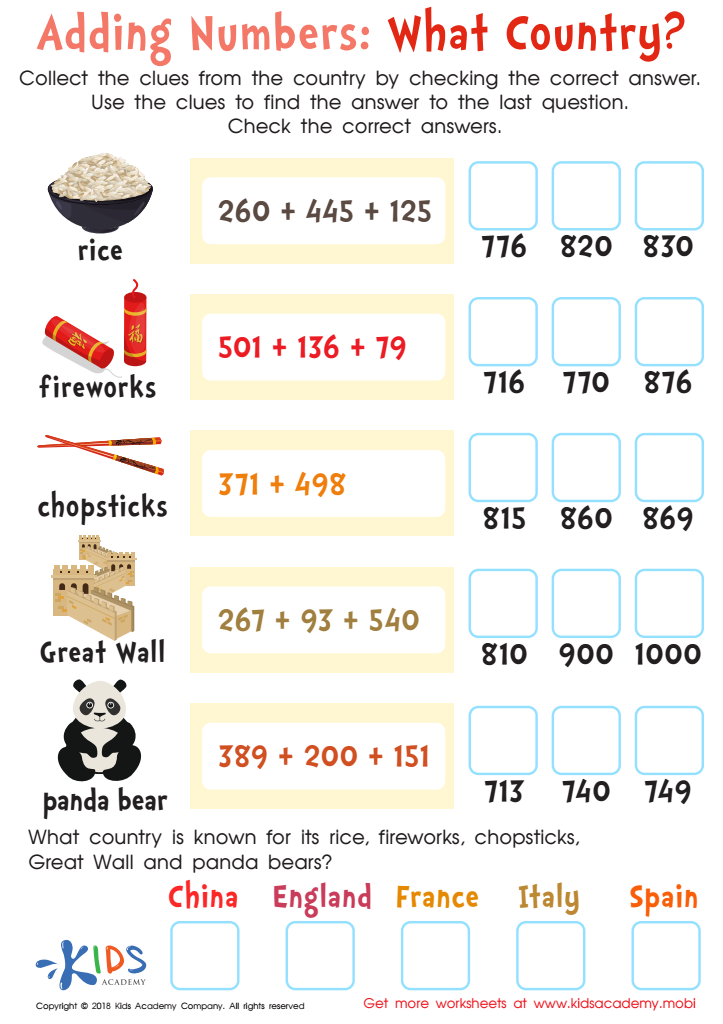
Adding Numbers: What Country Worksheet
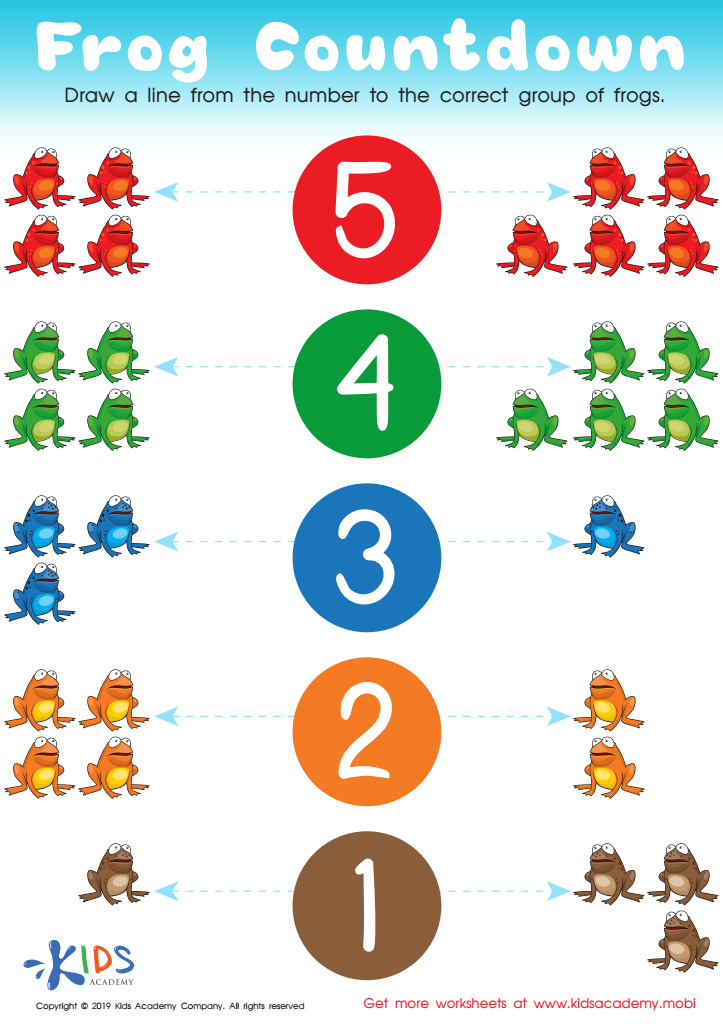
Frog Countdown Worksheet
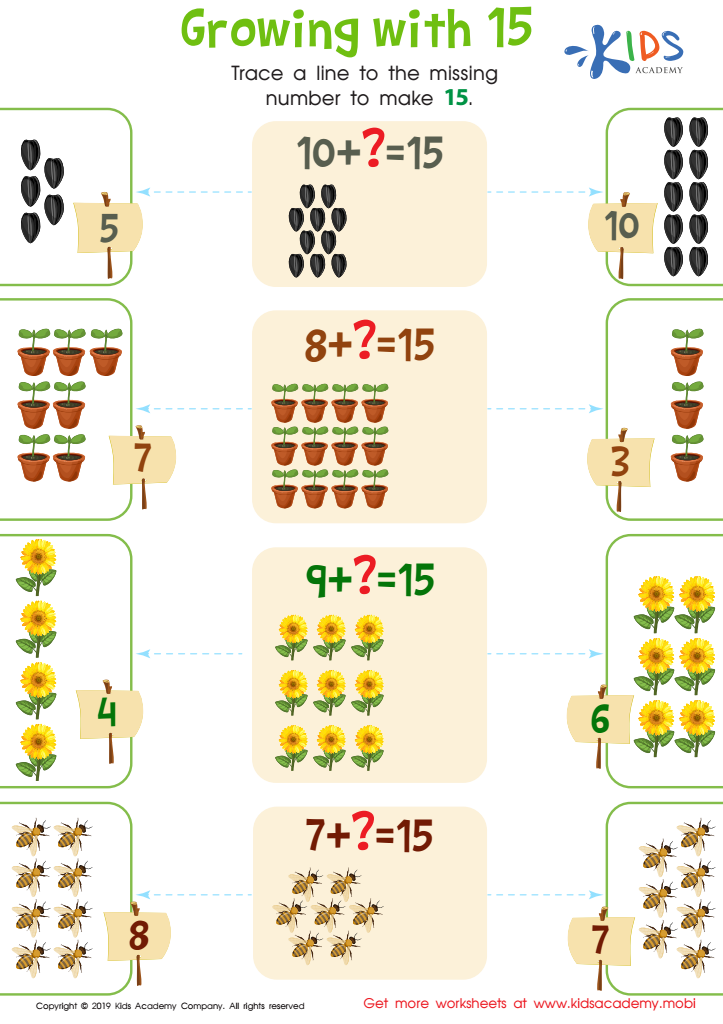
Growing with 15 Worksheet
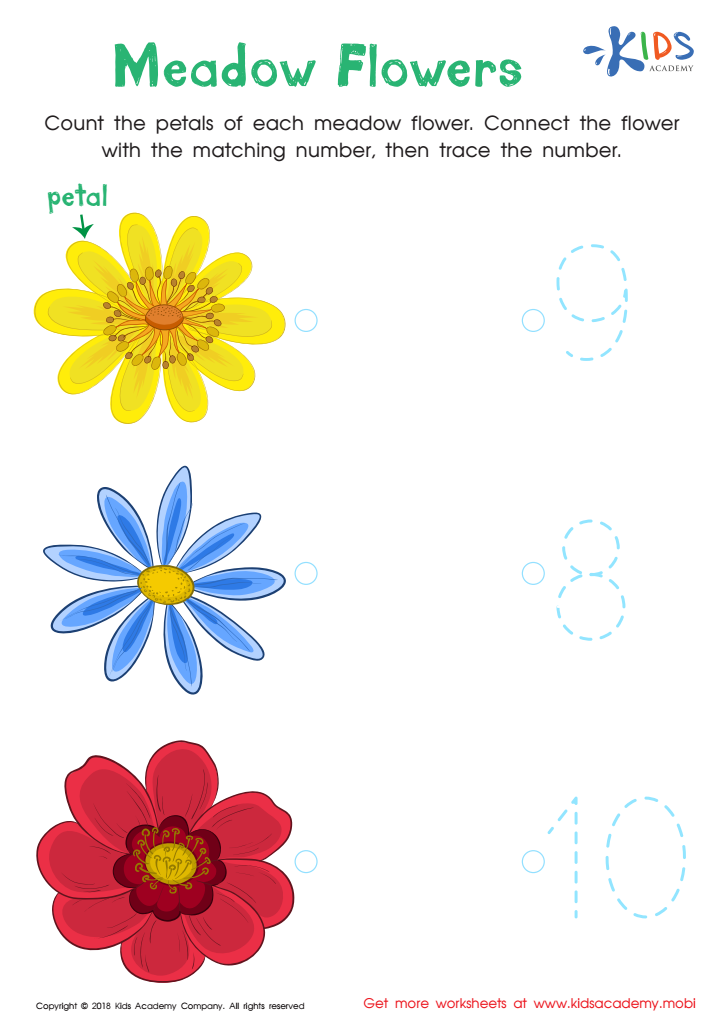
Kindergarten Number Tracing: Medow Flowers Worksheet








Number sequencing is a foundational skill that supports early mathematical development in children aged 3-7. Parents and teachers should prioritize this skill because it fosters a child's cognitive growth and understanding of numbers. By mastering number sequencing, children learn to organize and represent numerical information logically, which is essential for more advanced math concepts later, such as addition and subtraction.
Furthermore, sequencing reinforces important cognitive skills like memory and attention to patterns. It helps children recognize numerical patterns, contributing to their ability to understand comparisons and relationships between numbers. As they engage with sequences, children develop problem-solving abilities and critical thinking skills, which are applicable beyond mathematics.
In the preschool and early elementary years, children are naturally curious and interactive, making it an ideal time to introduce concepts through playful activities, games, and guided practice. Supporting number sequencing at an early age can lead to increased confidence in math, making transitions into more complex topics smoother.
Overall, nurturing number sequencing not only lays the groundwork for future academic success in math but also enhances children's overall cognitive and social development, thereby enriching their learning experiences and fostering a positive attitude toward education.








