Phonics Skills Normal Worksheets for Ages 3-7 - Page 3
60 filtered results
-
From - To
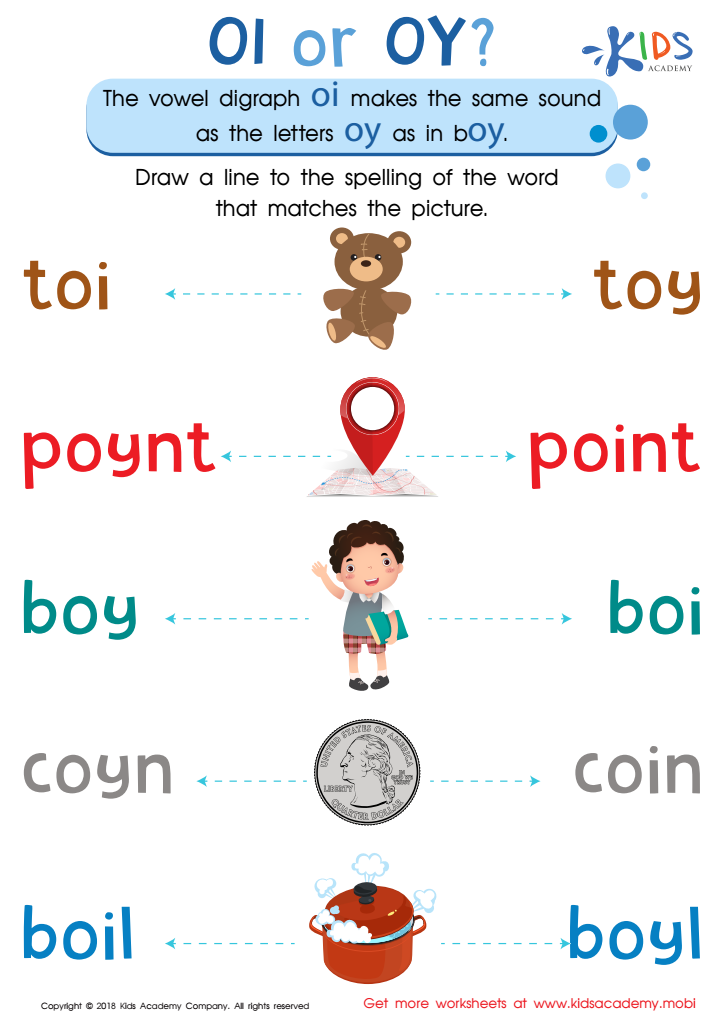
Reading: OI and OY Worksheet
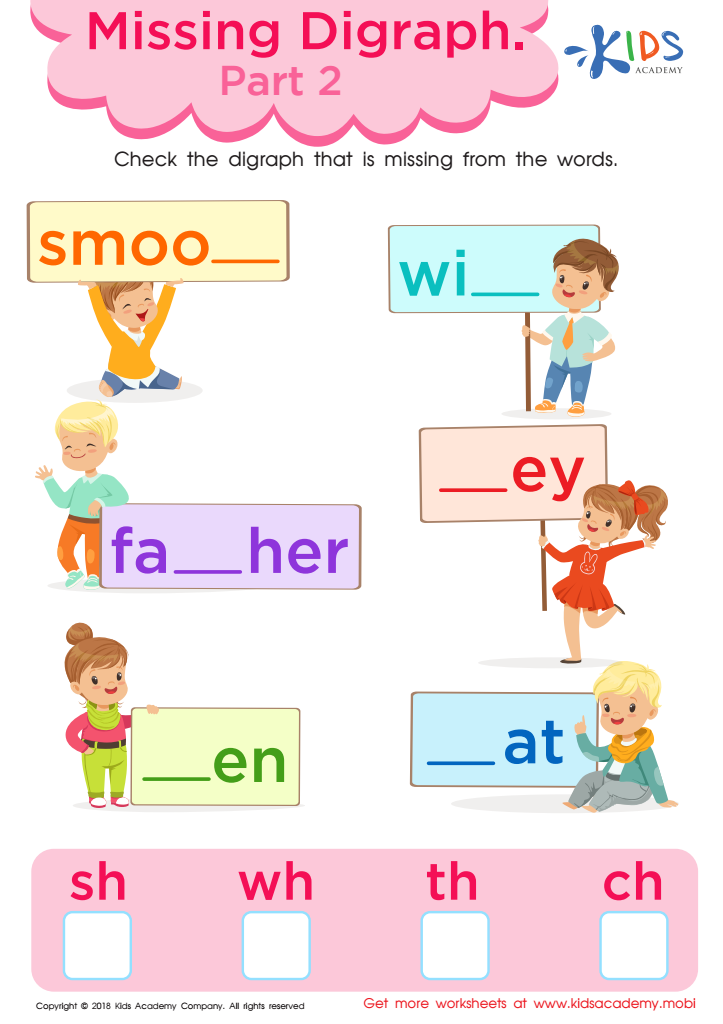
Missing Digraph: Part 2 Worksheet
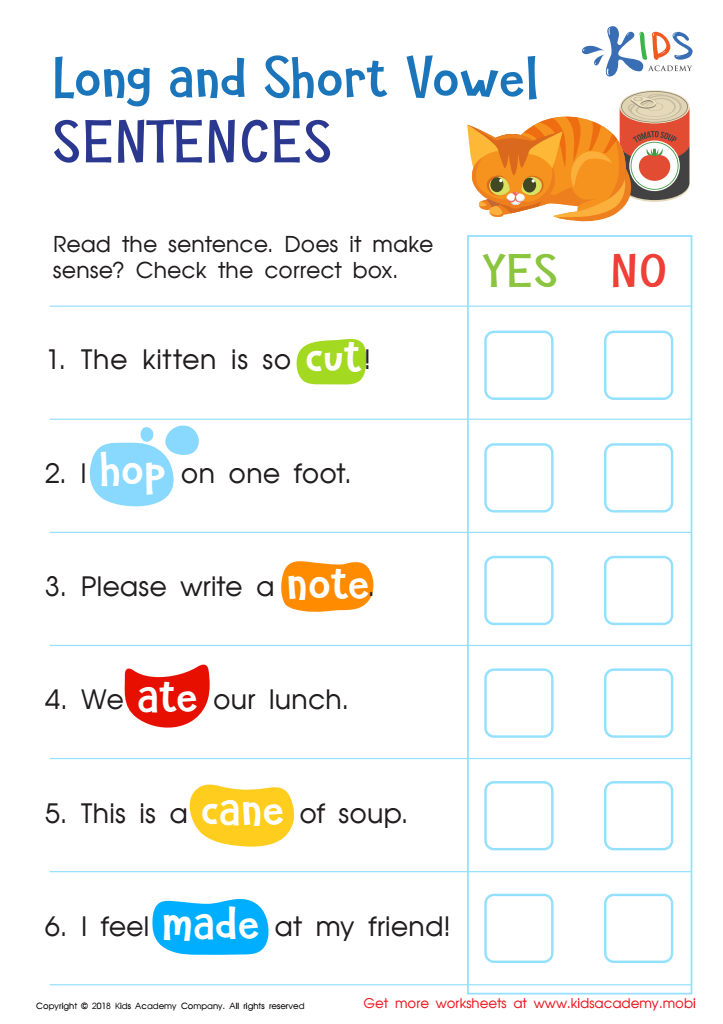
Long and Short Vowel Sentences: Assessment Worksheet
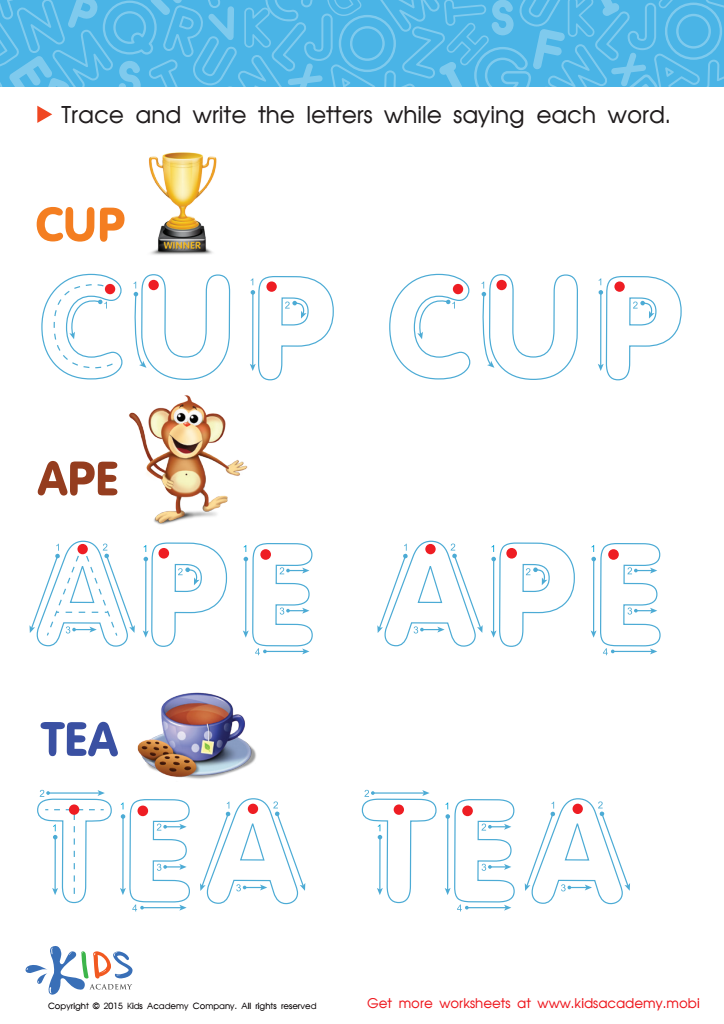
A Cup, an Ape and Tea Spelling Worksheet
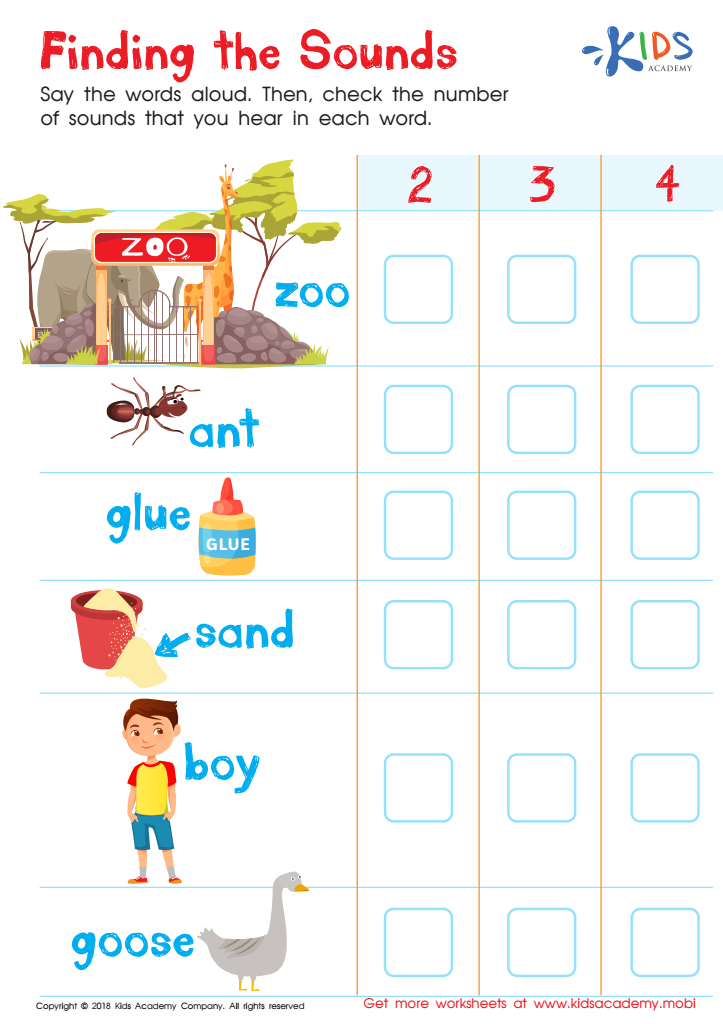
Finding the Sounds Worksheet
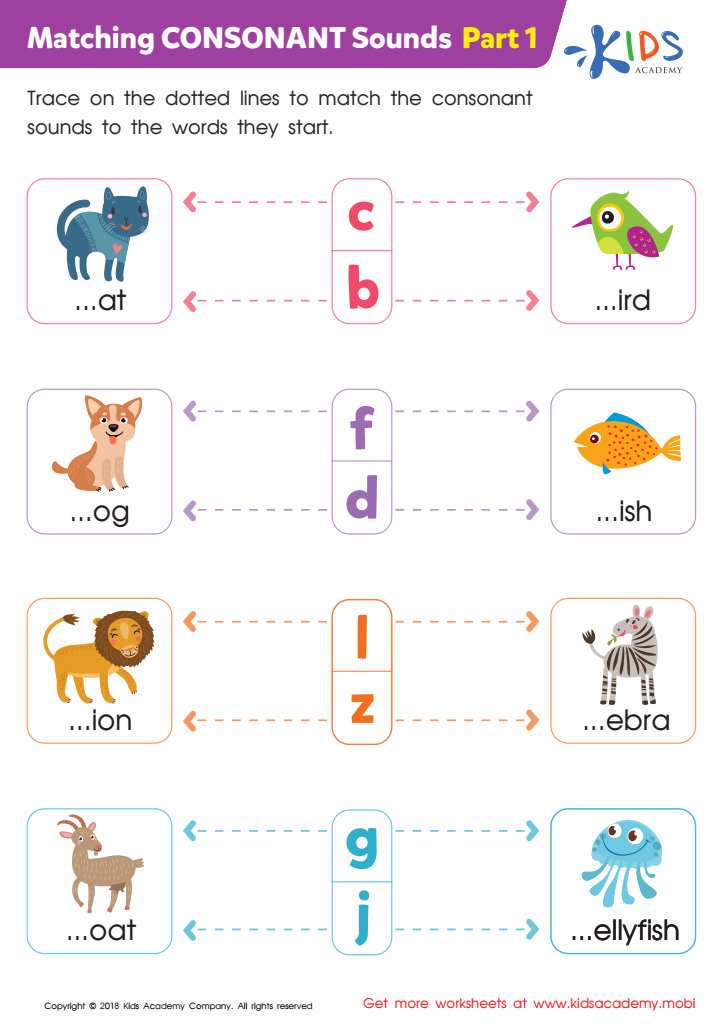
Matching Consonant Sounds: Part 1 Worksheet
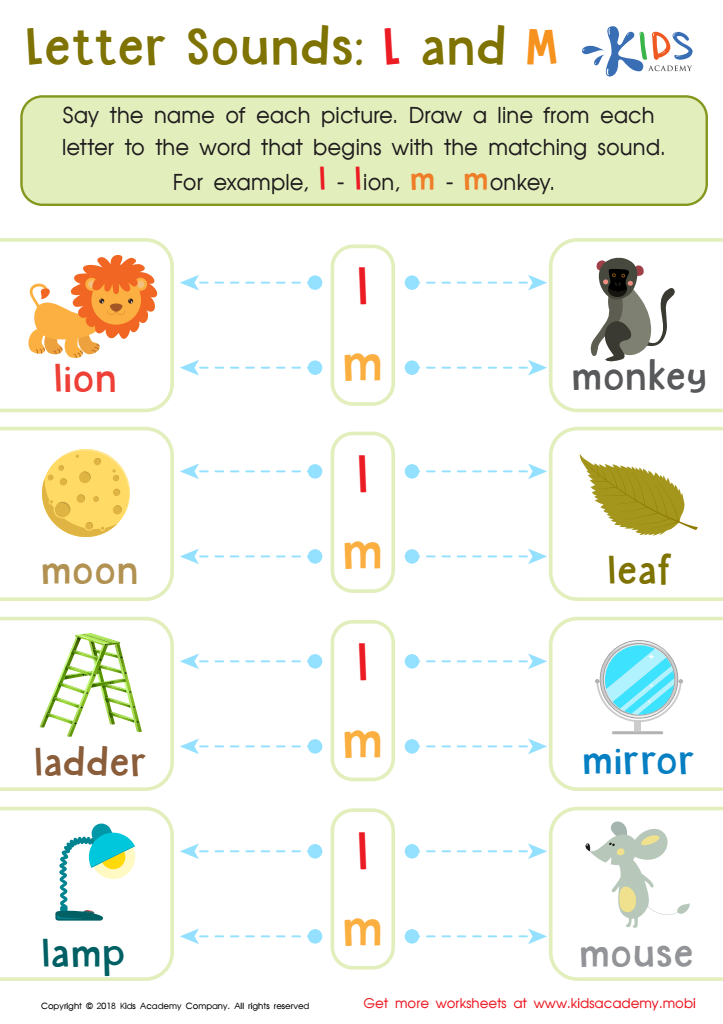
Letter l and M Sounds Worksheet
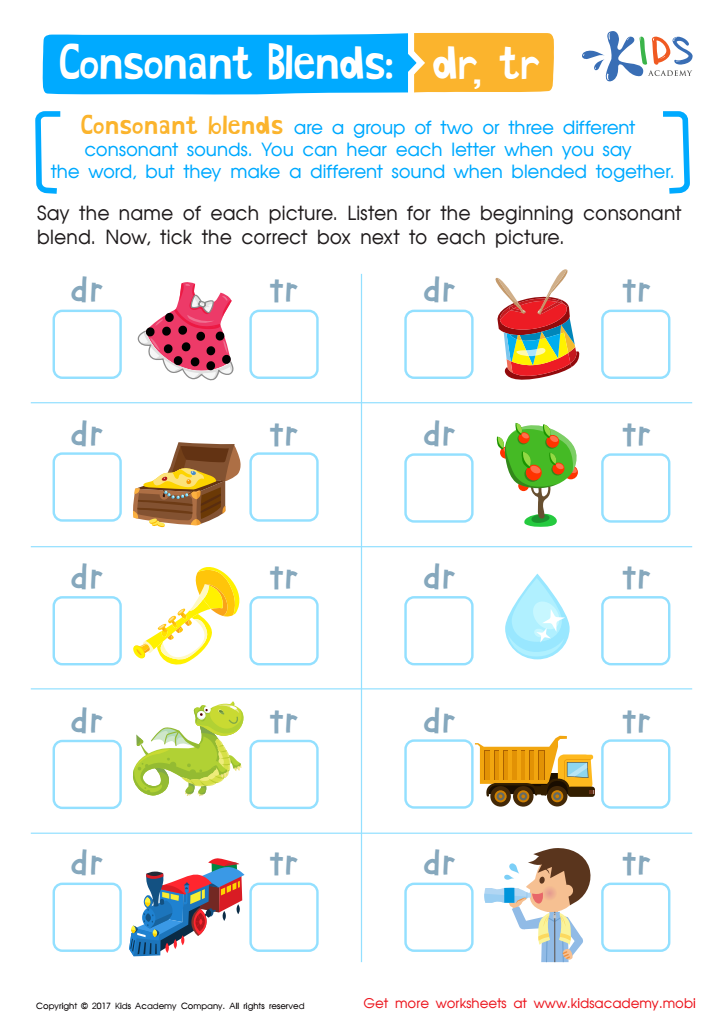
Consonant Blends: "Dr" and "Tr" Printable

Long and Short E Worksheet
 Assign to My Students
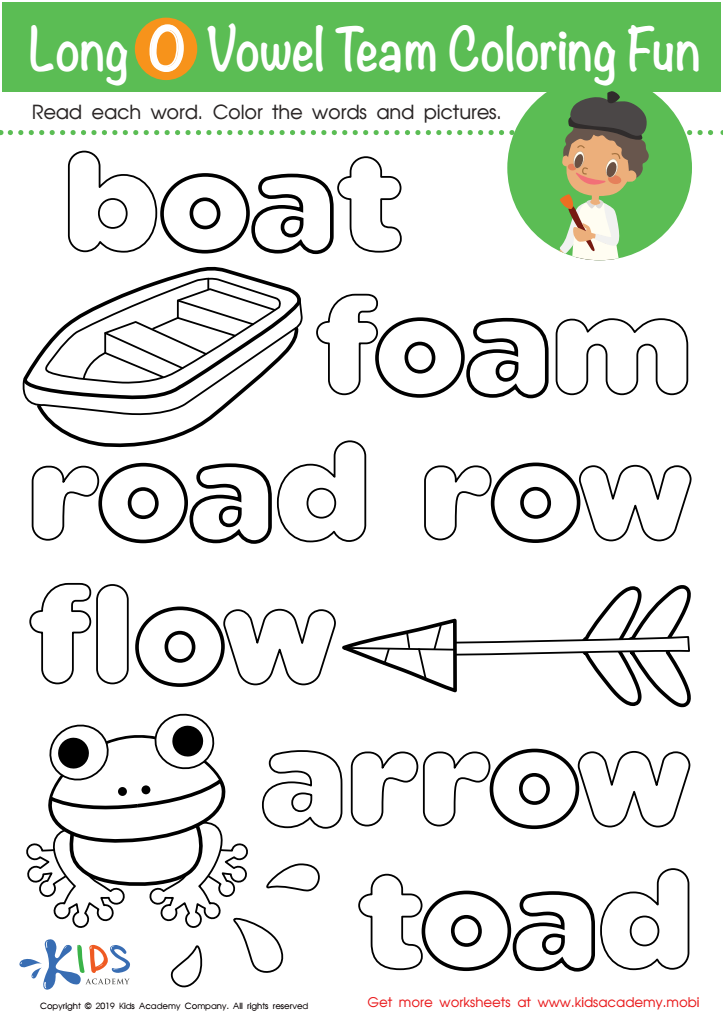
Long O Vowel Team Coloring Worksheet
Assign to My Students
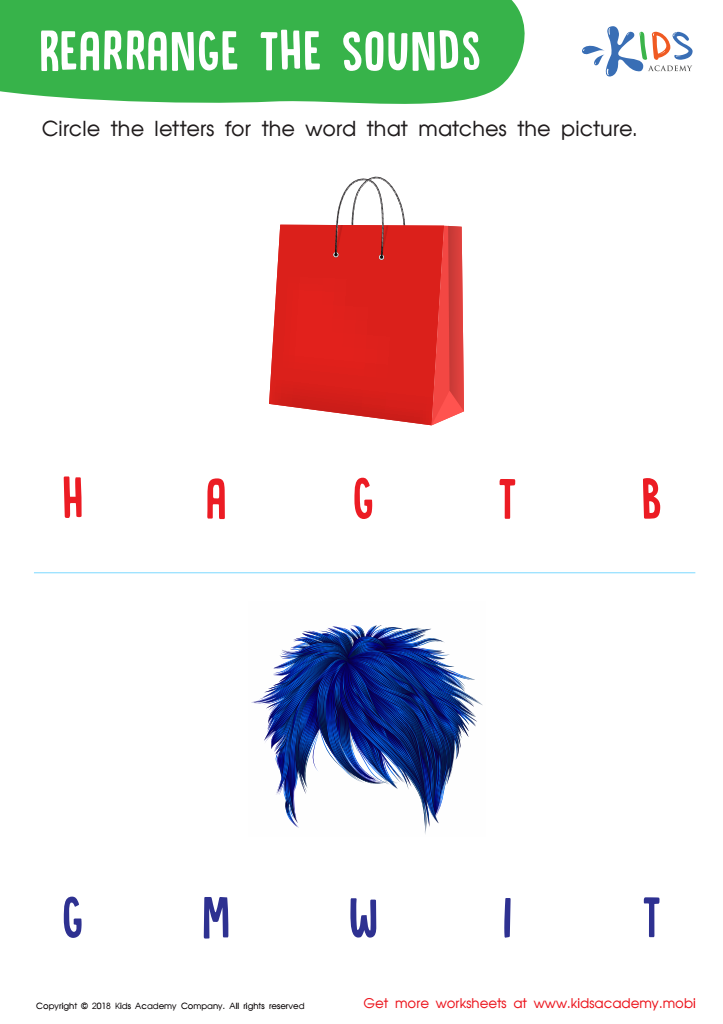
Rearrange the Sounds Worksheet
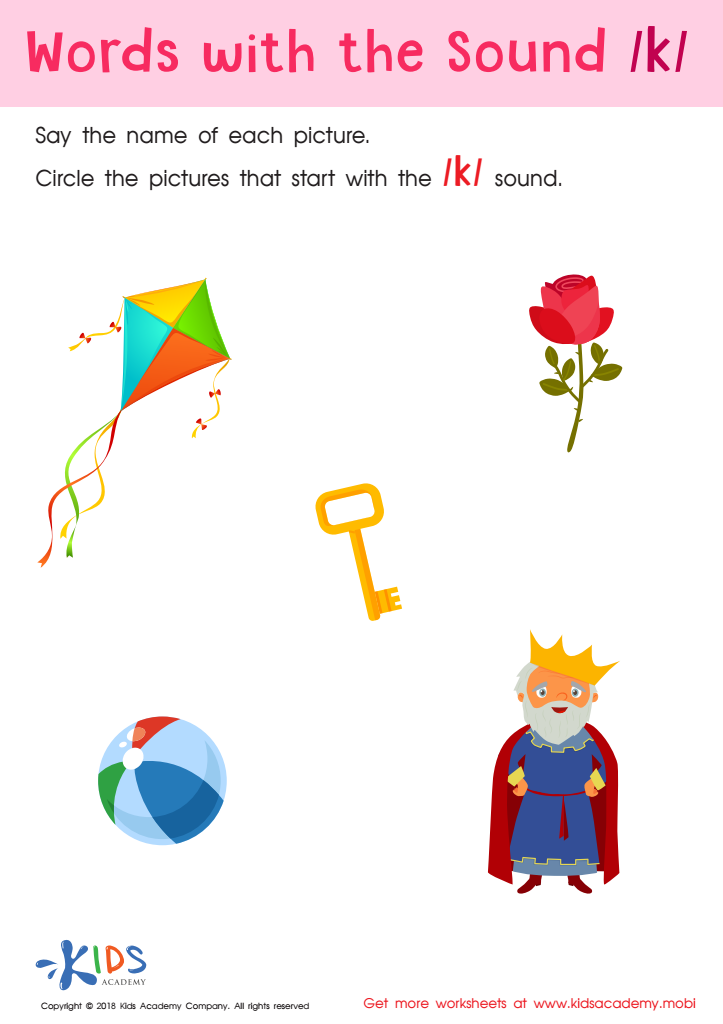
Words with sound k Reading Worksheet






Phonics skills are a foundational element of early childhood literacy, crucial for children aged 3-7. Parents and teachers should be vigilant about normal phonics development because it directly affects a child's ability to read, write, and spell. Phonics involves the relationship between sounds and their corresponding letters, making it the building blocks of language.
When children are comfortable with phonics, they can decode new words, understand word structures, and enhance their pronunciation. This early competence fosters confidence, encouraging a positive attitude towards learning and reading. Research indicates that phonics-based reading instruction can have long-term benefits on children’s literacy skills, influencing their overall academic success.
If parents and teachers emphasize phonics skills from a young age, children are less likely to encounter reading difficulties later on. Struggles with reading can negatively impact self-esteem and limit a child's access to information, hampering overall educational progress. By ensuring proficiency in phonics, children also develop critical brain functions related to memory, auditory processing, and cognitive development.
In summary, attention to phonics skills in the early years equips children with essential tools for academic achievement and lifelong learning, highlighting why both parents and teachers should prioritize this in early education.








