Fine Motor Skills Normal Math Worksheets for Ages 3-7 - Page 2
41 filtered results
-
From - To
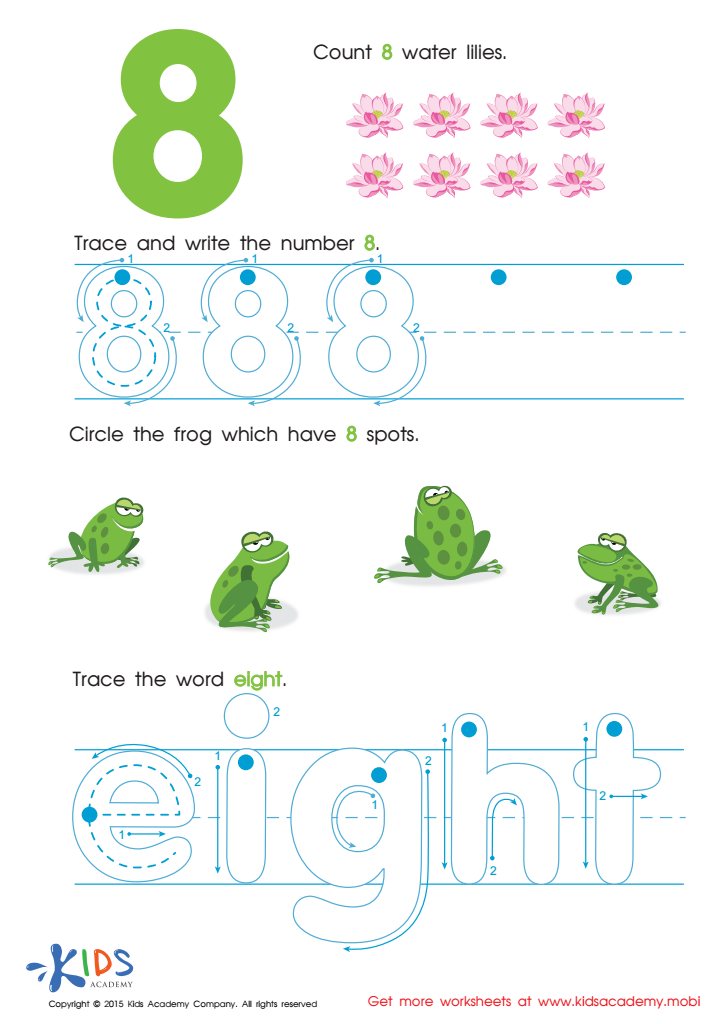
Learn Number 8 Easily Worksheet
 Assign to My Students
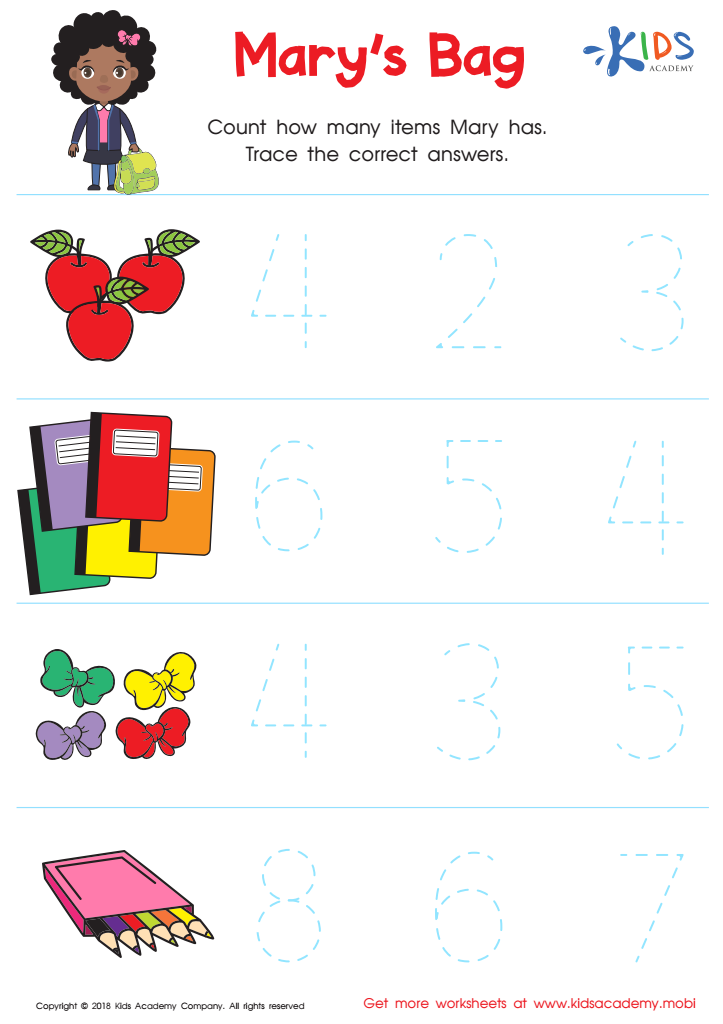
Kindergarten Number Tracing: Mary's Bag Worksheet

Three–Dimensional Shapes: Cylinder Worksheet
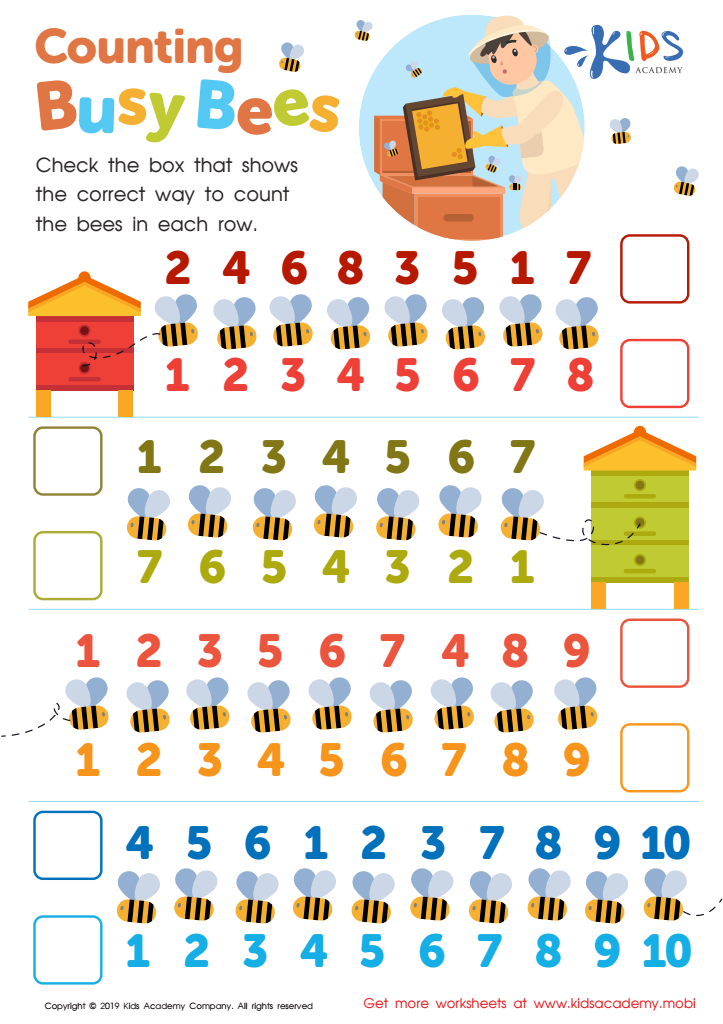
Counting Busy Bees Worksheet
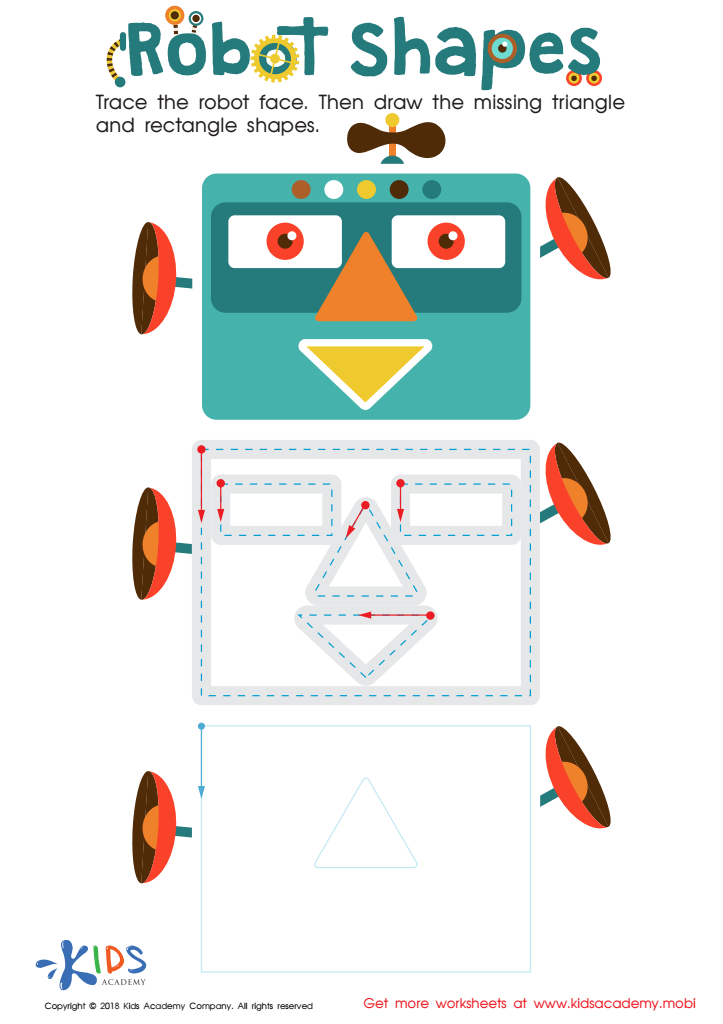
Robot Shapes Worksheet
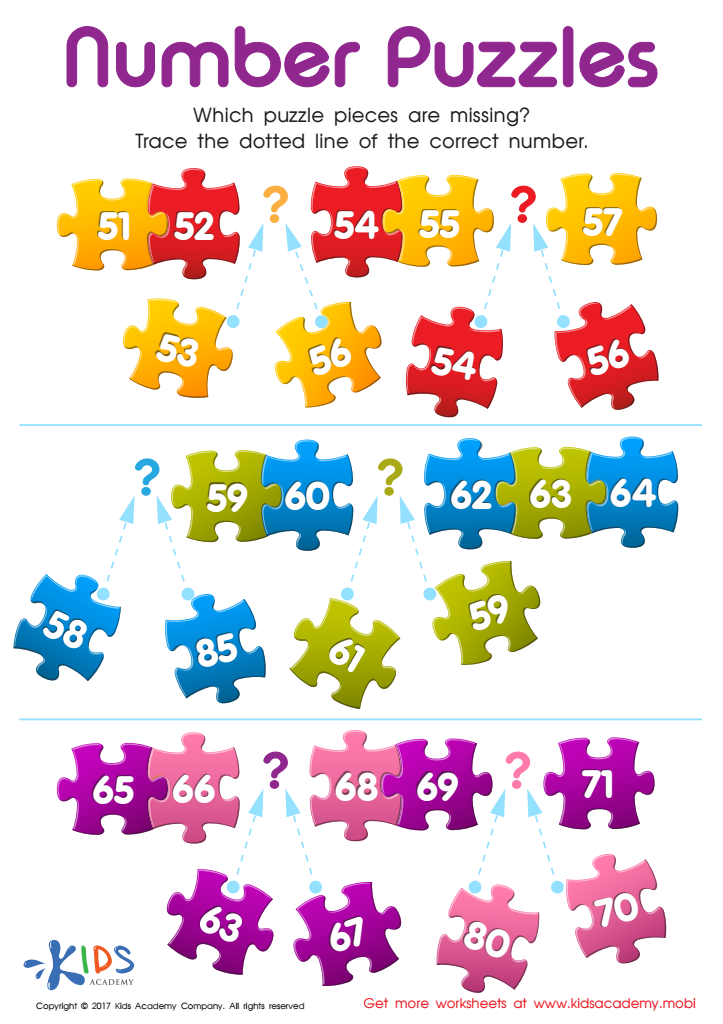
Number Puzzles Worksheet
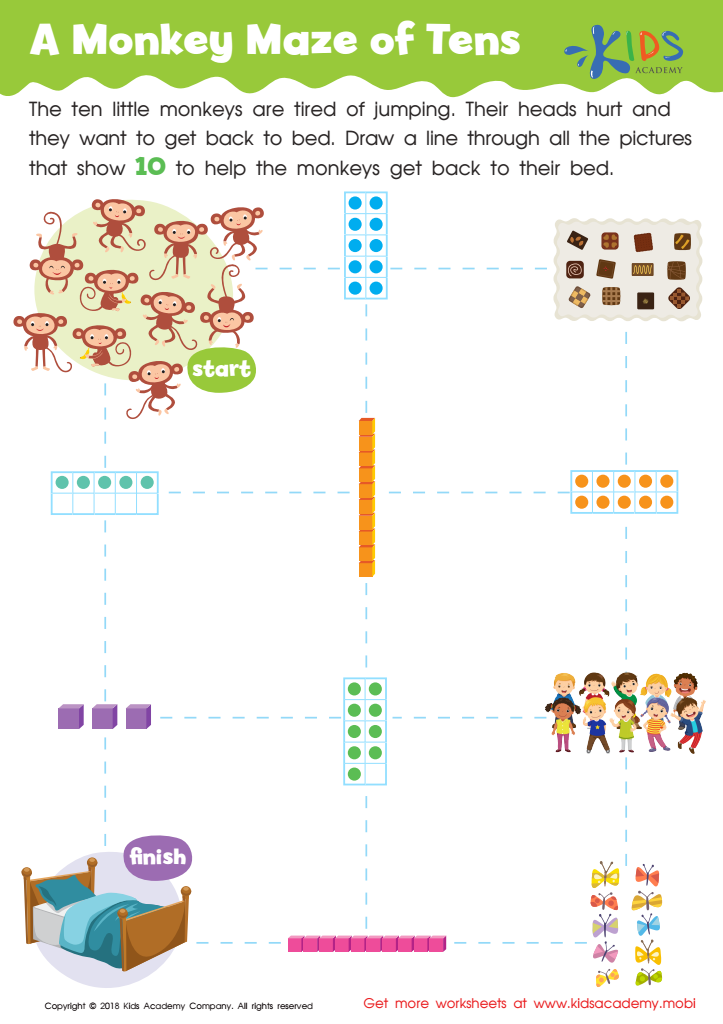
A Monkey Maze of Tens Worksheet
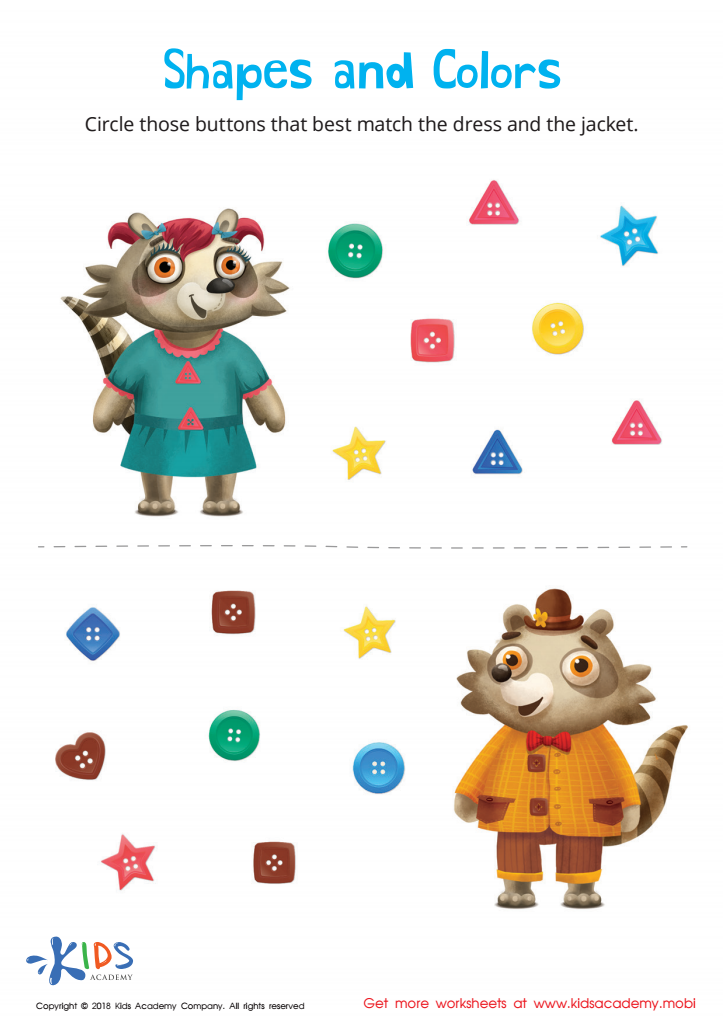
Shapes and Colors Worksheet
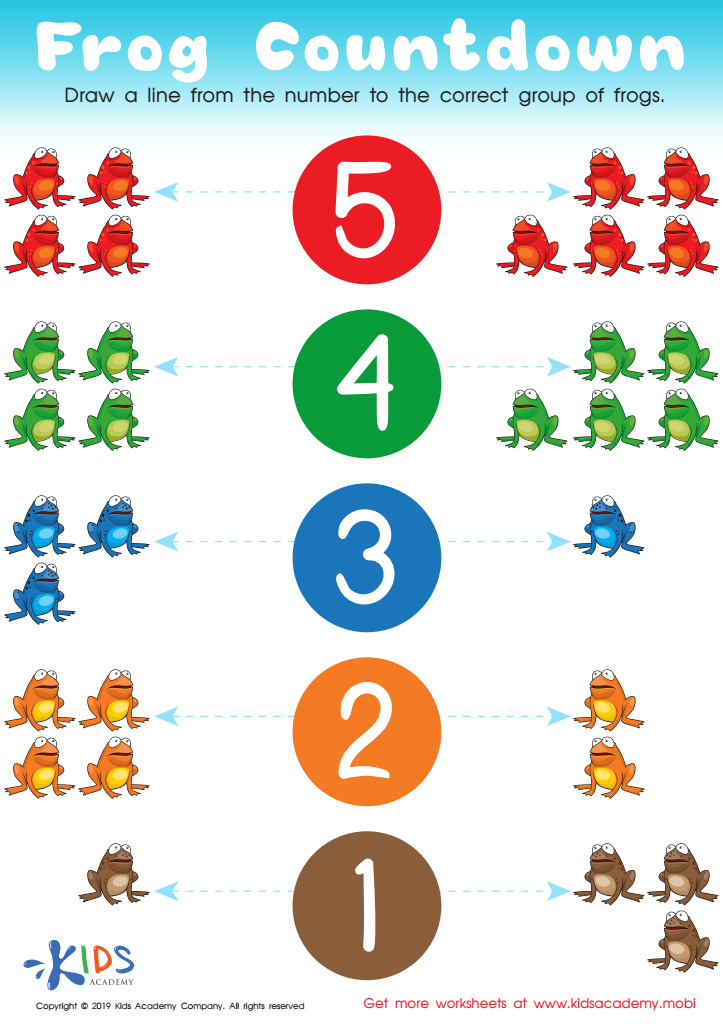
Frog Countdown Worksheet
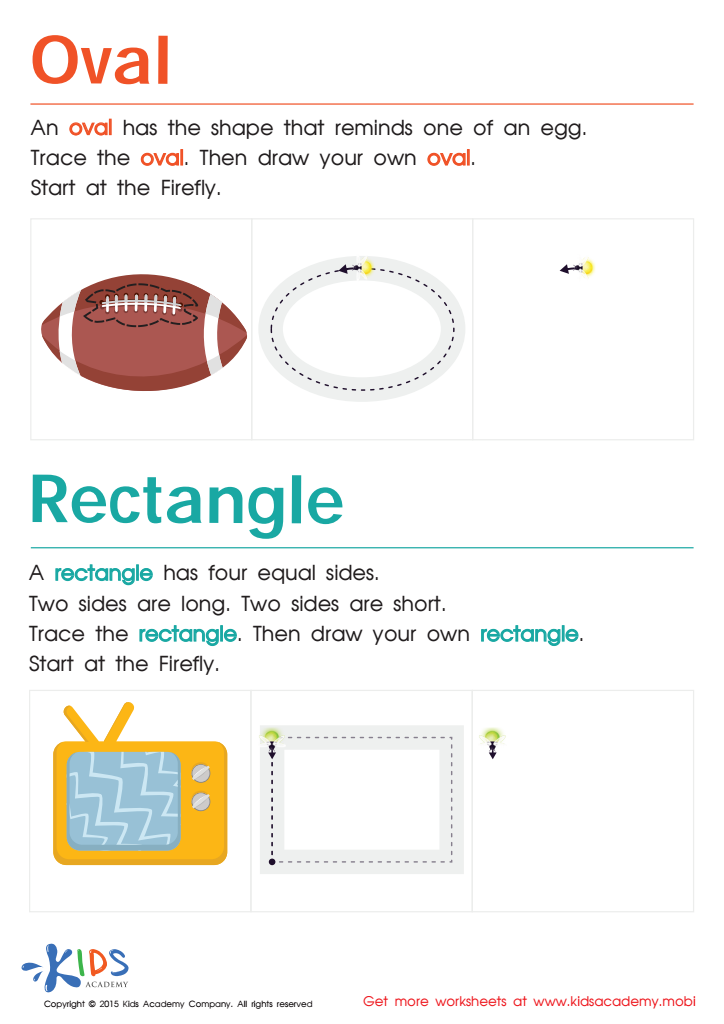
Easy Drawing of Ovals And Rectangles Worksheet
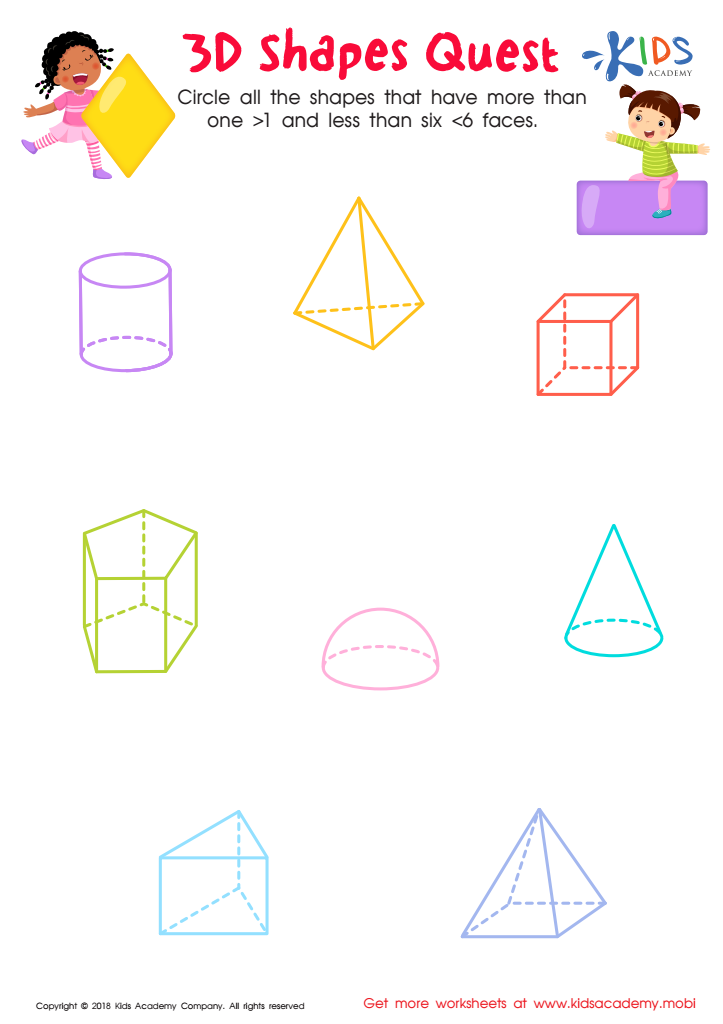
3D Shapes Quest Worksheet
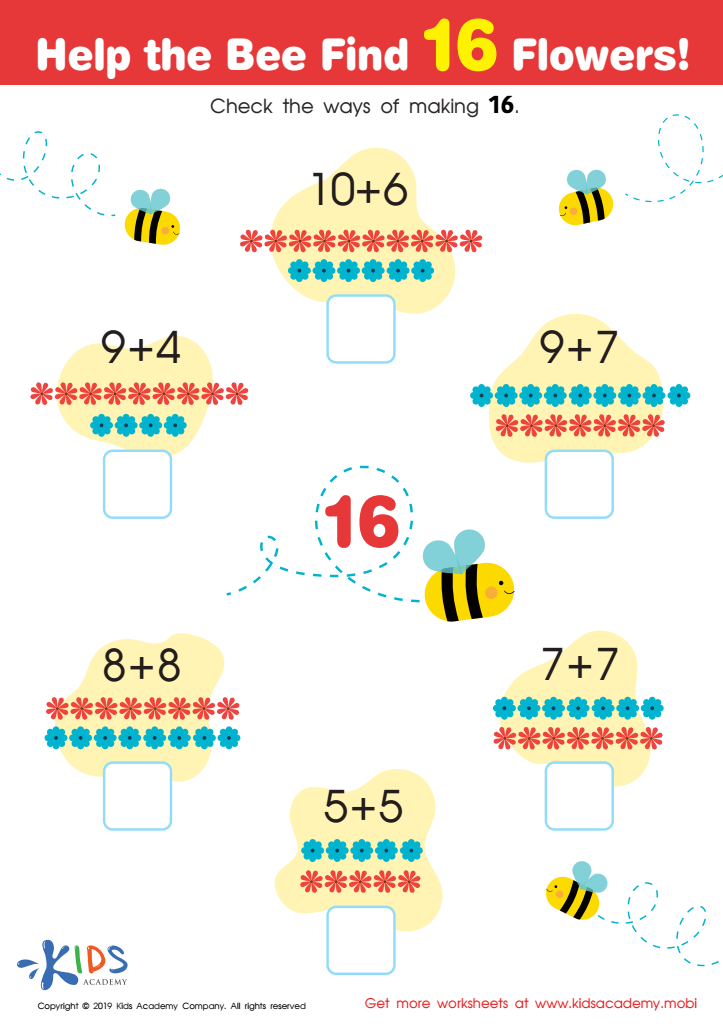
Help the Bee Find 16 Flowers Worksheet
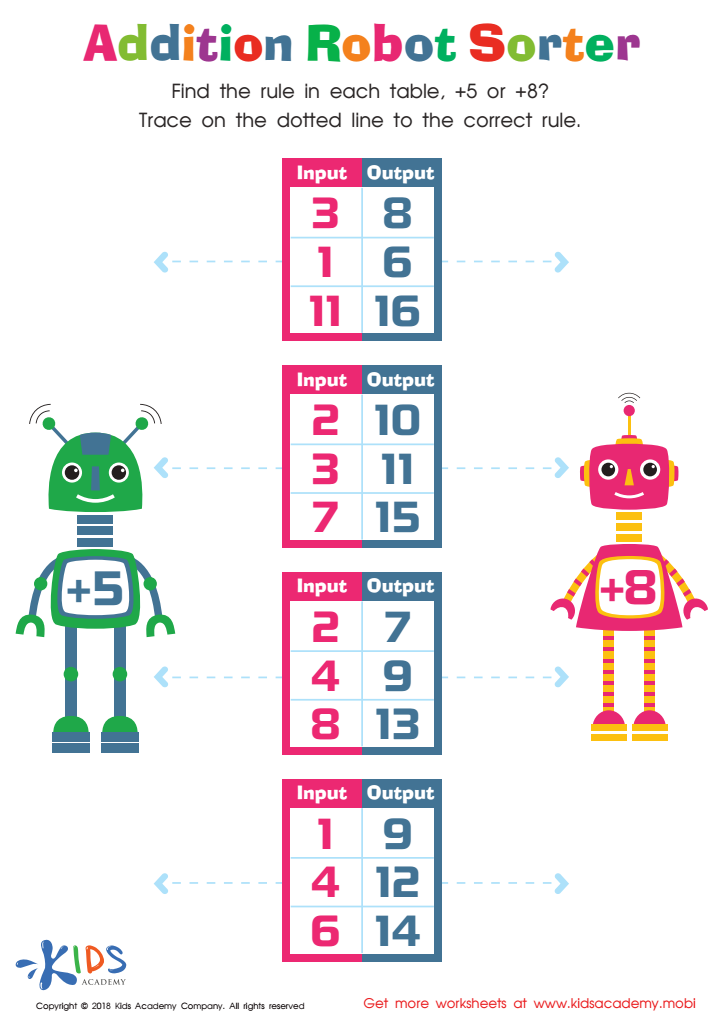
Addition Robot Sorter Worksheet
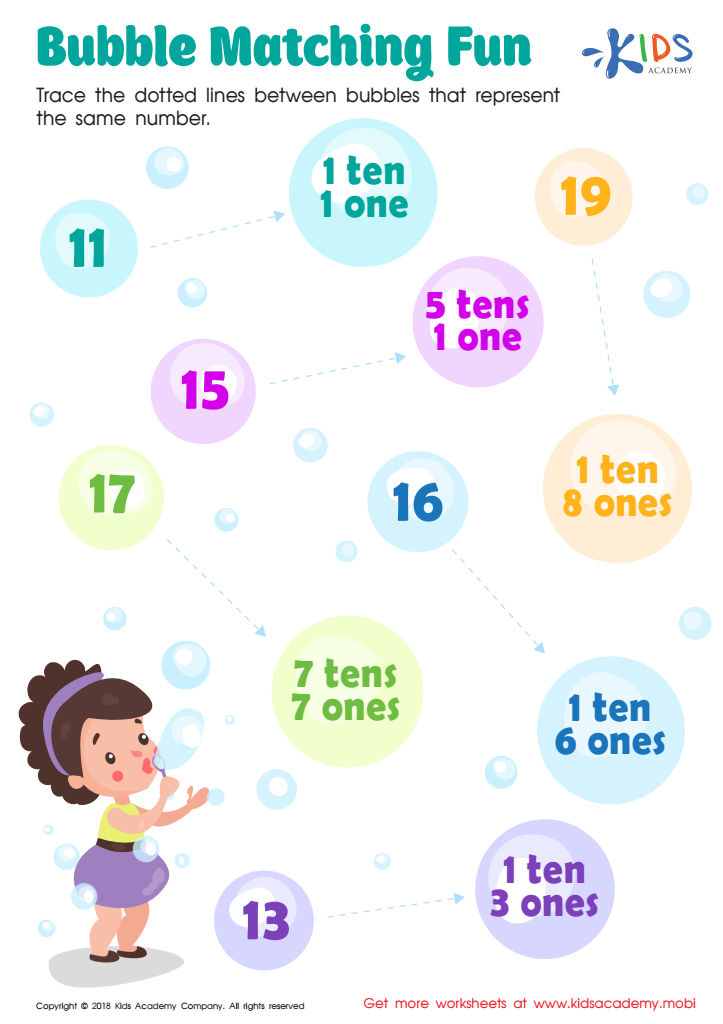
Bubble Matching Fun Worksheet
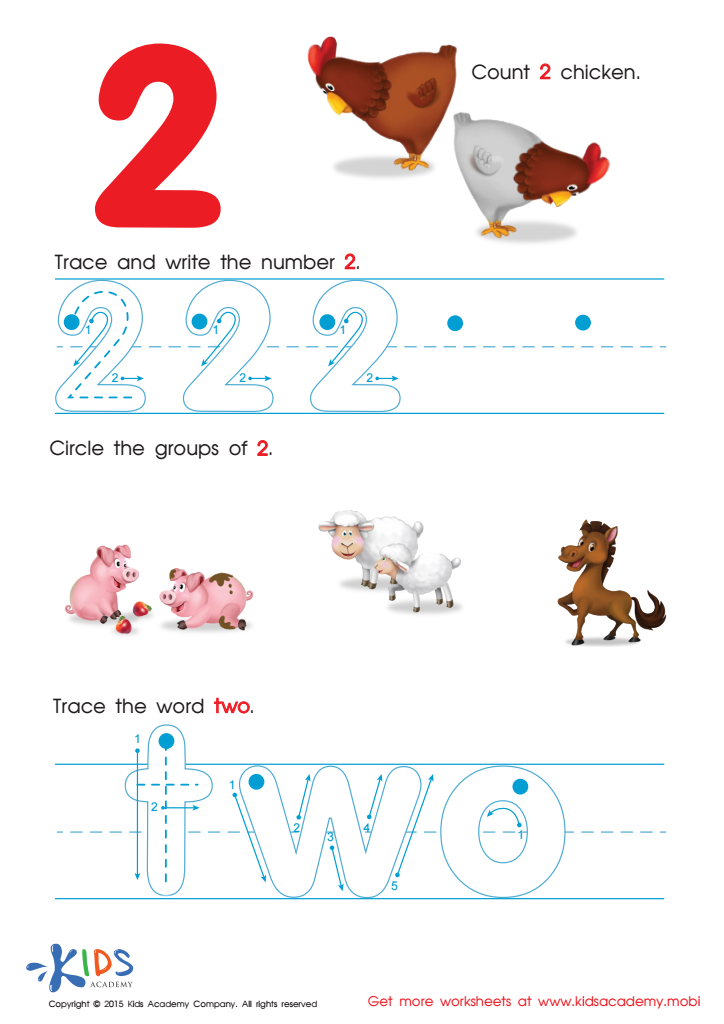
Learn to Write the Number 2 Worksheet
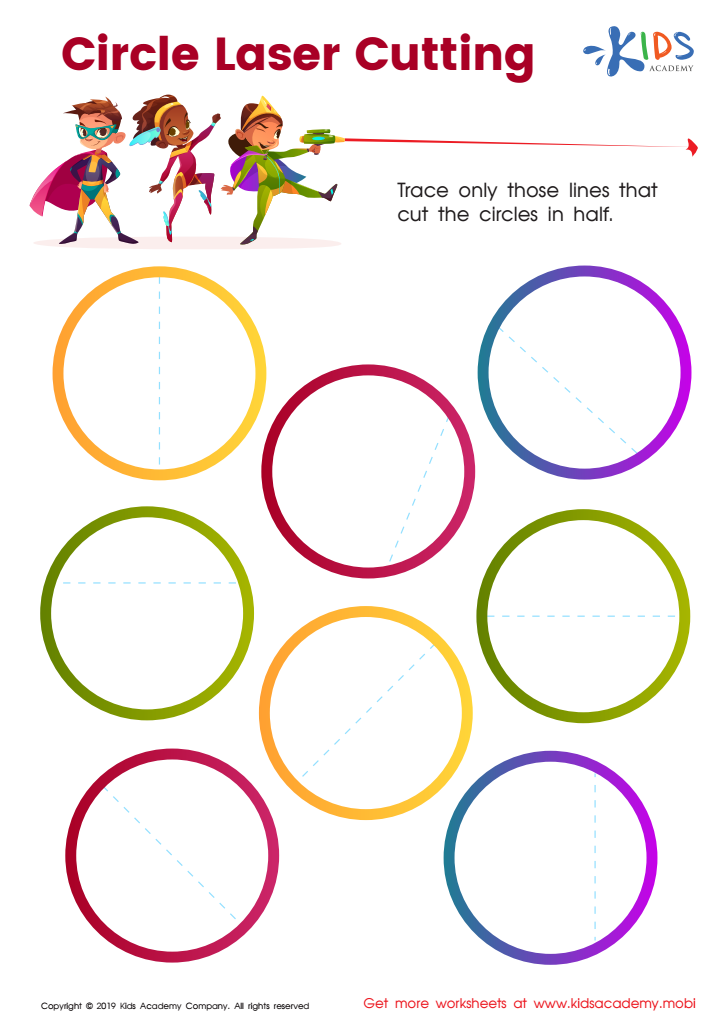
Circle Laser Cutting Worksheet
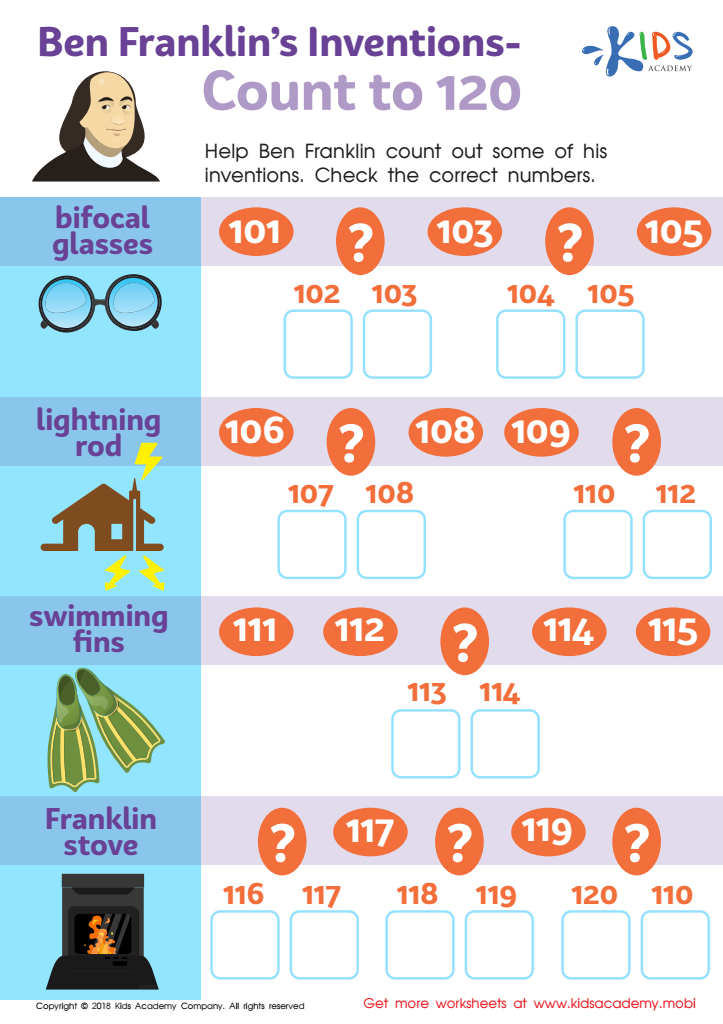
Ben Franklin’s Inventions – Count to 120 Worksheet






.jpg)

Fine motor skills are essential for children aged 3-7 as they lay the foundation for performing daily tasks and academic activities effectively. These skills involve the coordination of small muscles in the hands and fingers, which are crucial for a wide range of activities such as writing, cutting, buttoning clothes, and even turning pages in a book. Parents and teachers should care about fine motor skills because strong development in this area boosts children's confidence in handling tasks independently, fostering a sense of achievement and self-reliance.
In an academic context, fine motor skills are directly linked to early math skills. For instance, tasks like sorting small objects by size or color, drawing shapes, or manipulating counting beads all require fine motor precision. Poor fine motor development may lead to frustrations and difficulties in performing these mathematics-related tasks, impacting a child's self-esteem and interest in learning.
Early intervention and practice can significantly enhance fine motor control, leading to smoother hand-eye coordination and more successful learning experiences. A well-developed foundation in fine motor skills enables children to approach educational challenges more efficiently, encouraging a positive attitude towards school and learning. Teachers and parents who focus on nurturing these skills can significantly influence a child's academic trajectory and holistic development.








