Logical thinking Normal Matching Worksheets for Ages 3-7
3 filtered results
-
From - To
Discover our "Logical Thinking Normal Matching Worksheets" designed specifically for children ages 3-7. These engaging printable activities sharpen essential cognitive skills by fostering logical reasoning and matching abilities in young learners. Each worksheet features vibrant illustrations and age-appropriate exercises that make learning fun and interactive. As children solve matching puzzles, they enhance their critical thinking, pattern recognition, and problem-solving skills—key foundations for future academic success. Ideal for homeschooling or classroom use, our worksheets provide a valuable resource for teachers and parents alike. Help your child thrive academically while enjoying the process with our captivating logical thinking worksheets!
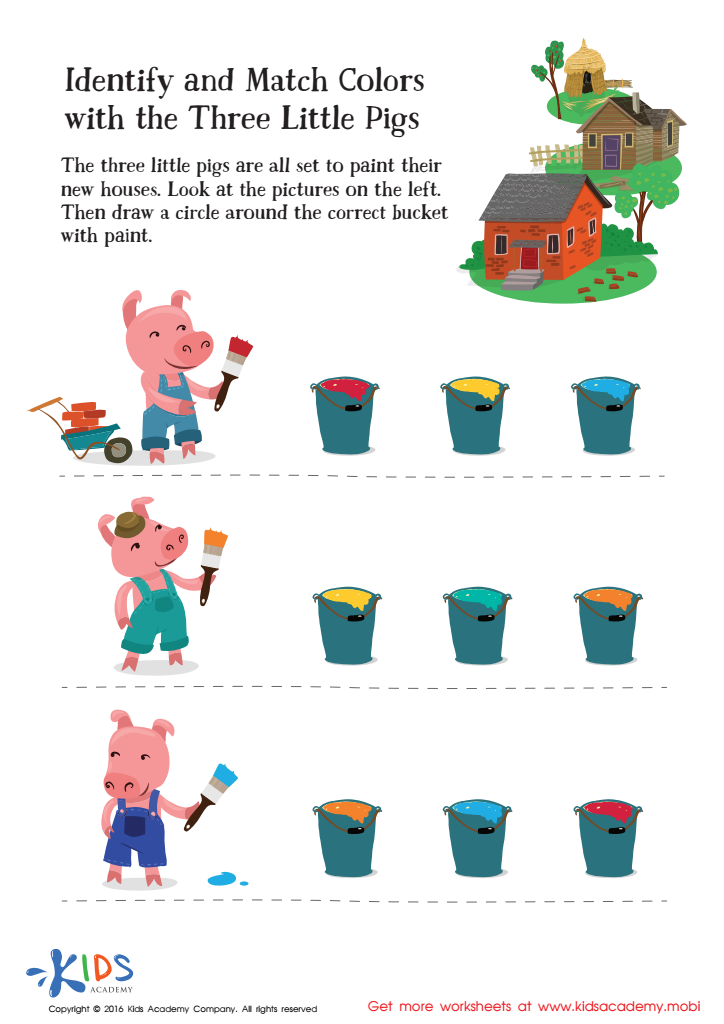
Fairy Tale Worksheet: Identify and Match Colors with Three Little Pigs
 Assign to My Students

Cinderella Geometry Maze Worksheet
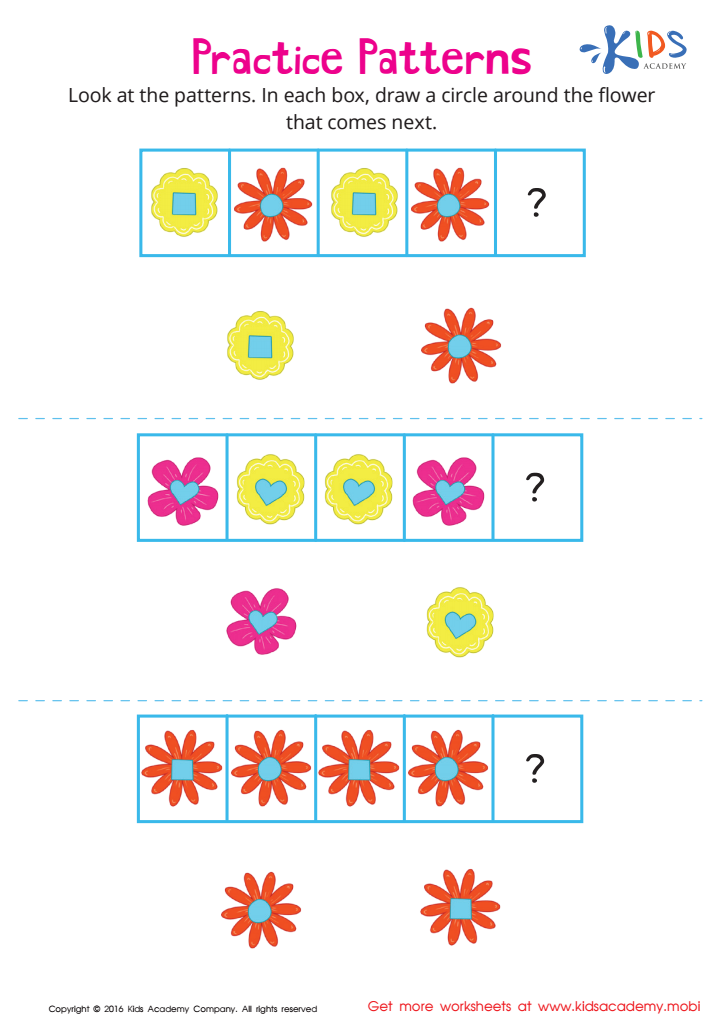


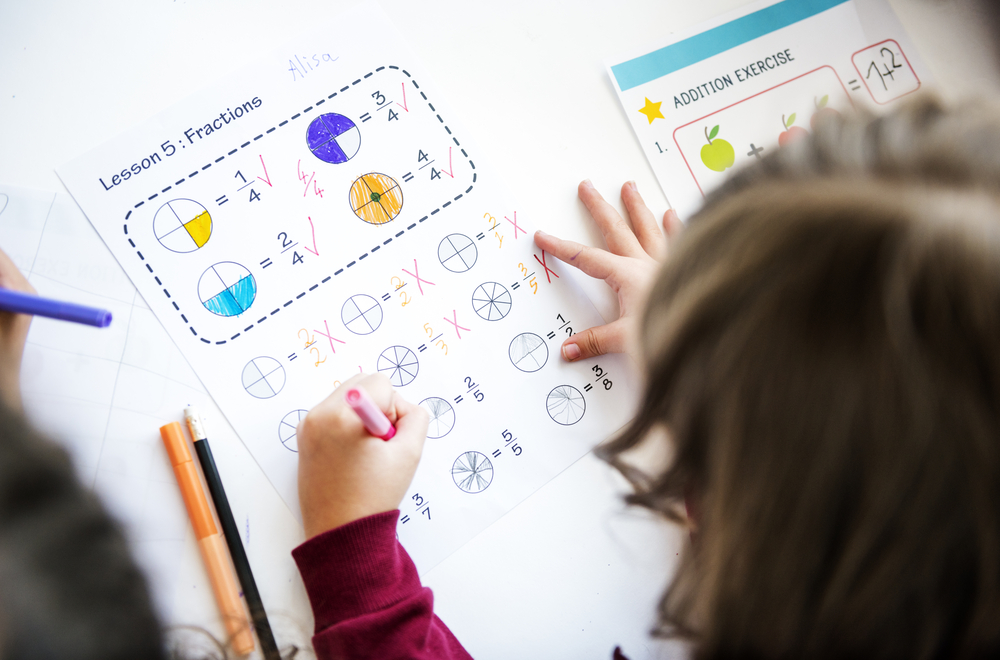




Parents and teachers should pay close attention to Logical Thinking Normal Matching for children ages 3-7, as it lays the foundation for cognitive development and problem-solving skills. At this young age, children are beginning to understand concepts of similarity, difference, and classification, which are vital for their overall learning process.
Engaging in matching activities helps develop critical thinking skills by encouraging children to recognize patterns and categorize information. This skill not only supports their mathematical development but is crucial in language acquisition and comprehension. When children can logically match objects or ideas, they enhance their observational skills and learn to make connections in their environment.
Moreover, logical thinking activities foster resilience and patience. Solving matching puzzles or games requires children to think critically and persistently work through challenges, which cultivates a growth mindset essential for academic success.
By incorporating logical thinking and matching into play and learning, caregivers contribute to a child’s emotional and intellectual growth, making it easier for them to tackle more complex concepts later on. Encouraging these skills from an early age promotes confidence, creativity, and adaptability, setting the stage for lifelong learning.








