Normal Word Problems Worksheets for Ages 3-7 - Page 2
41 filtered results
-
From - To
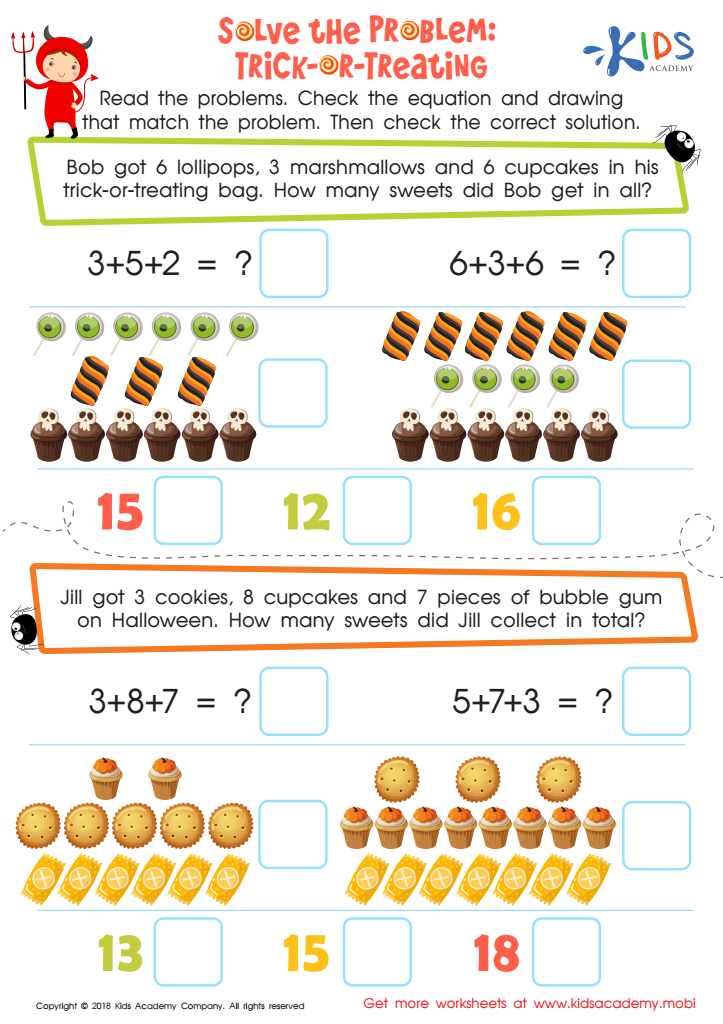
Solve the Problem: Trick–or–treating Worksheet
 Assign to My Students
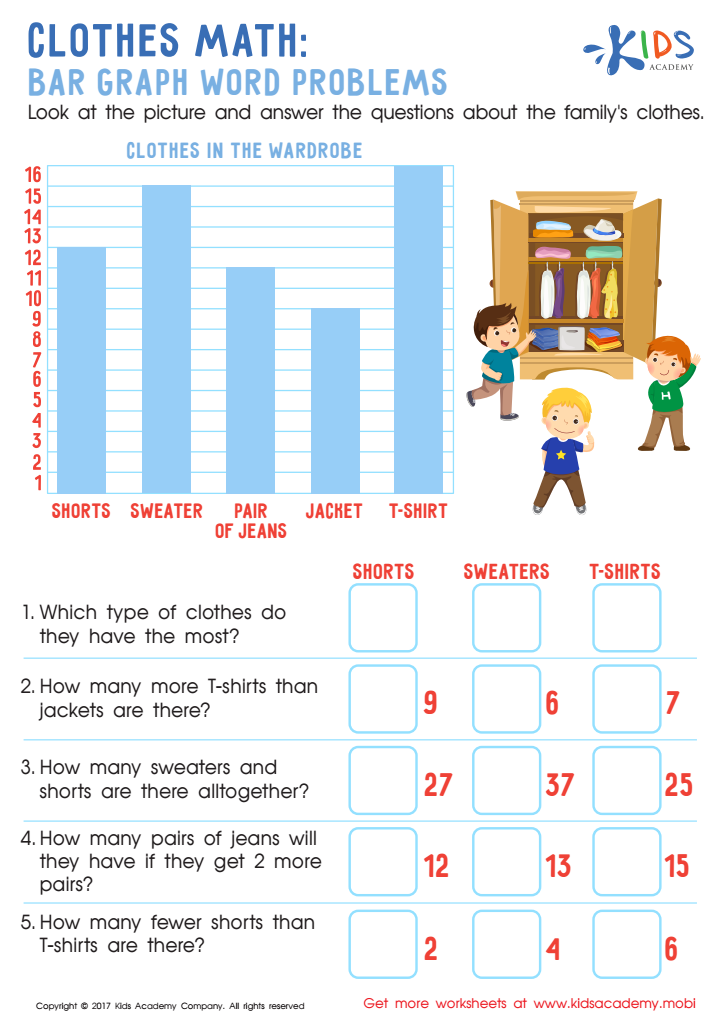
Clothes Math: Bar Graph Word Problems Worksheet
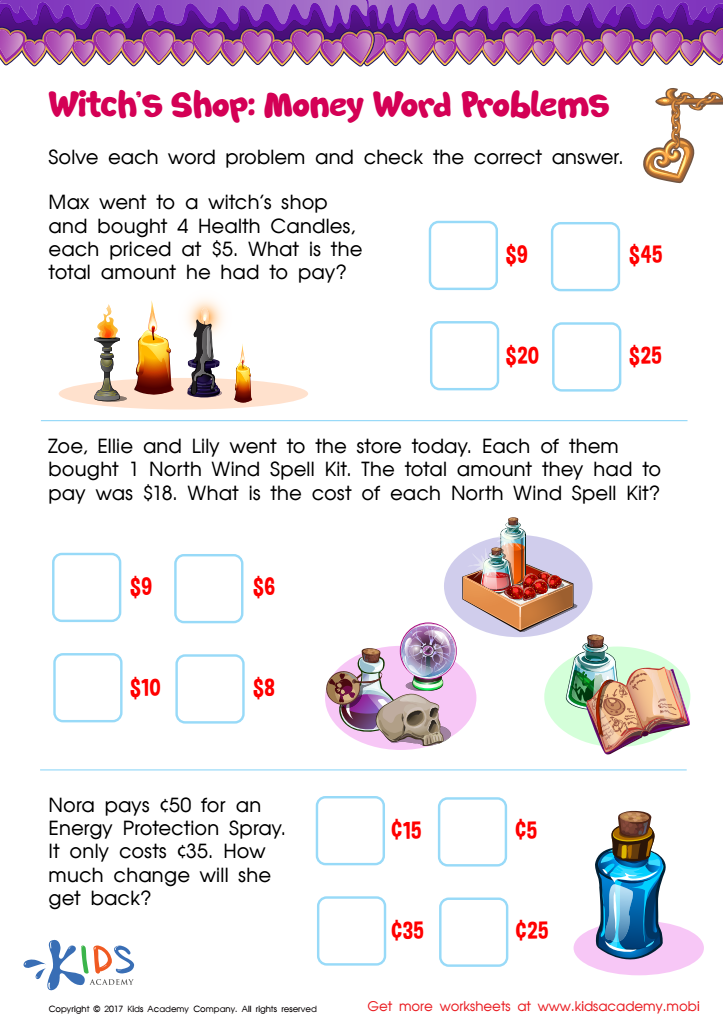
Money Word Problems Printable
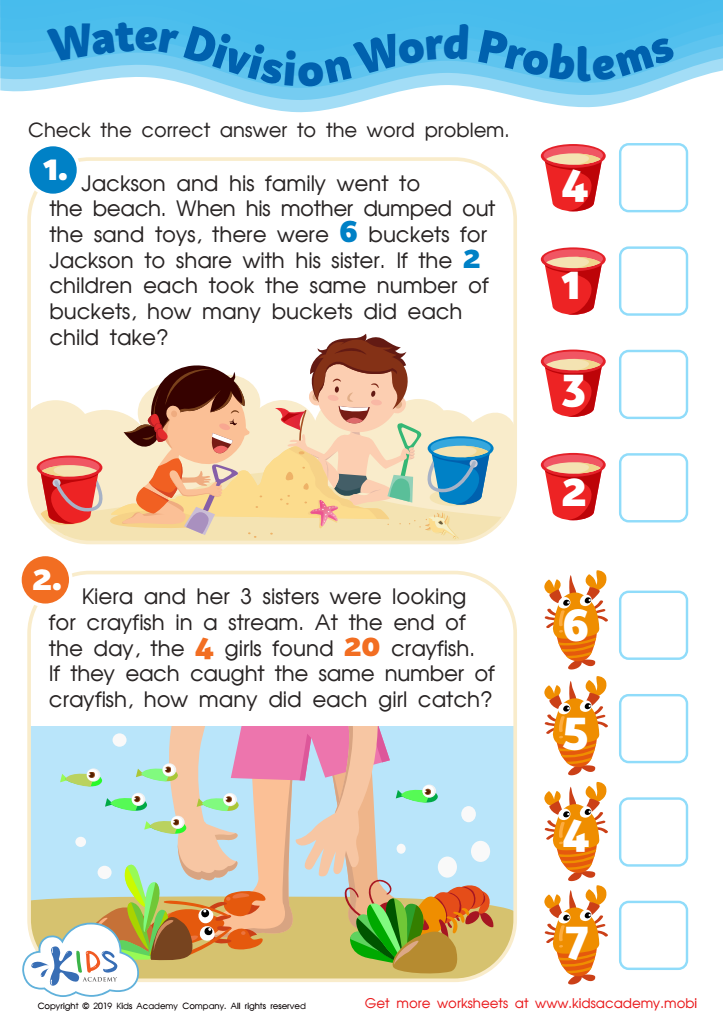
Water Division Word Problems Worksheet
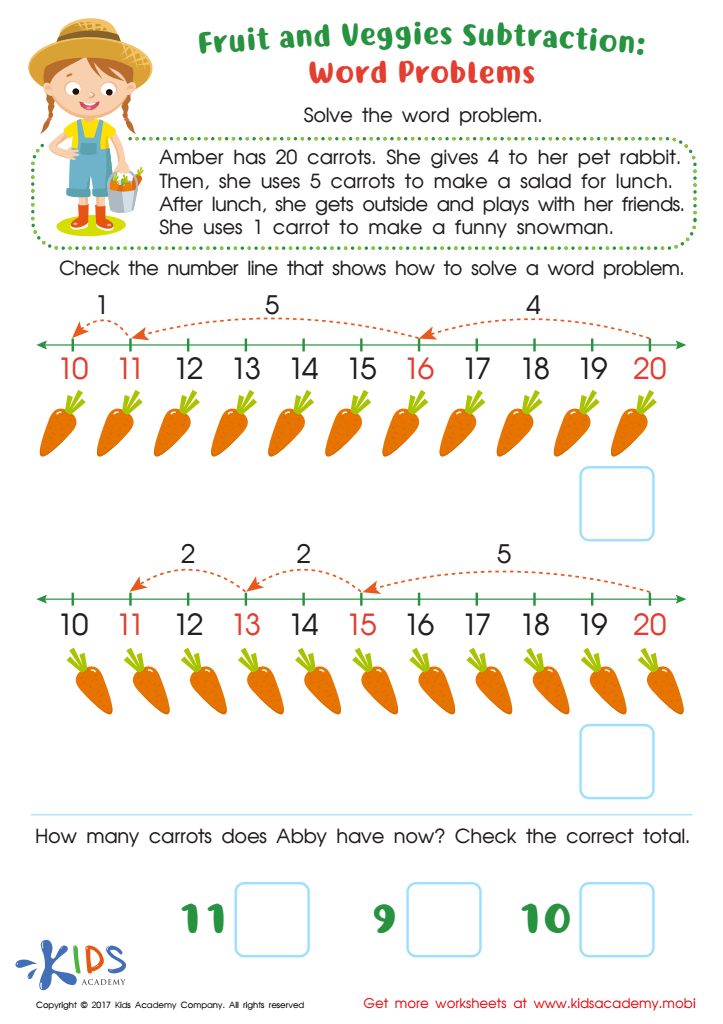
Subtraction Word Problems Printable
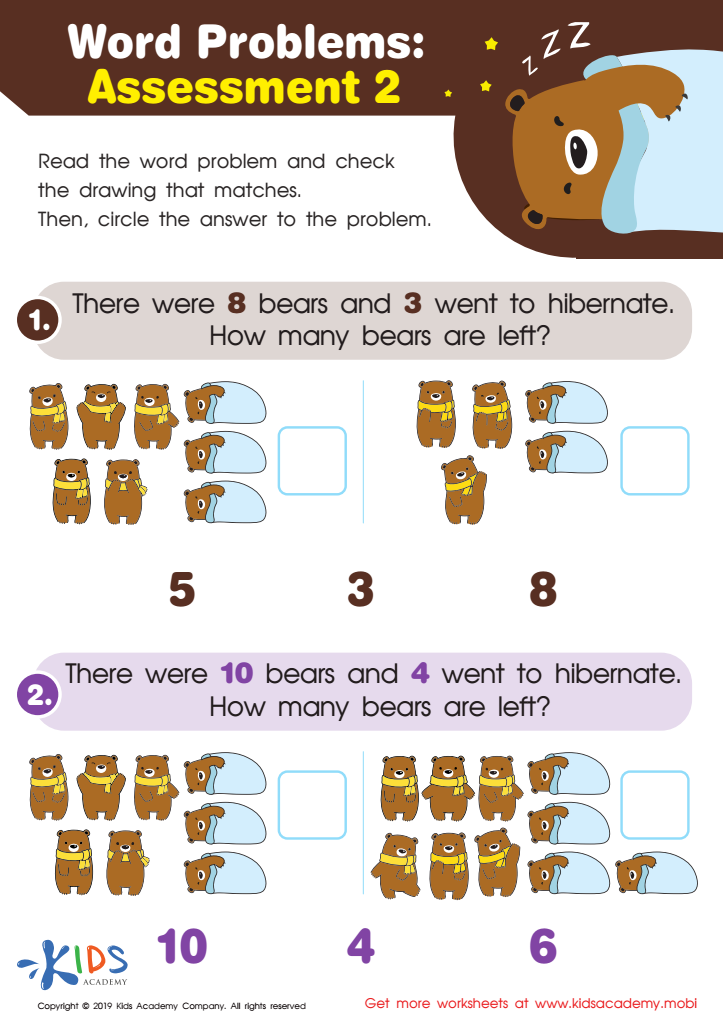
Word Problems: Assessment 2 Worksheet
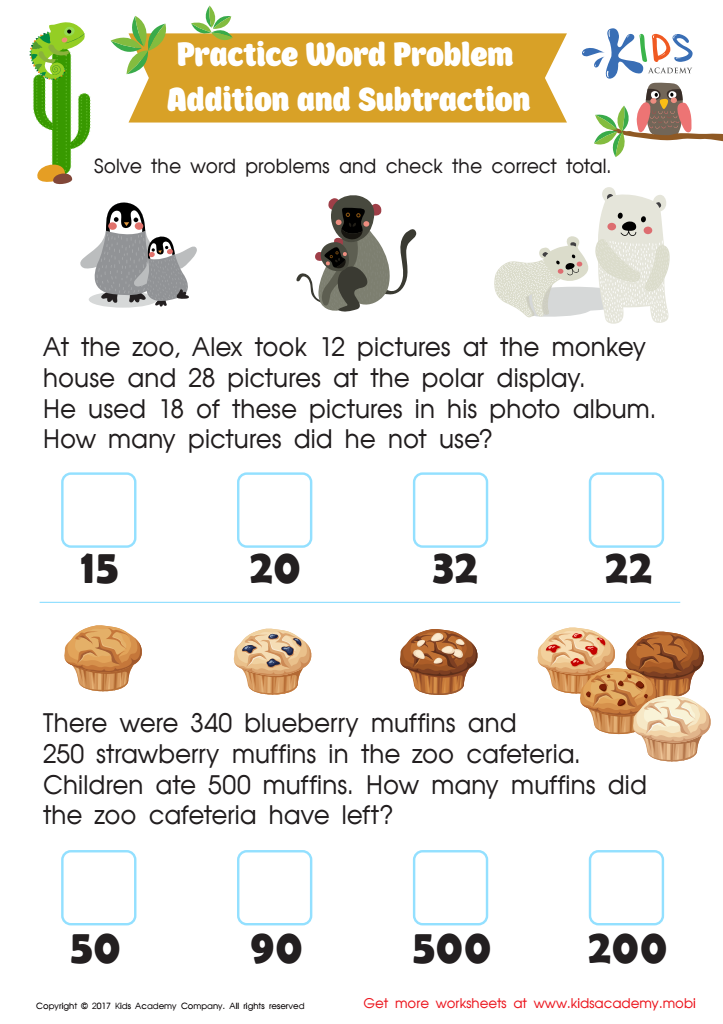
Addition and Subtraction: Word Problems Worksheet
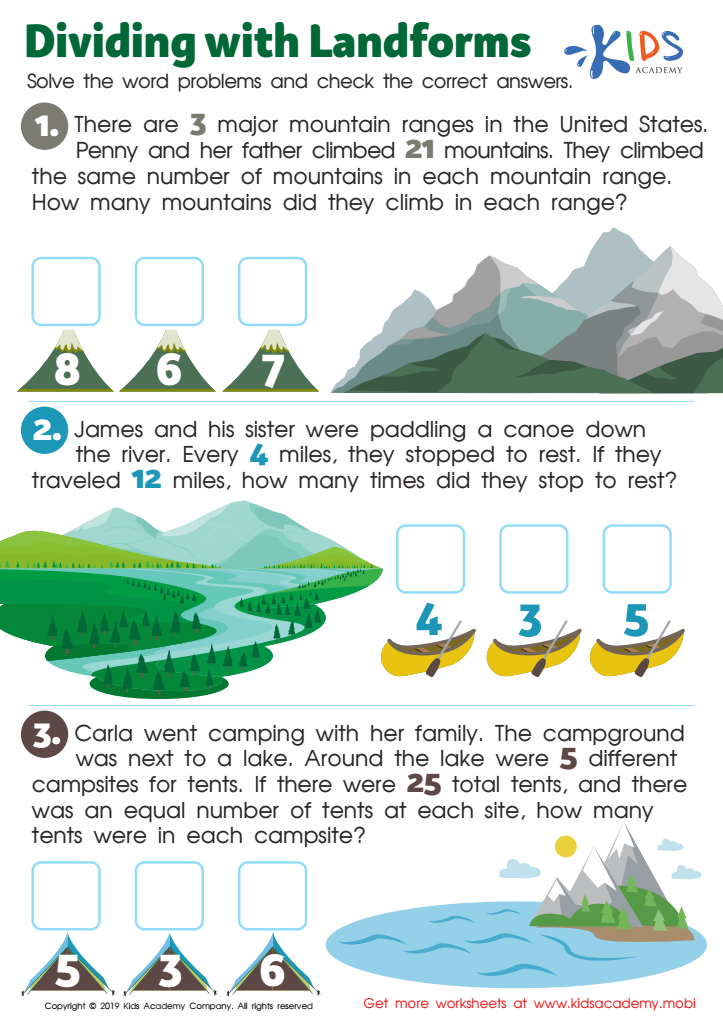
Dividing with Landforms
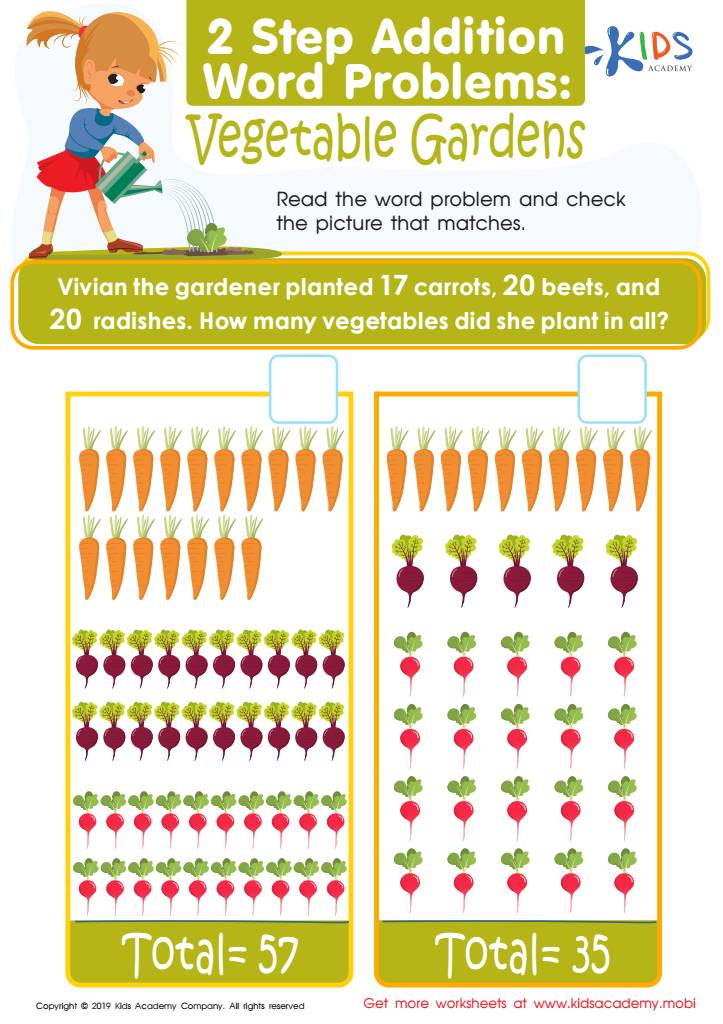
Vegetable Gardens Worksheet
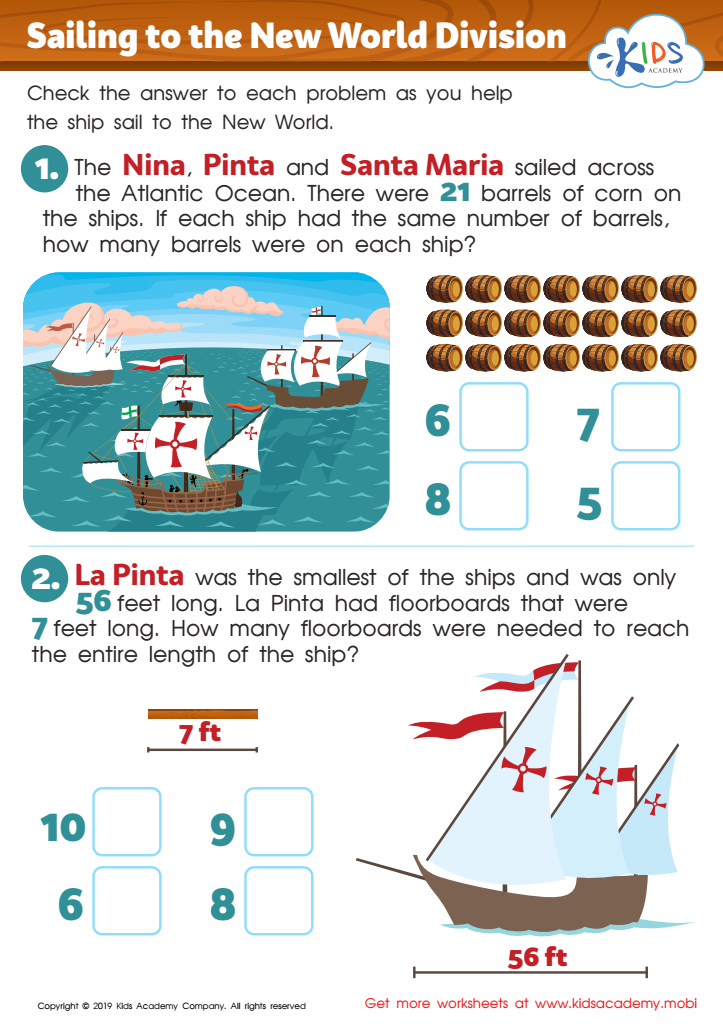
Sailing to the New World Division Worksheet
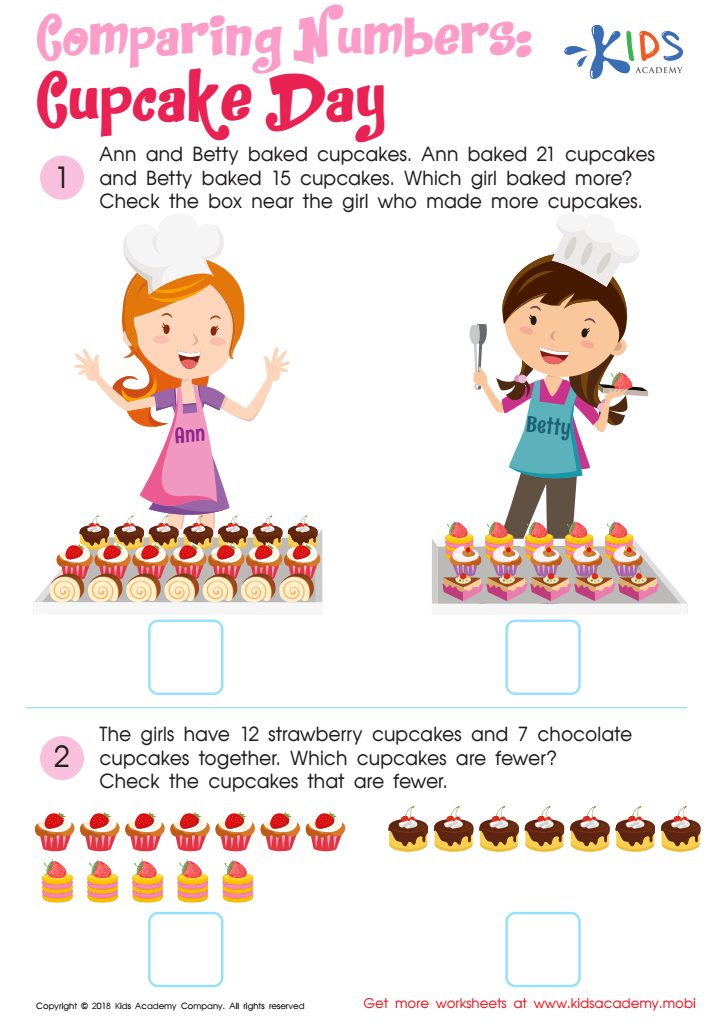
Cupcake Day Worksheet
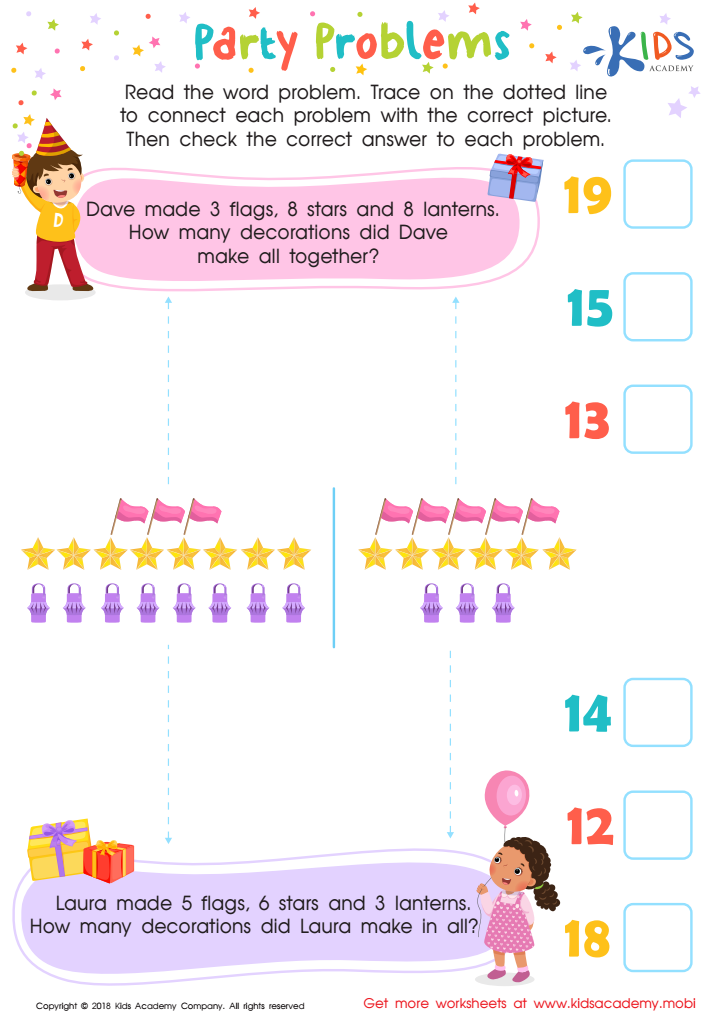
Party Problems Worksheet
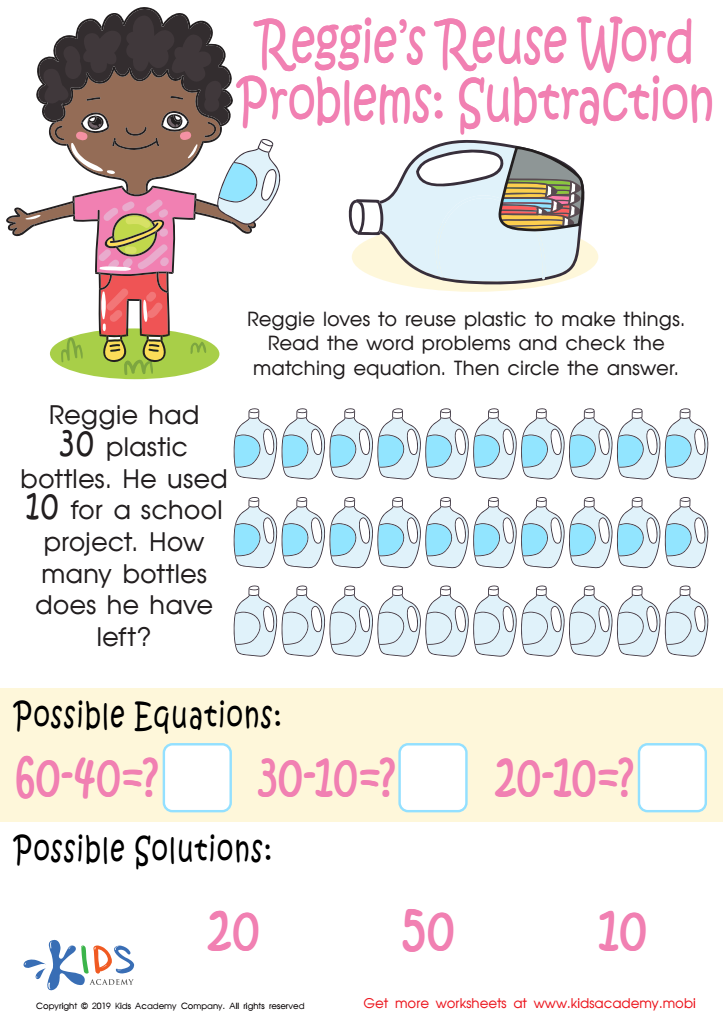
Reggie's Reuse Word Problems: Subtraction Worksheet
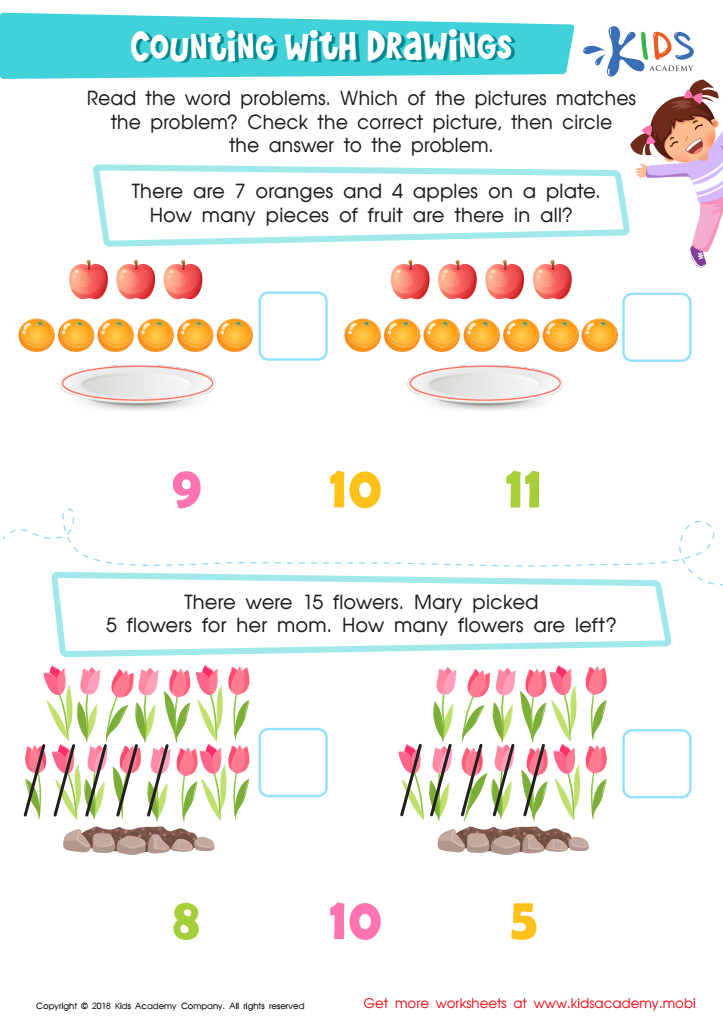
Counting with Drawings:Fruits & Flowers Worksheet
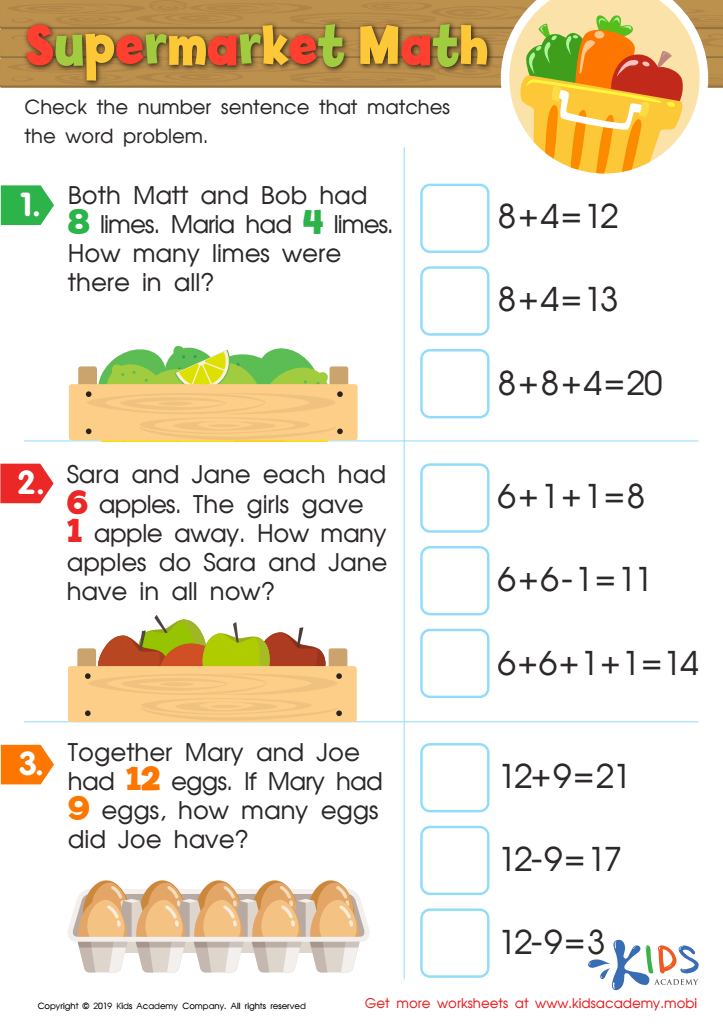
Supermarket Math Worksheet
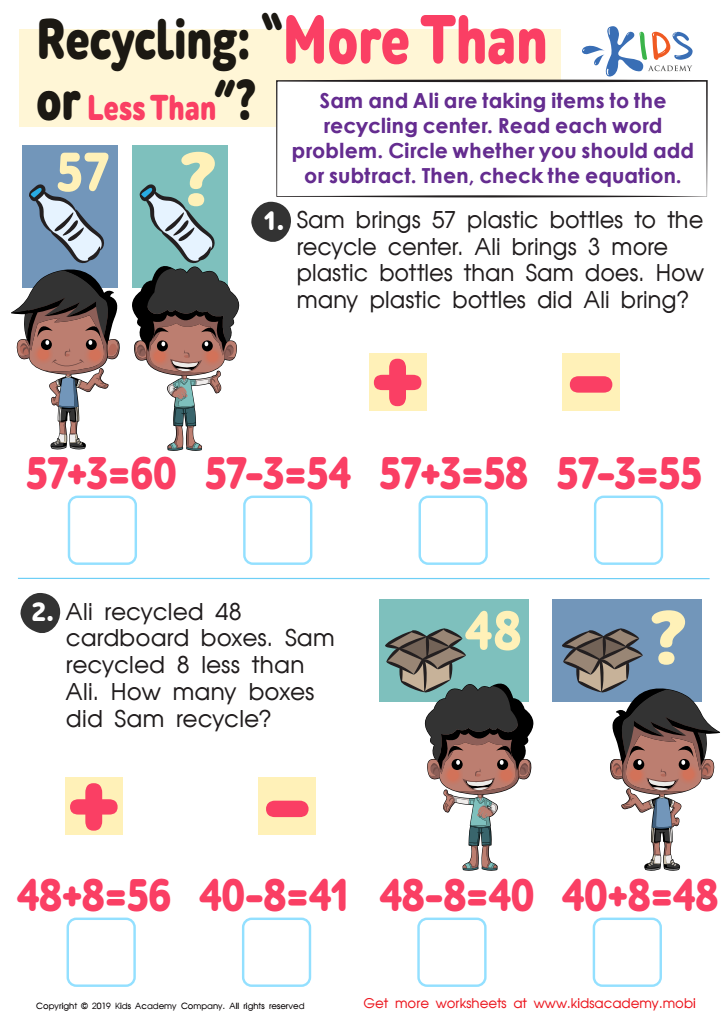
Recycling - More or Less Worksheet
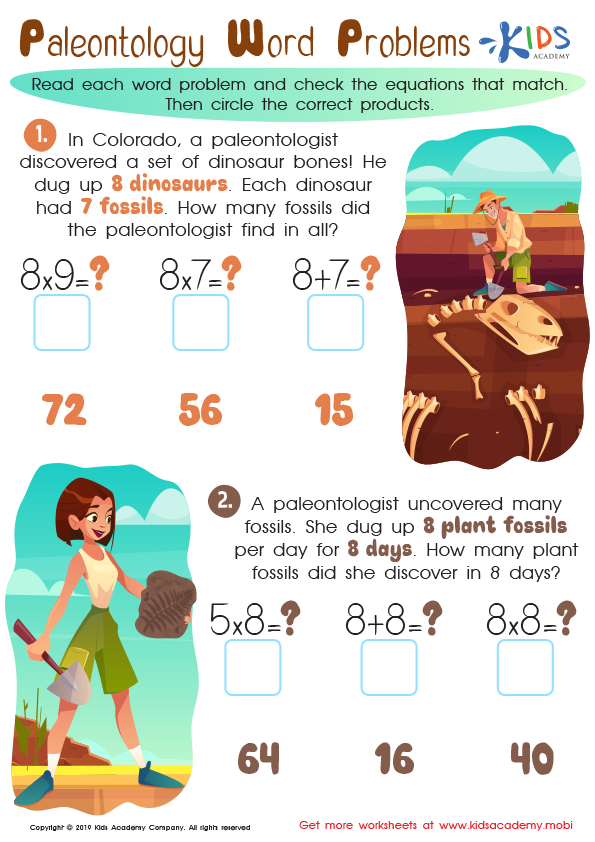
Archeology Word Problems Worksheet




.jpg)



Normal word problems are crucial for children aged 3-7 as they serve as foundational tools for developing key cognitive and mathematical skills. At this age, children begin to make sense of the world, and word problems offer relatable contexts that enhance their understanding of basic math concepts. When children engage with these problems, they practice critical thinking and problem-solving, using language to describe and interpret situations.
Additionally, normal word problems promote literacy and comprehension. As children interact with stories or scenarios that involve math, they learn to read and interpret information, vital skills in both math and literacy. This engagement also fosters communication skills, as students often discuss their thought processes with parents and teachers, enhancing verbal articulation.
Practicing word problems at this age cultivates a positive attitude towards mathematics and encourages a growth mindset, laying the groundwork for future academic success. Moreover, these problems help to connect math to everyday experiences, making learning relevant and enjoyable. Ultimately, by prioritizing normal word problems, parents and teachers can support holistic development in young children, equipping them not just with computational skills, but the ability to apply math in real-life contexts.








