Normal Building Vocabulary Worksheets for Ages 3-7 - Page 2
132 filtered results
-
From - To
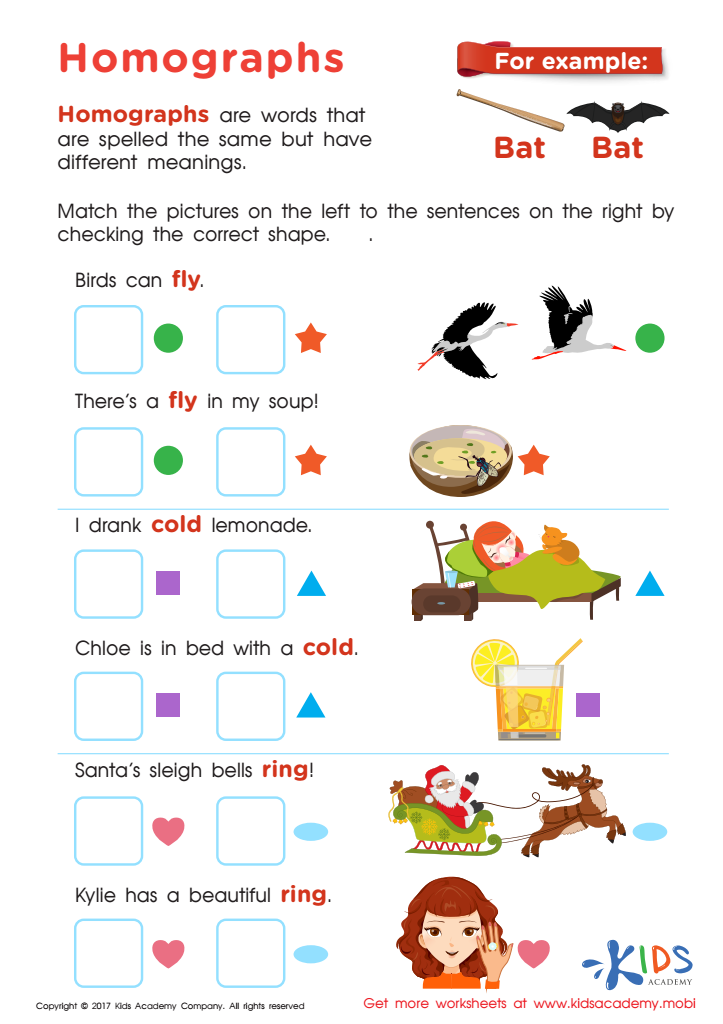
Homographs Free Printable Worksheet
 Assign to My Students











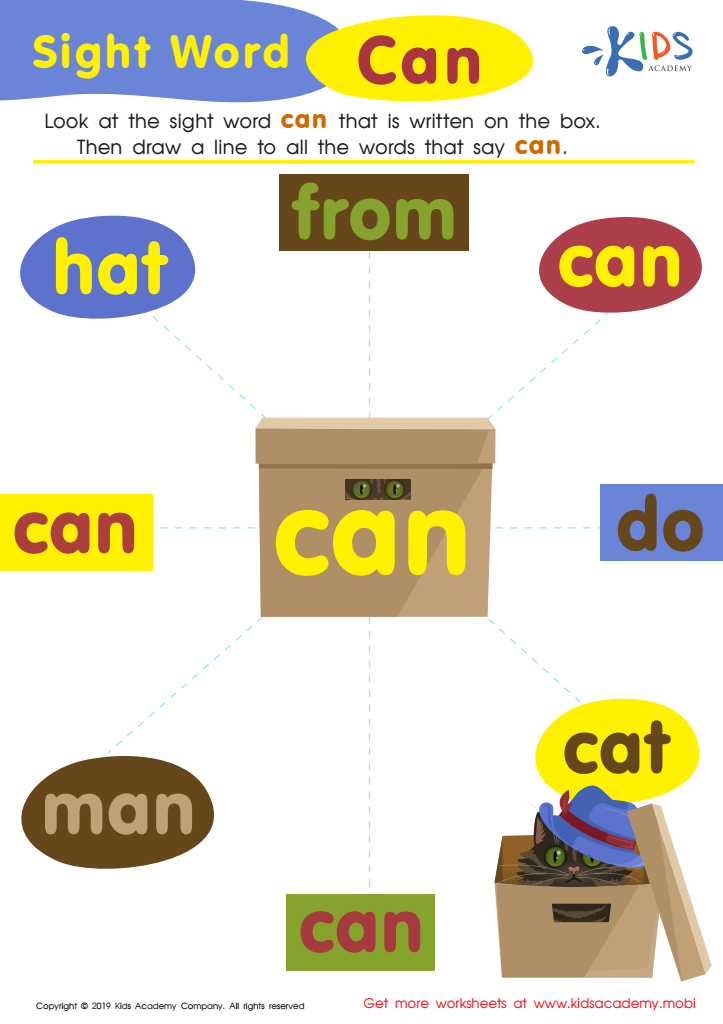
Sight Word Can Worksheet
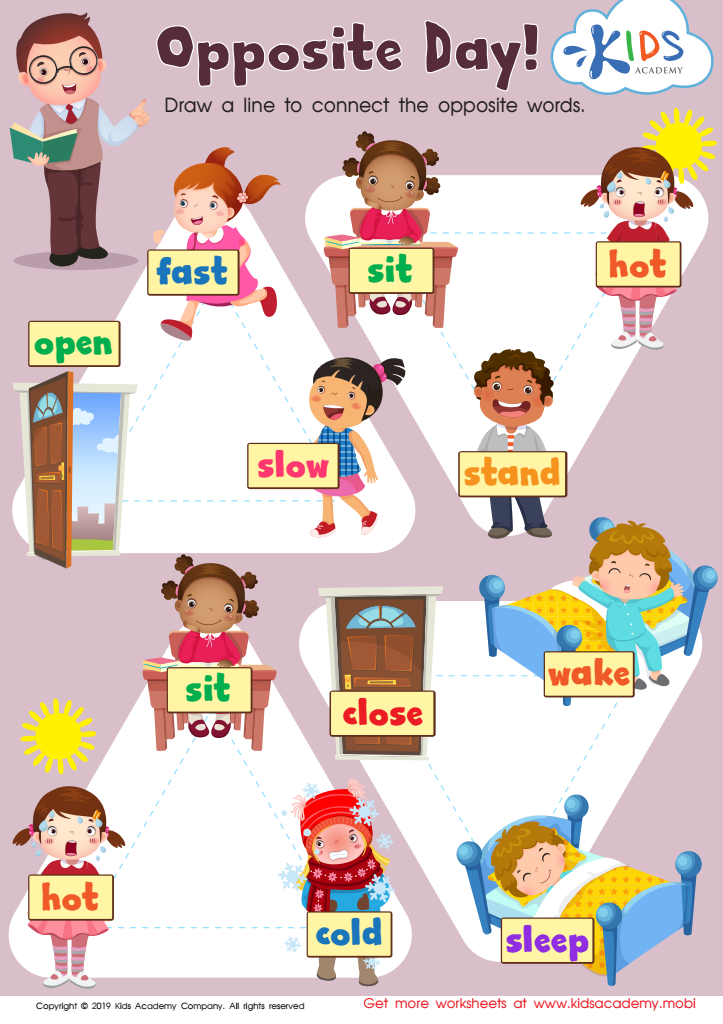
Opposite Day Worksheet
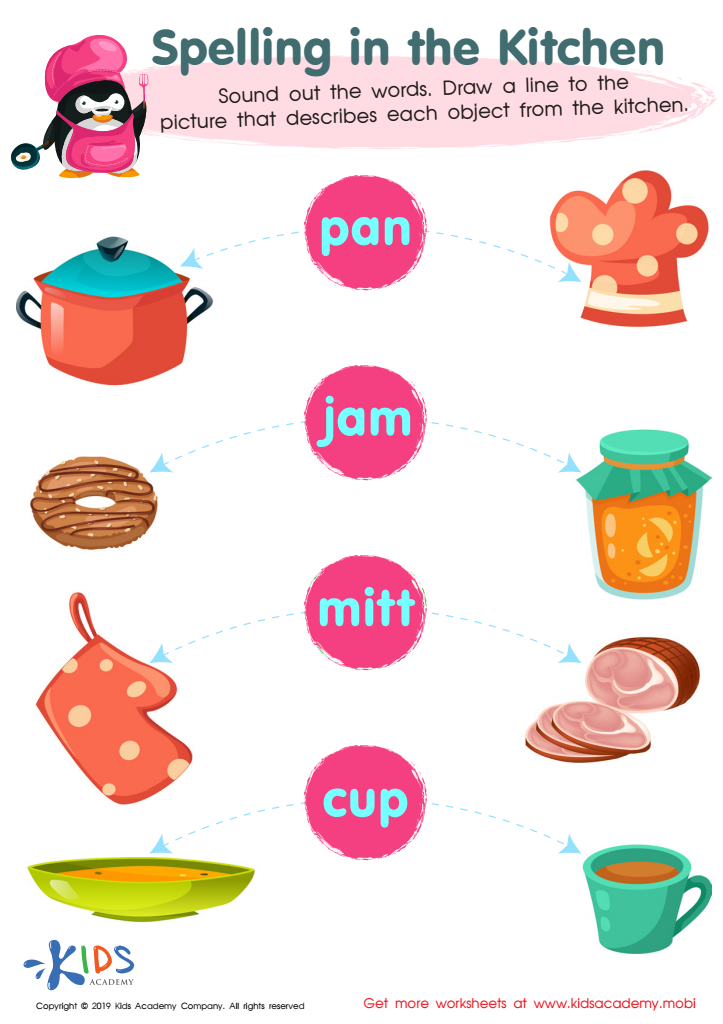
Spelling in the Kitchen Worksheet
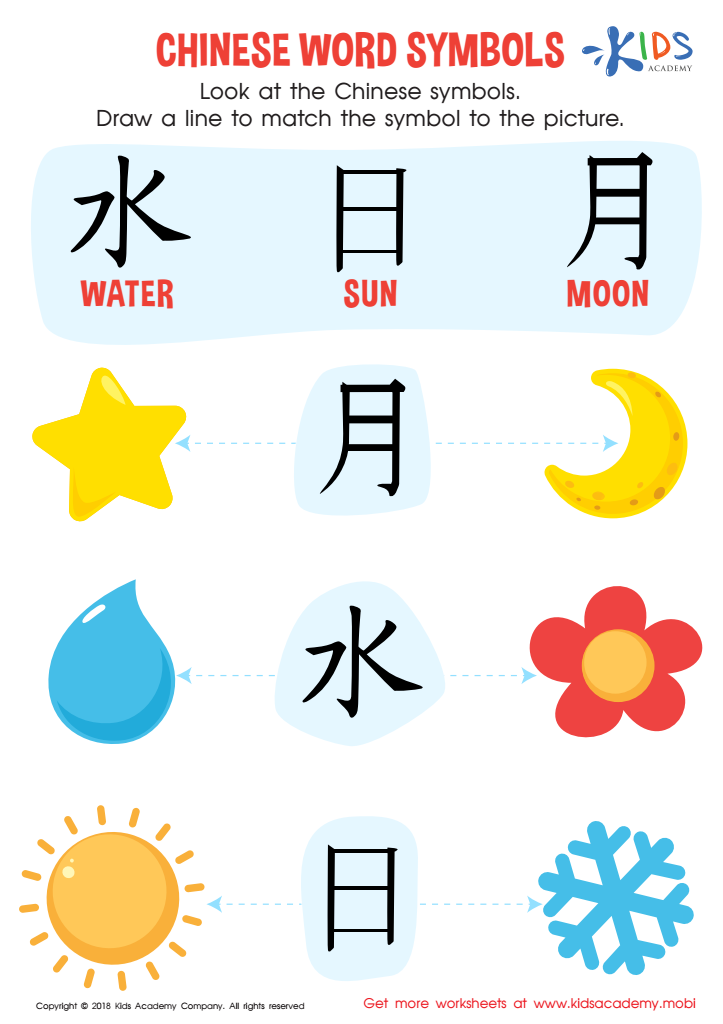
Chinese Word Symbols Worksheet
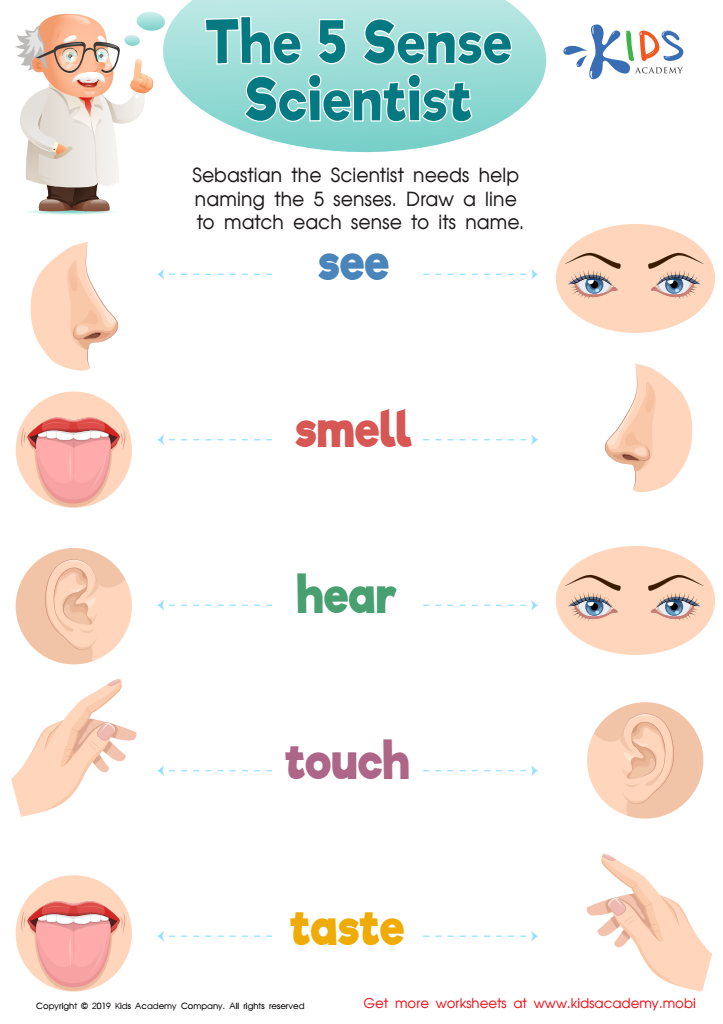
The 5 Sense Scientist Worksheet
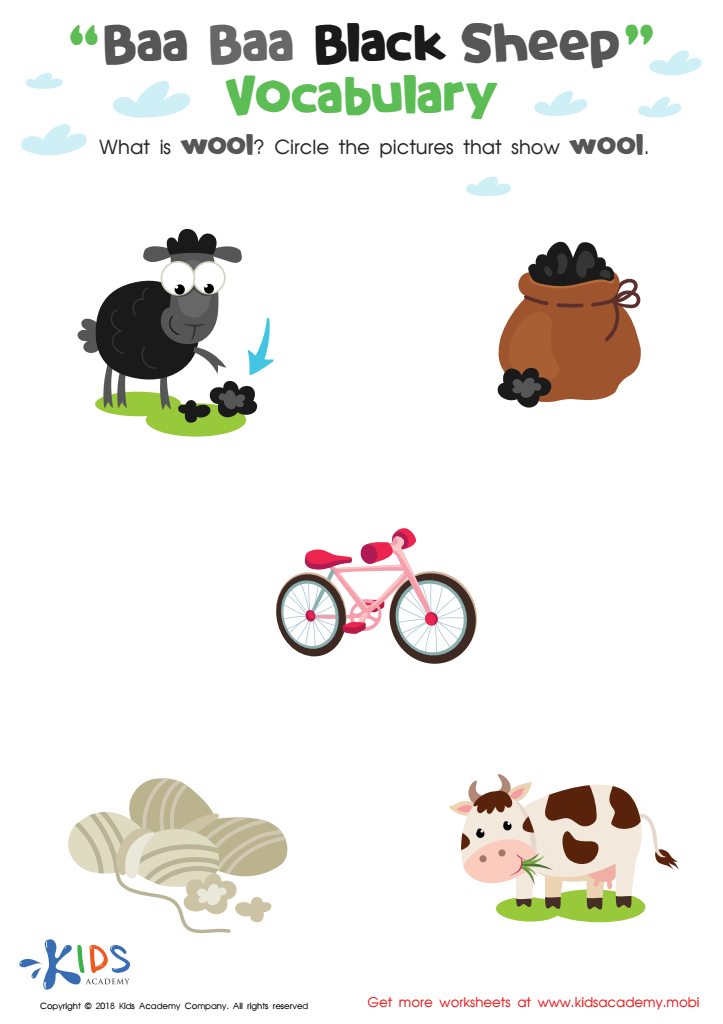
Baa Baa Black Sheep: Vocabulary Worksheet
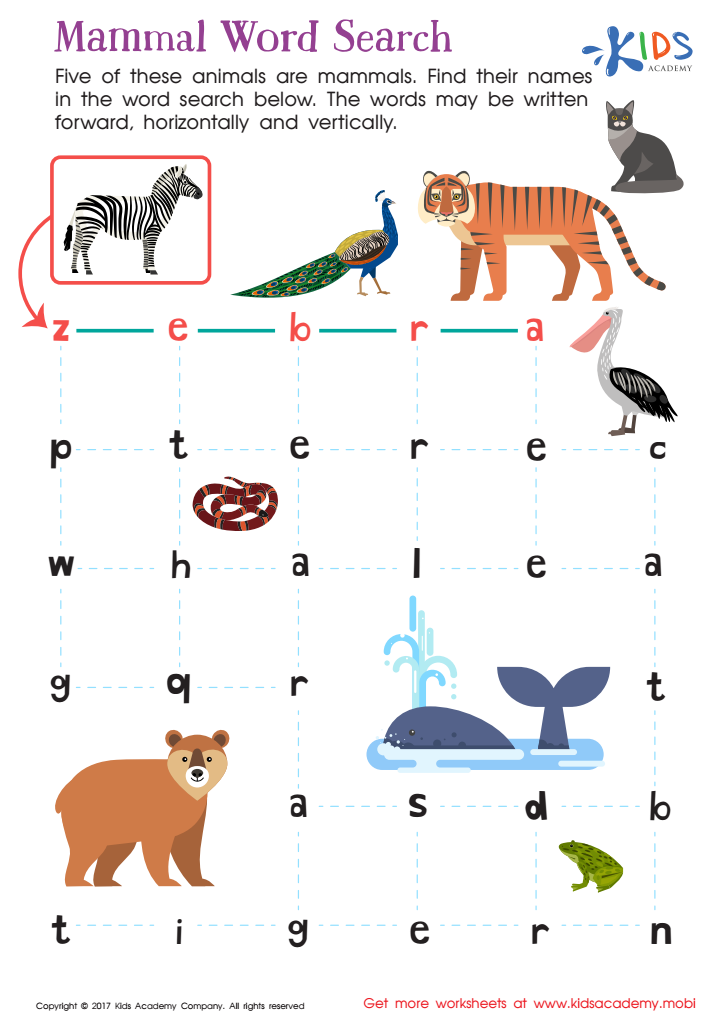
Printable Mammal Word Search
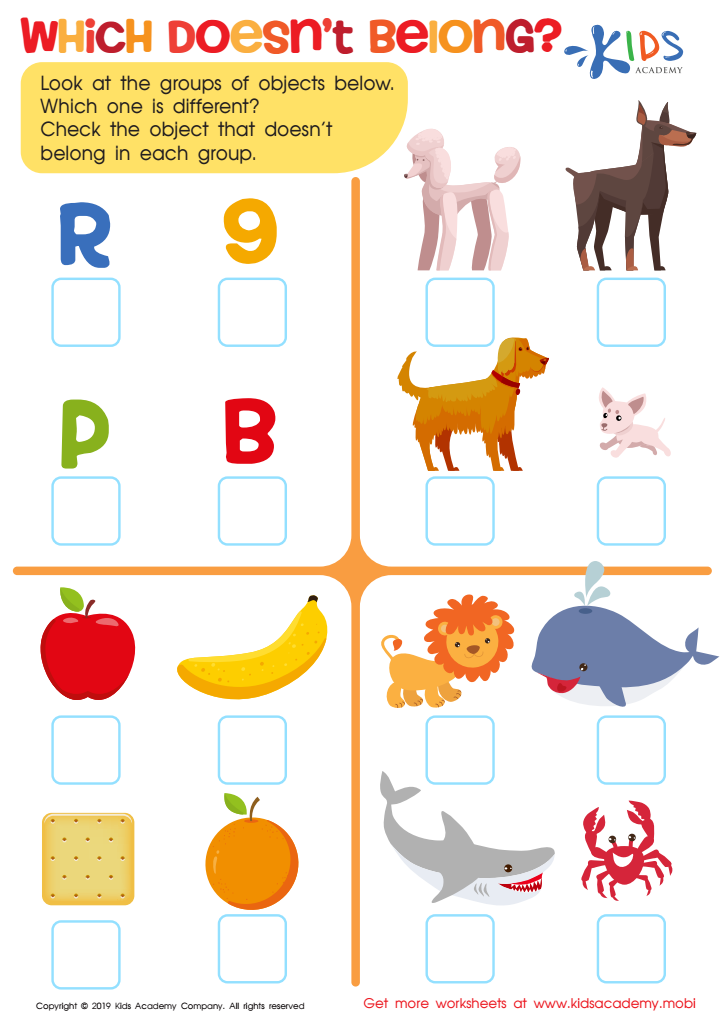
Which Doesn't Belong? Worksheet
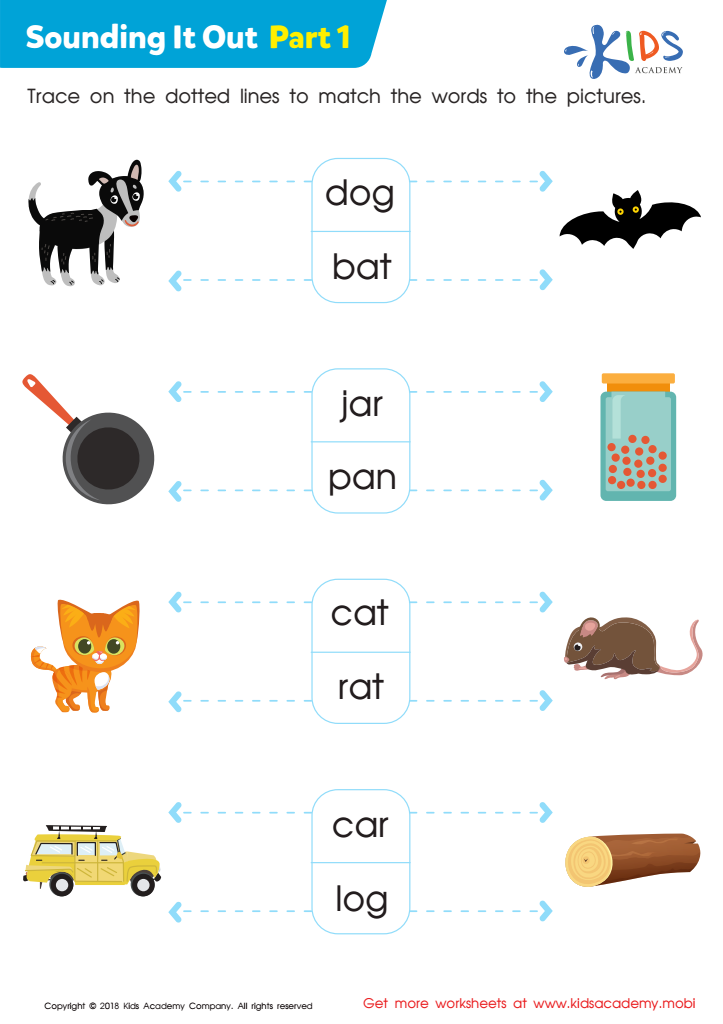
Sounding it Out: Part 1 Worksheet
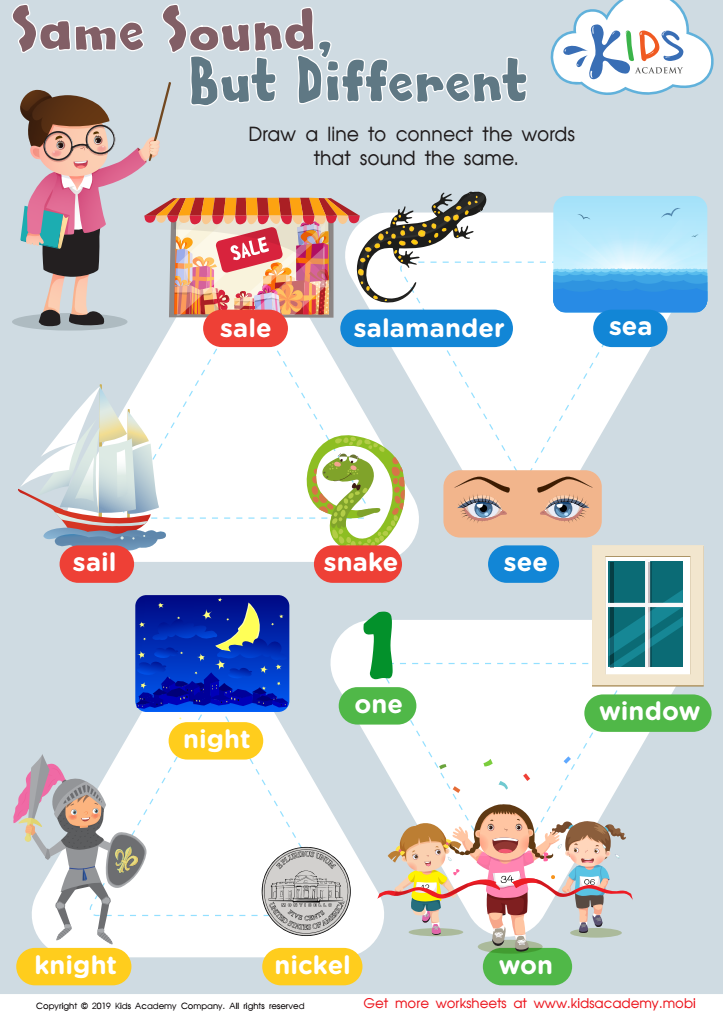
Sound Different Worksheet
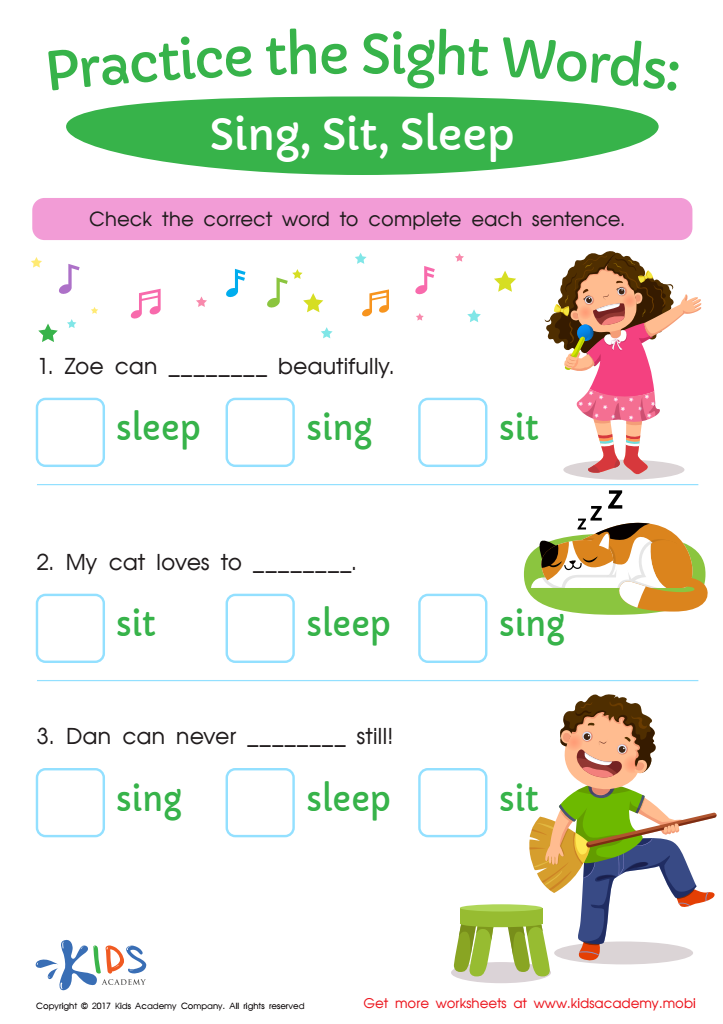
Sing, Sit, Sleep Sight Words Worksheet
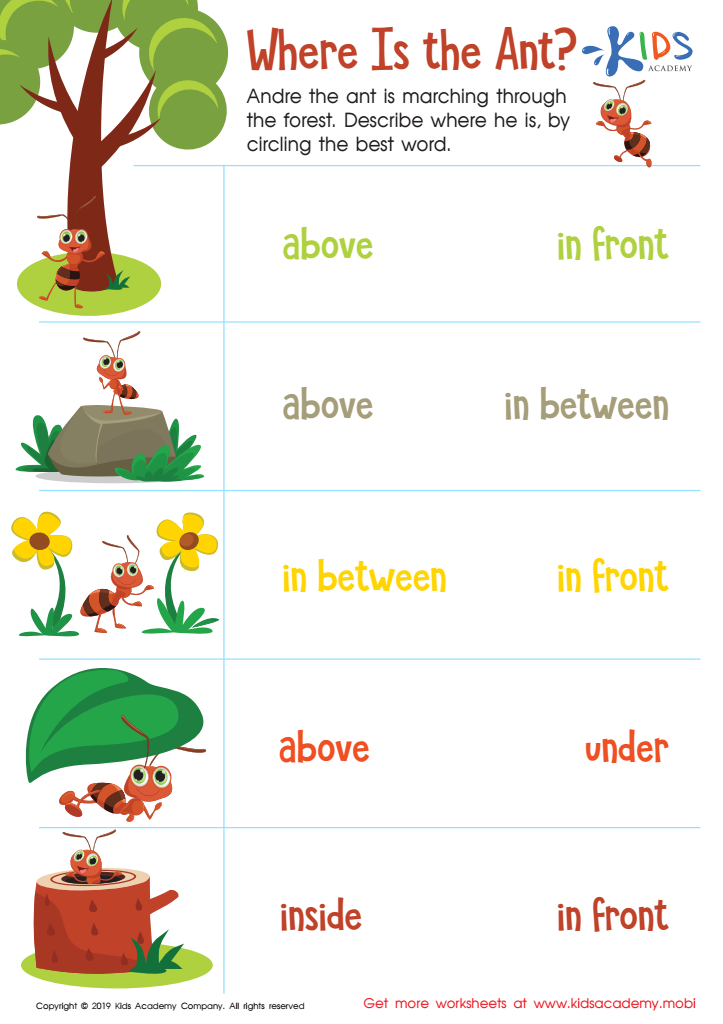
Where Is the Ant? Worksheet
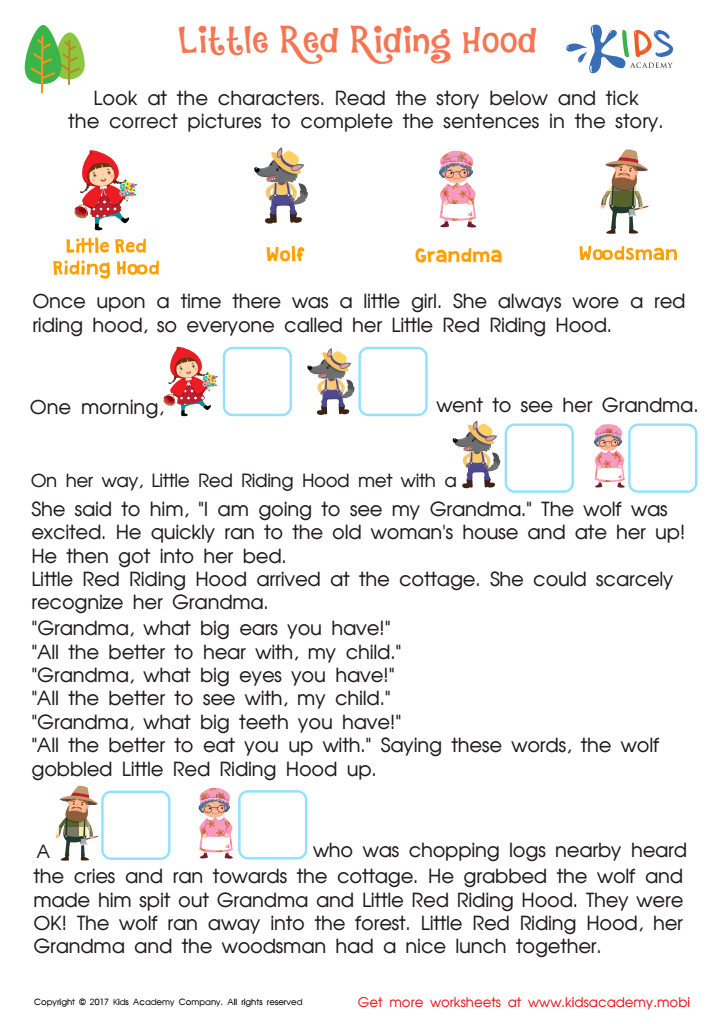
Little Red Riding Hood Printable
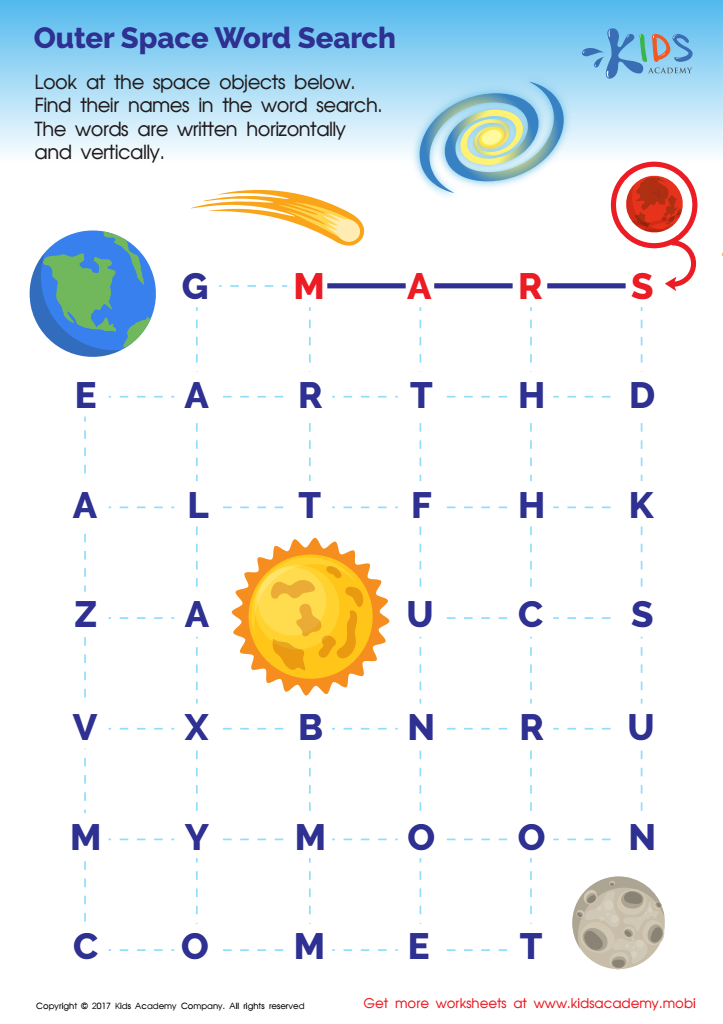
Outer Space Word Search Printable
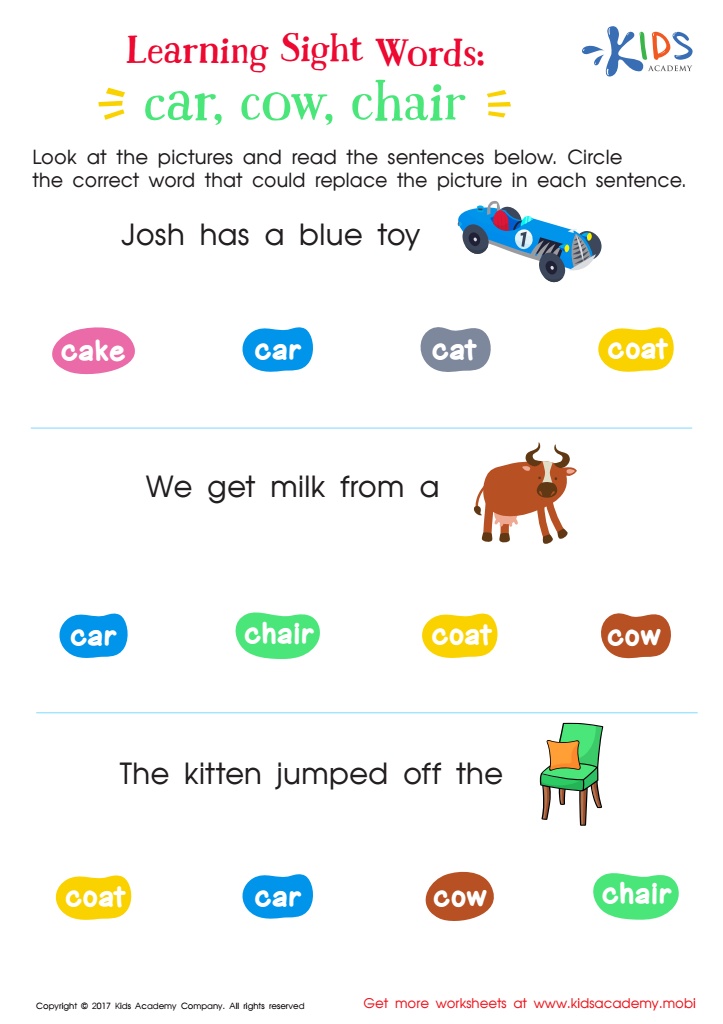
Car, Cow, Chair Worksheet Sight Words Worksheet
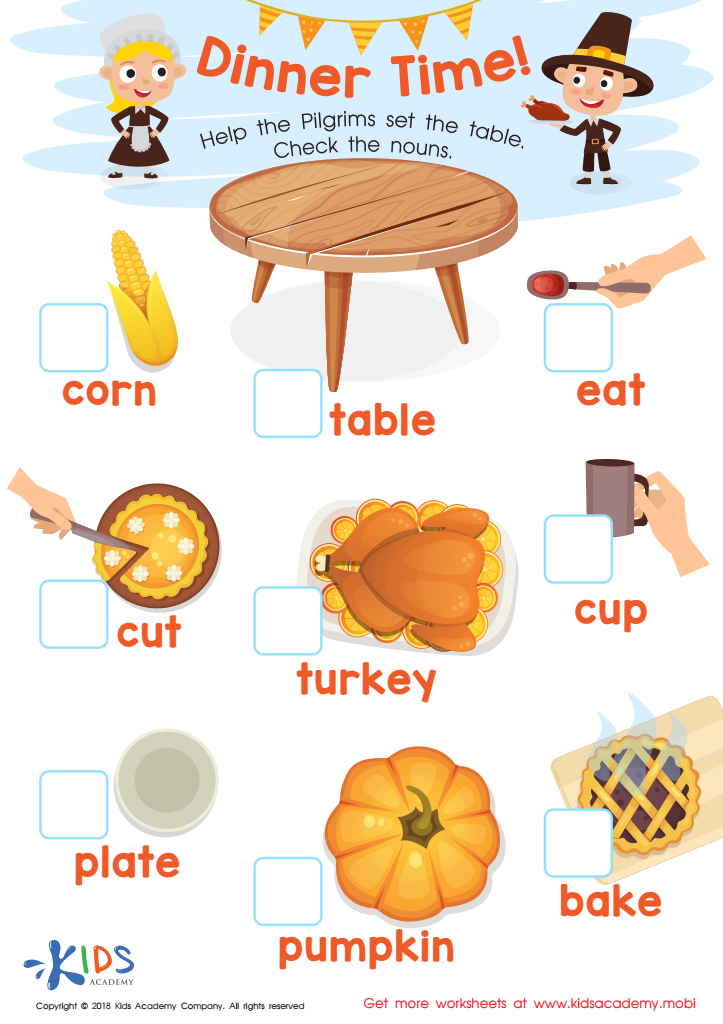
Dinner Time! Worksheet
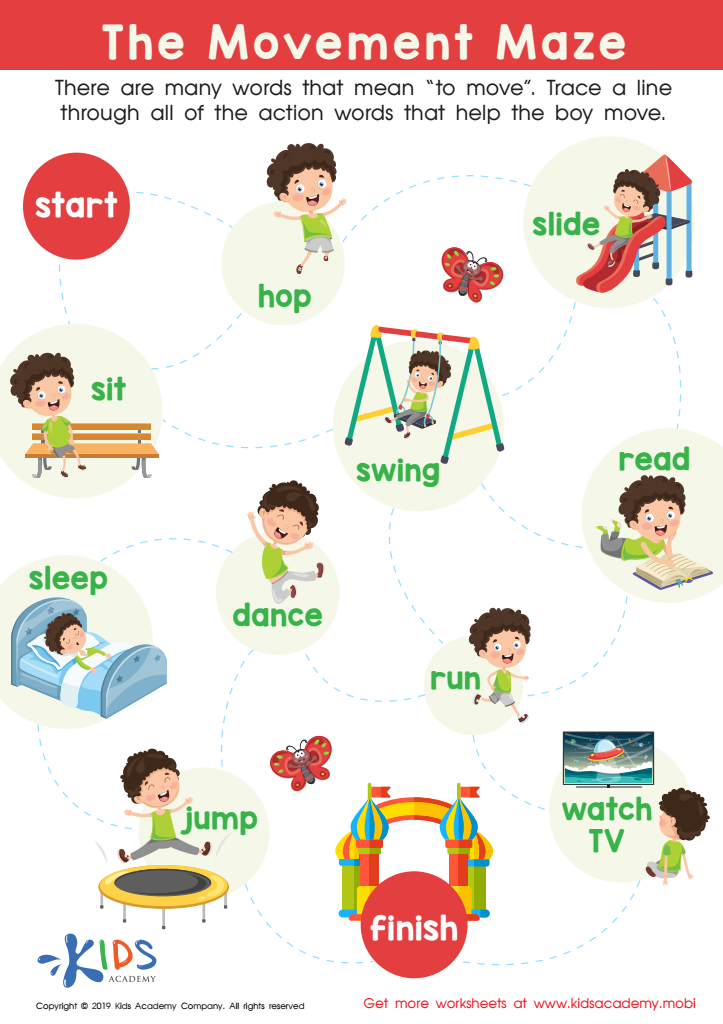
The Movement Maze Worksheet
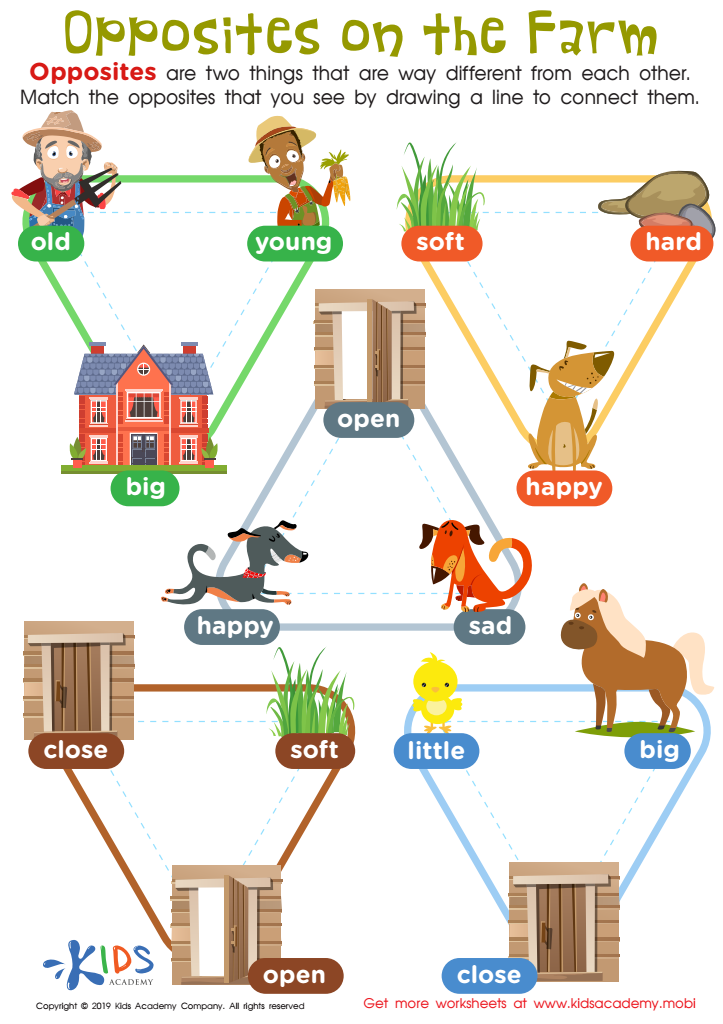
Opposites on the Farm Worksheet
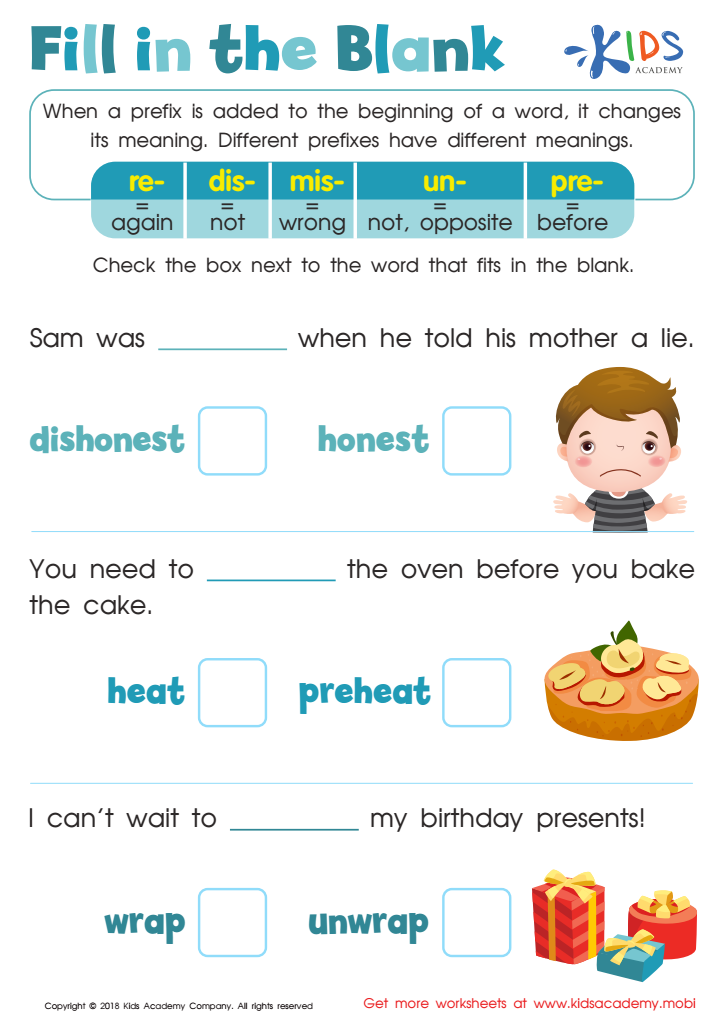
Reading: Fill in the Blank Worksheet
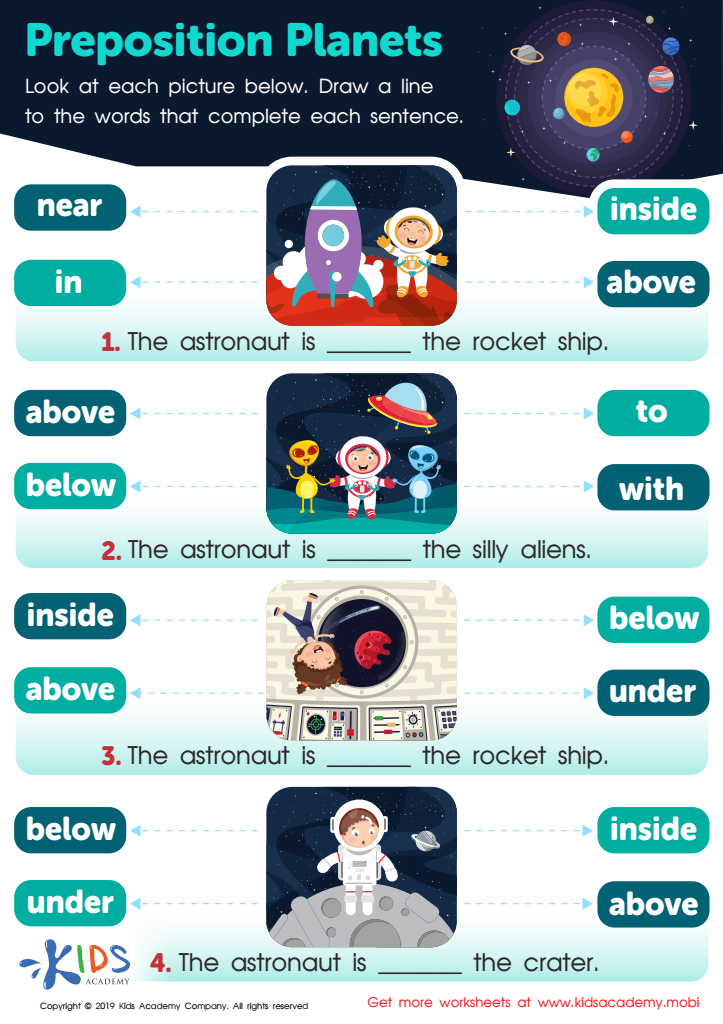
Preposition Planets Worksheet
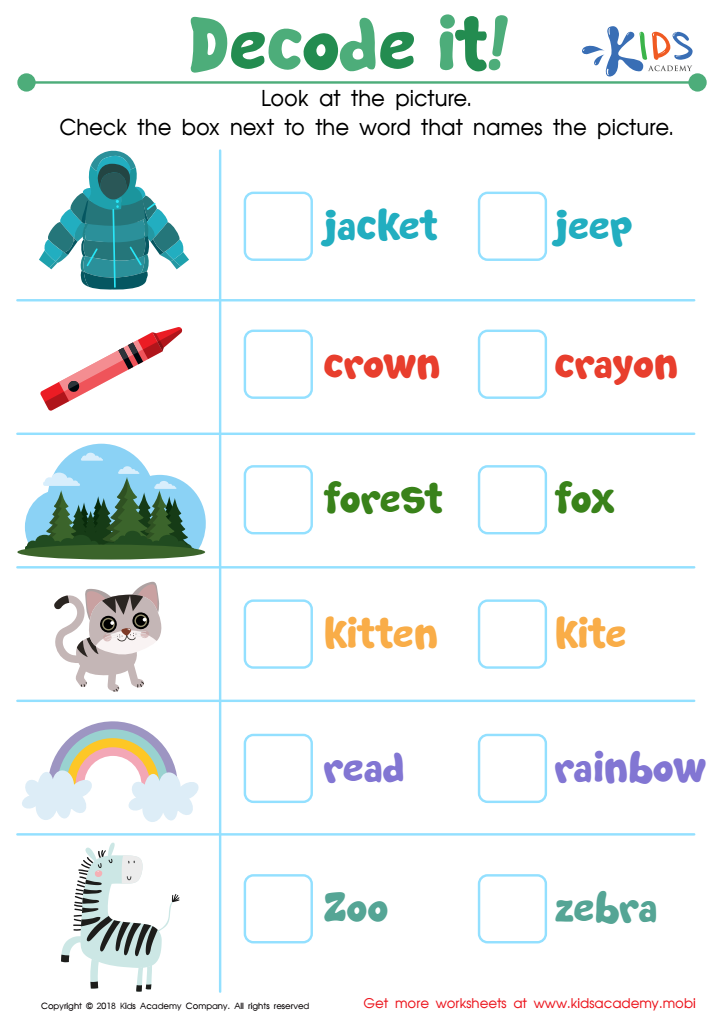
Reading: Decode It Worksheet
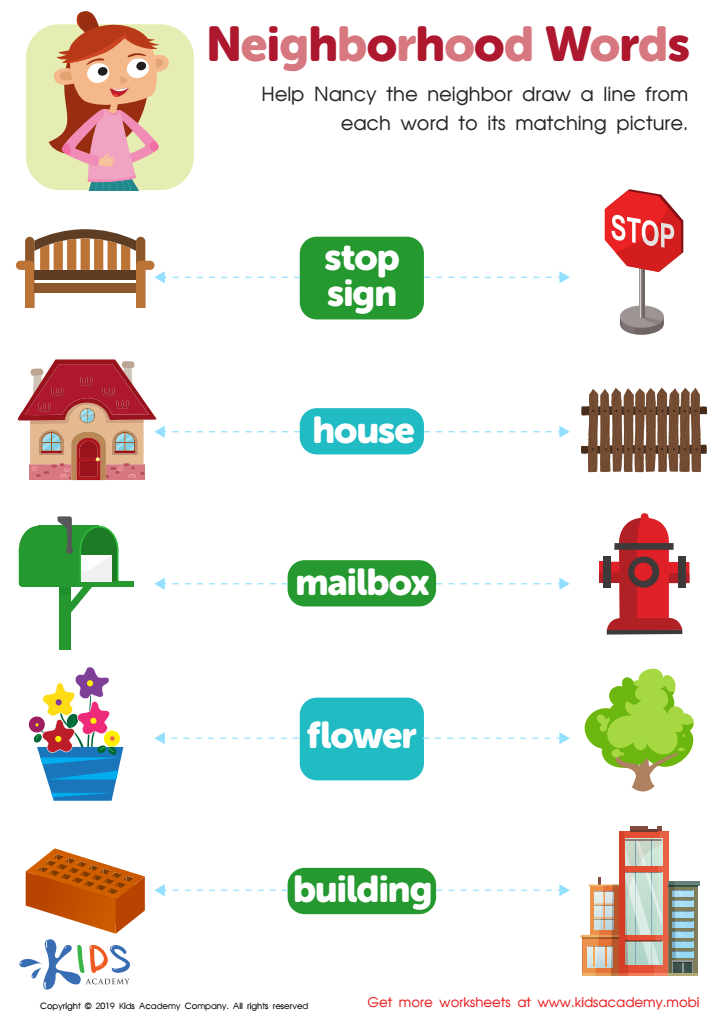
Neighborhood Words Worksheet
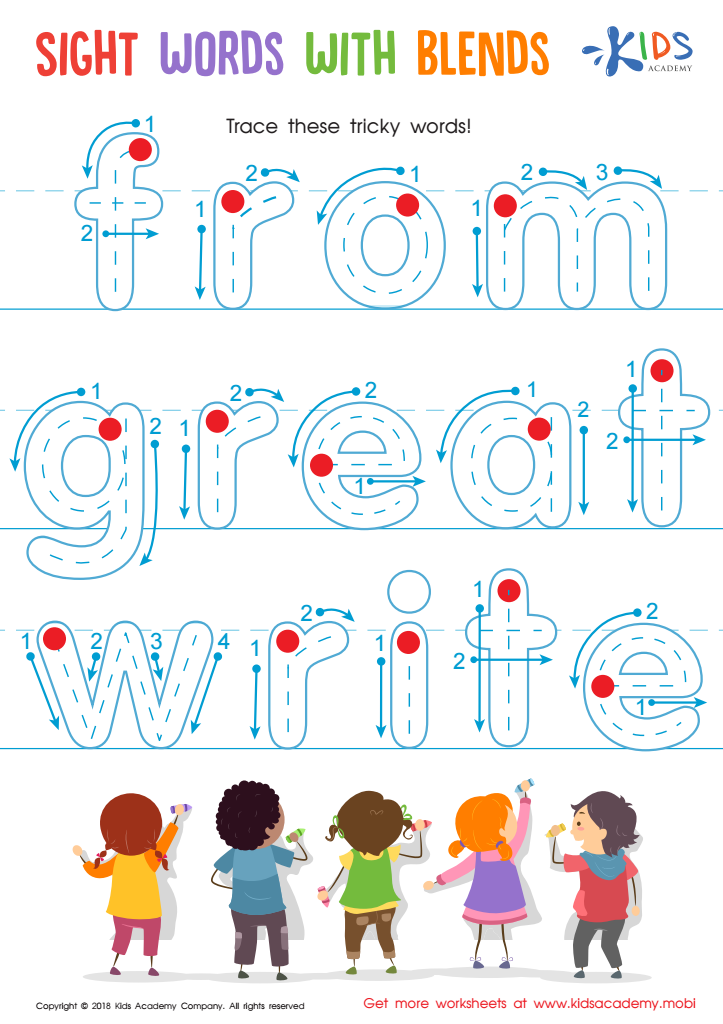
Sight Words with Blends Worksheet






.jpg)

Building vocabulary in children ages 3-7 is crucial for their overall development, and parents or teachers should prioritize it for several reasons. First, a rich vocabulary enhances communication skills. The ability to express thoughts clearly and understand others facilitates better social interactions and relationships, leading to improved emotional well-being.
Second, vocabulary development is linked to academic success. Children with a strong vocabulary tend to perform better in reading and writing, core components of early education. Language skills are foundational for learning across all subjects, and a well-developed vocabulary can enhance comprehension and problem-solving abilities.
Third, vocabulary building stimulates cognitive growth. When children learn new words, they expand their thought processes and perspectives, fostering creativity and critical thinking. Engaging in vocabulary-rich activities—such as reading together, playing word games, or having rich conversations—encourages curiosity and a love for language.
Lastly, investing time in vocabulary development nurtures a positive attitude towards learning. When children feel confident in their language abilities, they are more eager to participate in classroom discussions and engage in educational activities. Thus, parents and teachers who prioritize vocabulary building are setting the stage for lifelong learning and success.








