Normal Plants and Animals Worksheets for Ages 3-7 - Page 2
73 filtered results
-
From - To
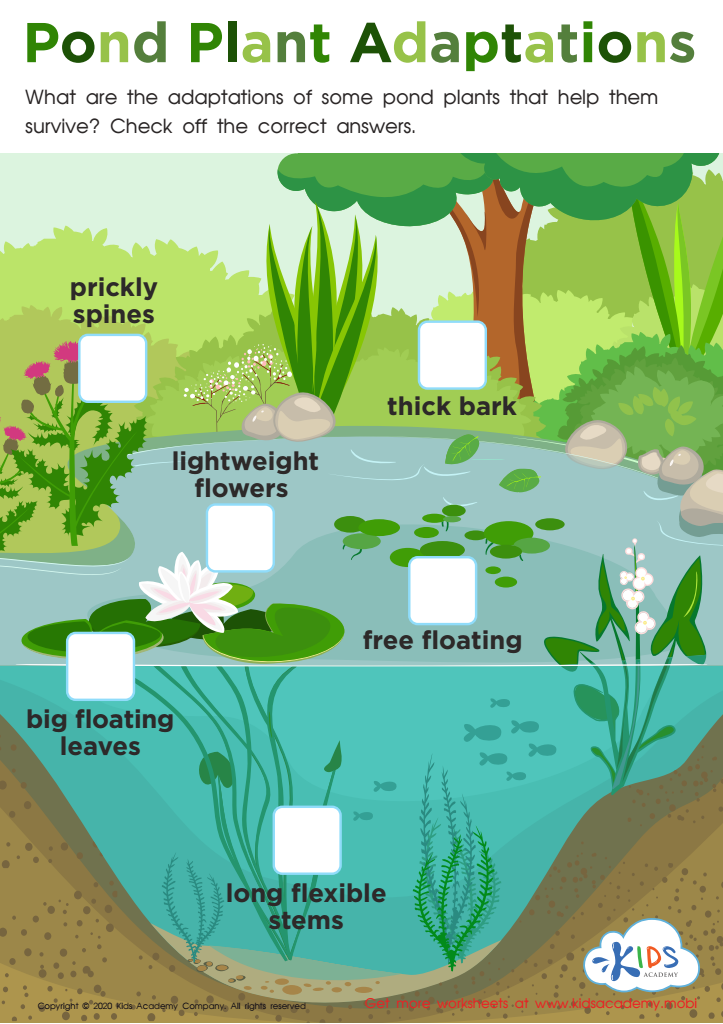
Pond Plant Adaptations
 Assign to My Students











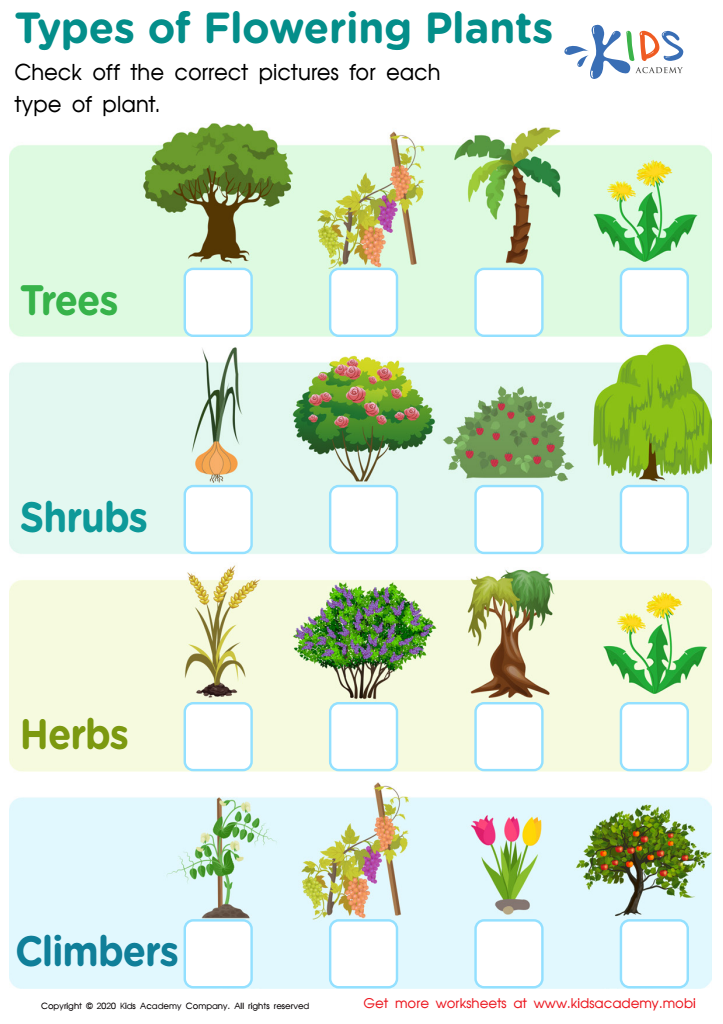
Types of Flowering Plants Worksheet
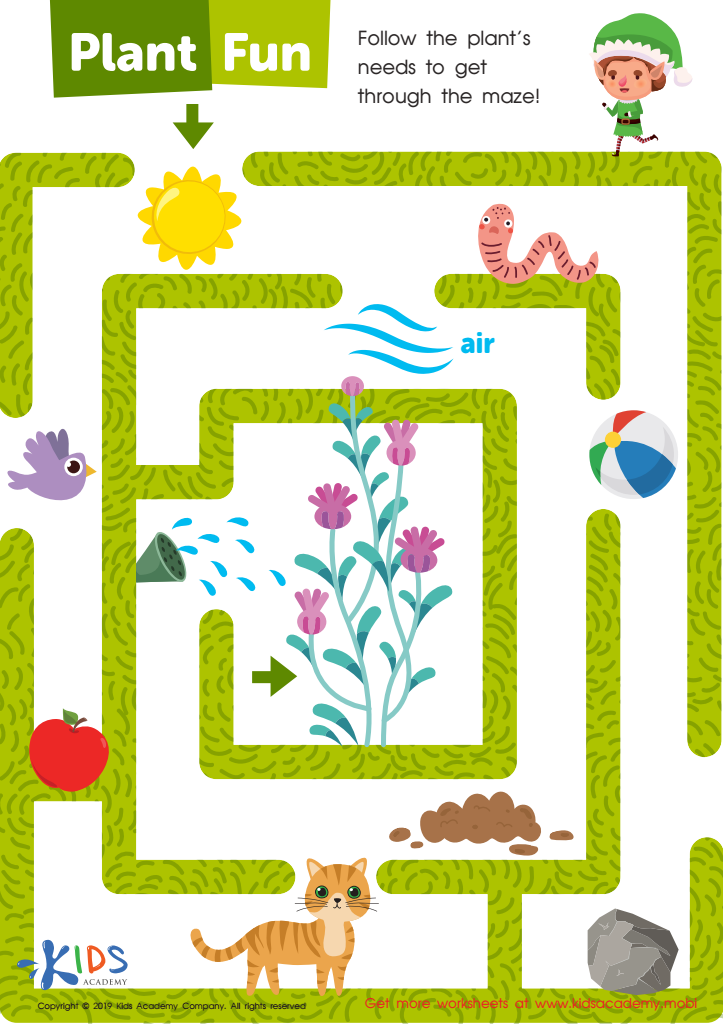
Plant Fun Worksheet
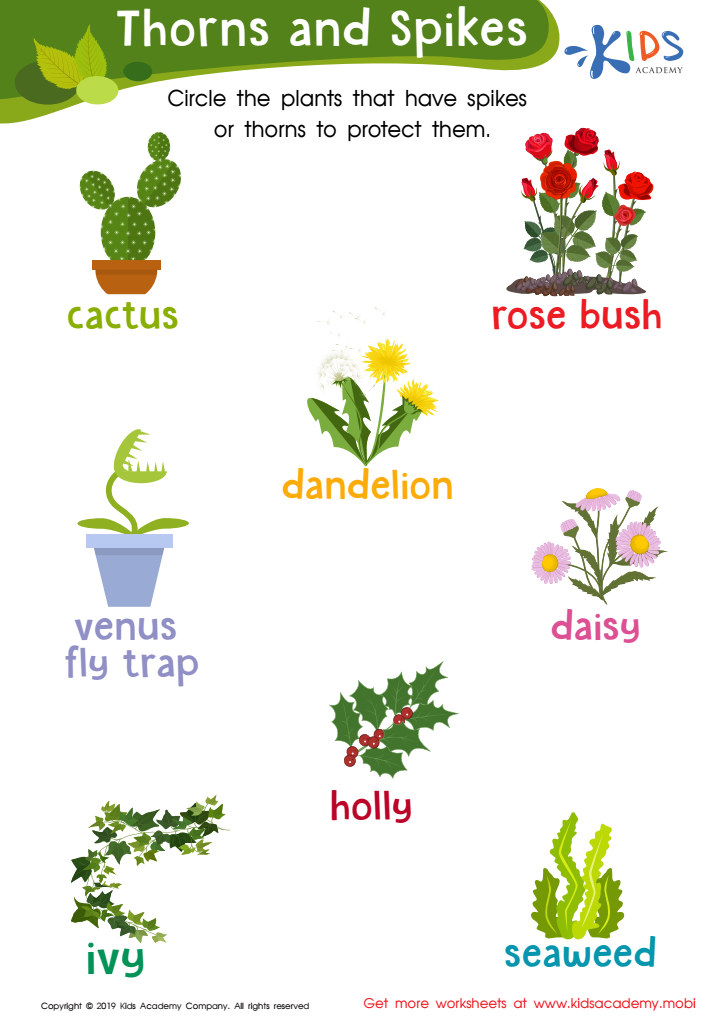
Thorns and Spikes Worksheet
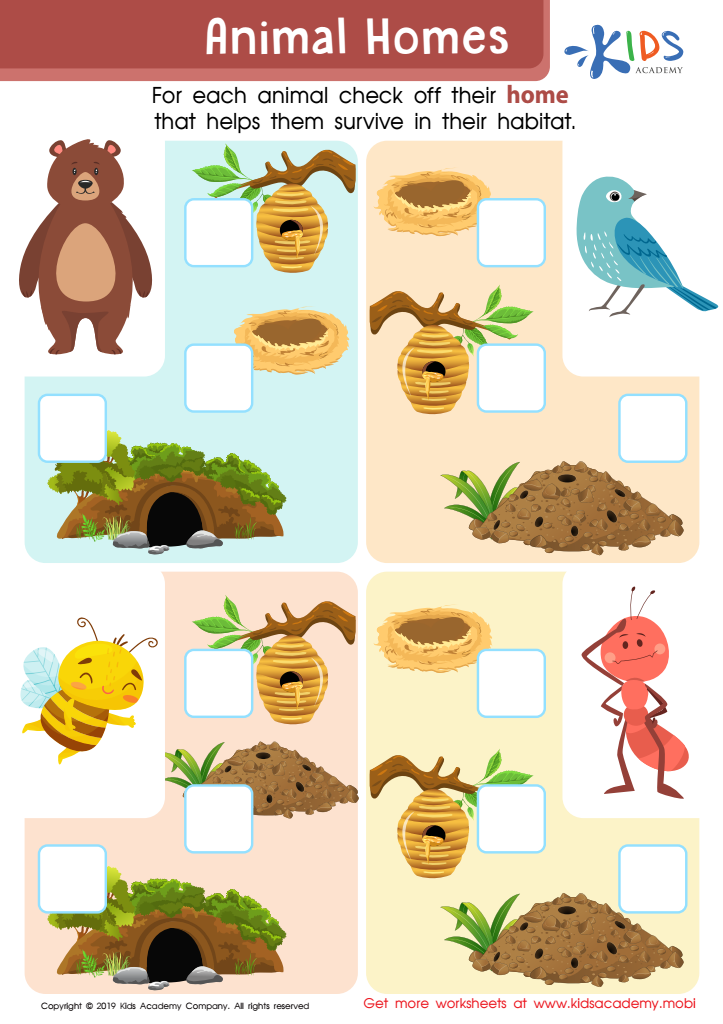
Animal Homes Worksheet
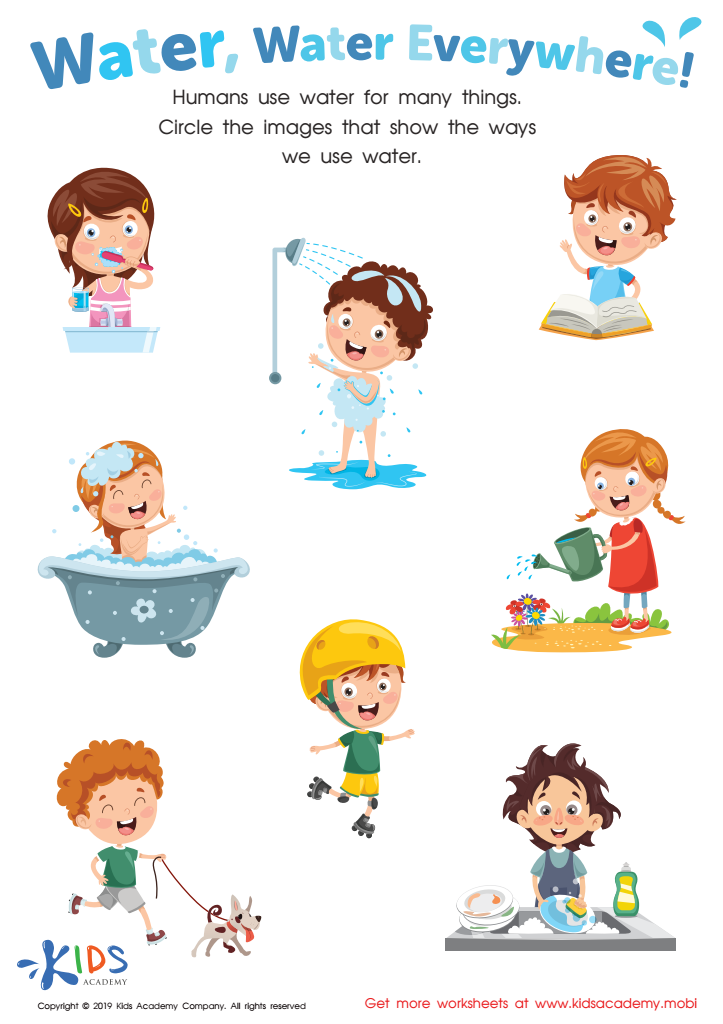
Water, Water Everywhere! Worksheet
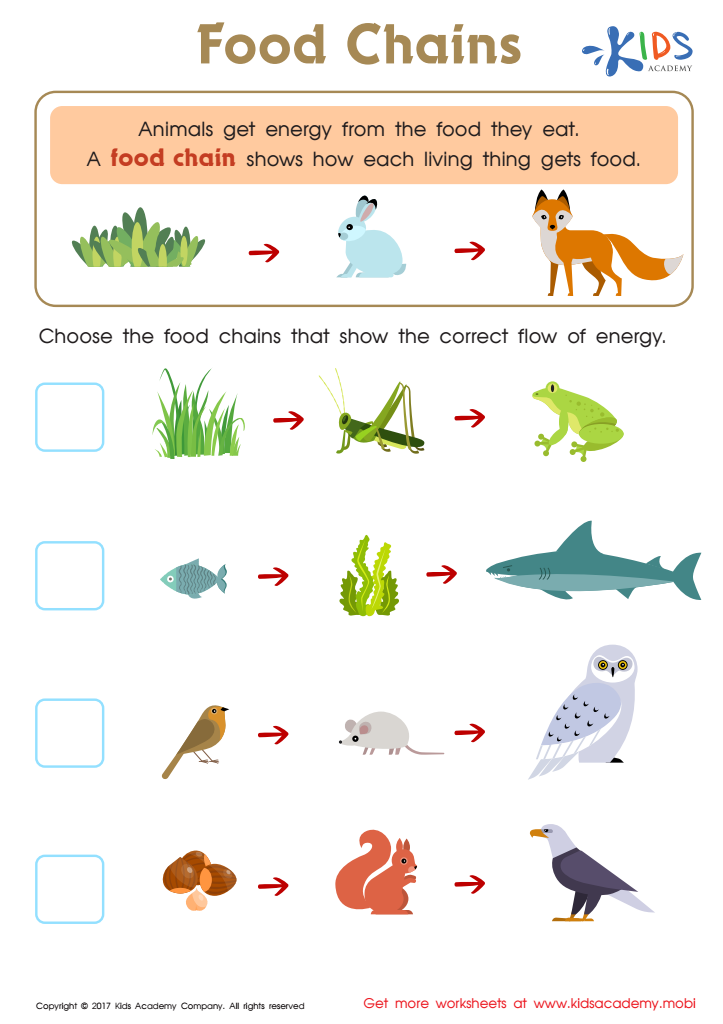
Food Webs and Food Chains Worksheet
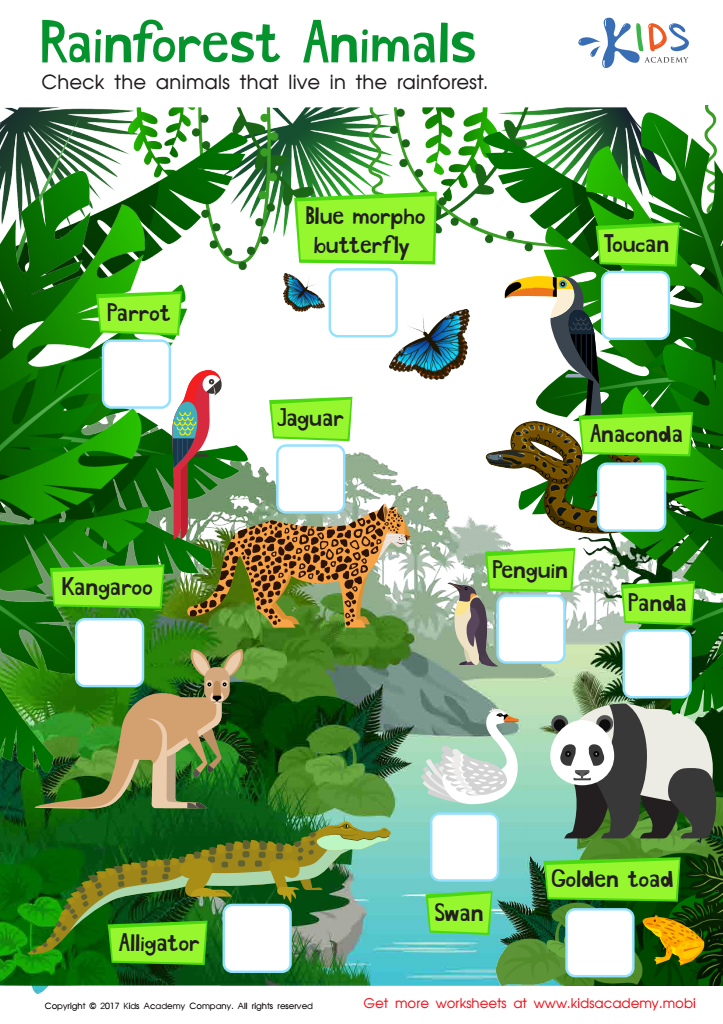
Rainforest Animals Worksheet
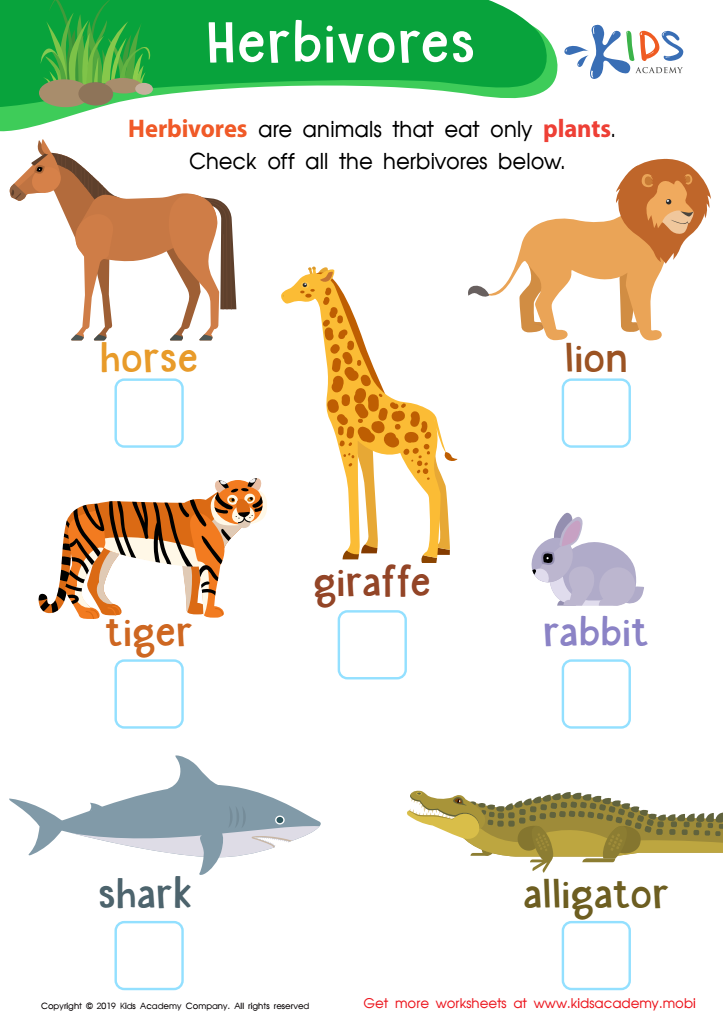
Herbivores Worksheet
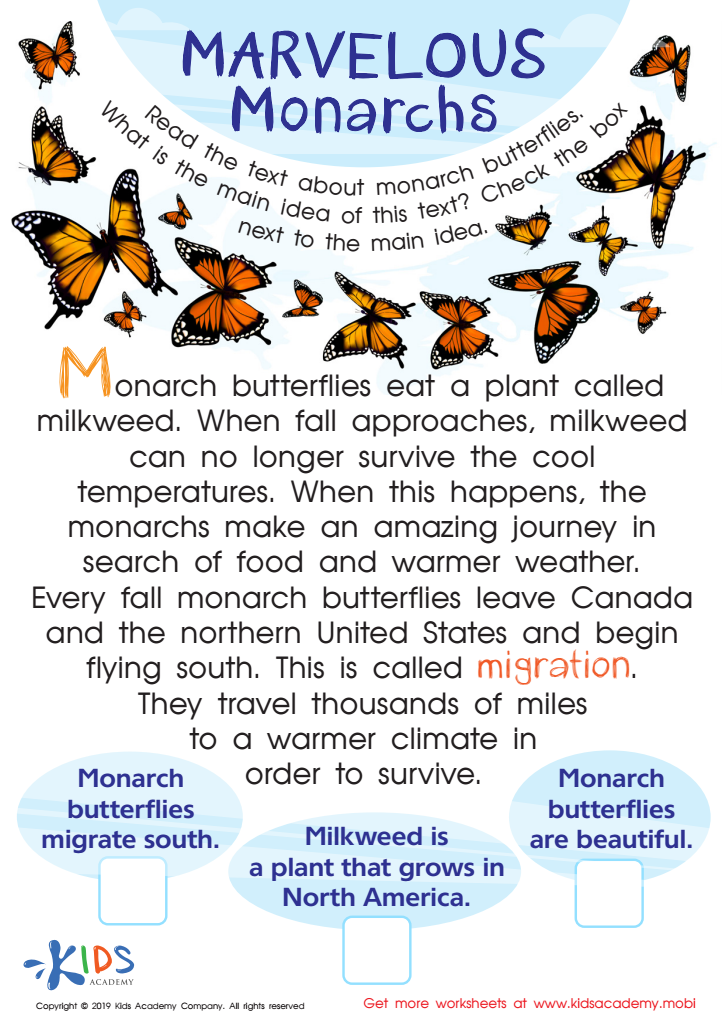
Marvelous Monarchs Worksheet
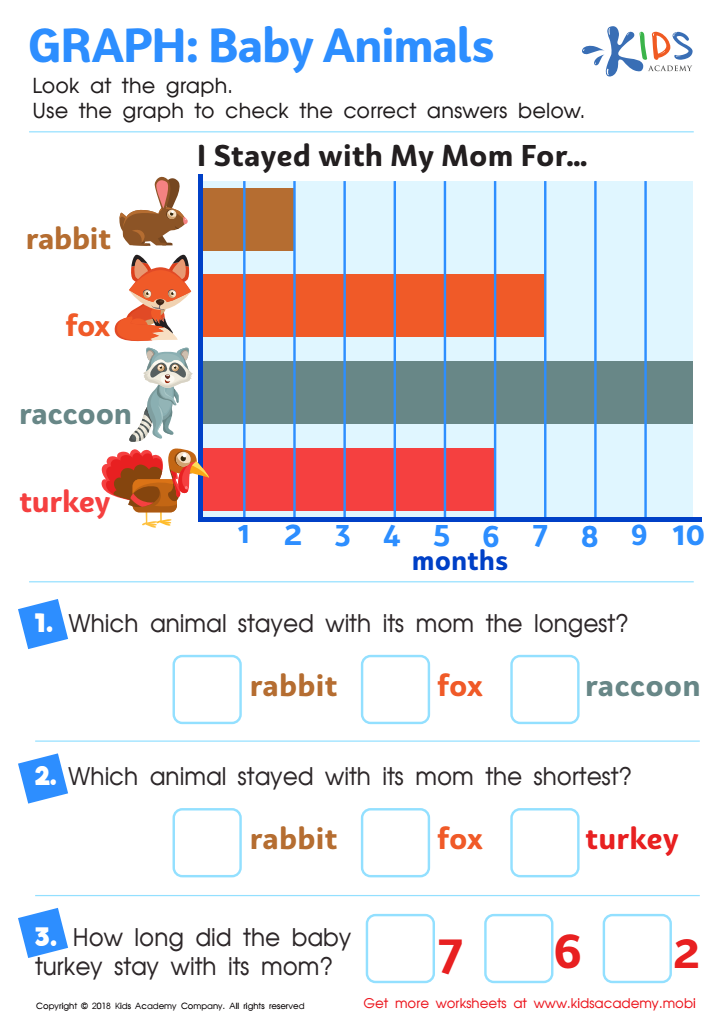
Graph: Baby Animals Worksheet
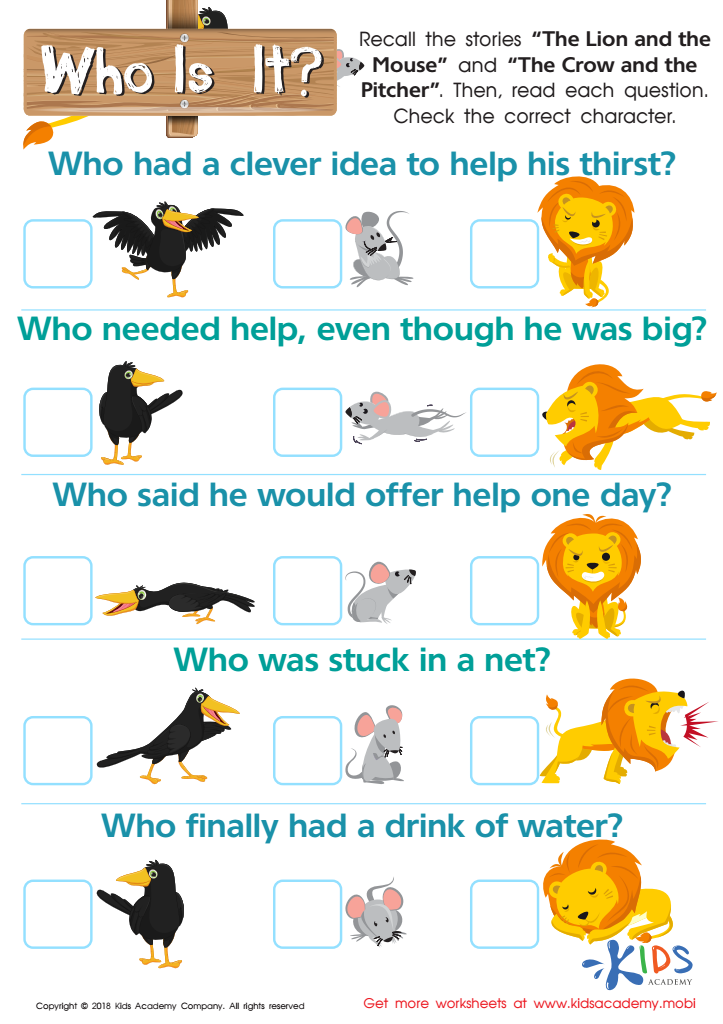
Who Is It? Worksheet
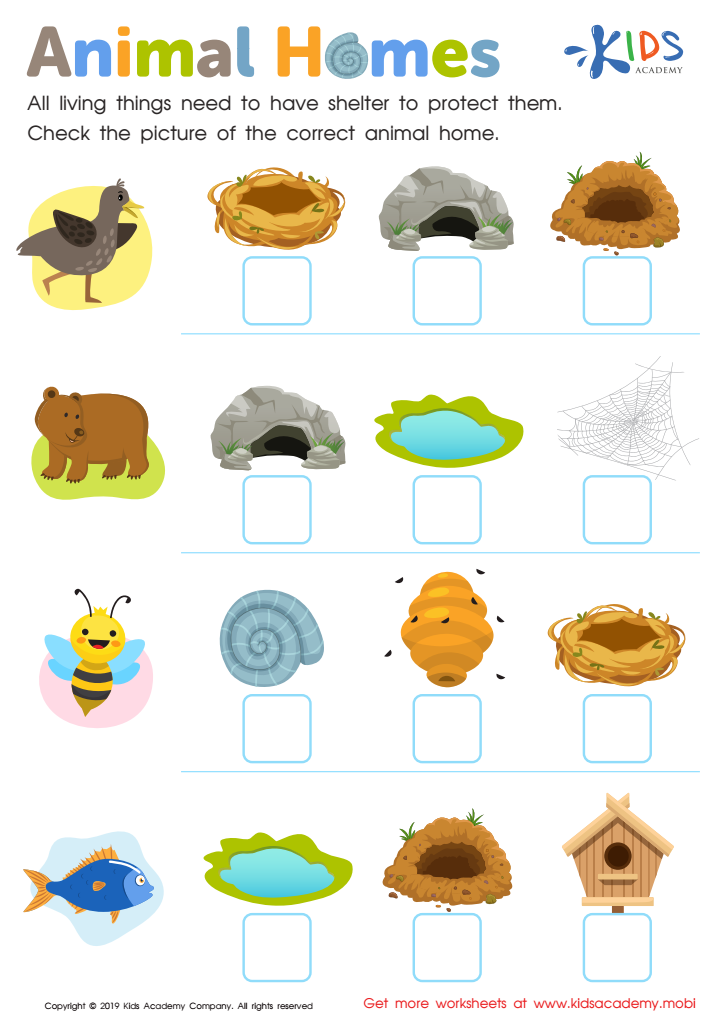
Animal Homes Worksheet
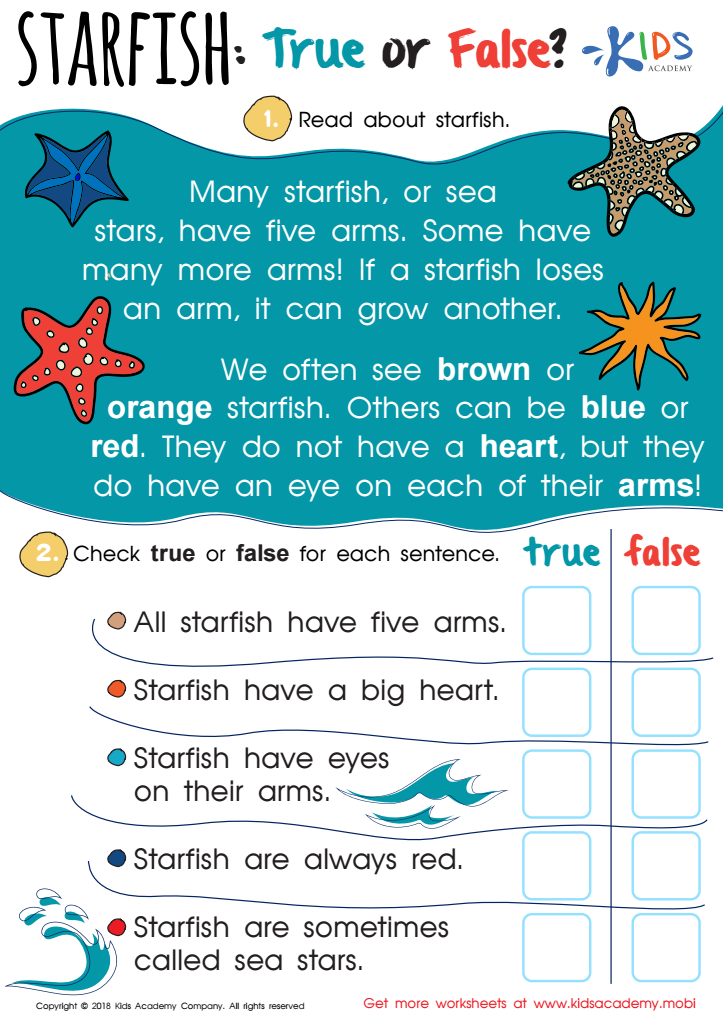
Starfish: True or False Worksheet
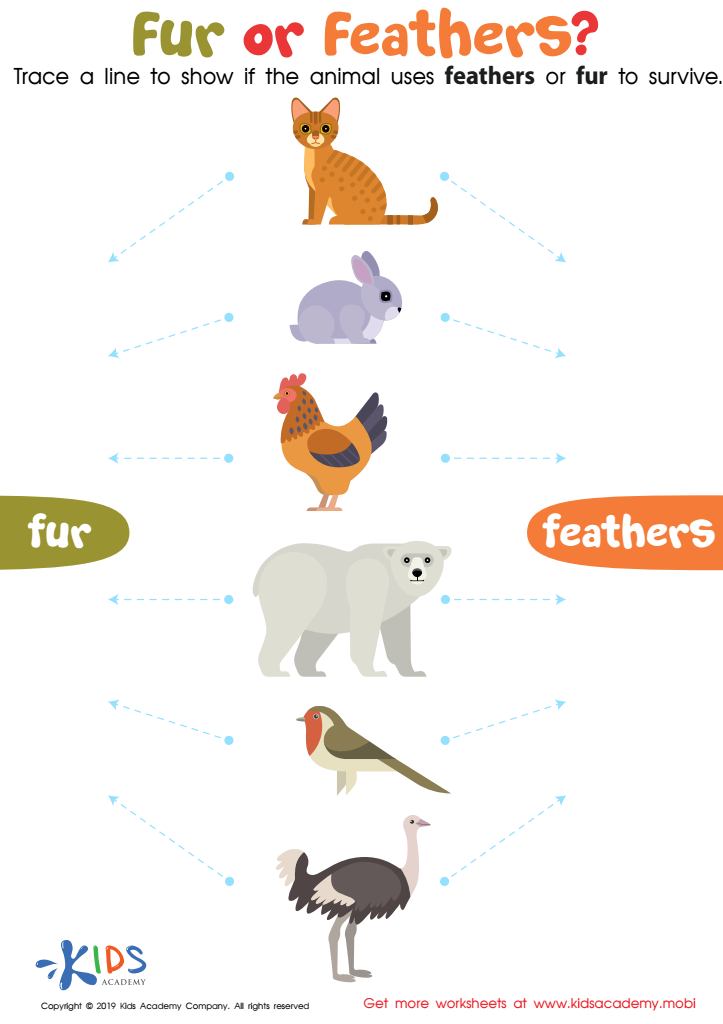
Fur or Feathers? Worksheet
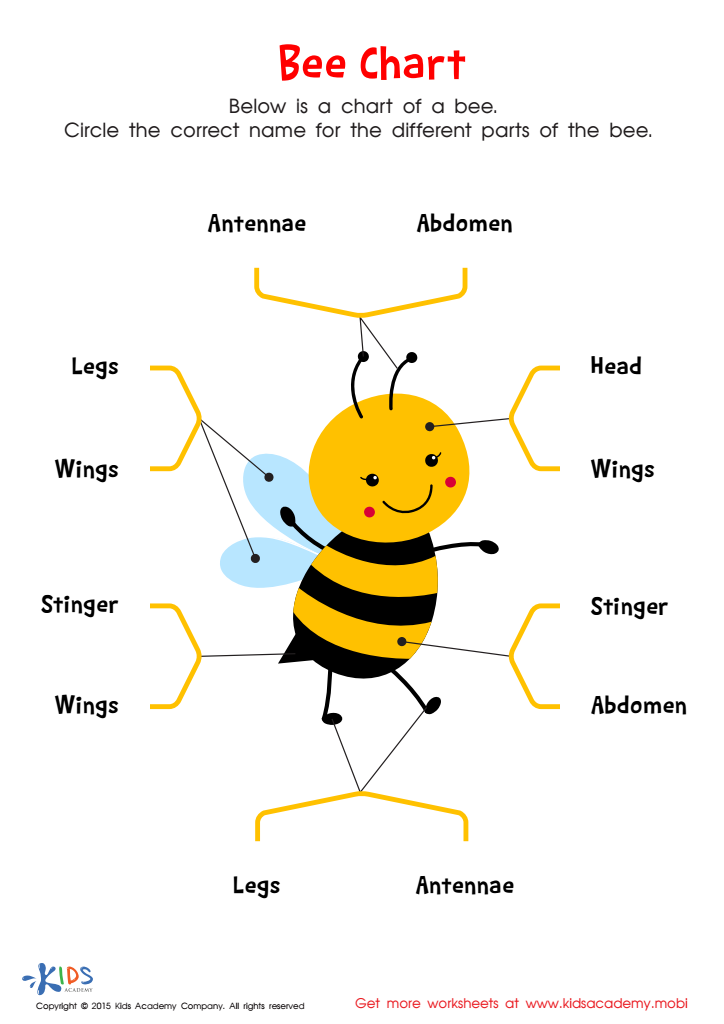
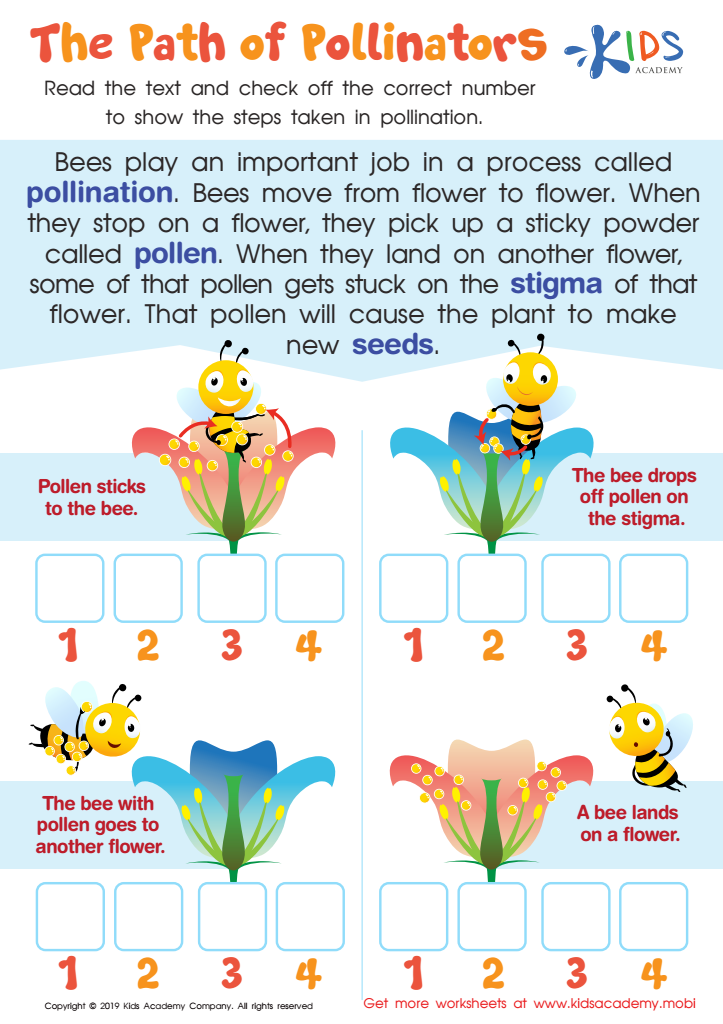
The Path of Pollinators Worksheet
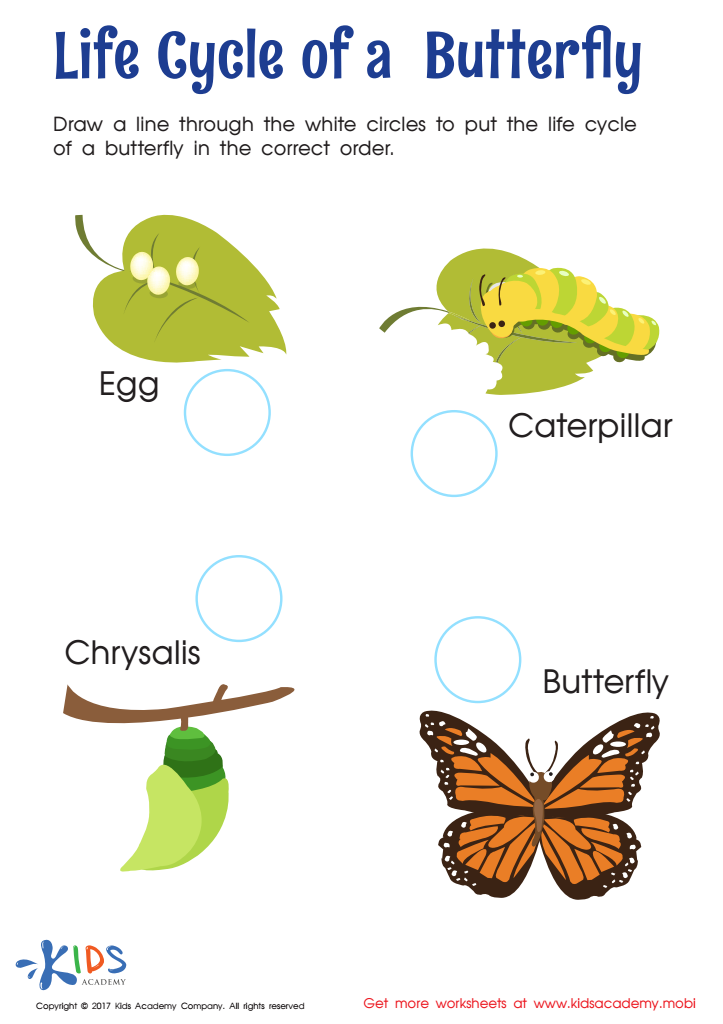
Life Cycle of Butterfly Worksheet
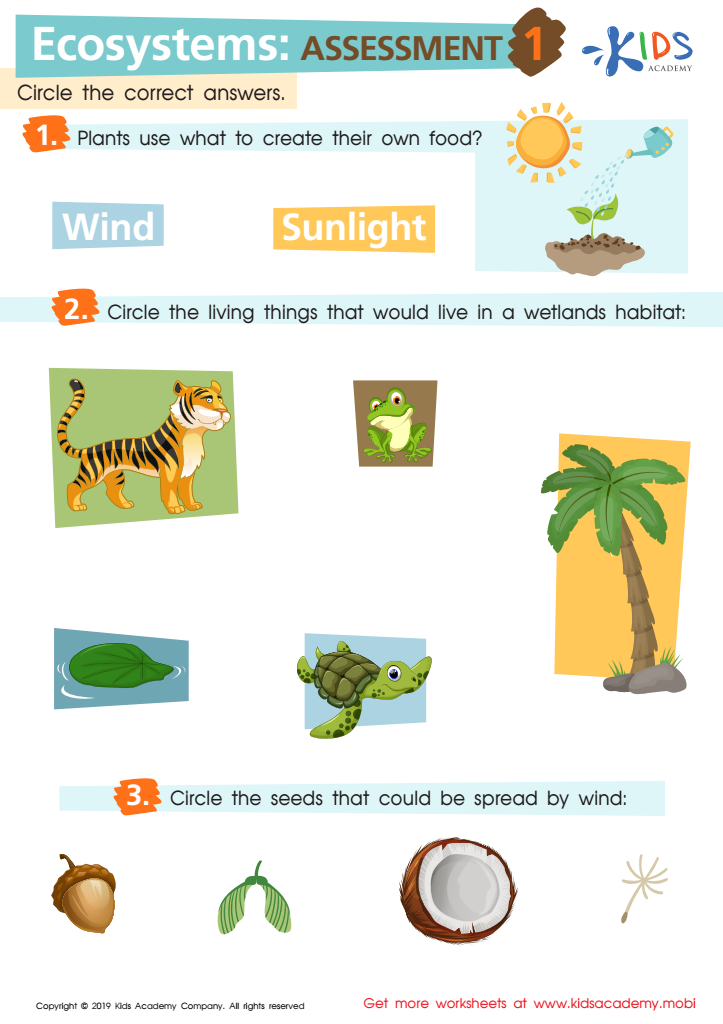
Ecosystems: Assessment 1 Worksheet
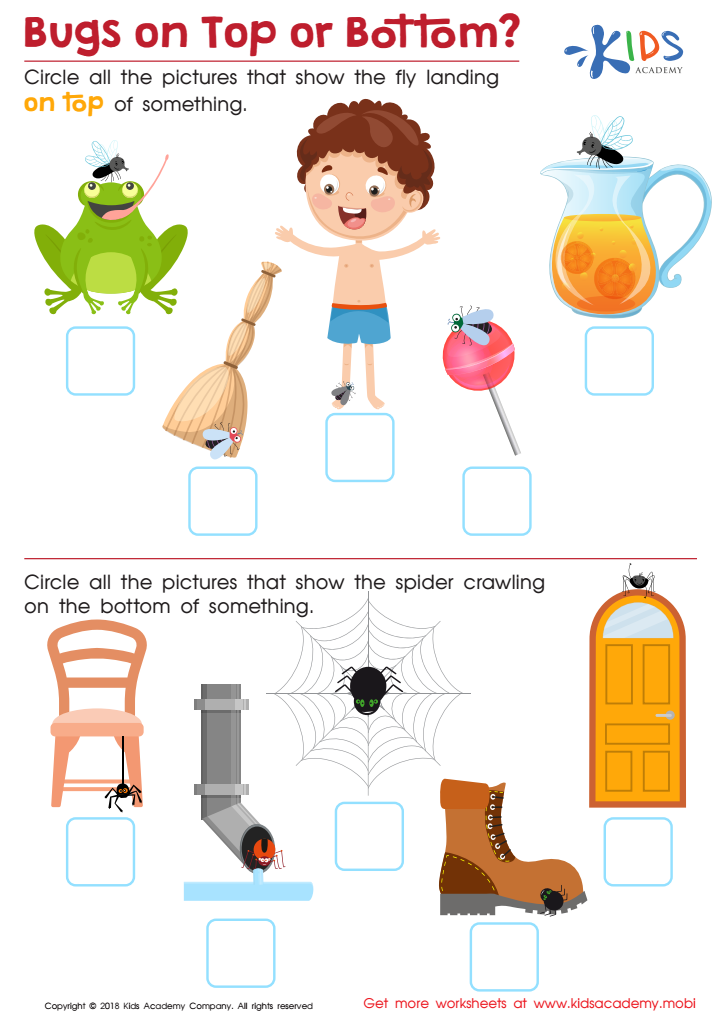
Bugs on Top or Bottom? Worksheet
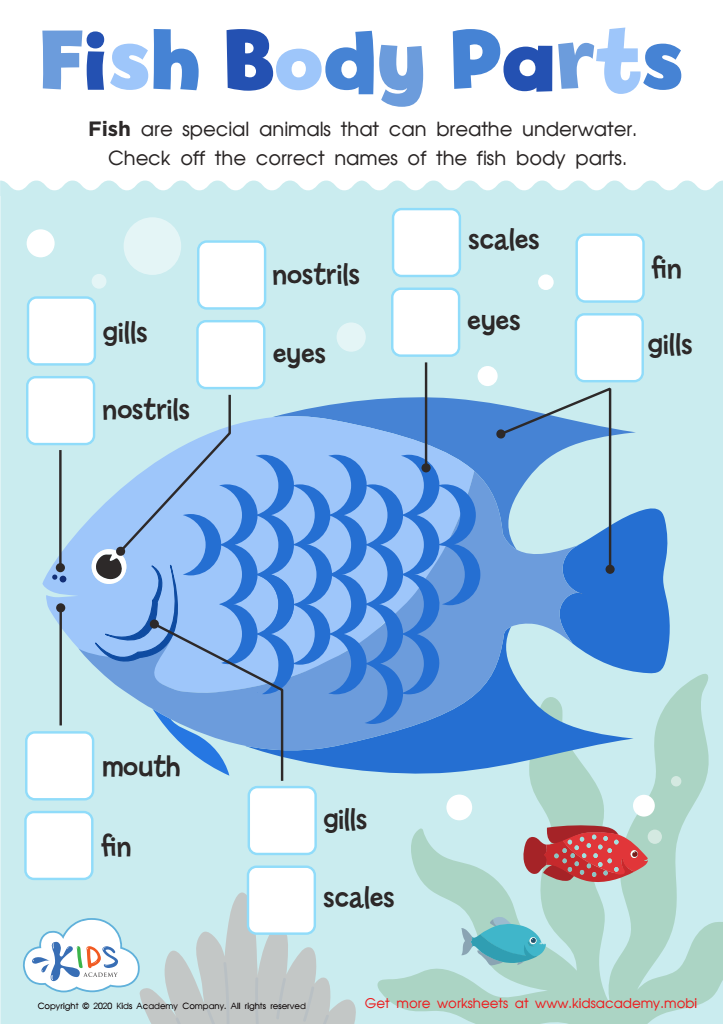
Fish Body Parts Worksheet
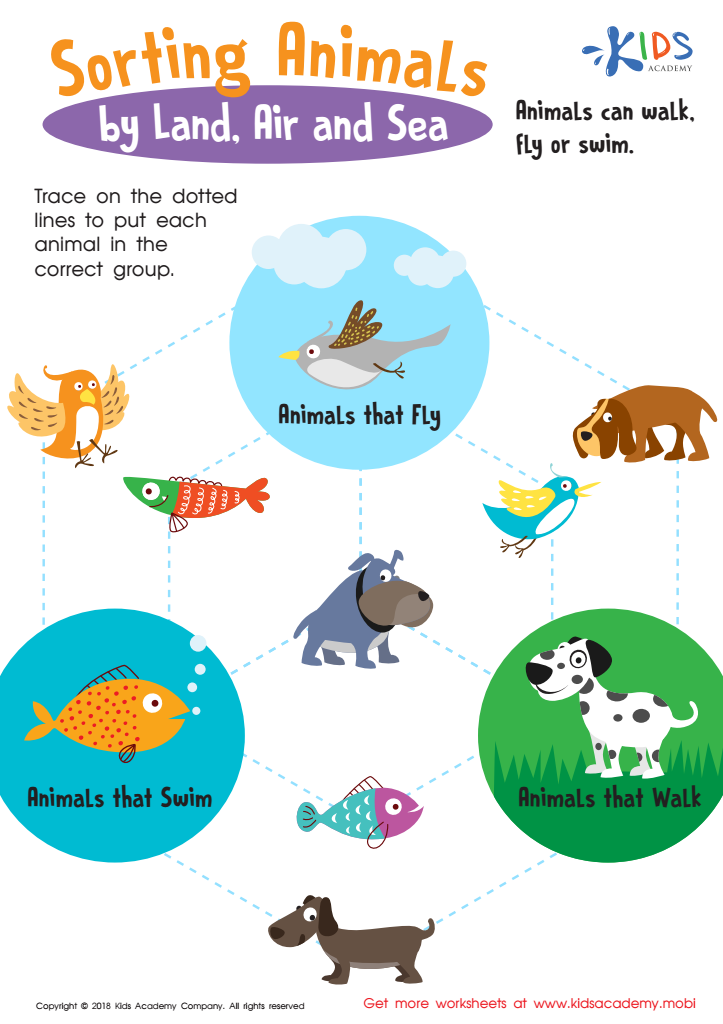
Sorting Animals by Land, Air and Sea Worksheet
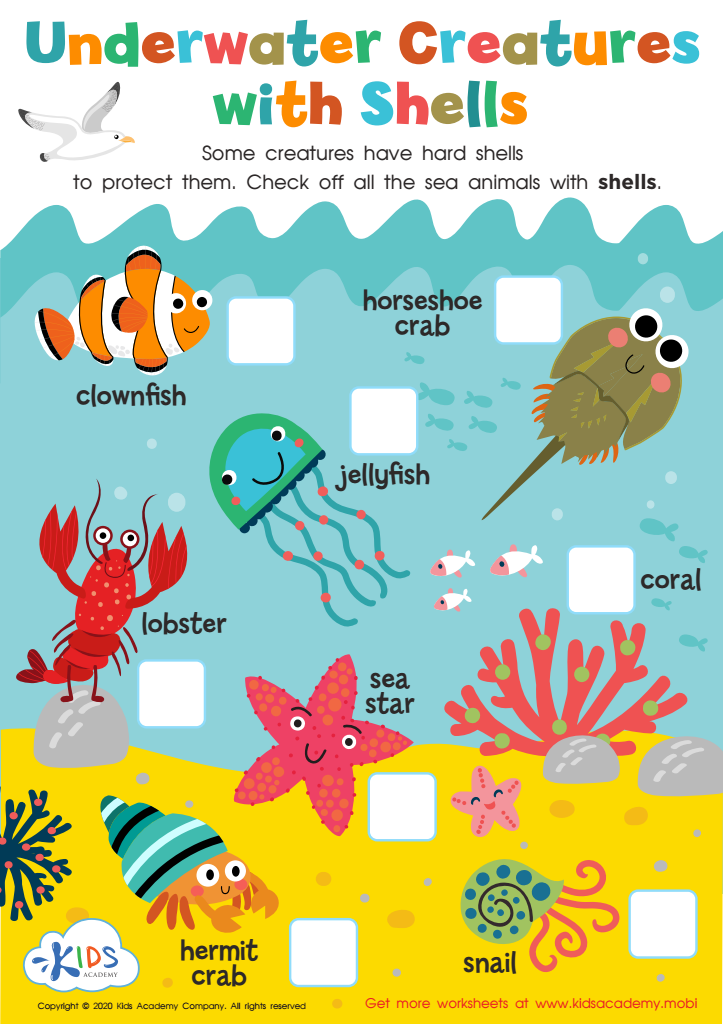
Underwater Creatures with Shells Worksheet
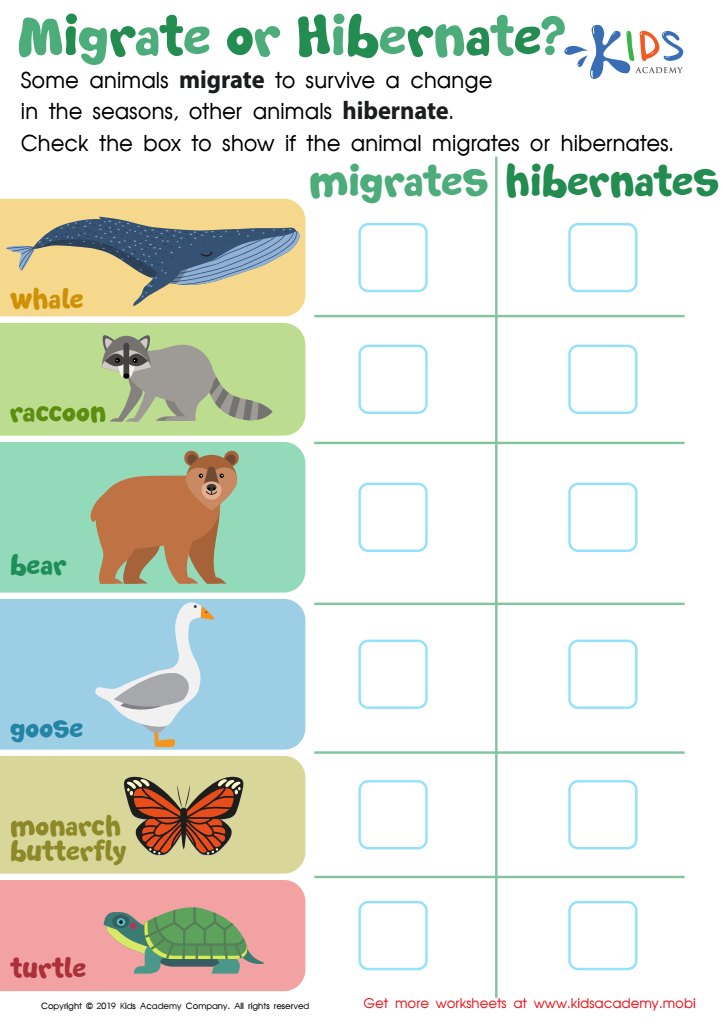
Migrate or Hibernate? Worksheet








Engaging children aged 3-7 with normal plants and animals is crucial for their cognitive and emotional development. During these formative years, children are naturally curious and open to learning about the world around them. By introducing them to plants and animals, parents and teachers can nurture a sense of wonder and respect for nature.
First, learning about plants and animals helps young children develop observational skills. They learn to notice details such as colors, shapes, and sizes, which enhances their ability to describe and categorize objects. This strengthens their cognitive abilities, including critical thinking and problem-solving skills.
Second, discussing the characteristics and needs of living organisms fosters empathy and compassion. When kids understand that plants need sunlight and water to grow and that animals need food and shelter, they become more considerate and responsible caretakers of their environment.
Third, early exposure to nature fosters a lifelong love for the planet. Children who are taught to value plants and animals are more likely to engage in sustainable practices and advocate for environmental protection as they grow older.
Lastly, outdoor activities related to plant and animal observation promote physical health and well-being. Climbing trees, planting gardens, and observing wildlife encourage physical activity and reduce screen time, contributing to healthier lifestyles.
In essence, understanding normal plants and animals equips children with crucial life skills, emotional awareness, and a foundation for future environmental stewardship.







