Color Identification Normal Worksheets for Ages 3-8
26 filtered results
-
From - To
Enhance your child’s learning journey with our Color Identification Normal Worksheets designed for ages 3-8. These engaging worksheets help young learners recognize and name colors through fun activities and interactive exercises. Perfect for homeschooling or classroom use, our resources promote color vocabulary development and visual discrimination skills. Young children will enjoy identifying colors in various contexts, fostering creativity and critical thinking. With bright, stimulating designs, these worksheets capture attention and make learning enjoyable. Instill a love for learning in your little ones while preparing them for future educational milestones. Explore our collection of printable worksheets and watch your child thrive!
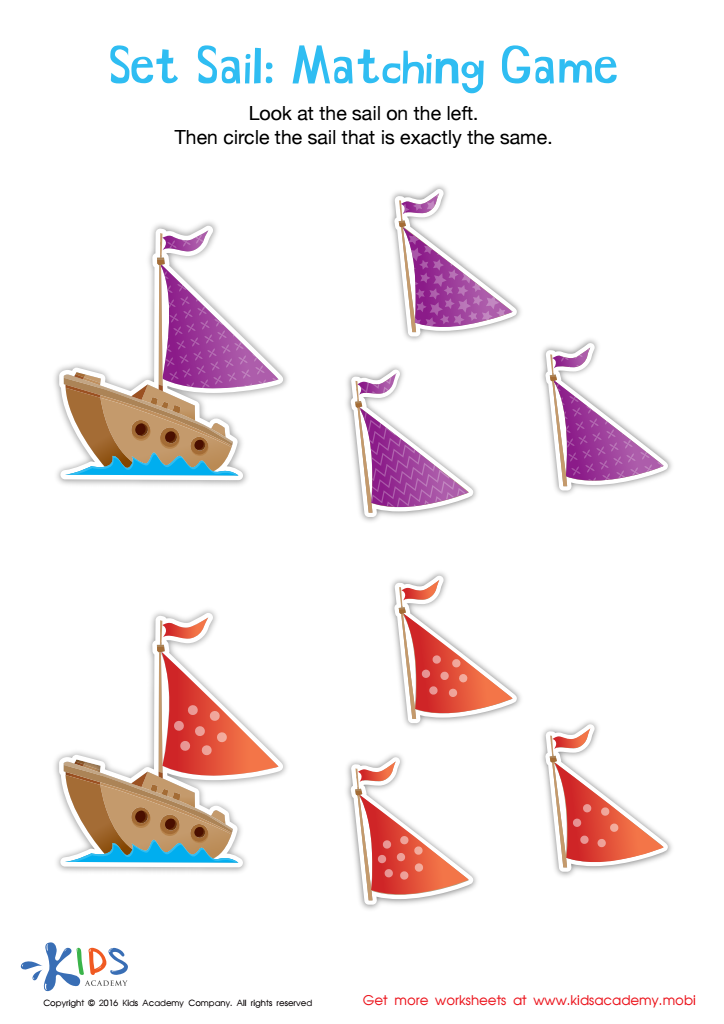
Set Sail Worksheet
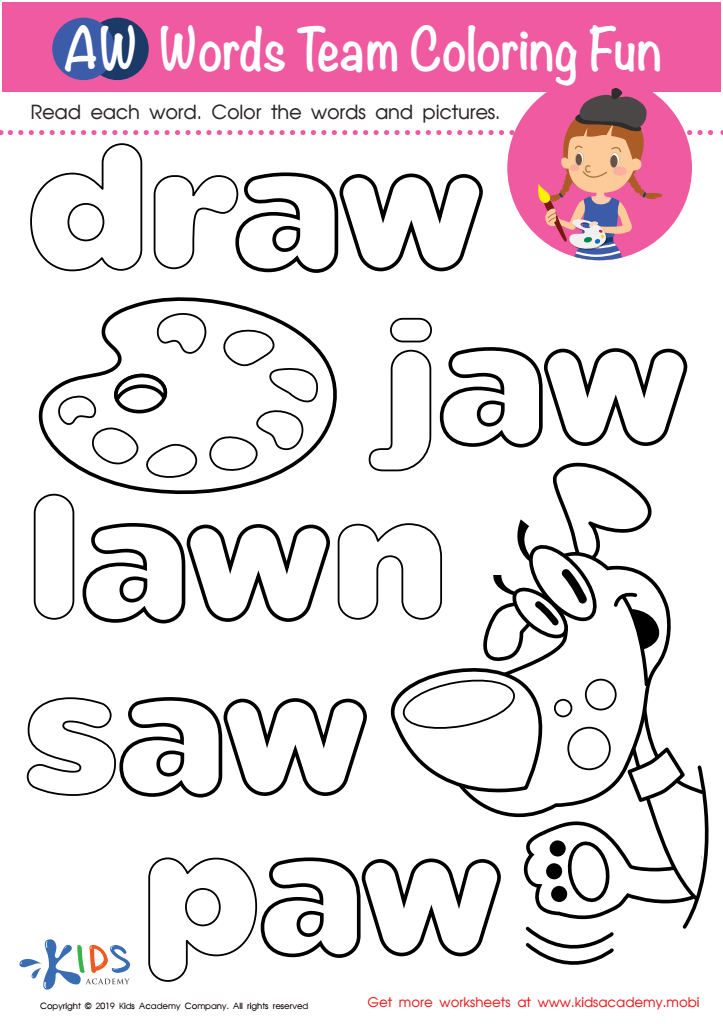
AW Words Team Coloring Fun Worksheet
 Assign to My Students
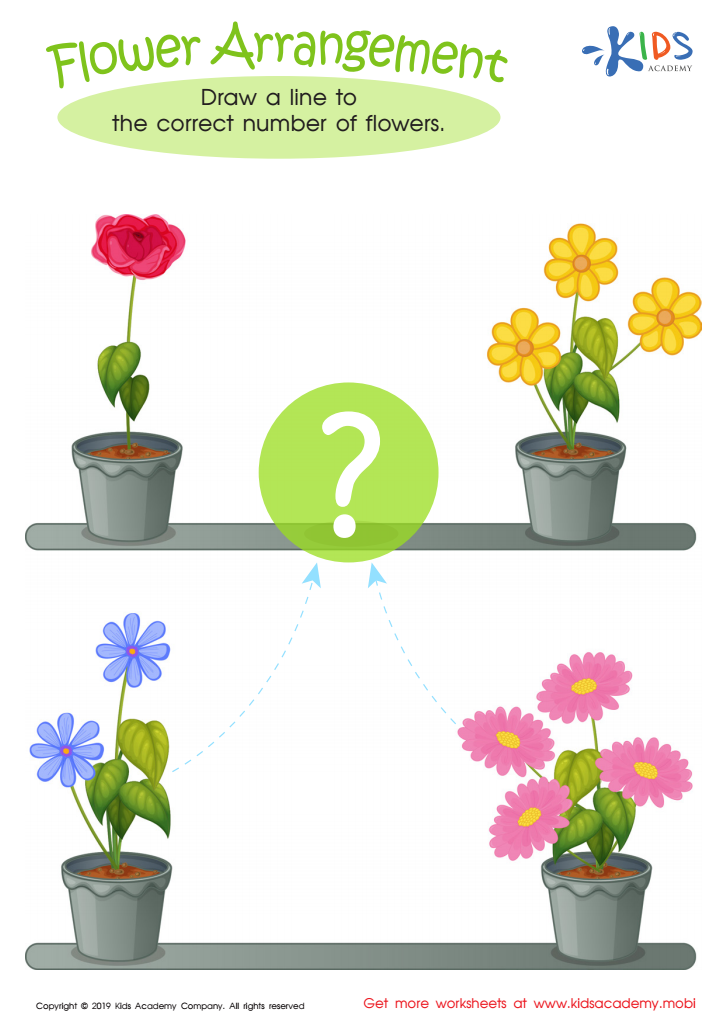
Flower Arrangement Worksheet
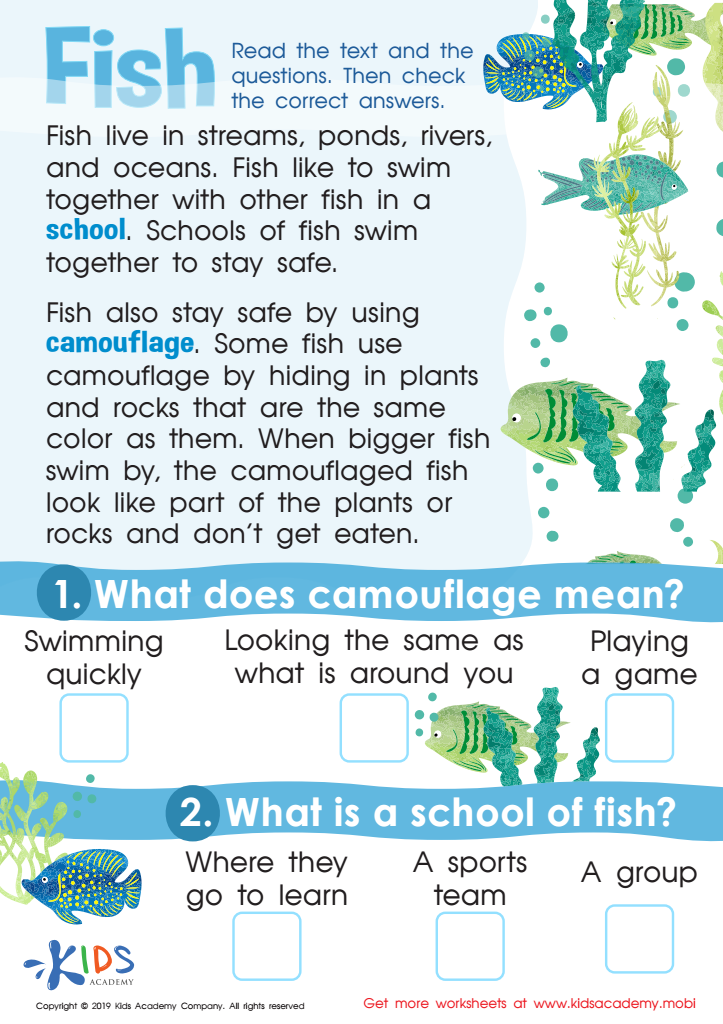
Fish Worksheet
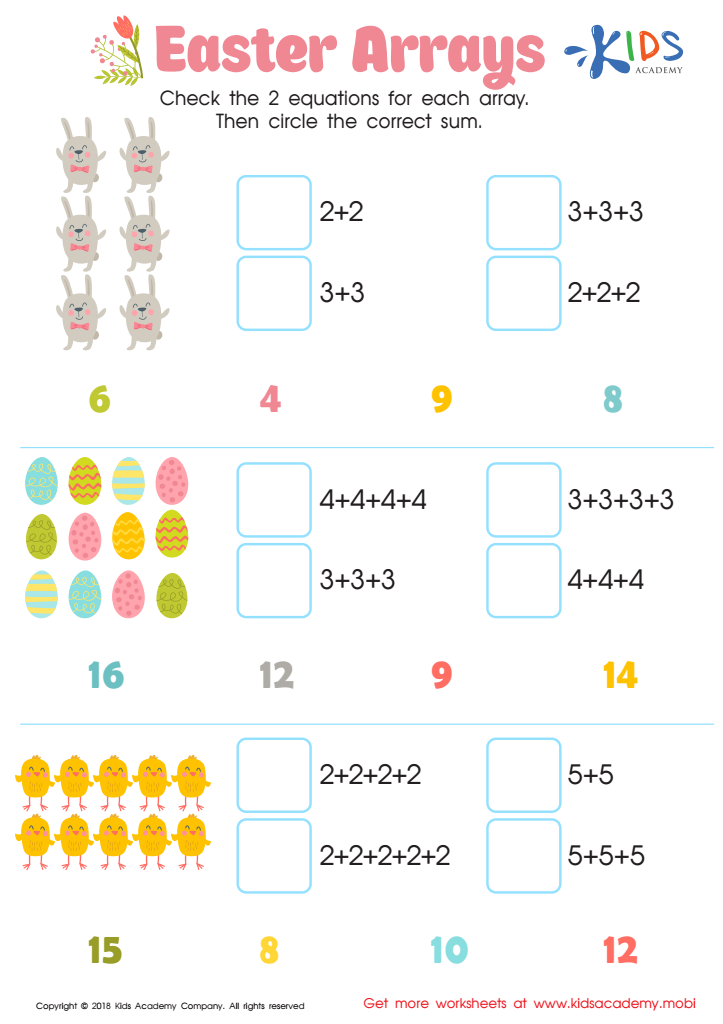
Easter Arrays Worksheet
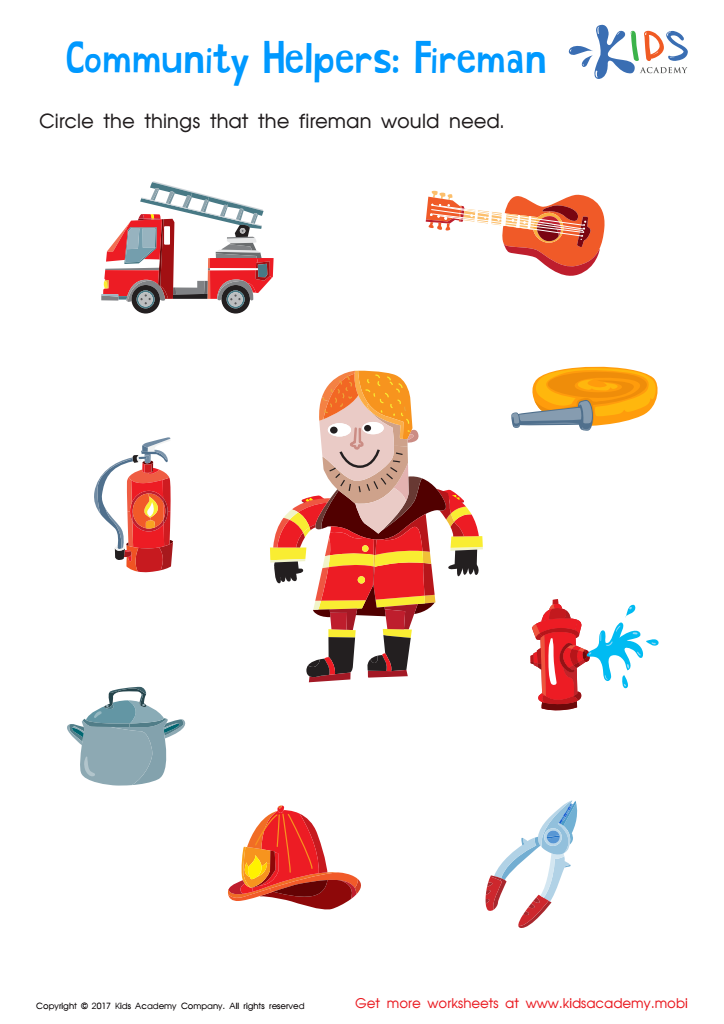
Fireman Worksheet
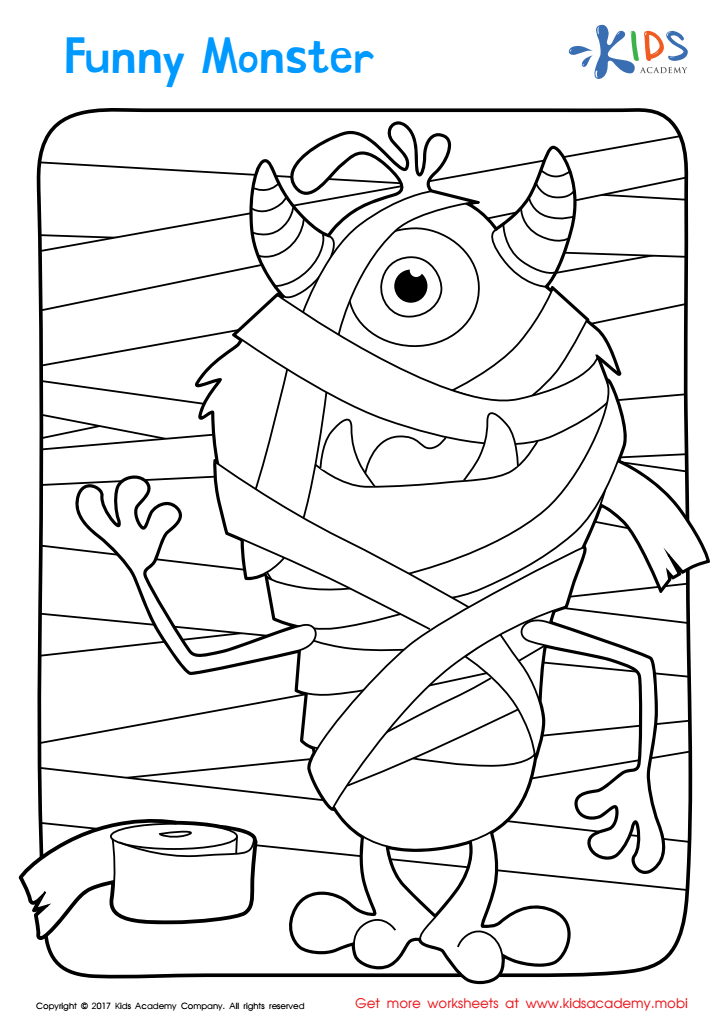
Halloween: A Funny Monster Worksheet
Assign to My Students
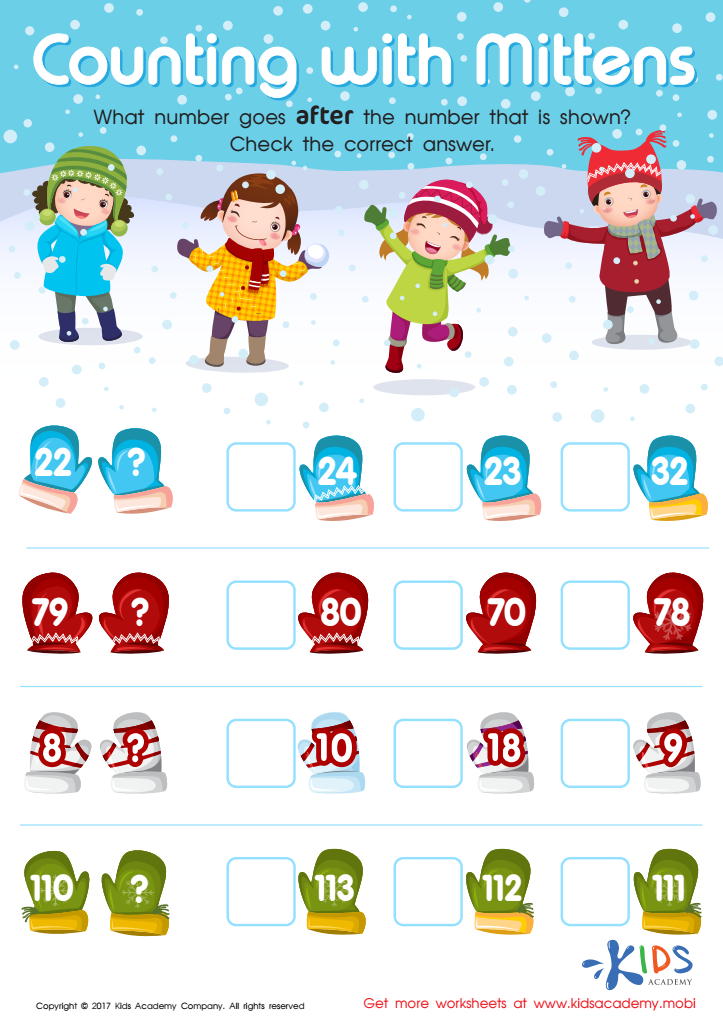
Counting with Mittens Worksheet
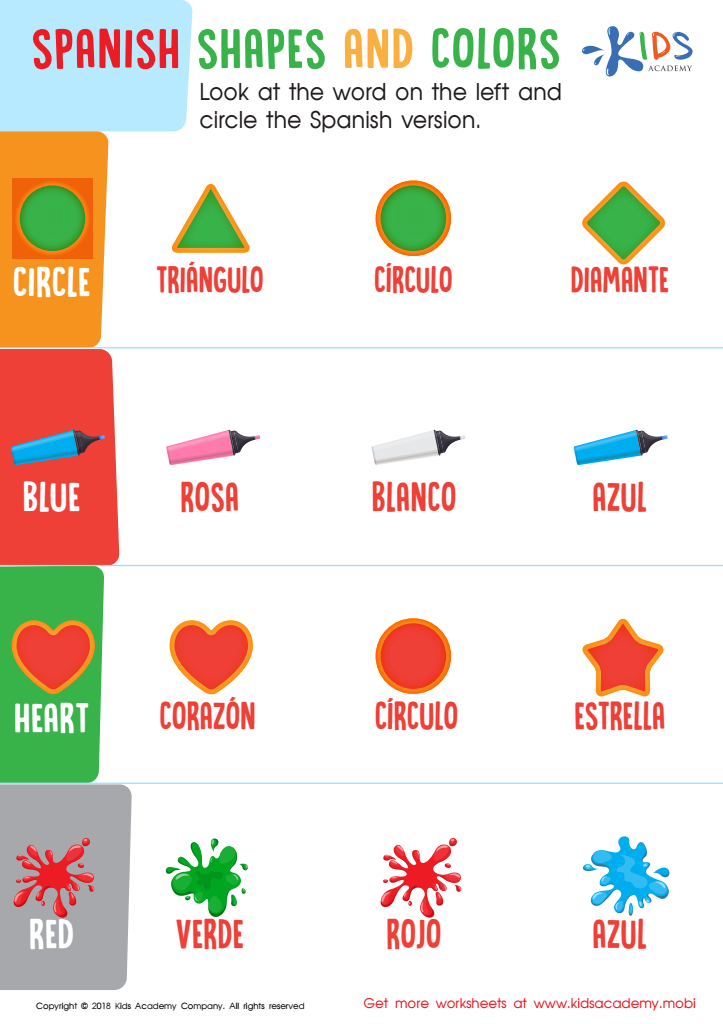
Spanish Shapes and Colors Worksheet
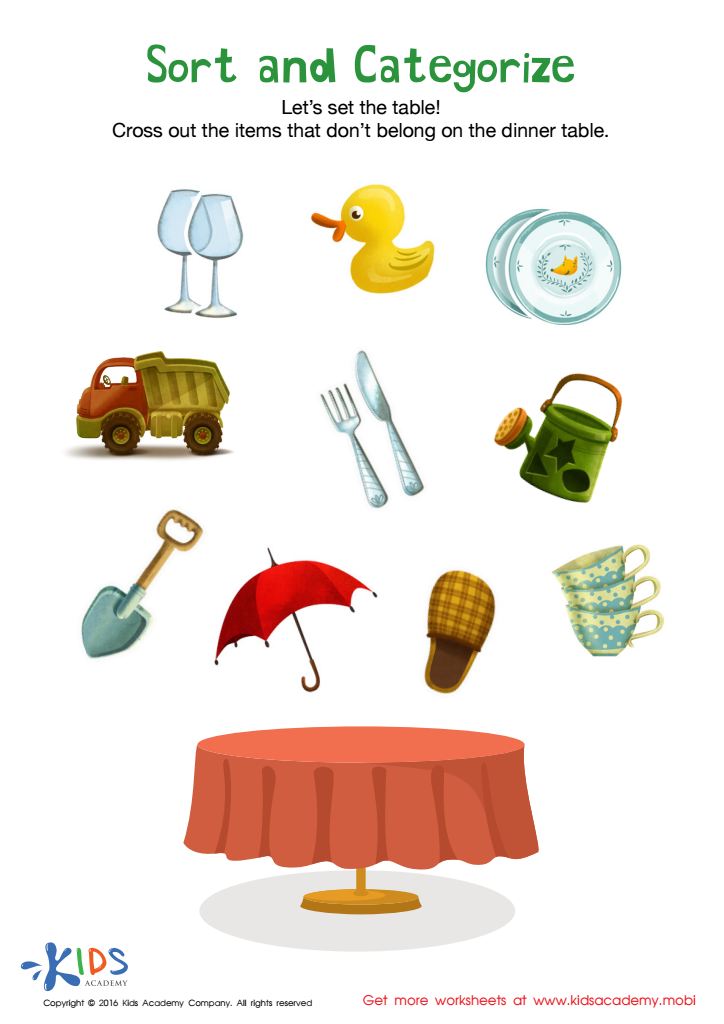
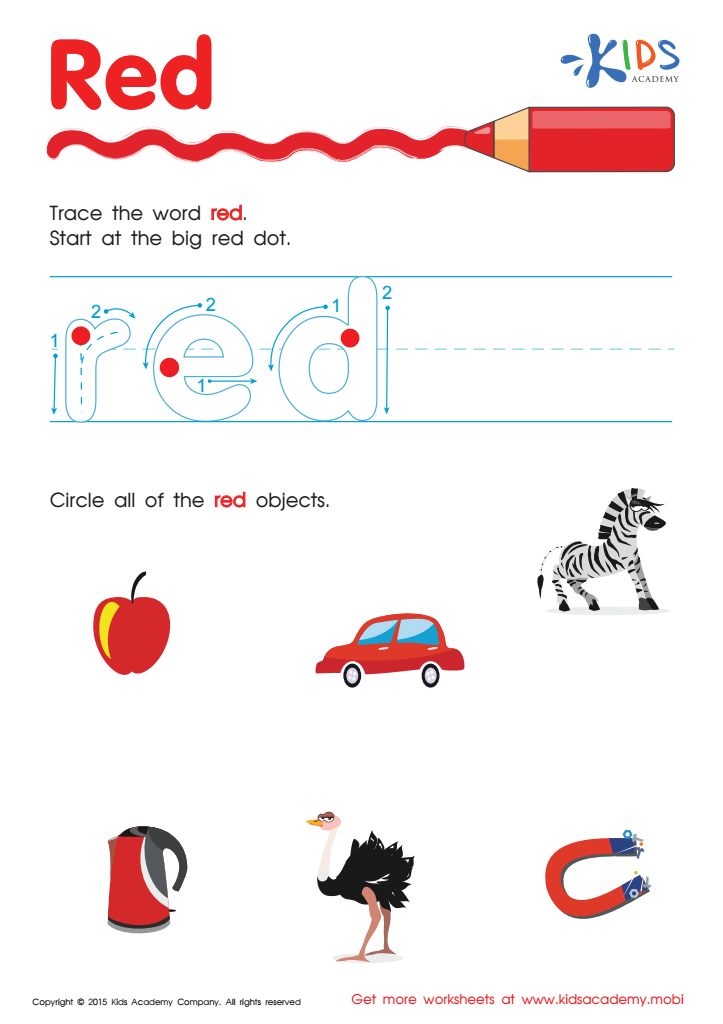
Red Tracing Color Words Printable
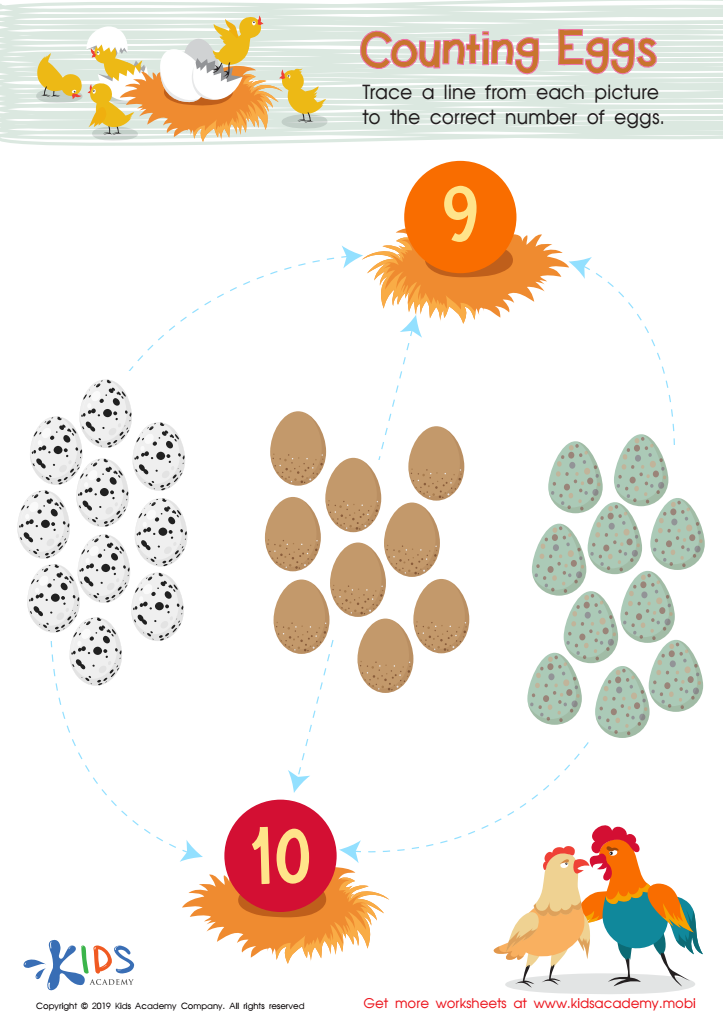
Counting Eggs Worksheet
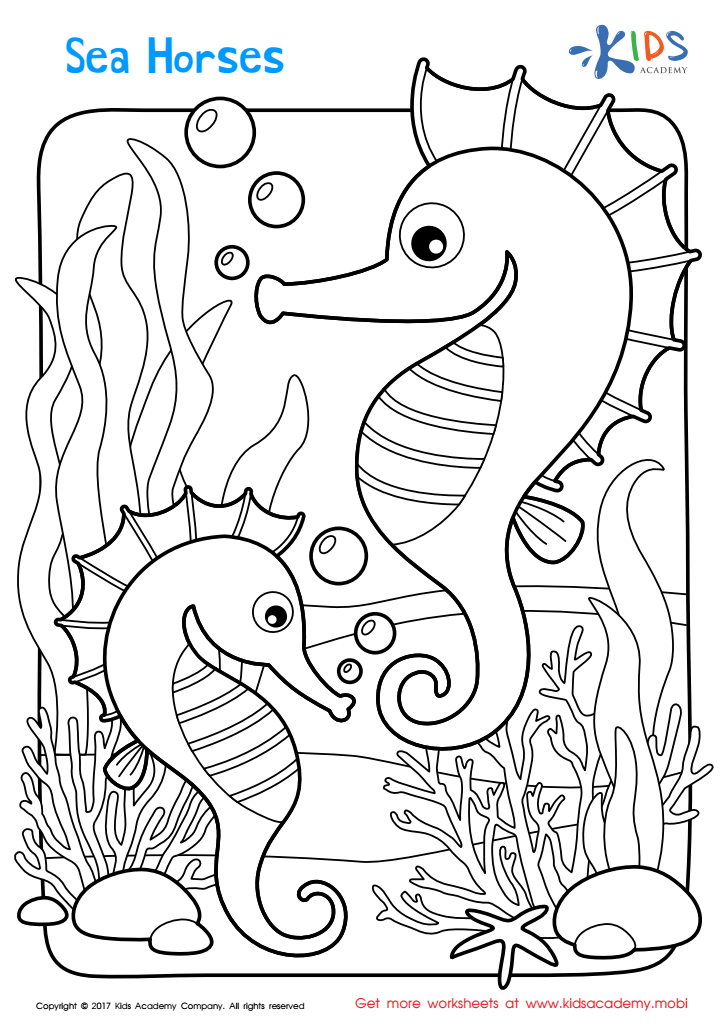
Sea Horses Printable
Assign to My Students
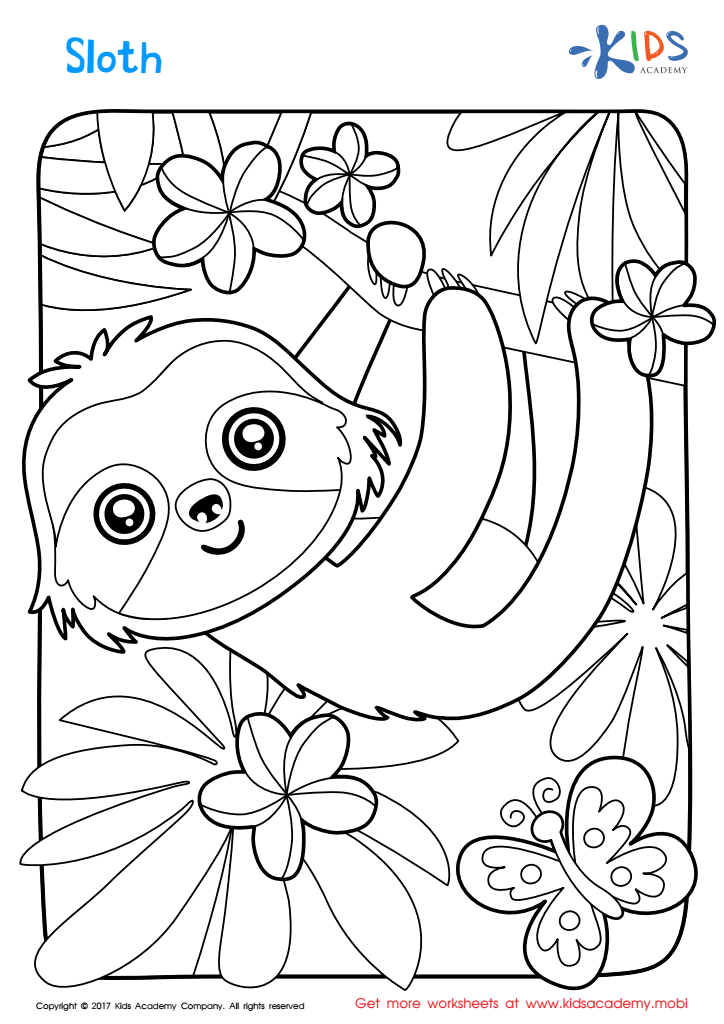
Sloth Worksheet
Assign to My Students
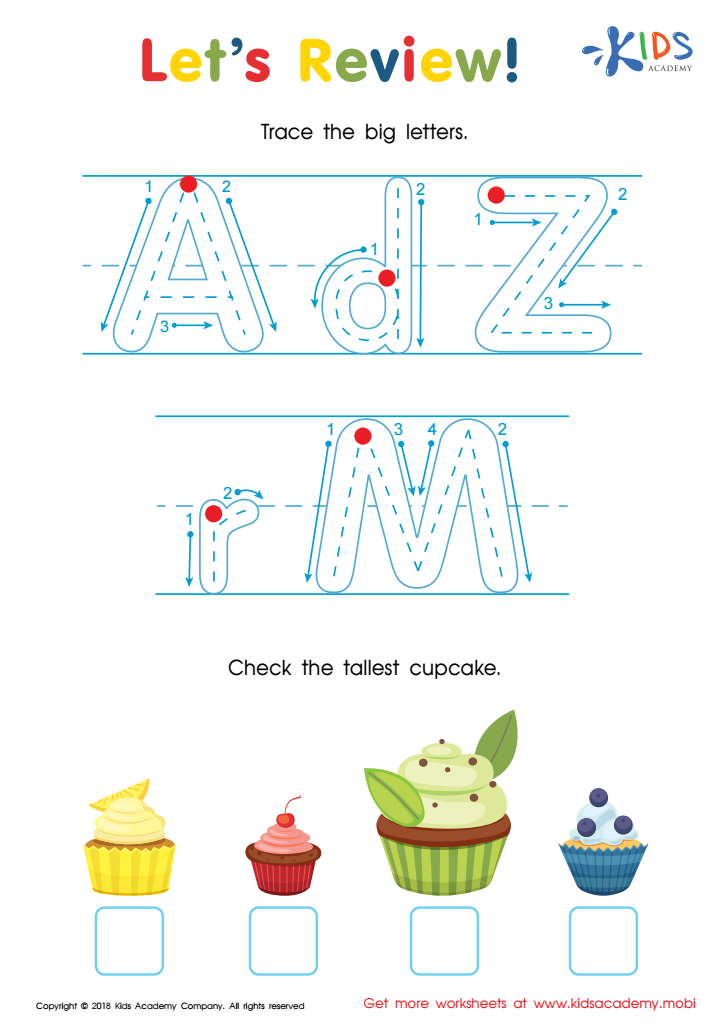
Let's Review! Big Letters Worksheet
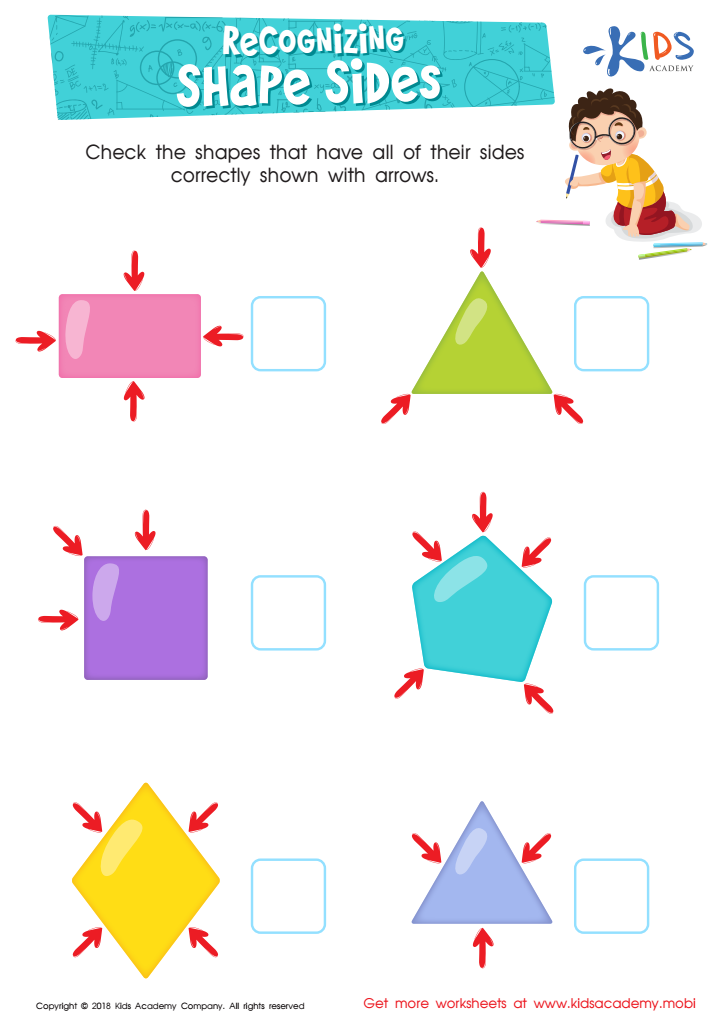
Recognizing Shape Sides Worksheet
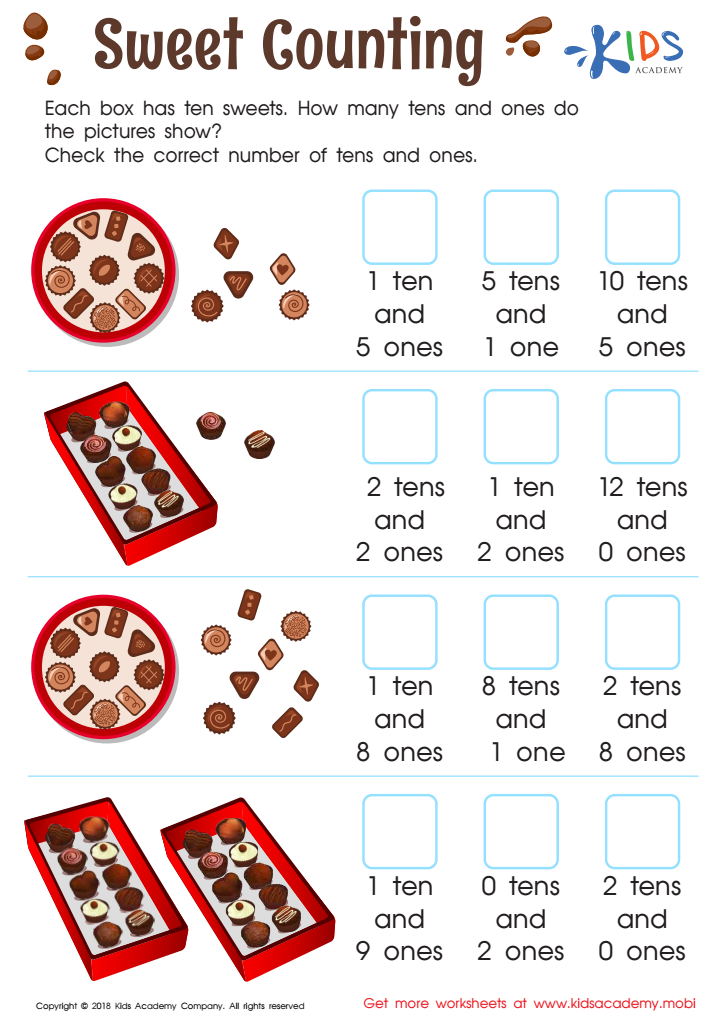
Sweet Counting - Part 2 Worksheet
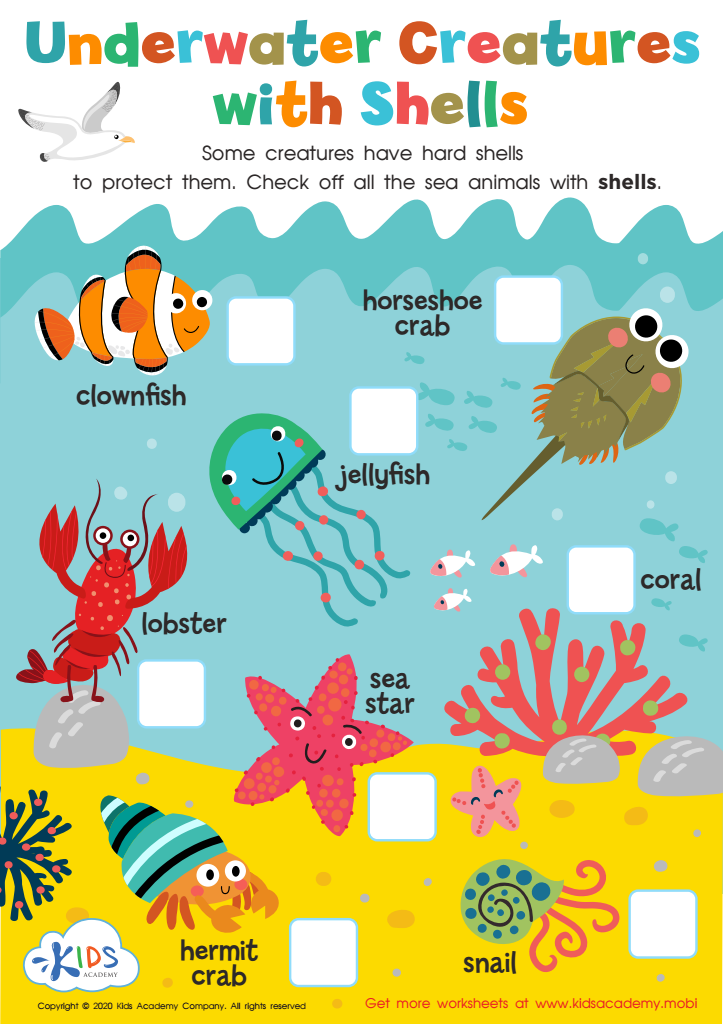
Underwater Creatures with Shells Worksheet
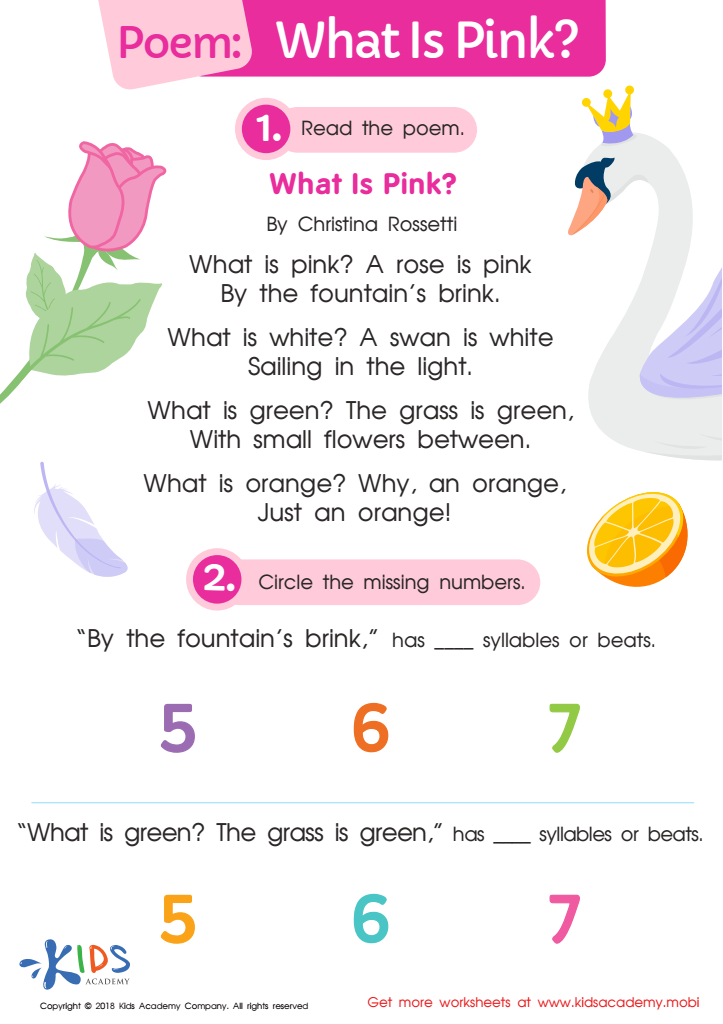
Poem: What Is Pink? Worksheet
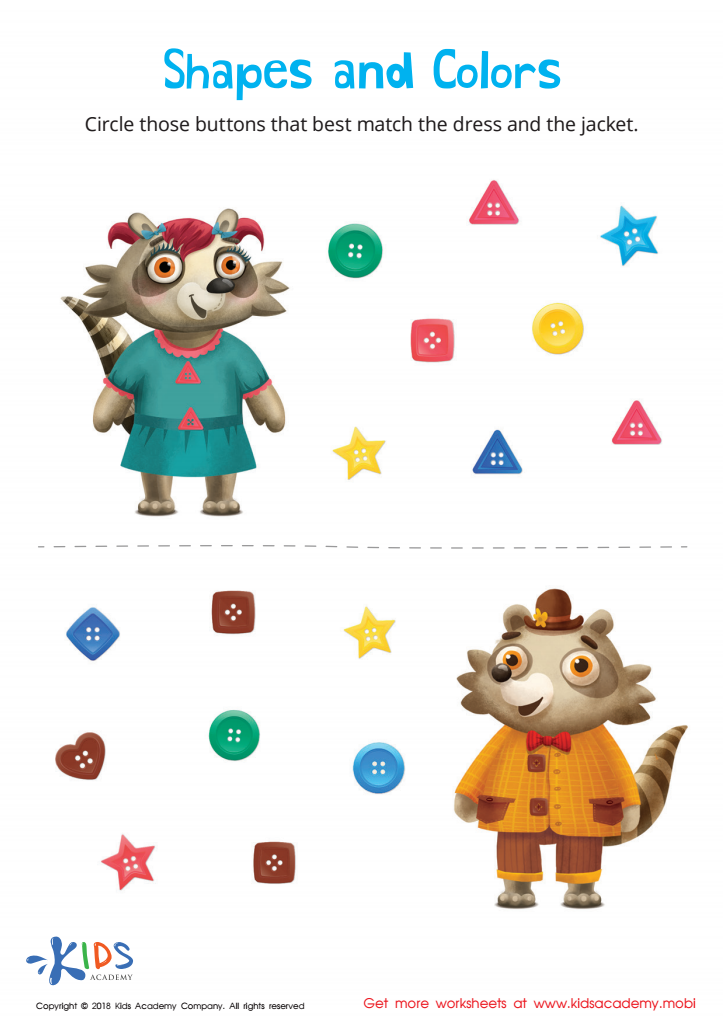
Shapes and Colors Worksheet
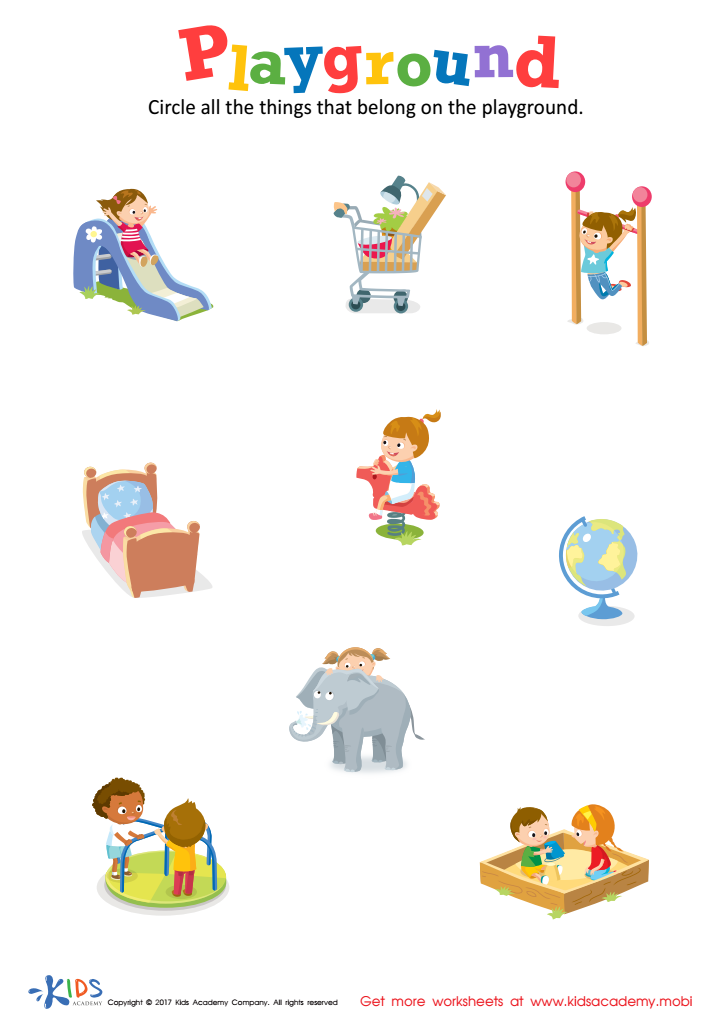
Playground Worksheet
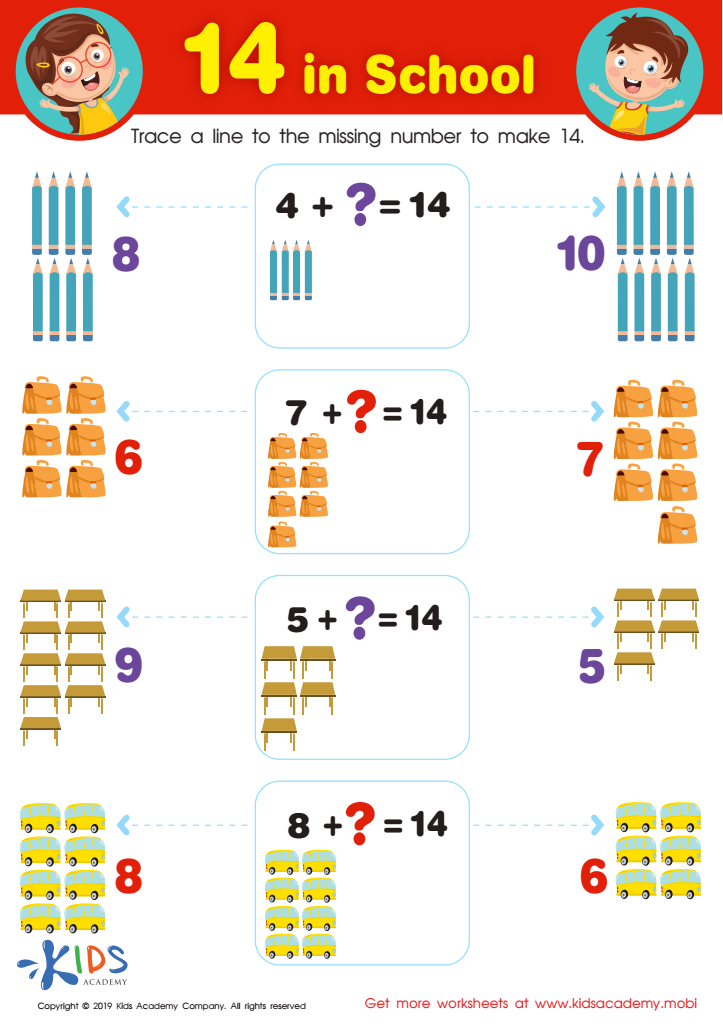
14 in School Worksheet
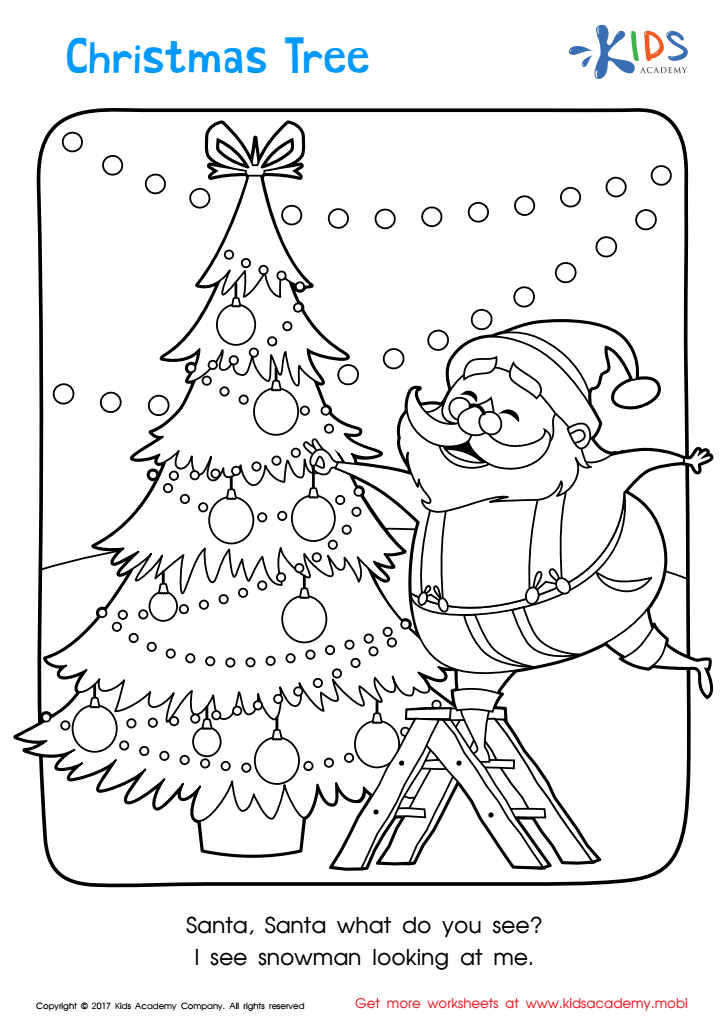
Christmas: Christmas Tree Printable
Assign to My Students








Color identification is a crucial developmental milestone for children ages 3-8, making it a key focus for both parents and teachers. Mastering color recognition enhances cognitive development by helping kids categorize and make sense of the world around them. It fosters creativity, allowing children to express themselves through art and imaginative play, as they explore color combinations and their effects.
Additionally, color identification is foundational for learning other concepts, such as sorting, categorizing, and even early math skills. For example, identifying colors can assist in understanding patterns, sequences, and relationships. This foundational knowledge not only boosts children's academic readiness but also provides opportunities for engaging classroom activities and home learning experiences.
Socially, mastering color identification can foster confidence as children participate in group activities, share art projects, and communicate their ideas. It can stimulate discussion and collaboration among peers.
Moreover, observing a child's ability to recognize colors can alert parents and teachers to possible developmental delays or learning challenges, enabling timely intervention. Ultimately, embracing color identification enriches children's educational experiences and nurtures their overall growth, making it an essential focus in early childhood development.








