Fine Motor Skills Normal 2D Shapes Worksheets for Ages 3-8
5 filtered results
-
From - To
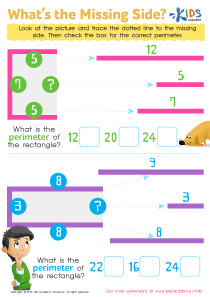
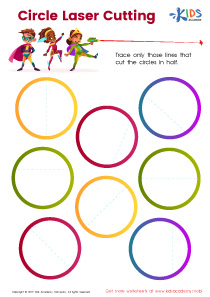
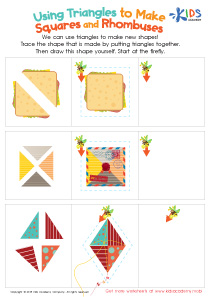
Enhance your child's fine motor skills with our engaging 2D shapes worksheets, designed specifically for ages 3-8. These printable activities focus on connecting, tracing, and coloring a variety of normal 2D shapes, helping young learners develop essential hand-eye coordination and dexterity. As children explore circles, squares, triangles, and rectangles, they not only refine their motor skills but also gain a foundational understanding of geometry. Perfect for at-home learning or classroom activities, our worksheets are an excellent resource for educators and parents alike. Encourage creativity and confidence as your little ones embark on this fun-filled shape adventure!
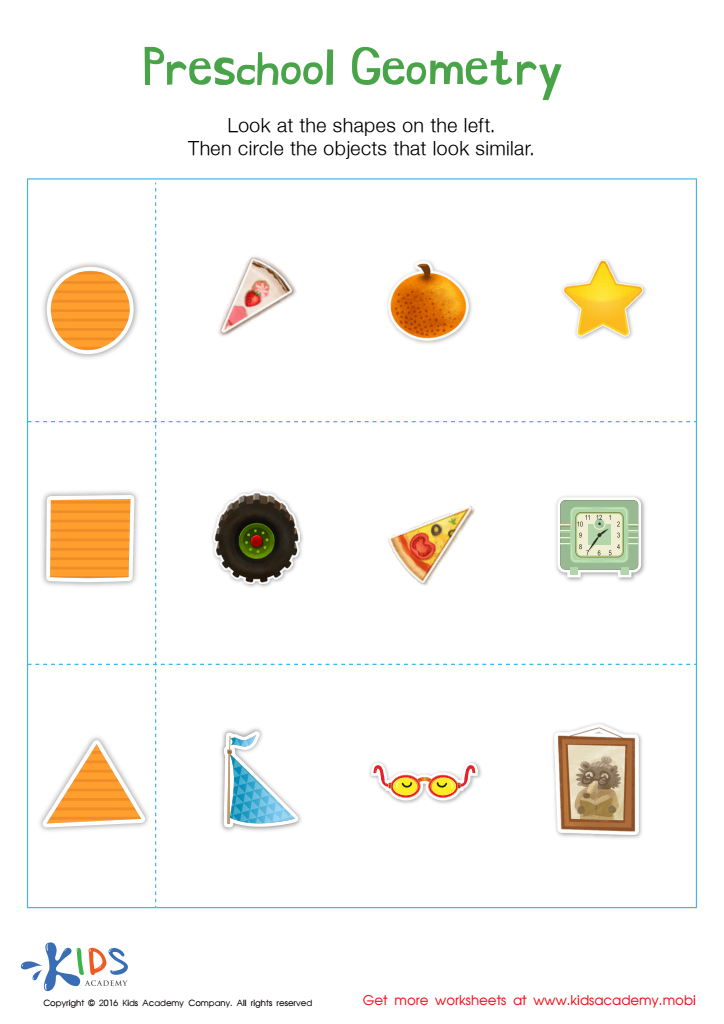
Preschool Geometry Match Up Worksheet
 Assign to My Students











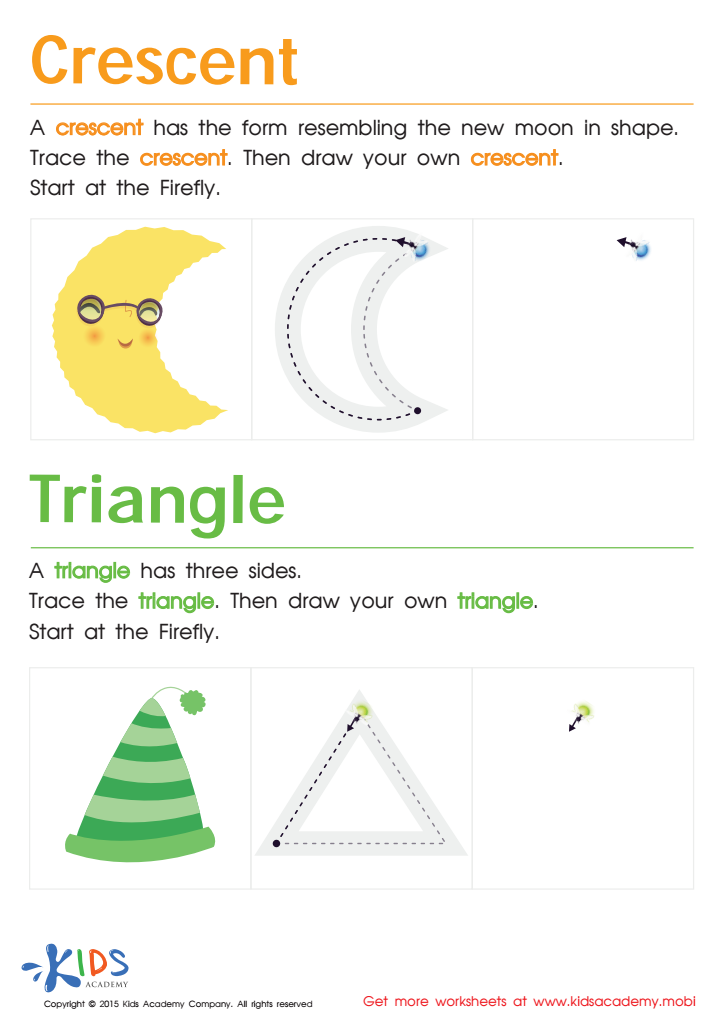
Learning to Draw Crescents And Triangles Worksheet
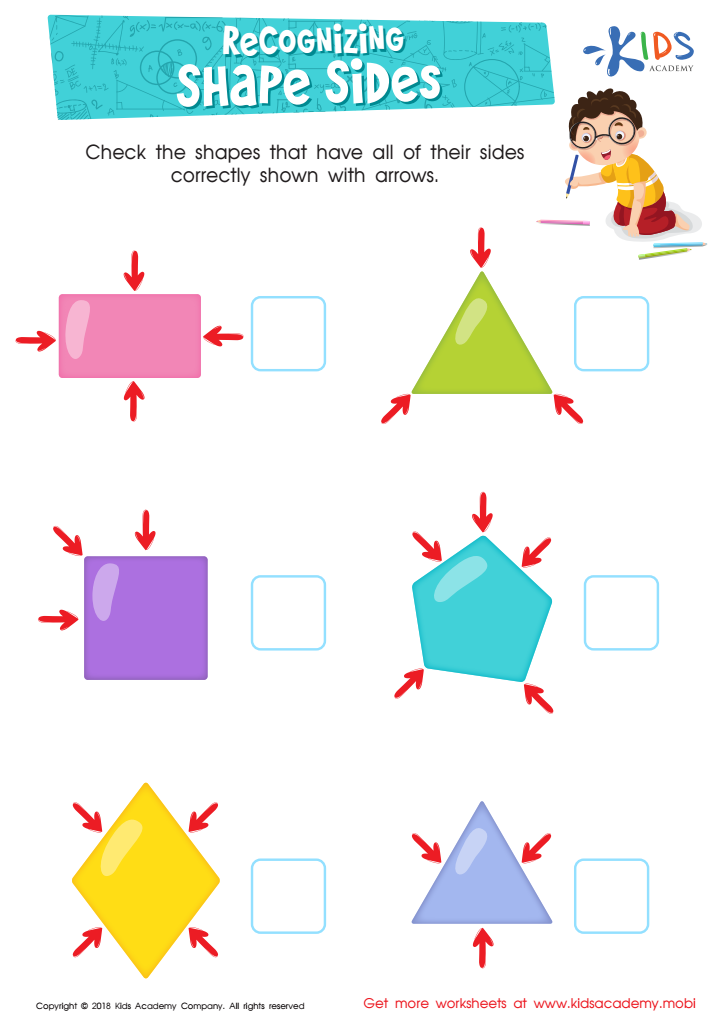
Recognizing Shape Sides Worksheet
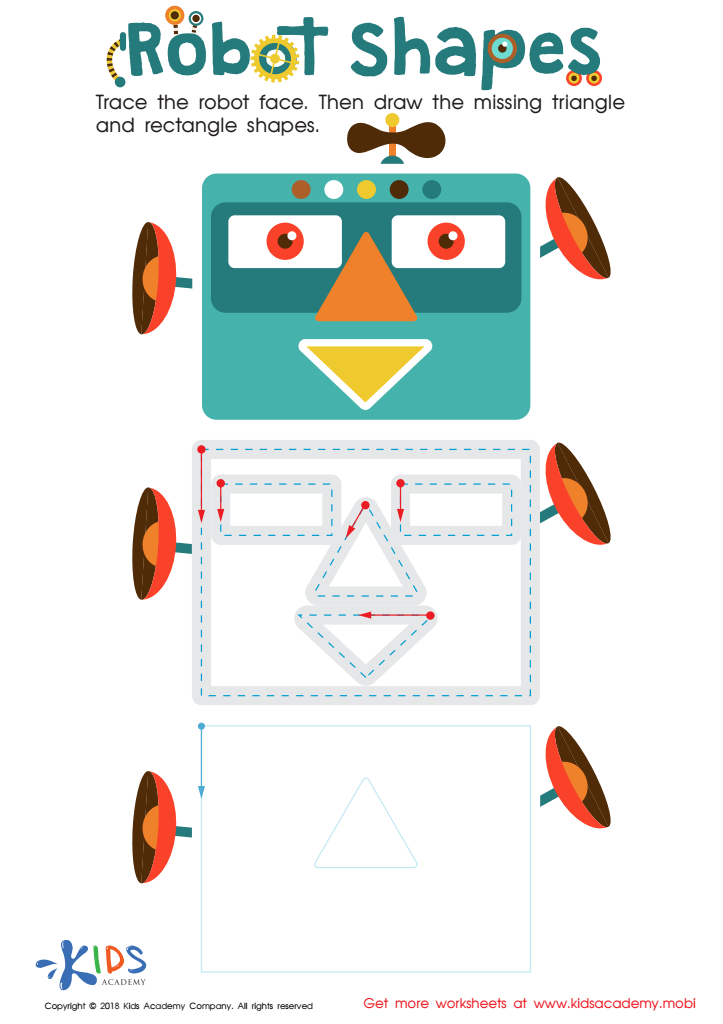
Robot Shapes Worksheet
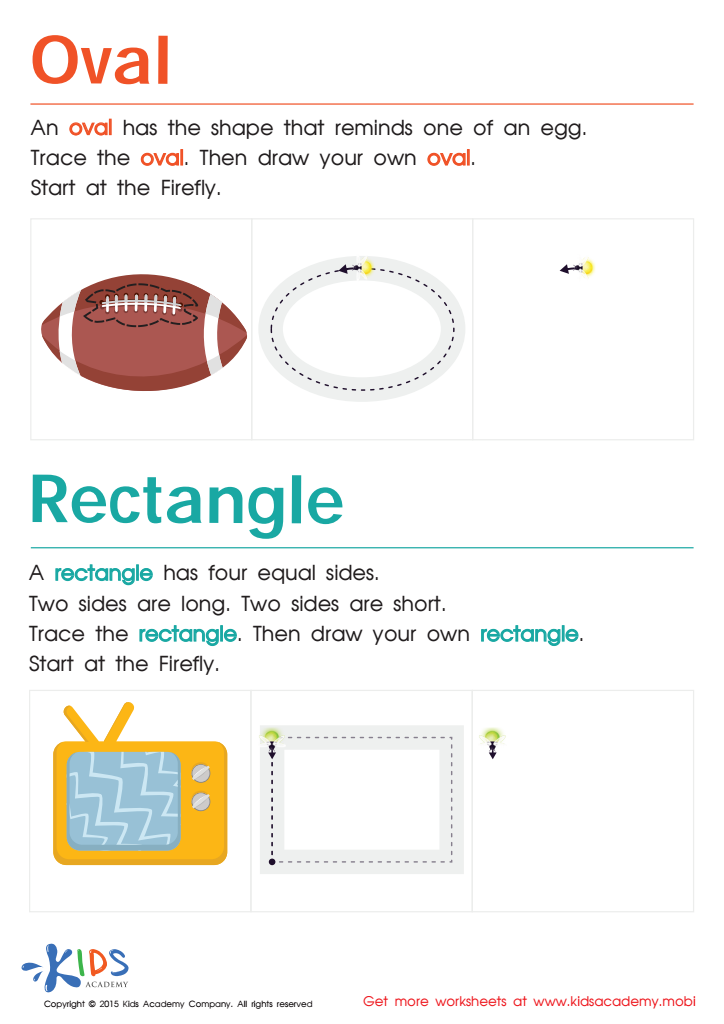
Easy Drawing of Ovals And Rectangles Worksheet








Fine motor skills are crucial for children aged 3-8, as they form the foundation for various essential abilities, including writing, self-care, and academic success. During this stage, children are developing their hand-eye coordination, dexterity, and hand strength, which are all vital for managing 2D shapes. Engaging with shapes helps children refine their fine motor skills through activities like cutting, coloring, and manipulating shape toys.
Moreover, understanding 2D shapes enhances cognitive development, as it promotes spatial awareness and problem-solving skills. Recognizing and creating shapes encourages kids to observe their environment more closely, fostering critical thinking. Those skills are crucial when they progress to more complex tasks, such as geometry in later years.
For parents and teachers, prioritizing activities that focus on fine motor skills and shape recognition can significantly impact children’s readiness for school. It promotes independence, fosters creativity, and boosts self-esteem, enabling children to explore and express their ideas through various means. By caring about the development of these skills, adults set the stage for lifelong learning and confidence in children as they navigate their educational journeys.